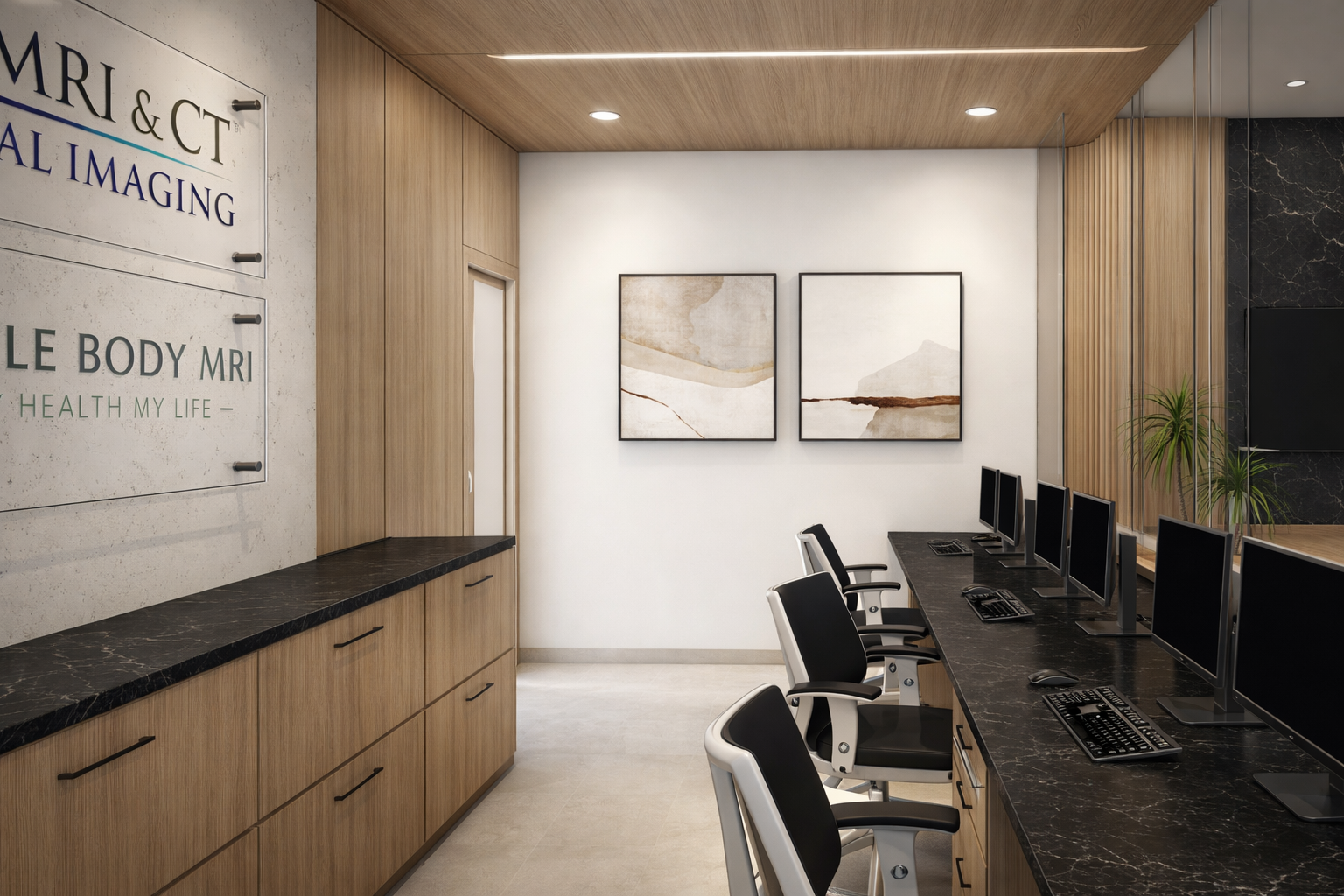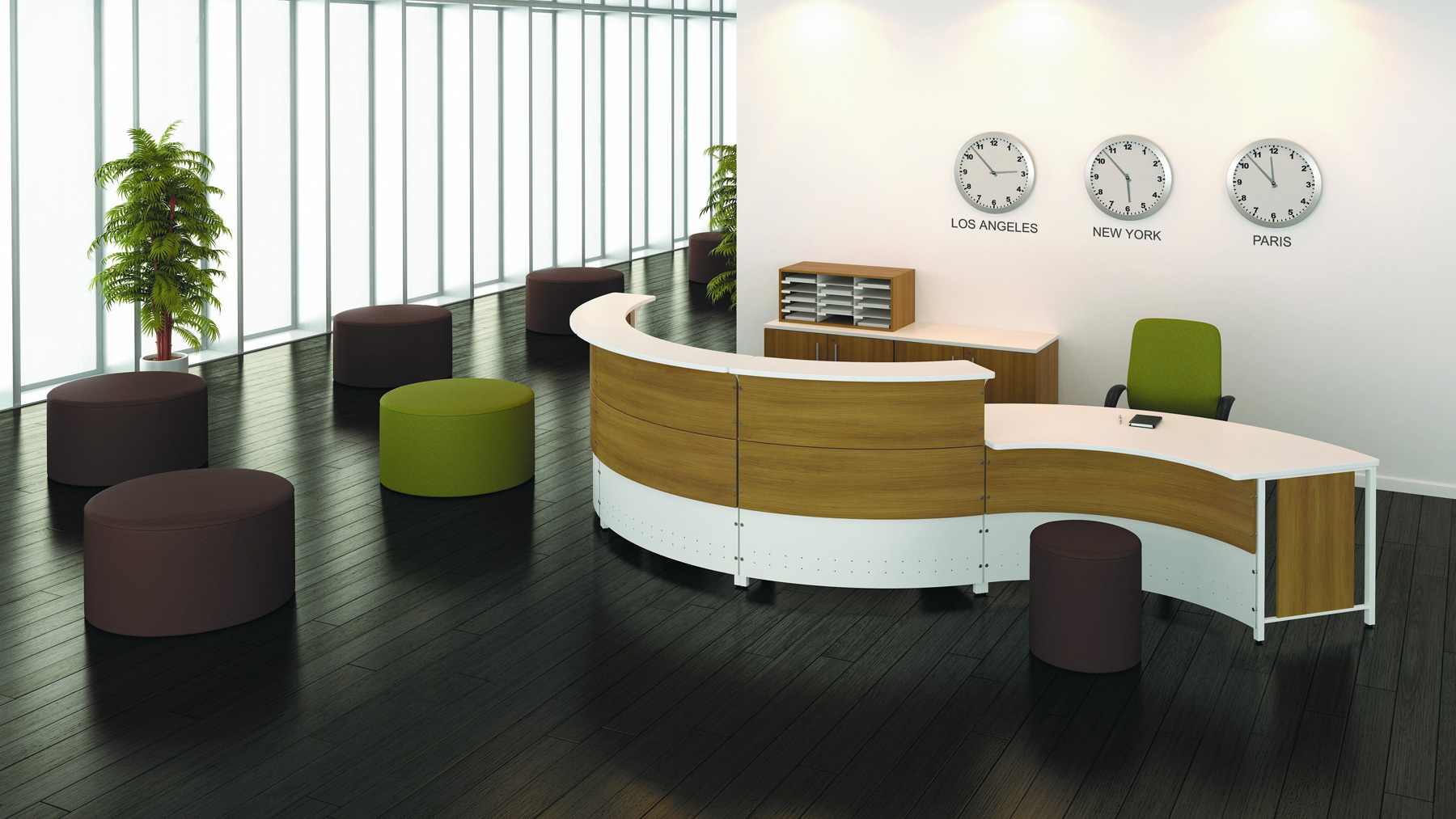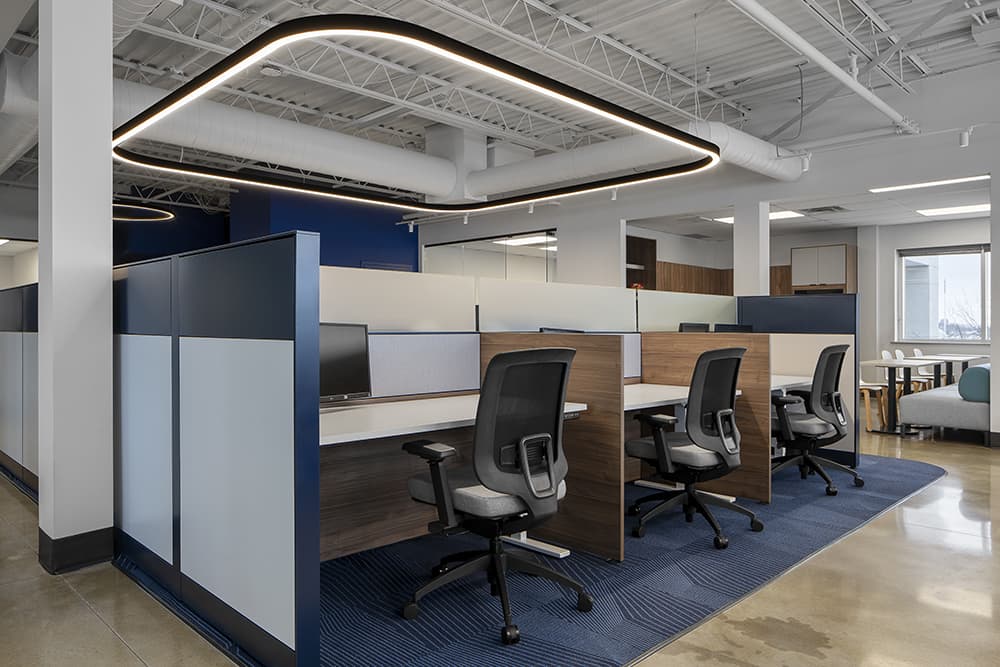
In legal environments, office interior design details matter because clients often arrive with stress, uncertainty, or sensitive information they are not ready to discuss in a space that feels exposed.
Reception is not just the front room of a law office. It is the first trust test.
A crowded layout can make clients feel like their matter is one of many. Poor acoustics can make private conversations feel too public. Confusing circulation can add tension before a consultation even begins. On the other hand, a well planned reception area creates order. It tells clients that the firm is prepared, discreet, and capable of handling important matters with care.
This is why law office reception design should be treated as part of the legal service experience, not a decorative afterthought. Strong office interior design supports confidentiality, comfort, and professionalism from the first step inside. When reception works well, clients may not notice every design choice, but they feel the result.
That feeling sets the tone for everything that follows.
Office Interior Design Should Make Clients Feel Oriented Immediately
One of the biggest problems in poorly planned law office receptions is uncertainty.
Clients arrive and immediately start looking for cues. Where should they check in. Where should they wait. Which direction should they go. Can conversations nearby be overheard.
If those answers are unclear, tension rises quickly.
Office interior design in legal environments should reduce cognitive friction from the moment someone enters the space.
That often starts with circulation clarity. Reception should be visible without feeling exposed. Waiting areas should feel intentionally placed rather than leftover space beside circulation paths. Clients should never feel as though they are standing inside operational workflow while waiting for assistance.
Commercial interior design for law firms performs best when the space quietly guides behaviour without requiring excessive signage or explanation.
Simple adjustments in office design layout can significantly improve this experience. Controlled sightlines, intuitive movement paths, and proper separation between waiting and working areas help the office feel more composed immediately.
Clients may never consciously identify these details, but they feel the difference right away.
Commercial Interior Design Should Protect Privacy at Reception
Confidentiality begins before the consultation room.
Many law office receptions unintentionally expose private conversations because acoustics and circulation were treated as secondary concerns during planning.
Clients discussing appointments, legal concerns, or documentation should not feel exposed to nearby visitors or employees moving through the office.
This is where commercial interior design becomes much more operational than visual.
Reception desks should allow staff to communicate discreetly without projecting conversations into the waiting area. Seating should not force clients into close proximity during sensitive discussions. Consultation rooms should not open directly into crowded circulation zones where conversations become visible or audible.
Acoustic control also matters significantly in these spaces. Hard finishes, open ceilings, and overly reflective surfaces can make even quiet conversations carry farther than intended.
Interior design services that specialize in legal environments often approach reception acoustics very carefully because the first few minutes inside the office strongly influence how secure and respected clients feel.
Privacy should feel effortless at reception, not dependent on people lowering their voices constantly.
Office Design Layout Should Separate Public and Legal Workflow
One of the clearest differences between strong and weak legal office reception design is how movement is handled.
In many poorly planned offices, clients move through operational work areas simply to reach meeting rooms. Staff circulation overlaps constantly with waiting zones. Confidential discussions become visible because the office lacks proper separation between public and legal work areas.
A stronger office design layout creates layers.
Reception and waiting areas form the public layer. Consultation rooms create the client interaction layer. Internal legal work areas remain protected beyond those spaces.
This separation improves both confidentiality and professionalism.
Clients feel more comfortable because they are not exposed to the operational side of the firm unnecessarily. Employees work more efficiently because circulation remains organized instead of constantly interrupted by public traffic.
Corporate interior design for law firms should support these transitions naturally. The office should feel connected without making every part of the workplace publicly accessible.
That balance creates a stronger sense of control throughout the entire client experience.
Office Furniture Design Shapes Comfort More Than Firms Expect
Clients may spend only a short time in reception, but that experience still influences perception strongly.
Office furniture design affects whether the environment feels calm, supportive, and professional or uncomfortable and transactional.
Seating that is too rigid, crowded, or overly formal can increase stress during already difficult situations. At the same time, reception furniture that feels overly casual may weaken the professionalism clients expect from a legal environment.
This balance matters.
Canadian office furniture systems often work well in law offices because they combine durability, ergonomic support, and more restrained aesthetics that align naturally with professional services environments.
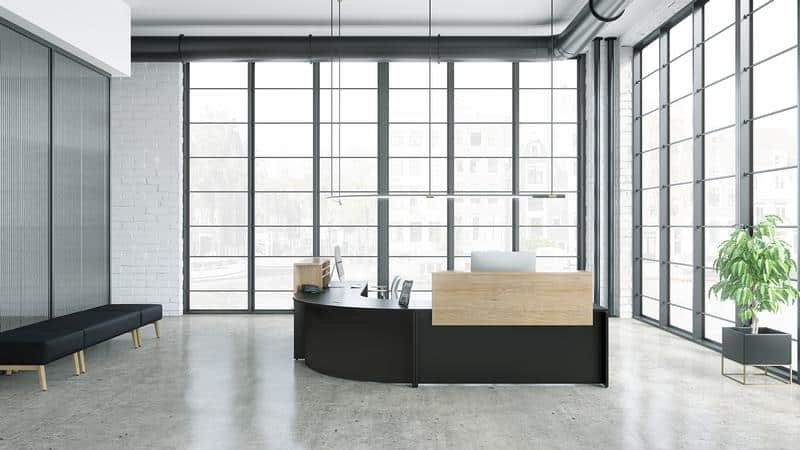
Reception desks also deserve more attention than they often receive. A poorly positioned desk can create awkward circulation, expose computer screens or paperwork, and force staff into uncomfortable interactions with clients.
Office furniture design should support both operational efficiency and emotional comfort without making the reception space feel overdesigned.
The best legal reception environments often feel quieter and simpler than trend-focused commercial offices.
Interior Design Services Should Treat Reception as Part of the Legal Experience
Reception is not separate from legal service. It is part of it.
Clients often arrive carrying stress, uncertainty, or emotional pressure. The workplace should help reduce that tension rather than increase it.
This is why interior design services for law firms should approach reception planning strategically instead of cosmetically.
The goal is not to create a dramatic lobby. It is to create an environment that reinforces:
- professionalism
- confidentiality
- calmness
- clarity
- operational control
Lighting, circulation, acoustics, furniture placement, material selection, and consultation room access all contribute to how clients experience the firm before any legal discussion begins.
Interior design firms Toronto that specialize in professional services environments often approach reception design through behaviour and workflow rather than branding alone.
That operational focus tends to create workplaces that age more gracefully and perform better long term.
Law Office Reception Design Should Feel Controlled, Not Intimidating
Some firms mistake professionalism for formality.
The result is often a reception space that feels cold, rigid, or overly corporate. Clients may feel impressed visually while still feeling uncomfortable emotionally.
Legal environments need a different balance.
The office should communicate professionalism and discretion while still allowing clients to feel comfortable enough to speak openly once meetings begin.
That usually comes from restraint rather than excess.
Controlled lighting, comfortable seating, layered acoustics, durable materials, and thoughtful office space planning often create a stronger client experience than dramatic finishes or oversized branding gestures.
Commercial interior design works best in legal environments when the office feels composed rather than performative.
That quiet confidence is often what clients trust most.
Frequently Asked Questions (FAQ):
Why is reception design so important in law offices?
Reception is often the first direct experience clients have with the firm. Before legal advice is discussed, clients begin evaluating whether the environment feels professional, organized, and private enough to trust with sensitive information.
A poorly planned reception area can create uncertainty quickly. Clients may feel exposed during conversations, unsure where to go, or uncomfortable while waiting. Even small operational issues such as poor acoustics, confusing circulation, or crowded seating can affect perception significantly.
Strong law office reception design helps clients feel calm, respected, and confident before meetings even begin. That emotional experience plays a larger role in trust than many firms realize.
How does reception layout affect confidentiality?
Reception layout directly affects how visible and audible client interaction becomes. If waiting areas sit too close to reception desks, confidential discussions may be overheard. If consultation rooms open directly into public circulation zones, clients may feel exposed entering or leaving meetings.
A strong office design layout creates separation between public waiting, staff workflow, and confidential meeting areas. Circulation should feel intuitive while still protecting privacy. Acoustic planning should reduce sound transfer between reception, waiting, and operational spaces.
Confidentiality in law offices depends heavily on how movement, visibility, and sound are managed together throughout the reception experience.
What makes a law office reception feel professional without feeling intimidating?
The strongest legal reception spaces feel calm and controlled rather than overly formal or dramatic. Professionalism usually comes from clarity, organization, and restraint rather than luxury alone.
Clients should feel that the firm is capable and structured without feeling overwhelmed by the environment. Comfortable seating, warm but durable materials, proper lighting, and thoughtful spacing help create this balance naturally.
Reception should support emotional comfort as much as visual professionalism. Many clients entering a law office are already under stress. The environment should help lower tension rather than increase it.
Key Takeaways
- Law office reception design strongly influences client trust before meetings begin
- Office interior design should reduce uncertainty and improve circulation clarity
- Commercial interior design must protect confidentiality at reception areas
- Office design layout should separate public circulation from legal workflow
- Office furniture design affects comfort, professionalism, and operational flow
- Canadian office furniture systems often support durability and restrained professionalism effectively
- Reception acoustics play a major role in protecting privacy and reducing tension
- Interior design services should treat reception as part of the overall legal experience
A law office reception area is not simply where clients wait.
It is where they begin deciding whether the firm feels organized, discreet, and capable of handling sensitive matters professionally.
When office interior design, office space planning, commercial interior design, and office furniture design are aligned around confidentiality, circulation, and client comfort, reception becomes more than a first impression. It becomes part of the trust-building process itself.