Whether you are planning a full office redesign, a phased upgrade, or a more strategic reconfiguration of your current space, we help create workplaces that feel more functional, polished, and aligned with how your business operates.
Office Design That Supports Technical Teams
Technical and project-based firms often need a different kind of workplace than a general office. The space has to support concentration, internal coordination, team review, private conversations, and a professional client experience, often all within the same footprint.
A workplace that is too open can make focused work harder. A workplace that is too rigid can make collaboration inefficient. The goal is to create an office that supports both heads-down work and team interaction without constant friction.
Our approach to commercial design is rooted in how the business operates day to day. That means thinking beyond finishes and furniture to consider layout, acoustics, meeting capacity, client-facing areas, flow between teams, and how the office should evolve as the business grows.
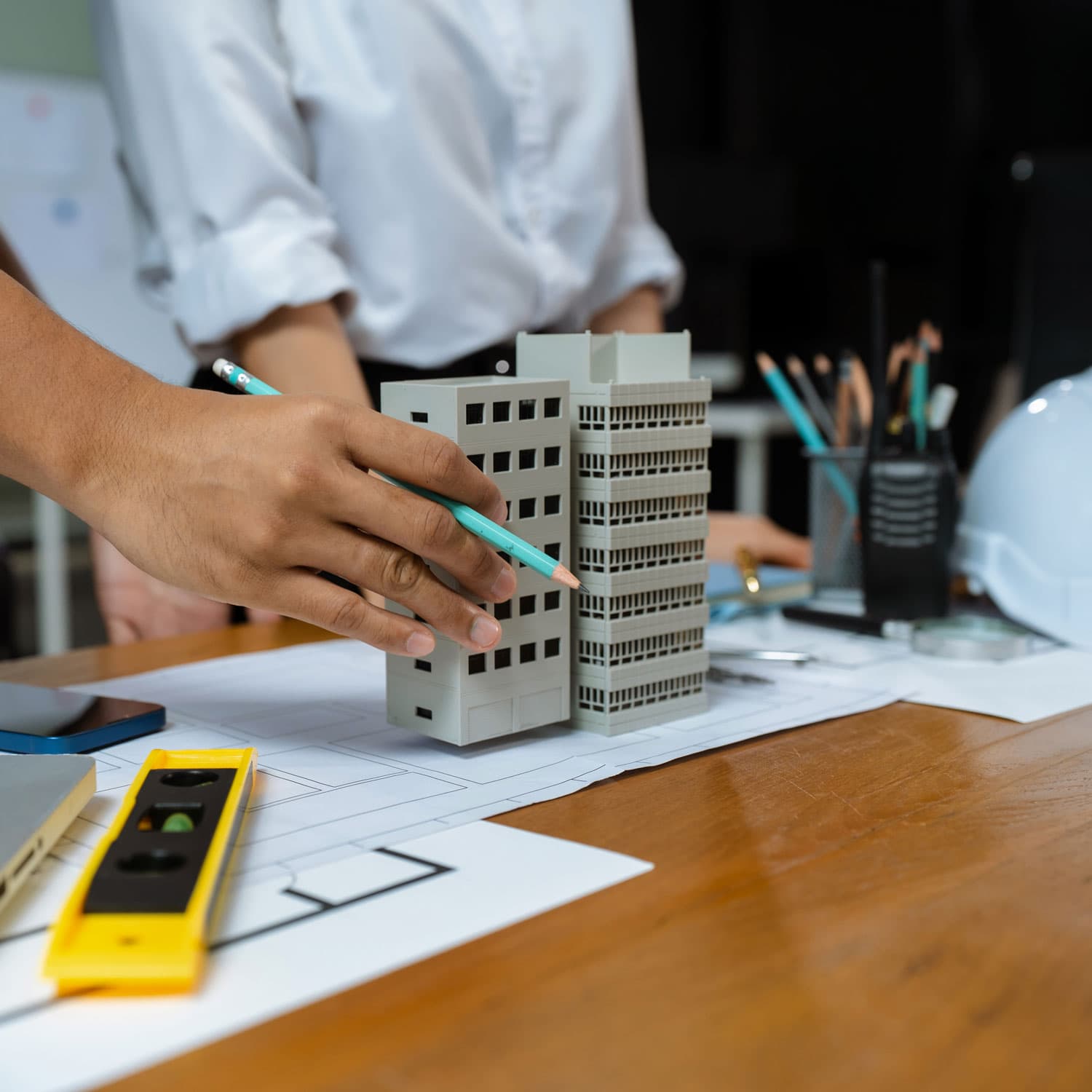

Common Workplace Challenges for Engineering and Professional Services Firms
Many engineering and professional services firms reach a point where the office no longer supports the quality of the work being done. The space may still fit the team physically, but it starts creating friction in how people focus, meet, collaborate, and represent the business to clients.
Common challenges include:
Focus Issues
Not enough quiet space for focused technical work
Meeting Space Gaps
Too few meeting rooms, review rooms, or project spaces
Workflow Friction
Layouts that interrupt workflow between teams
Client Perception
Reception or boardroom areas that do not reflect the professionalism of the firm
Privacy Problems
Too much openness in areas that need privacy or concentration
Growth Constraints
Limited flexibility for growth, new hires, or shifting team structures
Hiring Impact
A workplace that makes recruiting and retention more difficult
Generic Workspace Feel
An office that feels generic instead of aligned with the business
When these issues build up, the problem is not just aesthetic. The office becomes less effective for staff, leadership, clients, and project delivery.
What we consider when designing for engineering and technical firms

Focus and concentration
Engineering and technical work often requires sustained attention. We help plan offices with quieter work zones, better acoustic separation, and layouts that reduce unnecessary disruption so teams can focus more effectively.
Collaboration and project work
Technical teams also need spaces for review, coordination, and problem-solving. We plan meeting rooms, breakout areas, and project spaces that support collaboration without disrupting the rest of the workplace.
Client-facing professionalism
For many firms, the office plays a role in how clients perceive the business. Reception areas, meeting rooms, and boardrooms should feel aligned with the quality, credibility, and maturity of the firm.
Recruiting and retention
A stronger workplace can help your firm feel more professional, functional, and appealing to current staff and future hires. This can be especially important for growing firms competing for skilled talent.
Flexibility for growth
As teams evolve, the office needs to adapt. We help create layouts that can support changing headcount, new roles, and shifting team structures without forcing reactive design decisions later.
Practical day-to-day functionality
Storage, circulation, privacy, acoustics, and team flow all matter. A well-designed engineering office should not only look polished. It should perform well under real business conditions every day.
Our Approach
Studio Forma starts by understanding how the workplace is currently being used and what it needs to support going forward. That may include staff operations, visitor flow, public service interactions, accessibility needs, durability requirements, and project constraints.
Where needed, we can also support project planning through permit drawings and other documentation-related services, helping align design intent with a more practical path to implementation.
Our goal is to create municipal and institutional workplaces that are more functional, more welcoming, and better suited to the realities of public-facing use.
Plan the layout and design direction
Understand how your team works
Create a more functional, client-ready office

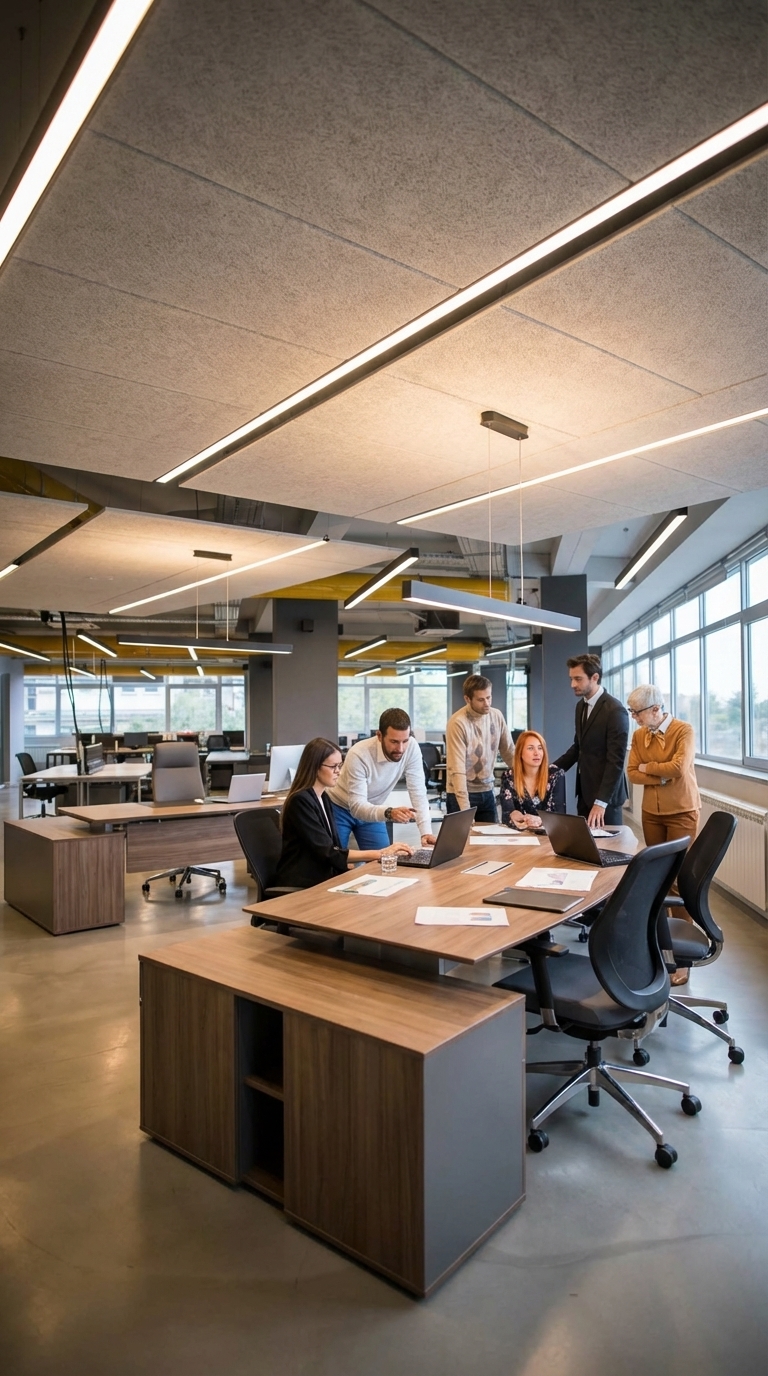
Our approach
Studio Forma begins by understanding how your firm operates before we make design recommendations. We look at team structure, workflow, client-facing needs, growth plans, and workplace pain points so the design direction is tied to how the business actually functions.From there, we develop a solution that supports both performance and perception. The goal is to create an office that feels organized, credible, modern, and well suited to the demands of a technical professional environment.If you want to see how broader workplace trends are affecting firms like yours, you can also read our article on modern professional services offices.
Who this is for
- Engineering firms
- Consulting engineering teams
- Technical advisory firms
- Project-based professional services businesses
- Firms that need a more polished client-facing office
- Growing teams that need a better balance of focus, privacy, and collaboration
Why work with Studio Forma
Studio Forma designs commercial workplaces that balance functionality, aesthetics, and business goals. We approach engineering and professional services offices with a focus on workflow, client experience, practical planning, and long-term usability.
Our team helps clients think through how the office should look, feel, and function, from layout and planning through to the details that shape everyday use. If you would like to see examples of how we approach workplace environments, visit our portfolio to explore recent projects.
- Commercial workplace focus
- Practical planning
- Design that supports real operations

What is different about office design for engineering firms?
Engineering firms often need a stronger balance between concentration and collaboration. That usually means more attention to acoustics, meeting spaces, project rooms, privacy, and workflow than a more general office plan.
Can you help create a more professional office for clients and recruits?
Yes. We help firms create offices that better reflect the quality of the business through layout improvements, stronger client-facing spaces, and more intentional workplace design.
Can an office support both focused work and collaboration?
Yes. One of the main goals of good workplace planning is to create the right mix of spaces so teams can focus when needed and collaborate effectively when required.
Can you help if we are growing and the current office no longer works?
Yes. We can help assess your current space and create a workplace strategy that better supports current headcount, workflow, and future growth.
Do you only work on full office redesigns?
Not always. Depending on the project, there may be opportunities to improve key parts of the office first and phase changes over time.
Can you help with partial upgrades instead of a full redesign?
Yes. Some businesses do not need a full office redesign. In many cases,targeted upgrades to key areas can make a meaningful difference in how theworkplace looks, feels, and functions. This may include updates toreception areas, meeting rooms, branded elements, finishes, furniture, orlayout improvements within specific parts of the office. The right approachdepends on your goals, budget, and the condition of the existing space.