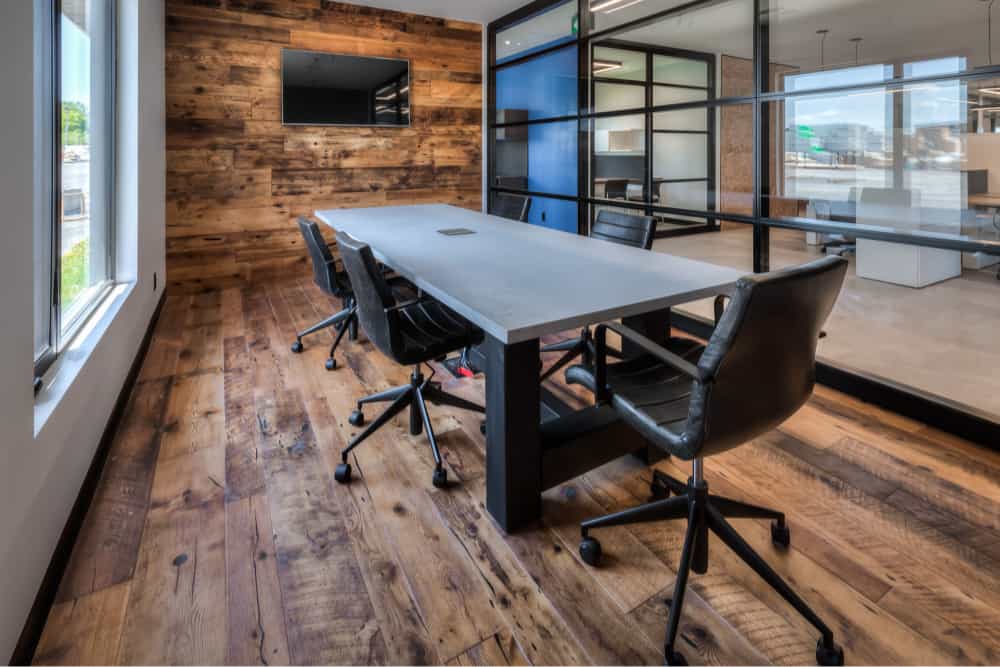
Most clients will never remember the exact dimensions of a boardroom table or the finish on the walls in legal offices they visit. What they remember is how the room made the conversation feel.
They remember whether the meeting felt organized or awkward. Whether confidential discussions felt comfortably private or slightly exposed. Whether the technology worked without interruption or pulled attention away from the discussion every few minutes. In legal environments, those details shape trust much faster than firms often realize.
Boardrooms carry unusual pressure inside law offices because they sit at the intersection of strategy, negotiation, professionalism, and client experience. A litigation meeting, a settlement discussion, and a high stakes corporate review may all happen in the same room within a single week. The space has to support concentration, discretion, authority, and comfort without becoming cold or unnecessarily formal.
That balance is where many legal boardrooms begin to struggle.
Some firms invest heavily in appearance while overlooking acoustics and meeting flow. Others focus so aggressively on efficiency that the room starts feeling temporary rather than professional. Hybrid technology is often layered into spaces that were never designed to support it properly, creating friction during conversations that should feel controlled and seamless.
The strongest law firm boardrooms avoid these problems because they are planned around how legal conversations actually happen, not simply how the room photographs.
That is where office interior design becomes far more operational than decorative.
Office Interior Design Should Position the Boardroom as Part of the Client Journey
Clients do not experience the boardroom in isolation.
They experience the arrival sequence leading into it. The reception area. The circulation path. The transition between public space and private legal work. Every one of those moments quietly shapes perception before the meeting even begins.
A poorly planned office design layout can weaken professionalism quickly. Clients may pass directly through busy operational areas. Conversations from nearby workstations may become audible. Meeting room entrances may feel exposed to circulation traffic. None of these issues appear dramatic individually, but together they affect whether the workplace feels controlled and trustworthy.
This is why boardroom placement matters so much in commercial interior design for law firms.
The strongest legal workplaces create a clear separation between public client movement and operational legal workflow. Reception areas connect naturally to consultation rooms and boardrooms without exposing internal work areas unnecessarily. The transition feels calm, discreet, and intentional rather than overly theatrical or confusing.
That sense of control often matters more than visual luxury.
Boardroom Design Should Support Legal Conversations Naturally
Many law firms still associate professionalism with oversized boardrooms and highly formal layouts.
In practice, legal meetings today require much more flexibility than traditional conference environments were originally designed to handle. A single boardroom may host hybrid strategy sessions, confidential negotiations, mediation meetings, internal legal reviews, and client presentations all within the same week.
That operational variety changes how the room should function.
A table that is too large can create unnecessary distance during sensitive discussions. Poor lighting can make long meetings visually exhausting. Chairs that feel impressive initially may become uncomfortable after forty minutes, subtly affecting how conversations unfold over time.
Office furniture design therefore becomes more important than many firms expect.
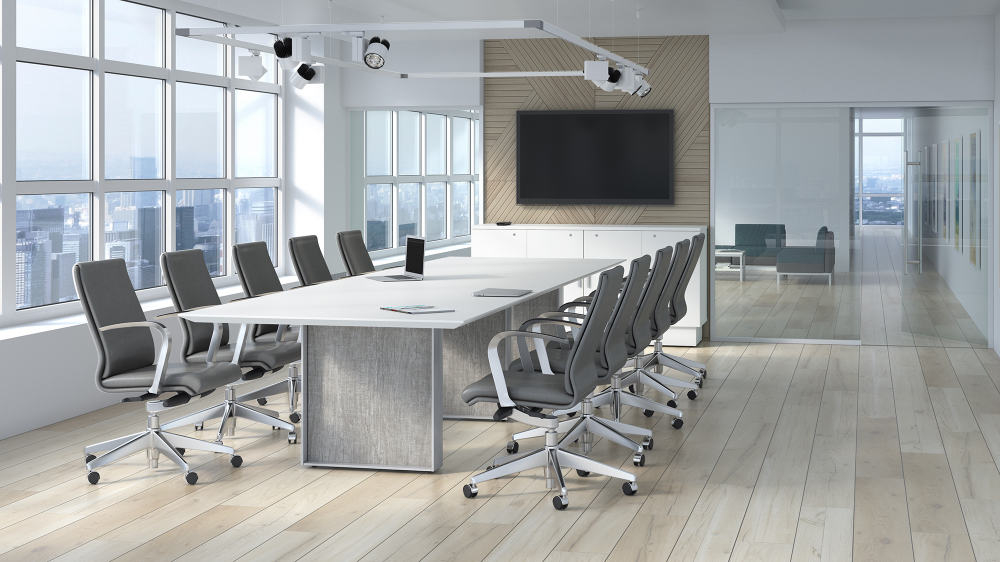
Boardrooms should feel balanced rather than intimidating. Comfortable seating, integrated technology access, layered lighting, and proportionate table sizing all contribute to whether conversations feel focused and controlled. The strongest legal meeting spaces rarely feel dramatic. They feel composed enough that the discussion itself becomes the centre of attention.
That restraint often communicates professionalism more effectively than oversized design gestures.
Commercial Interior Design Must Prioritize Acoustic Privacy Early
Boardrooms in law firms regularly host highly confidential conversations.
Litigation strategy, employment discussions, financial negotiations, acquisitions, and settlement meetings all require strong acoustic control. Yet many legal offices still underestimate how easily sound moves through modern workplaces.
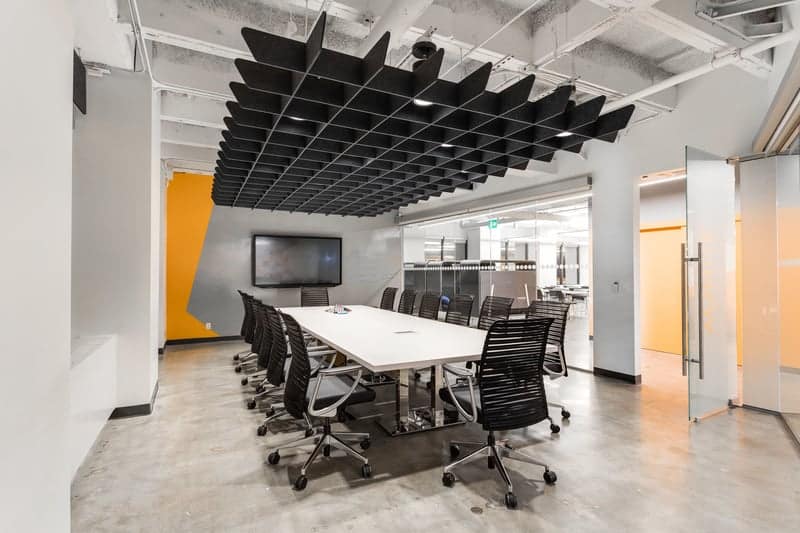
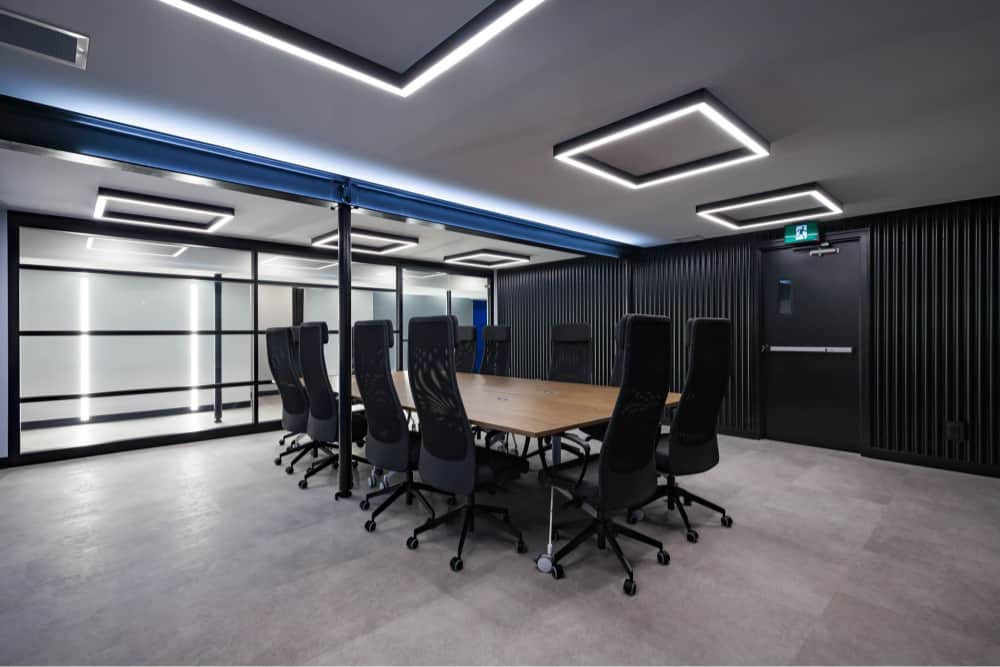
Glass walls, exposed ceilings, reflective finishes, and poorly planned circulation can make even visually enclosed rooms acoustically vulnerable. A boardroom may appear private while conversations remain partially audible from adjacent corridors or work areas.
Clients notice this immediately.
The moment participants begin lowering their voices instinctively or hesitating during sensitive discussions, the room is already failing operationally.
This is why acoustic privacy should be planned before materials and finishes are finalized. Boardroom placement, wall construction, ceiling coordination, and adjacency relationships all influence whether confidentiality feels protected naturally.
Interior design services for legal workplaces often focus heavily on acoustic layering because privacy in law offices depends as much on sound control as visual separation. The best boardrooms feel quiet without drawing attention to the acoustics themselves.
That level of control creates confidence very quickly.
Materials Quietly Influence Perceived Professionalism
Legal clients rarely analyze material selections consciously, but they respond strongly to the overall feeling those materials create.
A boardroom that feels overly trendy may weaken long term credibility surprisingly quickly. On the other hand, spaces that feel too rigid or outdated can make the firm appear resistant to modernization.
The strongest legal boardrooms usually sit somewhere between those extremes.
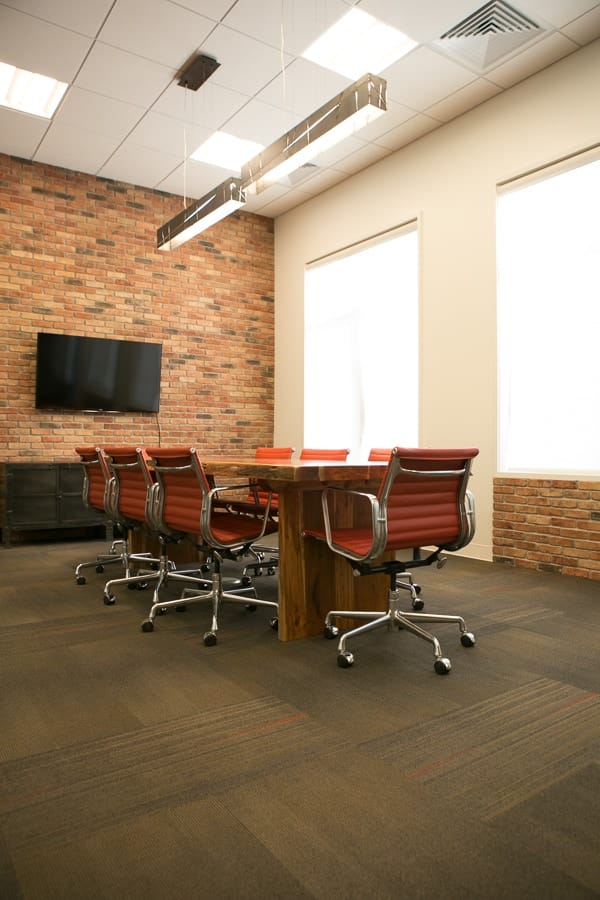
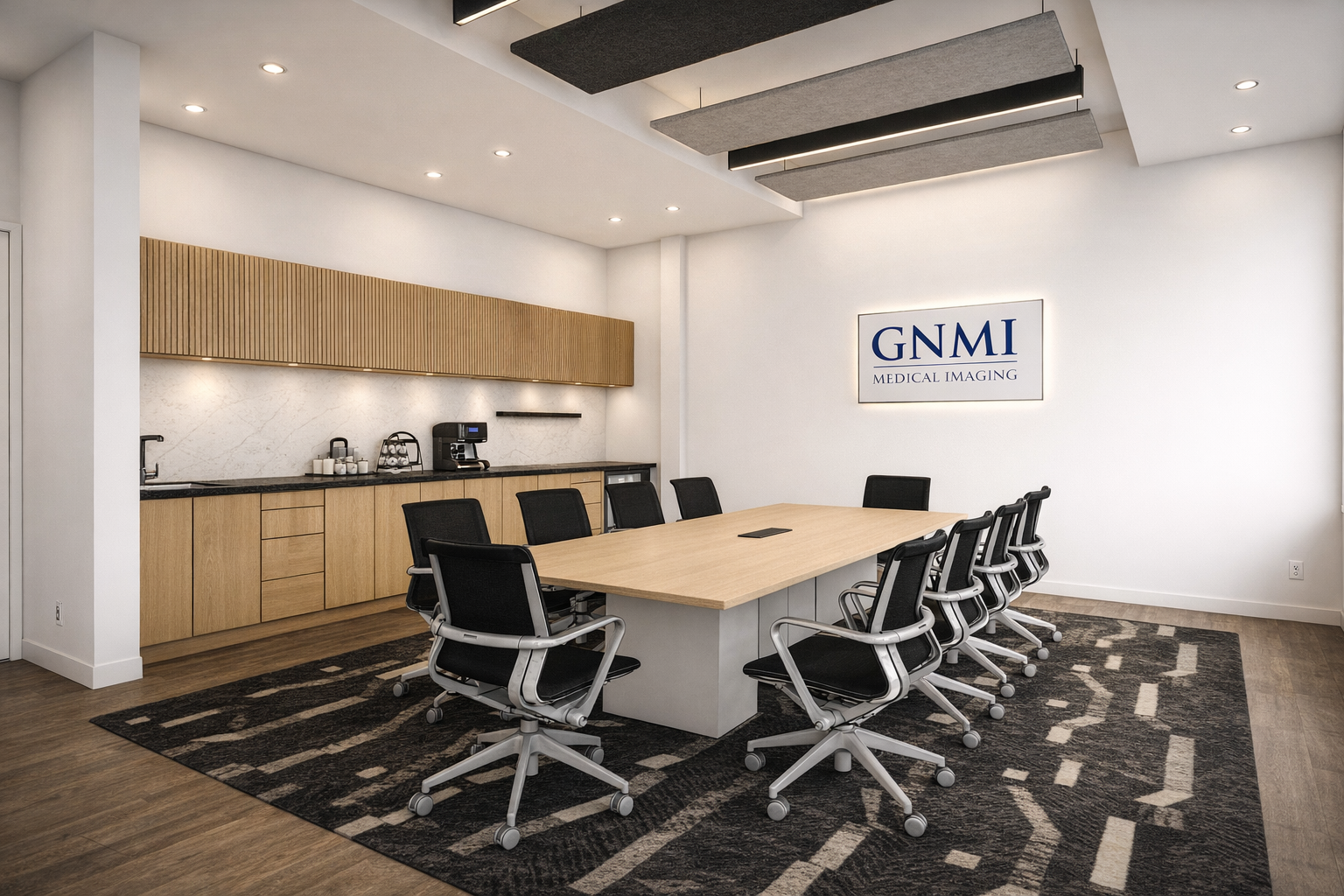
Commercial interior design in legal environments performs best when materials feel durable, restrained, and professionally timeless. Wood textures, acoustic fabrics, matte surfaces, layered lighting, and subtle detailing often create stronger long term performance because they support concentration and comfort without overwhelming the room visually.
This also applies to office furniture design.
Canadian office furniture systems often work particularly well in legal workplaces because they prioritize ergonomic comfort, durability, and cleaner detailing that supports long meetings naturally. A boardroom chair may seem like a small decision during planning, but discomfort becomes noticeable quickly during a two hour negotiation or client review.
Professionalism in legal environments usually comes from consistency and control rather than visual excess.
Technology Should Support Meetings Quietly Instead of Dominating Them
Technology problems disrupt legal meetings faster than almost any other operational issue.
Poor audio, awkward camera placement, visible wiring, inconsistent screen visibility, or unreliable conferencing systems immediately interrupt the flow of conversation and weaken professionalism. In hybrid legal environments, these interruptions have become even more noticeable because remote participation is now part of daily workflow rather than an occasional exception.
The challenge is that technology often gets added too late in the design process.
Screens are mounted after furniture placement is finalized. Cameras are positioned without considering sightlines. Power access becomes an afterthought hidden beneath tables or stretched awkwardly across surfaces. The room may look visually polished while functioning poorly during actual meetings.
Office interior design should integrate technology planning early enough that the systems disappear operationally into the space itself.
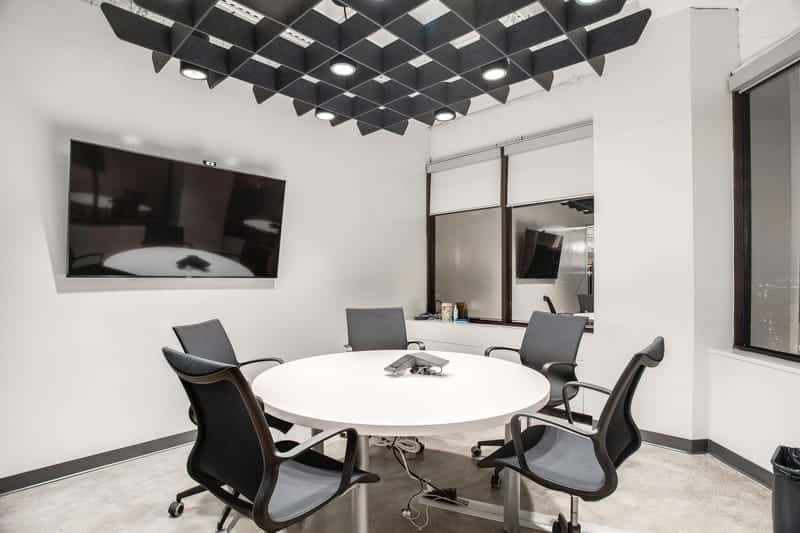
Boardroom technology should support communication quietly rather than drawing attention to itself. Lighting should work equally well for in-person and virtual participants. Cameras should feel naturally positioned rather than intrusive. Audio should remain clear without requiring constant adjustments during meetings.
When technology works properly, clients stop noticing it entirely.
That seamlessness becomes part of the professional experience.
Corporate Interior Design Should Reinforce Trust Without Overbranding
Some law firms overcompensate during boardroom design by trying to make the room visually impressive at every possible moment.
The result often feels performative instead of confident.
In legal environments, trust is usually built through clarity, discretion, and control rather than spectacle. Clients are not necessarily looking for dramatic branding statements or hospitality-inspired theatrics. They want reassurance that the firm is organized, capable, and prepared to handle sensitive matters professionally.
Corporate interior design should therefore reinforce brand identity more subtly.
Material quality, consistency, lighting, furniture detailing, and acoustic comfort often communicate professionalism more effectively than oversized logos or highly stylized feature walls. The strongest legal boardrooms feel intentional without feeling self-conscious about their appearance.
Interior design firms Toronto that specialize in professional services workplaces often approach branding this way because the most effective legal environments allow the conversation itself to remain central.
The room should support authority quietly rather than demanding attention constantly.
Frequently Asked Questions (FAQ):
What should law firms prioritize first when relocating offices?
The first priority should be evaluating whether the new space can realistically support legal workflow, confidentiality, and client experience before design decisions begin.
Many firms focus initially on lease terms or appearance, but operational fit matters far more long term. Ceiling conditions, circulation flow, acoustic separation, meeting room placement, and reception visibility all affect how well the office performs once occupied.
A space that looks attractive during a walkthrough may create privacy and workflow issues later if these conditions are not evaluated early. Office interior design planning before lease finalization often helps firms avoid expensive compromises during construction and occupancy.
Why is reception design so important during a law office relocation?
Reception shapes client perception immediately.
Clients entering a legal office are often arriving with sensitive concerns, financial stress, or emotionally difficult situations. The reception experience influences whether the firm feels organized, private, and professionally prepared to handle those matters.
Poor acoustics, crowded circulation, confusing layouts, or overly exposed waiting areas can quietly weaken confidence before any legal discussion begins.
Strong reception design helps clients feel calm and reassured through better circulation, acoustic control, comfortable office furniture design, and more thoughtful separation between public and operational areas of the office.
How does hybrid work affect law office relocation planning?
Hybrid work has made occupancy less predictable while increasing demand for flexible meeting environments and quieter focus areas.
Law firms still require strong acoustic privacy and confidential workspaces, but many no longer need every employee in the office five days a week. This creates pressure to use space more efficiently without weakening professionalism or concentration.
Modern legal workplaces often balance private offices, hybrid consultation rooms, flexible collaboration areas, and quieter associate work zones rather than relying entirely on either traditional layouts or open office concepts.
Relocation planning now requires a more layered workplace strategy that supports both flexibility and confidentiality simultaneously.
Key Takeaways
- Law firm boardrooms should support confidentiality, comfort, and client trust simultaneously
- Office interior design should position boardrooms carefully within the client journey
- Boardroom furniture affects focus, posture, and the tone of legal conversations
- Commercial interior design must prioritize acoustic privacy in legal meeting environments
- Materials should feel durable, restrained, and professionally timeless
- Integrated technology should support meetings quietly without disrupting conversation
- Canadian office furniture systems often support ergonomic and long term legal workplace performance effectively
- The strongest legal boardrooms reinforce professionalism without feeling overly formal or branded
A law firm boardroom is not simply where meetings happen. It is where professionalism becomes visible through how the space performs under pressure.
When office interior design, office furniture design, office space planning, and commercial interior design align around confidentiality, technology, comfort, and client experience, the boardroom becomes more than a meeting space. It becomes part of the trust clients place in the firm itself.
If your law firm is planning a workplace upgrade or relocation, Studio Forma can help create boardrooms that support both operational performance and long term client confidence.