Patients notice disorganization immediately. Cluttered rooms, unclear directions, and long waits can reduce trust before care even begins.
A well-planned clinic does the opposite. It feels calm, efficient, and easy to navigate.
Thoughtful office interior design plays a key role in this. According to statistics, organized healthcare environments can improve patient satisfaction by more than 20 percent and reduce perceived wait times.
For clinics, design is not just about appearance. It directly affects workflow, patient experience, and staff efficiency.
The following elements explain how commercial interior design and interior design services help create medical clinics that feel organized, professional, and reliable.
Office Interior Design That Improves Patient Flow
A clear and intuitive layout is one of the strongest signals of an organized clinic.
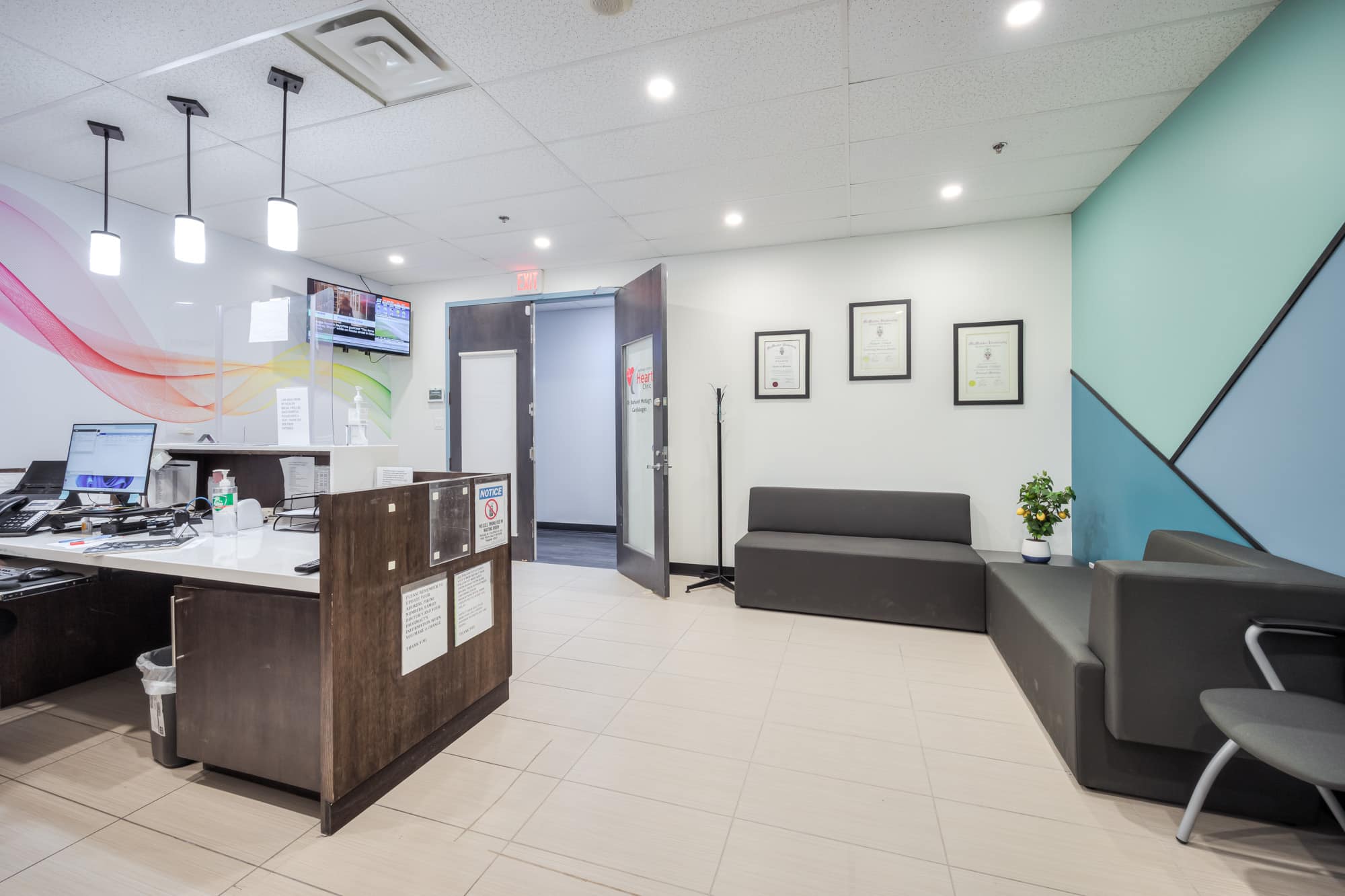
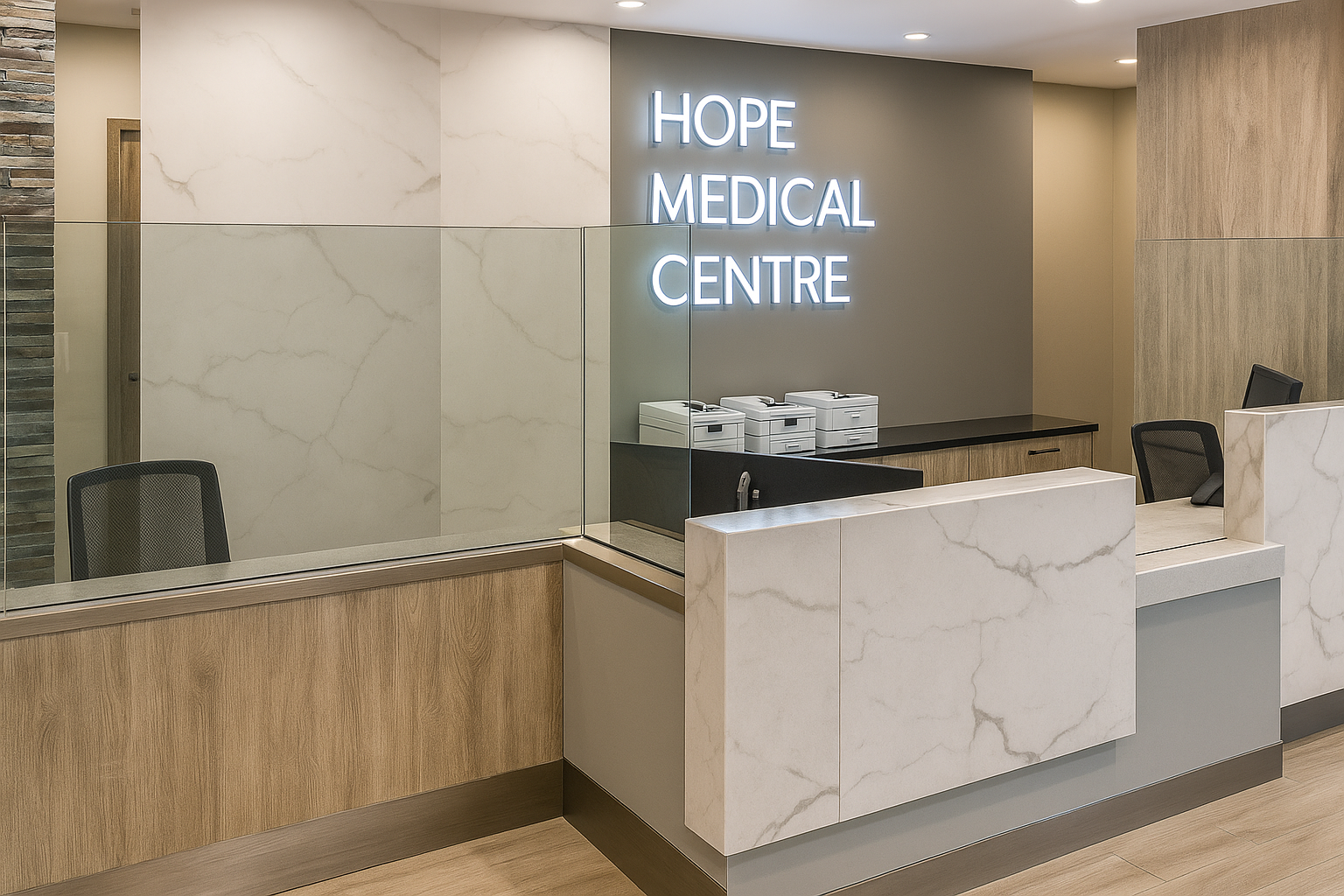
Patients should be able to move easily from reception to waiting areas and exam rooms without confusion. A well-planned office design layout uses clear sightlines, simple wayfinding, and logical room placement to support this flow.
Commercial interior design often prioritizes wider corridors, accessible pathways, and direct routes between key areas. This improves both patient experience and staff efficiency.
Interior design services also consider zoning. Separating public areas from staff-only spaces reduces congestion and improves privacy.
Office furniture design supports this by keeping reception desks open and approachable while maintaining organization behind the scenes.
Canadian office furniture solutions are often selected for their durability and clean finishes, which help maintain a professional appearance over time.
When movement through the clinic feels natural, the entire space appears more organized.
Commercial Interior Design That Reduces Visual Clutter
Clutter is one of the fastest ways to make a clinic feel unprofessional.
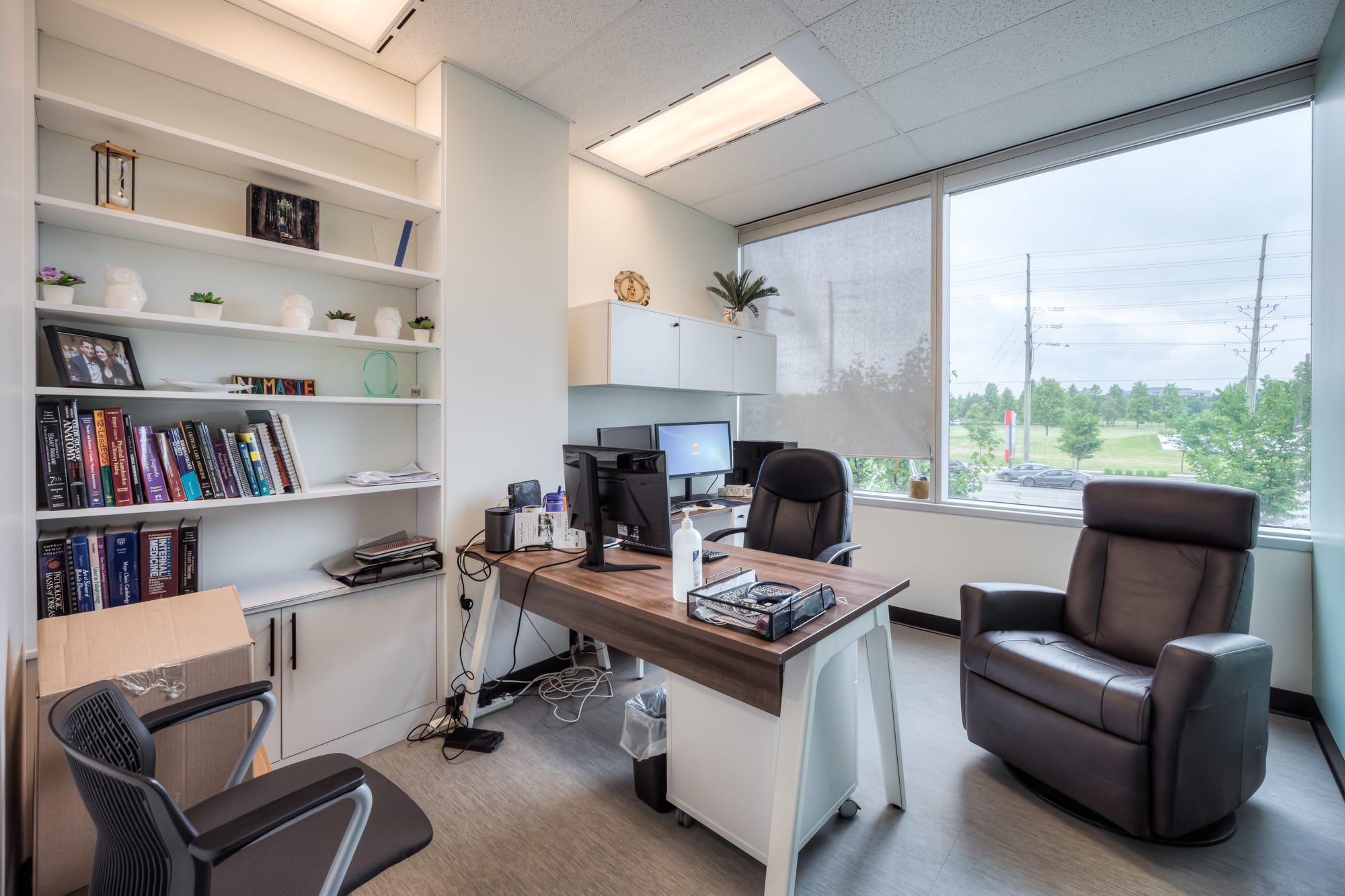
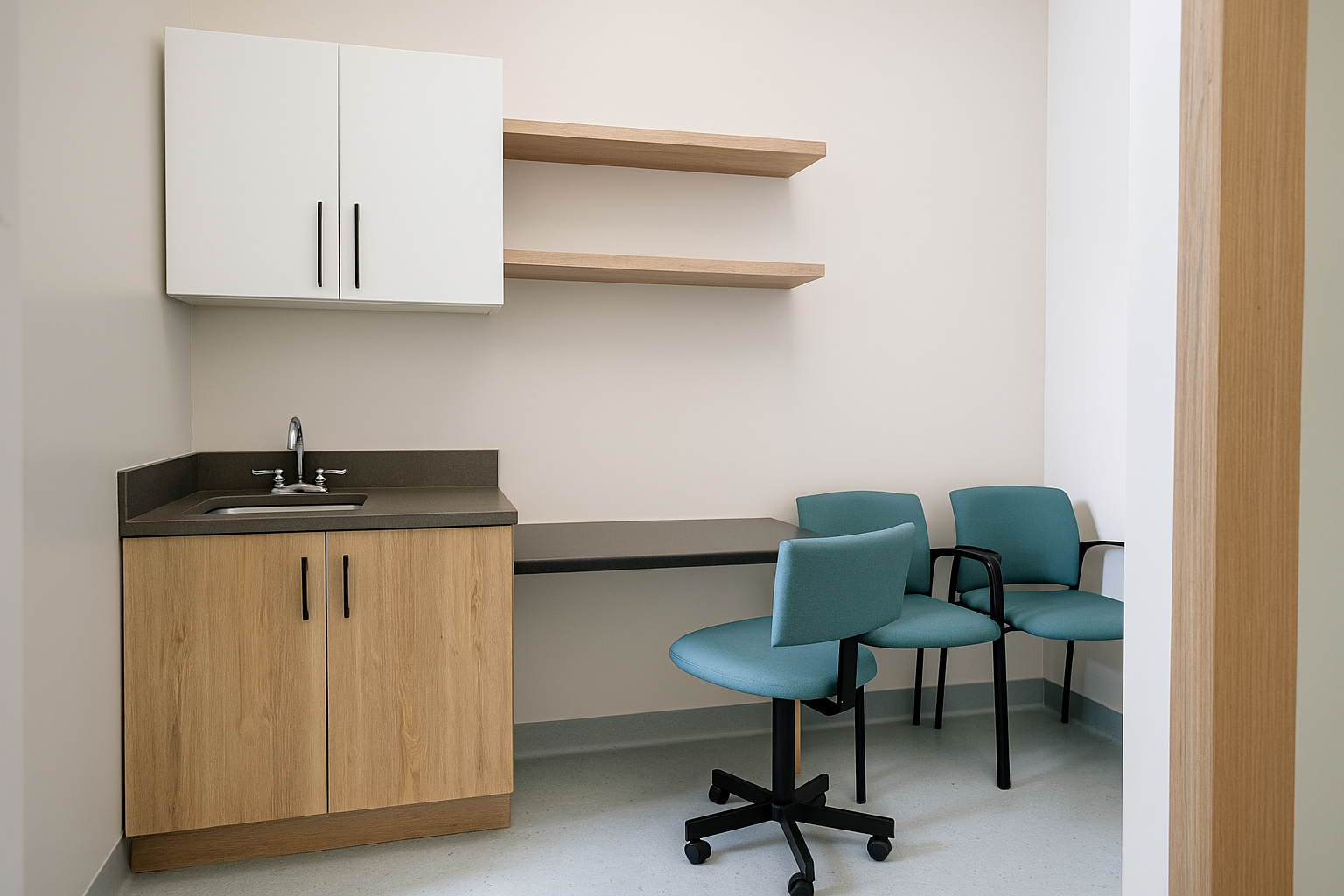
Commercial interior design addresses this by integrating storage directly into the workspace. Built-in cabinetry, concealed storage, and streamlined millwork help keep supplies out of sight but easy to access.
Interior design services plan storage based on workflow. Frequently used items are placed within reach, while bulk supplies remain hidden.
The office design layout should allow staff to work efficiently without leaving materials exposed in patient areas.
Office furniture design also contributes to a clean environment. Desks, cabinets, and workstations should include integrated storage and easy-to-clean surfaces.
Canadian office furniture is often used in healthcare settings because it meets durability and hygiene requirements while maintaining a refined appearance.
An organized space is not about having less. It is about storing everything in the right place.
Interior Design Services That Use Lighting to Create Calm
Lighting has a direct impact on how patients feel in a clinic.
Harsh or uneven lighting can increase stress, while balanced lighting creates a sense of calm and professionalism.
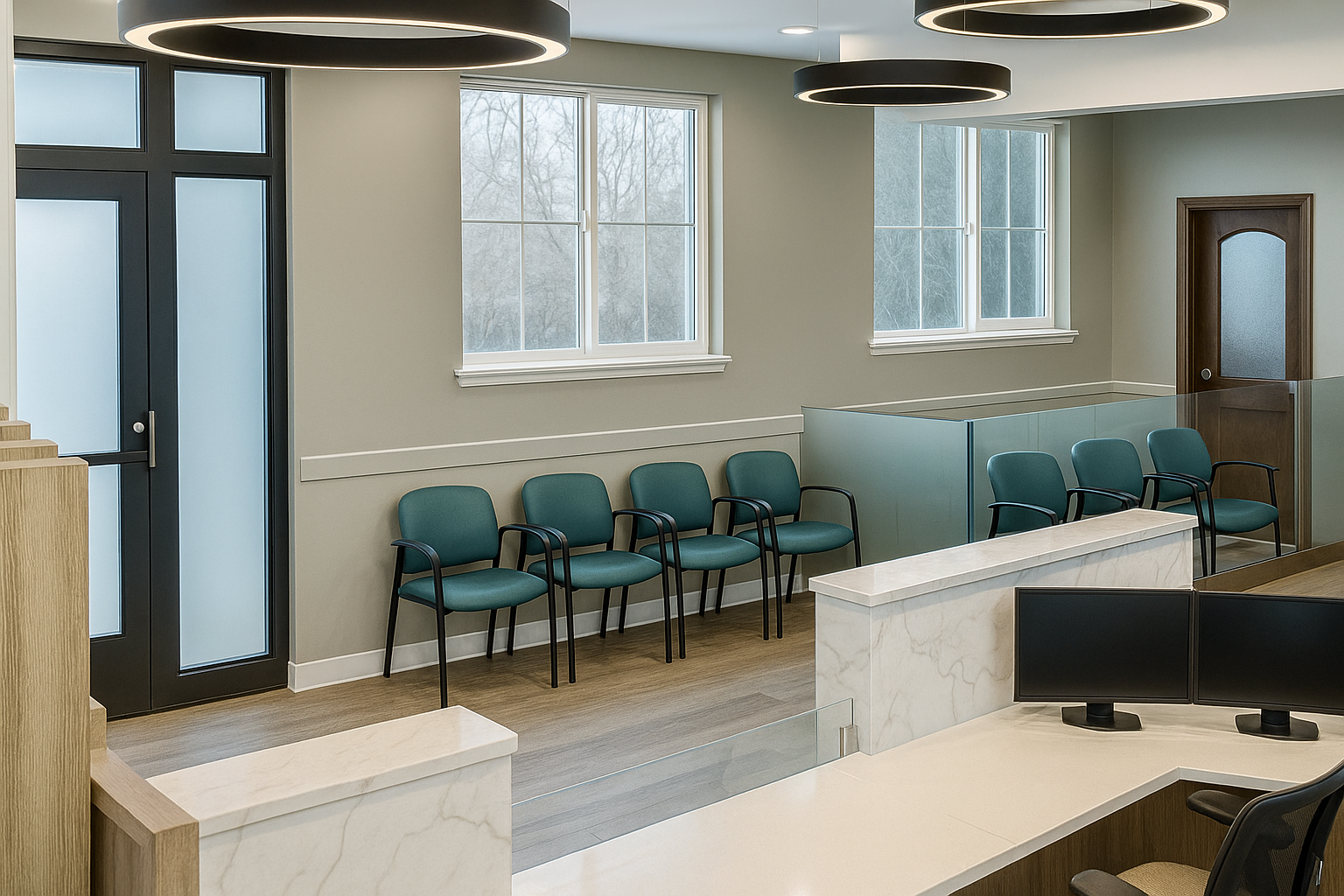
Interior design services use layered lighting to support different functions. Waiting areas benefit from softer, ambient lighting, while exam rooms require brighter, task-focused lighting.
Commercial interior design also considers colour temperature. Neutral to warm lighting helps create a more comfortable environment without affecting visibility.
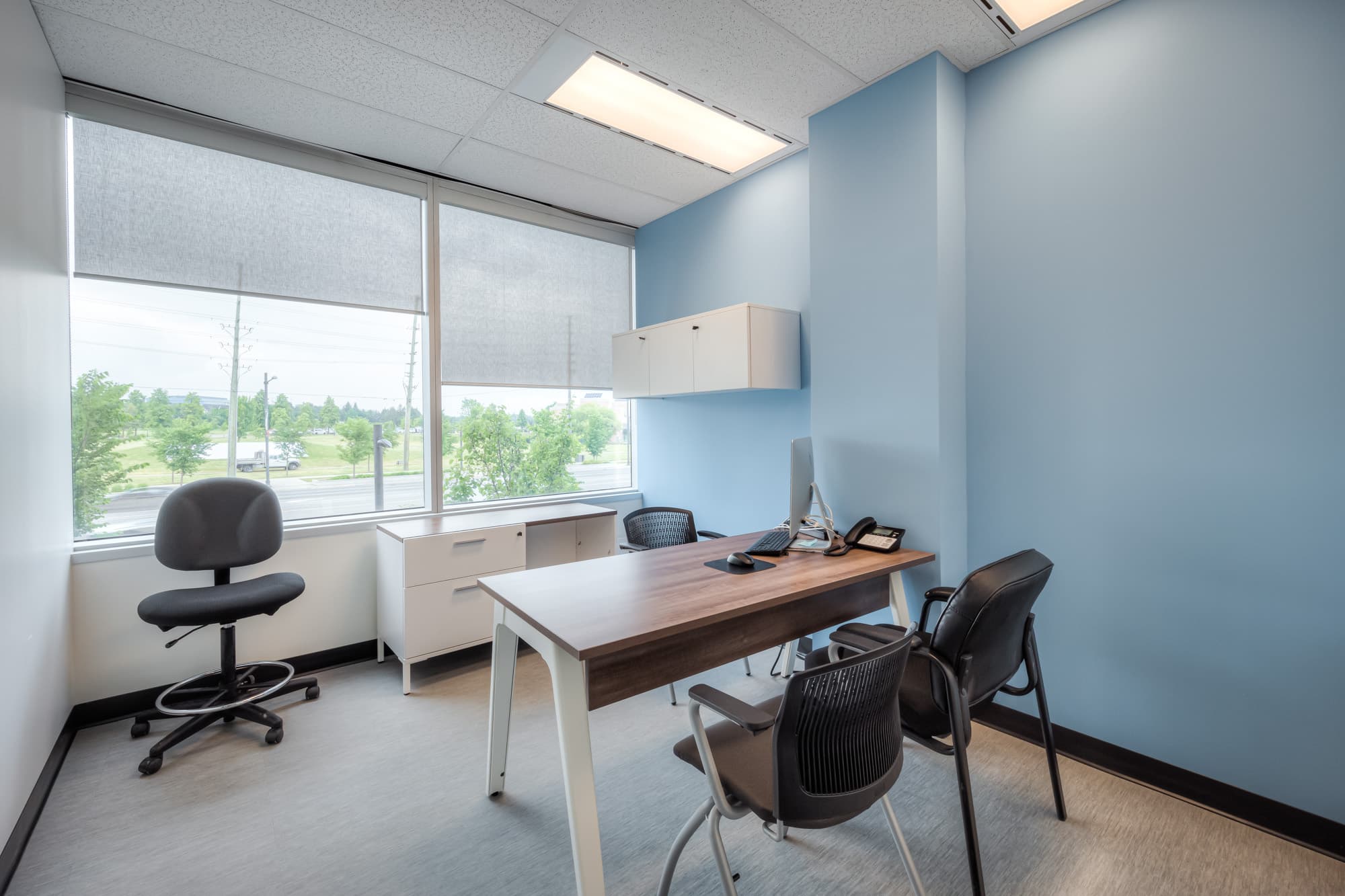
The office design layout should position lighting to reduce glare and ensure even coverage throughout the space.
Office furniture design can integrate lighting into workstations and millwork, keeping fixtures unobtrusive.
Canadian office furniture systems often support these integrations, helping maintain a clean and cohesive design.
Well-designed lighting makes the clinic feel more controlled and less stressful.
Office Interior Design That Supports Comfort and Cleanliness
Comfort and hygiene are essential in healthcare environments.
Office interior design must ensure that seating, surfaces, and materials are easy to maintain while remaining comfortable for patients.
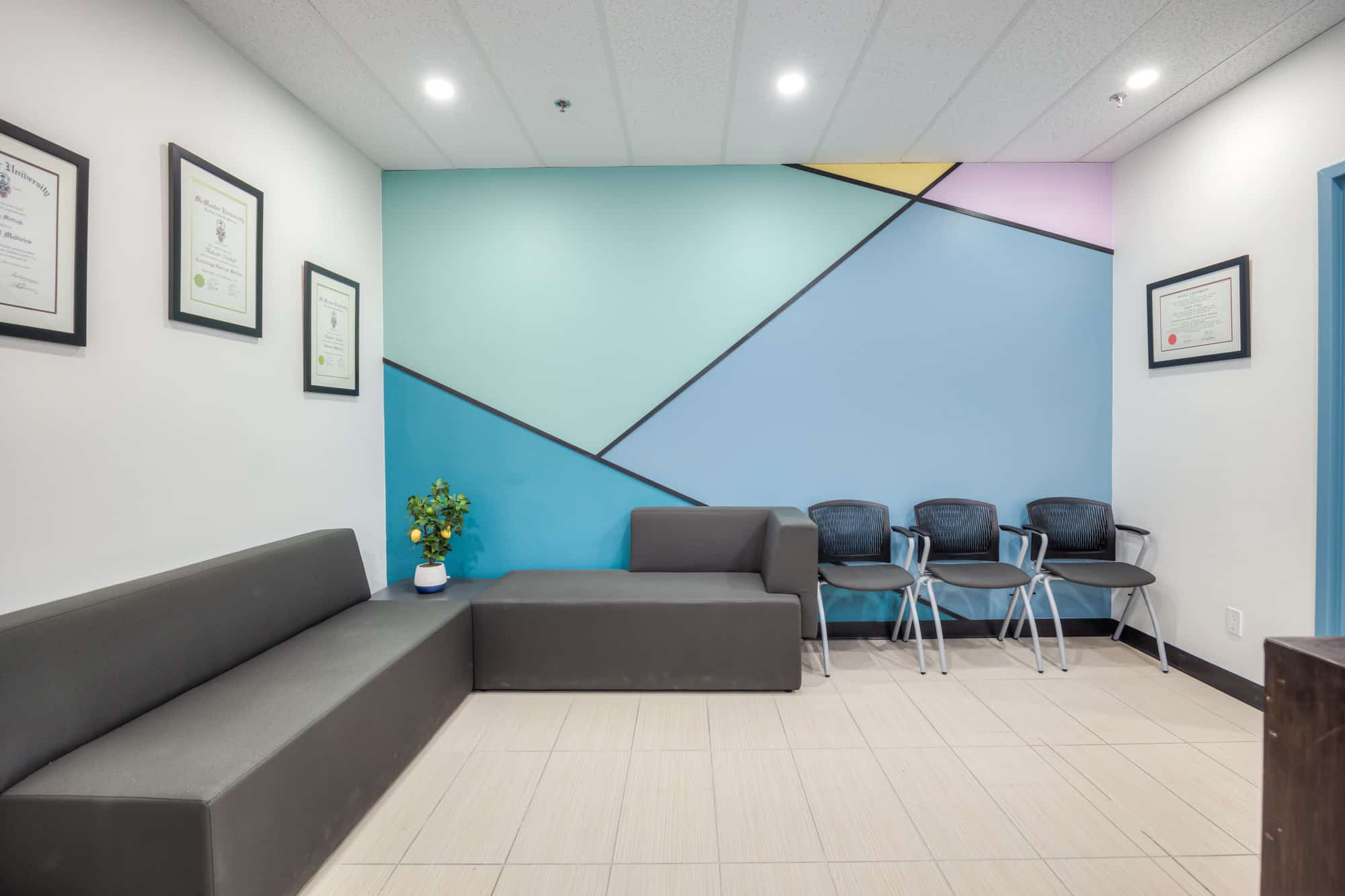
Commercial interior design typically uses durable, non-porous materials that withstand frequent cleaning. Seating in waiting areas should be supportive, easy to disinfect, and spaced to maintain comfort.
Interior design services also consider ergonomics. Proper seat height, spacing, and accessibility improve the patient experience.
Office furniture design plays a key role here. Chairs, reception desks, and exam room furniture must balance comfort with durability.
Canadian office furniture manufacturers provide many healthcare-ready solutions designed for high-use environments.
A clean, comfortable space reinforces professionalism and attention to detail.
Corporate Interior Design That Improves Wayfinding
Clear navigation is essential in a well-organized clinic.
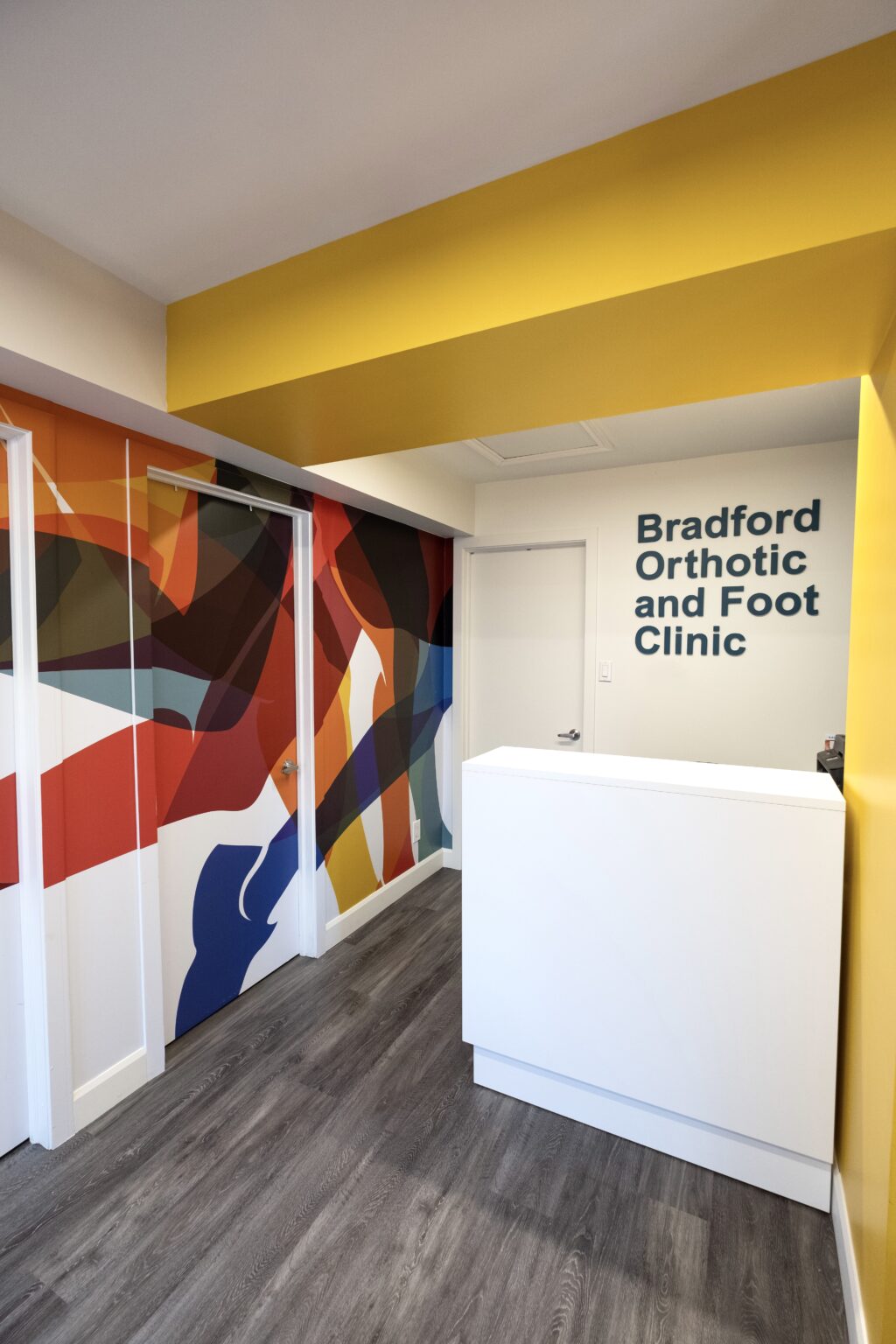
Patients should not need to ask for directions multiple times. Corporate interior design uses signage, layout, and visual cues to guide movement through the space.
Commercial interior design often includes clear signage at key decision points, consistent room numbering, and accessible design features.
Interior design services also consider contrast, readability, and placement to ensure signage is easy to understand.
The office design layout should group related functions together, reducing confusion and unnecessary movement.
Office furniture design can support wayfinding by integrating directories or information points into reception areas.
Canadian office furniture solutions often include modular elements that can adapt as the clinic grows or changes.
When navigation is clear, the clinic feels more efficient and professional.
Frequently Asked Questions (FAQ):
What makes a medical clinic feel more organized?
Clear layouts, proper storage, and consistent signage help create a space that is easy to navigate and visually clean.
How does commercial interior design improve clinic efficiency?
It improves workflow by organizing spaces, reducing clutter, and ensuring patients and staff can move through the clinic easily.
Why is lighting important in clinic design?
Lighting affects both visibility and patient comfort. Balanced lighting creates a calm environment while supporting medical tasks.
Key Takeaways
Office interior design should prioritize clear patient flow and intuitive layouts
Commercial interior design reduces clutter through integrated storage solutions
Interior design services use lighting to create calm and improve visibility
Office furniture design supports comfort, hygiene, and organization
Corporate interior design improves wayfinding with clear signage and layout
Canadian office furniture provides durable and healthcare-ready solutions
An organized clinic builds trust. Patients feel more confident when the space is clean, easy to navigate, and professionally designed.
Effective office interior design supports both patient experience and staff workflow. Commercial interior design ensures the layout works efficiently, while interior design services refine the details that shape how the space feels.
From the office design layout to office furniture design, every decision contributes to a clinic that operates smoothly.
With the right approach and well-selected Canadian office furniture, medical clinics can create environments that feel structured, calm, and professional.