
Accounting firms face a common challenge. They need to modernize their workplace without losing the trust and professionalism clients expect.
Many offices either stay outdated or overcorrect with trendy designs that feel out of place. Neither approach works. Clients expect stability. Staff need efficient, comfortable environments.
The right office interior design for accountants balances both.
Modern office design can improve focus, reduce distractions, and support digital workflows. At the same time, materials, layout, and furniture must reinforce credibility. A well-planned office design layout helps firms achieve both without unnecessary disruption.
Interior design services play a key role here. They align workspace performance with brand identity, ensuring that updates feel intentional, not cosmetic.
Below are the core strategies accounting firms should follow to modernize their office while maintaining a professional image.
Office Interior Design That Balances Warmth and Clarity
Lighting and material choices define how a space feels.
Modern office interior design replaces harsh lighting with balanced, natural tones. Neutral white light improves visibility for screen work, while warmer finishes prevent the space from feeling clinical.
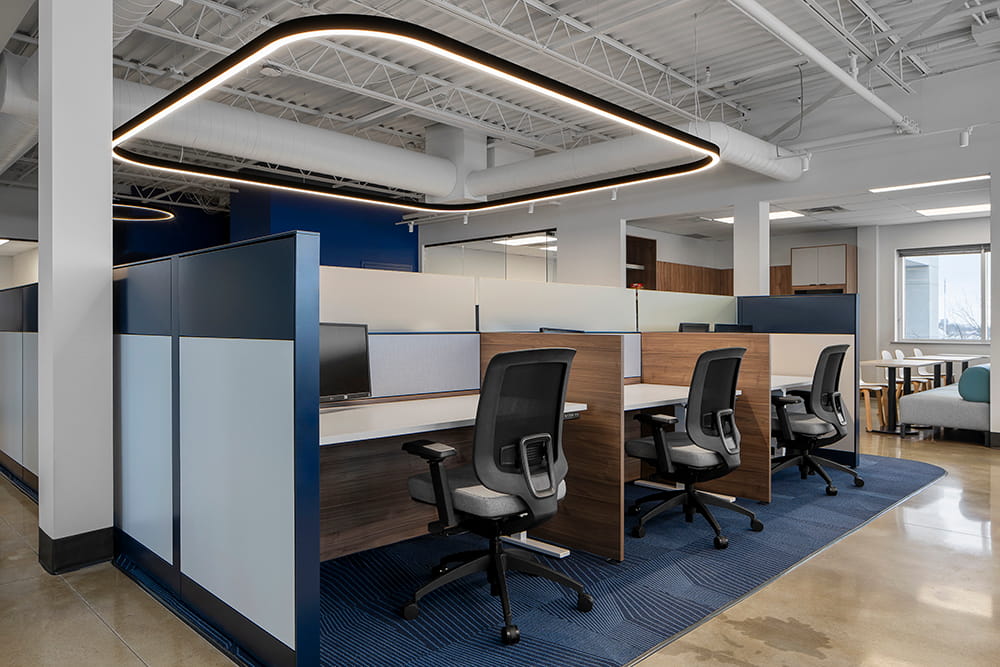
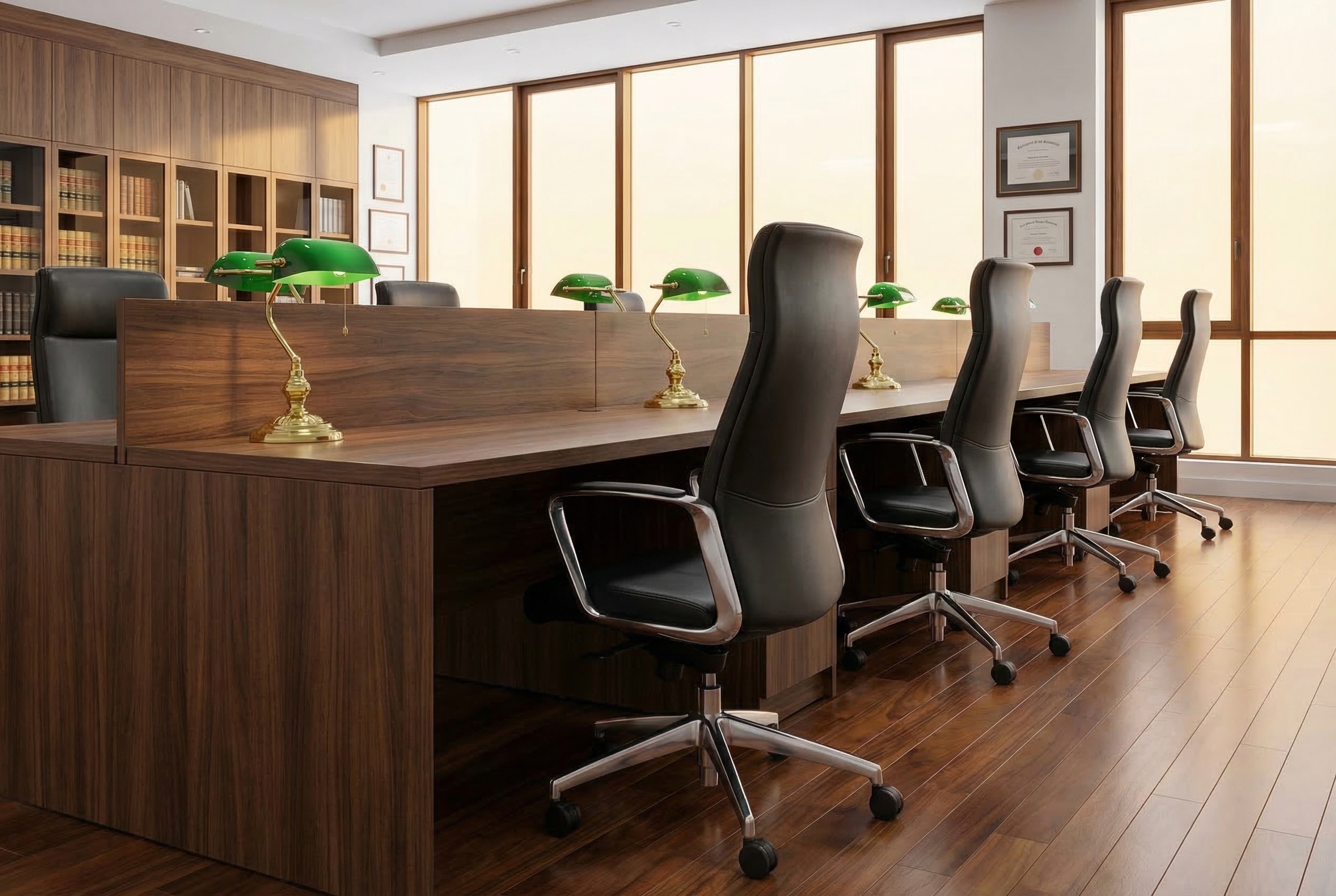
Commercial interior design often combines clean surfaces with traditional materials such as wood, stone, or textured panels. This creates a workplace that feels current but still grounded.
Interior design services also plan lighting carefully. Even distribution, reduced glare, and task lighting at desks improve comfort during long working hours.
Office furniture design supports this balance. Desks, storage, and meeting tables should look refined while accommodating modern tools and cable management.
Canadian office furniture manufacturers offer solutions that integrate technology while maintaining a professional appearance.
The goal is simple. The space should feel modern, but never temporary.
Commercial Interior Design That Supports Privacy
Accounting work involves sensitive financial information. Privacy must remain a priority, even in modern layouts.
Commercial interior design achieves this through a mix of enclosed offices, quiet rooms, and controlled open areas. Sound control is essential. Acoustic panels, insulated partitions, and thoughtful spacing reduce noise and protect conversations.
Interior design services often include private focus rooms for detailed work. These spaces allow accountants to concentrate without interruption.
The office design layout should also separate client-facing areas from internal work zones. This improves both confidentiality and workflow.
Office furniture design contributes through enclosed storage, organized workstations, and meeting tables designed for clear communication.
Canadian office furniture systems often include modular components that allow firms to adapt spaces without compromising privacy.
Modern does not mean open at all costs. It means controlled, intentional space planning.
Interior Design Services That Build Client Confidence
Client experience is critical in accounting environments. The office should communicate trust from the moment someone walks in.
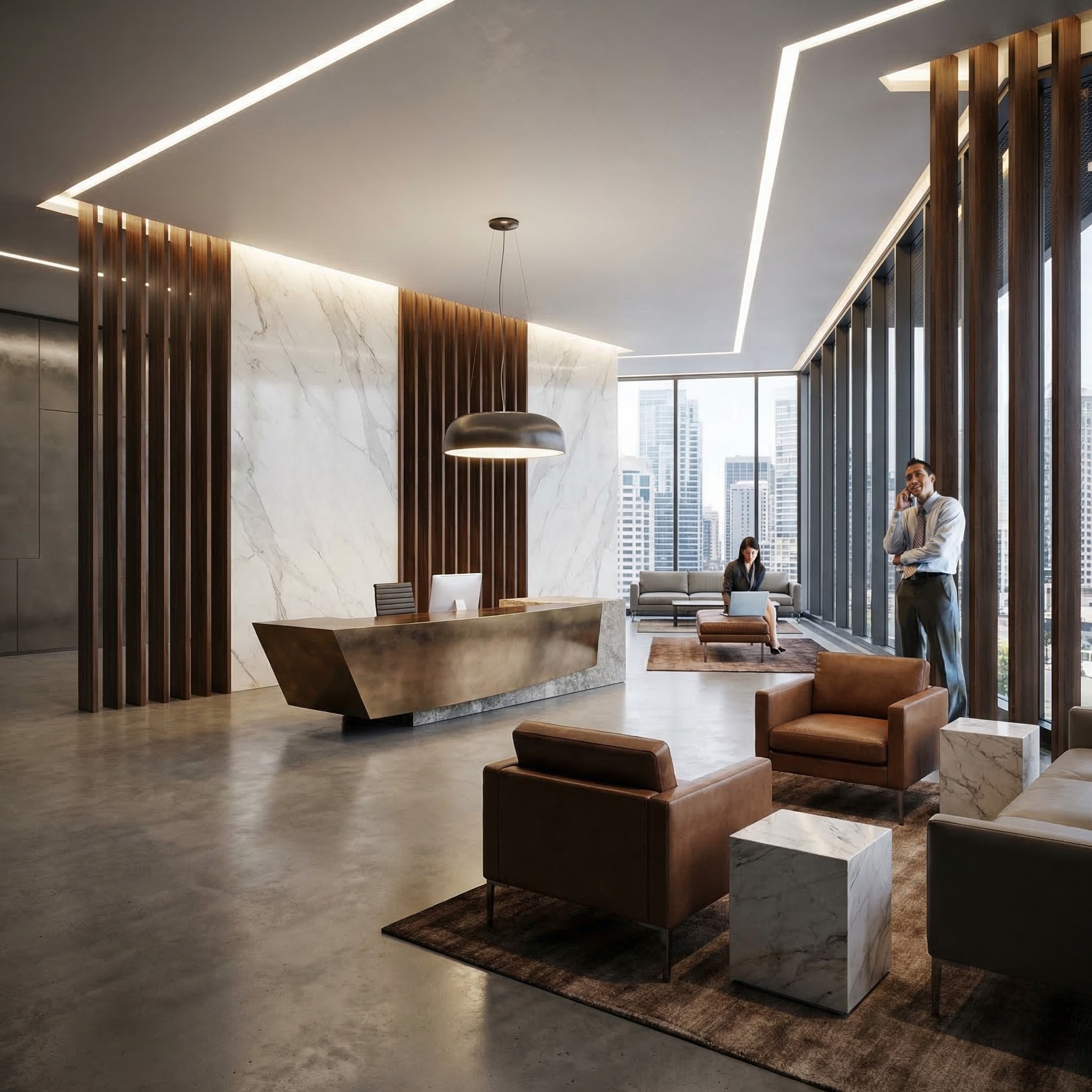
Interior design services focus on reception areas, meeting rooms, and circulation paths. These spaces should feel calm, organized, and easy to navigate.
Commercial interior design uses materials, lighting, and layout to reinforce professionalism. Clean lines, comfortable seating, and subtle branding create a strong first impression.
The office design layout should guide clients naturally from reception to meeting spaces without confusion.
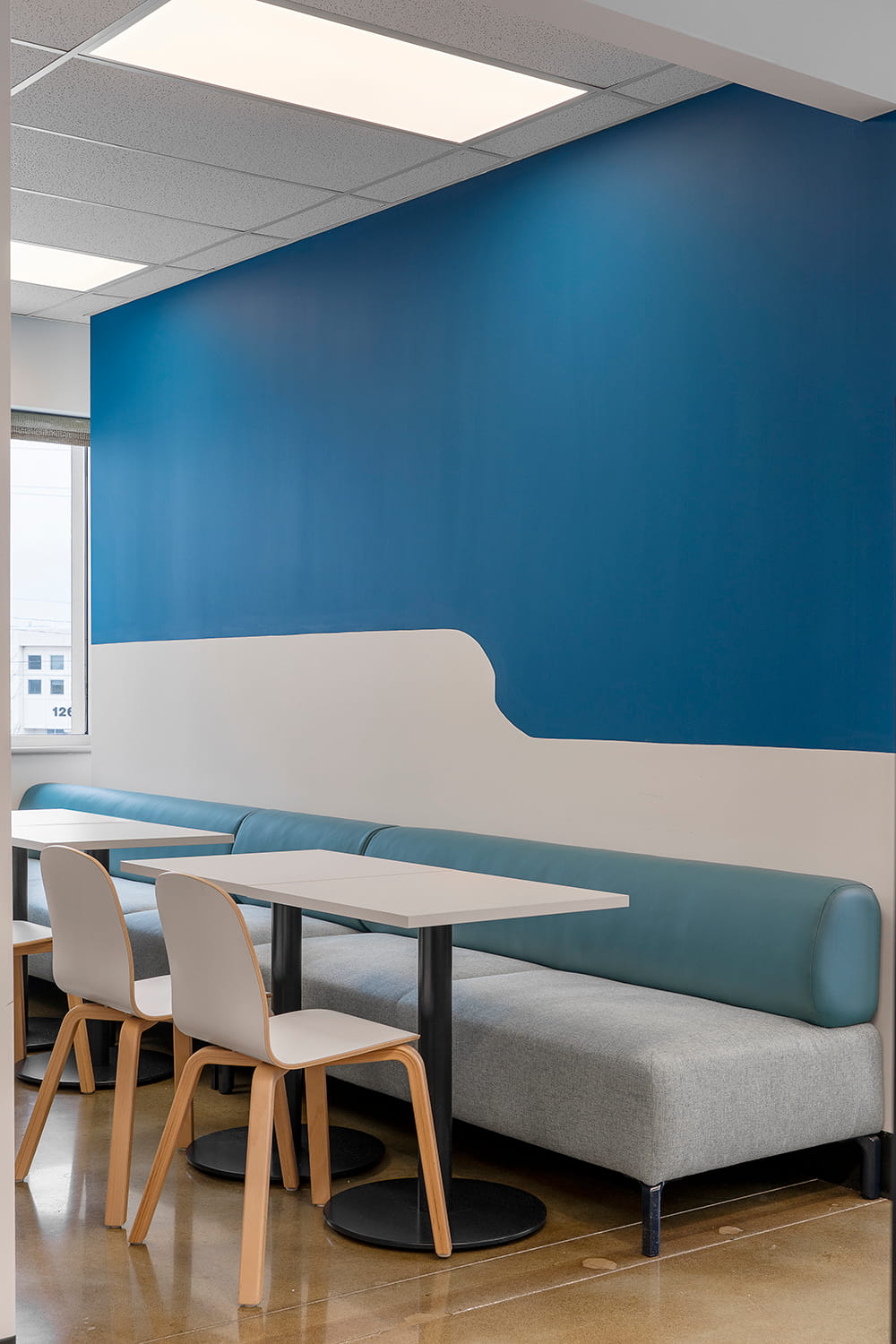
Office furniture design in these areas should prioritize comfort and durability. Seating, tables, and finishes should reflect long-term quality.
Canadian office furniture solutions are often used for this reason. They offer consistency, durability, and a professional finish that aligns with client expectations.
A well-designed reception area builds confidence before any conversation begins.
Office Interior Design That Supports Deep Work
Accounting requires long periods of concentration. Office interior design must support focused, uninterrupted work.
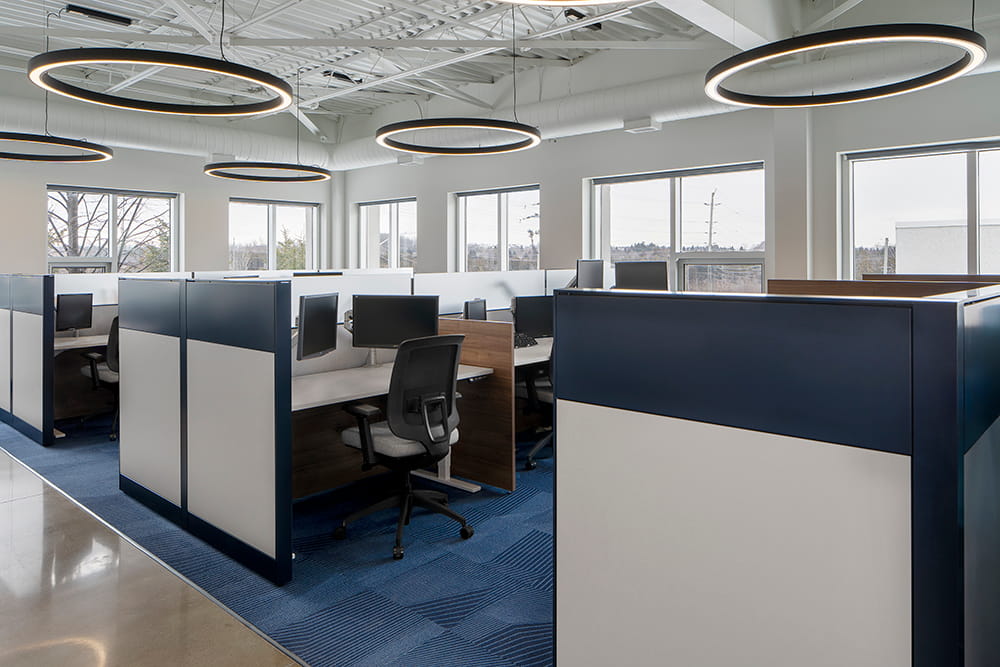
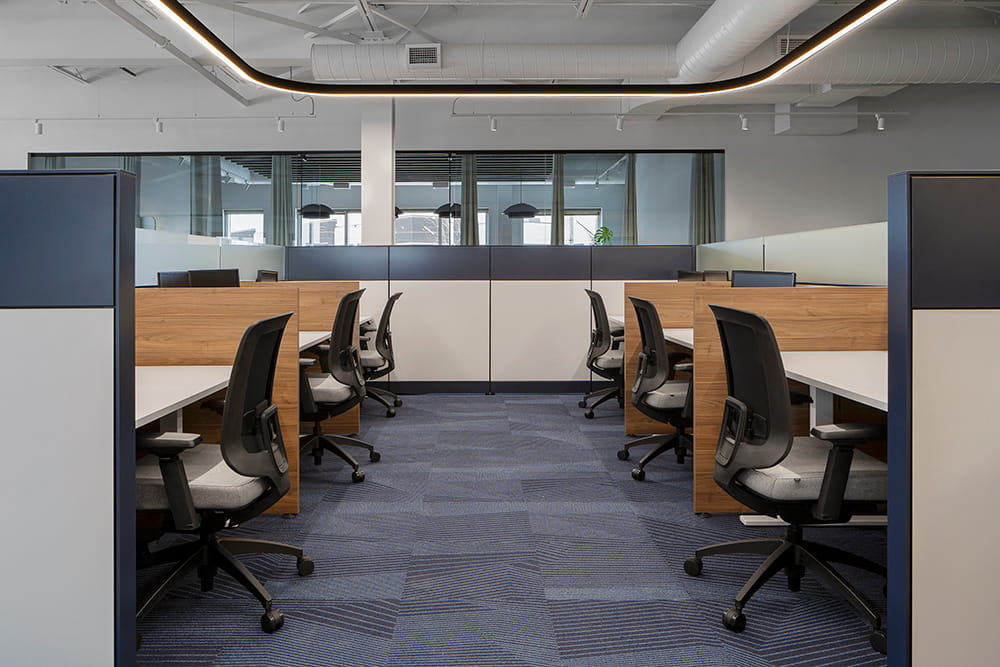
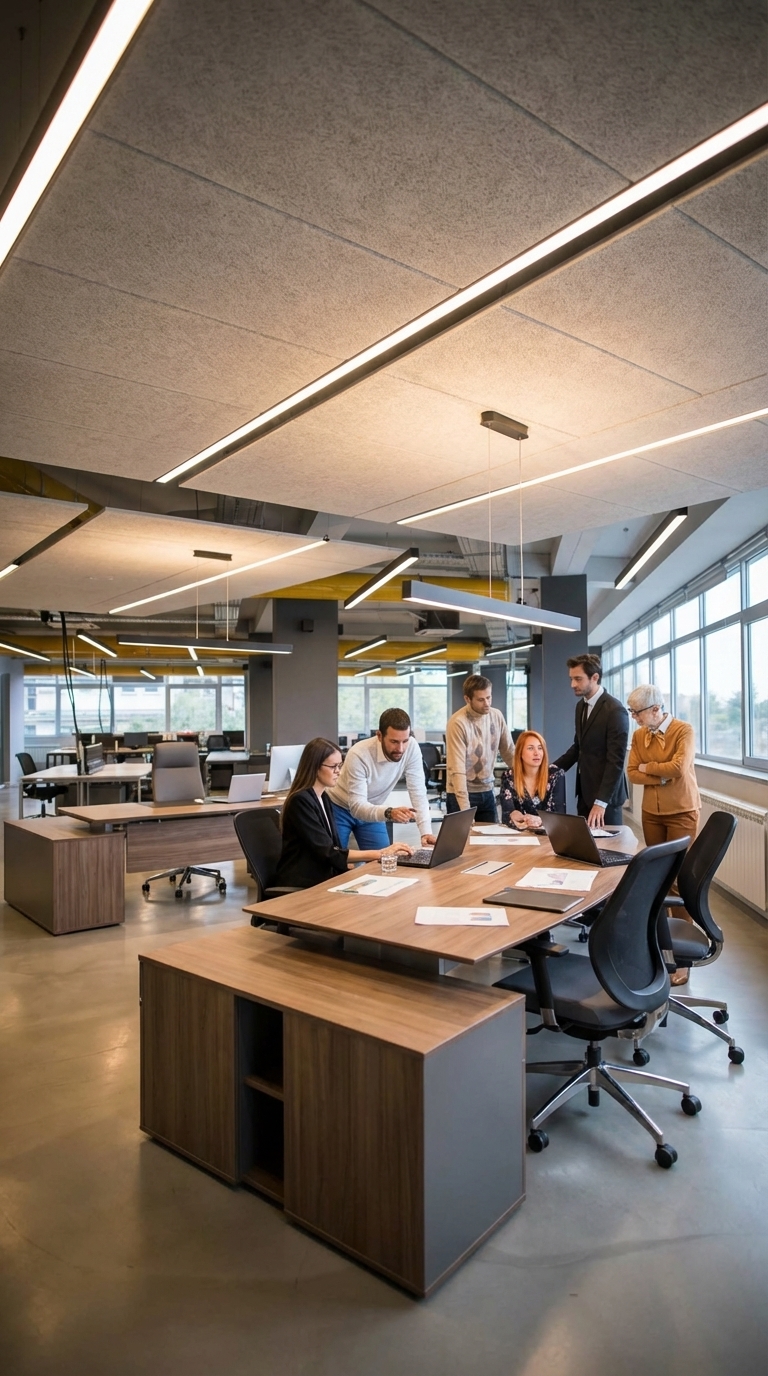
Modern office design layouts include a mix of individual workstations, quiet rooms, and small meeting areas. This allows teams to shift between tasks without disrupting others.
Interior design services often incorporate acoustic strategies to reduce background noise. Materials, layout, and furniture placement all contribute to a quieter environment.
Office furniture design plays a direct role in productivity. Ergonomic seating, adjustable desks, and proper monitor placement reduce strain during long hours.
Canadian office furniture manufacturers provide solutions built for durability and comfort in professional settings.
A well-designed workspace helps employees stay focused, which directly supports performance and accuracy.
Corporate Interior Design That Integrates Technology
Technology is central to modern accounting work. Corporate interior design ensures that offices support digital tools without clutter.
Commercial interior design integrates power, data, and connectivity into the office design layout. Meeting rooms, workstations, and shared spaces must support laptops, screens, and secure systems.
Interior design services coordinate these elements early in the planning process. This avoids visible cables and disorganized setups later.
Office furniture design often includes built-in power access, cable management, and adaptable configurations.
Canadian office furniture systems are particularly effective here. Many are designed to support evolving technology without requiring full replacement.
The result is a workspace that feels clean, organized, and ready for future upgrades.
Frequently Asked Questions (FAQ):
How can accounting firms modernize their office without losing professionalism?
By combining modern layouts with traditional materials and maintaining clear, structured spaces that support both clients and staff.
What is the role of commercial interior design in accounting offices?
It helps organize the office design layout, improve privacy, and create environments that support focused work and client interaction.
Why is office furniture design important in accounting firms?
It improves comfort, supports long working hours, and helps maintain an organized and professional workspace.
Key Takeaways
Office interior design should balance modern elements with professional materials
Commercial interior design must prioritize privacy and controlled layouts
Interior design services help create reception areas that build client trust
Office furniture design improves comfort and supports long work sessions
Corporate interior design integrates technology without visual clutter
Canadian office furniture provides durable, adaptable workplace solutions
Modernizing an accounting office is not about following trends. It is about improving how the space supports both people and clients.
Thoughtful office interior design creates environments that feel current while maintaining credibility. Commercial interior design ensures layouts support privacy, focus, and efficient workflows.
Interior design services guide firms through this process by aligning design decisions with business needs. From the office design layout to office furniture design, every detail contributes to performance.
When accounting firms book a consultation with the right interior design services and the right Canadian office furniture, they can modernize their workplace without losing the professionalism that defines their brand.