Return to office is one of the most talked-about workplace issues right now. It is also one of the most misunderstood.
Many companies treat attendance as a policy problem. People are not coming in enough, so leadership adjusts the mandate. Two days becomes three. Three becomes four. Managers start tracking presence more closely. Internal reminders go out. The language becomes firmer.
Sometimes that works on paper.
But if employees return to an office that feels noisy, awkward, uninspiring, crowded, or poorly equipped, the policy only brings them back to the problem. It does not solve it.
That is where many post-growth companies in Newmarket, York Region, Toronto, and the GTA are stuck. The business has changed. Teams have grown. Hybrid habits have settled. Client expectations have shifted. But the office still reflects an older version of the company.
Employees notice the gap immediately.
They notice when focus work is easier at home. They notice when meeting rooms do not support hybrid calls. They notice when collaboration areas are too loud to use properly. They notice when the office has no clear reason to exist beyond attendance.
Return to office is not only about getting people back into the building. It is about giving the building a stronger purpose.
This article breaks down why return-to-office plans often fail, how office design affects attendance, and what companies should review before turning workplace friction into a policy battle.
The Office Has to Compete With Home Now
Before hybrid work became normal, the office was the default. People came in because that was where work happened.
That assumption no longer holds.
Today, employees compare the office against their home setup. At home, they may have fewer interruptions, better control over noise, a more comfortable chair, and a routine that supports focused work. The office has to offer something better or different: easier collaboration, stronger team connection, better tools, clearer culture, and a professional environment that supports the work people actually need to do.
If the office does not provide those advantages, employees will see attendance as a loss rather than a benefit.
This is why return-to-office problems are often design problems in disguise. The policy says, “Come in.” The space has to answer, “Here is why it is worth it.”
1. The Layout Was Designed for a Different Headcount
Growth creates an obvious need: more seats.
So companies add desks. They fill gaps in the floor plan, squeeze in another workstation, move tables closer together, and make space for the new hire starting next week.
It solves the seating problem, but it often creates several others.
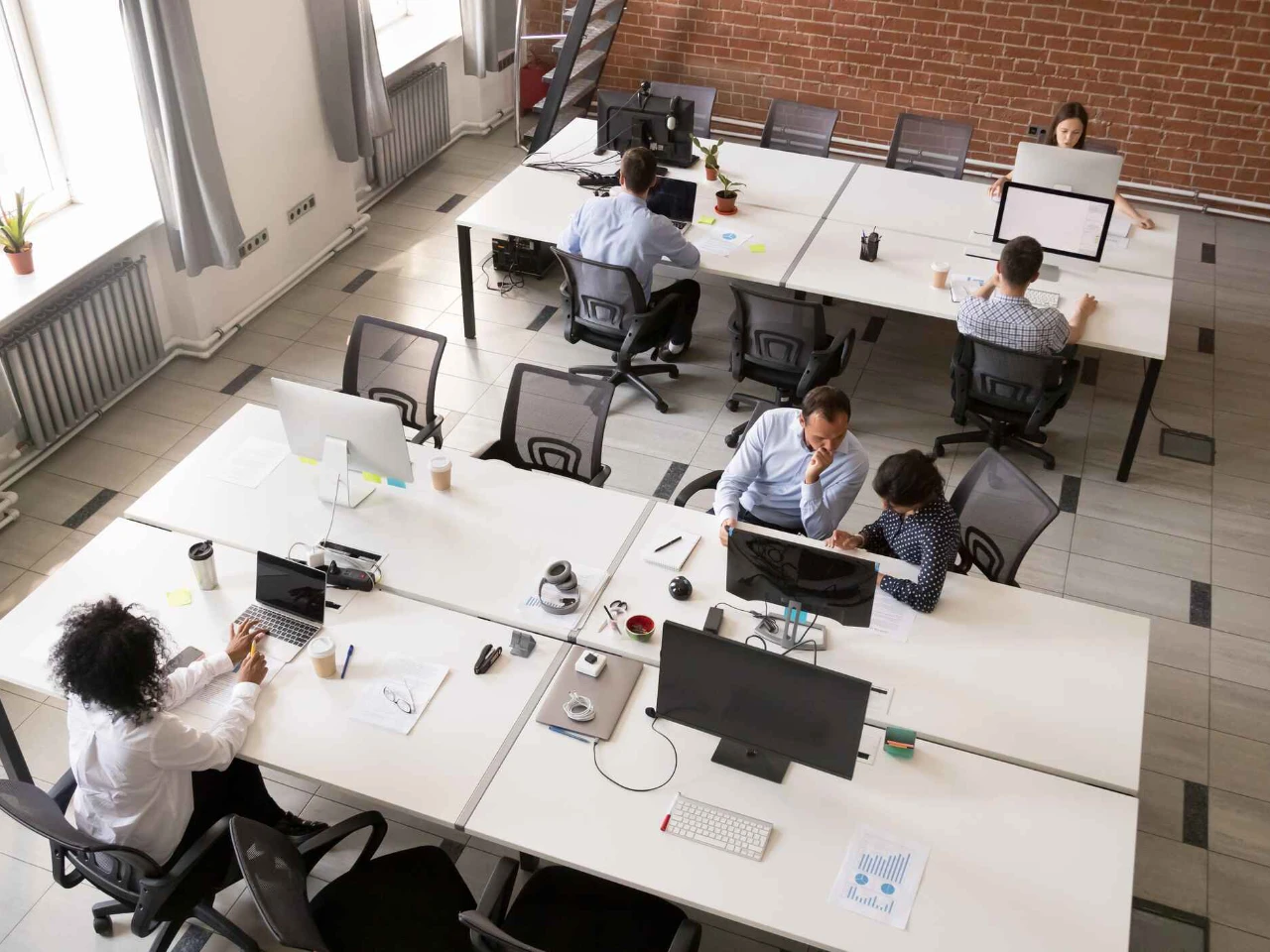
A layout that worked for 20 people may not work for 35. A quiet corner becomes a noisy pass-through zone. A collaboration area becomes a distraction for nearby focus work. A meeting room that used to be easy to book is suddenly occupied all day. The workplace becomes technically functional but operationally frustrating.
The result is predictable: employees come in, struggle to find the right place to work, and decide the office is less productive than home.
The fix is not simply more furniture. It is a layout review.
When headcount increases meaningfully, companies should review circulation, workstation density, acoustic separation, meeting room demand, storage, private call areas, and collaboration zones. A growing team does not just need more desks. It needs a different workplace strategy.
2. Poor Acoustics Make Office Days Harder
Noise is one of the fastest ways to turn return to office into resentment.
Employees may want connection, but they still need concentration. When every call, side conversation, keyboard sound, and informal meeting bleeds into the rest of the room, the office becomes exhausting.
This is especially common in open-plan offices that were designed to look collaborative but were not designed acoustically. Without sound control, an open plan is not a collaborative environment. It is a loud room.
Poor acoustics affect more than comfort. They shape how people behave. Employees wear headphones all day. They avoid taking calls. They book meeting rooms for solo work. They leave early to finish tasks at home. Over time, these behaviours quietly undermine the purpose of being together.
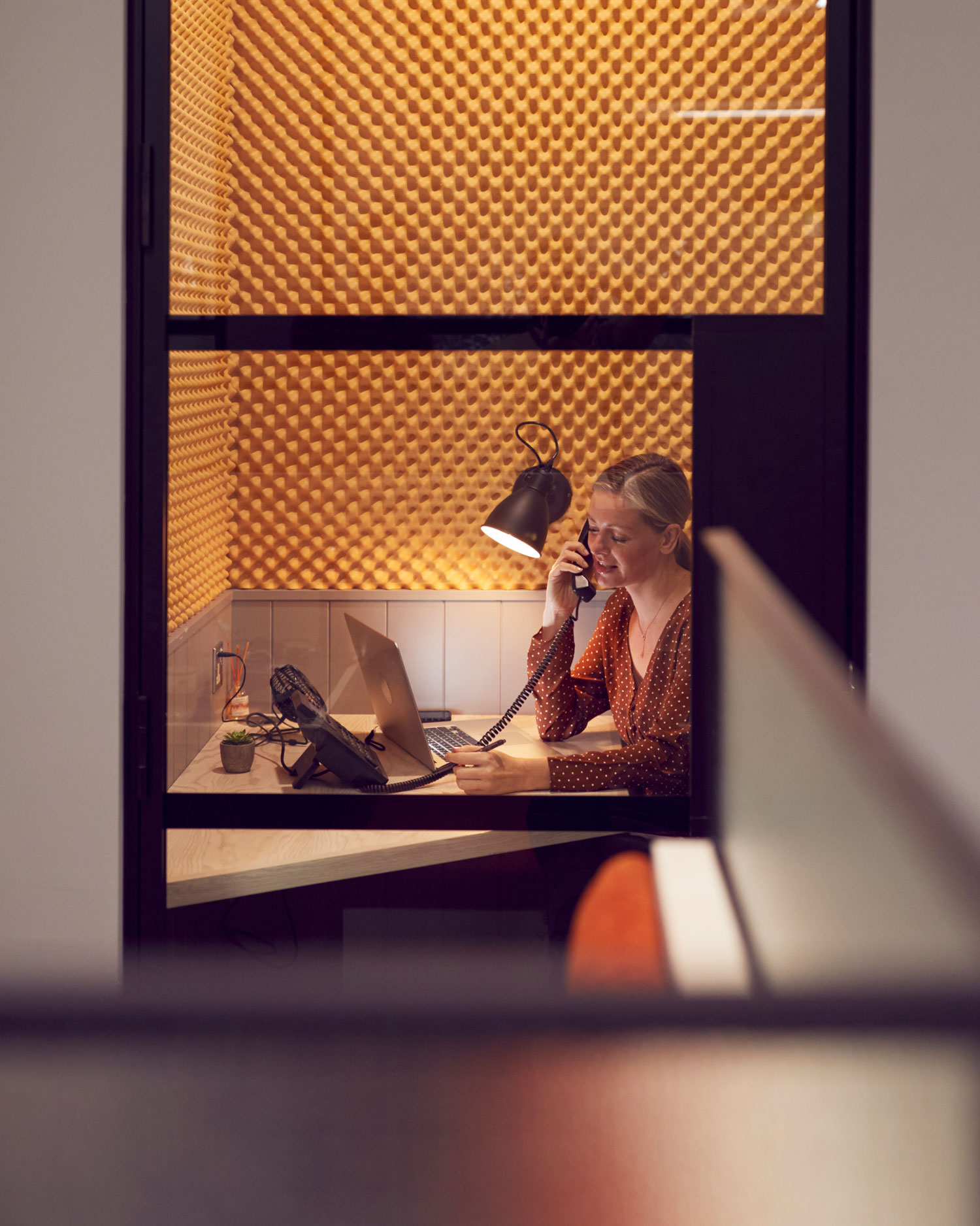
The solution is not always a full renovation. Acoustic improvements can include ceiling baffles, soft seating, rugs, upholstered panels, phone booths, enclosed focus rooms, better zoning, and strategic separation between loud and quiet work.
The key is to plan acoustics into the workplace instead of treating them as a decorative afterthought.
3. Meeting Rooms Are Not Built for Hybrid Work
Many offices still have meeting rooms designed for a pre-hybrid world.
They may have a table, chairs, a screen, and a whiteboard. That used to be enough. Now, those rooms need to support people in the room and people joining remotely.
When the technology is awkward, the camera angle is poor, the acoustics are bad, or the room is not sized properly, meetings become harder than they need to be. Employees notice immediately. So do clients.
A return-to-office strategy cannot succeed if the most important collaborative spaces do not support the way teams actually communicate.
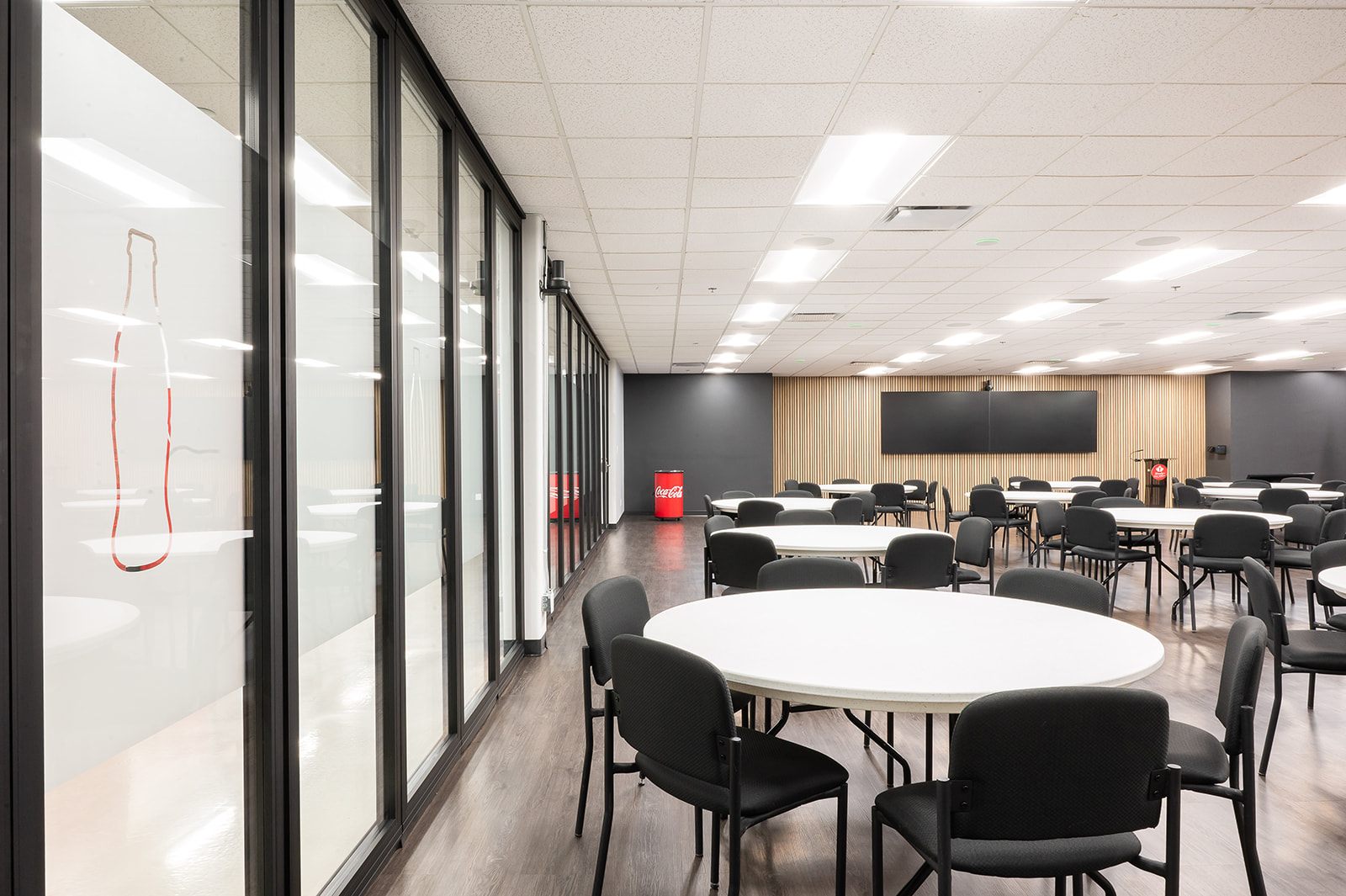
Companies should review whether meeting rooms have the right equipment, lighting, acoustics, seating, screen visibility, power access, and booking logic. They should also consider whether every meeting needs a formal boardroom. Many teams now need a mix of small huddle rooms, hybrid call rooms, larger meeting spaces, and informal collaboration areas.
The goal is not more meeting rooms for the sake of it. The goal is the right mix of rooms for how the business works now.
4. The Office Does Not Match the Way People Actually Work
Many offices are still organized around departments or hierarchy. Leadership sits together. Each department gets a cluster. The plan mirrors the org chart.
That may feel logical, but it often does not reflect real workflow.
In a professional services firm, the people who interact most often may sit in different departments. In a growing tech company, sales and product may need constant connection. In a healthcare or administrative environment, support staff may share workflows even if they report to different leaders.
When the layout follows hierarchy instead of workflow, collaboration becomes harder. People spend more time walking around, interrupting others, or avoiding the spaces that were supposed to support them.
A better workplace starts with a workflow audit. Before making design decisions, ask:
Who works together most often?
Which tasks require focus?
Which tasks require collaboration?
Which teams need privacy?
Where do client conversations happen?
Where do informal conversations naturally occur?
Which spaces are overused, and which are ignored?
These answers should shape the floor plan more than the org chart.
5. Client-Facing Areas Still Matter
Return to office is often discussed as an employee issue, but the workplace also affects clients, candidates, and partners.
Reception areas, boardrooms, and client meeting spaces shape perception quickly. A tired boardroom, mismatched furniture, poor lighting, or an unfinished reception area can create a gap between the quality of the company’s work and the impression the space gives.
That gap matters.
For companies that host clients, investors, vendors, interviews, or community partners, the office is part of the brand experience. It signals whether the business is growing, organized, professional, and confident.
This does not always require a full redesign. In many cases, the highest-impact updates are focused: reception, meeting rooms, lighting, furniture, signage, finishes, and the path clients take through the space.
If employees are being asked to come back to the office, the space should also make them proud to bring people into it.
6. Waiting Too Long Turns Friction Into Culture
The most common mistake is waiting until the office feels obviously broken.
Leaders usually know the space is not working before they act on it. They hear the complaints. They see the empty desks. They notice the meeting room conflicts. They know the office does not reflect the current stage of the business.
But renovation feels disruptive, so the conversation gets moved to next quarter. Then the next one.
Meanwhile, the office continues to work against the business. Employees become more resistant to attendance. Managers become more frustrated. Client-facing spaces continue to underperform. Recruiting becomes harder. The workplace becomes a symbol of delay.
The better approach is to use natural business triggers as prompts for review: a lease renewal, a headcount increase, a new hybrid policy, a leadership change, a rebrand, or a shift in how teams collaborate.
The earlier a company reviews the space, the more options it has. Waiting usually narrows the choices and increases disruption.
What to Review Before Changing Your Return-to-Office Policy
Before increasing office days or tightening attendance rules, companies should review the workplace itself.
Start with the employee experience. Are there enough focus areas? Are meeting rooms easy to use? Is the office too loud? Are workstations comfortable? Does the space support both quiet work and collaboration?
Then review the client experience. What does the reception area communicate? Are boardrooms polished and functional? Does the office reflect the level of service the company provides?
Finally, review the business experience. Does the layout support current headcount? Does it match how teams work? Does the office reflect where the company is going, or where it used to be?
A return-to-office strategy works best when policy and place support each other.
Frequently Asked Questions (FAQ):
Why is return to office not working for some companies?
Return to office often fails because companies focus on attendance before they fix the office experience. Employees may follow the policy, but if the workplace feels noisy, poorly equipped, crowded, or less productive than home, resentment builds quickly.
The issue is not always resistance to work. In many cases, employees are responding rationally to a space that does not support how they work now. Hybrid meetings, focus tasks, mentoring, client work, and collaboration all require different settings. A single generic office layout cannot support all of them well.
Companies should look at room demand, technology, acoustics, focus zones, and employee behaviour before assuming the policy itself is the only problem.
How does office design affect return to office success?
Office design affects return to office success by shaping whether employees find the workplace useful. A well-designed office supports the reasons people come in: collaboration, connection, focus, mentoring, client meetings, and access to better tools.
A poorly designed office creates daily friction. People cannot find rooms. Calls feel exposed. Meeting technology fails. Focus work becomes harder. Those frustrations make the office feel like an obligation rather than an asset.
Good office interior design does not force attendance. It makes attendance more worthwhile.
What should companies review before changing their return-to-office policy?
Before changing the policy, companies should review how the office performs on busy days. Look at meeting room use, workstation occupancy, noise complaints, hybrid meeting quality, focus space availability, and client-facing areas.
It also helps to ask employees which tasks they prefer to do in the office and which tasks feel harder there. The answers often reveal design issues that policy alone cannot solve.
If the workplace does not support the behaviours leadership wants, changing the mandate may only increase frustration.
Key Takeaways
- Return to office fails when companies treat attendance as a policy issue but ignore the workplace experience.
- Employees need the office to offer clear value beyond presence.
- Hybrid offices should be designed around peak attendance days, not average occupancy.
- Collaboration needs the right rooms, acoustics, furniture, and technology.
- Focus work still matters. Offices that ignore quiet work push employees back home.
- Meeting technology now plays a major role in whether office days feel useful.
- Employees compare the office with their home setup, so the workplace needs a clear purpose.
- People operations and office design should work together on return-to-office strategy.
- A workplace audit can reveal whether low attendance comes from policy, space, technology, or workflow.
- Post-growth companies should review the office before return-to-office frustration becomes a culture issue.
Return to office does not work because a policy says it should.
It works when the office gives people a reason to come in and supports the work they came to do.
For growing companies in Newmarket and across the GTA, this is the moment to look honestly at the workplace. If attendance feels forced, collaboration feels harder than expected, or employees keep choosing home for focus work, the space may be part of the problem.
The companies that get this right do not treat people operations and design as separate conversations. They connect both. They ask what behaviours they want to encourage, then shape the office around those behaviours.
That is how return to office becomes less about compliance and more about performance.