Have you ever seen an office interior design that instantly made your team feel sharper, more focused, and genuinely energized? The kind of space where collaboration feels natural, distractions fade into the background, and even routine work feels purposeful? That transformation is rarely accidental. Office interior design plays a measurable role in organizational performance, yet many business leaders still treat it as an aesthetic upgrade instead of a strategic investment.
Science explains that well-planned commercial interior design can increase productivity by up to 20 percent, reduce absenteeism, and improve employee retention. The difference lies in how a space handles light, acoustics, circulation, ergonomics, and spatial zoning. Poor layouts create noise fatigue, visual strain, bottlenecks, and stress. Thoughtful office interior design, on the other hand, supports focus, encourages collaboration, and aligns the physical environment with business goals. Across the GTA, Toronto interior design services are increasingly helping organizations connect workplace design decisions to measurable performance outcomes. The sections below explore how design influences culture, workflow, focus, wellness, and long-term consistency.
Office Interior Design Fuels Team Energy and Productivity
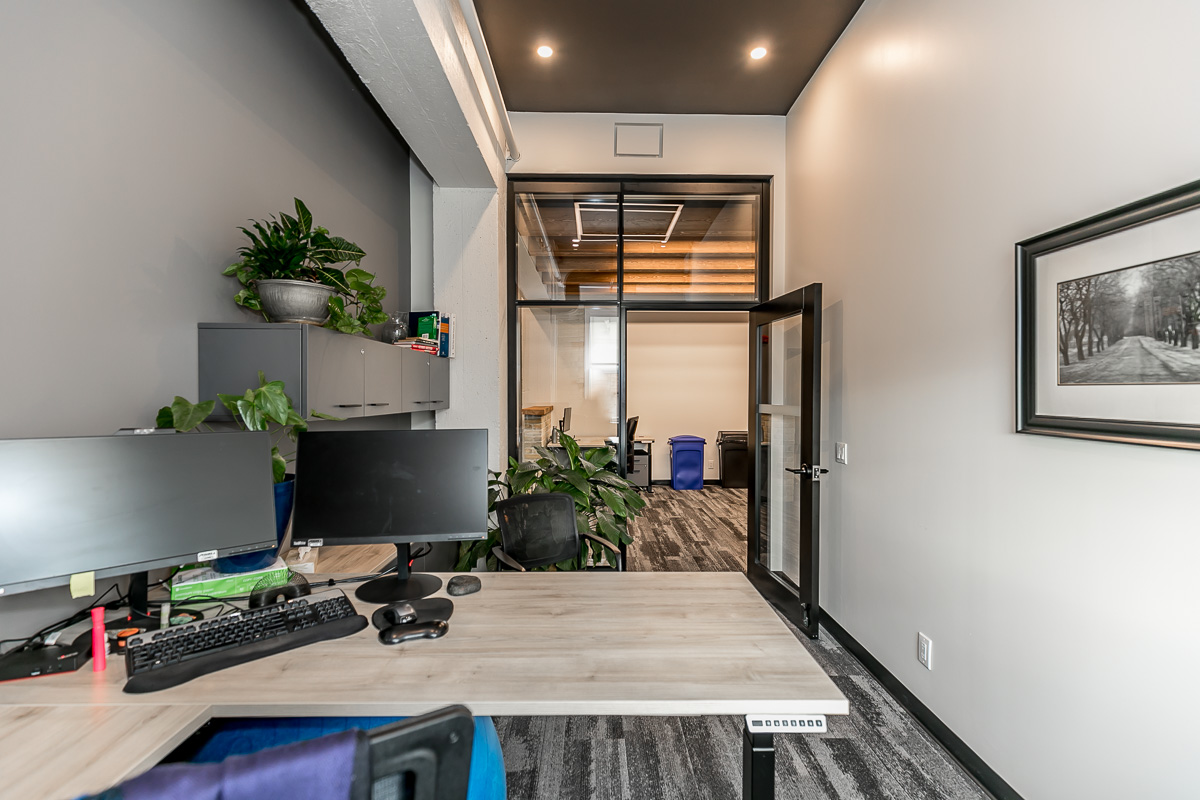
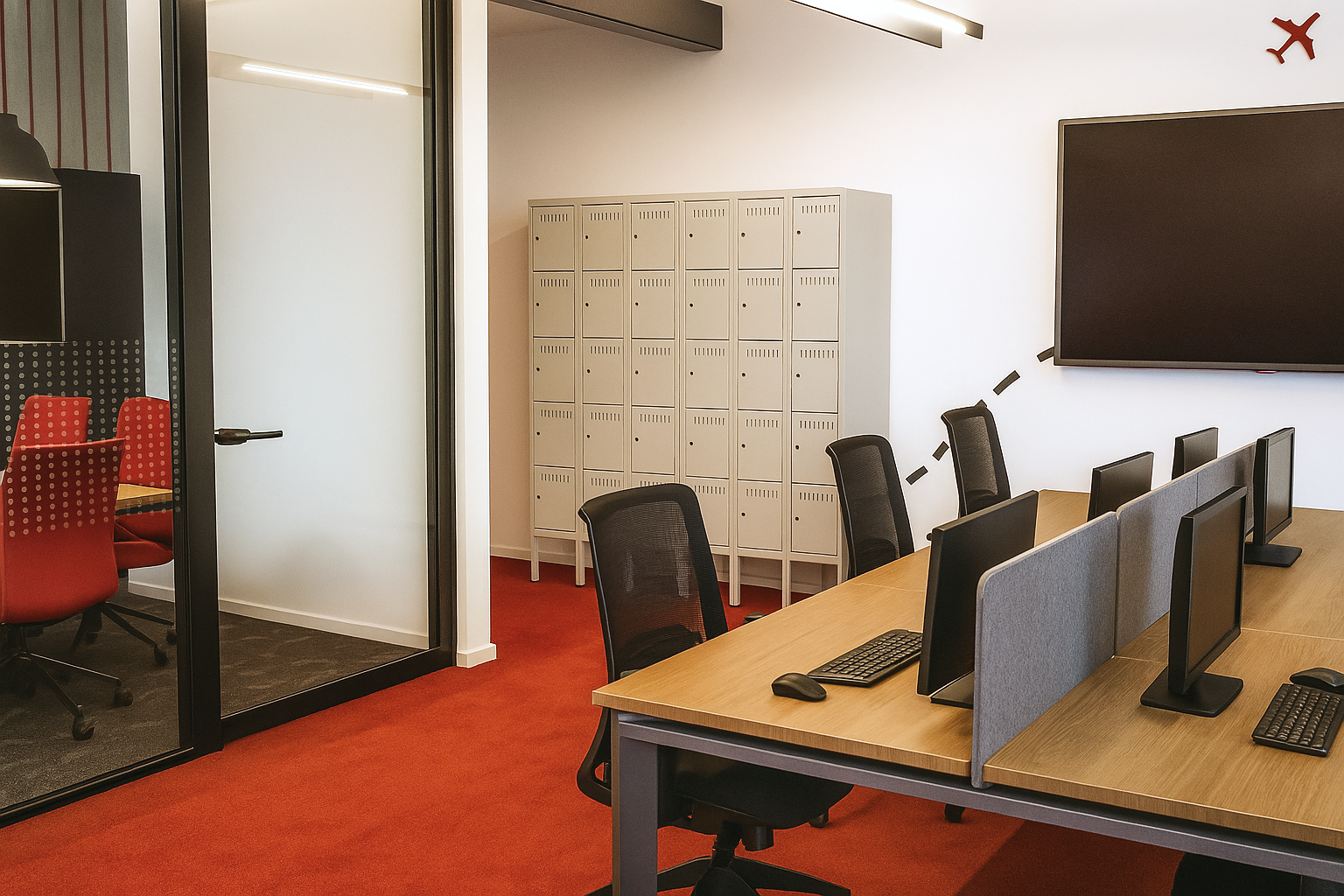
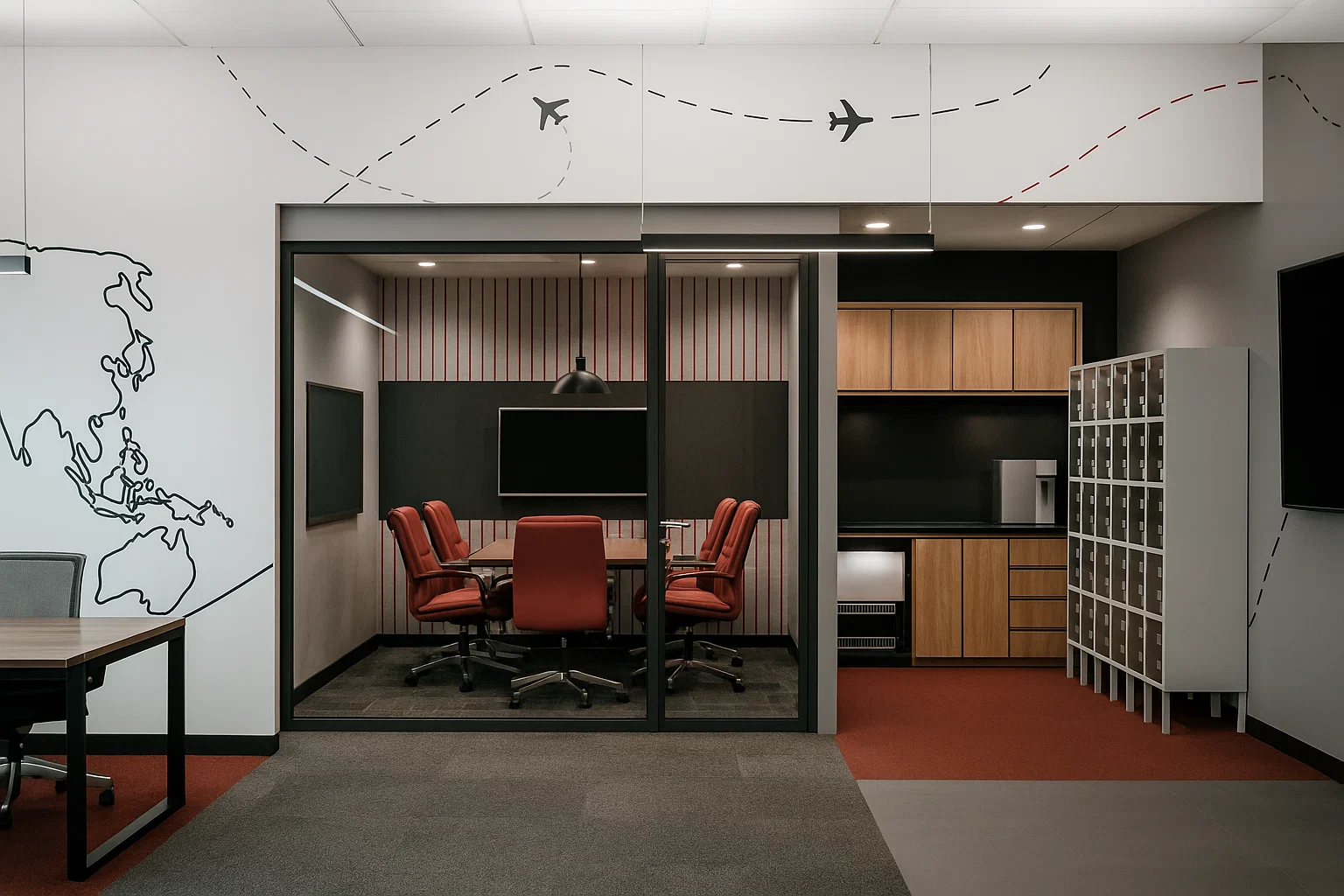
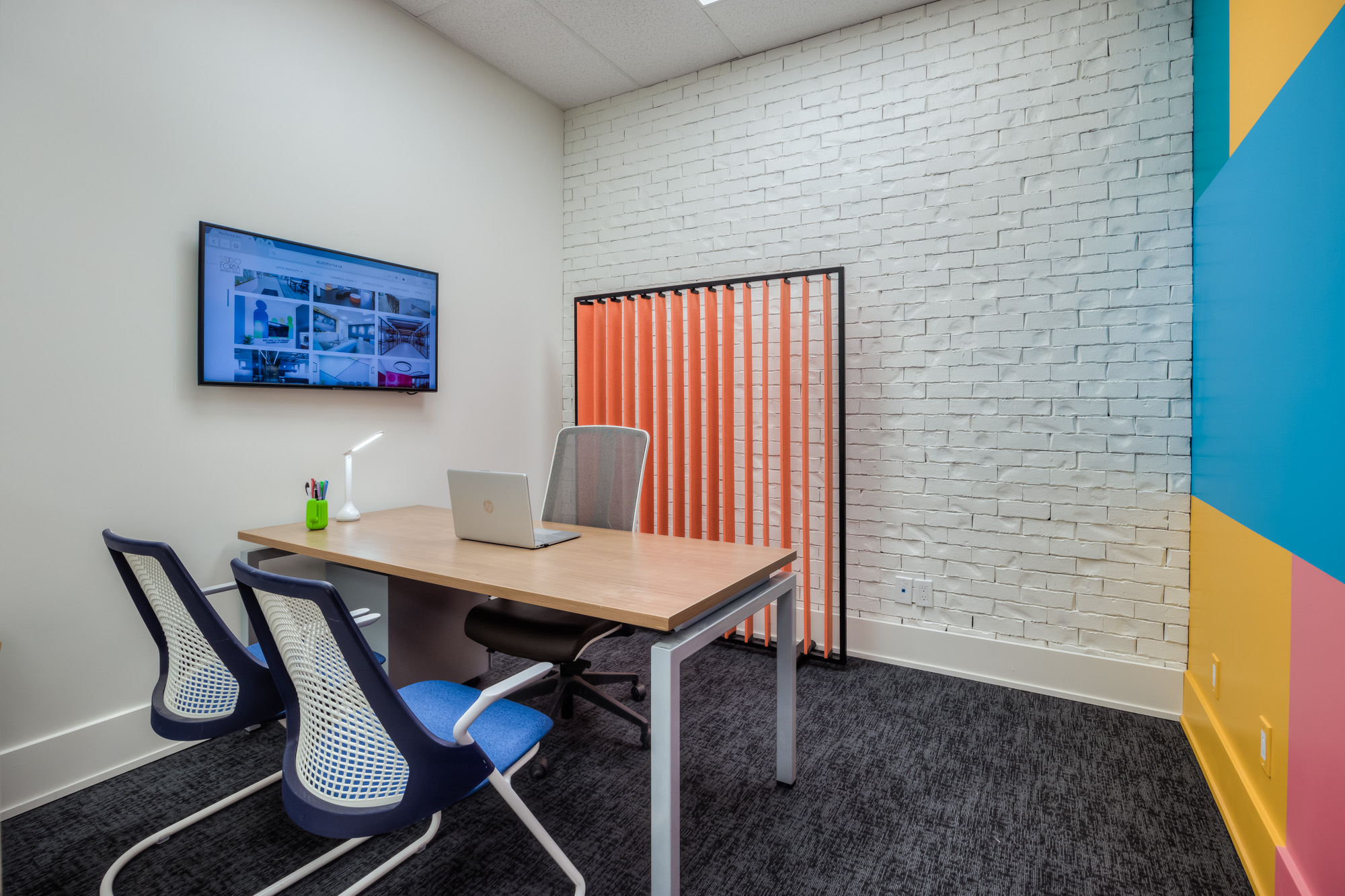
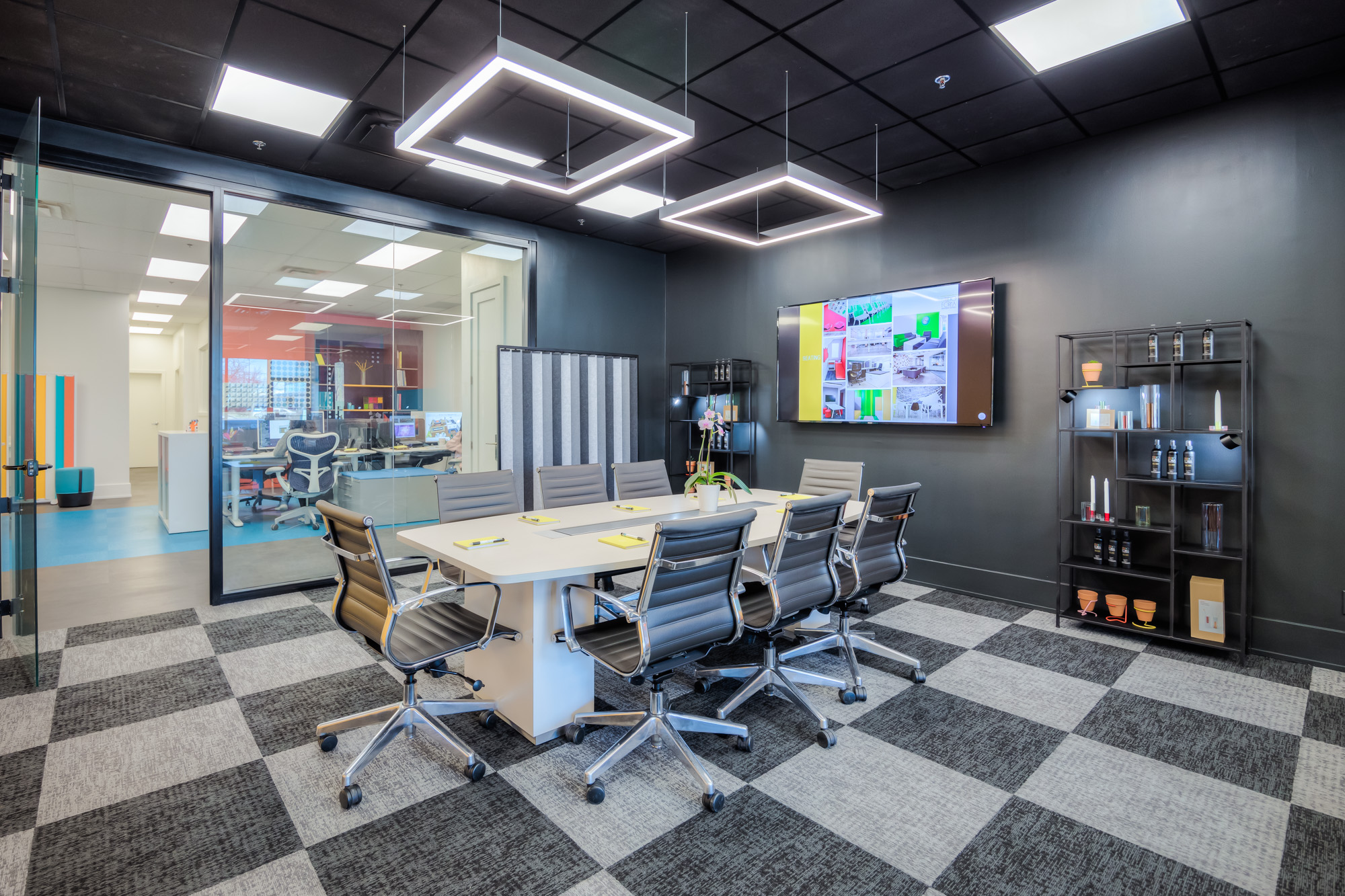
Office interior design sets the tone for how people experience their workday. The right commercial interior design strategy creates defined zones for deep focus, informal collaboration, quick meetings, and social connection. Instead of forcing every task into a single open-plan layout, designers analyze workflow patterns, sound levels, lighting conditions, and traffic flow to shape a space that supports real work.
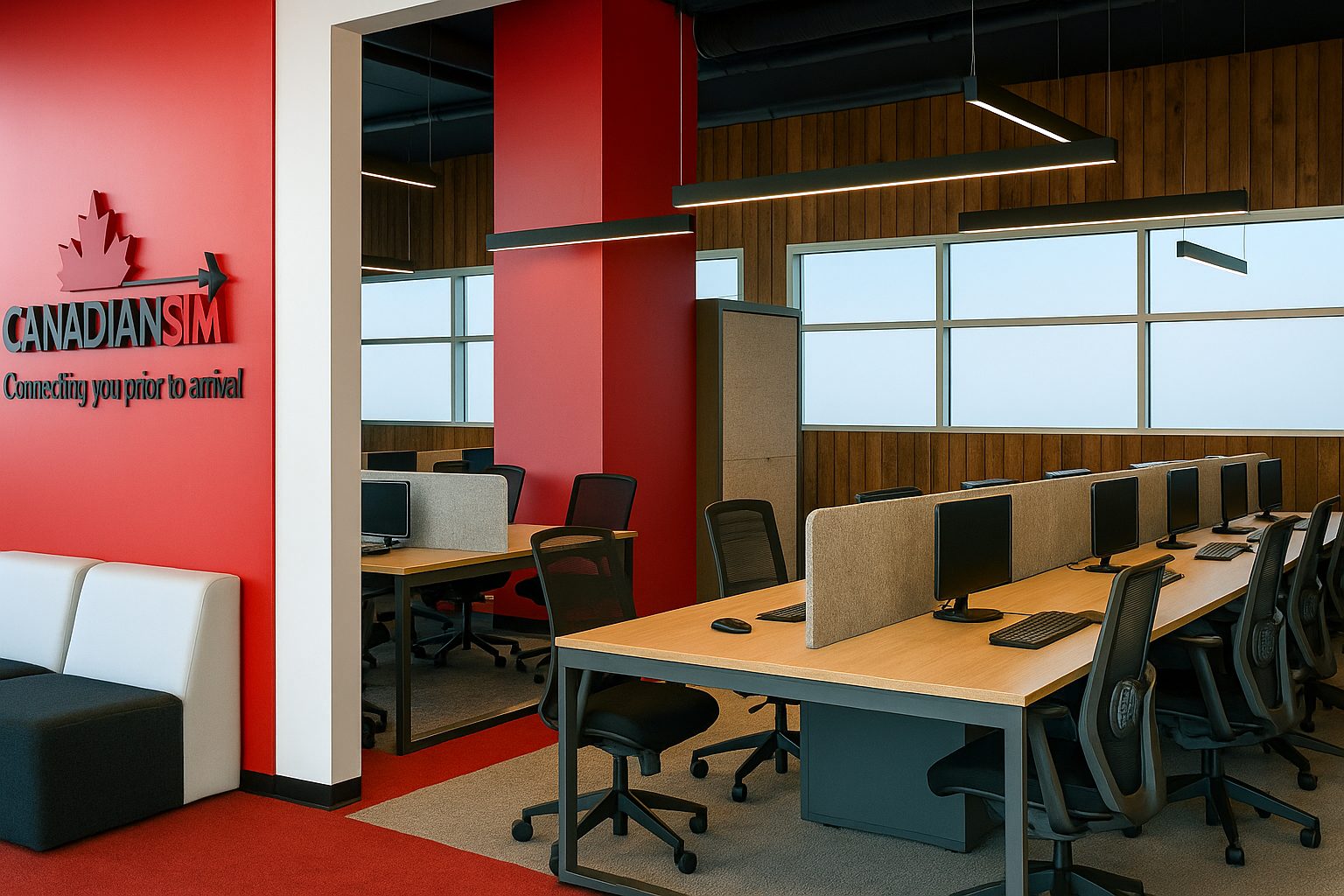
In many Toronto offices between 5,000 and 10,000 square feet, excessive open layouts lead to constant distractions. One technology firm experienced a noticeable drop in productivity every afternoon due to conversational noise and glare from perimeter windows. Toronto interior design services reconfigured the floor to introduce acoustic panels, semi-private team bays, and enclosed focus rooms while repositioning workstations closer to natural light. Adjustable desks and improved task lighting further reduced strain. Within months, managers reported stronger afternoon output and improved team satisfaction. The redesign preserved brand colours and identity elements throughout the space, proving that corporate interior design can balance culture and performance. The full renovation was completed in six months on a mid six-figure budget, with materials selected for durability and long-term value.
When office interior design aligns with how teams actually operate, employees feel supported rather than managed. Commercial interior design becomes a productivity tool instead of just a visual statement. In competitive markets like Toronto, that advantage matters.
Commercial Interior Design Improves Workflow and Decision Speed
Smooth movement inside a workplace directly affects efficiency. Commercial interior design eliminates friction by reducing unnecessary steps, clarifying circulation paths, and placing key departments in logical proximity. When teams can access meeting rooms, shared resources, and collaboration zones without interruption, decision-making naturally accelerates.
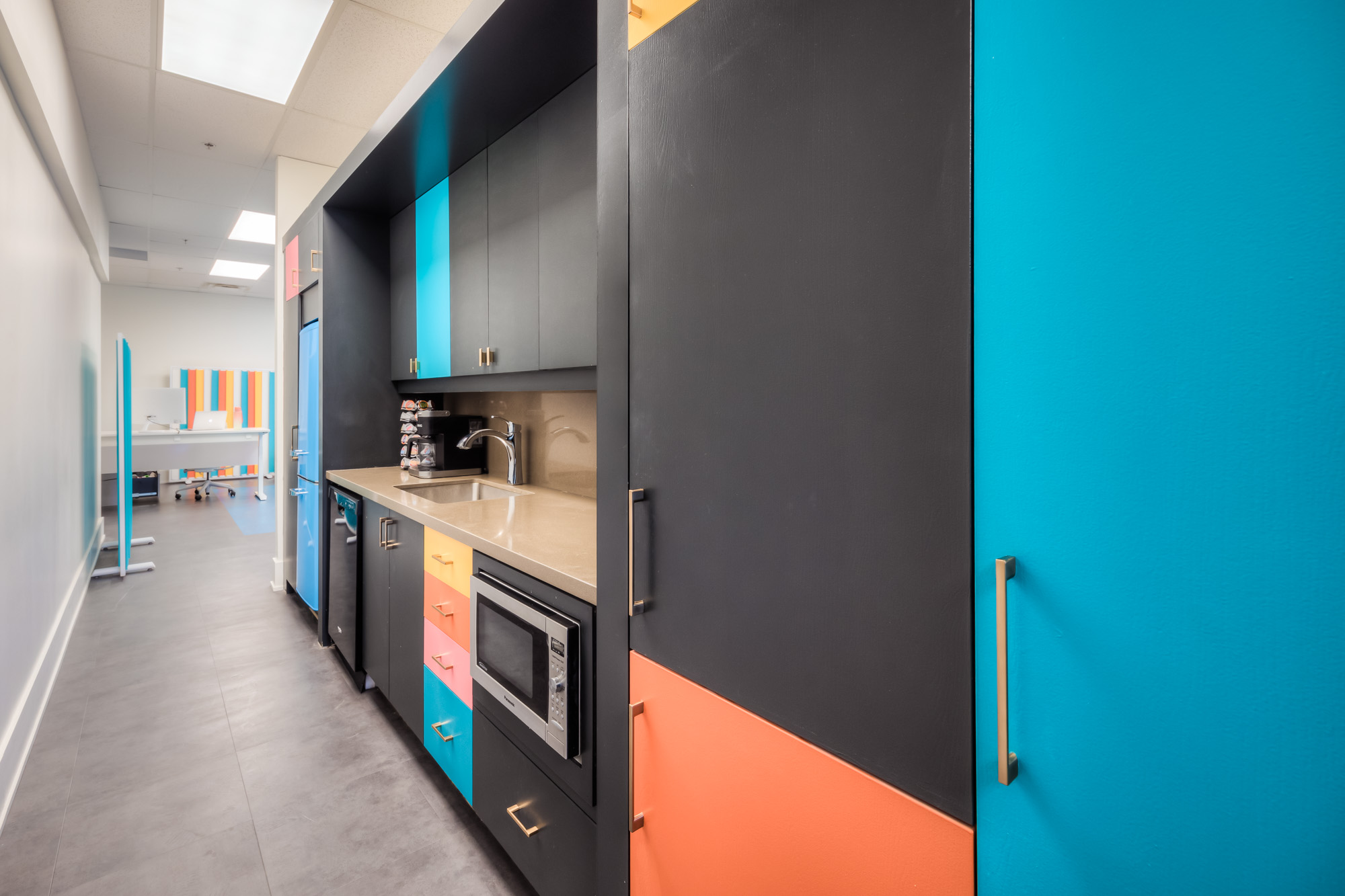
On larger 10,000 square foot Toronto floors, clear 36-inch circulation paths, intuitive wayfinding through subtle floor pattern changes, and strategically positioned café hubs near project areas dramatically reduce wasted time. Office interior design that prioritizes accessibility and logical adjacencies prevents bottlenecks while encouraging spontaneous interaction. Rather than relying on signage alone, interior designers use layout geometry, lighting shifts, and spatial hierarchy to guide movement. The result is a workplace that feels intuitive, where employees spend less time navigating and more time executing.
Effective commercial interior design also anticipates growth. Flexible meeting spaces, modular furniture systems, and adaptable partitions allow companies to scale without disruptive overhauls. When workflow is embedded into the floor plan, productivity gains compound over time.
Interior Design Services Strengthen Focus and Cognitive Performance
Focus is not accidental. It is built into the environment. Interior design services that prioritize cognitive performance incorporate layered lighting, acoustic control, biophilic elements, and varied enclosure levels to support different work styles. Office interior design today must accommodate introverts and extroverts, analytical thinkers and collaborative strategists, all within the same footprint.
Consider an 8,000 square foot professional services office struggling with screen glare and visual fatigue. Employees reported frequent errors and end-of-day exhaustion. Interior designers introduced tunable LED lighting to support circadian rhythms, installed anti-glare window treatments, integrated greenery to reduce visual stress, and added small acoustic booths for concentrated work. The improvements were subtle but impactful. Error rates declined, staff feedback improved, and energy levels remained steadier throughout the day. The renovation was completed in five months within a low six-figure range, demonstrating that performance-focused commercial interior design does not require excessive spending.
Toronto interior design services increasingly integrate wellness principles into workplace planning because sustained focus directly influences profitability. Materials are selected not only for aesthetics but also for acoustic absorption and durability. Lighting is layered to reduce strain. Quiet zones are strategically placed away from high-traffic areas. The outcome is measurable clarity and long-term performance stability.
Office Interior Design Reduces Stress and Supports Employee Wellness
Stress often stems from environmental friction. Poor air quality, uncomfortable seating, harsh lighting, and overcrowded layouts contribute to fatigue and absenteeism. Office interior design that prioritizes ergonomic seating, adjustable workstations, improved ventilation, and access to natural elements can significantly reduce these stressors.
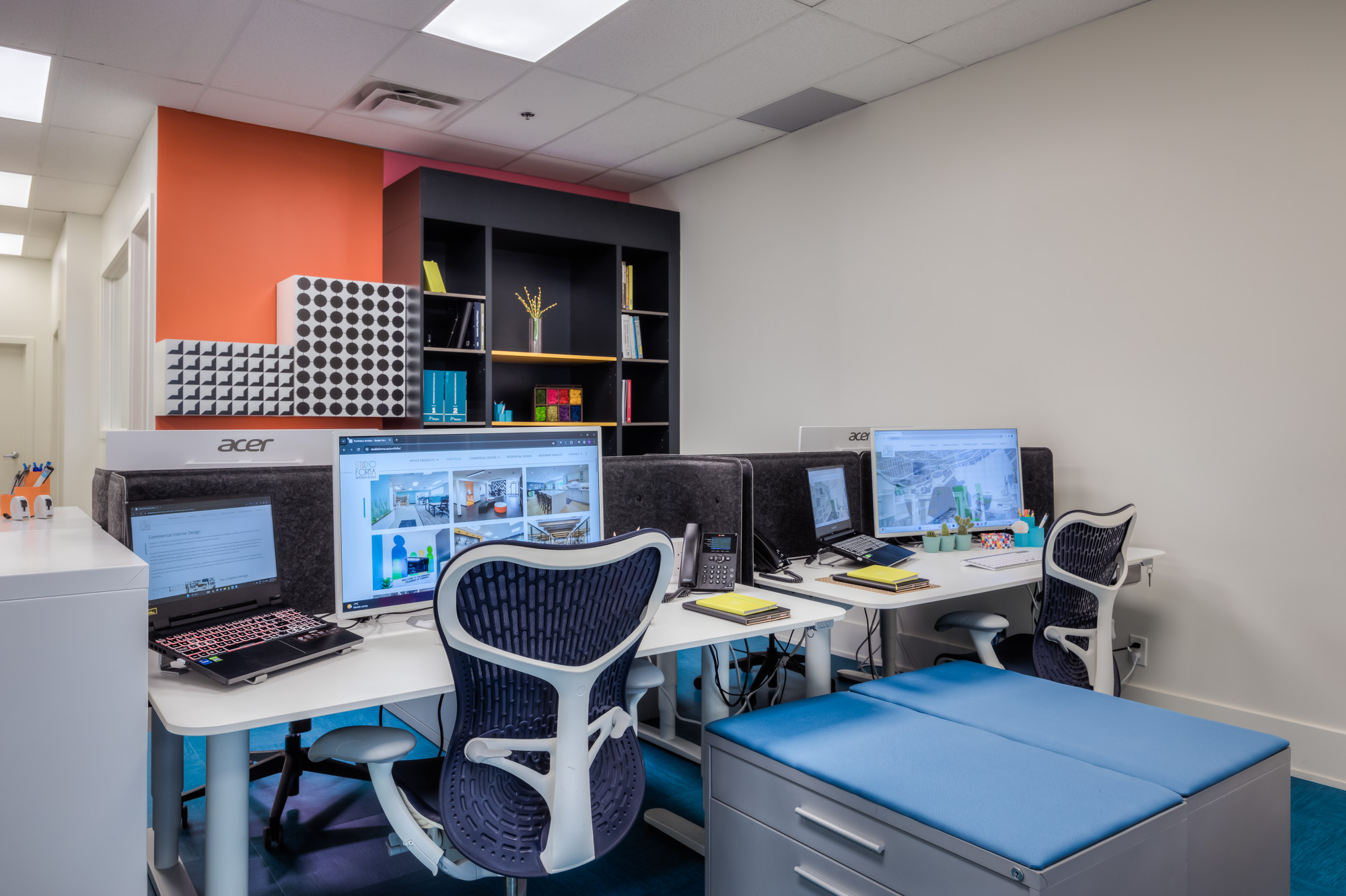
In workplaces ranging from 12,000 square feet and above, commercial interior design frequently incorporates sit-stand desks, dedicated recharge spaces, acoustic ceiling treatments, and biophilic installations such as green walls or natural textures. These features are not decorative luxuries. They improve posture, reduce eye strain, and create psychological restoration during demanding workdays. Employees who feel physically supported are less likely to call in sick and more likely to remain with the organization long term.
Toronto interior design services understand local building codes, healthcare standards, and accessibility requirements, ensuring that wellness-focused upgrades comply with regulations while enhancing performance. When health is built into the environment, results become sustainable rather than temporary.
Corporate Interior Design Ensures Consistency Across Locations
For organizations operating in multiple locations, corporate interior design ensures performance standards remain consistent. Variations in layout, lighting, and material quality can lead to uneven productivity across sites. Standardized design guidelines establish consistent room dimensions, material palettes, and workflow logic while allowing flexibility for local requirements.
One professional firm operating across several Ontario locations experienced performance fluctuations between offices. After implementing unified interior design services that standardized workstation layouts, acoustic strategies, and circulation planning, performance metrics aligned across sites. The nine-month rollout required a high six-figure investment, but leadership gained predictability, easier onboarding, and clearer brand presence in every location.
Corporate interior design is not about visual uniformity alone. It ensures fairness, operational clarity, and measurable consistency as companies expand.
Frequently Asked Questions (FAQ):
How does office interior design change real numbers like output and sick time?
Smart office interior design lifts productivity up to twenty per cent by cutting noise and glare that steal focus. Toronto interior design services add zones for quiet work and team chats so people stay sharp all day. Commercial interior design also drops sick days with better air flow, plants that calm eyes, and chairs that fit different bodies. Teams report less stress and more energy, which shows up in lower absences and higher finish rates on projects. Interior design company plans make these gains last through good materials and simple upkeep.
Which office sizes gain most from commercial interior design changes?
Offices from five thousand to fifteen thousand square feet see the biggest jumps because so many teams share the same floors. Interior design services fix common problems like tight paths or bad light that hit everyone. Office interior design scales well here, letting you add people without losing the good flow. Smaller spots under five thousand square feet work too, but mid sizes give room for varied zones that match.
How do interior designers decide what furniture and layout goes where?
Interior designers start by watching real work and asking staff what slows them. Toronto interior design services map noise hot spots, glare zones, and tight paths first. Commercial interior design puts team tables central where people pass by most. Quiet booths go to the edges near power drops. Office interior design tests mockups of chairs and desks before big buys. Interior design company picks items with five year warranties that fit Canadian fire codes. This way, every choice cuts real problems like standing meetings or screen hunch.
Key Takeaways
- Office interior design can increase productivity by up to 20 percent through improved zoning, lighting, and acoustics.
- Commercial interior design reduces workflow friction and accelerates decision-making with clear circulation planning.
- Toronto interior design services address glare, noise, and ergonomic gaps that undermine focus.
- Wellness-driven office interior design reduces absenteeism with better air quality, greenery, and ergonomic seating.
- Corporate interior design standardizes performance across multiple locations.
- Interior design services can scale from low to high six-figure budgets with timelines typically ranging from four to nine months.
- Strategic commercial interior design delivers long-term operational value, not just visual improvement.
Office interior design connects physical space to measurable business success. Commercial interior design transforms Toronto workplaces into environments that feel intuitive, healthy, and aligned with organizational goals. When thoughtfully executed, Toronto interior design services help companies retain talent, improve efficiency, and build cultures that employees genuinely value.
For HR leaders managing hybrid transitions, operations teams evaluating new leases, healthcare administrators aligning staff experience with patient care, or contractors seeking build-ready documentation, strategic workplace planning makes a measurable difference.
Studio Forma specializes in Office Interior Design for 5,000 to 20,000 square foot workplaces across Toronto, Newmarket, and York Region. Their Healthcare Interior Design solutions meet strict regulatory standards, and their Design for Contractors approach ensures builds align with business metrics from day one. By leading with performance data and long-term planning, Studio Forma creates spaces designed to deliver results.