You rarely notice the moment your office stops working.
It happens gradually. A meeting runs longer because the room feels tight. A new hire asks where to sit. A client pauses at reception, unsure where to go. None of these feel urgent on their own, but together they point to something bigger. The office interior design is no longer keeping up.
Most businesses assume these are operational issues. They are not. They are design issues. Workplace studies continue to show that layout, lighting, and spatial clarity directly affect productivity, employee satisfaction, and even client trust. When the office design layout no longer supports how people move and work, performance quietly drops.
The challenge is that these problems are easy to miss when you see the same space every day. But once you start looking closely, the signs become clear.
Here are seven signals that your workplace may be holding back hiring, productivity, and client confidence, and what they really mean for your business.

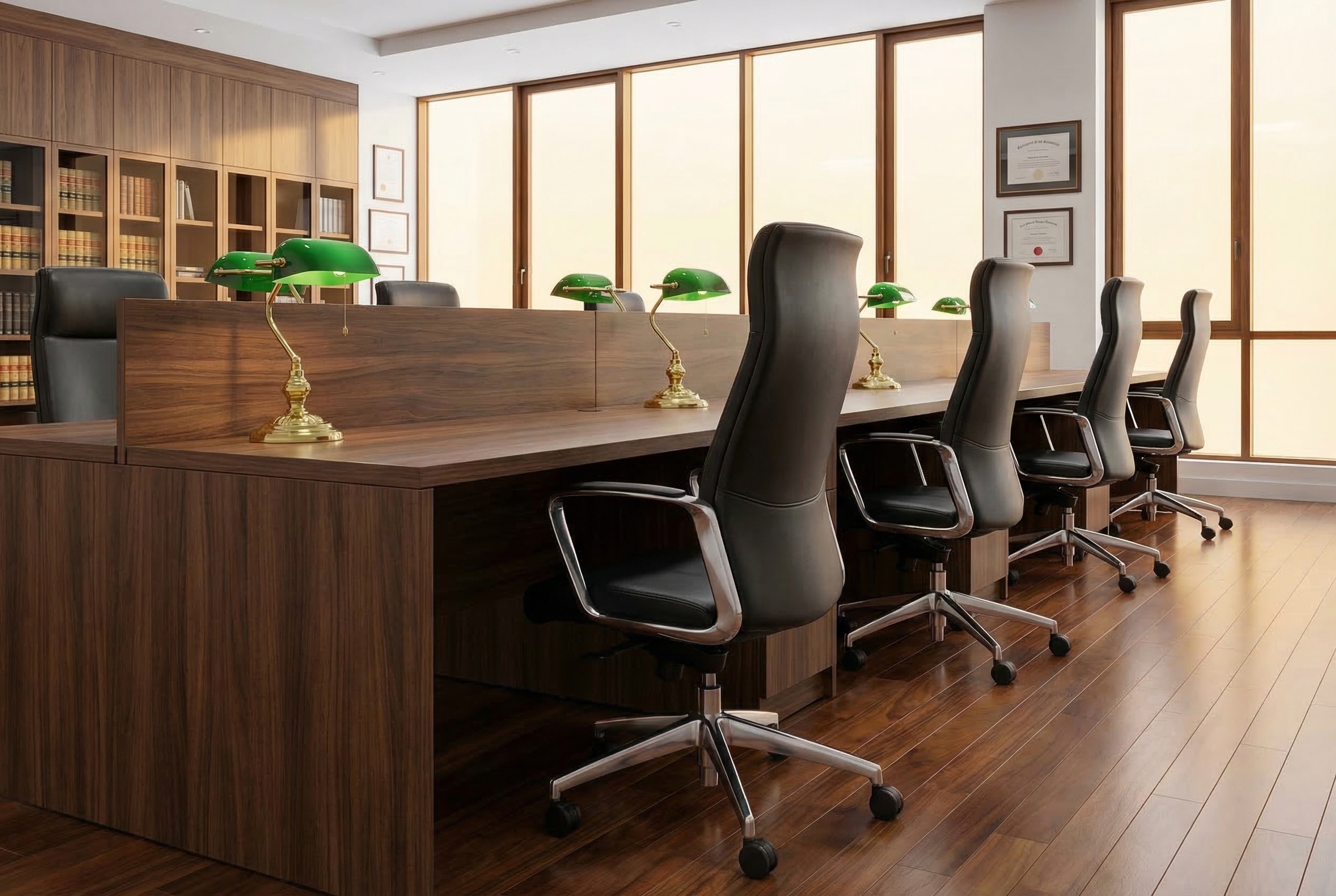
Office Interior Design That Signals You Are Stuck
One of the clearest signs is how your space feels to someone new.
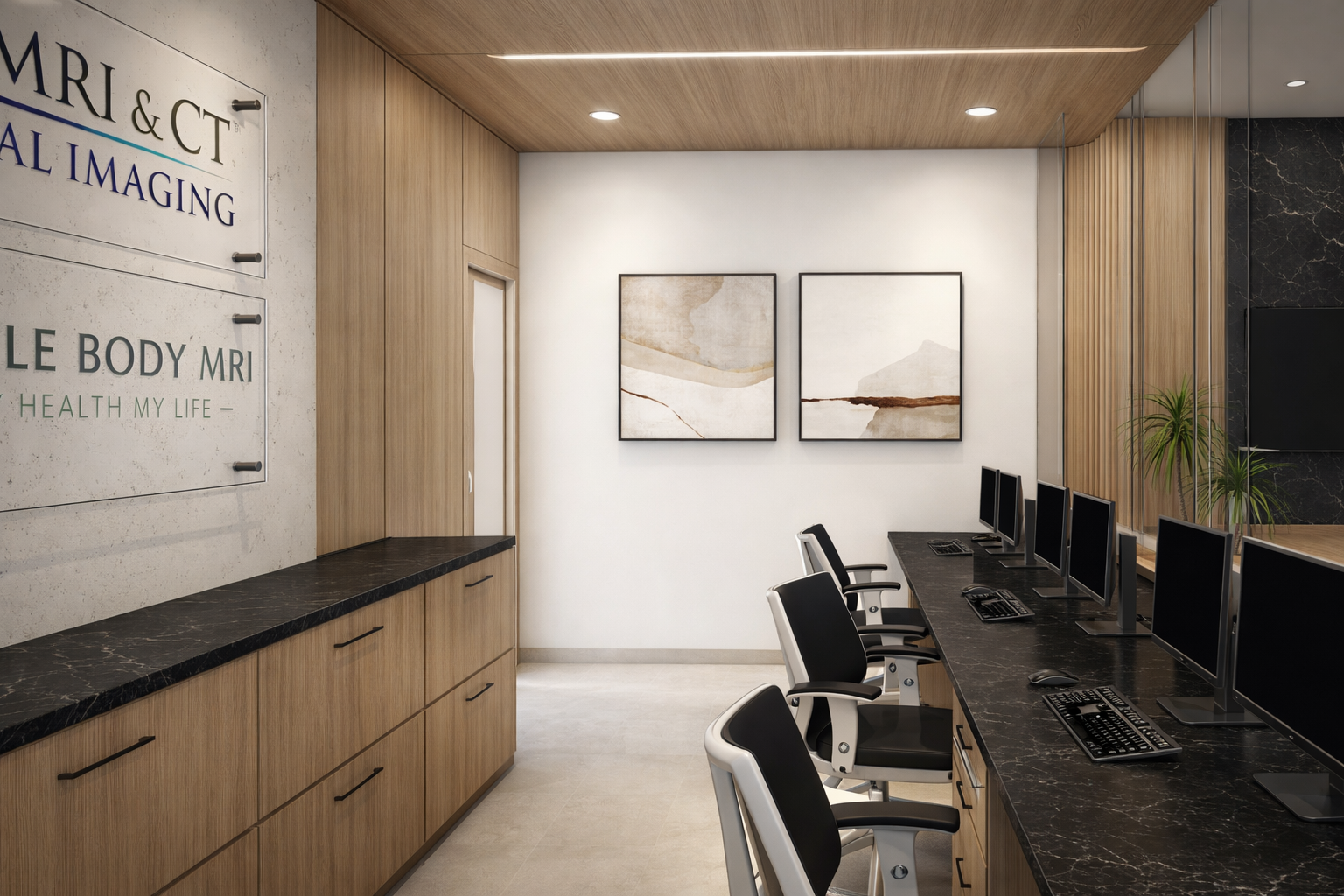
If candidates walk in and hesitate, or if clients seem unsure where to go, your office interior design is already sending the wrong message. People form impressions quickly, often before a conversation even begins. A dated or unclear environment can suggest that the business itself is not evolving.
This does not mean every office needs to feel trendy. In fact, many professional environments benefit from restraint. What matters is clarity and intent. Spaces should feel current, cared for, and aligned with the type of work being done.
Interior design services often focus first on entry points and shared spaces. These areas shape perception more than any other part of the office. A well-considered office design layout improves how people move and how they experience the space from the start.
Interior design firms Toronto often see this issue in offices that have grown over time without revisiting their design. The space reflects past needs, not present ones.
Commercial Interior Design That Reveals Workflow Friction
When productivity dips, layout is often the hidden cause.
If your team spends time navigating around each other, searching for rooms, or working in spaces that do not match their tasks, the problem is not effort. It is structure.
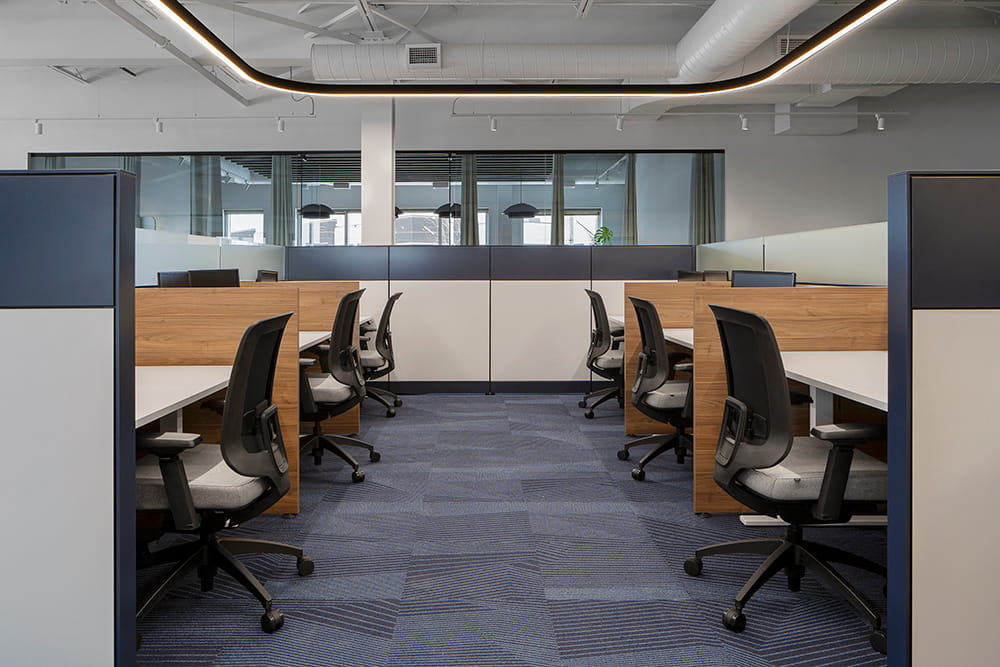
Commercial interior design addresses how space supports work. Without proper office space planning, even well-furnished offices can feel inefficient. Meetings run longer because rooms are not set up properly. Focus work becomes harder because noise travels too easily.
A strong office design layout separates activities clearly. Quiet work stays protected. Collaboration happens where it should. Movement feels natural rather than forced.
Interior design services often uncover these issues through simple observation. How people move through the space tells you more than any plan on paper.
Interior design firms Toronto frequently redesign layouts not because the space is too small, but because it is not organized well.
Interior Design Services That Expose Hiring Barriers
Hiring is no longer just about salary and role. The workplace itself plays a major part in attracting talent.
If candidates decline offers after visiting your office, or if interviews feel less confident than they should, the environment may be influencing those decisions.
Interior design services help identify these gaps. They look at how the space supports daily work, but also how it presents itself during key moments like interviews and onboarding.
Office interior design should reflect clarity and purpose. When a workplace feels outdated or difficult to use, it raises questions about how the company operates.
Office space planning also matters here. New hires want to see where they will work, how they will collaborate, and how the space supports their role. If that is not clear, it creates doubt.
Interior design firms Toronto often work with growing companies that realize their space no longer supports recruitment. The solution is rarely cosmetic. It comes from aligning layout, function, and experience.
Office Space Planning That Limits Growth
Another sign is when your office feels tight even when it should not.
This often happens when growth was not part of the original office space planning. Desks are added where they fit. Meeting rooms are repurposed. Storage areas become workspaces. Over time, the layout becomes fragmented.
Corporate interior design addresses this by looking at both current use and future needs. A well-planned office allows for change without constant disruption.
Office design layout should include flexibility. Not every space needs to serve one fixed purpose. Areas that can adapt over time help businesses scale without starting over.
Interior design services often reorganize existing space rather than expanding it. Small adjustments to layout can create significant gains in capacity and efficiency.
Interior design firms Toronto frequently help businesses recover space they already have but are not using well.
Corporate Interior Design That Weakens Client Confidence
Clients notice more than you think.
If meeting rooms feel improvised, if finishes are worn, or if the space lacks cohesion, it can affect how your business is perceived. This is especially true in professional services where trust is central.
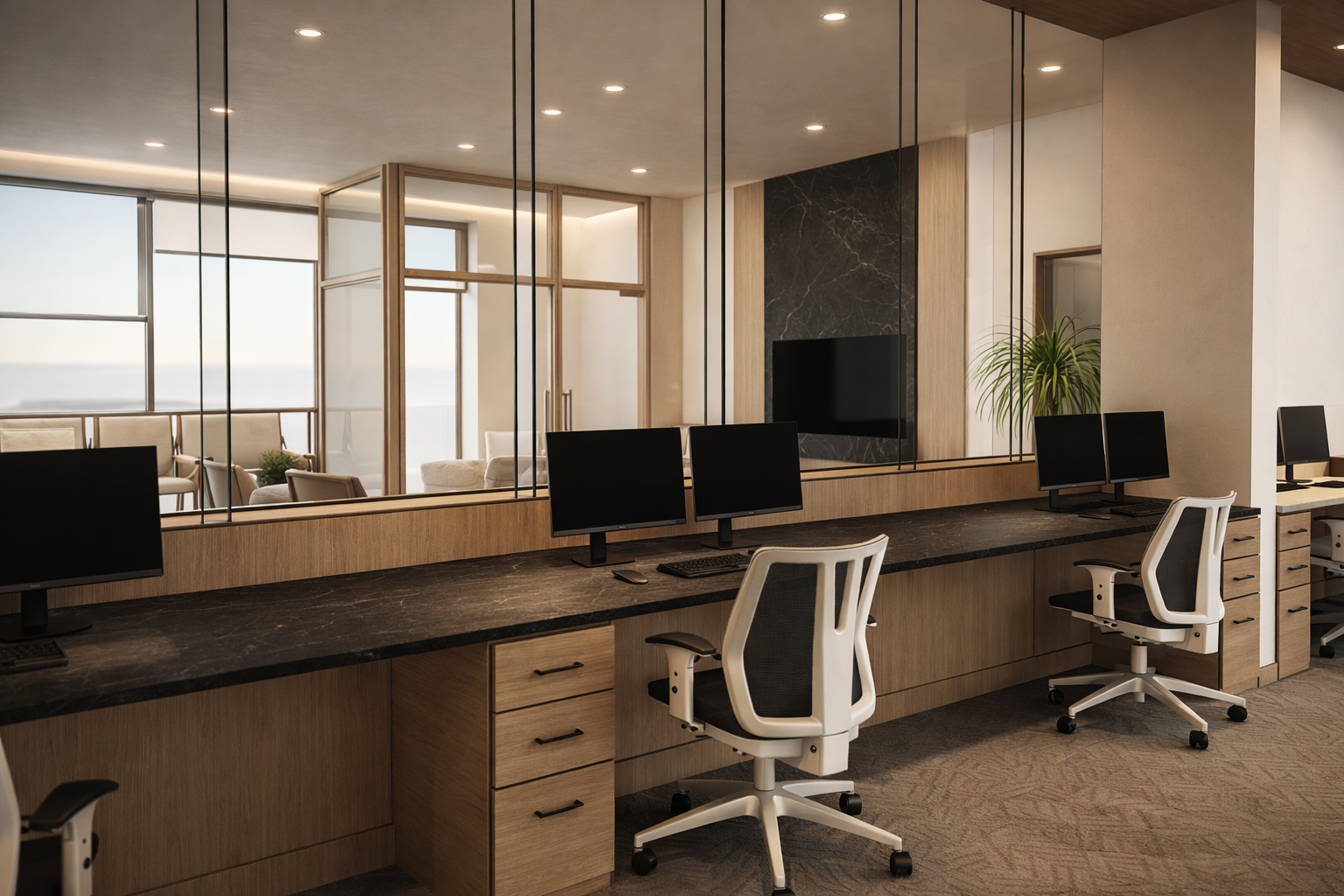
Corporate interior design ensures that the office presents a clear and consistent image. Materials, lighting, and layout should all support that impression.
Office interior design plays a key role here. Even small inconsistencies can create doubt. A space that feels well maintained and intentional reinforces confidence.
Commercial interior design also supports this by aligning function with presentation. Meeting rooms should feel prepared and equipped. Reception areas should guide visitors naturally.
Interior design services help bring these elements together so the space reflects the quality of the work being done.
Interior design firms Toronto often emphasize that client experience begins the moment someone walks through the door.
Frequently Asked Questions (FAQ):
How does workplace design affect hiring?
Candidates form opinions quickly. A workspace that feels outdated or disorganized can suggest that the company is not evolving. Clear layout, good lighting, and well-defined work areas help create confidence during interviews and onboarding.
What are the biggest signs an office layout is not working?
Common signs include noise issues, difficulty finding spaces, overcrowded workstations, and inefficient movement. These point to problems with office space planning rather than individual behaviour.
Can office design really improve productivity?
Yes. A well-planned office design layout reduces distractions, supports different types of work, and improves overall efficiency. Even small layout changes can have measurable impact over time.
Key Takeaways
- Workplace design directly affects hiring, productivity, and client perception
- Office interior design shapes first impressions within seconds
- Commercial interior design improves workflow and reduces friction
- Interior design services identify hidden layout and function issues
- Office space planning supports both current use and future growth
- Corporate interior design reinforces trust and consistency
- Interior design firms Toronto help align space with business goals
A workplace rarely fails all at once. It slips gradually. Small inefficiencies build up. Perception shifts slowly. Over time, the space begins to hold the business back without anyone realizing it.
The solution is not always a full redesign. In many cases, it is about seeing the space clearly and making targeted improvements.
When office interior design, commercial interior design, and office space planning are aligned, the workplace becomes easier to use and more effective. Hiring improves. Productivity increases. Clients feel more confident.
If your space feels harder to work in than it should, it may be time to look at what it is trying to tell you. Get a professional interior design services company to identify and solve workplace gaps in no time.