Walk into a professional office interior design that has not changed in ten years, and you can feel it immediately. The finishes are tired, the layout feels rigid, and the space no longer reflects how people actually work. It is not just an aesthetic issue. It changes how clients perceive the business and how teams perform inside it.
At the same time, the opposite mistake is just as common. A modern office design made aggressively can lose the sense of stability and professionalism that clients rely on. When a law firm starts to feel like a startup or a financial office feels overly casual, trust can quietly erode.
The challenge is not whether to modernize. It is how to do it without losing what made the space credible in the first place. A well-considered office interior design strategy can improve productivity, clarify workflow, and elevate the client experience, all while maintaining a grounded and professional tone.
That balance comes down to decisions in layout, materials, and how the space supports real work. It is less about trends and more about restraint. The following ideas explore how interior design services can move a professional office forward without leaving its identity behind.
Office Interior Design That Feels Intentional
The most successful modern offices do not feel new for the sake of being new. They feel considered.
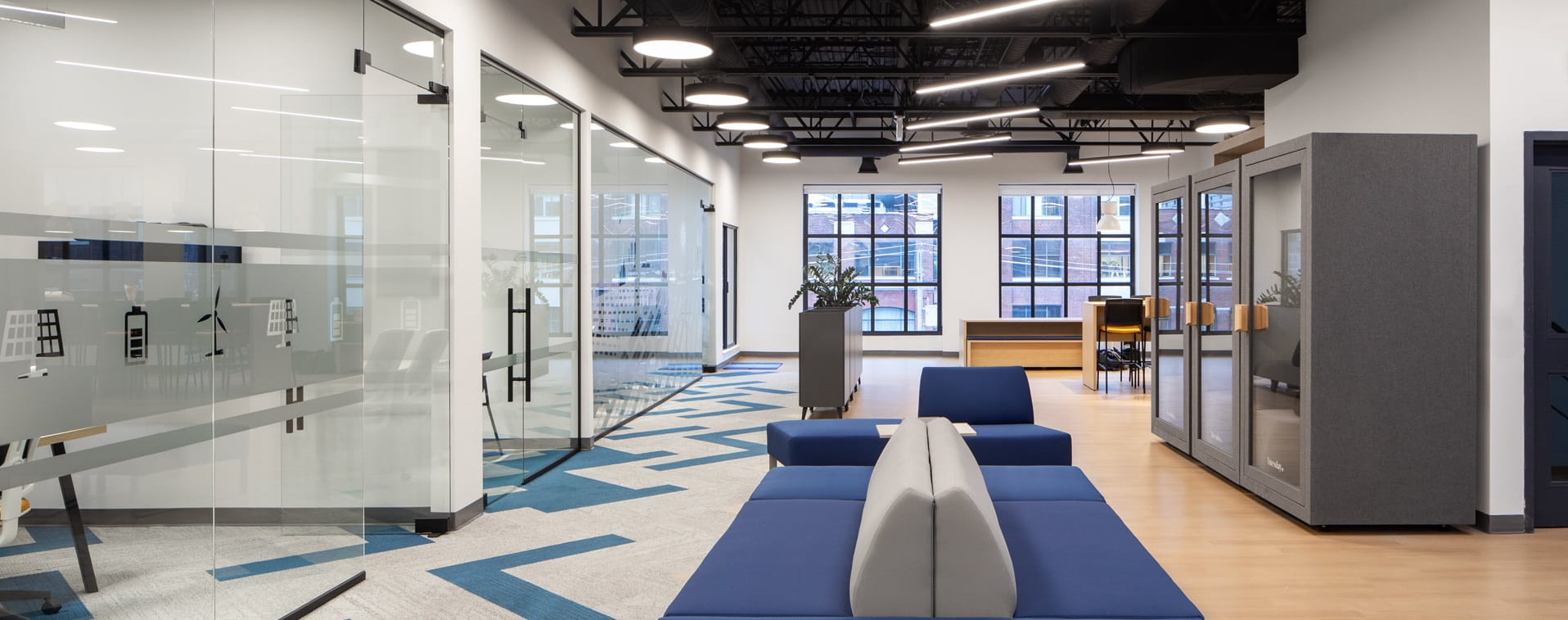
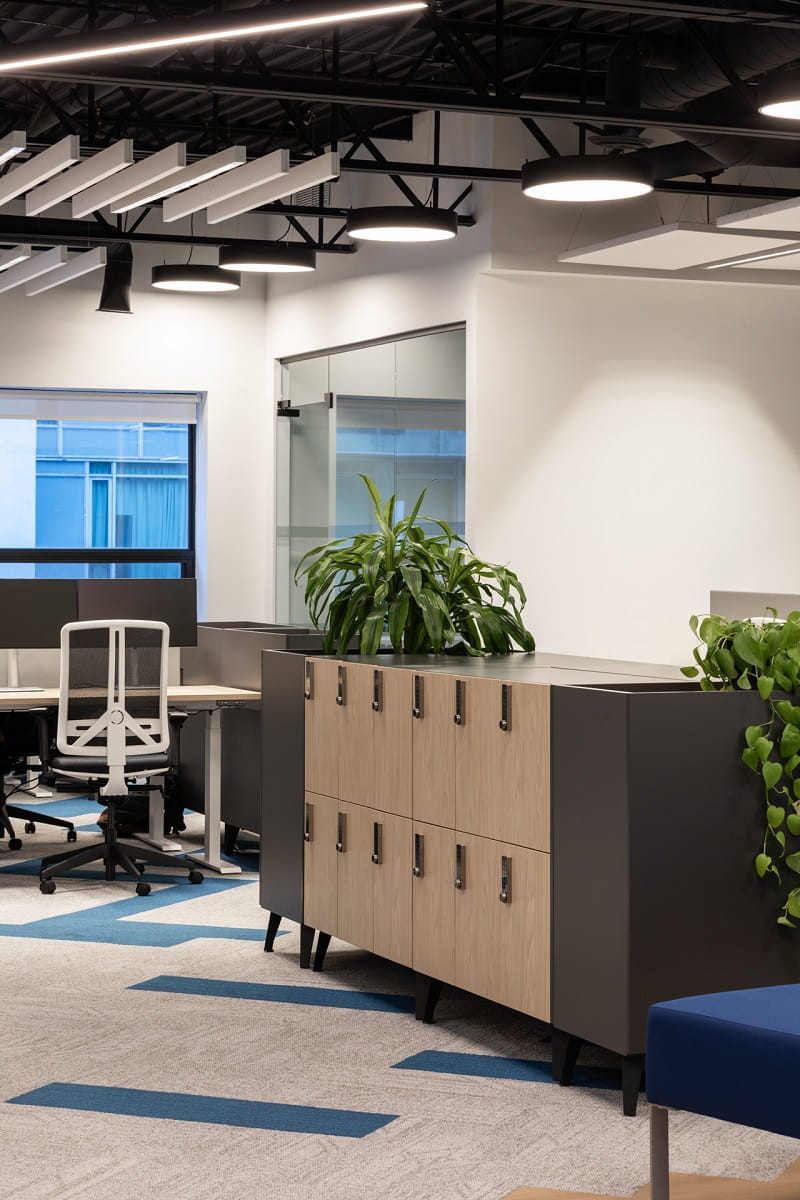
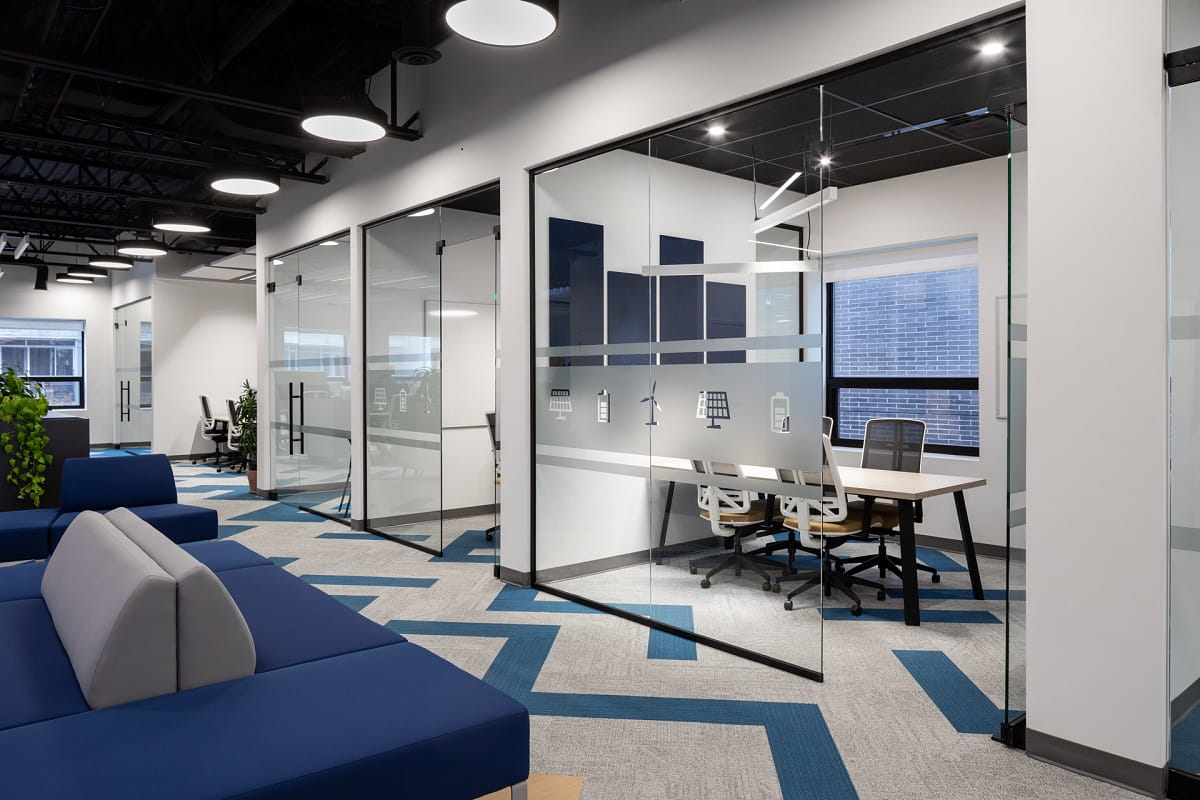
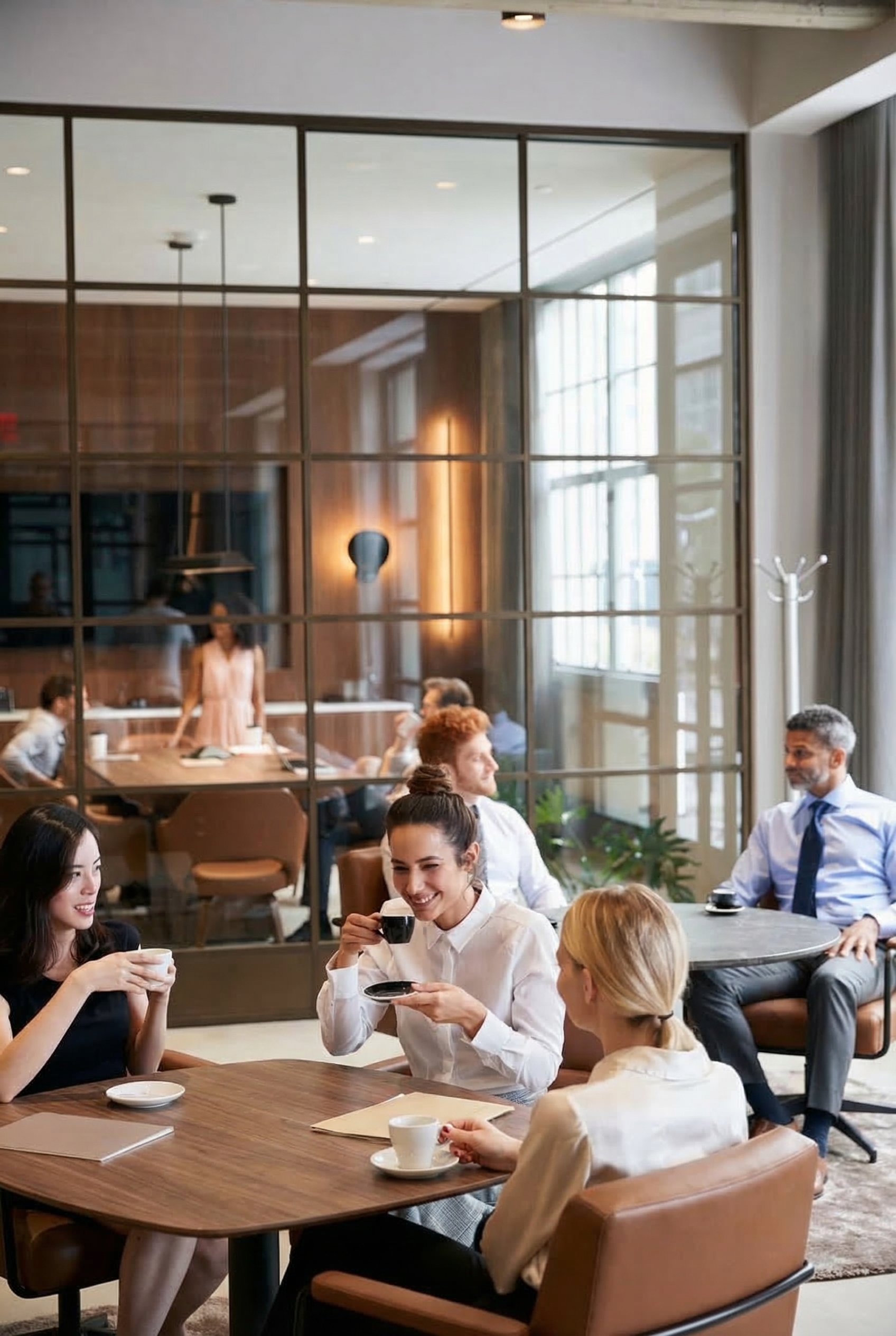
A strong office design layout is often the first sign of that. When people enter a space and instinctively know where to go, where to wait, and where conversations happen, the environment builds confidence without saying a word. That clarity is one of the most overlooked aspects of office interior design.
Modernization often begins with removing friction rather than adding features. Circulation paths become clearer. Sightlines improve. Spaces that once felt crowded or underused are rebalanced through better office space planning.
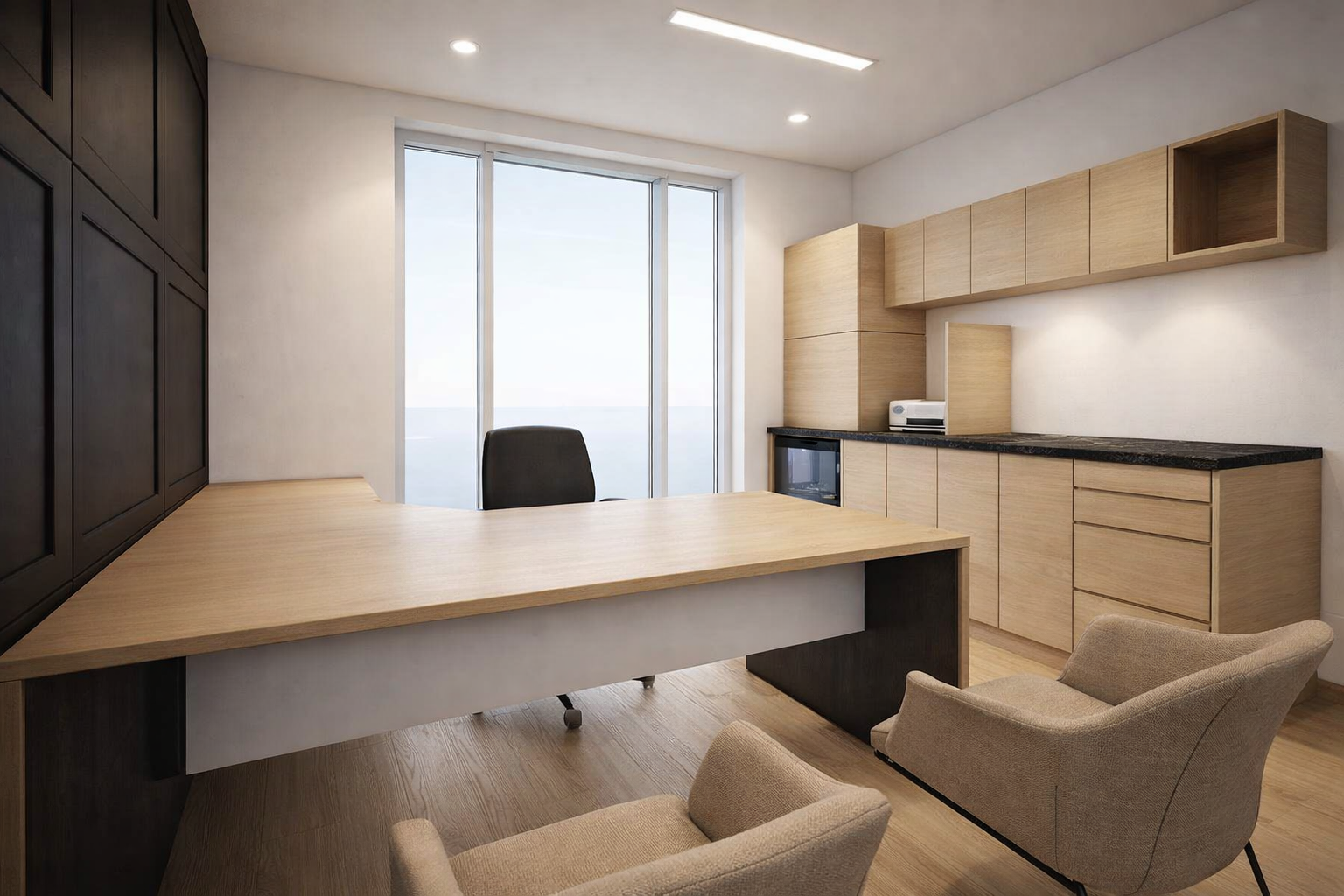
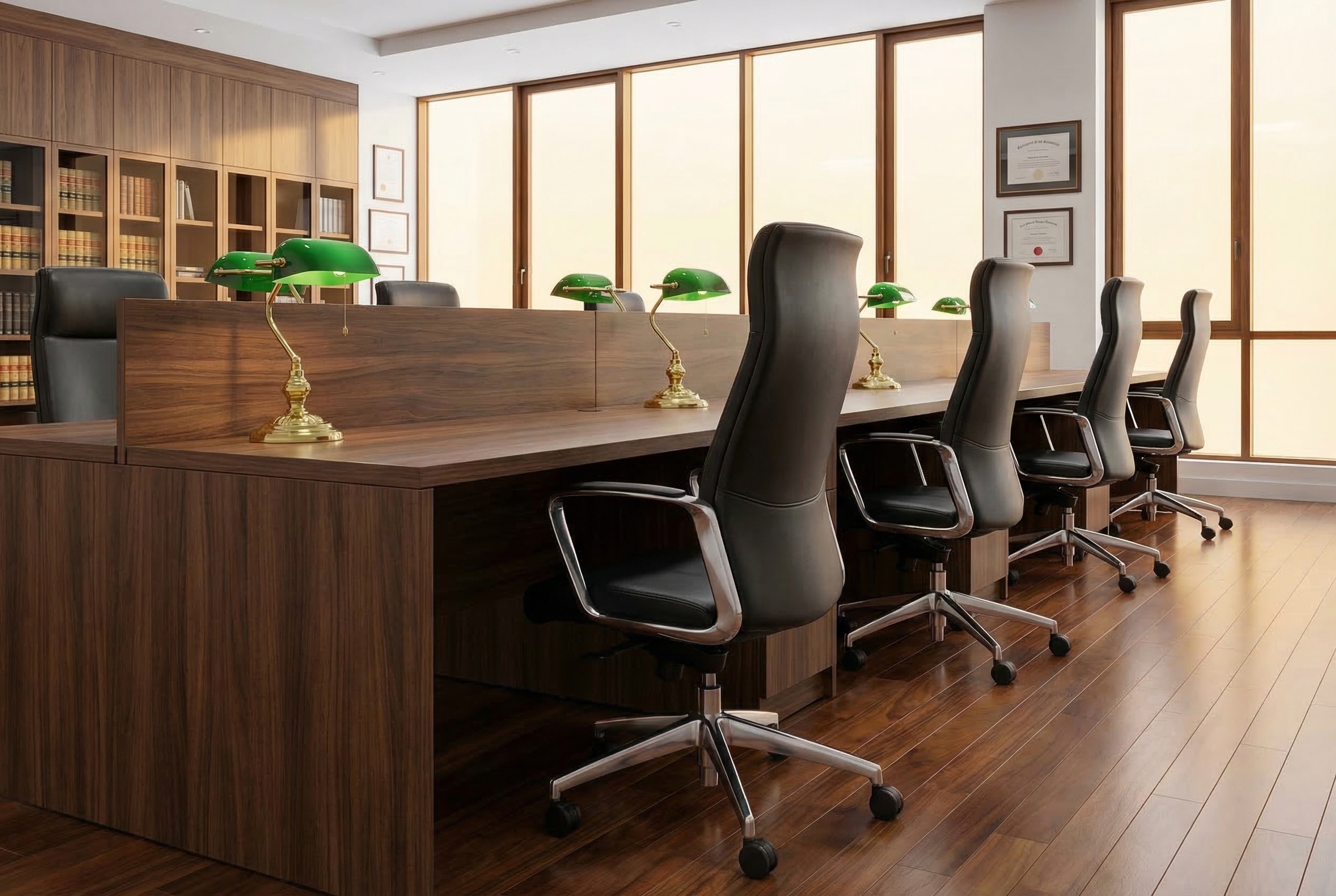
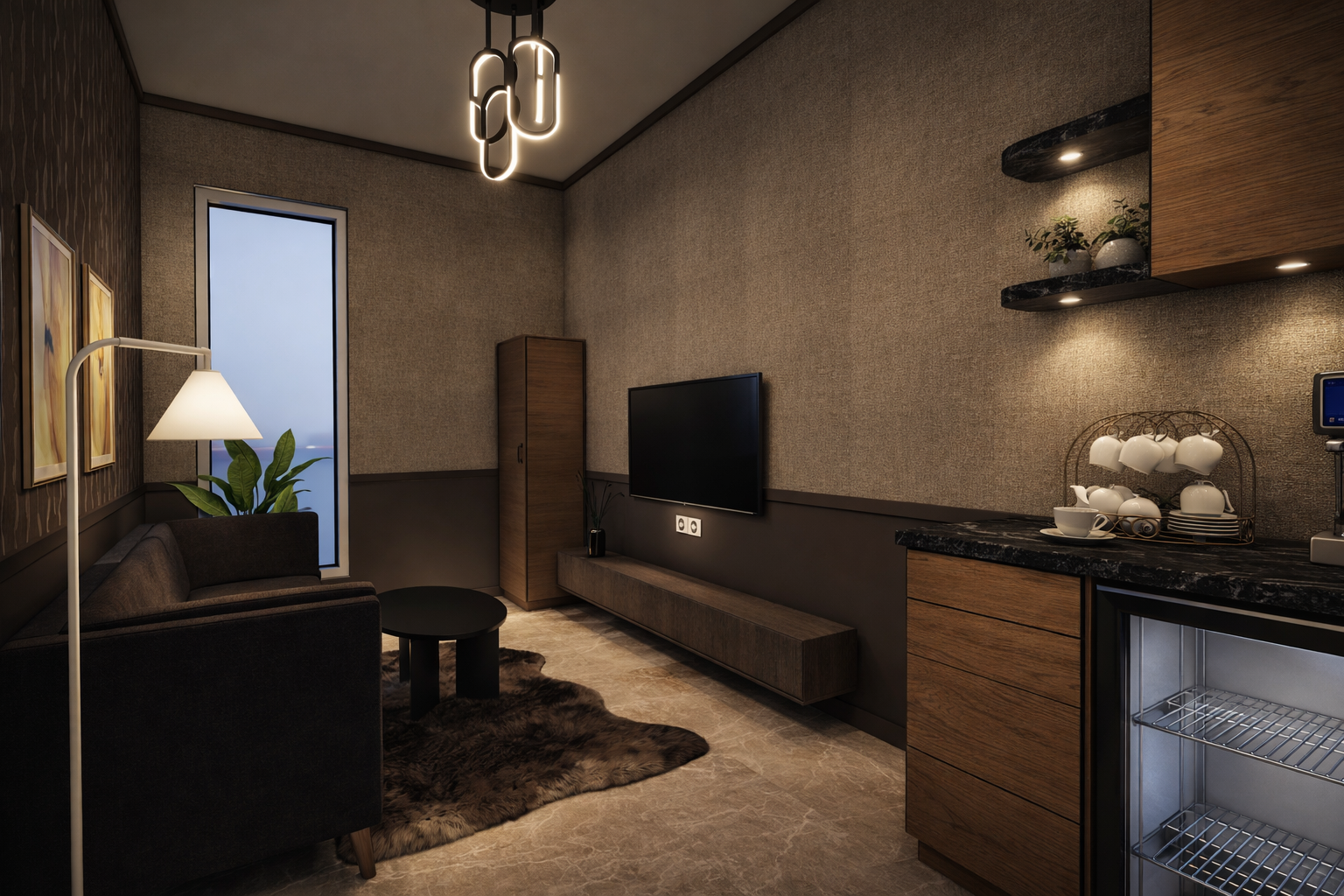
Materials also carry weight here. Instead of replacing everything, many professional offices benefit from refining what already works. Warmer wood tones, softer lighting, and quieter textures can shift the tone of a space without making it feel unfamiliar. Commercial interior design at its best is rarely loud. It is precise.
Interior design services often focus on these subtle adjustments first. They are what allow a space to feel modern without losing its sense of permanence.
Interior Design Services That Respect What Works
One of the biggest risks in updating a professional office is overcorrecting. There is often a temptation to strip everything back and start fresh, but that approach can remove the very elements that clients associate with trust.
A more effective strategy is selective change. Interior design services are most valuable when they help identify what should remain and what should evolve. Some elements of corporate interior design, such as proportions, layout logic, or key materials, often still serve the space well.
What tends to fall behind is how the space supports people. Offices designed around fixed roles and rigid hierarchies struggle to accommodate collaboration, hybrid work, and changing team structures. This is where office space planning becomes essential.
Rather than forcing a completely new identity, the goal is to refine the existing one. Interior design firms Toronto often approach this by layering updates into the space. Lighting improves. Layouts become more flexible. Finishes are refreshed with a lighter touch.
The result is a space that feels current but still familiar. That balance is what preserves trust.
Commercial Interior Design That Supports Real Work
Professional environments have changed, even if many offices have not kept up. Work today is more fluid. Teams shift between focused tasks, collaboration, and client interaction throughout the day.
A rigid office design layout makes that difficult. Spaces either become underused or overburdened. Meeting rooms sit empty while open areas become too noisy.
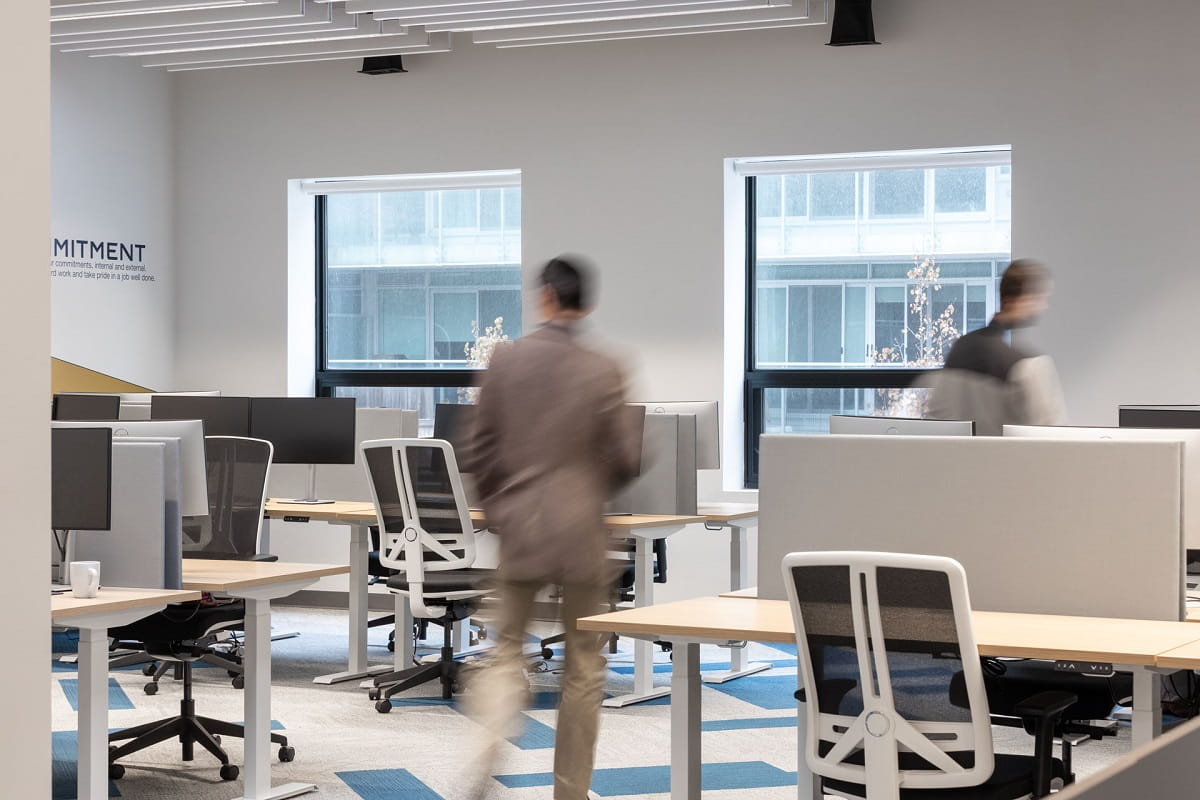
Commercial interior design addresses this by introducing flexibility without chaos. Zones are defined, but not overly fixed. Quiet areas are protected. Collaborative spaces are accessible but contained.
Office interior design also needs to account for comfort in a more deliberate way. Lighting, acoustics, and spatial balance all influence how long people can stay focused. These are not decorative decisions. They directly affect performance.
Office space planning plays a central role in this. It allows the layout to respond to how people actually use the space instead of how it was originally intended.
The most effective modern offices do not look dramatically different at first glance. What changes is how they function once you spend time in them.
Office Space Planning That Feels Effortless
Good office space planning is often invisible. When it works, people do not notice it. They simply move through the space without hesitation.
In many older offices, movement feels awkward. Paths cross in the wrong places. Reception areas feel disconnected from meeting rooms. Staff and clients share spaces in ways that create tension rather than clarity.
A refined office design layout removes those issues. It aligns movement with purpose. Clients are guided naturally from entry to meeting spaces. Teams have access to what they need without unnecessary travel.
This is where interior design services often uncover the most value. By observing how the space is used day to day, they can identify small inefficiencies that have a large impact over time.
Corporate interior design also benefits from this clarity. When the layout is easy to navigate, the space feels more professional. It reduces the cognitive load on both staff and visitors.
Interior design firms Toronto often emphasize simplicity here. Not minimalism, but clarity. A space that works well rarely feels complicated.
Corporate Interior Design That Holds Its Ground
Modernization should not dilute identity. It should sharpen it.
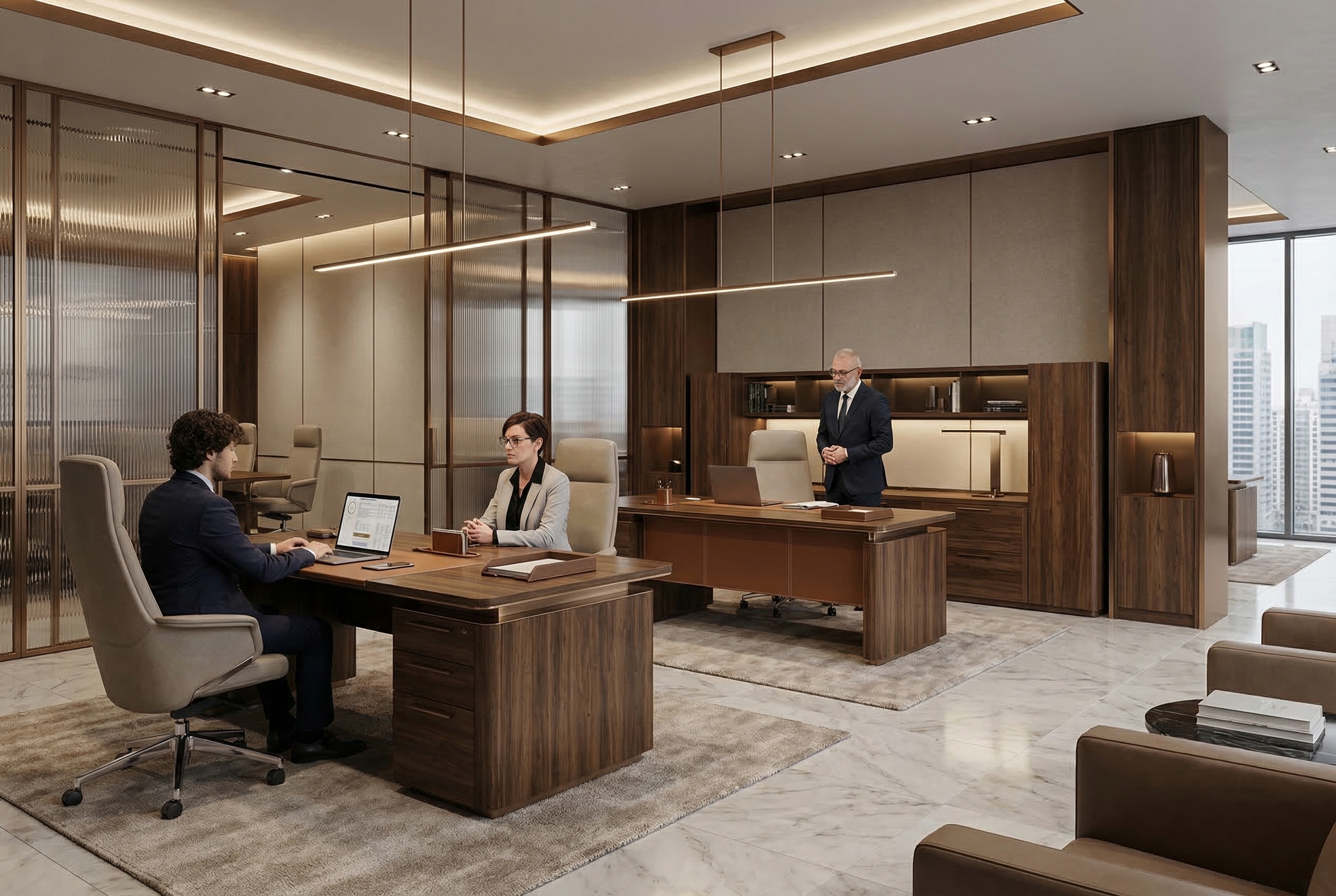
Corporate interior design plays a key role in maintaining that balance. The goal is not to introduce a completely new visual language, but to express the existing one more clearly.
This often comes down to restraint. Instead of adding bold elements, the focus shifts to consistency. Materials align across spaces. Colours support the brand without overpowering it. Details are refined rather than exaggerated.
Office interior design contributes to this by reinforcing structure. A well-organized office design layout signals discipline and attention to detail. Those qualities translate directly into how clients perceive the business.
Interior design services guide these decisions so that updates feel cohesive. They ensure that every change supports the larger identity rather than competing with it.
Interior design firms Toronto often approach corporate spaces with this mindset. The strongest designs are not the ones that stand out the most, but the ones that feel the most resolved.
Frequently Asked Questions (FAQ):
How can a professional office modernize without losing its credibility?
The key is to avoid dramatic shifts that feel disconnected from the firm’s identity. Instead of replacing everything, focus on refining what already works. Improve lighting, adjust the layout, and update finishes in a way that feels consistent with the existing space. Clients tend to respond well to environments that feel stable but well maintained. Small, thoughtful upgrades often have a stronger impact than complete transformations.
What is the biggest mistake firms make when updating their office?
One of the most common mistakes is prioritizing appearance over function. A space can look modern but still fail to support how people work. Poor layout decisions, lack of flexibility, or uncomfortable environments can create new problems even after a renovation. The focus should always start with how the space is used, then move toward how it looks.
How does office space planning improve day to day performance?
Office space planning reduces friction. It ensures that people can move through the space easily, access what they need quickly, and work without constant interruptions. Over time, these small improvements add up. Staff spend less time adjusting and more time focused on their work. Clients experience smoother interactions, which strengthens overall perception.
Key Takeaways
- Modernizing an office should refine identity, not replace it
- A clear office design layout builds confidence and improves flow
- Office space planning supports how teams work today
- Commercial interior design should prioritize function over trend
- Interior design services help balance what to keep and what to change
- Corporate interior design reinforces consistency and professionalism
- Interior design firms Toronto focus on long-term adaptability
Modernizing a professional office is less about change and more about alignment. It is about bringing the space in line with how the business operates today, while maintaining the qualities that made it trustworthy to begin with.
When office interior design is approached with care, the results are often subtle but powerful. The space feels easier to use. Clients feel more at ease. Teams work with less friction.
Commercial interior design and thoughtful office space planning make that possible. They turn the office into a tool that supports both performance and perception.
For firms that are ready to evolve but cautious about losing their identity, the path forward is not drastic. It is deliberate.
If your office no longer reflects how your team works or how your clients experience your business, it may be time to take a closer look at how the space is performing. Interior design services can make a meaningful difference without losing what already works.