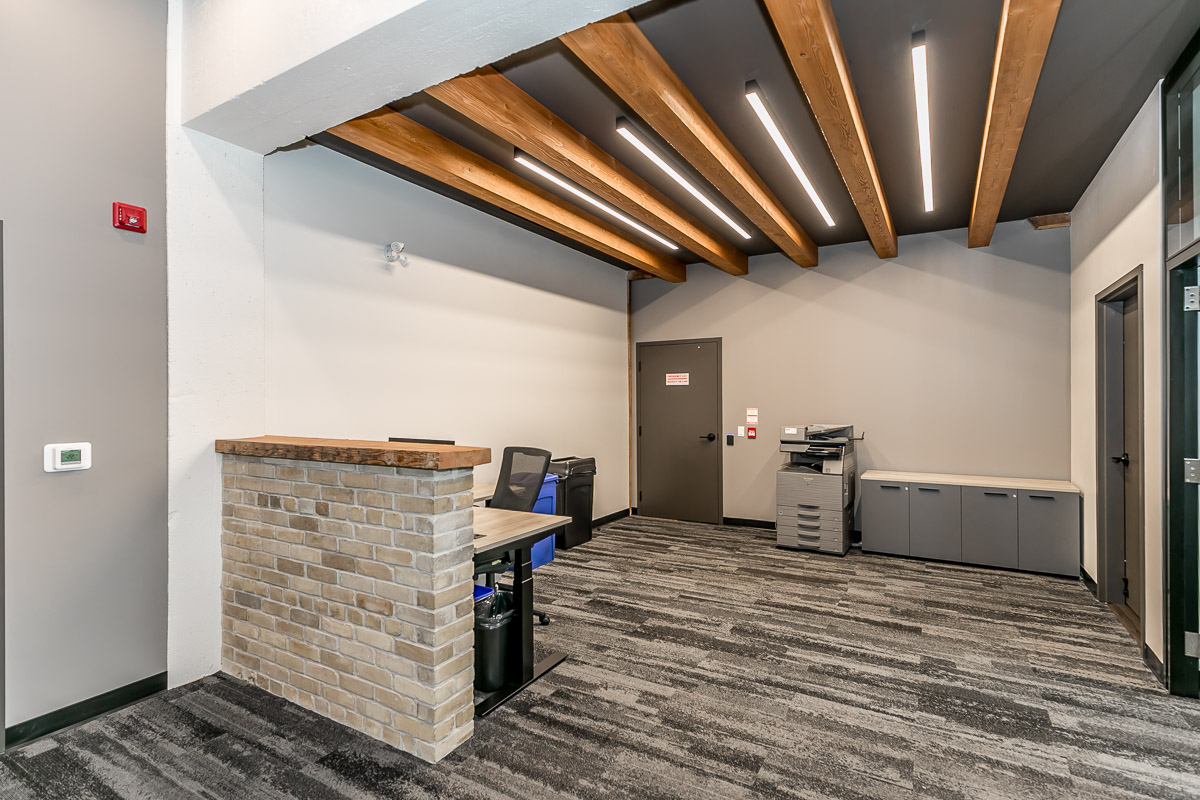
Picture an open office interior design where sound bounces chaotically off hard surfaces, creating a constant cacophony of overlapping conversations, keyboard clicks, and ringing phones. Now imagine the same space with soft grey acoustic panels absorbing sound or lush green walls creating a forest-like sanctuary where noise feels distant and manageable. One solution stops sound at its source through material absorption. The other transforms how your brain perceives noise through biophilic connection and gentle visual softness. Both exist in countless offices, yet most companies still treat them as either-or choices rather than understanding that they work fundamentally differently.
The confusion exists because both acoustic panels and green walls look like they should solve noise problems and both deliver genuine benefits, just different ones. Acoustic panels reduce noise by 20 to 30 percent through direct physics. Green walls reduce measurable noise by only 5 to 10 percent but create psychological environments where people perceive noise as less stressful. When interior design services create office interior design with acoustic strategy in mind, they select the right tool for each specific noise challenge rather than assuming one solution fits all situations. In commercial interior design, one understands that acoustic panels excel at absorbing sound whilst green walls excel at psychological restoration and air quality. These are not competing solutions. They are complementary tools that work best together in a comprehensive noise reduction strategy. Knowing which tool solves which problem is essential for office interior design that actually reduces noise rather than just looking like it might.
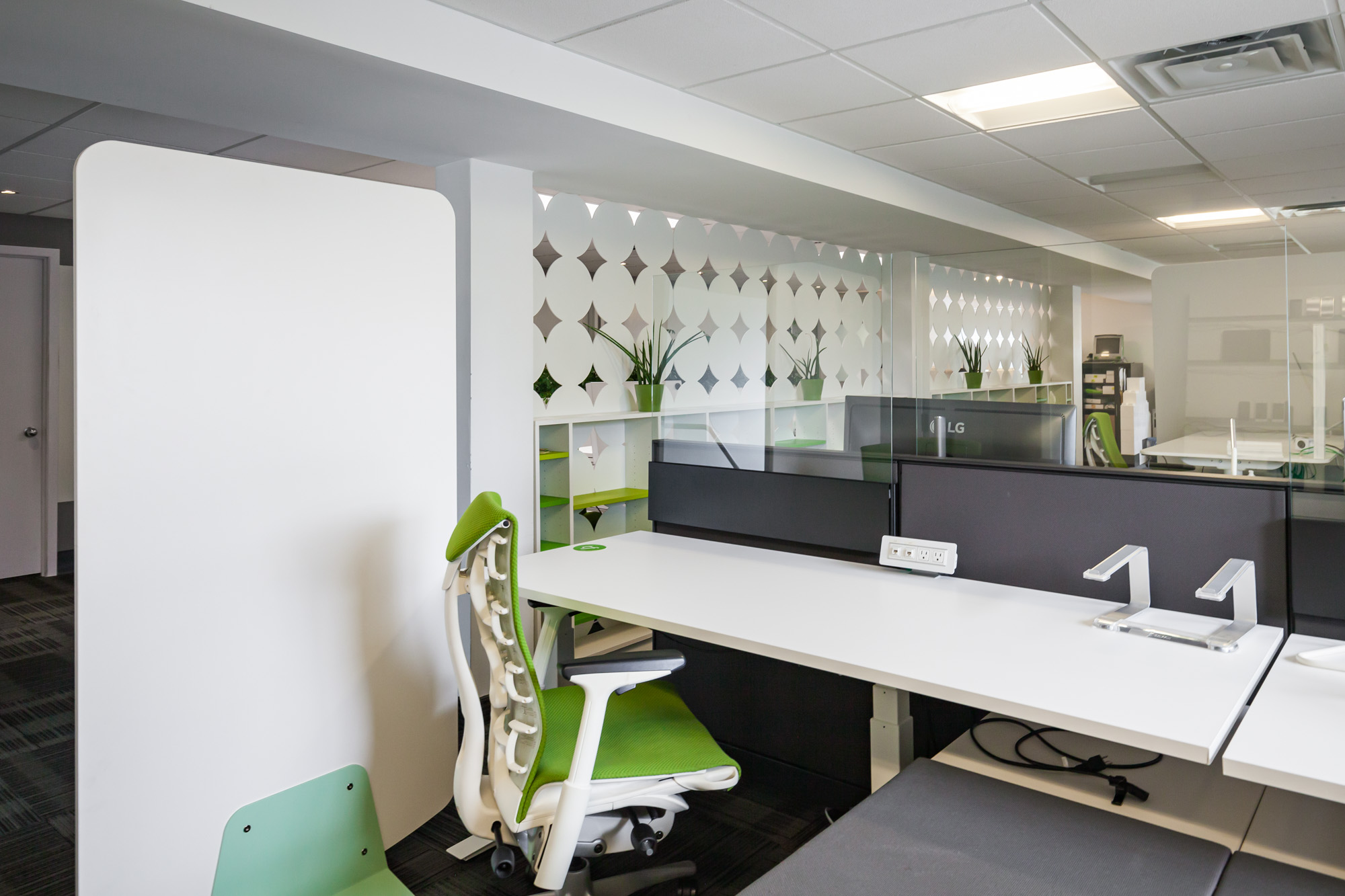
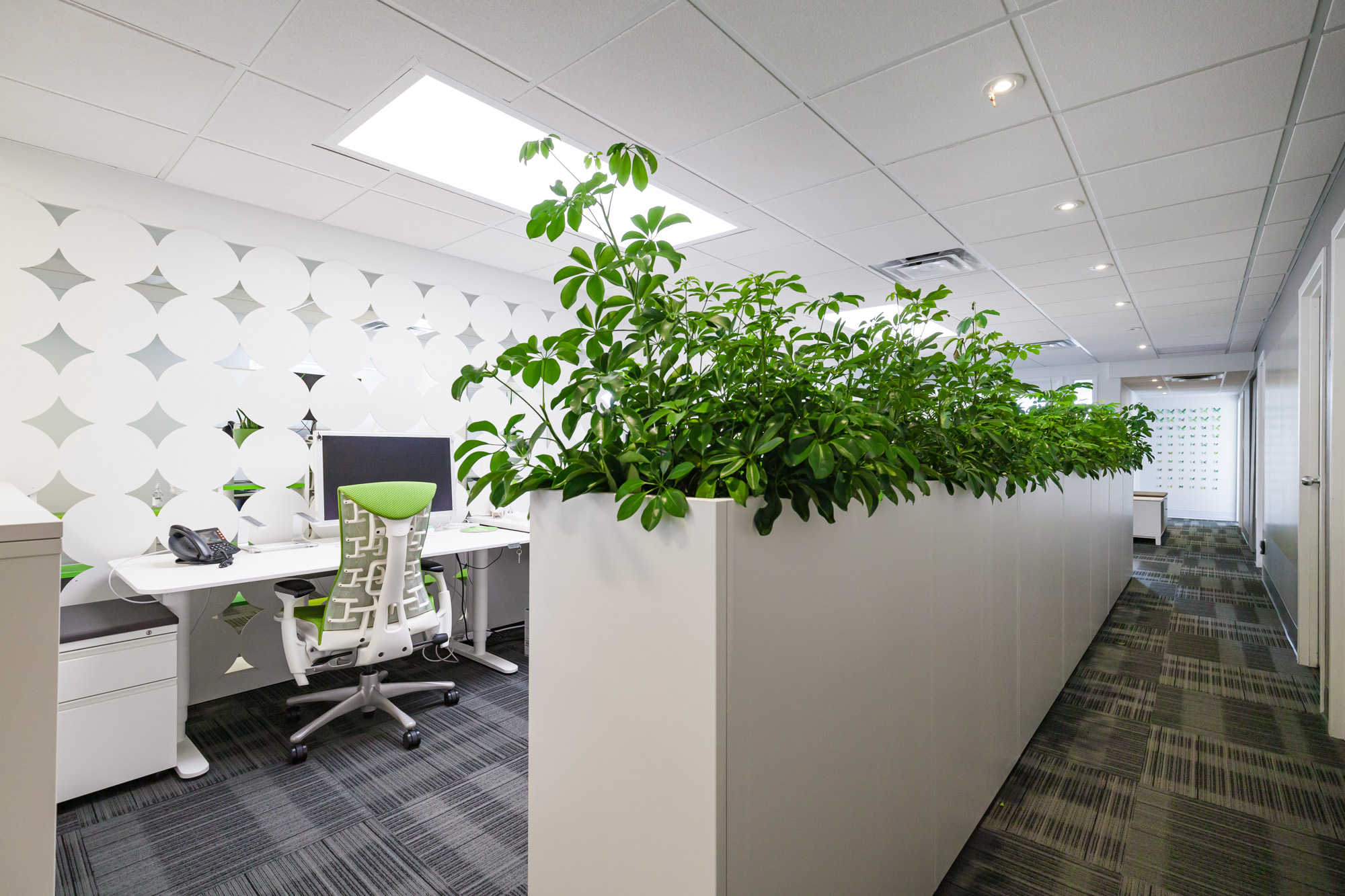
How Acoustic Panels Control Noise in Office Interior Design
Acoustic panels work through direct sound absorption. Sound waves strike the panel surface and the material converts sound energy into minimal heat instead of reflecting sound back into the space. Professional interior design services specify panels with appropriate noise reduction coefficients for specific applications. Dense fibreglass, melamine foam, and mineral wool panels absorb different frequency ranges effectively.
Office interior design that places acoustic panels strategically addresses specific noise sources. Hard surfaces like windows and tile floors reflect sound aggressively. Soft absorptive surfaces reduce this reflection. Interior design services position panels to target problematic reflections. A wall opposite a window might feature acoustic panels to prevent sound bouncing into quiet zones. Commercial interior design that understands reflection patterns solves noise through strategic absorption.
Office design layout affects panel effectiveness. Panels work best when positioned to intercept direct sound paths. Professional commercial interior design maps sound travel and positions panels accordingly. Corporate interior design that treats acoustic design as integral to space planning prevents noise problems rather than trying to fix them after the fact.
Panel aesthetics matter because they affect adoption. Attractive acoustic panels get maintained and respected. Ugly panels get damaged or covered. Interior design services specify panels that look intentional and beautiful. Professional office interior design incorporates panels as design features rather than afterthoughts. Canadian office furniture can be selected to complement acoustic panel colours and textures.
Acoustic panels typically reduce noise by 20 to 30 percent when properly installed. This measurable reduction affects comfort significantly. Professional interior design services document baseline noise levels and post-installation levels to verify performance.
How Green Walls Create Acoustic and Psychological Benefits in Commercial Interior Design
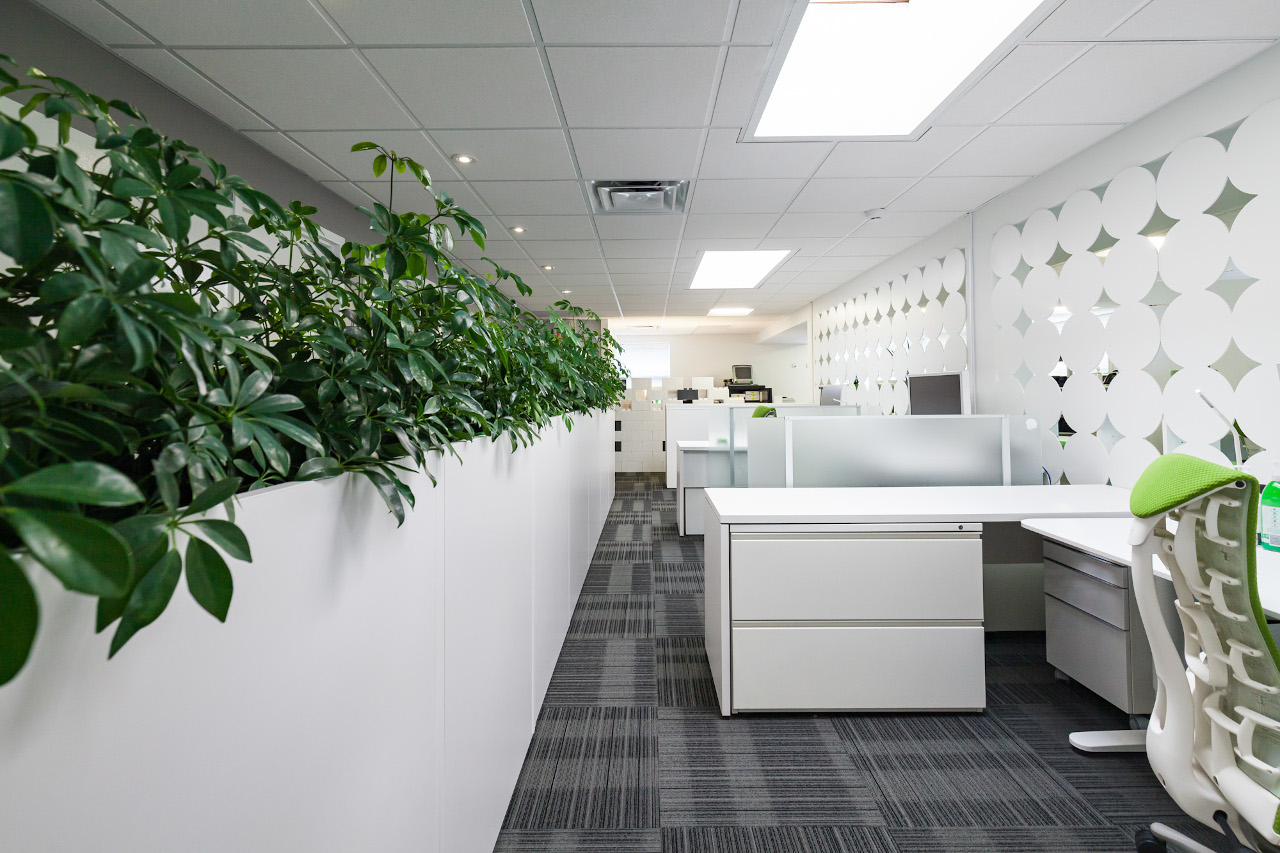
Green walls absorb limited sound directly but work through different mechanisms. Soil medium, foliage, and air gaps provide some absorption, typically reducing noise by 5 to 10 percent. However, the psychological benefits are substantial. Employees in green spaces perceive noise as less stressful even when decibel levels are unchanged. Interior design services use this knowledge to design office interior design where green walls reduce stress from noise rather than eliminating noise itself.
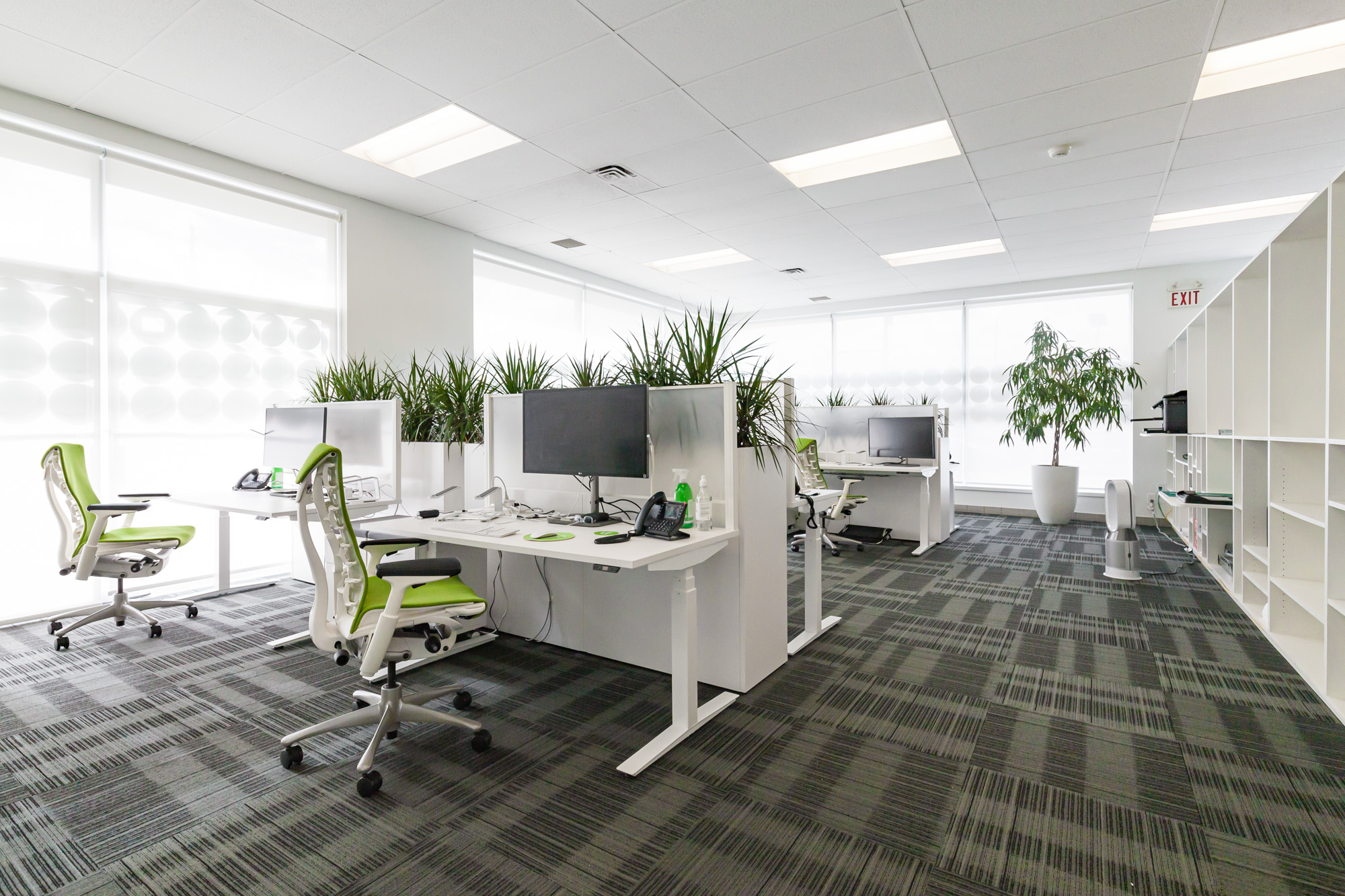
Living plants in office design layout also mask harsh noise with softer ambient sound. Water systems integrated with green walls create gentle background sound that masks disruptive office noises. Professional interior design services add masking sound strategically to reduce perceived noise levels. Commercial interior design that combines green walls with subtle sound masking creates genuinely more pleasant acoustic environments.
Green walls improve air quality and provide biophilic benefits beyond acoustics. Professional office interior design that includes greenery reports higher employee satisfaction and lower stress. Corporate interior design with living walls becomes a tool for comprehensive wellbeing rather than just noise control.
The acoustic benefits of green walls depend on density and installation method. Thin plant installations contribute minimal absorption. Dense, well-established living walls with deep soil medium absorb measurably more sound. Interior design services specify green wall construction that balances acoustic, aesthetic, and maintenance considerations. Professional commercial interior design coordinates living wall systems with overall office furniture design and office design layout.
Acoustic Panels for Problem-Solving in Office Interior Design
When office interior design faces specific noise challenges, acoustic panels solve them directly. Open office spaces where sound bounces uncontrollably benefit dramatically from strategic panel placement. Professional interior design services position panels to break up reverberation and reduce ambient noise levels measurably.
Conference rooms with hard surfaces reflect noise aggressively during video calls. Interior design services add acoustic panels to conference room walls to improve audio quality for remote participants. Commercial interior design that treats acoustics as essential to conference room function prevents the common complaint of poor call quality. Office furniture design can include acoustic panel finishes that match the overall aesthetic.
Mechanical noise from HVAC, printers, and equipment needs acoustic treatment. Professional interior design services position absorption panels near noise sources. Office design layout that surrounds loud equipment with acoustic materials reduces transmission to surrounding areas. Corporate interior design that treats the source prevents noise pollution throughout the building.
Interior design services quantify acoustic performance through testing. Before and after measurements verify that panels deliver promised benefits. Professional commercial interior design provides documentation that acoustic improvements actually occurred.
Canadian office furniture can incorporate acoustic elements. Upholstered furniture pieces provide sound absorption. Panel based partitions with acoustic cores combine furniture and acoustic functions. Professional office interior design leverages these dual function solutions.
Green Walls for Comprehensive Wellbeing in Commercial Interior Design
Green walls deliver benefits beyond acoustics that acoustic panels cannot match. Improved air quality as plants process carbon dioxide. Biophilic connection to nature that reduces stress and improves focus. Visual interest that transforms bland walls into focal points. Professional interior design services use green walls to address comprehensive wellbeing rather than just noise reduction.
Office interior design that includes green walls reports higher employee satisfaction and lower turnover. Corporate interior design with visible greenery creates a culture that values environmental responsibility. Commercial interior design that includes living systems signals commitment to employee wellbeing that resonates with candidates and current staff.
Interior design services coordinate green walls with office design layout to maximise biophilic benefits. Positioning walls where employees see them regularly amplifies psychological benefits. Professional office interior design places green walls at focal points that draw visual attention throughout the day.
Green walls require ongoing maintenance. Professional interior design services include maintenance planning in green wall design. Office interior design that accounts for plant care from the start succeeds long-term. Corporate interior design that neglects maintenance sees walls deteriorate into liability.
Canadian office furniture that complements green walls enhances overall biophilic design. Natural materials, warm tones, and organic forms echo the living wall aesthetic. Professional commercial interior design creates cohesion between plant and furniture elements.
Combining Acoustic Panels and Green Walls for Maximum Impact in Office Interior Design
The best noise reduction strategy combines acoustic panels and green walls. Acoustic panels solve the physics problem of noise reflection. Green walls solve the psychological problem of noise stress. Together they create office interior design that is genuinely quieter and genuinely more pleasant.
Professional interior design services designs layered acoustic solutions. Acoustic panels absorb direct noise. Green walls mask remaining noise with soft ambient sound. Carpet and upholstered furniture provide additional absorption. Office furniture design that incorporates acoustic properties reinforces the entire strategy. Commercial interior design with multiple complementary elements outperforms single solution approaches significantly.
Office design layout that combines both tools places acoustic panels strategically for problem zones and positions green walls for maximum wellbeing impact. Interior design services map noise sources, identifies reflection points, and plans comprehensive mitigation. Professional corporate interior design coordinates all elements so they work together.
The cost of combined solutions is typically less than the sum of individual costs because acoustic panels and green walls occupy the same wall space. Interior design services design walls that include both elements. Professional commercial interior design achieves multiple benefits with single interventions. Office furniture design coordinates to support the overall acoustic and aesthetic strategy.
Documentation of acoustic performance plus employee satisfaction surveys verify that combined approaches deliver results. Professional interior design services measure success across both noise metrics and wellbeing indicators. Canadian office furniture placement and office interior design details all contribute to overall performance.

Frequently Asked Questions (FAQ):
Do acoustic panels really reduce noise or just muffle sound?
Acoustic panels genuinely absorb sound energy rather than muffling it. Professional interior design services specify panels that absorb appropriate frequency ranges. Office interior design with properly installed panels reduces ambient noise levels measurably. The difference is noticeable to occupants.
Can green walls replace acoustic panels for noise control?
No. Green walls provide partial absorption and psychological benefits but cannot match acoustic panels for noise reduction. Professional commercial interior design combines both. Interior design services use green walls for wellbeing and panels for acoustic control. Office design layout determines optimal placement of each.
How much do acoustic panels cost compared to green walls?
Acoustic panels typically cost $300 to $800 per panel depending on size and material. Green walls cost $2,000 to $5,000 per square metre depending on system and installation. Professional interior design services help clients choose based on specific needs rather than cost alone.
Key Takeaways
- Acoustic panels reduce noise by 20 to 30 percent through direct sound absorption
- Green walls reduce noise by 5 to 10 percent but provide substantial psychological and wellbeing benefits
- Acoustic panels solve specific noise problems and reflect direct sound paths
- Green walls improve air quality and create biophilic connection that reduces stress perception
- Combined acoustic panels and green walls outperform either solution alone
- Professional interior design services designs layered acoustic solutions for comprehensive results
- Office design layout affects acoustic panel and green wall effectiveness significantly
- Corporate interior design that includes green walls reports higher employee satisfaction
- Commercial interior design with proper acoustic treatment delivers measurable noise reduction
- Office furniture design can incorporate acoustic properties that reinforce overall strategy
Comprehensive Acoustic Strategy
Office interior design that reduces noise effectively requires strategic thinking about both physics and psychology. Acoustic panels address the measurable problem of sound reflection. Green walls address the perceived problem of noise stress and deliver additional wellbeing benefits. Professional interior design services combine both approaches for comprehensive results.
Commercial interior design that treats acoustics as central to design rather than an afterthought solves noise before it becomes a problem. Interior design services assesses office design layout, identifies noise sources, and specifies targeted interventions. Professional office furniture design reinforces acoustic strategy through material selection and placement.
Corporate interior design that invests in proper acoustic treatment creates noticeably quieter, more pleasant workspaces. Employees focus better. Conversations occur more naturally. Stress levels drop. The return on investment comes through improved productivity and satisfaction.
If your office interior design suffers from noise, the solution is not choosing between acoustic panels and green walls. The solution is combining them strategically. Interior design services can assess your specific noise challenges and design comprehensive solutions that address both the physics and psychology of workplace acoustics.