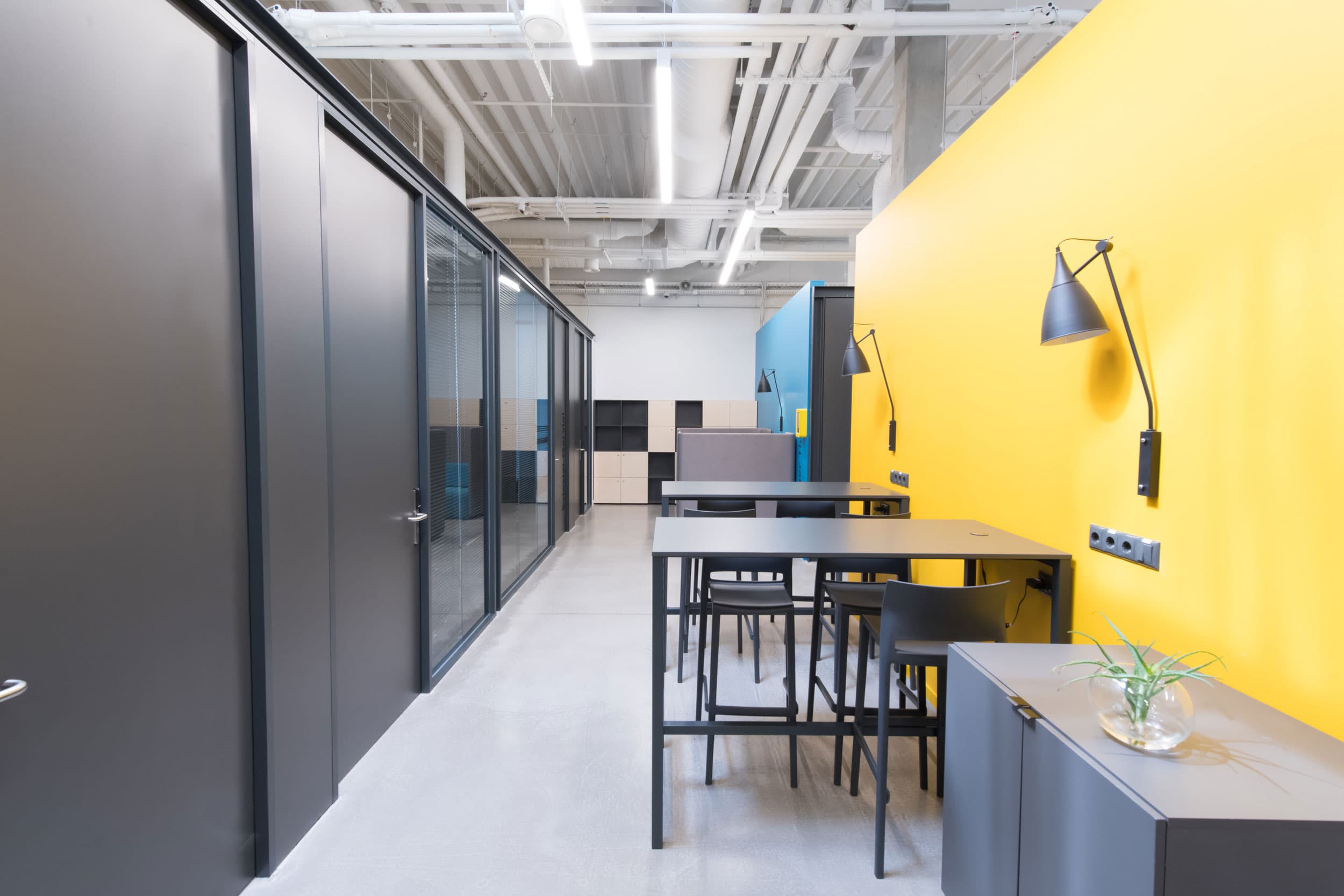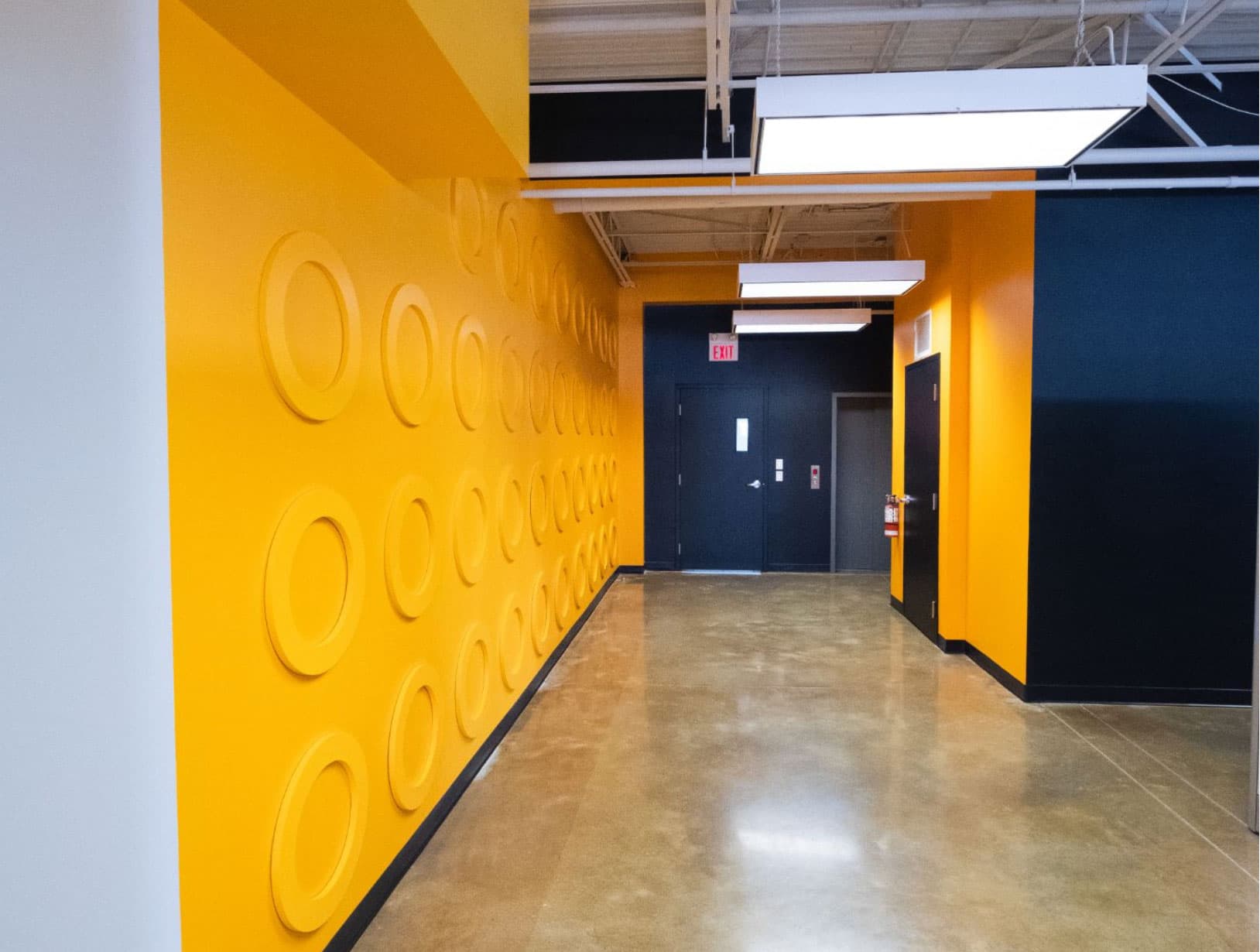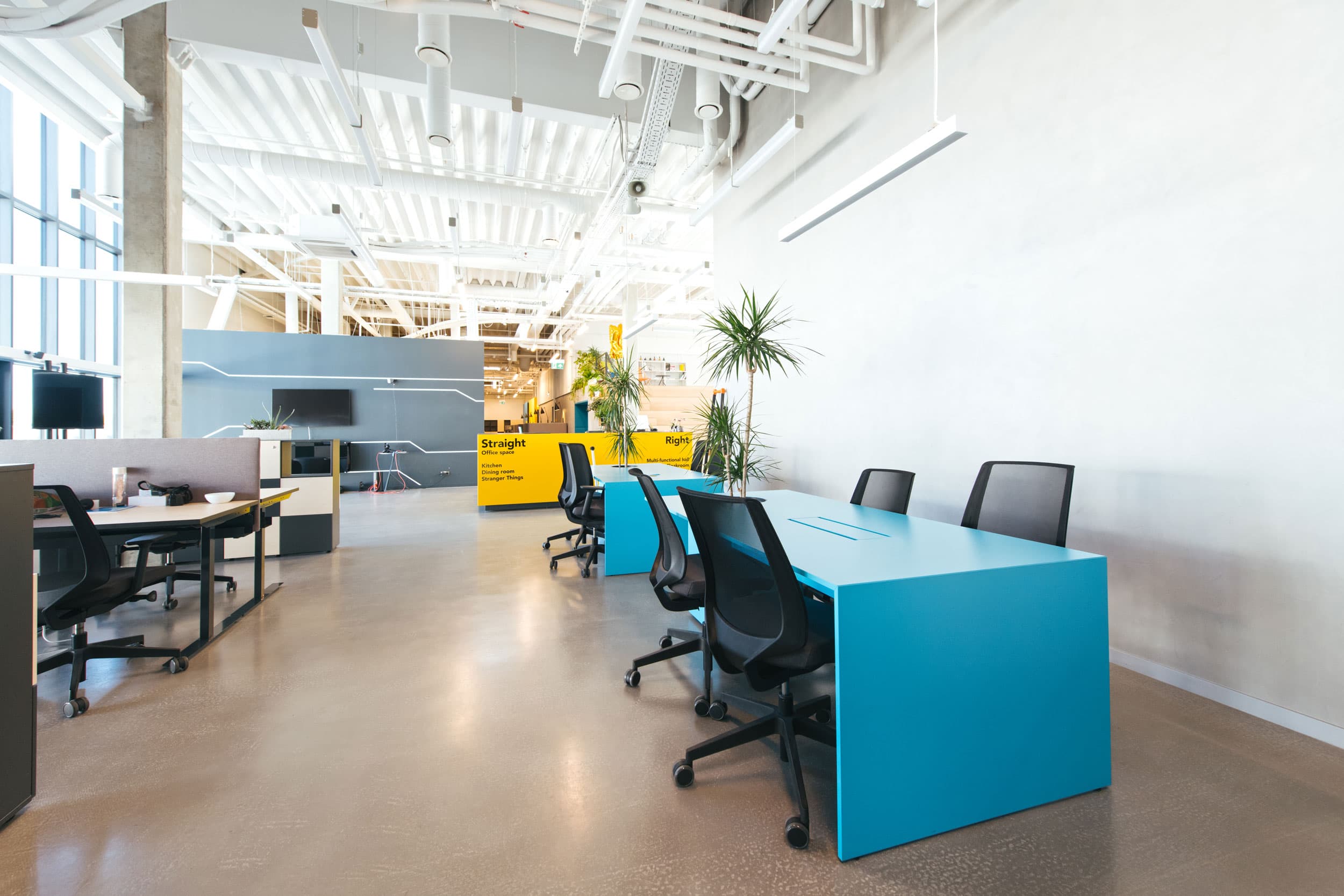
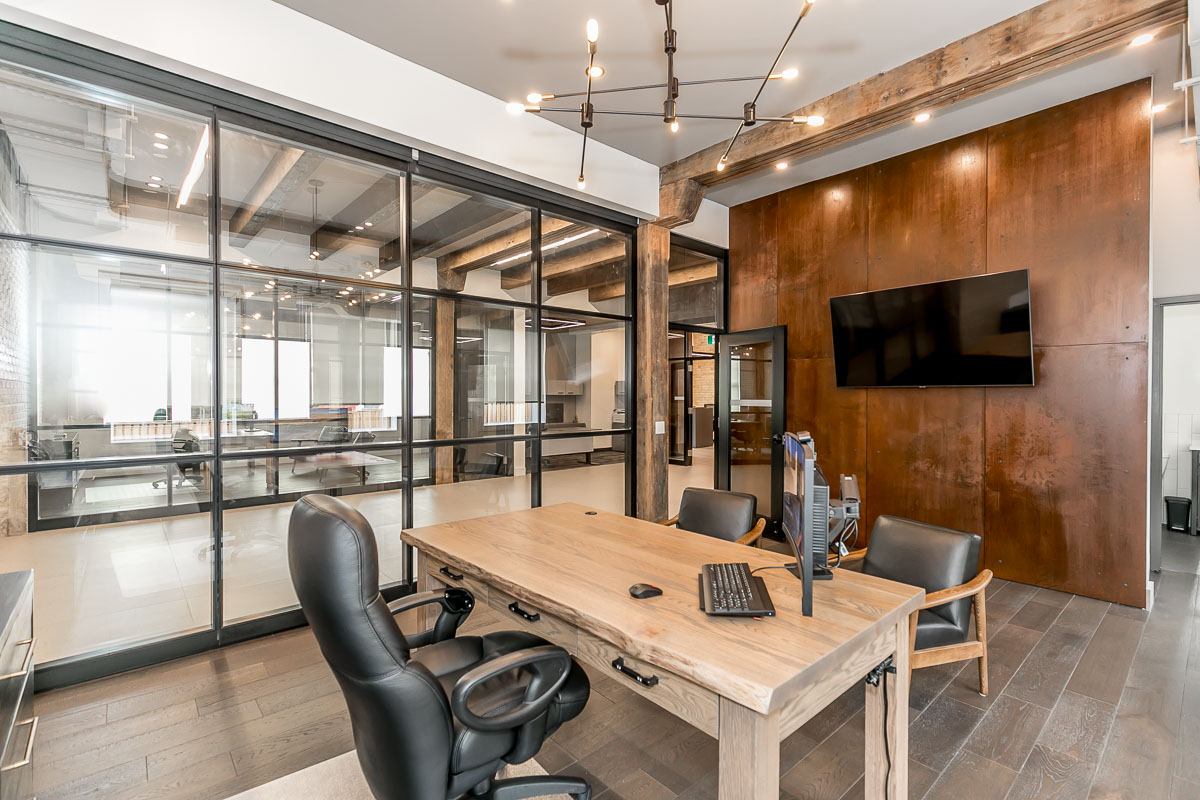
Law office furniture is never just furniture.
It is where strategy is reviewed, evidence is studied, clients are reassured, associates spend long hours in concentration, and partners hold conversations that cannot afford to feel exposed or improvised. A chair that looks refined but becomes uncomfortable after thirty minutes affects the quality of a boardroom meeting. A workstation that saves space but weakens focus affects how associates work. An executive desk that dominates the room may signal authority, but it can also make the office feel rigid and disconnected from how legal work happens today.
This is why law office furniture planning deserves more attention than it often receives.
Many firms still choose furniture near the end of an office interior design project, once the layout, finishes, and room sizes are already decided. By then, the biggest opportunities have often passed. Furniture affects circulation, acoustics, storage, posture, technology, privacy, and client perception. It should shape the planning process, not simply fill the rooms afterward.
For legal workplaces, the best furniture decisions balance three things at once: professional image, daily performance, and long-term flexibility. A law firm needs executive offices that support confidential work, boardrooms that make serious conversations feel controlled, workstations that protect concentration, and storage that keeps sensitive materials organized without cluttering the space.
Good office interior design does not call attention to itself. It quietly makes the firm work better.
Furniture Planning Should Start With How Legal Work Actually Happens
The first mistake many firms make is choosing furniture by category instead of behaviour.
They start with the desk, the chair, the table, the filing cabinet. A better approach starts with the work. How often do partners meet clients inside their offices? How much paper is still used in each practice area? Where do associates need quiet time? How many meetings are hybrid? Which rooms carry the most confidential conversations?
Once those patterns are clear, the furniture strategy becomes more precise.
A litigation team may need larger work surfaces, secure storage, and meeting rooms with strong acoustic control. A corporate law group may need boardrooms built for document review, negotiation, and hybrid calls. A family law or employment law practice may require consultation rooms that feel calm, private, and less intimidating. A growing firm may need modular systems that can adapt as teams expand or contract.
This is where office interior design and office furniture design need to work together. Furniture should not fight the office design layout. It should reinforce how the firm operates.
If employees need to move around furniture to collaborate, the plan is not working. If confidential files end up stacked on surfaces because storage is inconvenient, the furniture has failed operationally. If meeting rooms look polished but make long conversations uncomfortable, the design is incomplete.
A high-performing law firm chooses furniture by asking what each space must help people do.
Executive Desks Should Support Authority, Focus, and Modern Workflow
Executive desks still matter in law firms.
They carry visual weight. They shape how a partner’s office feels. They support confidential calls, document review, client discussions, and focused legal work. But the traditional oversized executive desk is no longer always the best answer.
Older law office furniture often treated size as status. Larger desks, larger offices, heavier pieces. That approach can still work in certain high-end environments, but only when it supports the actual use of the room. In many modern firms, oversized furniture reduces flexibility, limits guest seating, and makes video calls awkward because the desk orientation was never planned for camera angles, lighting, or screen placement.
A better executive office starts with function.
A partner who regularly meets clients in the office may need a desk paired with a small seating area or round table. A lawyer who spends most of the day reviewing digital documents may need better monitor support, concealed wiring, and a work surface with enough depth for both screens and printed material. A senior lawyer managing confidential calls needs acoustic privacy and a furniture layout that does not place conversations too close to circulation or glass fronts.
As a practical guide, many executive desks work best between 72 and 84 inches wide, depending on room size and storage needs. The office should still allow clear circulation around the desk, comfortable guest seating, and enough space for doors, drawers, and credenzas to function without obstruction. A beautiful desk that forces awkward movement is not a good investment.
The strongest executive offices feel confident without feeling theatrical. They communicate authority through proportion, material quality, and calm organization, not through scale alone.
Boardroom Tables Should Be Chosen for Conversation, Not Just Impact
Boardroom tables carry a lot of symbolic weight in law firms.
They sit at the centre of negotiations, client presentations, partnership discussions, mediations, and strategy meetings. It makes sense that firms want them to feel impressive. The problem is that many boardroom tables are chosen for the first impression, not the two-hour meeting.
Size is the first issue. A table that is too large creates distance. People speak louder, documents feel harder to share, and difficult conversations become more formal than they need to be. A table that is too small creates the opposite problem. Laptops, files, water glasses, and screens compete for space, making the room feel crowded and less controlled.
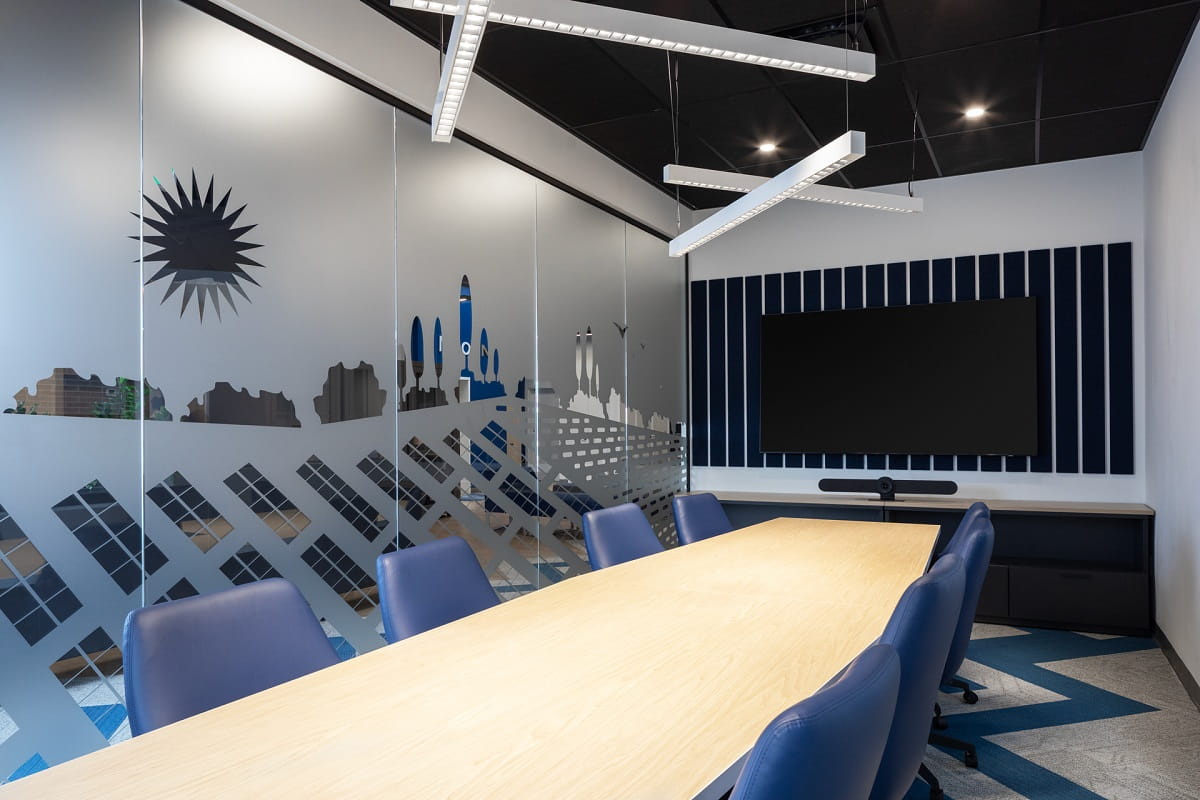
A good planning rule is to allow about 30 inches of table width per seated person. Around the table, 36 inches of clearance is usually a minimum for movement, while 42 to 48 inches feels more comfortable in premium boardrooms. If people need to move behind seated guests during meetings, more space is required. These measurements sound technical, but they are what make the room feel effortless.
Shape also matters. Rectangular tables create structure and hierarchy, which may suit formal legal settings. Boat-shaped tables soften the experience and improve sightlines. Round or oval tables can support more equal discussion, but they may not work for larger groups or document-heavy meetings.
Technology should be planned with the table, not added later. Power access, data ports, cable management, microphones, camera sightlines, and screen visibility should all be considered before the table is ordered. In hybrid legal meetings, poor technology integration can undermine professionalism faster than almost any finish choice.
A law firm boardroom should not just look capable. It should make complex conversations easier to hold.
Ergonomic Setups Are a Performance Investment, Not a Perk
Legal work is physically demanding in quiet ways.
Long hours at desks. Extended document review. Detailed writing. Video meetings. Court preparation. Research. Client files. Associates and partners often sit in deep concentration for long stretches, which means poor ergonomic planning becomes expensive over time, even if it does not show up as a line item immediately.
The right ergonomic setup improves more than comfort. It protects focus.
A good legal workstation should support neutral posture, screen alignment, easy access to documents, and enough surface area for both digital and paper-based tasks. Chairs should offer adjustable seat height, lumbar support, arm adjustment, and enough flexibility for long work sessions. Work surfaces should allow employees to shift between reading, typing, reviewing files, and joining video calls without constant physical adjustment.
Sit-stand desks can be valuable, but they should not be treated as a universal fix. They work best when paired with proper monitor arms, cable management, task lighting, and enough room for legal materials. An adjustable desk in a cramped workstation still creates friction.
For many law firms, the associate workstation deserves special attention. Associates often need focus, mentorship, and proximity to their teams at the same time. If the workstation is too exposed, concentration suffers. If it is too isolated, collaboration and learning become harder. The furniture solution should support both modes.
This is where commercial interior design becomes closely tied to talent retention. A firm that expects high performance but provides uncomfortable, noisy, or poorly supported workstations sends the wrong message to employees.
People may not stay because of a good chair. But they will notice when the office makes their work harder.
Storage Should Be Planned Around Confidentiality and Retrieval
Law firms have not become paperless as quickly as many predicted.
Even when digital systems are strong, physical materials still remain. Signed documents, exhibits, closing binders, reference files, court materials, archived records, personal notes, and confidential client documents all require secure and practical storage.
The problem is that storage is often reduced too aggressively in modern office planning. It looks cleaner on the plan, but the need does not disappear. It migrates into work areas, meeting rooms, file carts, and surfaces that were meant to stay clear.
Good storage planning begins with two questions: how often is the material accessed, and how sensitive is it?
Daily-use files should be close to the people who need them. Confidential documents should be lockable and visually controlled. Archived materials should be secure but not occupy prime work zones. Boardrooms and consultation rooms should have discreet support storage so meetings do not depend on visible piles of documents or last-minute setup.
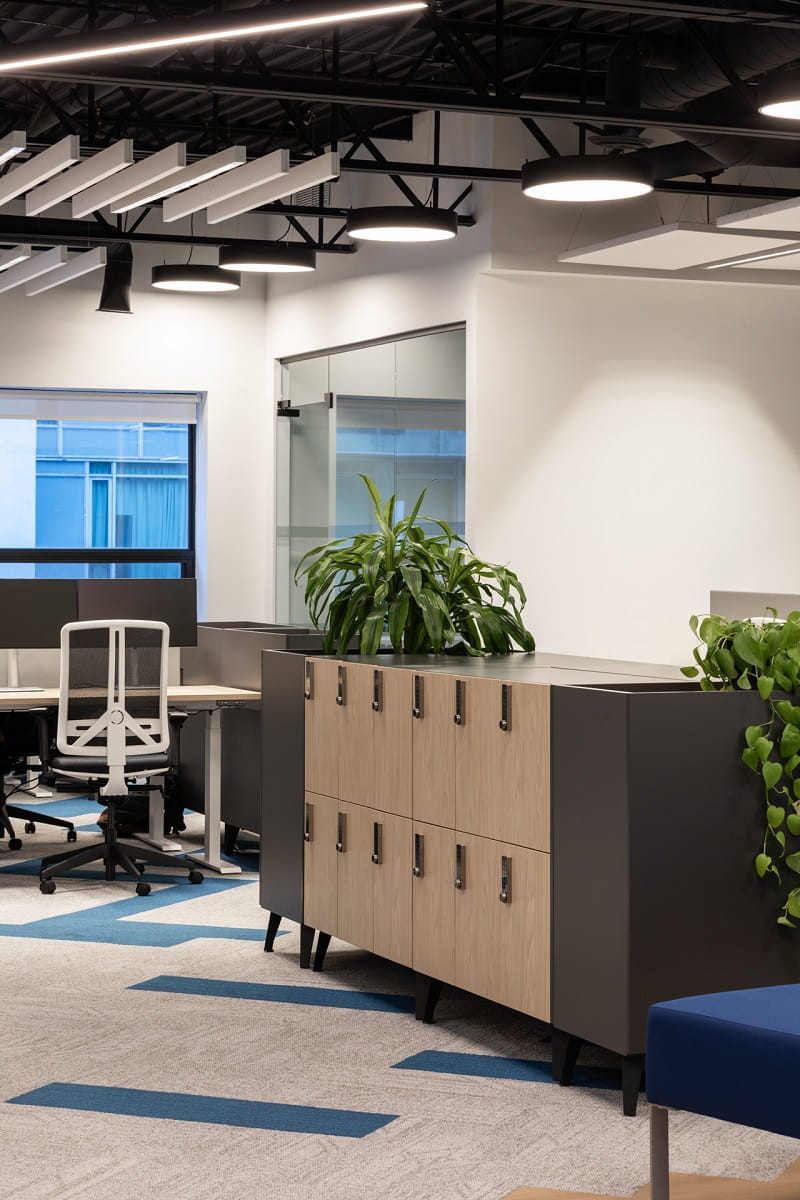
Office furniture design can solve much of this if it is planned early. Credenzas, lateral files, storage walls, lockable mobile pedestals, integrated workstation storage, and shared filing zones all have different uses. The mistake is treating them as interchangeable.
Canadian office furniture systems can be especially useful in legal workplaces because many offer durable finishes, modular storage, lockable components, and flexible configurations that can adapt as teams change. For a law firm, that flexibility matters because storage needs often shift by practice area, matter type, and growth stage.
The best storage is not hidden because it is unimportant. It is hidden because it has been planned well.
Furniture Should Support Privacy Without Making the Office Feel Closed
Confidentiality is one of the defining needs of legal office design, but privacy does not come only from walls.
Furniture influences privacy through height, orientation, material, spacing, and placement. A workstation facing a circulation path may expose screens. A consultation table too close to a glass wall may make clients feel visible. A low-backed lounge chair in reception may look elegant but leave visitors feeling too exposed during sensitive waiting periods.
This is why furniture and office space planning need to be considered together.
In open or semi-open areas, workstation panels can help reduce visual distraction, but they need to be used carefully. Too high, and the space feels closed and disconnected. Too low, and they offer little support. In consultation rooms, furniture placement should give clients a sense of privacy without making the room feel defensive. In partner offices, desk orientation should protect screens and paperwork while still allowing comfortable conversation.
Acoustic performance also matters. Upholstered seating, fabric panels, storage elements, area rugs, and certain workstation systems can help soften sound. They do not replace proper acoustic construction, but they contribute to a calmer legal workplace.
The goal is not to make every space silent. The goal is to make confidential work feel protected without making the firm feel heavy or outdated.
Hybrid Work Requires Furniture That Can Adapt Without Looking Temporary
Hybrid work has changed what law firms need from furniture.
Some offices are less occupied on certain days, but more intense on others. Employees come in for collaboration, mentoring, client meetings, and focused work that benefits from the office environment. This means furniture must support changing patterns without making the workplace feel casual or improvised.
A hybrid legal office cannot rely only on assigned desks and formal boardrooms. It needs a more varied furniture strategy.
Private offices may double as video meeting spaces. Consultation rooms may support both in-person and remote clients. Workstations may be used by different people across the week. Phone rooms and small focus rooms may need compact furniture that supports short, confidential calls. Shared collaboration areas need to feel professional enough for legal work, not like a casual lounge borrowed from another industry.
The key is flexibility with discipline.
Furniture should adapt, but it should still feel consistent with the firm’s brand and professional expectations. Trend-driven pieces that feel playful or overly casual may age quickly in a legal environment. On the other hand, furniture that is too traditional may make the office feel disconnected from how modern legal teams work.
The best hybrid law offices feel composed on the surface and flexible underneath.
Procurement Should Consider Lead Times, Durability, and Total Cost
Furniture procurement is often where good design intentions meet real-world constraints.
Law firms planning a relocation, renovation, or furniture upgrade should consider lead times early. Custom boardroom tables, executive desks, specialized storage, and high-performance ergonomic seating can take longer than expected, especially when finishes, power integration, or custom dimensions are involved.
Waiting too long to finalize furniture decisions can create expensive problems. Temporary furniture may be needed. Electrical and data locations may need adjustment. Rooms may open before they are fully functional. In some cases, firms choose rushed alternatives that do not match the intended quality or performance of the office.
Cost should also be judged over time, not just at purchase.
A cheaper chair that fails after a few years is not cost-effective. A boardroom table that cannot support technology properly may lead to visible workarounds and future replacement. Storage that lacks flexibility may create clutter as the firm grows. Better furniture planning often reduces long-term cost because the workplace remains functional longer.
This is where working with an interior design partner that handles both planning and furniture procurement can create real value. The furniture package should align with layout, electrical planning, acoustic goals, storage needs, and brand positioning from the beginning.
For law firms, furniture is not a decorative expense. It is workplace infrastructure.
Frequently Asked Questions (FAQ):
What type of office furniture works best for law firms?
The best office furniture for law firms is professional, durable, ergonomic, and planned around confidentiality. Legal workplaces need furniture that supports long periods of focused work, sensitive client conversations, secure document handling, and formal or semi-formal meetings.
Executive desks should provide enough work surface for digital and paper-based tasks while still allowing comfortable guest interaction. Boardroom tables should support conversation, technology, and long meetings without feeling oversized. Workstations should protect focus and privacy while allowing collaboration where needed.
The strongest furniture choices usually feel restrained rather than trendy. Law firms benefit from materials and systems that age well, support acoustic comfort, and remain adaptable as teams grow or hybrid work patterns change.
How should a law firm choose boardroom furniture?
Boardroom furniture should be chosen based on how the room is used most often. A room used for negotiations will need different proportions and technology than one used mainly for internal team meetings or client presentations.
Start with capacity, but do not stop there. Each person should have enough space to sit comfortably, use a laptop, review documents, and participate in the conversation without feeling crowded. The table should allow proper circulation around the room, especially if clients, lawyers, and support staff need to move during meetings.
Technology should also be integrated from the start. Power, data, microphones, camera angles, screen visibility, and cable management all affect whether the room feels professional. A beautiful boardroom that struggles during hybrid meetings will not perform well for a modern law firm.
Why is ergonomic furniture important in legal workplaces?
Legal work often involves long periods of concentration. Lawyers and staff may spend hours reviewing documents, drafting materials, preparing cases, joining video calls, and sitting through extended meetings. Poor ergonomic support can make that work more tiring than it needs to be.
Good ergonomic furniture supports posture, reduces strain, and helps employees maintain focus throughout the day. Chairs should be adjustable and supportive. Desks should work with monitor placement, lighting, and document use. Meeting room seating should also be comfortable enough for longer discussions.
For law firms, ergonomics is not simply an employee perk. It is part of performance. A workplace that supports physical comfort helps people work with more consistency and less distraction.
Key Takeaways
- Law office furniture should be chosen around workflow, not appearance alone
- Executive desks should support confidentiality, video calls, document review, and client interaction
- Boardroom tables need the right size, clearance, technology integration, and seating comfort
- Ergonomic setups improve focus, posture, and long-term employee experience
- Storage planning should protect confidentiality and prevent visible clutter
- Furniture can support privacy through orientation, height, material, and acoustic softness
- Hybrid law offices need furniture that adapts without feeling temporary or casual
- Canadian office furniture systems often support durability, secure storage, and long-term flexibility
- Furniture procurement should account for lead times, total cost, and integration with the full office plan
The best law office furniture does not simply look professional. It helps the firm operate professionally.
It supports the quiet work that requires focus, the sensitive conversations that require privacy, and the long meetings that require comfort and control. It keeps storage organized, technology clean, circulation clear, and client-facing spaces consistent with the trust a legal environment needs to build.
When office furniture design, office interior design, office space planning, and commercial interior design are aligned from the beginning, the workplace becomes more than refined. It becomes easier to use, easier to manage, and stronger as a business asset.
If your law firm is evaluating a furniture upgrade, relocation, or workplace redesign, Studio Forma can help create legal environments built around performance, professionalism, and long-term flexibility.