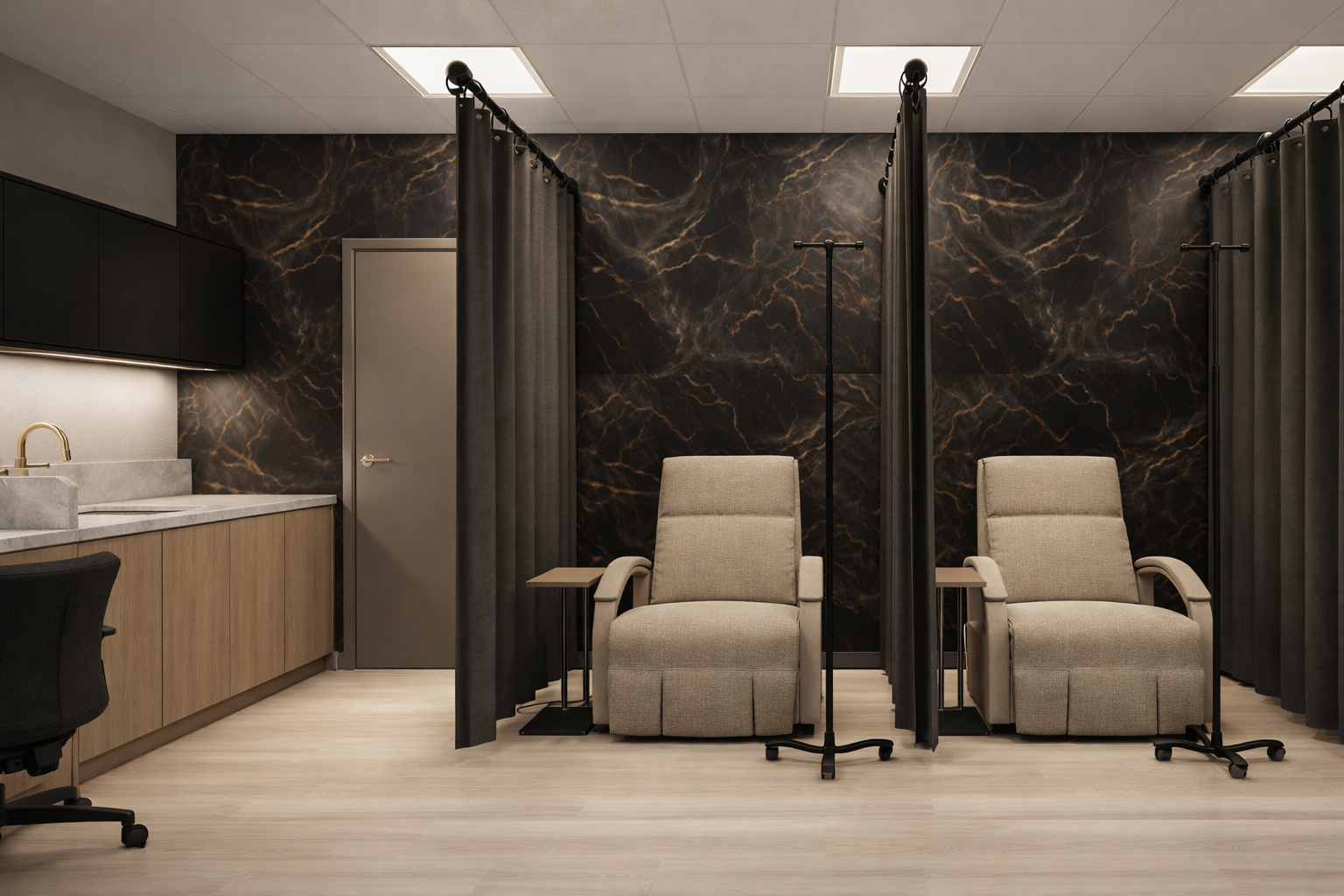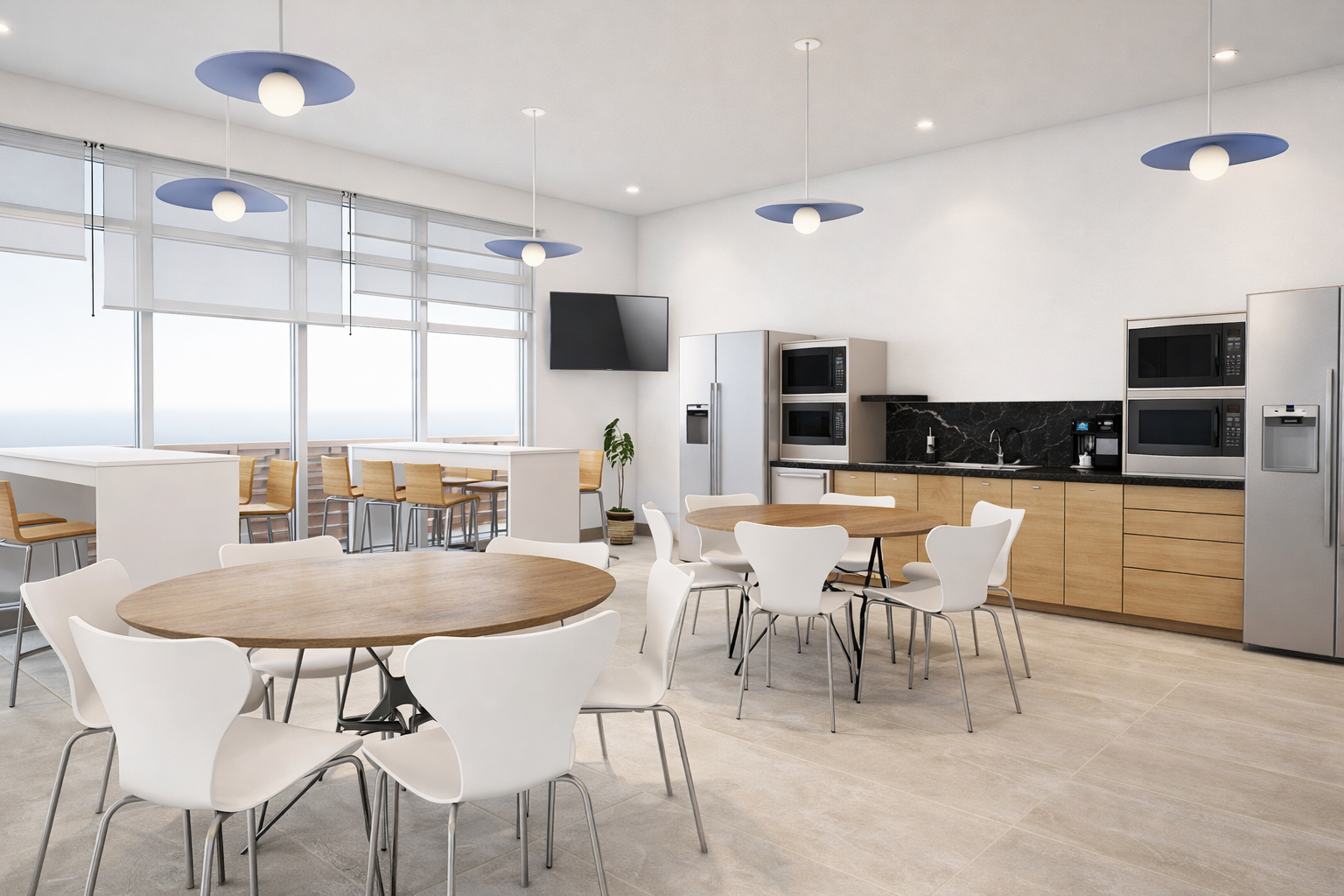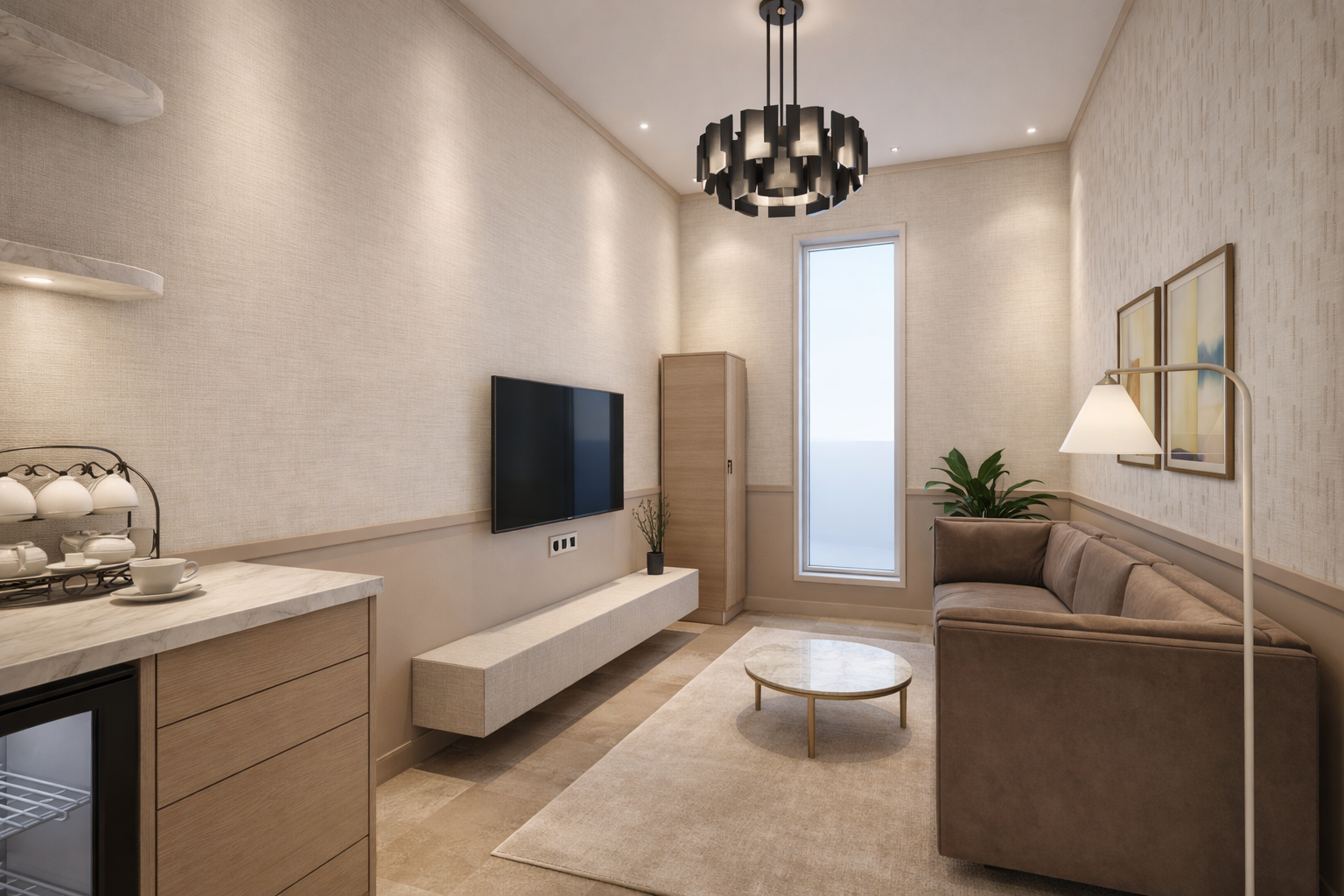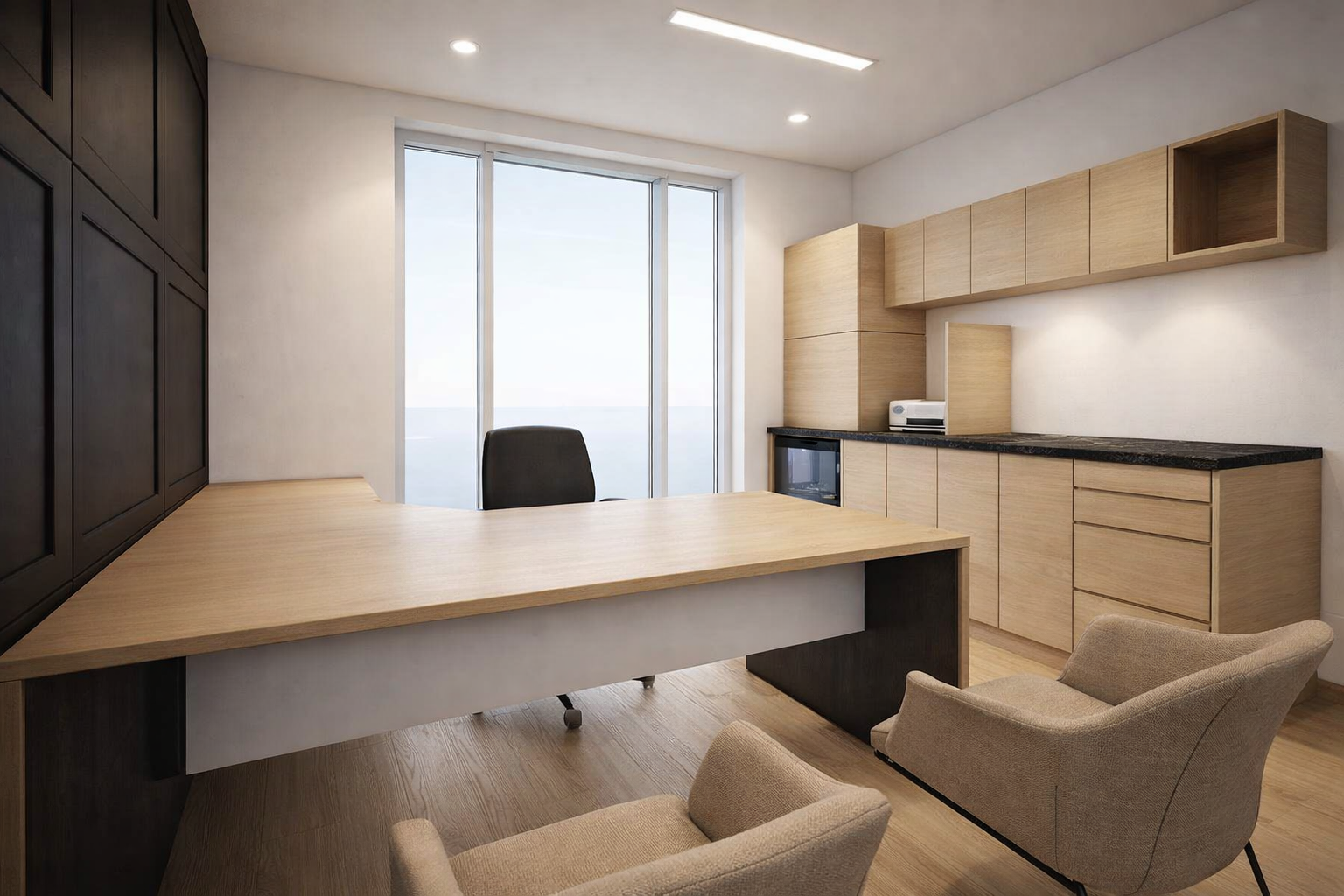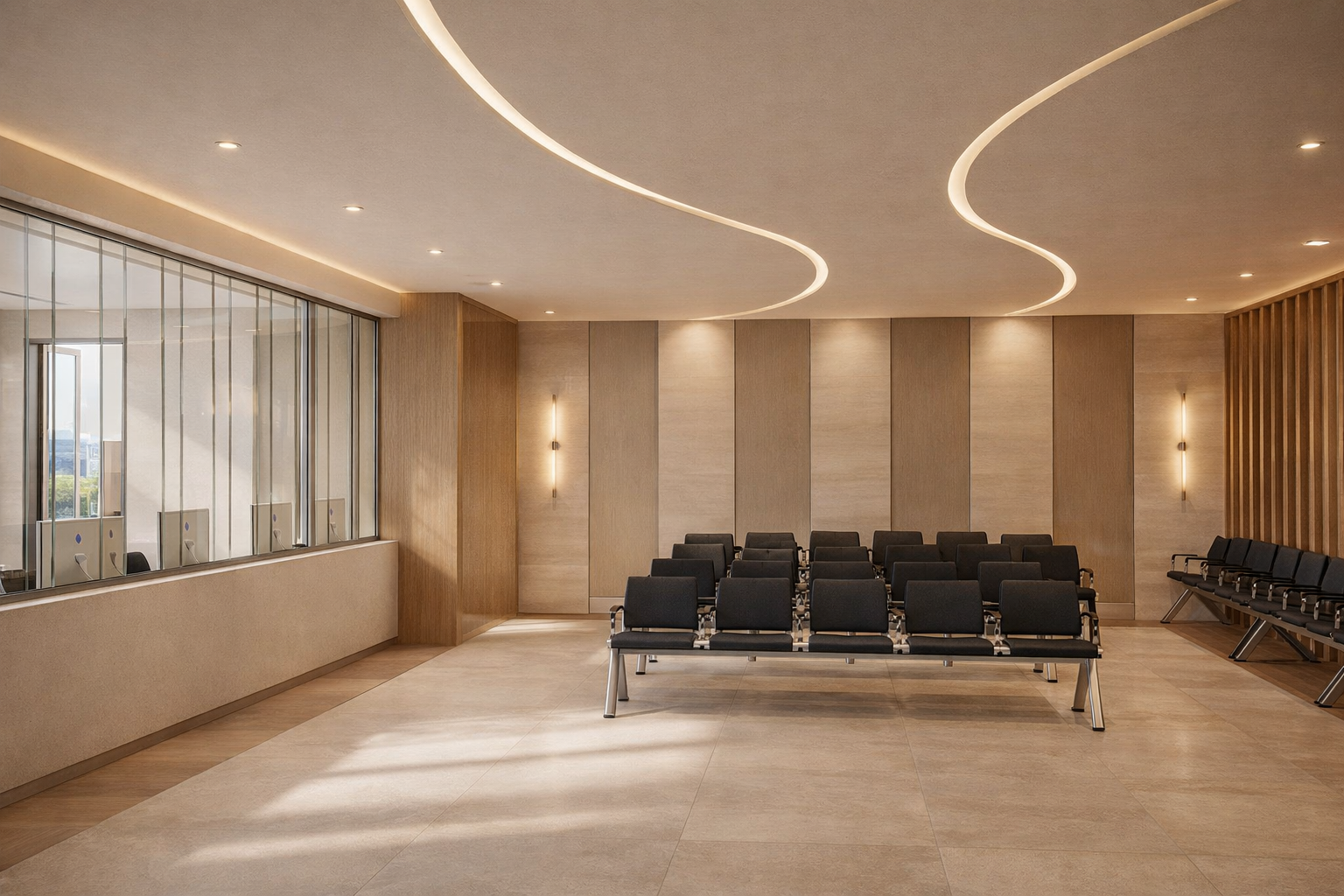
A chair can decide how long a client stays. A table can shape how decisions are made. And a poorly planned workstation can quietly drain focus all day. Furniture is not decoration. It is one of the most powerful tools in office interior design, and when chosen well, it improves performance, comfort, and perception at the same time.
Studies have shown that well-designed workplaces can improve productivity by over 20 percent while reducing physical strain and fatigue. Yet many offices still choose furniture based on price or appearance alone. The result is a space that looks complete but never quite works.
The difference comes down to alignment. Furniture needs to support how people move, meet, and work throughout the day. It must fit the office design layout, respond to real use, and hold up over time. That is where commercial interior design and thoughtful office space planning come together.
Choosing furniture for reception, boardrooms, and workstations is not about selecting pieces in isolation. It is about building a system that supports the entire workplace. The following sections break down how to approach each area with clarity and purpose.
Office Interior Design Begins at Reception
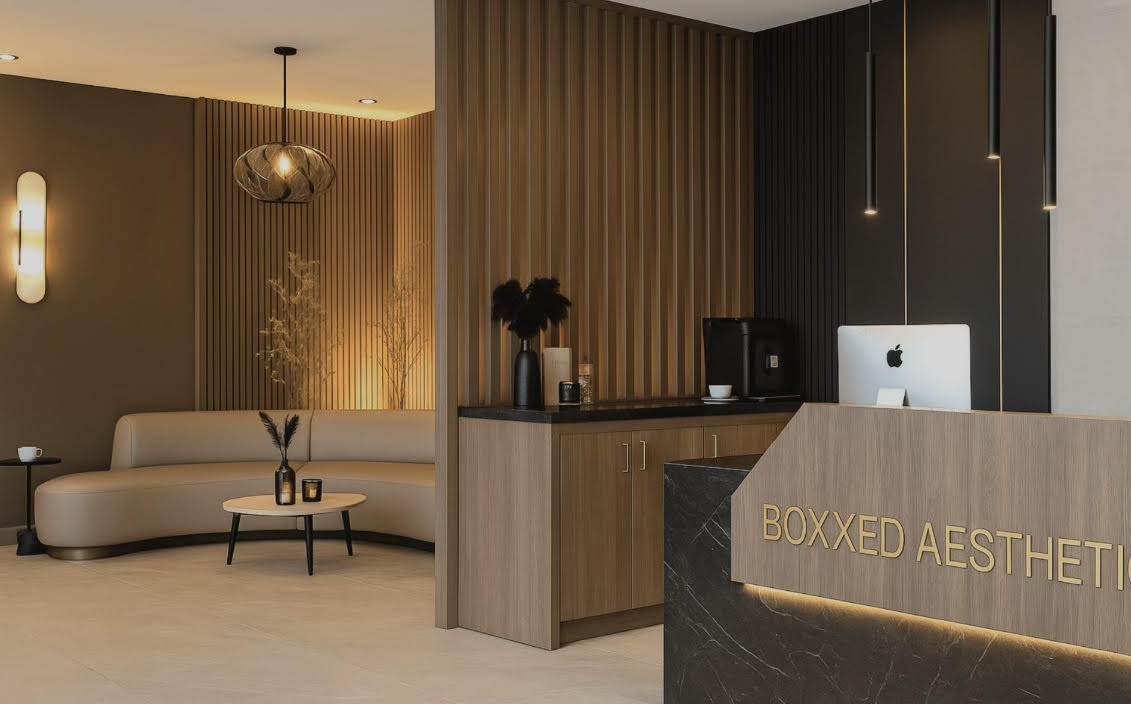
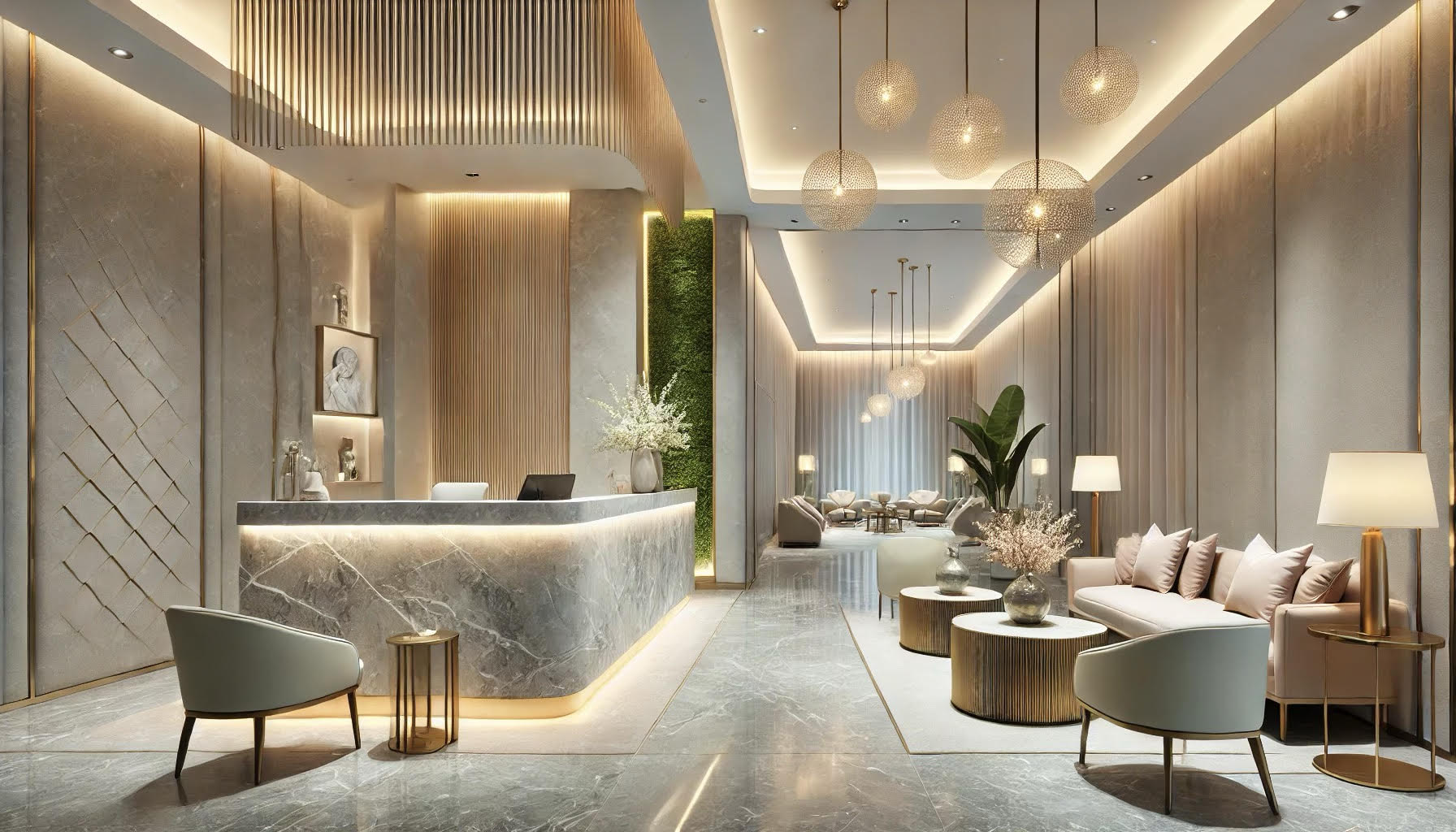
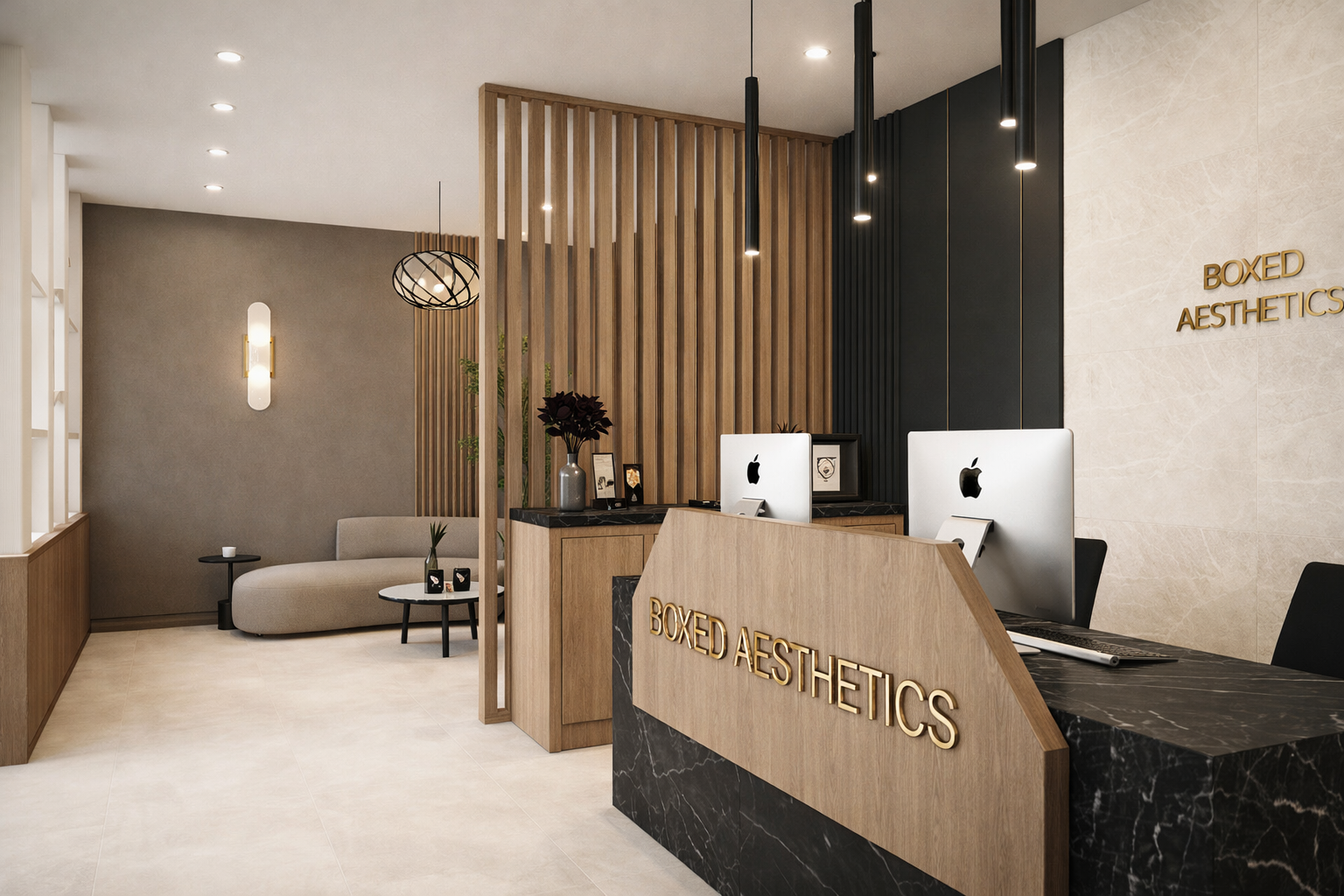
The reception area sets expectations before a word is spoken. It is where clients decide if the business feels organized, professional, and worth trusting. Furniture plays a direct role in that impression.
Seating is often the first decision, and it is where many spaces go wrong. Too little seating creates tension. Too much creates clutter. The right balance depends on the office design layout and how many people typically arrive at once.
Comfort matters, but so does posture. Chairs that are too soft can feel informal. Chairs that are too rigid can feel unwelcoming. The goal is to strike a middle ground where clients feel at ease but still aware they are in a professional setting.
The reception desk also deserves more attention than it usually gets. It is not just a counter. It is a workspace, a storage unit, and a visual anchor. Good office interior design ensures it supports staff workflow while presenting a clean and composed front.
Interior design services often look closely at how reception connects to the rest of the space. A strong office design layout ensures that movement from entry to meeting areas feels natural.
Interior design firms Toronto often emphasize restraint in reception furniture. A few well-chosen pieces will always perform better than a crowded arrangement.
Commercial Interior Design Shapes the Boardroom
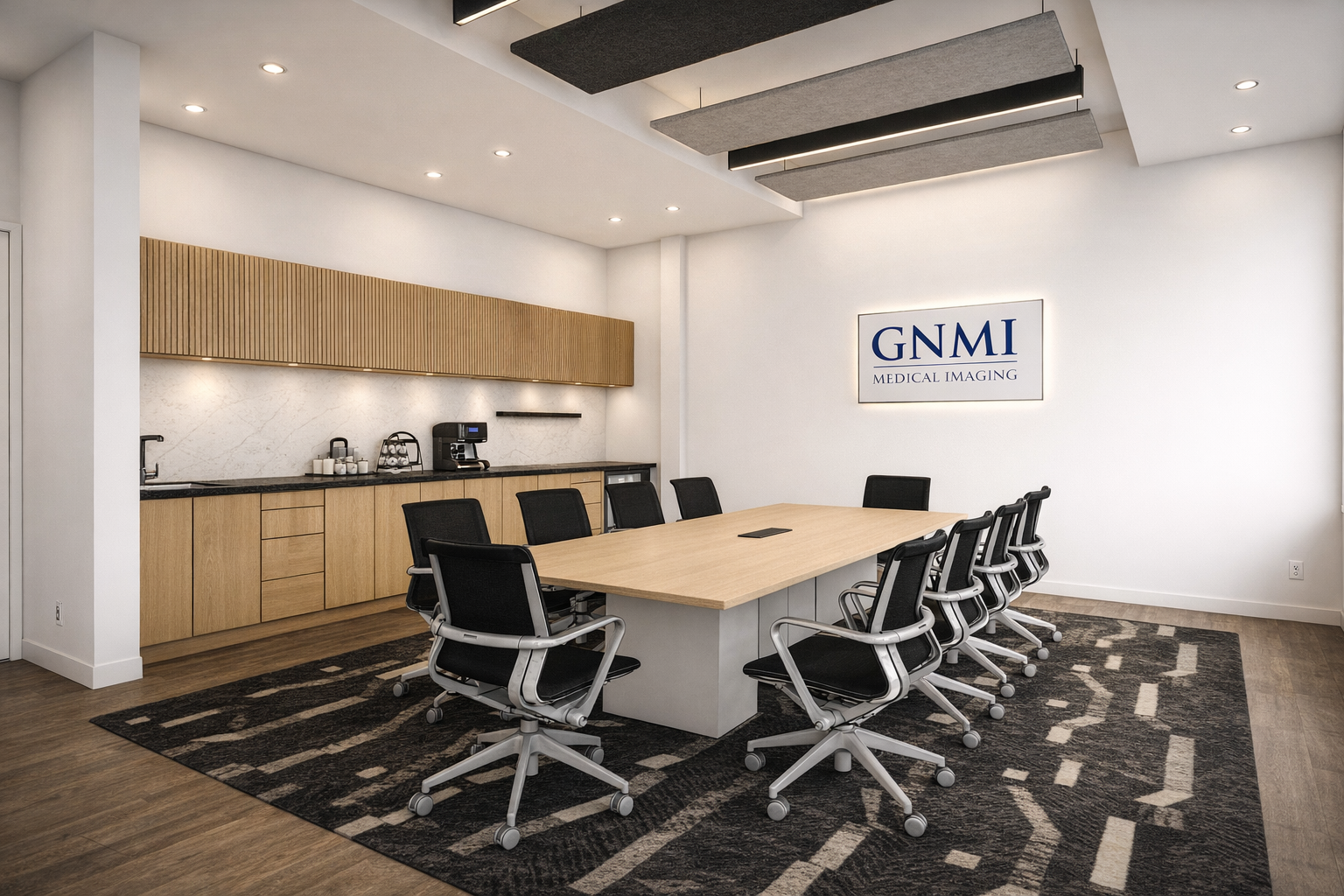
Boardrooms carry weight. They are where ideas are tested, decisions are made, and clients are convinced. The furniture in this space must support focus, clarity, and communication.
The table is the centrepiece, but its size and shape should follow function. A table that is too large can distance people. One that is too small can feel cramped. The proportions must match both the room and the number of people who use it regularly.
Chairs matter just as much. Meetings often run longer than expected, so comfort cannot be an afterthought. At the same time, the design should maintain a sense of structure. Office interior design in boardrooms often leans toward supportive seating that encourages upright posture without discomfort.
Technology integration is another factor that influences furniture choices. Cables, screens, and connections should be built into the table or surrounding elements. This keeps the space clean and reduces distractions during meetings.
Office space planning ensures that circulation around the table is clear. People should be able to move in and out of the room without interrupting others.
Corporate interior design reinforces consistency here. The boardroom should feel aligned with the rest of the office, not like a separate environment. Interior design services often focus on these details to ensure the space feels cohesive.
Interior Design Services Refine Workstations
Workstations are where most of the day happens. If they are not comfortable or functional, the impact builds quickly.
Choosing the right desk starts with flexibility. Fixed desks may work in some settings, but many offices now benefit from adjustable options. This allows people to shift positions throughout the day, which can reduce fatigue and improve focus.
Chairs are even more critical. Good office interior design prioritizes ergonomic support. Adjustable height, proper lumbar support, and stable movement all contribute to long-term comfort.
Office furniture should also support organization. Storage, cable management, and surface space all play a role in how easily someone can work. A cluttered workstation often leads to slower output and higher stress.
Office space planning helps determine how workstations are arranged. Spacing, orientation, and proximity to shared areas all affect how teams interact.
Commercial interior design ensures that these work areas are both efficient and visually consistent. Interior design firms Toronto often recommend modular systems that can adapt as teams grow or change.
Office Space Planning Connects All Areas
Furniture decisions should never be made in isolation. Each piece must relate to the overall layout of the office.
Office space planning ties everything together. It considers how reception leads into meeting spaces, how boardrooms connect to work areas, and how people move between them.
A strong office design layout ensures that furniture supports flow rather than blocking it. Paths should remain clear. Sightlines should make sense. Each area should feel connected without losing its purpose.
Interior design services often begin with layout before selecting furniture. This approach prevents common issues such as overcrowding, poor circulation, or mismatched scale.
Corporate interior design also benefits from this coordination. When furniture aligns with the layout, the space feels more intentional and professional.
Interior design firms Toronto often stress that layout decisions have a longer impact than furniture itself. A well-planned space can adapt over time, while a poorly planned one will always feel limited.
Corporate Interior Design Creates Consistency
Consistency is what makes an office feel complete. Without it, even well-chosen furniture can feel disconnected.
Corporate interior design ensures that materials, colours, and styles work together across reception, boardrooms, and workstations. This does not mean everything looks identical. It means everything feels related.
Office interior design supports this by maintaining a clear visual language. Finishes, textures, and proportions should carry through the space in a subtle way.
Furniture selection plays a large role in this. Canadian office furniture is often chosen for its durability, but it also offers a range of finishes that can support a cohesive look.
Interior design services help guide these decisions so that the office evolves as a whole rather than in parts.
Interior design firms Toronto often approach this with a long-term view. The goal is not just to complete a space, but to create one that remains relevant and adaptable.
Frequently Asked Questions (FAQ):
How do I choose the right furniture for a reception area?
Start by looking at how many people typically use the space at once. Choose seating that is comfortable but still structured. Avoid overcrowding the area. The goal is to create a calm and welcoming first impression.
What makes a boardroom table effective?
The size and shape should match how the room is used. It should allow everyone to see and hear each other clearly. Built-in technology support is also important for modern meetings.
Why are ergonomic workstations important?
People spend most of their day at their desks. Poor support can lead to discomfort and reduced focus. Ergonomic furniture helps maintain comfort and improves long-term productivity.
Key Takeaways
- Reception furniture shapes first impressions and should feel balanced and welcoming
- Boardroom tables and chairs must support both comfort and clear communication
- Workstations should prioritize ergonomics and daily efficiency
- Office space planning connects all areas and improves flow
- Consistency across furniture creates a more professional environment
- Interior design services help avoid costly layout and furniture mistake.
- Thoughtful commercial interior design improves both performance and perception
Choosing furniture is not about filling a space. It is about supporting how that space works every day.
When reception feels calm, boardrooms feel focused, and workstations feel comfortable, the entire office performs better. These improvements are often subtle, but their impact is long lasting.
Office interior design, commercial interior design, and careful office space planning all play a role in that outcome. Together, they create an environment that supports both people and purpose.
For businesses looking to improve how their office functions, furniture is often the most immediate place to start.
If your office feels complete but not quite functional, the issue may not be the space itself. It may be how the furniture supports it. A few thoughtful changes can make a noticeable difference.