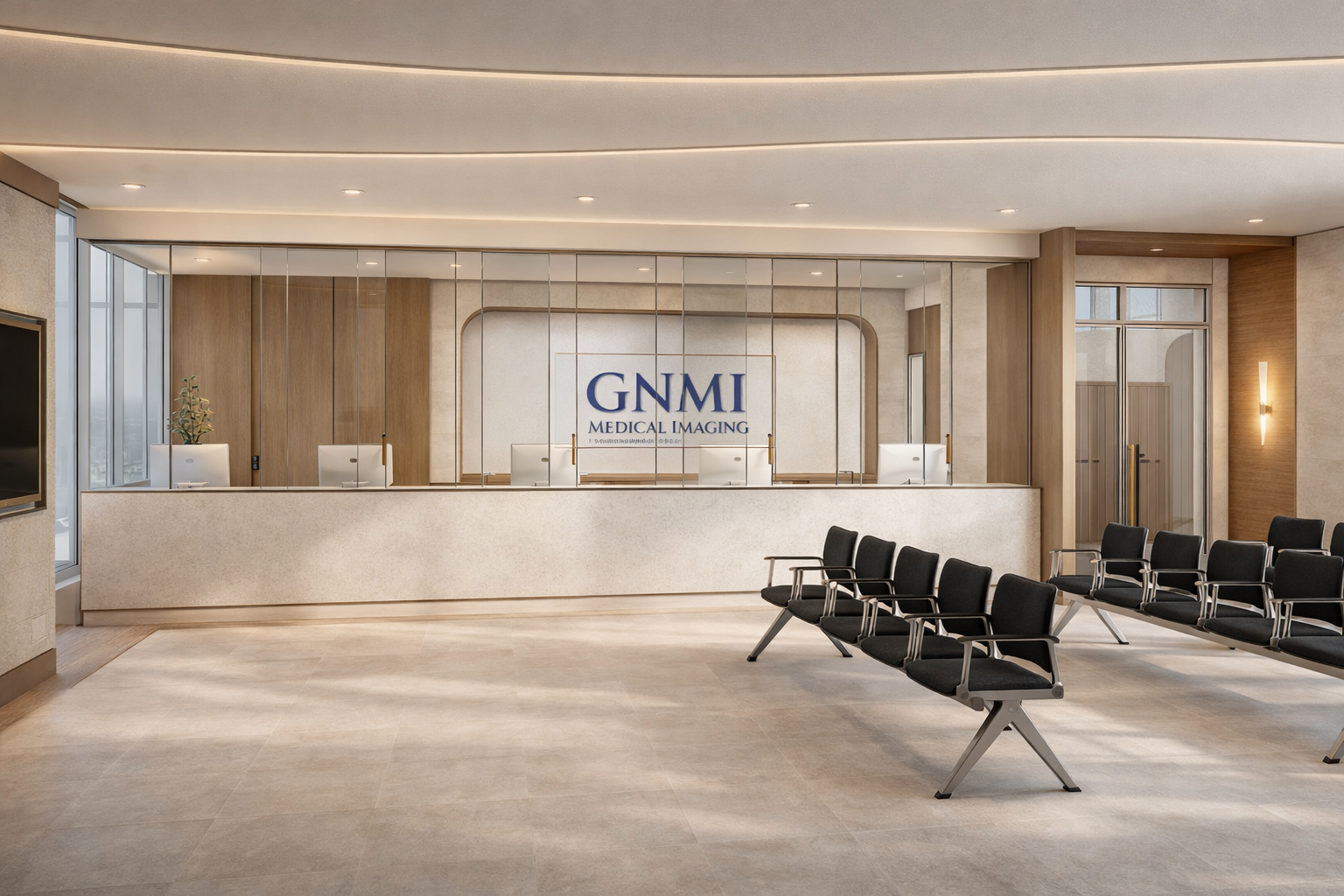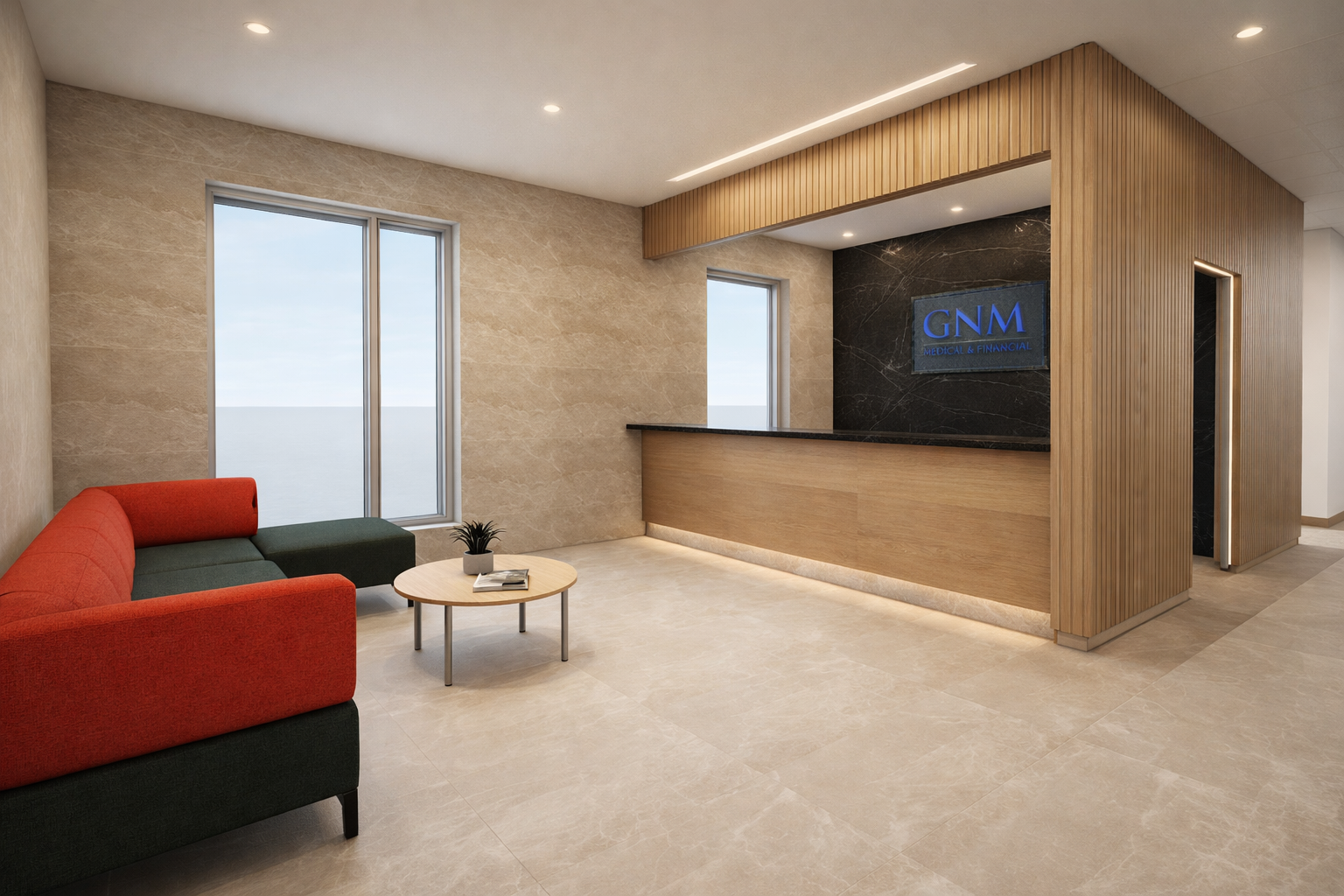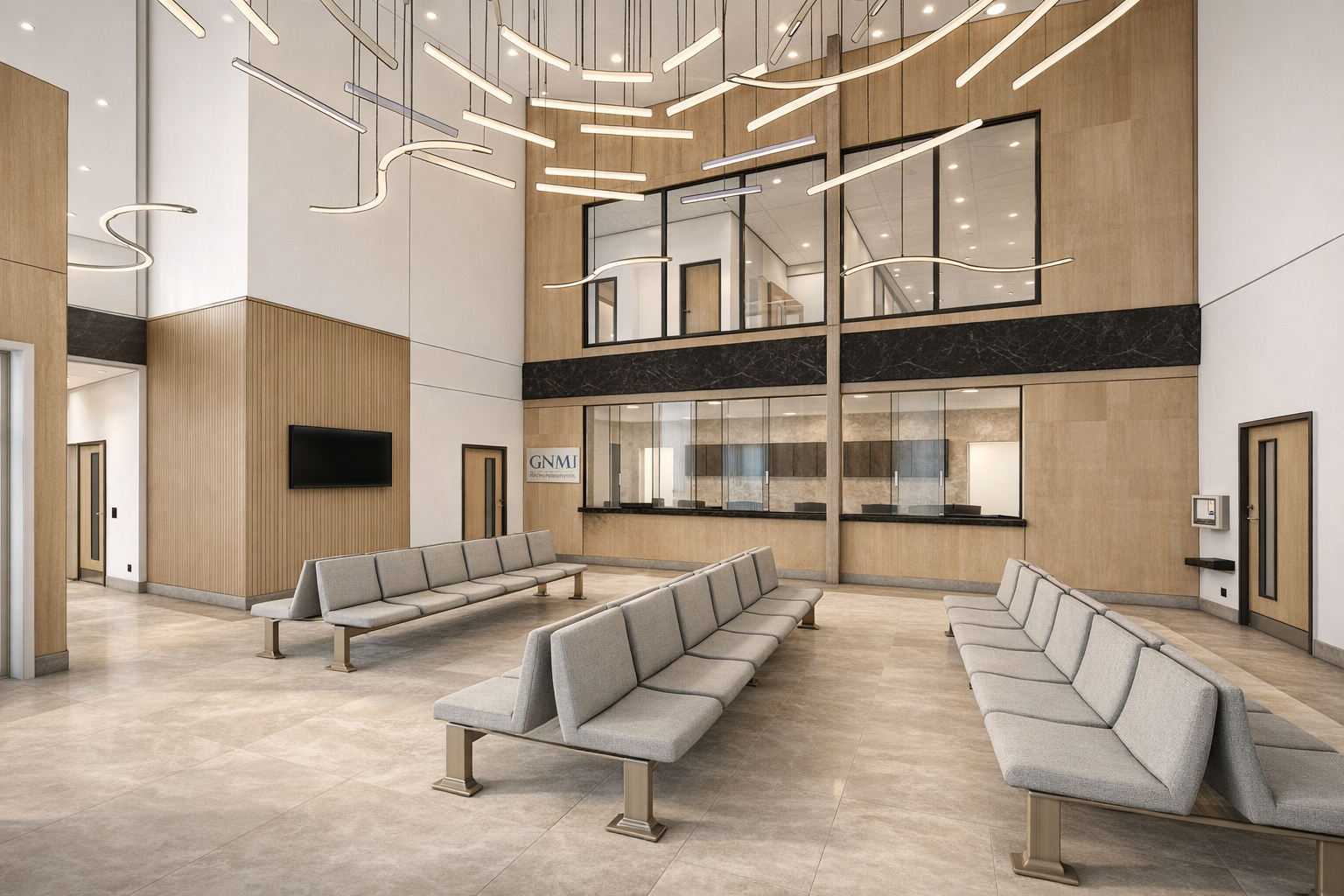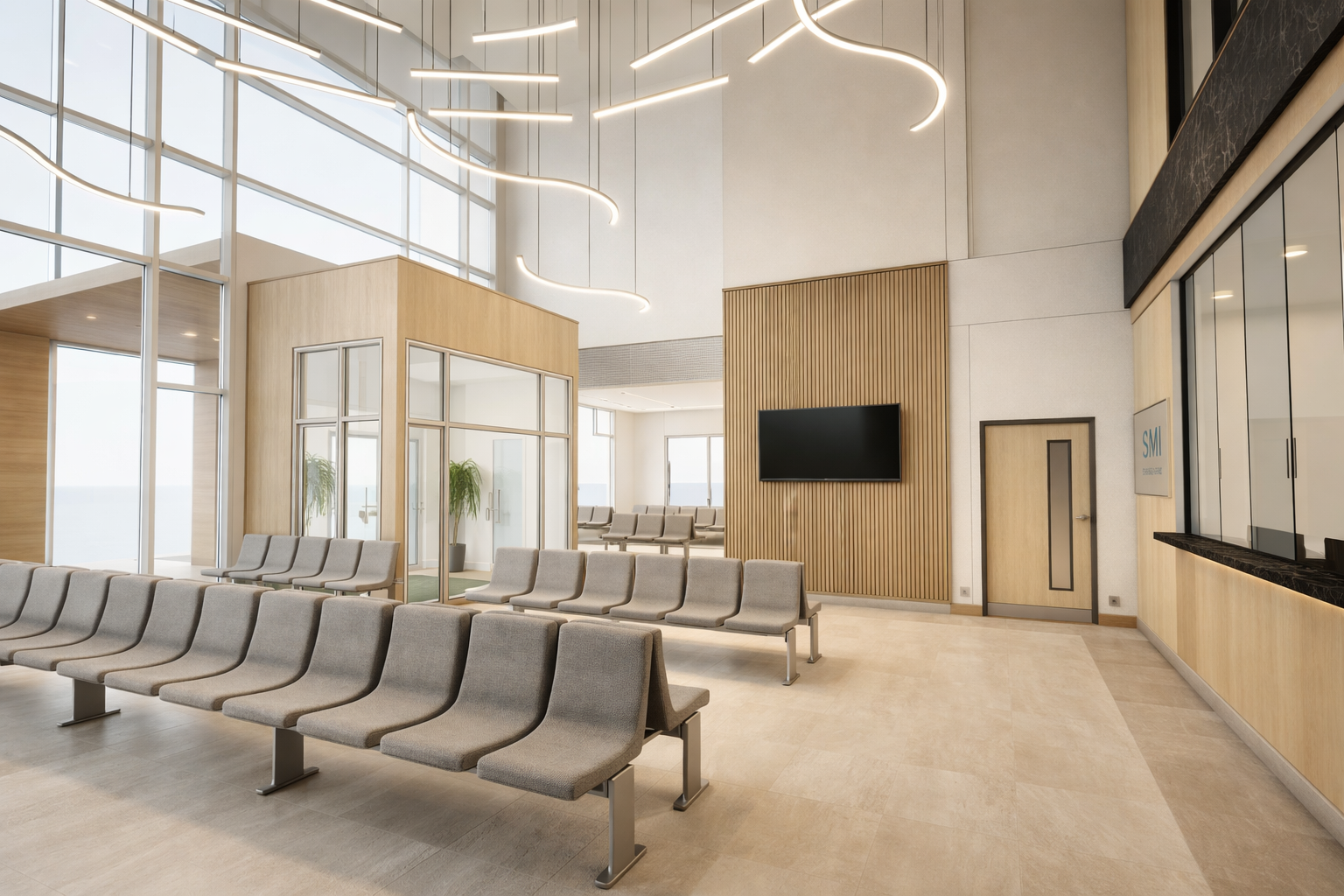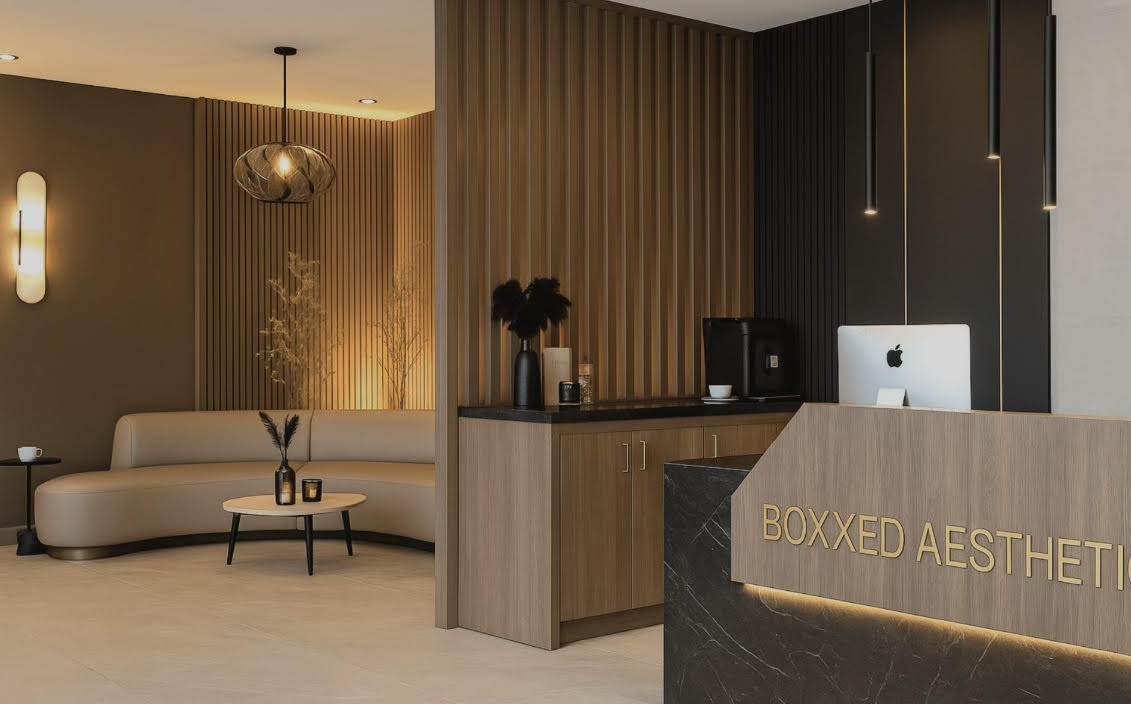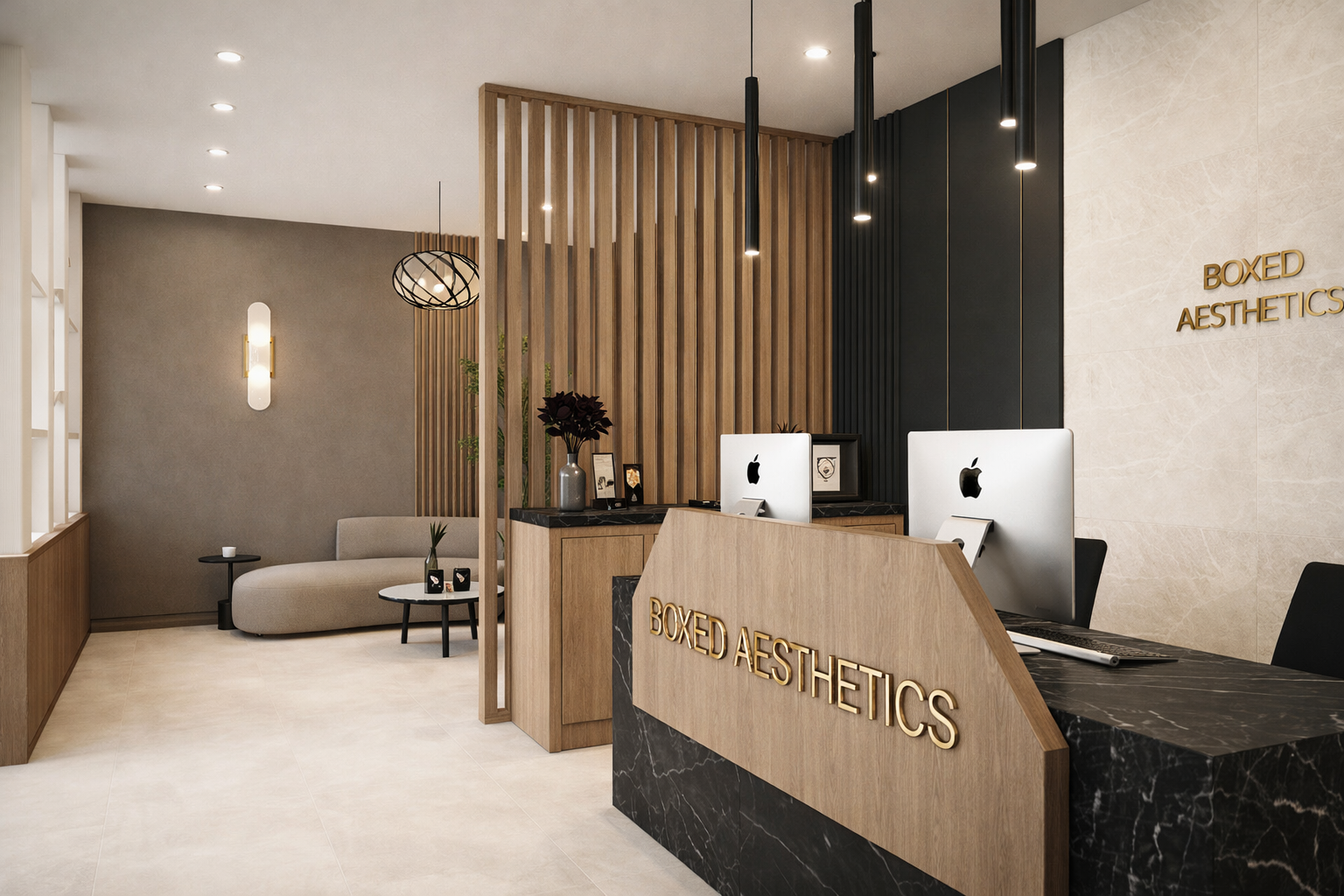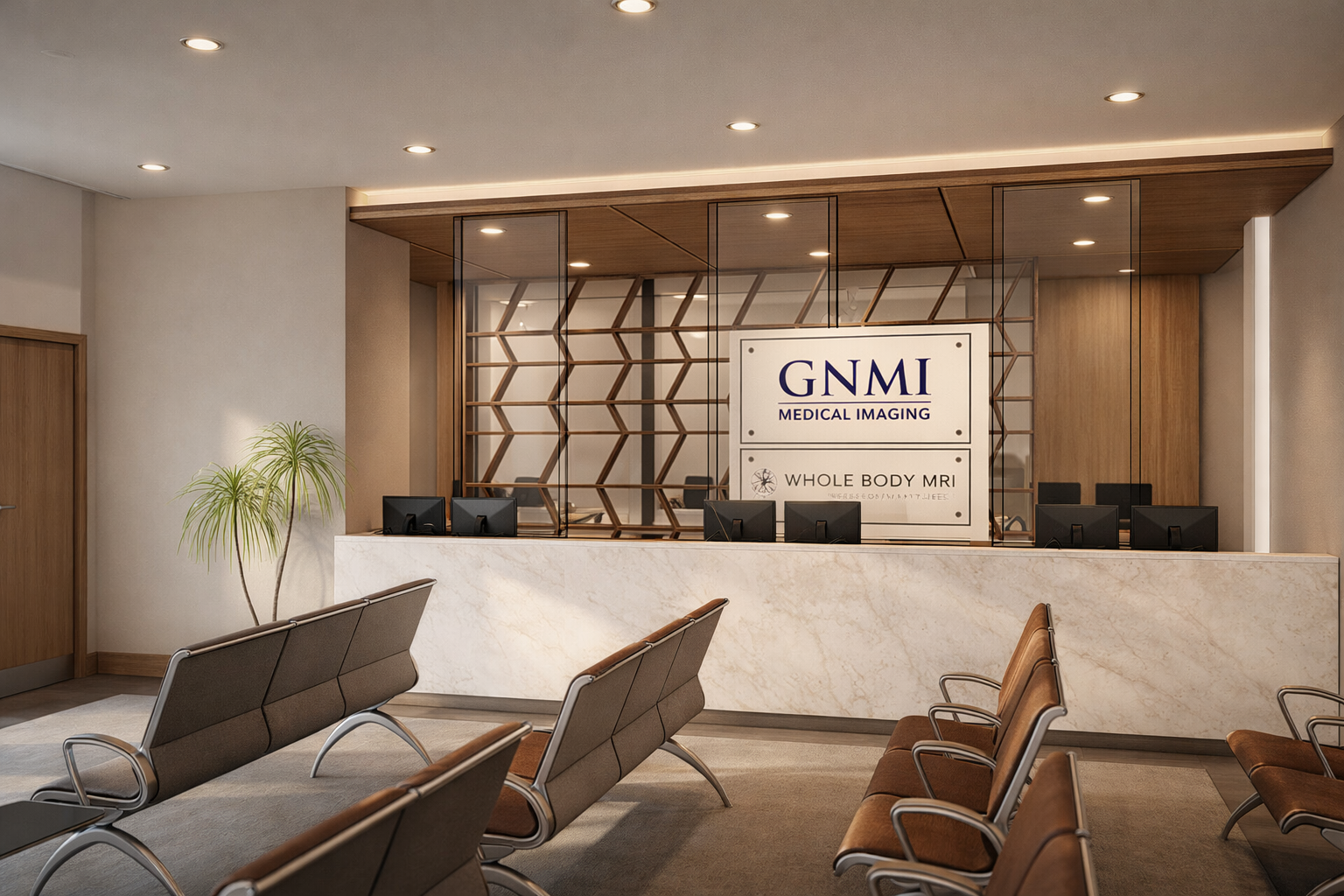
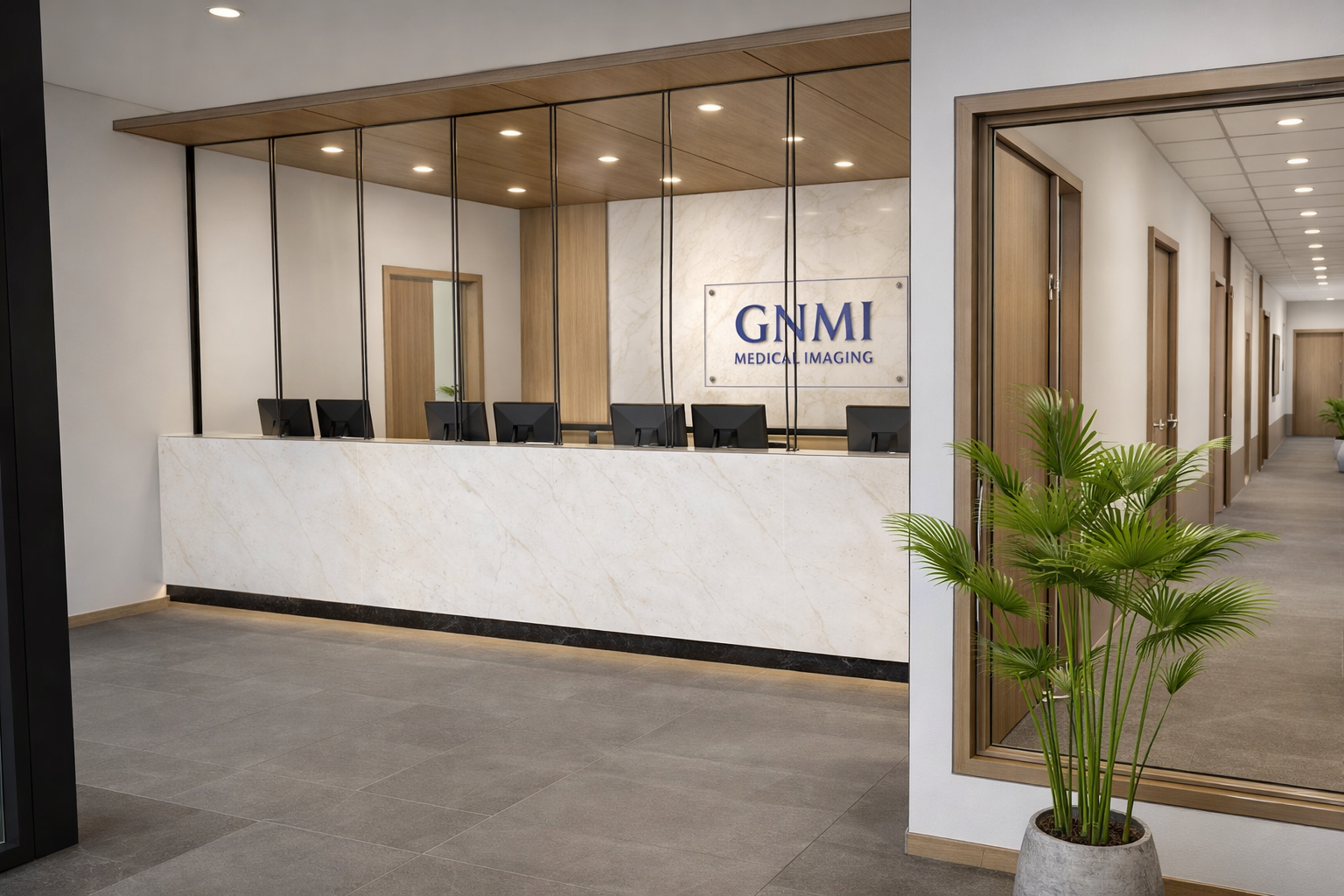
A poorly designed reception area can undermine your clinic before a single appointment begins. Patients notice crowding, confusion, and discomfort immediately, and those early impressions are hard to reverse. Healthcare interior design that invest in better layouts and environments often see higher satisfaction, smoother operations, and stronger patient retention.
Office interior design is not just about appearance. It defines how your clinic functions every day. From patient flow to staff efficiency, the office design layout plays a critical role. Commercial interior design and interior design services help clinics avoid common reception mistakes that slow operations and create frustration. The following sections highlight what to watch for and how to design a reception area that performs.
Office Interior Design That Blocks Flow
One of the most common problems in clinic reception areas is poor flow. Patients enter, pause, and look around for direction. Staff repeat instructions. Lines form in the wrong places. This usually comes from a weak office design layout.
Office interior design should guide movement without confusion. Patients should know where to go the moment they walk in. When the reception desk is placed poorly or circulation paths are unclear, the entire space slows down.
Commercial interior design focuses on creating clear entry points and smooth transitions between zones. Interior design services often map real movement patterns before finalizing layouts. This ensures that patient flow matches how the clinic actually operates.
Office furniture design can also create barriers. Large desks, bulky storage, or poorly placed seating can interrupt circulation. Canadian office furniture that is scaled correctly helps maintain open paths and improves accessibility.
Studio Forma approaches office interior design by studying how people move through a space. Their interior design services focus on eliminating friction points. When flow improves, staff work faster and patients feel more at ease.
Commercial Interior Design That Overcrowds Waiting
An overcrowded waiting area is one of the clearest signs of poor reception design. Patients sitting too close together or standing during busy hours creates discomfort and tension. This directly affects how patients perceive the clinic.
Commercial interior design should balance capacity with comfort. The office design layout must account for peak times, not just average use. Interior design services often identify that clinics underestimate how many people use the space at once.
Office furniture design plays a major role here. Seating that is too large or arranged too tightly reduces available space. Canadian office furniture offers flexible seating options that allow better spacing while maintaining durability.
Corporate interior design ensures that the waiting area still feels professional while handling higher volumes. Studio Forma designs reception areas that feel open even during busy periods. Their approach to commercial interior design focuses on both comfort and efficiency.
When waiting areas are planned correctly, patients feel less stressed and staff can manage flow more easily.
Interior Design Services That Ignore Privacy
Privacy is often overlooked in reception areas. Patients sharing personal information at the front desk can feel exposed if the space is not designed properly. This can reduce trust and create discomfort.
Interior design services address this by creating separation without isolating the space. The office design layout should allow for discreet conversations while maintaining visibility and accessibility.
Commercial interior design often includes acoustic solutions, strategic desk placement, and controlled spacing to improve privacy. Office interior design must balance openness with confidentiality.
Office furniture design also supports this. Reception desks should be designed to shield screens and documents from public view. Canadian office furniture solutions often include modular systems that improve both privacy and functionality.
Studio Forma integrates privacy into every stage of corporate interior design. Their interior design services ensure that reception areas support patient comfort while maintaining operational efficiency.
Office Interior Design That Slows Staff Work
A reception area must support staff as much as it supports patients. When the layout makes simple tasks harder, delays increase and frustration builds.
Office interior design should place tools, storage, and workstations within easy reach. A poor office design layout forces staff to move more than necessary, which reduces efficiency over time.
Commercial interior design improves workflow by organizing zones clearly. Interior design services often reposition desks, storage, and equipment to reduce unnecessary movement.
Office furniture design should support daily tasks. Work surfaces must be practical, and storage should be easy to access. Canadian office furniture designed for healthcare environments helps maintain durability while improving usability.
Corporate interior design also considers how teams grow. Studio Forma designs reception areas that adapt to changing needs. Their office interior design approach ensures that staff can work efficiently even as the clinic expands.
Corporate Interior Design That Feels Outdated
An outdated reception area sends the wrong message. Even if the care is excellent, a worn or inconsistent space can reduce confidence. Patients expect clinics to feel clean, modern, and organized.
Corporate interior design ensures that the reception area reflects current standards. The office design layout, materials, and finishes should all align with the clinic’s identity.
Interior design services often identify small changes that make a big impact. Updated finishes, improved lighting, and better office furniture design can transform the space without a full renovation.
Canadian office furniture offers long-lasting solutions that maintain a professional appearance over time. Commercial interior design focuses on creating spaces that remain relevant as the clinic grows.
Studio Forma helps clinics modernize their reception areas in a way that supports both function and perception. Their approach to corporate interior design ensures that the space feels current, clean, and aligned with the brand.
Frequently Asked Questions (FAQ):
What are common reception design mistakes in clinics?
Common mistakes include poor flow, overcrowded waiting areas, lack of privacy, inefficient layouts, and outdated design.
Why is reception design important in clinics?
The reception area shapes first impressions and affects patient comfort, trust, and overall experience.
How can office interior design improve reception areas?
It creates clear layouts, improves flow, and supports both patients and staff.
Key Takeaways
- Office interior design should create clear and simple patient flow
- Commercial interior design must prevent overcrowded waiting areas
- Interior design services improve privacy at the reception desk
- Office furniture design supports both comfort and efficiency
- Corporate interior design keeps reception areas modern and aligned
- Canadian office furniture provides durable and flexible solutions
Reception design has a direct impact on how a clinic operates and how patients feel. Small issues in layout, furniture, or flow can create larger problems over time. When these issues are addressed early, the space becomes easier to manage and more comfortable to use.
Office interior design brings clarity to the reception area. Commercial interior design improves both movement and experience, while interior design services guide decisions based on real needs. From the office design layout to office furniture design, each element plays a role in creating a better environment.
Clinics that invest in thoughtful design often see improved patient satisfaction, smoother workflows, and stronger overall performance. Studio Forma works with clinics to create reception spaces that support both staff and patients. If your reception area feels harder to manage or less effective, it may be time to rethink how it works.