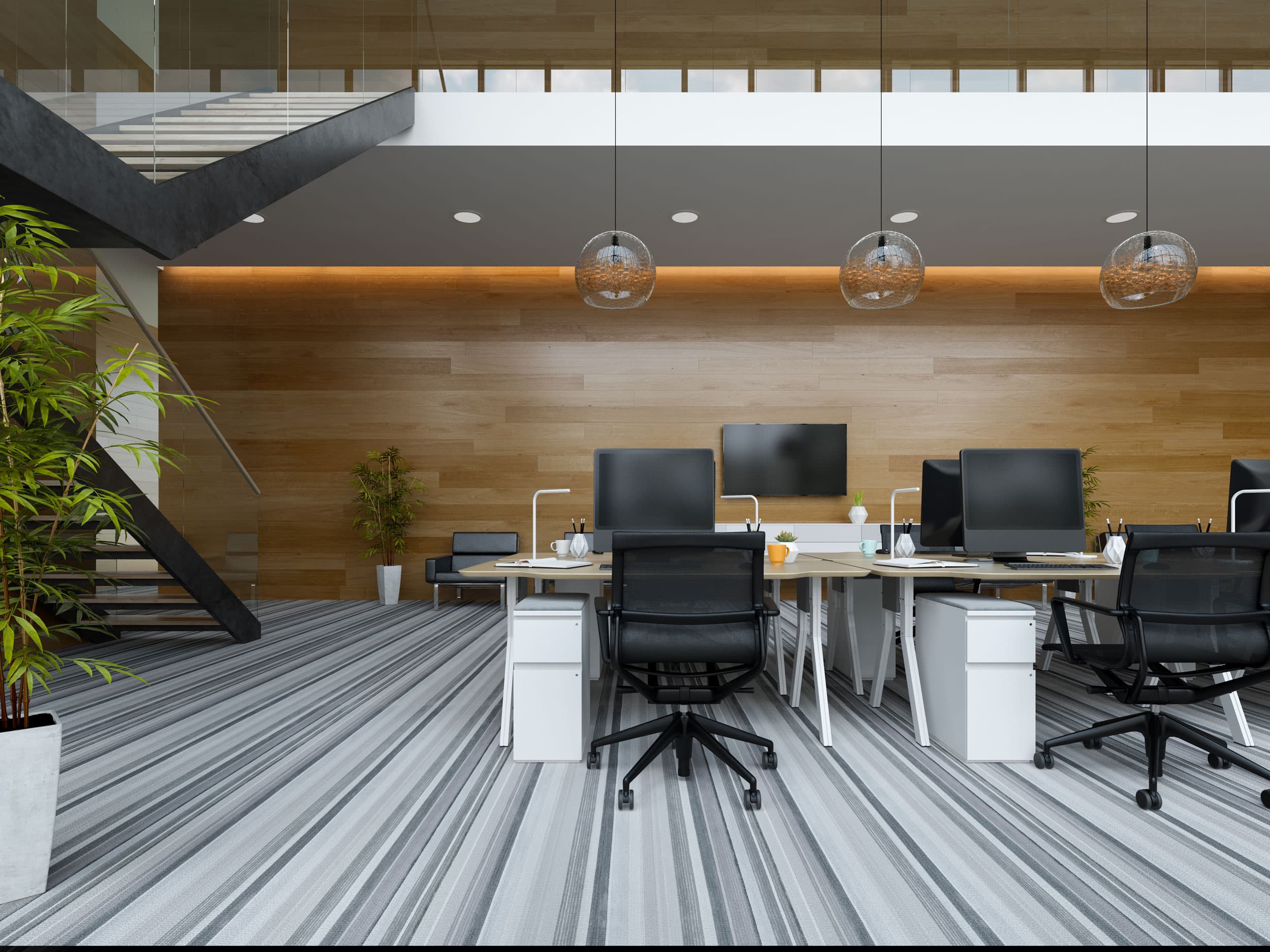
Your home can forgive a bad chair, but a lobby that hurts three hundred backs a day will cost you real money and trust. That is the blunt truth at the heart of the gap between commercial interior design and residential design. In the early nineteen hundreds, the Larkin Administration Building by Frank Lloyd Wright became famous as one of the first open plan offices. It treated work as a system, not a living room, and showed that space planning for hundreds of people needed rules, not guesses.
Currently, research links well planned commercial interior design to gains in productivity of up to twenty per cent and lower staff turnover, while residential work leans more on emotion and personal taste. These different stakes shape how every interior design company and every commercial design company works, and set the stage for how office interior design, morale, and authenticity create the model office for today’s workforce, as the next section explores.
Scale of People in Office Interior Design
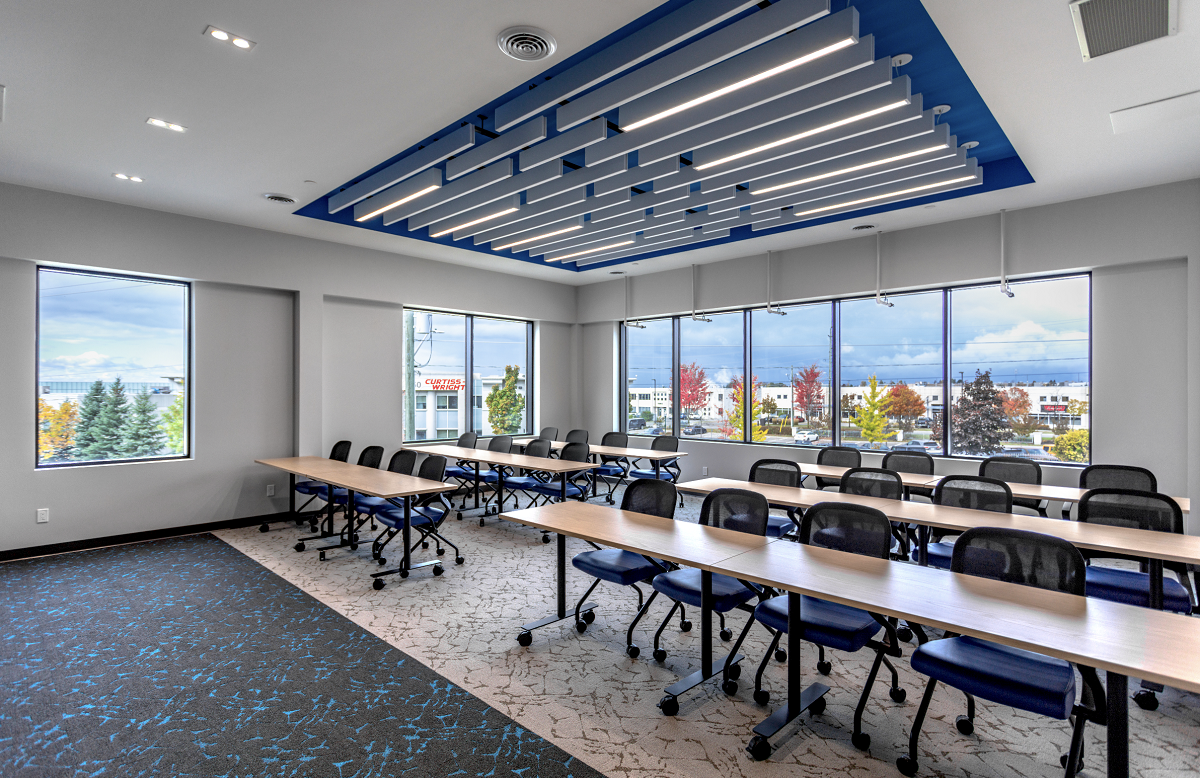
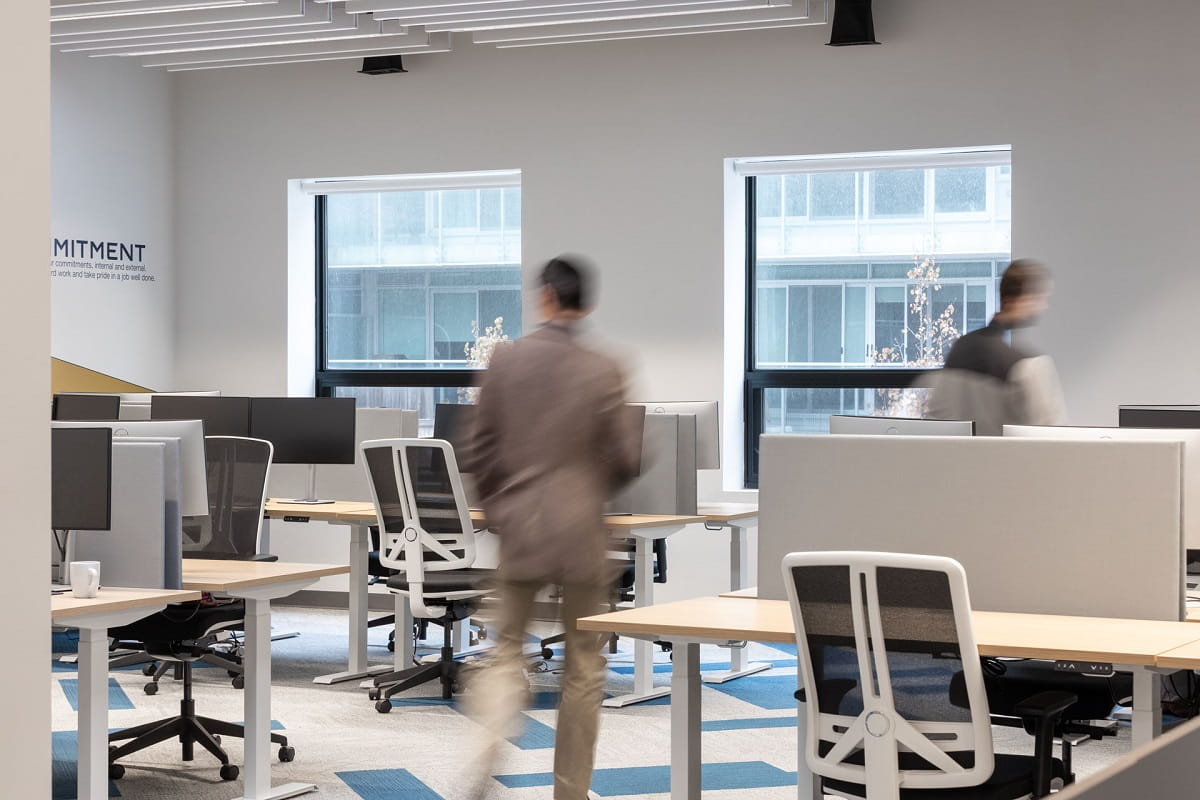
Scale is where the split between a home project and office interior design becomes very clear. A living room might serve four people. A floor of office interior design may serve four hundred. That scale touches everything from exits to washrooms to air quality. A commercial design company has to think about how groups move, not just how one person feels on a sofa.
In this context, commercial interior design becomes a tool for morale as much as safety. One bad chair at home is annoying. One bad zone in office interior design might affect an entire team and drain energy day after day. Interior designers working in commercial interior design measure circulation routes, shared hubs, and quiet zones with care because each choice touches many lives and many roles.
An interior design company that focuses on homes might visit showrooms with the owner and help pick cushions by hand. A commercial design company plans delivery schedules for full floors of workstations and lighting. The work is less casual but not less human. Good corporate interior design still aims for authenticity. It just does this at a group level, making sure that departments, leaders, and guests all feel that the space matches the story of the organisation. Skilled interior designers know that this scale is what turns office interior design into a serious business asset.
Safety and Codes in Commercial Interior Design
Residential projects do follow rules, but commercial interior design lives under a deeper layer of codes and standards. Fire egress, accessibility, structural limits, and acoustic rules are not optional. A strong interior design company and any serious commercial design company will weave these requirements into every decision.
For office interiors, interior design services start with space planning that respects maximum room loads and clear exit paths. Office interior design that ignores these rules can fail inspection and delay opening. In contrast, a small home project might pick finishes first and only later call trades. Commercial interior design must work the other way around, with life safety and mechanical systems at the core.
Corporate interior design also has to meet standards for ergonomics, lighting levels, and sometimes brand guidelines that cover global offices. Interior designers in this field balance creativity with compliance every day. They cannot simply go to the hardware store with a client and pick whatever paint feels nice. That casual approach might work for a guest room. It does not suit a lobby that sees thousands of visitors a week. Here, interior design services are about risk management as much as beauty, and a reliable commercial design company protects clients from very costly mistakes.
Strategy and Culture in Interior Design Services
Residential work often centres on personal taste. Commercial interior design always ties back to strategy. A good interior design company will ask leaders about hiring goals, hybrid work plans, and brand values long before it looks at fabrics. Interior design services for offices measure how space can support morale, focus, and authenticity over years, not just how it looks on move in day.
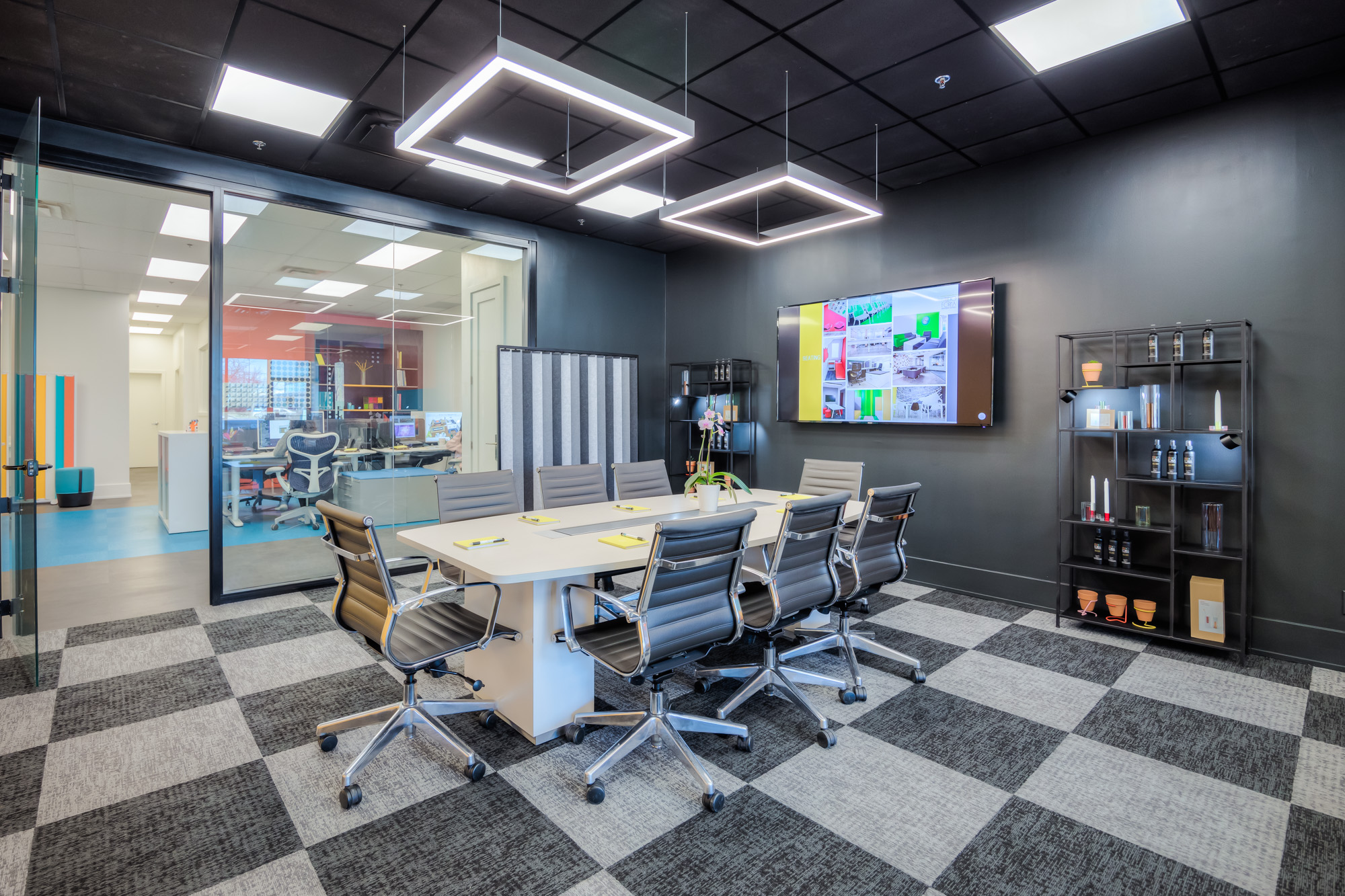
In this world, office interior design becomes a physical script for culture. Open collaboration areas, private focus rooms, and shared social zones all speak about how a company wants people to work and feel. Corporate interior design takes those choices and makes them coherent from reception to meeting rooms. Interior designers choose materials, colours, and forms that show the same story in every space.
A residential client may ask an interior design company to reflect their favourite travel memories or hobbies. A business asks a commercial design company to help attract talent, impress clients, and support performance. Interior design services in the workplace frame every decision through those goals. When the space feels aligned with the values that leaders talk about, morale rises and authenticity grows. People believe the story because they can see and touch it every day.
Client Roles with Commercial Interior Design
The client role also looks different in residential and commercial projects. In home work, interior designers may visit hardware stores with owners, text photos of cushions, and make casual choices in real time. That friendly pace is part of the appeal. Homeowners often enjoy this very personal journey with their interior design company.
In commercial interior design, clients are often leadership teams, facility managers, and project managers. They need clear timelines, budgets, and documents. A commercial design company will present structured options and drawings, not twenty paint chips on a Saturday morning. Interior design services here must respect decision chains, brand teams, and legal reviews. The work feels more formal because the risks and costs are much higher.
Corporate interior design also protects staff from random changes. You do not want a manager to swap out lighting on a whim just because they saw a new trend. Interior designers in a business context create standards that can roll out across locations. This consistency is vital for safety, maintenance, and brand trust. Good interior design services still listen deeply, but they guide rather than follow impulse. The result is a workplace that feels cared for and professional, not chaotic.
Smooth Process with Interior Design Services
Whether the project is a home or a tower, a smooth process comes from strong interior design services. For businesses, this often starts with a commercial design company or interior design company that knows how to speak with engineers, landlords, and contractors as well as with staff. They schedule meetings, manage approvals, and carry the design from sketch to final clean.
In office projects, interior design services map each step. Interior designers create test fits, refine office interior design, and coordinate corporate interior design details with technology and furniture partners. Commercial interior design timelines might span many months, and a good commercial design company will keep communication clear throughout.
This is very different from a typical residential path, where an interior design company might phase work room by room as budget allows. In the business world, a full floor may need to open on a precise date. Interior design services here help avoid last minute panic. Teams move into a space where lighting works, acoustic levels match tasks, and every meeting room connects to the network. This calm delivery builds trust and lets staff focus on their jobs instead of chasing missing chairs or patching loose details.
Frequently Asked Questions (FAQ):
Why is commercial interior design more complex than residential work?
Commercial interior design must meet strict life safety codes, accessibility rules, and brand standards. It also serves many users with different roles. Interior design services in this field manage these layers while still creating spaces that feel warm and authentic.
How does an interior design company approach office projects differently from homes?
For offices, an interior design company begins with business goals, head counts, and workplace strategy. They produce detailed drawings, coordinate with engineers, and often work with a commercial design company team. For homes, interior designers may focus more on taste, routine, and family habits.
When should a company call interior design services or a new space?
Call early, before signing a lease if possible. Interior designers can review floor plates, test office layouts, and flag risks. Early input from an interior design company or commercial design company can save major costs and help you create a workplace that truly fits your people and your plans.
Key Takeaways
- Commercial interior design operates at a larger scale and with deeper rules than home work
- Interior design services for offices tie every choice to business strategy and culture
- A commercial design company and interior design company must protect safety and brand trust
- Corporate interior design uses standards so many locations can feel like one honest family
- Interior designers in business projects guide clients through a structured but human process
Space Choices that Match the Stakes
Homes carry stories of family, comfort, and memory. Offices carry stories of risk, livelihood, and shared purpose. Both deserve care, but the tools and stakes are not the same. Commercial interior design lives at the crossroads of safety, strategy, and scale. Residential work leans more on personal taste and private rhythm.
When you choose an interior design company for a workplace, you are choosing a partner that can shape morale, focus, and authenticity for many people. The right interior design services will treat that role with respect, use solid research, and keep the process clear. Thoughtful corporate interior design then makes sure that every corridor and meeting room feels like part of one honest story. Skilled interior designers carry that story from concept to handover. If your current office no longer fits your people or your goals, this may be the moment to invite interior design services to help you plan the next chapter with care.