The average office worker generates 4.5 kilograms of waste per week, most of which ends up in landfills within days of creation. This is not inevitable. It is a design failure. When interior design services approach office interior design with waste prevention as a core objective from the start, they transform how offices function. Commercial interior design that is intentional about material flows, furniture durability, and operational systems can reduce waste by 70 percent or more. This is not about placing recycling bins in visible locations and calling it sustainability. This is about rethinking the entire office design layout, office furniture design, and corporate interior design to eliminate waste before it is created.
The challenge is that most offices are designed for convenience and cost without considering the full lifecycle of materials and products. Cheap furniture gets replaced frequently. Temporary layouts create construction waste. Poor planning leads to excess inventory that nobody needs. Professional interior design services change this equation by starting with the question: how do we design this office so that nothing goes to waste? The answer involves strategic choices about materials, furniture, systems, and workplace culture. To understand how to build a zero-waste office, we need to explore the specific design strategies that interior design services use to prevent waste at every stage.
Material Selection in Sustainable Office Interior Design
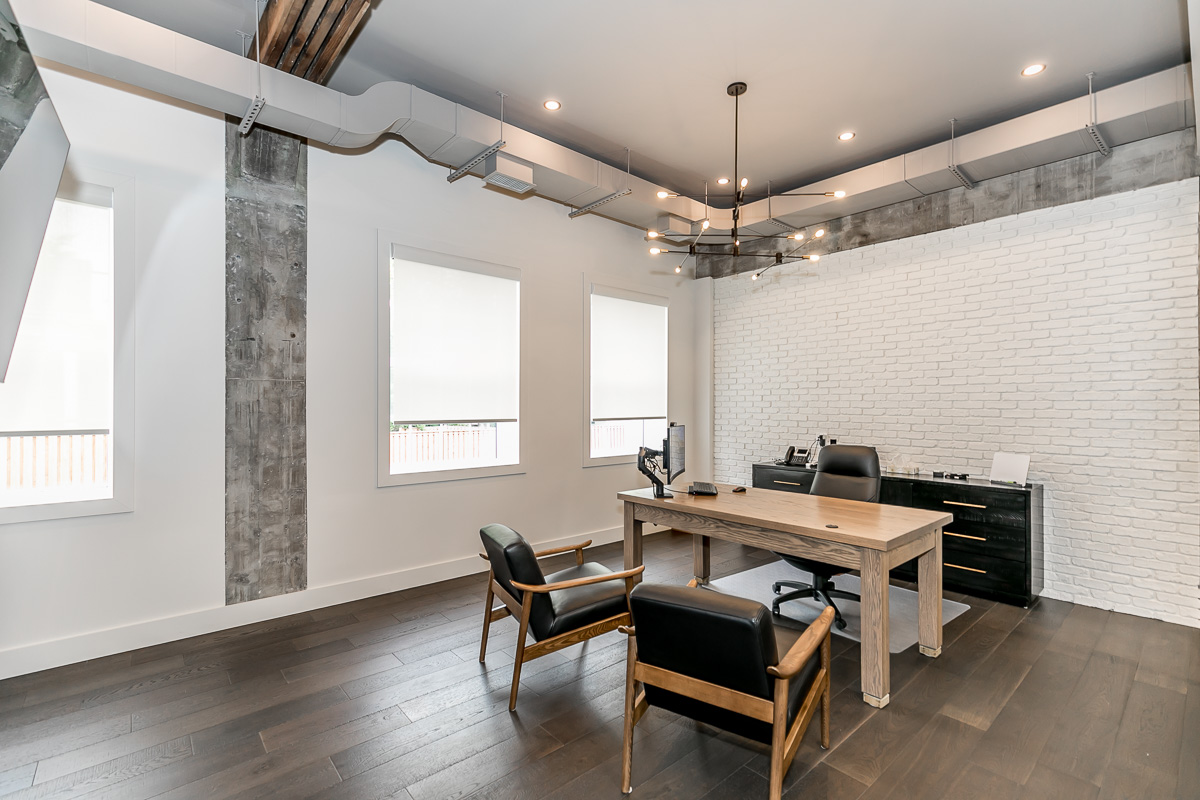
The single most effective way to reduce waste is to choose materials that last decades instead of years. Interior design services specify durable Canadian office furniture made from solid wood rather than particle board veneered with plastic. A solid wood desk costs more upfront but functions beautifully for twenty years instead of five. Commercial interior design that makes this choice eliminates the waste and embodied carbon of four replacement desks.
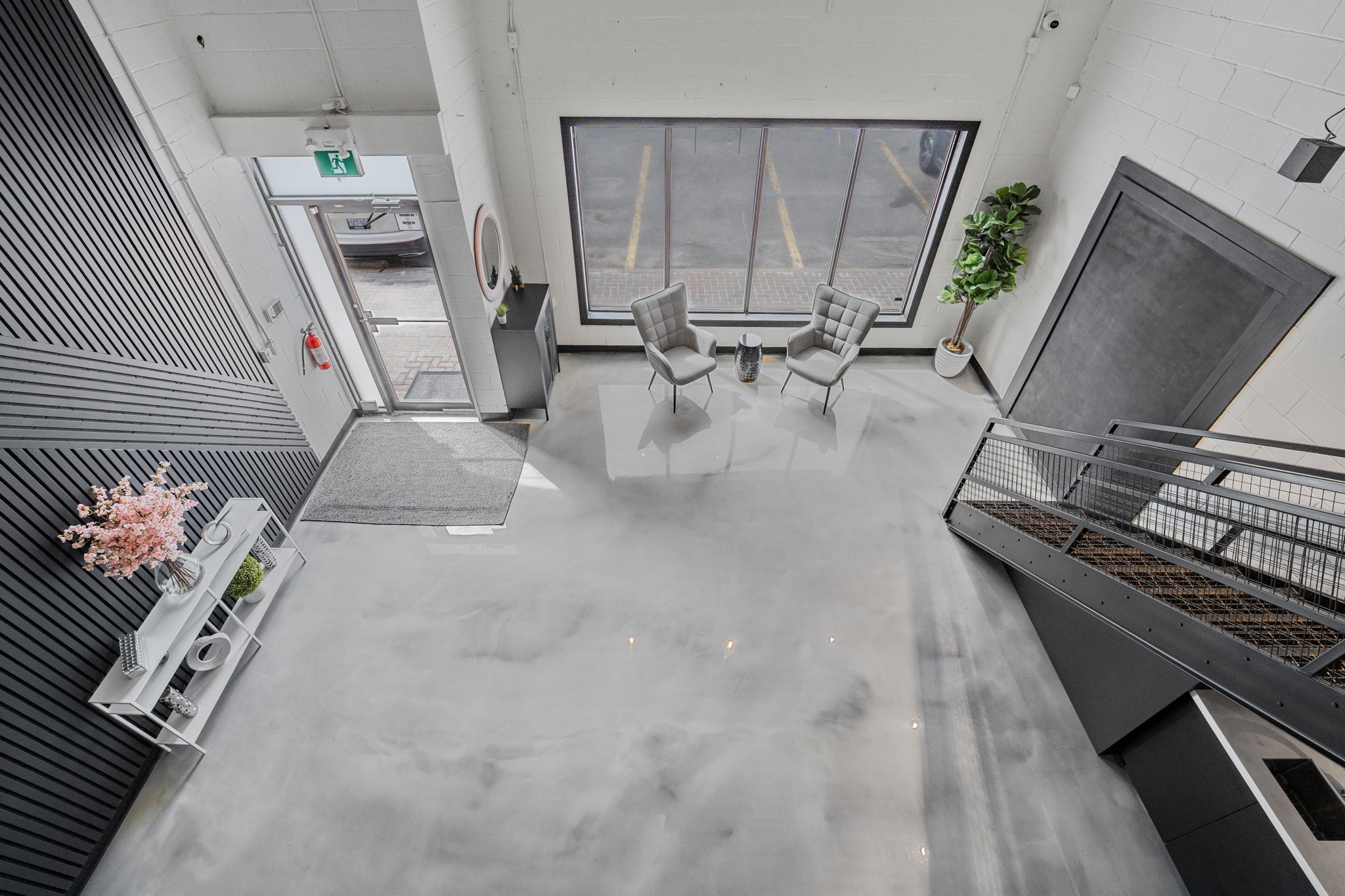
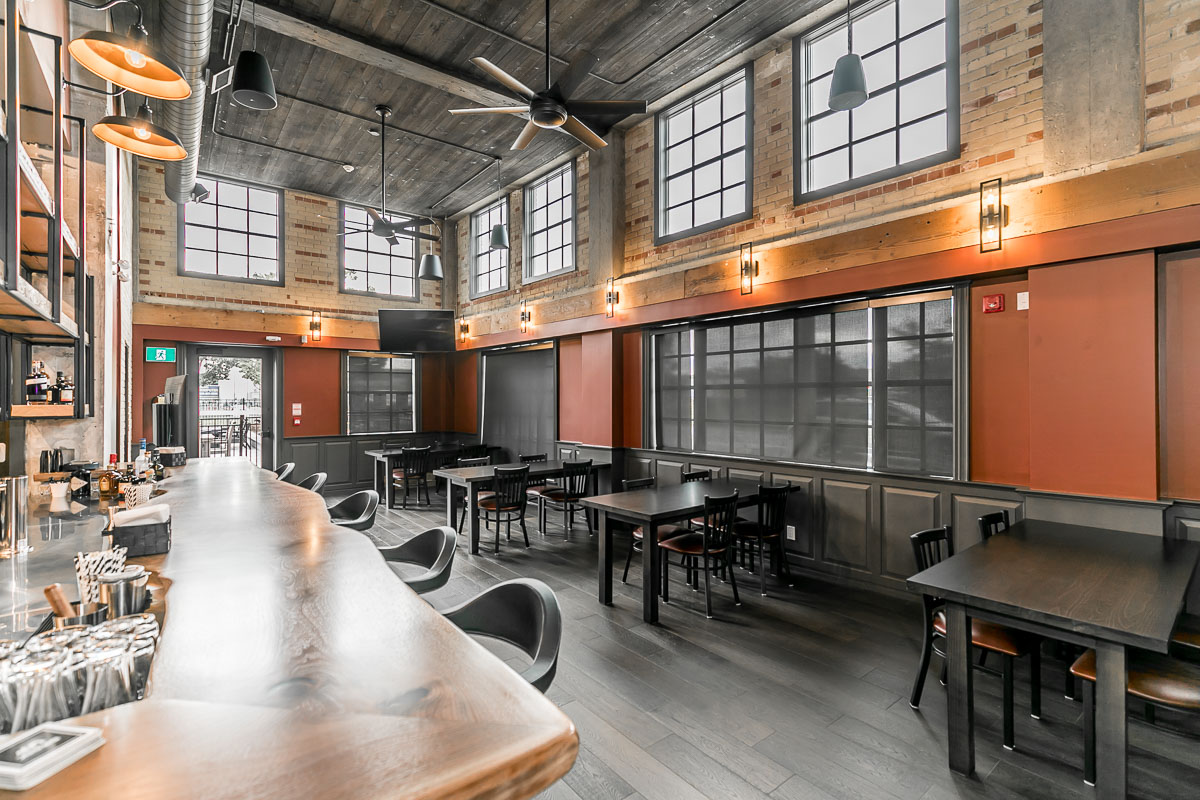
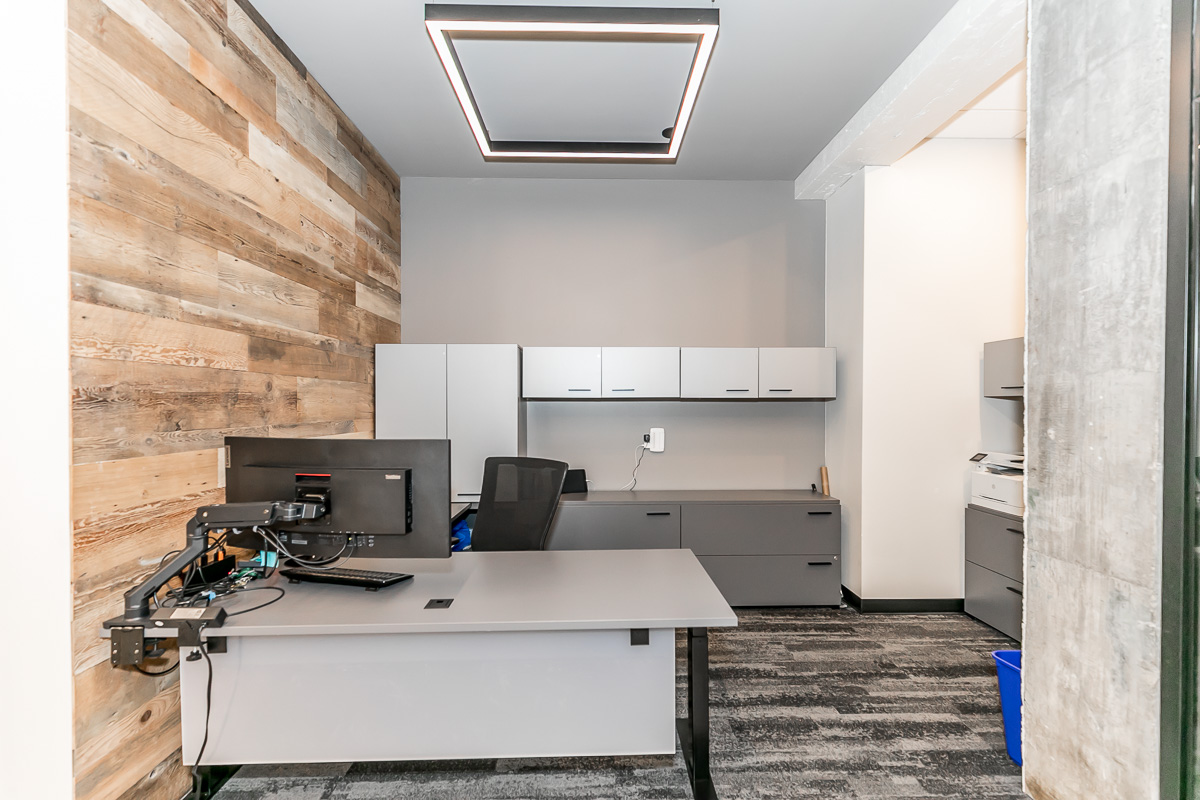
Material selection extends beyond furniture. Office interior design includes choices about flooring, wall finishes, and fixtures. Natural concrete sealed and maintained lasts indefinitely. Vinyl flooring becomes landfill in a decade. Professional interior design services specify materials that improve with age rather than deteriorate. Real wood panels, natural stone, and quality textiles develop patina and character. They do not degrade into waste.
Corporate interior design that prioritizes durability also reduces the operational costs of constant replacement. Office design layout that uses durable materials requires less frequent renovation and refurbishing. Interior design services calculate the true cost of materials over their full lifetime, not just the purchase price. When you factor in disposal costs, replacement labour, and environmental impact, durable materials always win financially.
Reclaimed and salvaged materials represent another strategy in office interior design. Professional interior design services sources reclaimed wood, salvaged doors, and recycled materials from deconstruction sites. These pieces become focal points in commercial interior design. A conference table made from reclaimed barn wood tells a story and eliminates the waste of new material production. Office furniture design that incorporates reclaimed pieces adds character while preventing waste.
Design for Disassembly in Office Furniture Design
When offices eventually renovate, the furniture does not need to become landfill. Interior design services specify office furniture design that allows disassembly and reuse. Modular Canadian office furniture systems can be reconfigured as needs change. Components can be sold secondhand if your company no longer needs them. Professional interior design services build this flexibility into office design layout from the start.
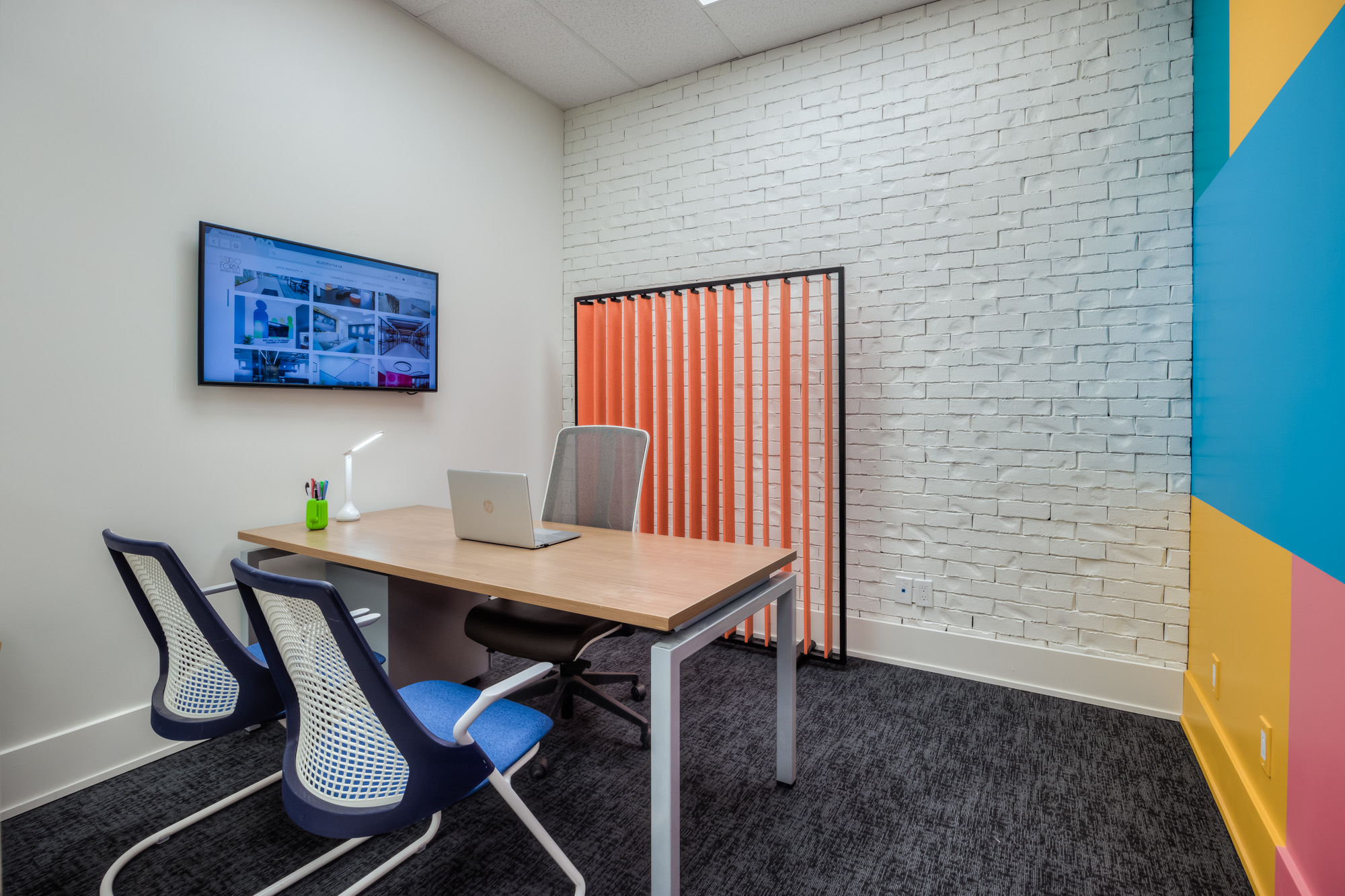
Commercial interior design that uses systems rather than fixed installations creates adaptability. Movable partitions, not permanent walls. Modular workstations, not custom built-ins. Loose furniture, not built in cabinetry. This approach serves multiple purposes. It allows your office to evolve as your company grows. It also ensures that when you eventually leave a space, the furniture and finishes can be reused rather than demolished.
Corporate interior design that embraces this philosophy requires different thinking. It means avoiding trendy finishes that will feel dated in five years. It means choosing timeless office interior design over fashionable but temporary looks. Interior design services guide companies toward choices that remain relevant for decades. This eliminates the waste of renovation driven by outdated aesthetics.
Material connections matter too. Office furniture design that uses mechanical fasteners instead of glue allows components to be separated and recycled. Interior design services specify connections that allow future disassembly. What seems like a small detail becomes crucial when it is time to responsibly retire furniture.
Operational Systems for Zero-Waste in Commercial Interior Design
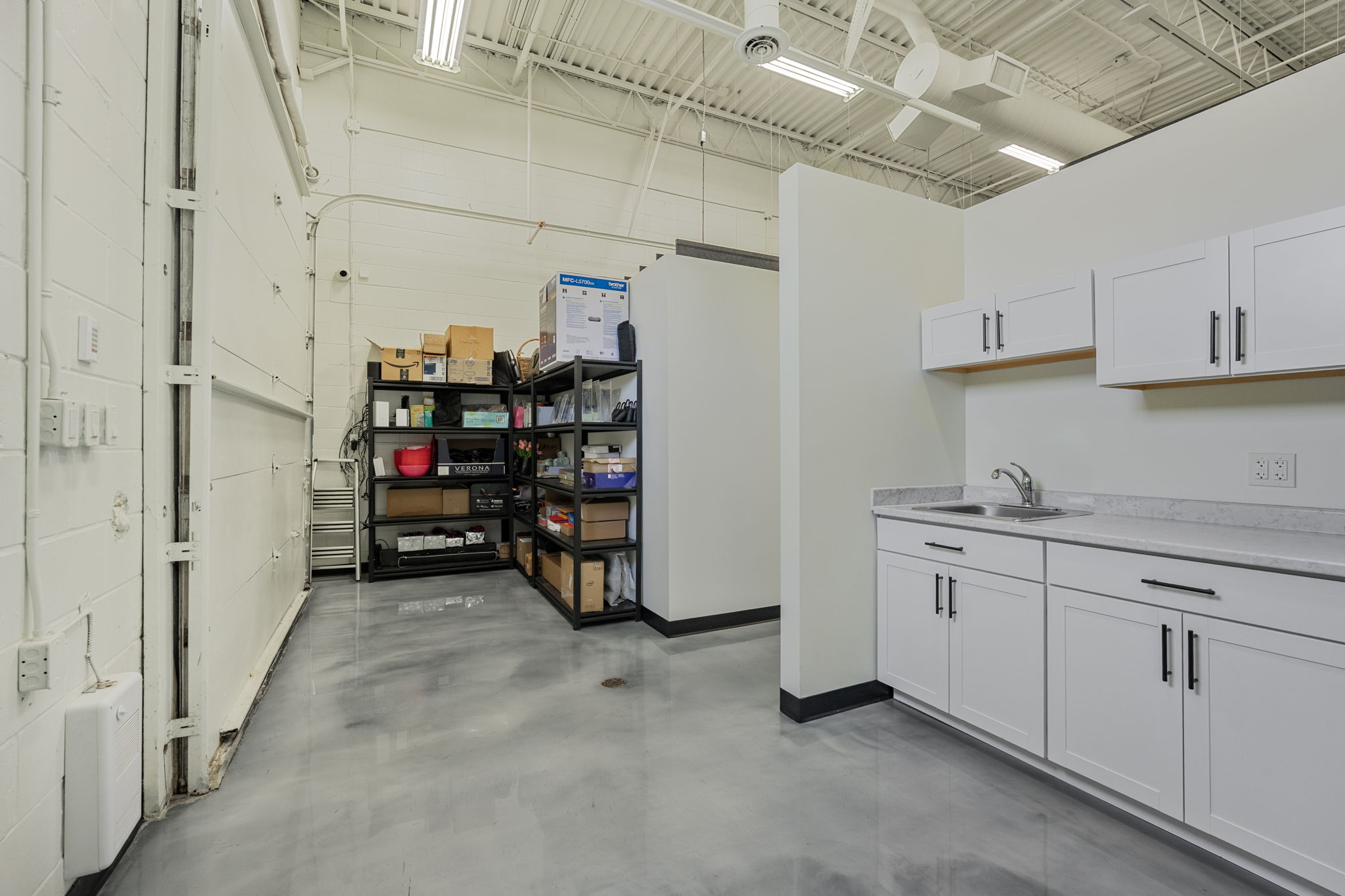
Waste prevention requires systems, not just good intentions. Interior design services designs office design layout to support waste reduction operations. This means designated collection areas for different material streams: paper, organics, plastics, metal, and textiles. Professional commercial interior design makes these stations visible and convenient so employees use them naturally.
The layout prevents the common failure where collection bins are hidden in a corner and never get used. Interior design services position stations near major activity hubs. A paper collection station near printers and desk areas. An organic waste collection near the kitchen. This visibility and proximity dramatically increases participation rates.
Office interior design also includes infrastructure for reuse. A shelf for items people no longer need but others might use. A system for sharing supplies instead of everyone hoarding their own. A clothing swap station for items people outgrow. Corporate interior design that facilitates these systems prevents waste by creating reuse pathways instead of disposal defaults.
Interior design services design these operational areas with the same care as client facing spaces. Waste stations do not need to be ugly to be functional. Professional office furniture design makes collection stations attractive and integrated into the overall corporate interior design aesthetic. When waste infrastructure looks intentional and well maintained, employees treat it with respect.
Educational Design and Workplace Culture in Office Interior Design
Behaviour follows design. When office interior design makes waste prevention easy and visible, employees adopt the practices naturally. Interior design services use signage, colour coding, and physical layout to communicate what belongs where. Professional commercial interior design makes waste prevention intuitive without requiring extensive training.
Colour coding for different waste streams works reliably. Blue for paper. Green for organics. Red for refuse. Office design layout that separates these streams clearly prevents contamination that renders otherwise recyclable material unusable. Interior design services specify these colours in the furniture, fixtures, and signage so the system feels cohesive.
Corporate interior design can also celebrate waste prevention wins. A visible tracker showing how many kilograms the office diverted from landfill. A display of items recovered from the reuse shelf. These elements of office interior design turn sustainability from an abstract concept into concrete progress people can see. They reinforce the culture of waste prevention.
Professional interior design services work with companies to establish baseline measurements before redesign so improvements are quantifiable. This transforms zero-waste goals from aspirational to measurable. Office furniture design, office design layout, and commercial interior design choices are evaluated partly on their contribution to waste reduction.
Vendor and Supply Chain Considerations in Corporate Interior Design
Professional interior design services extend sustainability thinking beyond the office itself. When specifying Canadian office furniture and materials, interior design services prioritizes vendors who demonstrate waste reduction commitments. Suppliers who take back used furniture for reconditioning. Manufacturers who minimise packaging. Delivery services that consolidate shipments to reduce transportation emissions.
Commercial interior design projects that coordinate with responsible suppliers create accountability across the supply chain. Office interior design that sources locally reduces transportation waste and supports the Canadian economy. Interior design services know suppliers across Canada who provide quality furniture without excessive packaging or environmental burden.
Corporate interior design also considers the manufacturing waste upstream. A vendor who manufactures efficiently and responsibly produces less embodied waste in their products. Interior design services ask detailed questions about manufacturing processes when selecting office furniture design. Office design layout planning includes consideration for material transport and installation waste reduction.
This upstream thinking prevents waste from being created in the first place. It is more effective than trying to manage waste after products arrive. Professional interior design services treat supplier selection as a key sustainability tool.
Frequently Asked Questions (FAQ):
Is zero-waste office design more expensive than conventional design?
Upfront costs may be slightly higher because durable materials cost more than cheap alternatives. However, over the lifetime of the office, zero-waste design costs far less because you are not constantly replacing furniture and finishes. Interior design services can show you the full lifecycle cost comparison.
Can existing offices be retrofitted for zero-waste operations?
Yes. Professional interior design services frequently add waste prevention systems to existing commercial interior design. New collection stations, signage, and reuse programs can be implemented without complete renovation. Office interior design modifications might include changes to office design layout to better facilitate waste streams.
What is the most important element of zero-waste office design?
Material durability is the single most impactful factor. If your furniture lasts twenty years instead of five, you have already eliminated 75 percent of the waste compared to replacement cycles. Interior design services prioritize this choice above all others.
Key Takeaways
- Intentional office interior design can reduce waste by 70 percent or more
- Durable materials lasting decades eliminate the waste of frequent replacement
- Design for disassembly allows furniture and components to be reused instead of landfilled
- Operational systems for waste collection must be visible and convenient to work
- Office design layout that facilitates reuse prevents waste by creating alternatives to disposal
- Colour coding and clear signage make waste prevention intuitive for employees
- Professional interior design services extends sustainability thinking through the supply chain
- Commercial interior design that prioritises durability saves money over the long term
- Corporate interior design that visibly celebrates waste prevention reinforces employee culture
- Zero-waste office interior design requires intentional planning from the very start
The Shift from Disposal to Prevention
Zero-waste offices are not built by accident. They are the result of interior design services making deliberate choices throughout office design layout, office furniture design, and corporate interior design. The difference between an office that generates mountains of waste and an office that generates almost none is not cost or difficulty. It is my intention.
When professional interior design services approach a commercial interior design project with zero-waste goals, every decision gets filtered through a waste prevention lens. Material selection prioritises durability and recyclability. Office furniture design emphasises longevity and disassembly. Office design layout facilitates collection, reuse, and proper disposal. Operational systems make waste prevention the path of least resistance instead of requiring heroic effort.
This shift transforms how companies think about their physical space. Instead of offices as temporary arrangements that get demolished and replaced, offices become systems designed to endure and evolve. Instead of furniture as consumables to be discarded when damaged, furniture becomes infrastructure to be maintained and adapted. This change in perspective is what enables zero-waste operations.
If your current office generates substantial waste and you want to change course, professional interior design services can guide the transformation. Your office does not need to be a contributor to landfill. It can be designed from the ground up to prevent waste. Talk with an interior design services team about how zero-waste principles could reshape your corporate interior design.