January 2, 2024

Commercial Interior Design

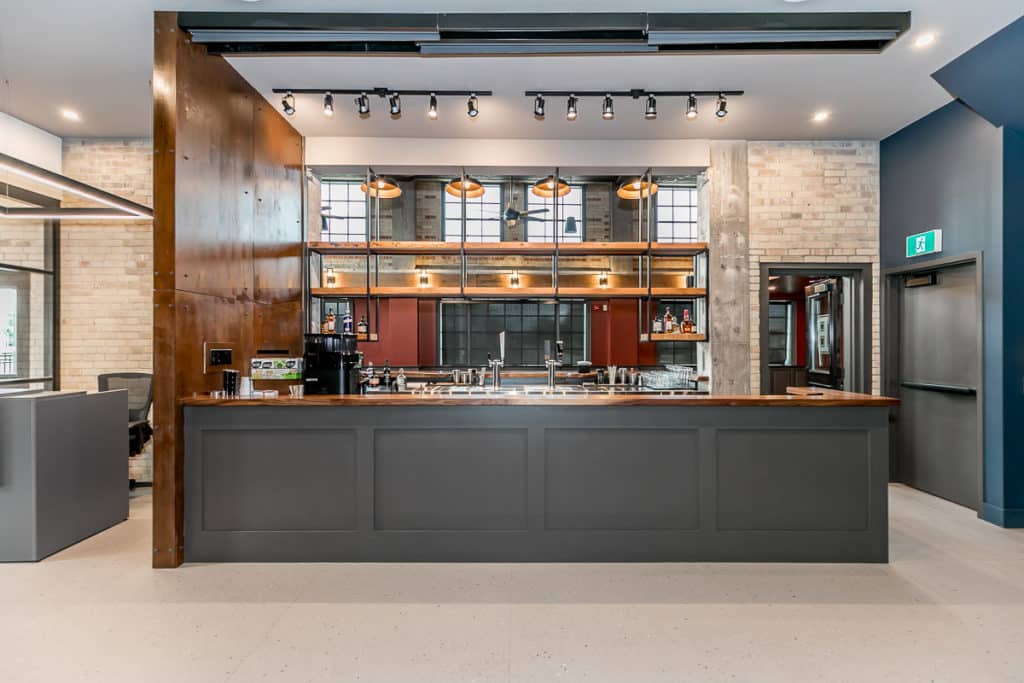
Reimagining Workplace Culture: The Role of Interior Design in Post-Pandemic Offices

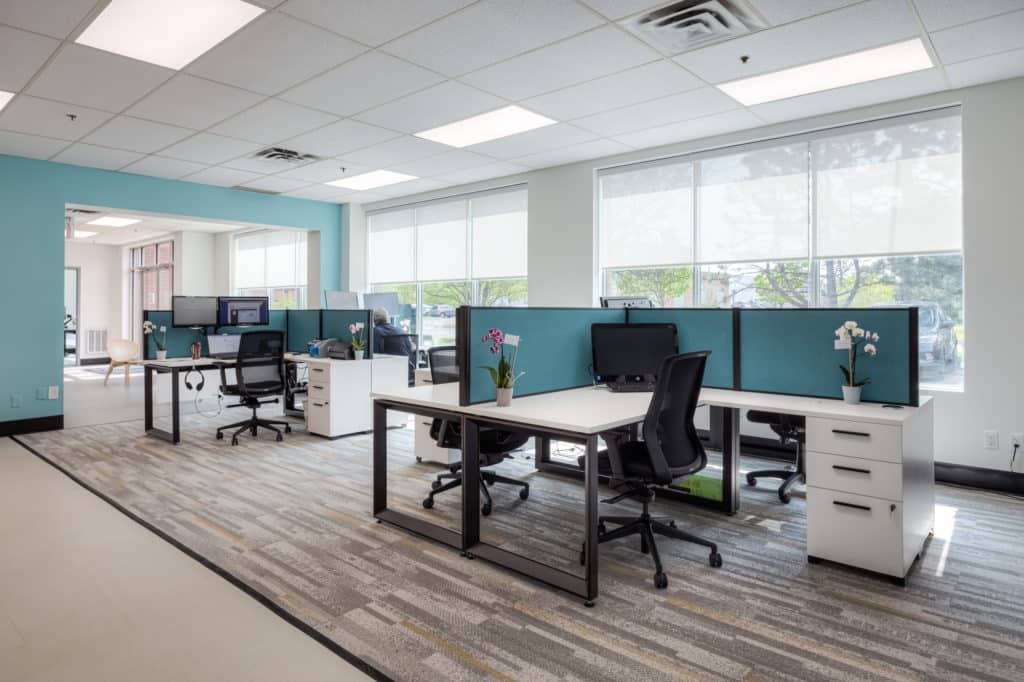
The global pandemic has reshaped the way we work, prompting a significant shift in office culture and the expectations employees have for their work environments. As businesses transition towards a post-pandemic era, interior design is taking center stage in creating spaces that not only prioritize safety but also foster a positive and adaptive office culture. In this article, we will explore the evolving landscape of post-pandemic office culture and the crucial role that interior design plays in shaping its success. Hybrid Work Models and Flexibility: The rise of remote work during the pandemic has prompted a reevaluation of traditional office setups. Interior designers are now tasked with creating flexible workspaces that accommodate hybrid work models – a blend of in-person and remote collaboration. Designing flexible workstations, providing adaptable meeting spaces, and integrating technology seamlessly are key components in supporting a workforce that values the flexibility to work from various locations. Emphasis on Employee Well-being: Post-pandemic office culture places a heightened focus on employee well-being, encompassing both physical and mental health. Interior designers are incorporating elements of biophilic design, ergonomic furniture, and wellness spaces to create environments that promote a healthy work-life balance. Thoughtful design choices contribute to an atmosphere that prioritizes employee well-being, reducing stress and enhancing overall job satisfaction. Space Utilization and Physical Distancing: The need for physical distancing has prompted a reassessment of office layouts and space utilization. Interior designers are creating designs that allow for a balance between collaboration and safety. This may involve reconfiguring workstations, providing dividers or partitions, and optimizing spatial layouts to ensure that employees can work comfortably while adhering to health guidelines. Technology Integration for Seamless Collaboration: As remote and hybrid work become more prevalent, technology integration is crucial for seamless collaboration. Interior designers are incorporating state-of-the-art technology solutions to facilitate virtual meetings, digital collaboration, and real-time communication. Smart office systems and video conferencing capabilities are seamlessly woven into the design, ensuring that the office remains a hub for effective collaboration, regardless of physical location. Cultural Reinforcement Through Design: The office environment serves as a tangible representation of an organization’s culture. Interior designers play a pivotal role in translating company values into the physical workspace. Whether through branded aesthetics, thematic motifs, or the strategic placement of collaborative spaces, design elements can reinforce the company’s cultural identity and foster a sense of belonging among employees. Agile Workspaces for Innovation: Post-pandemic office culture values adaptability and innovation. Interior designers are responding by creating agile workspaces that can be easily reconfigured to accommodate changing needs. Modular furniture, flexible layouts, and multi-functional spaces empower employees to tailor their environment to specific tasks, promoting creativity and adaptability within the workplace. Creating a Sense of Community: Despite the rise of remote work, the office remains a central hub for fostering a sense of community among employees. Interior designers are conceptualizing communal areas, breakout spaces, and social hubs that encourage spontaneous interactions, team-building activities, and moments of connection. These spaces contribute to a vibrant office culture where collaboration and camaraderie thrive. As we navigate the post-pandemic landscape, interior design emerges as a critical factor in redefining office culture. From flexible workspaces that accommodate new work models to technology integration that supports seamless collaboration, designers are at the forefront of shaping the modern workplace. By prioritizing employee well-being, fostering innovation through agile design, and reinforcing cultural identity, interior design plays a pivotal role in ensuring the success of post-pandemic office cultures. As organizations continue to adapt to the evolving needs of their workforce, the collaboration between interior designers and workplace strategists will be instrumental in creating offices that inspire creativity, foster community, and support the well-being of employees in this new era of work.

Reimagining Workplace Culture: The Role of Interior Design in Post-Pandemic Offices Read More »
Commercial Interior Design

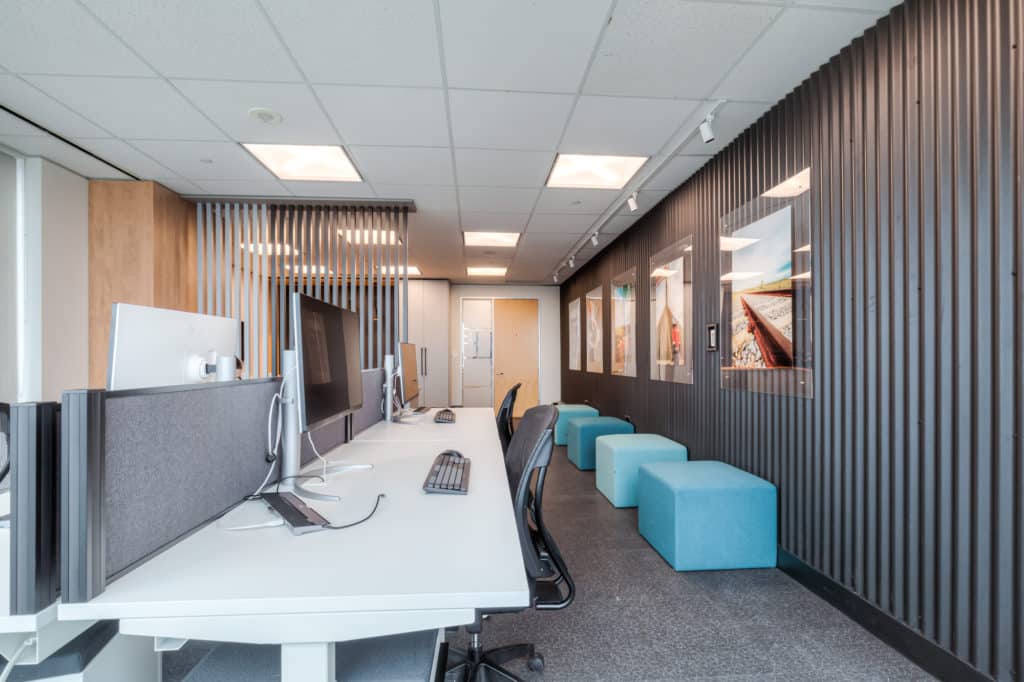
Collaboration Unleashed: The Impact of Interior Design on Fostering Team Dynamics in the Office

In the ever-evolving landscape of modern workplaces, collaboration has emerged as a cornerstone of success for businesses. Recognizing the pivotal role that teamwork plays in achieving organizational goals, companies are increasingly turning to interior design to create workspaces that foster communication, creativity, and a sense of unity among team members. In this article, we will explore how strategic interior design choices can significantly boost team collaboration within the office environment. Open and Collaborative Spaces: Interior design has the power to break down physical barriers and create open and collaborative spaces that encourage spontaneous interactions and idea-sharing. Open office layouts with strategically placed workstations, shared tables, and collaborative zones provide an environment where team members can easily engage with one another. These layouts promote a sense of accessibility, making it more likely for employees to share insights, brainstorm, and collaborate on projects. Flexible Furniture Configurations: A well-designed office understands the importance of flexibility in furniture configurations. Interior designers can create spaces with adaptable furniture that allows for easy reconfiguration based on the team’s needs. This flexibility facilitates impromptu meetings, team huddles, or the transformation of spaces for different collaborative activities. Moveable furniture and modular seating arrangements enhance the versatility of the workspace. Dedicated Collaboration Zones: Striking a balance between open spaces and dedicated collaboration zones is crucial. Interior designers can carve out specific areas within the office designed for team collaboration. These zones may feature comfortable seating, writable surfaces, and technology integration to facilitate brainstorming sessions, team meetings, and collaborative work. By having purposeful spaces for collaboration, employees are encouraged to step away from their desks and engage with colleagues in a conducive environment. Technology Integration for Seamless Communication: Effective collaboration relies on seamless communication, and interior design can play a pivotal role in integrating technology solutions. Video conferencing facilities, interactive displays, and shared digital platforms can be seamlessly incorporated into the office design. These technological enhancements ensure that teams can collaborate effortlessly, whether they are working in the same physical space or connecting with remote colleagues. Breakout Spaces for Informal Collaborations: Interior designers recognize the importance of informal interactions in fostering team collaboration. Breakout spaces, equipped with comfortable seating and casual furnishings, provide a relaxed environment where employees can gather for spontaneous discussions or team-building activities. These spaces serve as an extension of the formal office, fostering camaraderie and strengthening team bonds. Enhanced Acoustics for Productive Collaboration: Maintaining a balance between openness and privacy is crucial for effective collaboration. Interior design solutions, such as acoustic panels, soundproofing elements, and thoughtful placement of furniture, can help control noise levels and create spaces that support focused collaboration. Well-managed acoustics ensure that teams can engage in discussions without disruptions, enhancing the overall quality of collaborative work. Branding and Team Identity: Interior design is a powerful tool for reflecting a company’s branding and fostering a sense of team identity. Design elements, such as branded colours, logos, and thematic motifs, can be strategically incorporated into the office space. This not only reinforces the company’s identity but also instills a sense of belonging and unity among team members, enhancing collaboration through a shared organizational culture. In the contemporary workplace, where collaboration is a linchpin of success, interior design emerges as a catalyst for fostering effective teamwork. By creating open and flexible spaces, integrating technology seamlessly, and providing dedicated collaboration zones, interior designers contribute to an environment where teams can thrive. The strategic use of design elements not only enhances collaboration but also promotes a sense of unity and shared purpose among team members, making the workplace a hub of innovation and productivity. As businesses continue to prioritize collaboration, interior design remains a key driver in shaping the collaborative dynamics of the modern office.

Collaboration Unleashed: The Impact of Interior Design on Fostering Team Dynamics in the Office Read More »

Commercial Interior Design

Wellness at Work: The Impact of Interior Design on Employee Well-being

In the ever-evolving landscape of the modern workplace, the focus on employee well-being has taken center stage. Recognizing that a healthy and supportive work environment directly contributes to overall job satisfaction and productivity, organizations are turning to interior design to create offices that prioritize the mental and physical wellness of their workforce. In this article, we’ll explore the integral role that interior design plays in enhancing employee well-being within the office setting. Ergonomics for Physical Health: One of the fundamental aspects of employee well-being is physical comfort, and interior design plays a crucial role in achieving this. Ergonomically designed furniture, adjustable desks, and supportive seating contribute to a workspace that minimizes the risk of discomfort and musculoskeletal issues. Thoughtful design choices in office furniture can alleviate strain on the body, fostering a healthier and more comfortable work environment. Natural Light and Biophilic Design: Exposure to natural light has been linked to improved mood, better sleep patterns, and increased productivity. Interior designers can strategically plan office layouts to maximize access to natural light, reducing reliance on artificial lighting. Additionally, the incorporation of biophilic design elements, such as indoor plants and natural materials, can create a connection to nature within the office environment, promoting a sense of well-being and reducing stress among employees. Flexible and Adaptable Spaces: The modern workplace is dynamic, and interior design can adapt to meet the changing needs of employees. Creating flexible and adaptable spaces allows individuals to choose environments that suit their work style and tasks. Whether it’s collaborative areas for team meetings or quiet zones for focused work, a well-designed office provides a variety of spaces that cater to different preferences and tasks, contributing to overall employee satisfaction. Mindful Colour and Design Choices: Colour psychology plays a significant role in influencing mood and energy levels. Interior designers carefully select colour palettes that promote a positive and calming atmosphere within the office. Soft blues and greens, for instance, are known for their calming effects, while pops of vibrant colours can inject energy into creative spaces. Mindful design choices extend beyond colour, encompassing elements such as artwork, layout, and overall aesthetics that contribute to a visually pleasing and inspiring workplace. Acoustic Solutions for Focus: Noise levels can impact concentration and stress levels among employees. Interior designers employ acoustic solutions to mitigate noise disruptions, creating a more conducive environment for focused work. This may include the use of sound-absorbing materials, strategic placement of furniture, and the incorporation of acoustic panels to create a balanced auditory experience within the office. Employee Personalization and Empowerment: Allowing employees to personalize their workspaces can have a positive impact on their well-being. Interior designers can collaborate with individuals to create personalized and empowering work environments. This may involve incorporating personal decor, adjustable furniture, or designated spaces that reflect individual work preferences, fostering a sense of ownership and comfort. Inclusive and Accessible Design: Well-being in the office extends to inclusivity and accessibility. Interior designers can implement designs that accommodate the diverse needs of employees, including those with mobility challenges or sensory sensitivities. Accessible furniture, thoughtfully designed layouts, and the consideration of various ergonomic needs contribute to a workplace that prioritizes the well-being of all employees. As organizations increasingly recognize the importance of employee well-being, interior design emerges as a powerful tool in creating work environments that foster physical and mental health. From ergonomics and natural light to mindful design choices and adaptable spaces, interior designers play a pivotal role in shaping offices that contribute to the overall well-being and satisfaction of employees. In investing in the wellness of their workforce, organizations not only enhance productivity but also create a workplace culture that values and supports the health of its most valuable asset – its people.

Wellness at Work: The Impact of Interior Design on Employee Well-being Read More »

Orangeville, Ontario and Interior Design

Crafting Comfort: Interior Design’s Vital Role in the Remote Work Transition

The surge in remote work, accelerated by the global events of recent times, has prompted a seismic shift in the way we approach the traditional office setting. As businesses continue to embrace remote work models, the significance of interior design in creating comfortable and productive home workspaces has never been more apparent. In this article, we’ll explore the key role that interior design plays in facilitating a successful transition to remote work and how thoughtful design choices can enhance the remote work experience for employees. Ergonomics and Comfort: The transition to remote work has placed a spotlight on the importance of ergonomic design in home offices. Interior designers are now focusing on creating comfortable and supportive workspaces that prioritize the well-being of remote workers. Adjustable chairs, ergonomic desks, and proper lighting are essential elements that contribute to a home office setup that promotes good posture and minimizes the risk of discomfort or injury. Personalized Work Environments: One of the advantages of remote work is the opportunity for employees to personalize their workspaces. Interior design allows individuals to create environments that align with their personal preferences and work style. From choosing color schemes that promote focus to incorporating meaningful decor, personalized home offices foster a sense of ownership and comfort, contributing to overall job satisfaction and productivity. Spatial Planning for Efficiency: Effective use of space is crucial in remote work environments, especially for those dealing with limited square footage. Interior designers can provide insights into spatial planning, ensuring that the available space is optimized for productivity. This may involve selecting multi-functional furniture, utilizing wall-mounted storage solutions, and arranging furniture to create designated work zones within a home. Technology Integration: Seamless technology integration is a cornerstone of successful remote work, and interior design can play a pivotal role in this aspect. Designers can assist in concealing wires, setting up effective charging stations, and ensuring that the home office is equipped with the necessary technology infrastructure. A well-designed remote workspace should facilitate easy communication and connectivity to support virtual collaboration. Natural Light and Biophilic Design: Access to natural light is a well-established factor in promoting well-being and productivity. Interior designers working on remote workspaces can strategically position workstations to take advantage of natural light sources, reducing reliance on artificial lighting. Additionally, the incorporation of biophilic design principles, such as indoor plants and natural materials, can contribute to a calming and refreshing atmosphere within the home office. Acoustic Solutions for Focus: Reducing distractions and maintaining focus are ongoing challenges in remote work settings. Interior designers can implement acoustic solutions, such as sound-absorbing materials and furniture arrangements, to minimize noise disturbances. This is particularly important in households where multiple family members may be working or engaging in online learning simultaneously. Creating a Boundary Between Work and Home Life: A potential drawback of remote work is the blurring of lines between professional and personal life. Interior design can aid in establishing a clear boundary between the two by designing dedicated workspaces. This might involve creating a separate room for the home office or using dividers and furniture arrangements to delineate the work area within a shared living space. As remote work becomes a more permanent fixture in the professional landscape, the role of interior design in facilitating a successful transition cannot be overstated. From ergonomics and personalized environments to spatial planning and technology integration, thoughtful design choices contribute significantly to the comfort, functionality, and overall well-being of remote workers. By embracing the principles of interior design, individuals and organizations alike can create home workspaces that inspire productivity and support a healthy work-life balance in this new era of remote work.

Crafting Comfort: Interior Design’s Vital Role in the Remote Work Transition Read More »

Town Of Newmarket ON

Navigating the Return: The Role of Interior Design in a Successful Office Transition

As organizations around the world usher in a new era of hybrid work models, the transition back to the office has become a focal point for many businesses. Beyond the logistical considerations, companies are recognizing the critical role of interior design in shaping a workspace that not only accommodates the changing needs of employees but also fosters a sense of well-being and productivity. In this article, we’ll explore the significance of interior design in facilitating a successful return to the office and creating an environment that supports the evolving dynamics of work. Adapting to Change: The global shift toward remote work during the pandemic has underscored the need for office spaces to evolve. As employees return to the workplace, flexibility and adaptability are paramount. Interior design plays a crucial role in reimagining office layouts to accommodate hybrid work models, providing spaces that cater to collaborative activities, individual focus, and the integration of technology. Creating Collaborative Spaces: Collaboration is a cornerstone of many organizations, and the physical workspace should reflect this. Thoughtful interior design can transform meeting rooms, communal areas, and open spaces into dynamic hubs that encourage teamwork and creativity. The strategic placement of furniture, the incorporation of interactive technology, and the infusion of natural light can contribute to a collaborative atmosphere that inspires innovation and connection among team members. Prioritizing Employee Well-being: The return to the office offers an opportunity to prioritize the well-being of employees through thoughtful interior design. Incorporating elements of biophilic design, such as indoor plants and natural materials, can create a calming and rejuvenating atmosphere. Ergonomic furniture, adjustable desks, and comfortable seating contribute to a workspace that promotes physical health, while acoustics and lighting considerations contribute to a positive mental environment. Balancing Focus and Flexibility: A successful office transition requires a delicate balance between focus and flexibility. Interior design can address this by creating designated spaces for focused work, equipped with acoustic solutions and minimal distractions. At the same time, flexible workstations and adaptable layouts support employees in choosing the environment that best suits their tasks, promoting autonomy and personal productivity. Technology Integration: The modern office is inherently linked to technology, and interior design must seamlessly integrate these tools into the workspace. This includes considerations for wire management, charging stations, and the provision of collaborative technology in meeting spaces. Smart office solutions, such as IoT-enabled devices, can further enhance the efficiency and connectivity of the workplace. Reflecting Company Culture: Interior design serves as a visual representation of a company’s values and culture. As employees return to the office, the design should embody the organization’s identity, fostering a sense of pride and belonging. Thoughtful use of branding elements, color schemes, and thematic motifs can contribute to a cohesive and inspiring workplace environment. As companies navigate the complexities of transitioning back to the office, interior design emerges as a powerful tool for creating spaces that are not only functional but also supportive of employee well-being and productivity. The successful integration of flexible workspaces, collaboration zones, and technology solutions is paramount in shaping a workplace that adapts to the changing dynamics of work. By prioritizing thoughtful design, organizations can foster a positive and engaging environment that aligns with their values and sets the stage for a successful post-pandemic work era.

Navigating the Return: The Role of Interior Design in a Successful Office Transition Read More »

King Ontario and Interior Design

King, Ontario: Where Rural Charm Meets Tranquil Landscapes

Nestled in the northern part of the Greater Toronto Area, King, Ontario, epitomizes rural charm and tranquility, offering an ideal canvas for Studio Forma Interior Design and Office Design. Boasting picturesque landscapes, historic villages, and a steadfast commitment to preserving natural beauty, King provides the perfect backdrop for innovative design concepts that harmonize with its surroundings. In this exploration, we delve into the unique features that define King, emphasizing its rich heritage, strong community spirit, and seamless integration with nature, inspiring Studio Forma to create bespoke interiors that celebrate the town’s essence. Rich Heritage and Historic Villages: In King, the rich heritage is not just a thing of the past—it’s a living, breathing inspiration for Studio Forma Interior Design and Office Design. From the quaint streets of Schomberg with its historic buildings and boutique shops to the immersive experience at the King Township Museum, where the town’s agricultural roots and cultural heritage are vividly preserved, Studio Forma draws upon King’s storied past to create interiors that honor tradition while embracing innovation. Rural Landscapes and Conservation Areas: In the canvas of King’s picturesque rural landscapes, Studio Forma Interior Design and Office Design finds its muse. From the sweeping farmlands to the tranquil forests and rolling hills, every vista offers inspiration for creating interiors that seamlessly blend with nature’s beauty. The presence of the Oak Ridges Moraine, threading through King, not only enhances the scenic charm but also provides a backdrop for outdoor activities, perfectly aligning with Studio Forma’s ethos of integrating nature into design. Conservation areas like the Thornton Bales Conservation Area and the Happy Valley Forest serve as serene havens for exploration, aligning with Studio Forma’s commitment to creating spaces that foster a deep connection with the natural environment. Equestrian Culture and Horse Country: In King, where equestrian culture reigns supreme and it’s affectionately known as “Horse Country,” Studio Forma Interior Design finds inspiration in the town’s distinctive identity. From the bustling equestrian events and renowned riding schools to the picturesque horse farms dotting the landscape, every aspect of King’s equestrian heritage shapes the design ethos of Studio Forma. The annual Schomberg Fair, curated by the King Township Agricultural Society, serves as a vibrant celebration of agricultural traditions and community spirit, influencing Studio Forma’s designs to embody the essence of King’s rich cultural tapestry. Community Engagement and Local Events: In King, community engagement isn’t just an event—it’s a cornerstone of Studio Forma’s Interior Design and Office Design philosophy. From the lively King City Craft Beer and Food Truck Festival to the festive Nobleton Victoria Day Fair and the art-filled Schomberg Street Gallery, every gathering fosters a sense of unity and celebration. These vibrant events not only infuse King’s atmosphere with energy but also serve as catalysts for building stronger connections among residents, a principle that Studio Forma integrates into every design concept to create spaces that resonate with the community spirit. Agricultural Heritage and Farmers’ Markets: In King, where agricultural heritage thrives, Studio Forma Interior Design draws inspiration from the town’s deep connection to farming traditions. The King City Farmers’ Market and the Nobleton Farmers’ Market stand as vibrant showcases of locally grown produce and artisanal goods, embodying the essence of King’s agricultural legacy. Beyond offering fresh delights, these markets serve as bustling hubs for community interaction and provide vital support for local businesses—a testament to Studio Forma’s commitment to creating spaces that honor tradition while fostering community engagement and economic vitality. Family-Friendly Atmosphere and Education: In King, Studio Forma Interior Design are inspired by the town’s commitment to providing a family-friendly environment. With exceptional educational facilities, abundant parks, and diverse community programs, King cultivates a sense of belonging and safety for families. Events like the King City Fall Fair and the Nobleton Victoria Day Parade further enhance the family-friendly spirit, reflecting Studio Forma’s dedication to creating spaces that nurture growth, learning, and joyful experiences for all members of the community. Preservation of Green Spaces: In King, sustainability isn’t just a goal—it’s a guiding principle for Studio Forma Interior Design. The town’s dedication to preserving green spaces and the natural environment, evident through initiatives like the King Township Sustainability Plan and the protection of the Oak Ridges Moraine, aligns perfectly with Studio Forma’s ethos of creating eco-conscious designs. By emphasizing sustainable materials and practices, Studio Forma ensures that every project contributes to maintaining a harmonious balance between growth and environmental conservation in King’s serene landscape. King, Ontario, emerges as a serene sanctuary, epitomizing rural living within the Greater Toronto Area—a vision that resonates deeply with Studio Forma Interior Design. Enriched by its vibrant heritage, thriving equestrian culture, and unwavering dedication to preserving natural landscapes, King fosters a distinctive lifestyle centered on community, history, and a profound connection to nature. As King evolves, it remains a coveted haven for those yearning for a tranquil escape and the warmth of a tight-knit community nestled amidst Ontario’s breathtaking countryside—an idyllic setting that inspires Studio Forma to craft spaces that harmonize seamlessly with King’s timeless charm.

King, Ontario: Where Rural Charm Meets Tranquil Landscapes Read More »

The Greater Toronto Area (GTA) and Interior Design

The Greater Toronto Area (GTA): A Tapestry of Diversity, Prosperity, and Urban Splendour

Within the vibrant tapestry of the Greater Toronto Area (GTA), Studio Forma Interior Design discerns a dynamic canvas of urban opportunity and cultural richness. Embracing the cosmopolitan allure of Toronto and its neighboring municipalities, the GTA emerges as a nexus of diversity, economic vitality, and architectural innovation—a landscape ripe for exploration and creative reinterpretation. In this discourse, we delve into the defining characteristics of the Greater Toronto Area, shedding light on its multicultural vibrancy, economic prowess, and unwavering dedication to fostering an exceptional quality of life—themes that resonate deeply with Studio Forma’s commitment to crafting interior spaces that reflect and enhance the essence of this dynamic metropolis. Multicultural Diversity and Inclusivity: At the core of the GTA lies its captivating multiculturalism, a source of inspiration for Studio Forma Interior Design. With its kaleidoscope of ethnicities, languages, and cultural legacies, the region epitomizes inclusivity and cherishes its diverse communities. Enclaves like Scarborough, Brampton, and North York serve as vibrant showcases of the GTA’s multicultural fabric, providing residents with a tapestry of cultural experiences, festive celebrations, and culinary treasures that mirror the global influences woven throughout the area—a dynamic tableau that ignites Studio Forma’s imagination to craft interior spaces that reflect and honor this rich cultural heritage. Economic Powerhouse and Financial District: Within the GTA, Studio Forma Interior Design discerns the pulse of Canada’s economic dynamism, with Toronto’s Financial District as its vibrant nucleus. Here, amidst towering skyscrapers and bustling streets, the Toronto Stock Exchange (TSX) and prestigious banking institutions converge, underscoring the region’s pivotal role in the global economy. Districts like Bay Street and King Street West serve as tangible manifestations of the GTA’s financial vigor and corporate vitality—a testament to Studio Forma’s mission to infuse interior spaces with the energy and sophistication emblematic of this economic powerhouse. Cultural Institutions and Arts Scene: In the GTA’s dynamic cultural tapestry, Studio Forma Interior Design finds endless wellsprings of inspiration. Iconic institutions like the Royal Ontario Museum (ROM) and the Art Gallery of Ontario (AGO), alongside venues such as the Four Seasons Centre for the Performing Arts, infuse the region with a rich artistic heritage. Vibrant annual events like the Toronto International Film Festival (TIFF) and Nuit Blanche serve as dynamic expressions of the GTA’s boundless creativity and diverse cultural fabric—an ethos that Studio Forma channels into its interior designs, creating spaces that resonate with the spirit of artistic exploration and cultural celebration. Educational Excellence and Innovation: Within the GTA’s academic landscape, Studio Forma Interior Design perceives a realm of boundless potential and scholarly achievement. Esteemed universities like the University of Toronto, York University, and Ryerson University serve as epicenters of learning and innovation, drawing global talent to their halls. Collaborative endeavors, epitomized by the MaRS Discovery District, exemplify the GTA’s dedication to fostering synergies between academia and industry, propelling forward-thinking research and technological breakthroughs. This ethos of academic excellence and innovation inspires Studio Forma to create interior spaces that reflect the spirit of discovery and collaboration inherent in the GTA’s educational institutions. Green Spaces and Recreational Opportunities: Within the GTA’s bustling urban fabric, Studio Forma Interior Design discerns a harmonious blend of green spaces and recreational havens. Enchanting locales like High Park, the Toronto Islands, and the scenic waterfront trails offer residents serene escapes amidst the urban bustle, fostering moments of tranquility and communion with nature. The city’s steadfast commitment to sustainability, epitomized by initiatives such as the Toronto Ravine Strategy, underscores its dedication to preserving natural ecosystems within the urban landscape—an ethos that resonates deeply with Studio Forma’s vision of crafting interior spaces that seamlessly integrate with and honour the surrounding environment. Transportation Infrastructure and Connectivity: In the GTA’s dynamic urban environment, Studio Forma Interior Design perceives a landscape shaped by seamless connectivity and accessibility. Key arteries like the 401 and the 407 ETR form the backbone of efficient travel, enabling residents to navigate the region and beyond with ease. Public transit systems like the Toronto Transit Commission (TTC), GO Transit, and the forthcoming Ontario Line represent vital lifelines, enhancing mobility and promoting sustainable transportation practices—a vision that resonates deeply with Studio Forma’s commitment to creating interior spaces that reflect and enhance the fluidity of urban living. Quality of Life and Urban Planning: In the GTA’s urban landscape, Studio Forma Interior Design discerns a commitment to thoughtful urban planning and enhancing residents’ quality of life. Meticulously designed neighborhoods, mixed-use developments, and the promotion of walkable and bike-friendly environments are central to fostering a vibrant and livable region. Innovations such as green roofs, LEED-certified buildings, and initiatives like the Toronto Green Standard exemplify the GTA’s dedication to environmental sustainability and urban well-being—a vision that Studio Forma embraces in crafting interior spaces that harmonize with and enhance the region’s urban fabric while prioritizing the well-being of its inhabitants. In the vibrant tapestry of the Greater Toronto Area, Studio Forma Interior Design discerns a beacon of diversity, economic vibrancy, and urban refinement. From the multicultural enclaves and bustling business hubs to its dedication to education, culture, and environmental stewardship, the GTA embodies a dynamic and inclusive living ethos. As the region evolves, shaping the trajectory of Canada’s largest city, it serves as a testament to the harmonious coalescence of diverse communities and the relentless pursuit of excellence across all facets of urban life—a vision that Studio Forma honors in crafting interior spaces that reflect and enrich the GTA’s multifaceted identity.

The Greater Toronto Area (GTA): A Tapestry of Diversity, Prosperity, and Urban Splendour Read More »

York Region Ontario and Interior Design

York Region, Ontario: A Diverse Tapestry of Communities, Prosperity, and Natural Beauty

In the mosaic of municipalities comprising York Region, Studio Forma Interior Design discerns a dynamic and flourishing landscape teeming with diverse communities, economic vitality, and picturesque scenery. Situated just north of Toronto, this vibrant region strikes a harmonious balance between urban conveniences and the preservation of natural allure. Through an exploration of York Region’s multifaceted identity, we delve into its rich cultural tapestry, robust economic foundation, and unwavering commitment to fostering a high standard of living—a narrative that resonates deeply with Studio Forma’s mission to craft interior spaces that reflect and enhance the essence of this thriving locale. Multicultural Communities and Neighbourhoods: In York Region, Studio Forma Interior Design finds inspiration in the vibrant tapestry of multiculturalism woven throughout its diverse neighborhoods. From the bustling streets of Markham to the vibrant communities of Vaughan and Richmond Hill, each municipality boasts a rich array of ethnicities and cultural traditions. Local events, cultural festivals, and a plethora of international dining options further enrich the region’s inclusivity and sense of community engagement, reflecting Studio Forma’s ethos of creating interior spaces that celebrate diversity and foster connections within York Region’s dynamic cultural mosaic. Economic Prosperity and Innovation: In the economic landscape of York Region, Studio Forma Interior Design identifies a dynamic hub of innovation and opportunity within the Greater Toronto Area. Boasting a diverse array of sectors, including technology, finance, and healthcare, the region draws businesses to its business parks, corporate headquarters, and research institutions, fueling economic growth and driving forward-thinking initiatives. Focal points such as the Vaughan Metropolitan Centre and the Markham Innovation District serve as catalysts for technology and business development, cultivating an environment of entrepreneurship and progress—a vision that Studio Forma embodies in crafting interior spaces that inspire creativity and collaboration within York Region’s thriving economic ecosystem. Green Spaces and Conservation Areas: In York Region’s landscape, Studio Forma Interior Design perceives a harmonious blend of urban progress and environmental stewardship. Despite its urban and suburban developments, the region remains steadfast in preserving its natural beauty, evident through its extensive network of parks, conservation areas, and green spaces. From the sprawling expanse of the Oak Ridges Moraine to the tranquil sanctuaries of the Hollidge Tract and the Milne Dam Conservation Park, York Region embraces a commitment to environmental conservation and sustainable living—a vision that Studio Forma mirrors in crafting interior spaces that seamlessly integrate with and honor the surrounding natural landscape. Quality Education and Academic Excellence: In York Region’s educational landscape, Studio Forma Interior Design identifies a cornerstone of academic vibrancy and innovation. Renowned institutions like York University and Seneca College enrich the region’s intellectual fabric, offering residents unparalleled access to higher education and cultivating a culture of learning and discovery. The York Region District School Board and the York Catholic District School Board underscore the region’s unwavering commitment to providing quality education for all, shaping the next generation of leaders and thinkers—a vision that Studio Forma echoes in crafting interior spaces that inspire creativity, collaboration, and lifelong learning within York Region’s dynamic educational community. Transportation Connectivity and Infrastructure: In York Region’s infrastructure landscape, Studio Forma Interior Design recognizes a commitment to seamless transportation connectivity. Major thoroughfares like Highway 407 and Highway 404 provide essential links to neighboring municipalities and the broader Greater Toronto Area, ensuring efficient travel for residents. The York Viva Bus Rapid Transit system and the forthcoming Yonge North Subway Extension represent significant advancements in public transit, enhancing accessibility and sustainability while offering residents convenient mobility options. This focus on transportation connectivity aligns with Studio Forma’s ethos of creating interior spaces that harmonize with the region’s evolving urban fabric, facilitating ease of movement and enhancing the overall quality of life within York Region. Cultural Institutions and Events: In the rich cultural tapestry of York Region, Studio Forma Interior Design discerns a vibrant arts scene that enriches the community. The Flato Markham Theatre, the Varley Art Gallery, and the Richmond Hill Centre for the Performing Arts stand as pillars of cultural expression, hosting diverse performances, exhibitions, and events that captivate audiences. Festivals like the Markham Jazz Festival and the Vaughan Film Festival further animate the region, providing residents with platforms to immerse themselves in the arts and celebrate the richness of cultural diversity. This dynamic interplay between cultural institutions and events inspires Studio Forma to create interior spaces that reflect and amplify the spirit of creativity and cultural appreciation within York Region’s dynamic arts community. Community Engagement and Local Festivals: In York Region’s vibrant social fabric, Studio Forma Interior Design identifies a profound commitment to community engagement through a tapestry of local festivals and events. From the Unionville Festival to the Thornhill Village Festival and the Vaughan International Film Festival, these gatherings serve as catalysts for bringing residents together, nurturing a shared sense of pride and community spirit. Such events not only contribute to the region’s lively atmosphere but also create invaluable opportunities for residents to forge connections and strengthen bonds within their neighborhoods. Inspired by this ethos of community connectivity, Studio Forma crafts interior spaces that embody a sense of belonging and foster meaningful interactions within York Region’s dynamic social landscape. York Region, Ontario, stands as a diverse and dynamic region that successfully balances economic prosperity, cultural richness, and a commitment to preserving natural beauty. With its multicultural communities, thriving businesses, and dedication to education, York Region offers residents a high quality of life within a welcoming and inclusive environment. As the region continues to evolve and grow, it remains a vibrant and sought-after destination that embodies the best of suburban living in close proximity to the bustling city of Toronto.

York Region, Ontario: A Diverse Tapestry of Communities, Prosperity, and Natural Beauty Read More »

Etobicoke Ontario and Interior Design

Etobicoke, Ontario: Where Suburban Tranquility Meets Urban Convenience

In Etobicoke, nestled along the shores of Lake Ontario, Studio Forma Interior Design perceives a district that harmoniously blends suburban serenity with urban accessibility. Renowned for its picturesque waterfront vistas, established neighborhoods, and vibrant cultural tapestry, Etobicoke provides residents with a superior quality of life amidst the Greater Toronto Area. Through an exploration of its distinct features, we delve into Etobicoke’s scenic allure, strong community ethos, and seamless accessibility—a narrative that resonates deeply with Studio Forma’s commitment to crafting interior spaces that reflect and enhance the essence of this dynamic district. Waterfront Beauty and Parks: In Etobicoke’s waterfront landscape, Studio Forma Interior Design discerns a captivating haven of natural beauty and recreational bliss along Lake Ontario’s shores. From the serene parks and sandy beaches to the winding trails, the Humber Bay Park complex stands as a sanctuary, offering residents a peaceful escape amidst the urban bustle. The Martin Goodman Trail, with its scenic vistas and lush greenery, invites cyclists, runners, and walkers to immerse themselves in the waterfront ambiance, providing a rejuvenating experience that harmonizes with Etobicoke’s picturesque surroundings. Inspired by this idyllic setting, Studio Forma crafts interior spaces that echo the tranquility and natural splendor of Etobicoke’s waterfront landscape. Cultural Diversity and Neighbourhoods: In Etobicoke’s mosaic of neighborhoods, Studio Forma Interior Design discerns a tapestry of cultural diversity that enriches the district’s fabric. From the timeless allure of The Kingsway to the coastal charm of Mimico and the vibrant energy of Islington Village, each community contributes to Etobicoke’s cultural vibrancy by seamlessly blending historic charm with contemporary amenities. Celebrating its diverse population, Etobicoke thrives with local events, cultural festivals, and a myriad of international dining options that reflect the district’s multicultural identity. Inspired by this rich cultural tapestry, Studio Forma crafts interior spaces that honour and celebrate the diversity of Etobicoke’s neighborhoods, fostering a sense of belonging and inclusivity within each unique community. Educational Institutions and Community Services: In Etobicoke’s educational landscape, Studio Forma Interior Design discerns a hub of academic excellence and lifelong learning. With esteemed institutions like Humber College and the University of Guelph-Humber, the district thrives as a center of intellectual vibrancy, providing residents with diverse educational opportunities. Beyond higher education, Etobicoke’s network of public libraries, community centers, and recreational facilities serve as invaluable resources, offering a spectrum of services and programs that foster community engagement and lifelong learning. Inspired by this commitment to education and community enrichment, Studio Forma crafts interior spaces within Etobicoke’s educational institutions and communal hubs that inspire creativity, collaboration, and a thirst for knowledge. Shopping and Entertainment Hubs: In Etobicoke’s dynamic retail and entertainment landscape, Studio Forma Interior Design recognizes a vibrant tapestry of destinations that cater to residents’ diverse needs. Sherway Gardens, a cornerstone of the district’s shopping scene and one of the city’s largest malls, presents a rich array of retail stores, dining establishments, and entertainment venues. Meanwhile, along The Queensway, a blend of local businesses and national chains contributes to Etobicoke’s allure as a convenient and accessible shopping hub. Inspired by the district’s vibrant commercial districts, Studio Forma crafts interior spaces within retail establishments and entertainment venues that captivate and engage visitors, fostering a seamless blend of functionality and aesthetic appeal within Etobicoke’s bustling urban landscape. Community Events and Festivals: In Etobicoke’s vibrant social fabric, Studio Forma Interior Design discerns a rich tapestry of community events and festivals that foster connection and belonging among residents. From the Lakeshore Community Festival to the Etobicoke Ribfest and the Etobicoke Lakeshore Christmas Parade, these gatherings serve as vibrant celebrations of community pride and unity. By bringing residents together in joyous camaraderie, these events contribute to the district’s lively atmosphere and nurture the bonds that form the foundation of Etobicoke’s tight-knit community. Inspired by the spirit of togetherness and celebration, Studio Forma designs interior spaces that reflect and enhance the sense of community within Etobicoke’s dynamic social landscape. Accessibility and Transportation: In Etobicoke’s urban fabric, Studio Forma Interior Design recognizes the significance of its strategic location and robust transportation infrastructure in fostering connectivity within the Greater Toronto Area. With major arteries like the Gardiner Expressway and Highway 427 facilitating efficient travel, residents benefit from seamless access to surrounding areas. Complemented by a network of public transit options, including TTC bus routes and the Long Branch GO Station, Etobicoke ensures convenient mobility, enabling residents to navigate neighboring communities and downtown Toronto with ease. Inspired by the district’s emphasis on connectivity and accessibility, Studio Forma designs interior spaces that harmonize with the fluidity of urban movement, facilitating a seamless experience for residents within Etobicoke’s dynamic urban environment. Residential Variety and Housing Options: In Etobicoke’s housing landscape, Studio Forma Interior Design observes a diverse array of options tailored to residents’ varying lifestyles and preferences. From waterfront condos that embrace the allure of lakeside living to suburban single-family homes nestled within well-established communities or new developments, the district offers a spectrum of housing choices. Etobicoke’s neighborhoods are thoughtfully designed to cater to different lifestyles, striking a harmonious balance between urban convenience and the tranquility of natural surroundings. With a commitment to integrating green spaces into residential areas, Etobicoke ensures residents can enjoy the benefits of urban living while fostering a connection to nature—a principle that inspires Studio Forma to craft interior spaces that seamlessly merge with the district’s diverse residential fabric, creating havens of comfort and style within Etobicoke’s dynamic housing landscape. In the evolving landscape of Etobicoke, Ontario, Studio Forma Interior Design perceives a district that seamlessly blends the serenity of suburban living with the amenities of urban life. From its breathtaking waterfront views to its diverse array of neighborhoods and vibrant community ethos, Etobicoke provides residents with an unparalleled living experience. As the district undergoes further transformation and expansion, it continues to attract residents seeking the perfect fusion of tranquility and convenience within the dynamic fabric of the Greater Toronto Area. Inspired by Etobicoke’s unique charm and evolving character, Studio Forma crafts interior spaces that reflect the district’s harmonious blend of suburban tranquility

Etobicoke, Ontario: Where Suburban Tranquility Meets Urban Convenience Read More »

Toronto Ontario and Interior Design

Toronto, Ontario: A Global Metropolis Where Diversity Thrives

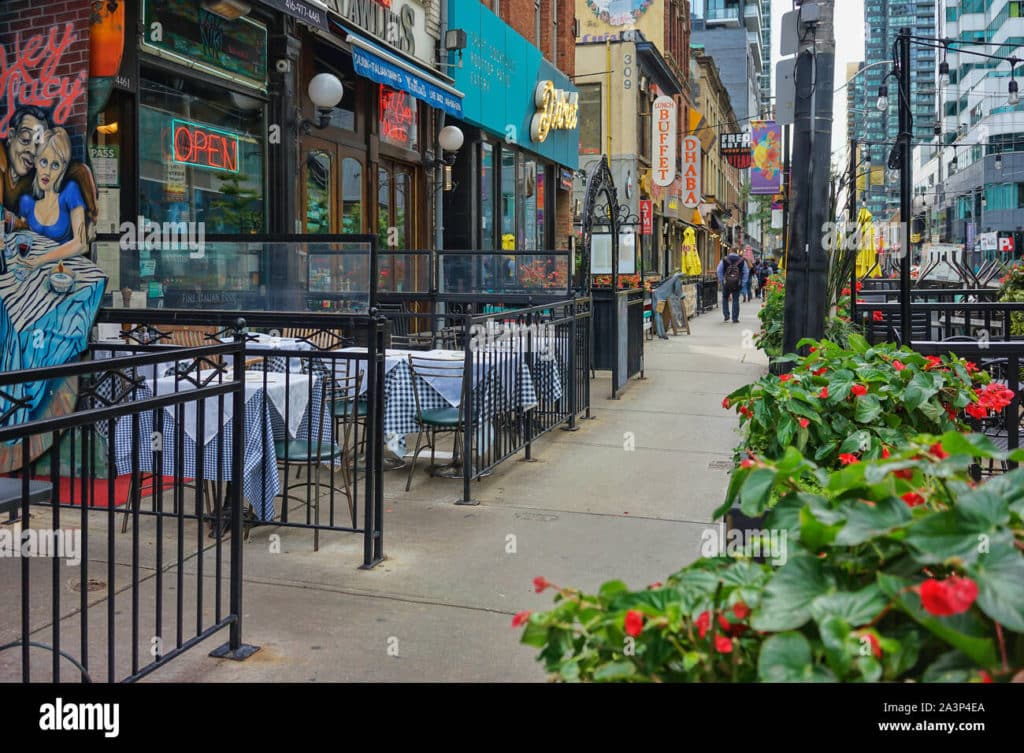
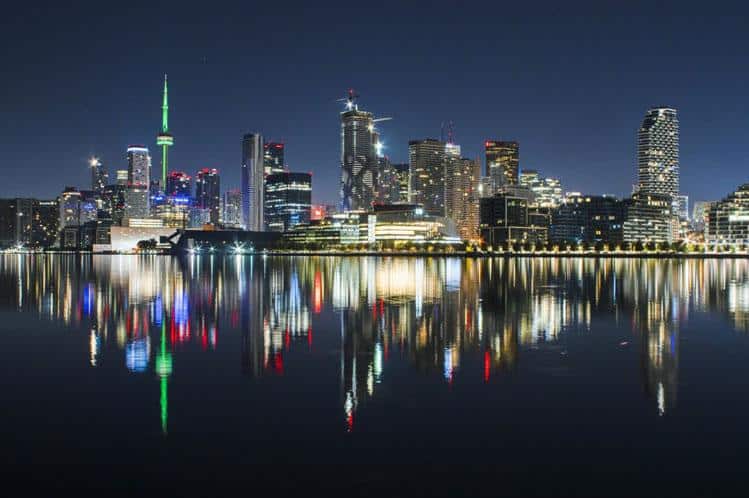
In Toronto’s dynamic urban landscape, Studio Forma Interior Design discerns a cityscape that embodies cultural richness, economic vibrancy, and a dedication to inclusivity. From its iconic skyline to its diverse array of neighborhoods and plethora of cultural attractions, Toronto has firmly established itself as a global hub renowned for its cosmopolitan allure. Through an exploration of its multifaceted identity, we delve into Toronto’s multicultural fabric, its robust economic standing, and the pulsating rhythm of urban life that defines its character. Inspired by the city’s vibrant spirit and diverse tapestry, Studio Forma crafts interior spaces that resonate with Toronto’s dynamic energy, fostering environments that reflect the city’s cosmopolitan essence and celebrate its status as a beacon of cultural diversity and economic prominence. Cultural Diversity and Multicultural Identity: In Toronto’s vibrant cultural landscape, Studio Forma Interior Design recognizes the city’s greatest asset: its unparalleled diversity, which positions it as a global leader in multiculturalism. As a melting pot of ethnicities, languages, and traditions, Toronto’s neighborhoods like Chinatown, Little Italy, and Kensington Market serve as living embodiments of the city’s rich cultural tapestry. Signature events such as Caribana, the Toronto International Film Festival (TIFF), and Taste of the Danforth serve as vibrant celebrations of Toronto’s diversity, showcasing the city’s dynamic fusion of cultures. Inspired by this rich cultural mosaic, Studio Forma designs interior spaces that reflect and celebrate Toronto’s multicultural essence, fostering environments that honor diversity and promote inclusivity within the urban fabric of the city. Iconic Landmarks and Skyline: In Toronto’s architectural panorama, Studio Forma Interior Design identifies the city’s iconic landmarks that serve as cornerstones of its global identity. The CN Tower, a testament to Toronto’s ambition and innovation, stands tall as a symbol of the city’s progress. Meanwhile, the Royal Ontario Museum (ROM), the Art Gallery of Ontario (AGO), and the striking City Hall imbue Toronto’s skyline with cultural significance and architectural depth. Along the waterfront, the Harbourfront Centre and the Toronto Islands beckon with panoramic views and abundant recreational activities, adding to the city’s allure. Inspired by these architectural marvels and natural landscapes, Studio Forma crafts interior spaces that harmonize with Toronto’s iconic skyline, capturing the essence of the city’s ambition, culture, and natural beauty. Economic Powerhouse and Financial District: In Toronto’s economic landscape, Studio Forma Interior Design recognizes the city’s status as a formidable economic hub, anchored by the prestigious Toronto Stock Exchange (TSX) and serving as the financial nucleus of Canada. The towering skyscrapers and corporate headquarters that define the Financial District stand as architectural symbols of Toronto’s economic prowess. Toronto’s magnetic pull extends to global businesses, startups, and entrepreneurs alike, drawn by the city’s reputation as a premier center for finance, technology, and innovation. Inspired by Toronto’s dynamic economic vibrancy, Studio Forma designs interior spaces that reflect the energy and innovation driving the city’s economic engine, fostering environments that inspire collaboration, creativity, and growth within the corporate landscape of Toronto’s Financial District. Education and Research Institutions: In Toronto’s educational sphere, Studio Forma Interior Design recognizes the city’s esteemed institutions, such as the University of Toronto, Ryerson University, and York University, as pillars of academic excellence and innovation. These universities play a pivotal role in shaping Toronto’s intellectual landscape, driving research advancements, and nurturing a highly skilled workforce. Supporting Toronto’s position as a global center for research and innovation, initiatives like the MaRS Discovery District and the Toronto Research and Innovation Network further bolster the city’s reputation as a hub of knowledge and discovery. Inspired by Toronto’s commitment to academic excellence and innovation, Studio Forma designs interior spaces within educational institutions that inspire learning, collaboration, and creativity, fostering environments that propel Toronto’s position as a leader in academia and research on the world stage. Culinary Scene and Gastronomic Delights: In Toronto’s culinary realm, Studio Forma Interior Design observes the city’s diverse population mirrored in its vibrant dining scene, where a plethora of international cuisines intertwine. From the bustling food stalls of St. Lawrence Market to the chic eateries lining Queen Street West, Toronto’s gastronomic landscape is a fusion of innovation and diversity. Through annual festivals like Winterlicious and Summerlicious, Toronto’s culinary excellence takes center stage, inviting residents and visitors alike to savor the rich tapestry of flavors that define the city’s dynamic food culture. Inspired by Toronto’s culinary diversity and creativity, Studio Forma crafts interior spaces within restaurants and eateries that reflect the city’s eclectic gastronomic identity, fostering immersive dining experiences that celebrate Toronto’s vibrant culinary scene. Green Spaces and Urban Parks: In Toronto’s urban fabric, Studio Forma Interior Design observes a commitment to integrating green spaces and recreational areas, despite the city’s density. High Park, Trinity Bellwoods Park, and the Toronto Islands serve as verdant havens where residents can engage in outdoor activities, enjoy picnics, and reconnect with nature amid the bustling cityscape. The city’s extensive network of bike paths, such as the Martin Goodman Trail and the Don Valley Bike Trail, promotes an active and sustainable lifestyle, encouraging residents to explore the city’s green corridors while reducing their carbon footprint. Inspired by Toronto’s dedication to green living and urban wellness, Studio Forma designs interior spaces that seamlessly blend with the surrounding natural environment, creating harmonious indoor-outdoor connections that enhance the quality of life for Toronto’s residents. Public Transportation and Accessibility: In Toronto’s urban fabric, Studio Forma Interior Design recognizes the city’s commitment to an efficient and interconnected public transportation system. From buses and streetcars to the Toronto Transit Commission (TTC) subway system, Toronto provides residents with comprehensive transit options that facilitate seamless movement throughout the city. The Union Pearson Express offers a direct connection between downtown and Toronto Pearson International Airport, streamlining travel for residents and visitors alike. Ongoing projects, such as the Eglinton Crosstown LRT, continue to expand Toronto’s transportation infrastructure, ensuring accessibility and connectivity remain top priorities for the city’s evolving landscape. Inspired by Toronto’s dedication to efficient transit solutions, Studio Forma designs interior spaces within transit hubs that prioritize functionality, comfort, and accessibility, enhancing the overall urban experience for Toronto’s residents

Toronto, Ontario: A Global Metropolis Where Diversity Thrives Read More »