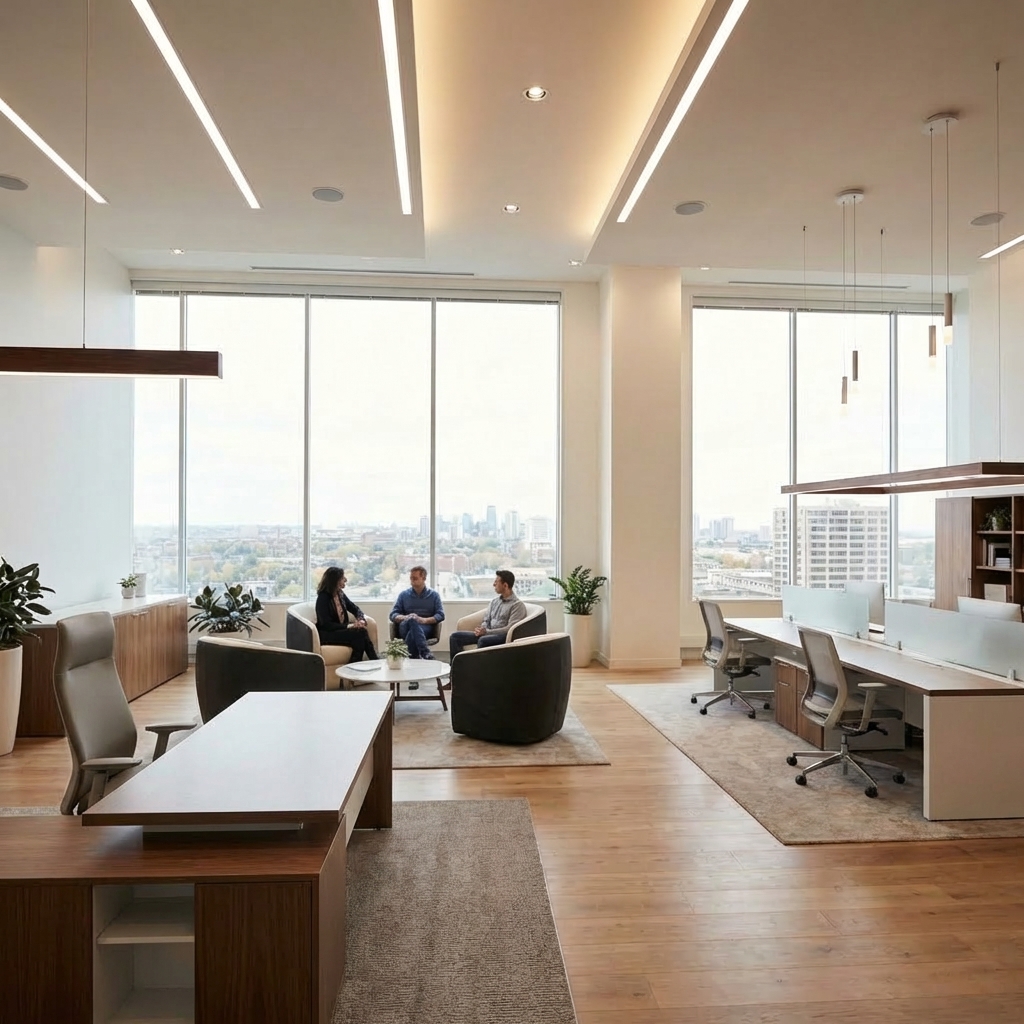
Office interior design costs don’t become a problem at the end of a project. They become a problem the moment assumptions replace decisions.
At the start, everything feels flexible. The layout can change. The finishes are open. Furniture will be “figured out later.” That flexibility feels like control, but it usually does the opposite. It creates a moving target. And moving targets are expensive.
By the time numbers start to settle, the project has already taken shape in pieces. A meeting room here. A feature wall there. A few upgrades that seemed harmless at the time. Suddenly, the budget isn’t wrong, it’s just reacting to decisions that were never fully aligned.
That’s the reality behind most commercial office design projects. Cost isn’t driven by one big decision. It’s driven by a chain of smaller ones, each affecting the next.
If you want to control the office budget, you have to understand where those pressure points actually are.
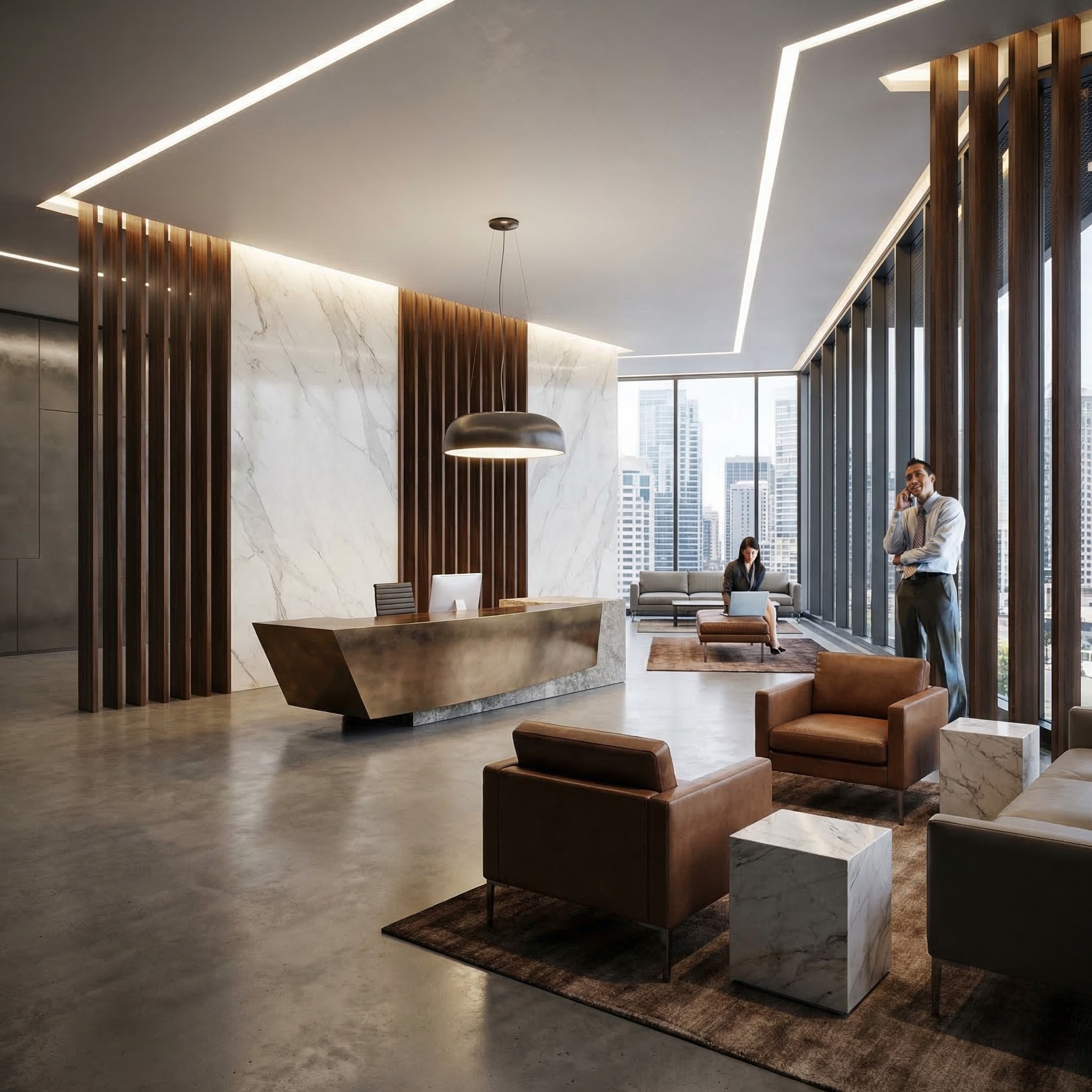
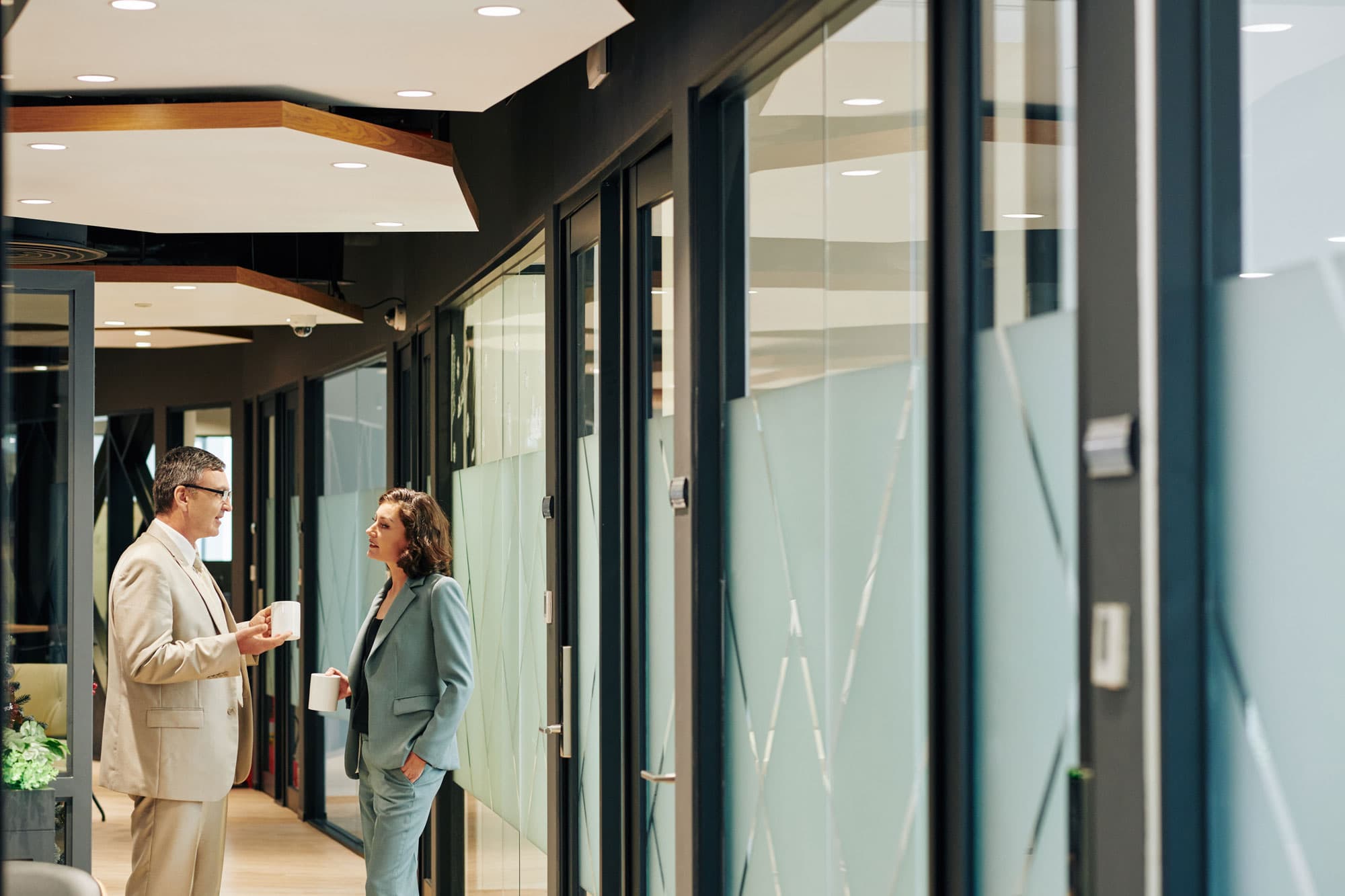
When Office Interior Design Expands Without Boundaries
The first driver of cost is scope, and it is the one most often underestimated.
A project rarely begins as a full redesign. It usually starts as a refresh. Then the office design layout is adjusted slightly. Then walls move. Then power and lighting follow. What began as a surface upgrade quietly becomes a construction project.
Office interior design becomes expensive when there is no clear boundary between what must change and what should stay. Without that line, every improvement feels reasonable, and the project keeps expanding.
Interior design services are most valuable at this stage, when they help define scope early. Once construction starts, pulling things back becomes difficult and costly.
Why Commercial Interior Design Costs Spike During Construction
There is a moment when flexibility disappears. That moment is when construction begins.
Before that, decisions are ideas. After that, they become changes.
Commercial interior design costs rise quickly when key elements are unresolved during construction. A finish may need to be replaced. A meeting room may feel too tight. A lighting plan may not suit the ceiling condition. Each adjustment requires rework.
This is why experienced teams push for early resolution. Office space planning, material selection, and furniture coordination should be tested before construction, not during it.
Most budget overruns are not caused by ambition. They are caused by late clarity.
The Real Cost Breakdown Behind an Office Project
For most finance leads, the biggest gap is not the total budget. It is the lack of clarity on where that money actually goes.
A commercial office design project typically breaks down into several key cost categories. Each one behaves differently, and each one can expand if not managed early.
You can present it like this:
Total Project Cost = 100%
- Design & Planning → 10%
- Construction → 50%
- Furniture → 20%
- Technology → 10%
- Contingency → 10%
(Phasing and procurement affect multiple categories rather than sitting as fixed percentages)
Design Fees
Design fees typically range from 8 to 15 percent of the total project cost, depending on scope and complexity.
This includes office interior design, space planning, documentation, and coordination. Lower fees often mean less detail, which can lead to higher costs later. Higher fees usually reflect a more resolved project upfront, which reduces risk during construction.
For cost-conscious teams, design is not where savings should be forced. It is where cost control actually begins.
Construction and Fit-Out
This is usually the largest portion of the budget. It can range widely depending on scope, but for most commercial interior design projects, it falls between moderate renovation and full build-out pricing.
Construction includes demolition, walls, ceilings, flooring, electrical, and mechanical adjustments.
Costs increase significantly when layouts change, when building conditions are poor, or when systems need to be upgraded. A simple refresh may avoid most of this. A full reconfiguration will not.
Office Furniture Design and Procurement
Furniture typically represents 15 to 30 percent of the total project cost.
Office furniture design is closely tied to layout and density. A higher-density workplace may reduce real estate cost but increase furniture complexity.
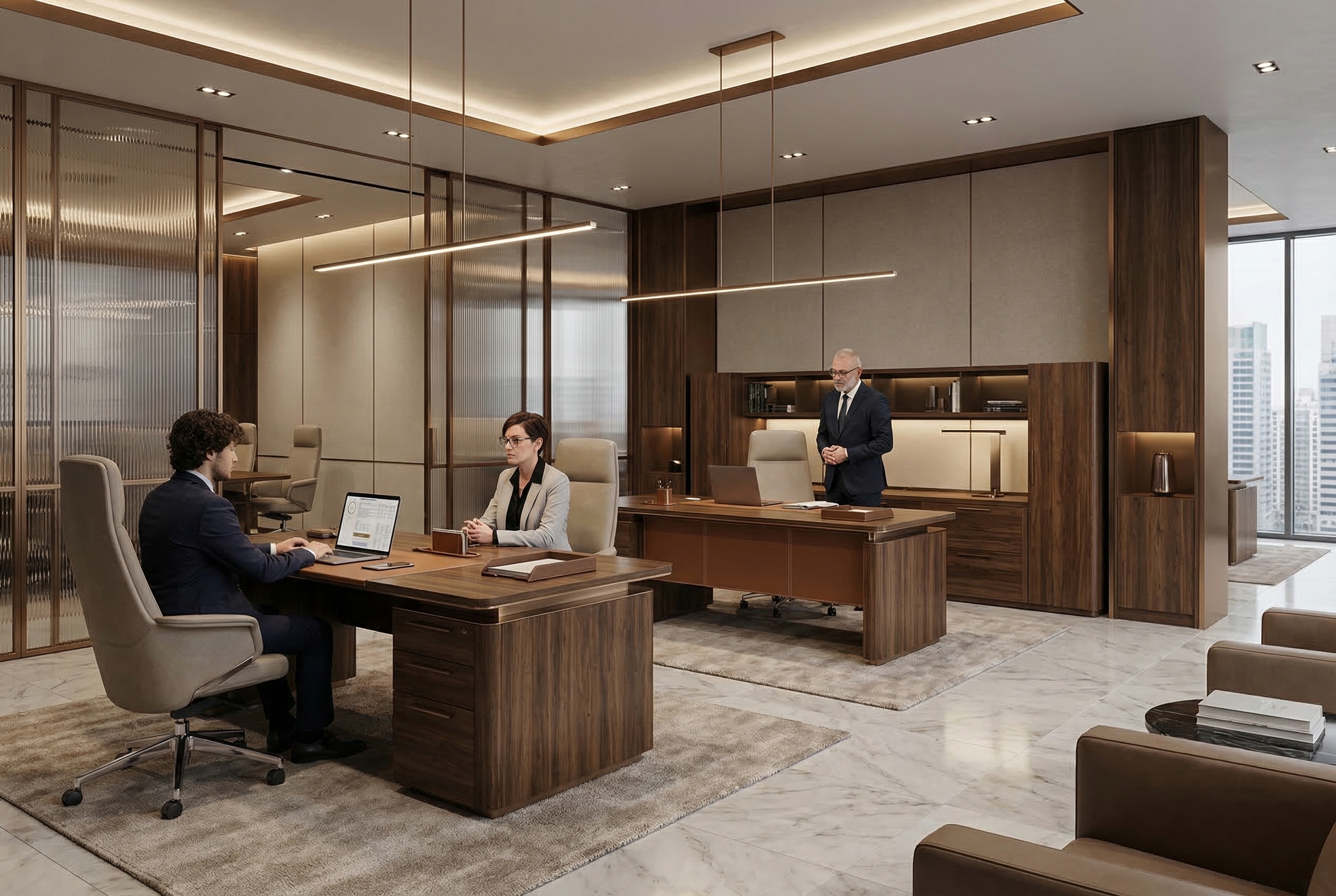
Workstations, boardroom tables, reception desks, and storage systems all vary in cost depending on durability, flexibility, and brand alignment.
Furniture becomes expensive when it is treated as an afterthought. When planned early, it integrates smoothly with the office design layout and avoids costly adjustments.
Phasing and Business Continuity
If a business needs to remain operational during construction, phasing becomes a major cost factor.
Phased construction requires additional coordination, temporary setups, and extended timelines. It often increases labour costs and slows progress.
However, it may still be the right decision if downtime is more expensive than construction efficiency. This is where financial and operational priorities need to align.
Contingency
A realistic contingency typically sits between 10 and 15 percent of the construction budget.
This is not a buffer for poor planning. It is protection against unknown conditions. Older buildings, hidden services, and unforeseen site issues can all introduce costs that were not visible at the start.
Projects without contingency do not eliminate risk. They simply push it into the open later.
Procurement and Lead Times
Procurement is often overlooked, but it directly affects both cost and schedule.
Custom millwork, specialty lighting, and imported furniture can carry long lead times. If decisions are delayed, projects may incur rush charges or temporary solutions.
Interior design services help coordinate procurement early so that the project flows without disruption. Timing is just as important as selection.
How Office Space Planning Quietly Controls the Budget
Layout decisions shape almost every cost category that follows.
Office space planning determines how efficiently the space is used. A well-planned office reduces the need for extra rooms, simplifies circulation, and makes better use of existing infrastructure.
A poorly planned one creates pressure. More meeting rooms are added. Workstations are reconfigured. Storage appears where it was never intended. Each adjustment adds complexity.
Density also plays a role. A tighter office may reduce lease costs but increase spending on acoustics, furniture, and coordination.
Office design layout is not just about fitting people into space. It is about reducing the number of problems that need solving later.
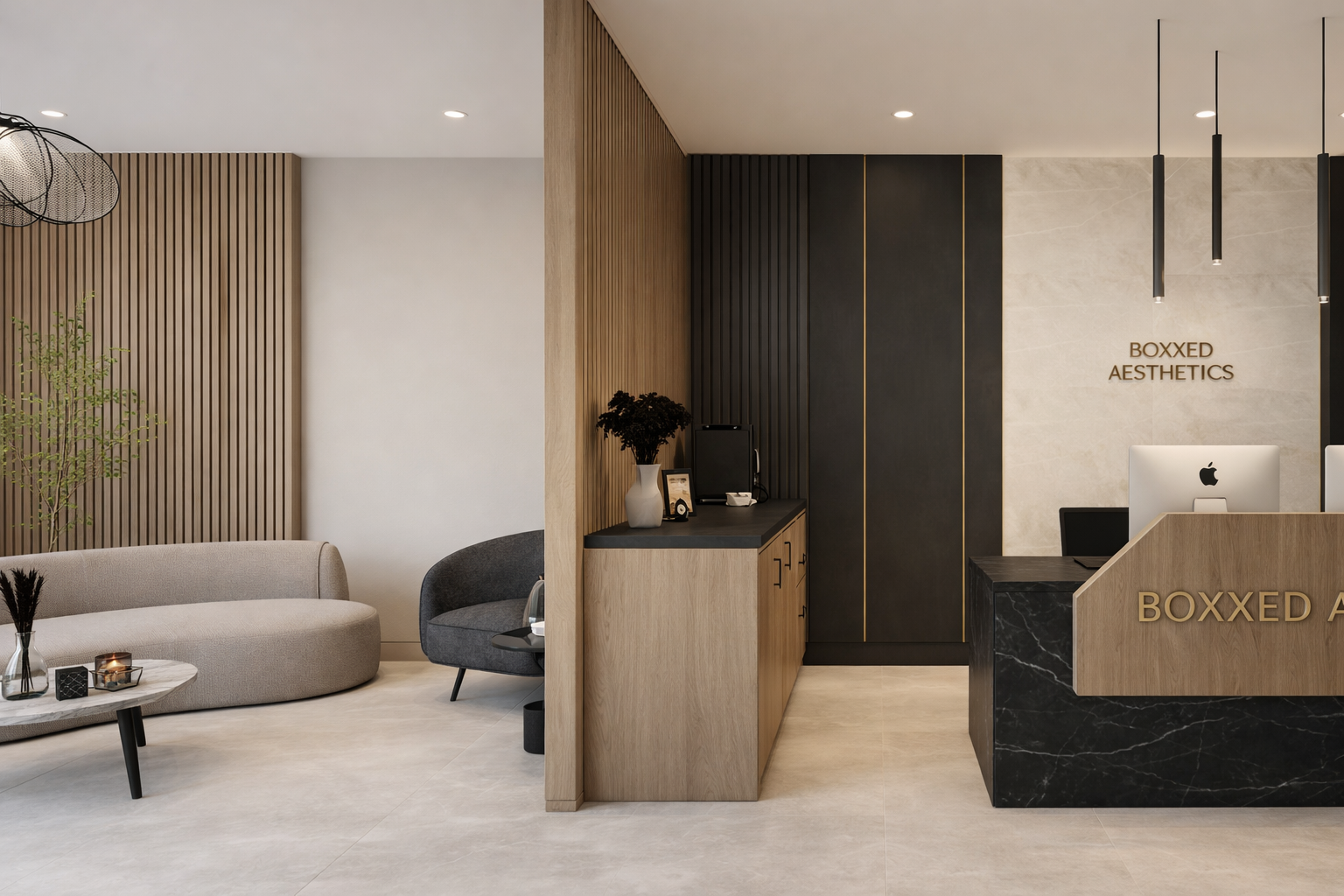
Where Corporate Interior Design Shapes Cost Expectations
The final cost driver is expectation.
Corporate interior design reflects how a business wants to be perceived. That expectation often evolves as the project develops.
A reception area may feel underwhelming once other upgrades are complete. A boardroom may need a higher level of finish once it becomes client-facing. These adjustments are natural, but they often happen late.
When brand, budget, and design direction are aligned early, the project moves with more confidence. When they are not, the budget becomes reactive.
Interior design firms Toronto often see this shift happen mid-project, when expectations catch up with reality. The earlier that alignment happens, the more controlled the cost becomes.
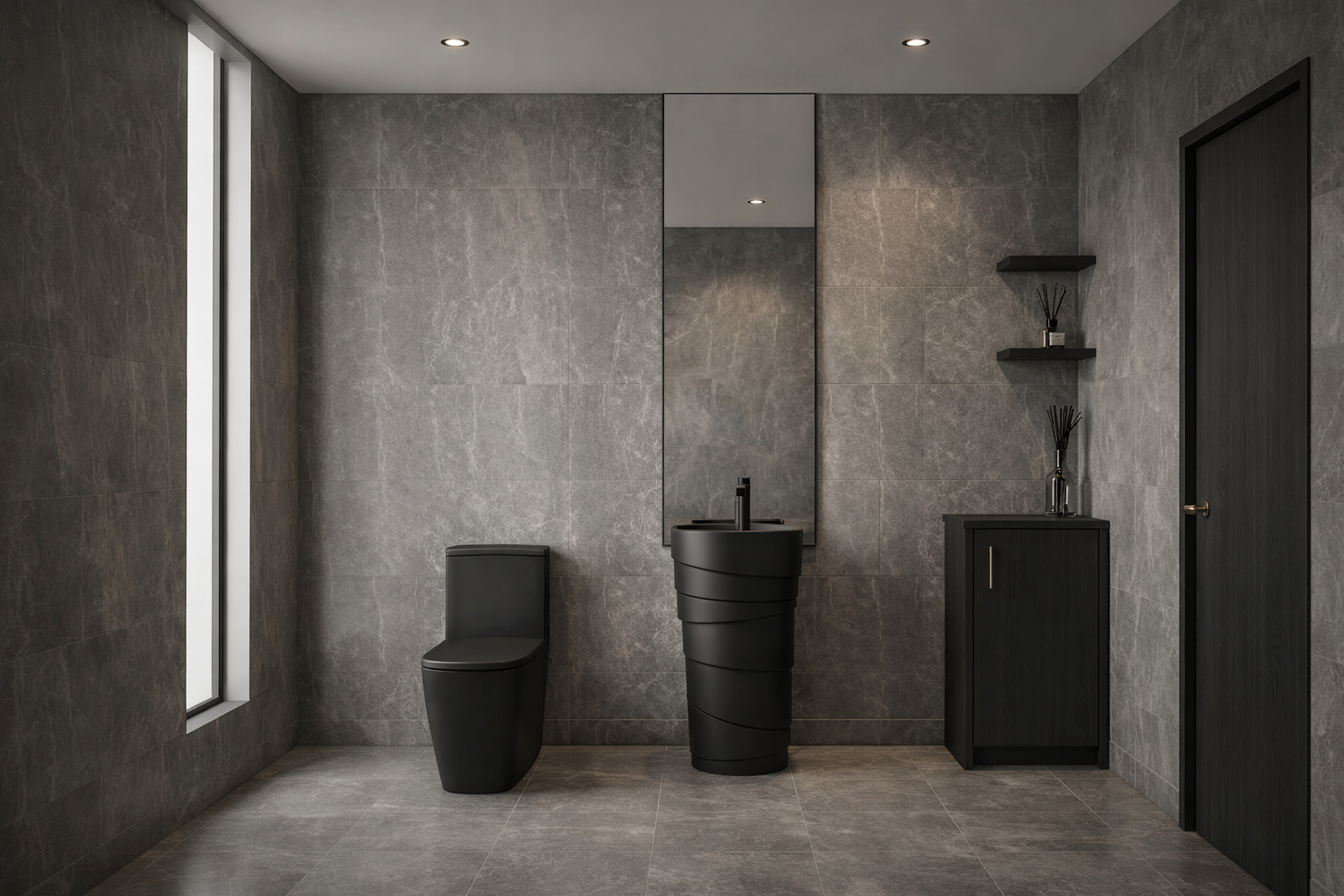
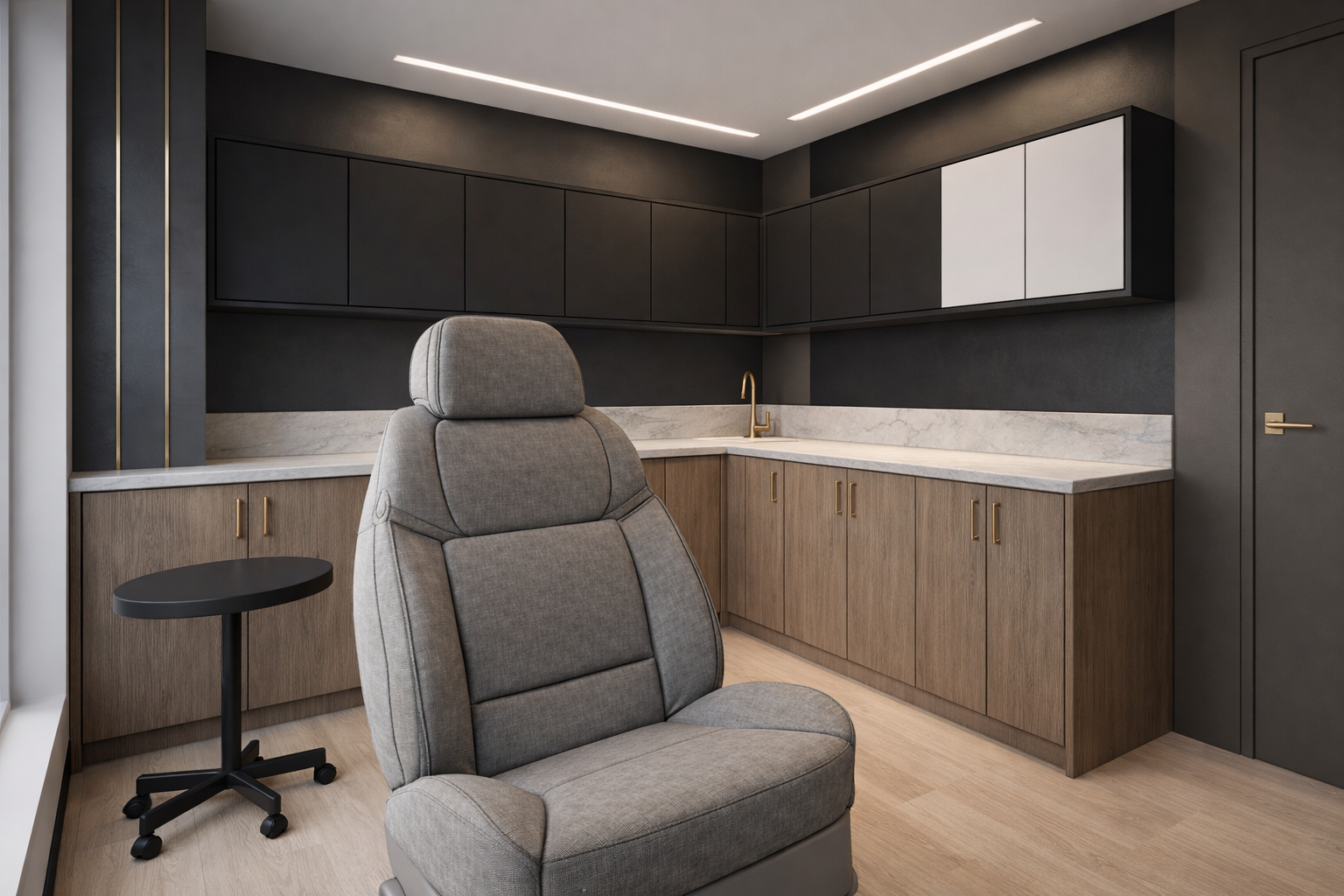
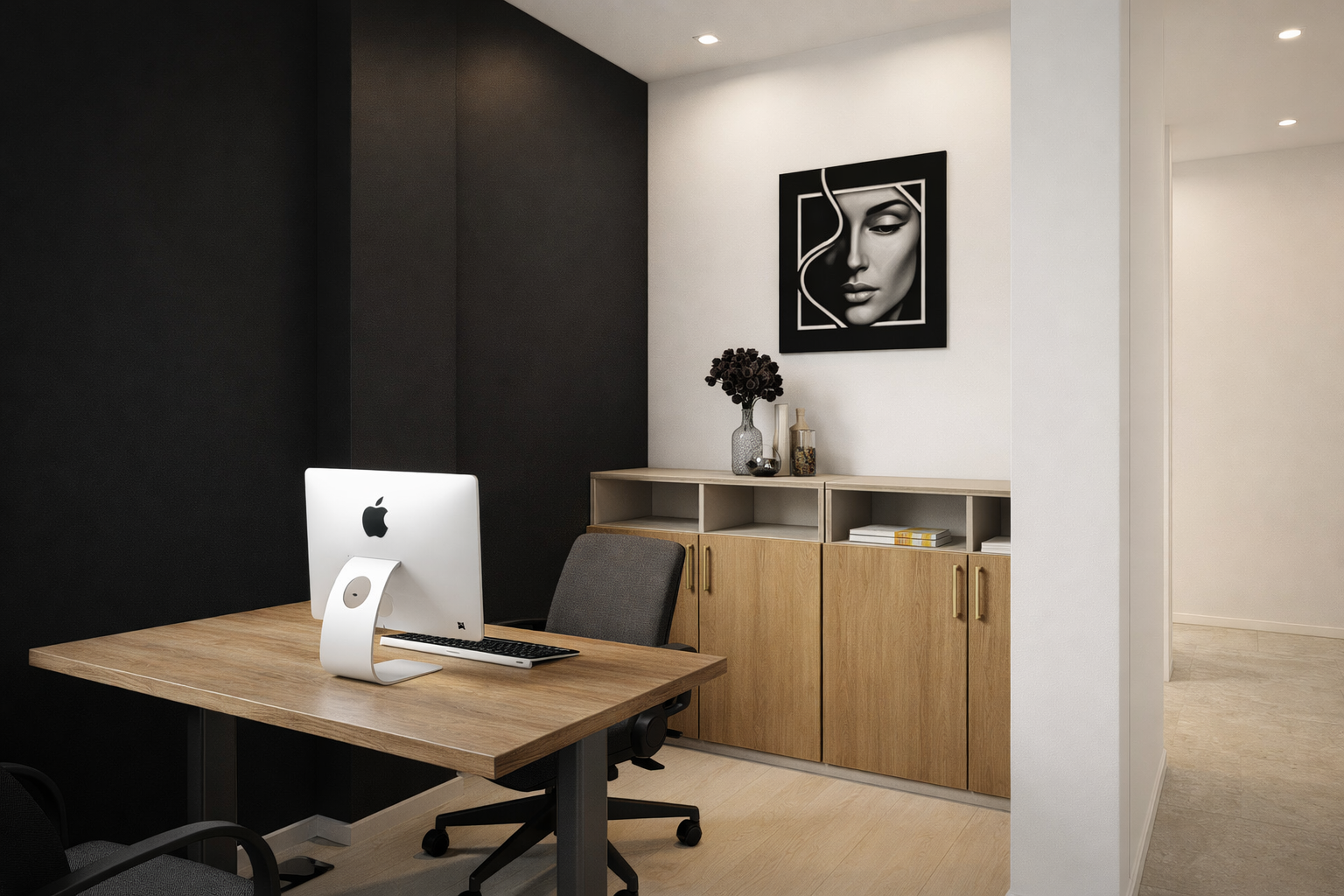
Frequently Asked Questions (FAQ):
Why do office design projects often cost more than expected?
Because decisions are made too late or without full alignment. When layout, finishes, and furniture are not resolved early, changes during construction become more likely, and those changes are more expensive to implement.
Is a larger office always more expensive to design?
Not necessarily. A well-planned larger office can be more efficient than a poorly planned smaller one. Layout efficiency and building conditions often have a bigger impact on cost than size alone.
When should furniture be considered in the project timeline?
Furniture should be considered early, alongside layout and space planning. Waiting until the end often leads to mismatches that require adjustments, which increases cost.
Key Takeaways
- Project cost is driven more by decisions than by square footage
- Scope expansion is one of the most common reasons budgets increase
- Late changes during construction are significantly more expensive
- Office space planning reduces downstream problems and costs
- Furniture decisions should be made early, not at the end
- Clear alignment between design and expectation prevents budget drift
- The most stable projects are the ones that are fully resolved before building begins
Cost in a commercial office project is rarely about a single line item. It is about how well decisions connect to each other.
When layout, furniture, finishes, and brand direction are aligned early, the project moves with less friction. When they are not, the budget becomes reactive, adjusting to changes instead of supporting a clear plan.
Good office interior design does not just shape how a space looks or feels. It shapes how a project unfolds. And that is often where the real value sits.
If your project budget keeps shifting, it may not be the numbers that need adjusting, but the decisions behind them. Hire professional interior design services and see the big leap.