






Typical Office Size
Getting the right office size is more than just fitting desks, it’s about creating a space that boosts productivity and comfort. A well-designed office considers future growth, private offices, and meeting rooms, making a real difference in how your team functions and feels.
Whether you’re moving to a new office or reevaluating your current office interior design setup, understanding the ideal office size is crucial for boosting both morale and efficiency. Read on to learn how to find the perfect space for your team!

What is the Typical Office Space Per Employee?

The average office space per employee varies significantly depending on the industry, company culture, and office layout. On average, businesses allocate 150-175 square feet per employee, but this can change based on several factors.

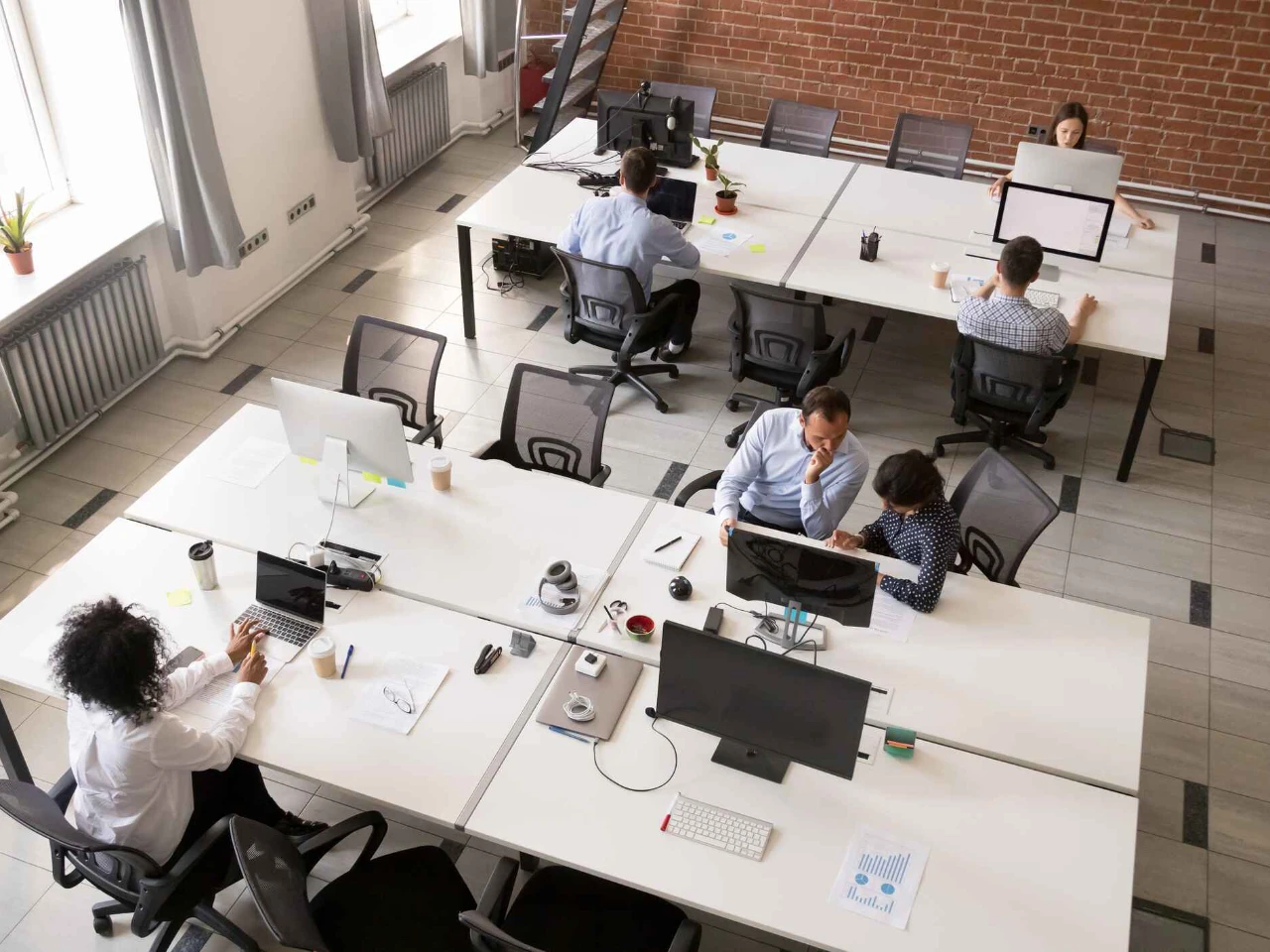
  • Open office layouts commonly require less space, with an average of 100-150 square feet per person. These setups are more collaborative but offer less privacy.
  • For companies using private offices, each employee might need 200-250 square feet, allowing for quiet workspaces and meeting rooms.
  • Hybrid work environments (combining in-office and remote work) may reduce space needs, as fewer employees are present in the office simultaneously.
  • Industry-specific needs also play a role. For example, tech and design firms often require more room for specialized equipment or collaboration spaces, which can push the need to 200+ square feet per employee.

Also, trends like hot-desking and flexible workstations can further lessen the amount of space needed per employee. Yet, determining the right amount of space depends on the unique needs of your workforce and the desired office environment.

Office Size Standards

Office size standards that can be recommended by professional interior design services are essential for creating a functional and comfortable workspace. These standards differ based on office types, roles, and the nature of the work being conducted. Here’s a breakdown of common standards:

Private Offices

Normally ranges from 120 to 150 square feet for mid-level staff and 200 to 400 square feet for executives, allowing for both desk space and small meetings.

Open Office Layouts

Open office environments tend to be more space-efficient, with each employee usually allocated between 100 to 150 square feet.

Conference Rooms

These rooms are generally calculated based on seating capacity, with the standard being around 25 to 30 square feet per person. For instance, a room designed for 10 people would be about 250 to 300 square feet.

Collaborative/team Areas

It can vary but usually requires 30 to 50 square feet per person, depending on the type of work and meeting space required.

Reception Areas, Break Rooms, and Shared Spaces

These areas typically makes up around 15-20% of the total office square footage.

Support Spaces

Spaces such as server rooms, file storage, and copy areas are also important, often taking up 5-10% of the office’s total space.

These guidelines provide a baseline for planning your office size, but every business has unique needs. It’s crucial to tailor the standards to your specific industry, team size, and future growth potential.

Determining How Much Office Space You Need for Future Growth

Determining your space needs for future growth is important to ensure your office can adapt to changes without requiring frequent moves or renovations. Here are key steps to help you assess your future office size requirements:

Key Mistakes to Avoid"

Analyze Your Current Office Size

Start by assessing your current office size and how it meets everyday needs. Look at factors such as square footage per employee, the amount of desk space, and the efficacy of collaborative areas. Understanding how much office space per employee you currently utilize will inform future space needs.

Estimate your company’s growth over the next years. Consider hiring plans and potential expansions. As a general guideline, allocate 10-20% more square footage per employee to accommodate future hires. This foresight helps you avoid overcrowding and ensures each employee has fair and enough square feet of space.

Stay informed about industry trends that may influence your office space. For instance, if remote work is becoming more prevalent, you might need less office space per person. Conversely, if your company is expanding and requires more collaboration, be prepared to increase your average office size.

Think about what types of spaces you will need as your business grows. This might include additional meeting rooms, larger collaborative areas, or private offices. Generally, aim for an average square footage that can accommodate these requirements while providing room for flexibility.

An office space calculator can be a handy tool for estimating your future needs. These calculators consider office space per employee, allowing you to determine how much square footage is necessary based on your projected staff size and organizational structure.

Engaging with office planners or workplace strategists can provide valuable insights tailored to your business. They can help you determine how much office space you will need, taking into account space planning, optimal office layout, and future growth.

By analyzing your current office size, projecting employee growth, and planning for future space requirements, you can effectively determine how much office space you will need to support your organization’s evolution.

The Importance of Office Space Planning in Office Design

Office space planning is crucial in office design, ensuring your workplace is functional and efficient. Here are key reasons why it matters:

Optimizes Office Size and Layout

Effective space planning determines the ideal office size based on your team’s needs. By analyzing space per employee, you can allocate the right amount of desk space, ensuring comfort and enhancing productivity.

Enhances Collaboration

A well-thought-out layout promotes collaboration. By strategically placing conference rooms and open areas, you encourage teamwork and enhance communication, creating a vibrant work environment.

Supports Future Growth

Planning for future growth allows your office design to adapt to changes, such as team expansion. This foresight helps accommodate evolving space needs without the hassle of major renovations.

Improves Employee Well-Being

A thoughtfully planned office space positively impacts employee morale. Incorporating elements like natural light and dedicated areas for breaks contributes to a healthier work-life balance, ultimately enhancing overall productivity.

Maximizes Efficiency

Streamlined workflows are achieved by organizing workstations for easy access to resources. This arrangement minimizes distractions and optimizes the square footage per person.

How Does Office Layout Affect Square Footage Needs?

The office layout significantly impacts the square footage needs of your workspace. Here’s how various layouts can influence the amount of space required:

  • Open Office Layout: This layout encourages collaboration and communication but typically requires more square footage. A typical open office may need about 75 to 150 square feet per employee to allow for movement and shared resources, impacting your overall office size.
  • Private Offices: In contrast, private offices require more space per person, often requiring 150 to 175 square feet per employee. The need for rooms for private meetings further increases total space requirements.
  • Hybrid Models: Many companies use hybrid layouts combining open and private spaces, which can lead to variable space per employee based on the workforce present at any time. This flexibility helps optimize office size while adapting to changing dynamics.
  • Conference Rooms and Amenities: Shared facilities like conference rooms also affect square footage needs. A recommended guideline is to have one conference room for every 20 employees, adding to your overall space requirements.

How to Use an Office Space Calculator for Planning?

Using an office space calculator can simplify the process of determining how much space you need for your new office. Here’s how to effectively utilize one:

Input Employee Count: Start by entering the total number of employees and the type of office layout you plan to use (open, private, hybrid).

Add Additional Spaces: Include any extra spaces needed, such as conference rooms, break areas, and collaboration zones.

Review Recommendations: The calculator will provide you with recommendations for total square footage based on industry standards and your specific inputs.

Using a calculator helps you visualize and plan your office more effectively, ensuring you meet both current and future space requirements.

Let’s Discuss Your Space

Optimizing Your Office Size and Space Utilization

Optimizing your office size and ensuring effective space utilization is essential for improving productivity and comfort. Here are key methods to achieve this:

Conduct a Space Audit

Start by evaluating your current office space. Assess how much square footage each employee requires and identify underutilized areas. This analysis helps determine whether you need more or less office space per employee.

Consider adopting flexible work arrangements, such as hot desks or shared workstations. This approach allows employees to use space more efficiently, reducing the overall amount of office space needed while accommodating varying team sizes.

Create collaborative areas that encourage teamwork without sacrificing personal workspaces. Incorporating comfortable lounges, meeting zones, and break areas can enhance employee interaction while maintaining optimal square footage per person.

Make the most of vertical space by using shelving, cabinets, and wall-mounted storage solutions. This strategy helps keep the floor space open and organized, maximizing desk space and contributing to a more efficient office layout.

Choose furniture that serves multiple purposes, such as foldable tables or convertible seating. This flexibility allows you to adjust the office layout easily and can lead to significant savings in square footage needs.

When optimizing your office size, consider your company’s potential growth. Ensure that your design allows for scalability, helping to accommodate changes in space needs without significant renovations.

Implementing office management software can help track space utilization effectively. This technology provides insights into how different areas are being used, allowing for informed decisions on layout adjustments.

Choosing the right desk shape will enhance the functionality of your reception area and help create a welcoming environment that aligns with the overall design of your office.

Final Thoughts

Determining the right office size is crucial for fostering a productive and comfortable work environment. By understanding the average space requirements per employee and considering specific needs based on your industry and layout, you can create an office that meets both current and future demands.

It’s essential to account for factors like team growth, collaborative spaces, and individual work areas to optimize your workspace effectively.

Clever planning for your office interior design can enhance employee morale, improve efficiency, and support the overall success of your company. Taking the time to evaluate and optimize your office size will lead to a more vibrant and functional workplace.

Featured Posts

Greenworks Interior Design Office Design

Battery-Powered Brand, Nature-Inspired Space: Greenworks Office Design Case Study

March 11, 2026
Treefrog Office Interior Design

Natural Light Solutions for Windowless Office Interior Design

March 11, 2026

Top Features to Prioritize in a Modern Commercial Interior Design to Improve Productivity

March 8, 2026
Frequently asked questions

The average square footage for office space you need per employee typically ranges from a minimum of 100 square feet per person to 250 square feet per person, depending on factors like office density and layout. Here are some important details:

Basic Calculation: For a 25-person company, the standard office size would need approximately 2,500 to 6,250 square feet of office space to meet basic requirements.

Space You Need per Person: The amount of space per employee is important for ensuring comfort and productivity. A more traditional office layout may require more space per person compared to a mostly open office design.

Conference Room Needs: It’s common to allocate one conference room per 20 employees, ensuring enough meeting space without overcrowding.

Growth Considerations: When estimating the amount of space needed, consider future growth and whether the lease needs to support an increase in staff or operations.

Understanding the average square footage per employee helps businesses determine their office space requirements while planning for future growth.

Estimating how much space you need for your office involves evaluating several key factors, including employee count and workspace layout preferences. Here’s how to approach it:

Space Per Person: Calculate the space you need per person, aspiring for at least 100 square feet per employee in a mostly open office layout.

Room Requirements: If you need more rooms for private meetings or additional amenities, adjust your total space requirement accordingly, such as ensuring one conference room per 20 employees.

Existing Office Evaluation: Assess your existing office size and layout to identify what works and what might require changes in your next office.

Long-term Planning: Consider how much office space per person you might need in the future, especially if your business is expected to grow.

Acareful estimation of your office space requirements will help ensure a comfortable and functional work environment tailored to your needs.

Several factors influence office space requirements, including employee count, office density, and business operations. Here are some key considerations:

Employee Size: The number of employees directly influences the amount of space per person needed for comfort and efficiency.

Office Density: Higher office density reduces the amount of square feet required per person, but it may impact employee satisfaction and productivity if not managed properly.

Layout Preferences: Different office layouts, such as a traditional office layout versus a mostly open office, significantly influence overall space needs.

Meeting Spaces: Planning for the appropriate amount of conference rooms, typically one per 20 employees, ensures that your office can accommodate necessary meetings and collaborations.

Understanding these factors is crucial for determining the appropriate office space requirements to meet both current and future business needs.

An office finder is a valuable tool for locating the right physical office space that meets your specific needs. Here’s how to effectively use it:

Input Requirements: Enter your specific needs, such as the average square footage per employee, desired office density, and the number of private rooms required.

Lease Flexibility: Look for options that provide flexibility in lease agreements to support your business’s growth and changing office space requirements.

Minimize Space Per Person: Use the office finder to identify listings that offer the least amount of space per person while maintaining a productive work environment.

Amenities: Ensure the selected offices include sufficient meeting spaces, ideally one conference room per 20 employees, and consider additional breakout areas for collaboration.

Using an office finder simplifies the search for office space that aligns with your company’s needs, ensuring you make informed decisions.

Office space density is a critical aspect of workspace planning, impacting productivity, comfort, and operational efficiency. Here are the main points to consider:

Utilization of Space: Higher office density reduces the amount of space you need per person, which can lead to cost savings, but may create challenges in comfort and functionality.

Employee Collaboration: A mostly open office layout encourages collaboration among teams but requires careful planning to provide adequate private spaces for focused work.

Meeting Requirements: Planning for an adequate number of conference rooms, such as one per 20 employees, is essential for supporting meetings and teamwork without overcrowding.

Future Growth Needs: When planning your next office, consider how office density will affect your lease needs and flexibility for accommodating future growth.

Understanding office space density is vital for creating an efficient and adaptable workspace that meets the needs of employees while supporting business objectives.