Technical teams work differently from most office design environments.
They deal with complexity for long stretches at a time. One interruption during a drawing review, coordination session, or technical analysis can derail concentration completely. At the same time, these teams still rely heavily on collaboration. Engineers, consultants, project managers, and technical specialists constantly move between focused work, internal coordination, and client-facing discussions throughout the day.
That balance is where many workplaces begin to fail.
The workplace may have a modern office design, but the environment does not actually support how technical work happens. Teams struggle to focus in overly open layouts. Project discussions spill into circulation areas because dedicated collaboration rooms are limited. Storage becomes inconsistent as drawings, samples, and technical documents accumulate over time. Clients walk through spaces that feel busy but not necessarily controlled.
These issues rarely appear dramatic on their own. But together, they affect performance, workflow, and perception.
Designing offices for technical teams requires a different approach to office interior design. The workplace needs to support concentration without isolating teams, collaboration without constant noise, and professionalism without becoming overly rigid.
That is what separates technical workplaces that simply look updated from workplaces that genuinely perform better.
Office Interior Design Should Protect Concentration Without Isolating Teams
Focus work still drives much of the value created in technical environments.
Engineers reviewing technical drawings, consultants preparing reports, architects coordinating documentation, and analysts reviewing project data all rely on sustained concentration.
When office interior design ignores that reality, employees begin creating workarounds immediately. Headphones become permanent. Meeting rooms get booked just to access quiet space. Focused tasks shift outside office hours because the environment no longer supports concentration during the day.
This is where many generic workplace strategies fall apart for technical firms.
Open office concepts may improve visibility, but too much openness creates cognitive fatigue. Constant movement and overlapping conversations make detailed work harder to sustain over time.
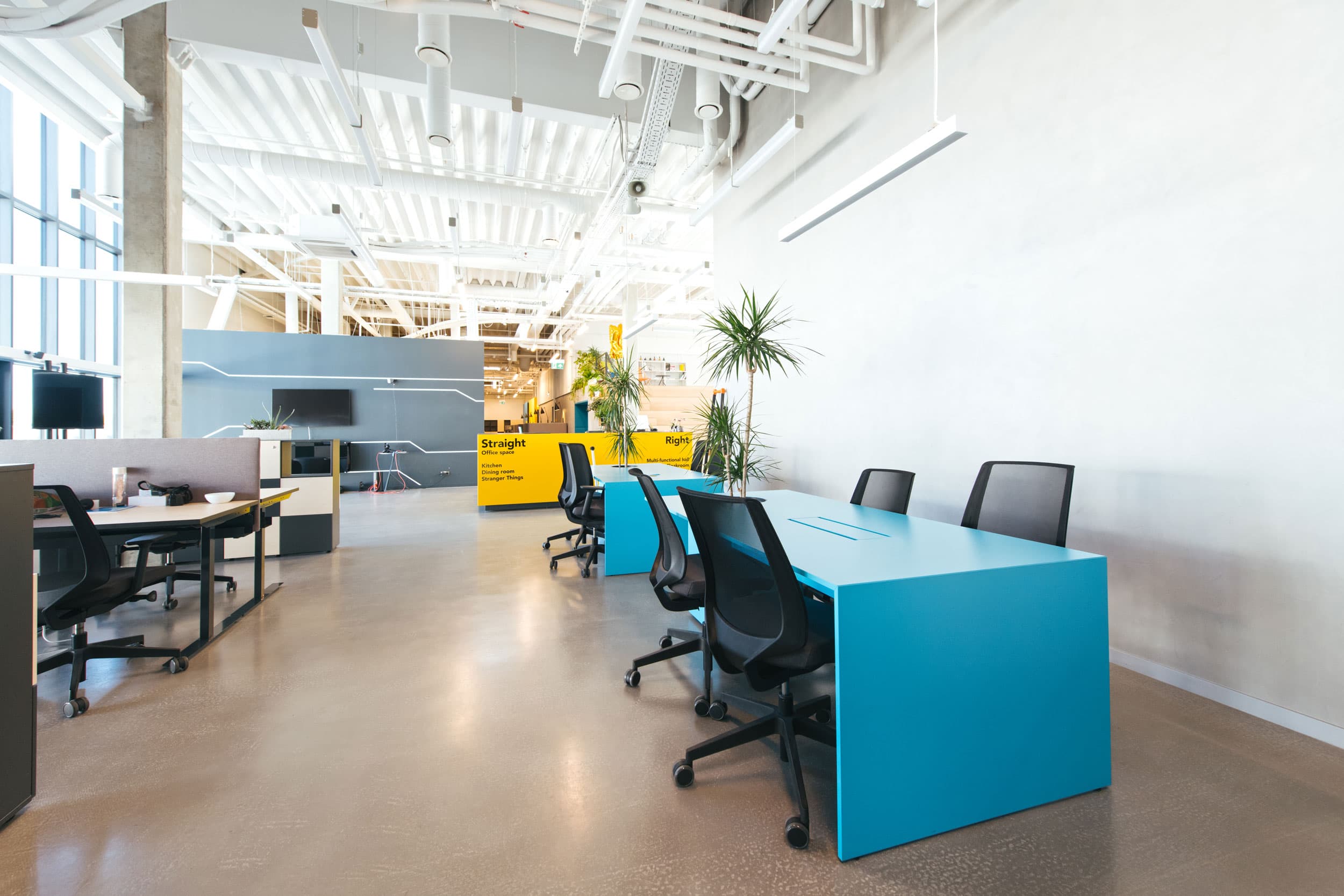
Commercial interior design for technical teams should balance openness with control. Quiet zones, enclosed focus spaces, and acoustically protected work areas allow employees to concentrate without disconnecting entirely from their teams.
The goal is not isolation. It is reducing unnecessary interruption while still supporting collaboration when needed.
When office space planning protects focus properly, productivity improves without employees needing to adapt around the office constantly.
Project Rooms Need to Support Real Collaboration, Not Temporary Meetings
Technical collaboration is rarely quick or informal.
Project discussions often involve drawings spread across tables, multi-disciplinary coordination, digital reviews, and ongoing problem-solving that can last for hours.
Yet many workplaces still rely too heavily on generic meeting rooms that were designed for presentations rather than active technical work.
That mismatch creates friction quickly. Teams either occupy rooms longer than intended or move discussions into open areas where concentration and confidentiality suffer.
Office design layout should account for dedicated project rooms that support how technical teams actually collaborate.
These spaces should allow:
- extended working sessions
- display of ongoing project materials
- hybrid coordination with remote teams
- access to large-format reviews and technical tools
Office furniture design also becomes important here. Large collaborative tables, flexible seating arrangements, and durable surfaces support technical workflows more effectively than highly stylized furniture that prioritizes appearance over usability.
Canadian office furniture systems often perform well in these environments because they are built around adaptability and long-term use rather than purely visual trends.
Project rooms should feel integrated into workflow instead of treated as secondary spaces employees compete to access.
Commercial Interior Design Should Reinforce Professional Client Experience
Technical firms rely heavily on credibility.
Clients may not evaluate design consciously, but they immediately notice whether the workplace feels organized, controlled, and professional.
Commercial interior design plays a significant role in shaping that perception.
Reception should feel structured without becoming overly corporate. Meeting rooms should support privacy and concentration. Circulation should guide visitors naturally without exposing operational areas unnecessarily.
This matters especially in engineering, consulting, and technical services environments where clients expect precision and coordination.
A workplace that feels chaotic or overly improvised weakens confidence quickly, even if the technical expertise behind the work is strong.
Corporate interior design should create a sense of control through layout, acoustics, and organization rather than relying on excessive branding or decorative gestures.
The strongest technical offices often feel quieter, clearer, and more deliberate than trend-driven workplaces. That restraint reinforces trust.
Secure Storage Is Often Overlooked Until It Becomes a Problem
Technical workplaces accumulate material constantly.
Drawings, samples, specifications, project files, equipment, and reference materials all require storage that remains accessible without disrupting workflow.
Yet storage is often treated as secondary during office planning.
The result is predictable. Materials begin overflowing into work areas. Shared spaces become temporary storage zones. Teams lose time searching for information or relocating project materials.
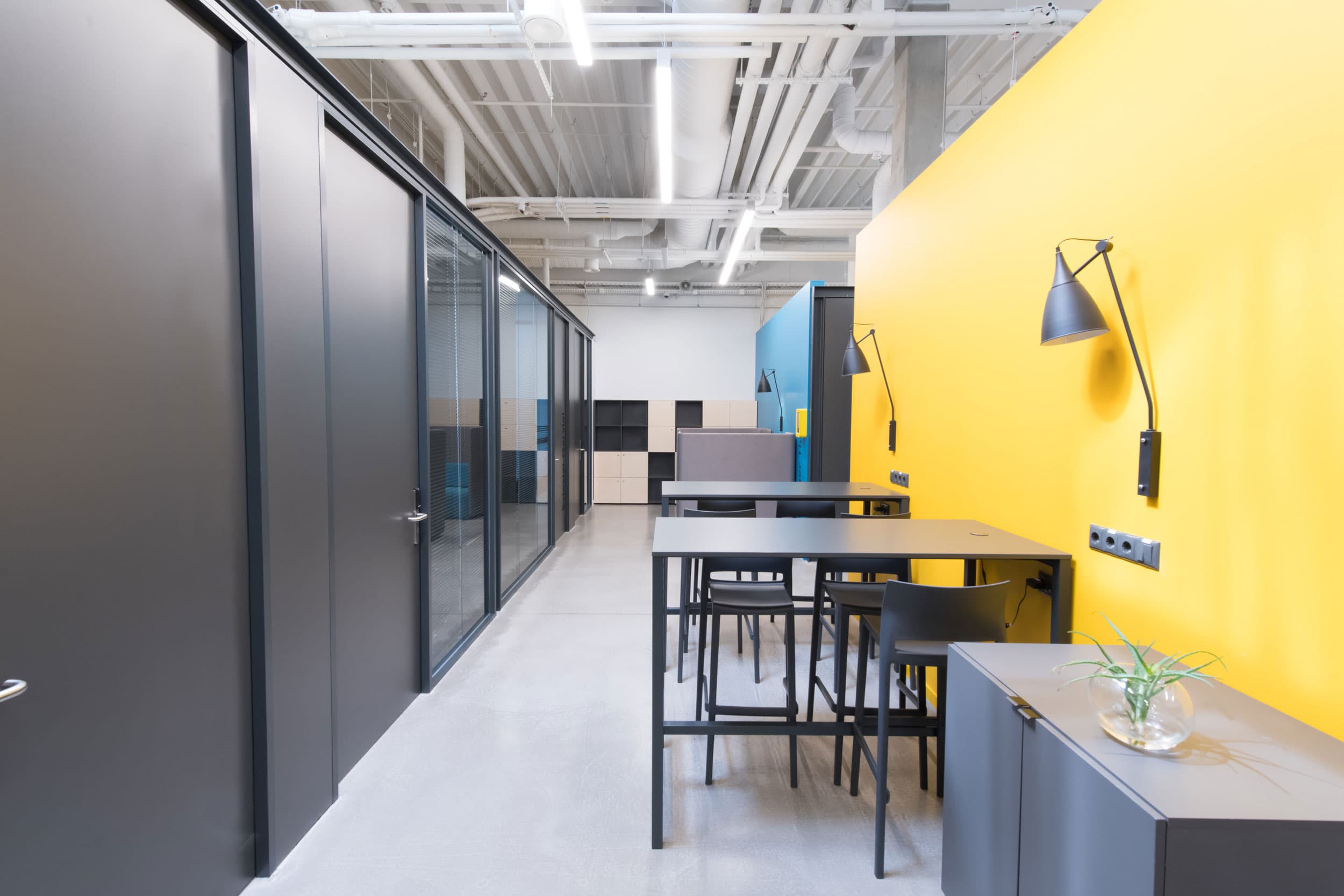
Office space planning should integrate secure and accessible storage early rather than treating it as leftover space.
Technical teams often need:
- lockable storage for confidential documentation
- accessible sample libraries
- secure areas for equipment and project materials
- organized archival systems that support long-term project work
Office furniture design can help support this flexibility when integrated properly into the workplace instead of added reactively later.
When storage is planned effectively, workflow becomes smoother and the office feels more controlled operationally.
Office Design Layout Must Support Movement Between Different Modes of Work
Technical teams rarely stay in one mode of work for long.
A project manager may move from concentrated review work into a coordination meeting, then into a client presentation, all within the same afternoon.
Rigid workplaces make those transitions difficult.
This is where office design layout becomes more strategic.
Employees should be able to shift between focused work, collaboration, and client interaction without constantly searching for usable space. Quiet areas should be close enough to project rooms to remain practical. Meeting spaces should support both internal and external discussions. Shared zones should encourage interaction without disrupting concentration nearby.
Interior design services that specialize in technical and engineering environments tend to focus heavily on these workflow transitions because they affect productivity every day.
The strongest workplaces reduce friction between different types of work instead of forcing employees to adapt constantly to the limitations of the office.
Generic Workplace Trends Rarely Work Well for Technical Firms
Technical teams operate differently from many other office environments.
That difference is where many workplace projects lose effectiveness.
Generic professional-services offices often prioritize openness, visual branding, or hospitality-inspired features without fully considering how technical work actually happens.
Interior design firms Toronto that specialize in technical environments typically approach planning more operationally. They focus on:
- concentration
- acoustics
- project coordination
- storage
- flexibility
- client-facing professionalism
That approach creates workplaces that feel calmer, more functional, and better aligned with the realities of technical work.
The goal is not to create an office that simply looks modern. It is to create one that supports precision, coordination, and long-term performance.
Frequently Asked Questions (FAQ):
Why do technical teams need different office layouts than other workplaces?
Technical work often requires long periods of concentration combined with ongoing collaboration. Generic open office environments usually fail to support both effectively.
What is the biggest workplace issue for engineering and technical firms?
Lack of balance between focused work and collaboration. Many offices support one while unintentionally weakening the other.
Why are project rooms important in technical workplaces?
Technical coordination often requires extended working sessions, document reviews, and multi-disciplinary collaboration that generic meeting rooms cannot fully support.
Key Takeaways
- Technical teams require workplaces that support both concentration and collaboration
- Office interior design should reduce interruptions without isolating employees
- Project rooms should support active technical coordination, not just presentations
- Commercial interior design influences client trust through organization and professionalism
- Secure storage is critical for technical documentation and project materials
- Office design layout should support movement between different work modes
- Office furniture design affects long-term usability and adaptability
- Canadian office furniture systems often support technical workplaces more effectively than trend-focused alternatives
Technical workplaces perform best when the office supports how technical work actually happens.
That means protecting focus, supporting collaboration, organizing information clearly, and reinforcing professionalism through the environment itself.
When office interior design, commercial interior design, office space planning, and corporate interior design align with those operational realities, the workplace becomes part of the team’s performance rather than another layer employees need to work around.