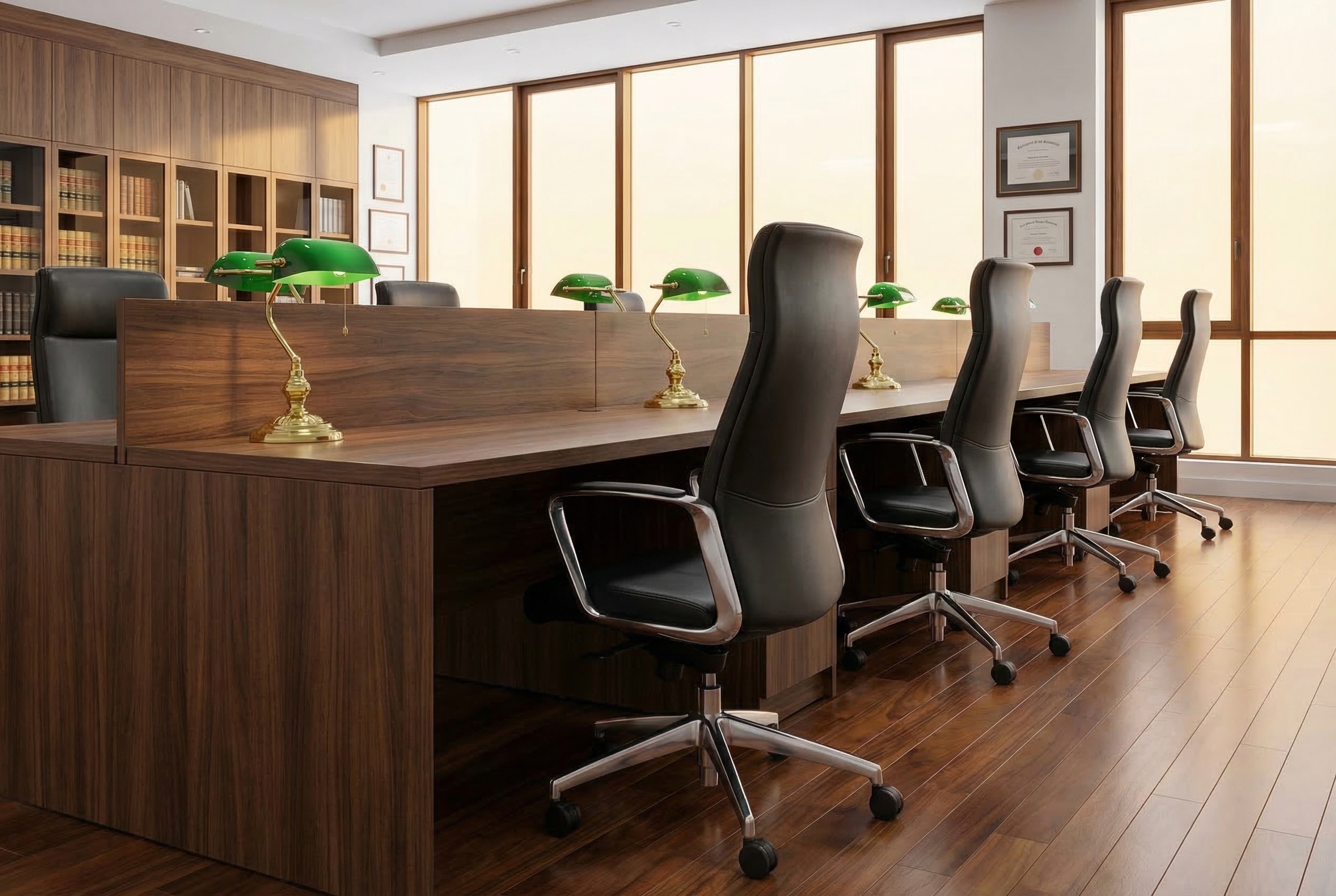
Clients form an opinion before the first handshake. The moment they step into a law office, the space tells them what to expect. A cluttered or outdated environment can weaken trust, while a well-designed space reinforces professionalism and confidence. Statistics depict that office interior design directly influences both client perception and team performance, with modern layouts improving productivity and retention .
Today’s legal workplaces are shifting. Traditional layouts with rigid offices and formal rooms are giving way to more flexible environments that support both focused work and collaboration. Law firms now need spaces that balance privacy, efficiency, and client experience. This is where office interior design plays a critical role.
A strong office design layout supports how lawyers work today while presenting a polished image to clients. Commercial interior design and interior design services help firms create spaces that are both functional and aligned with their brand. The following sections break down how modern law offices are designed to meet these evolving needs.
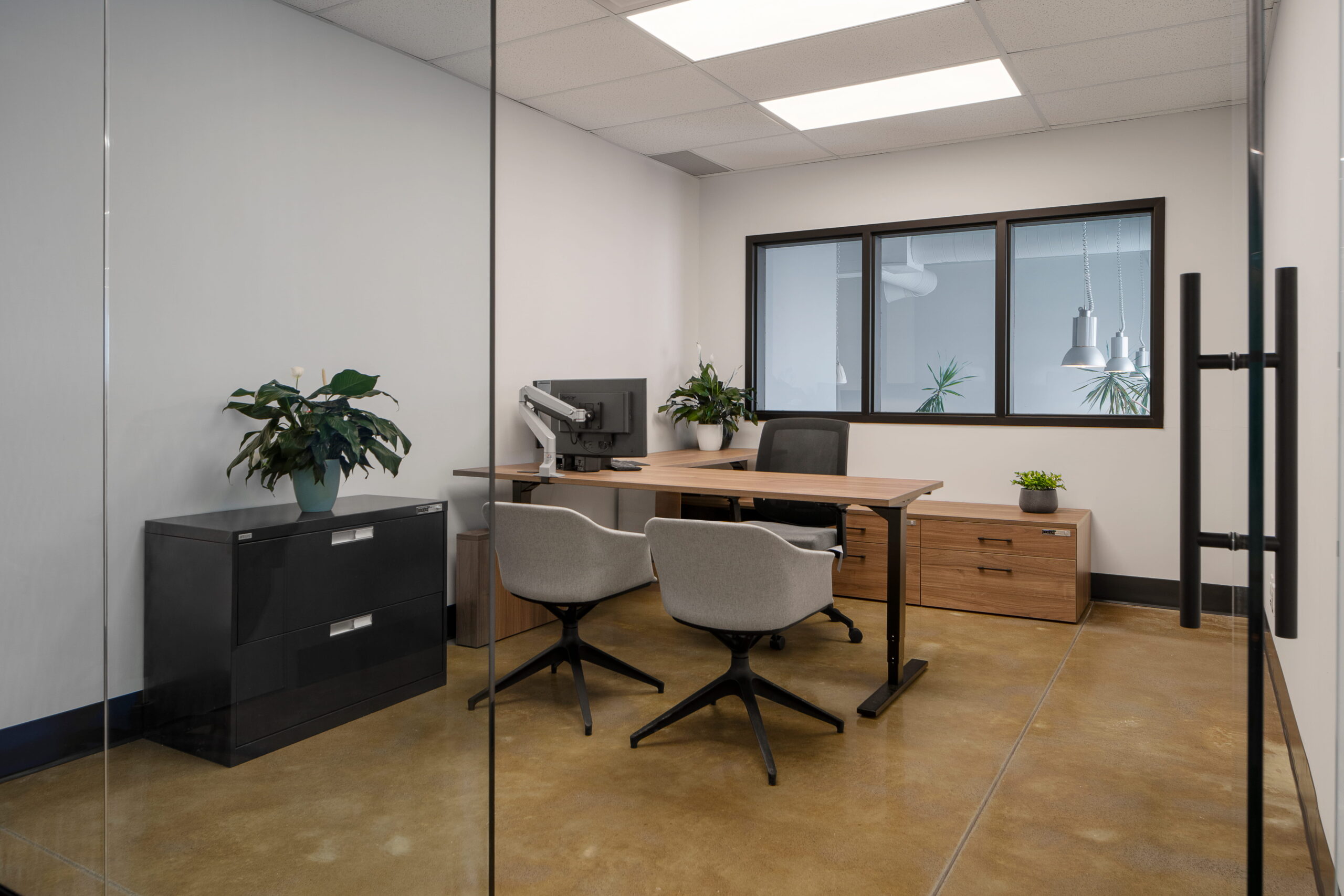
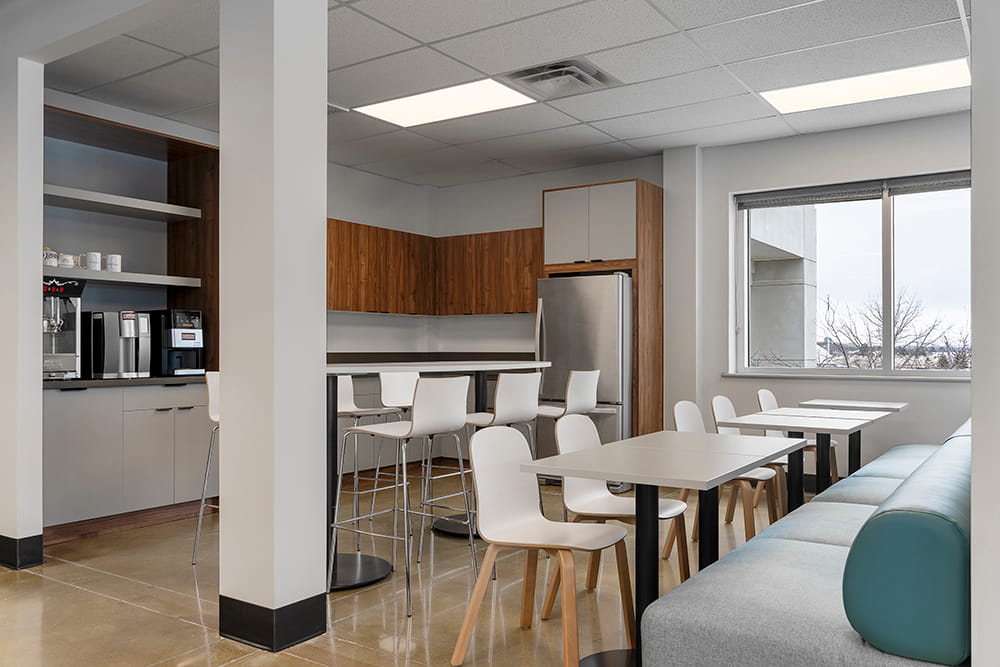
Office Interior Design That Builds Client Confidence
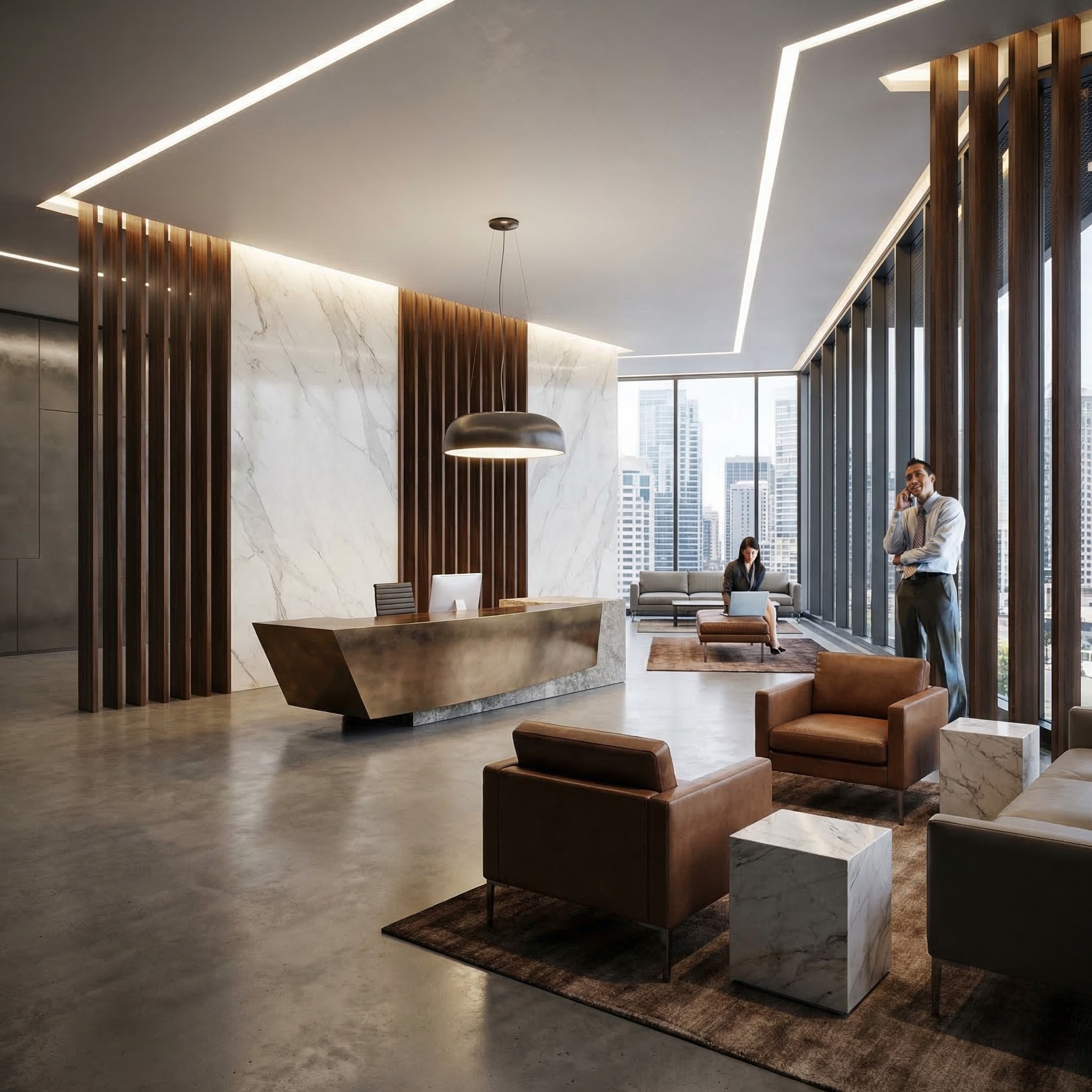
The reception area sets the tone for the entire experience. Clients often arrive with uncertainty, and the environment either reassures them or adds to their concern.
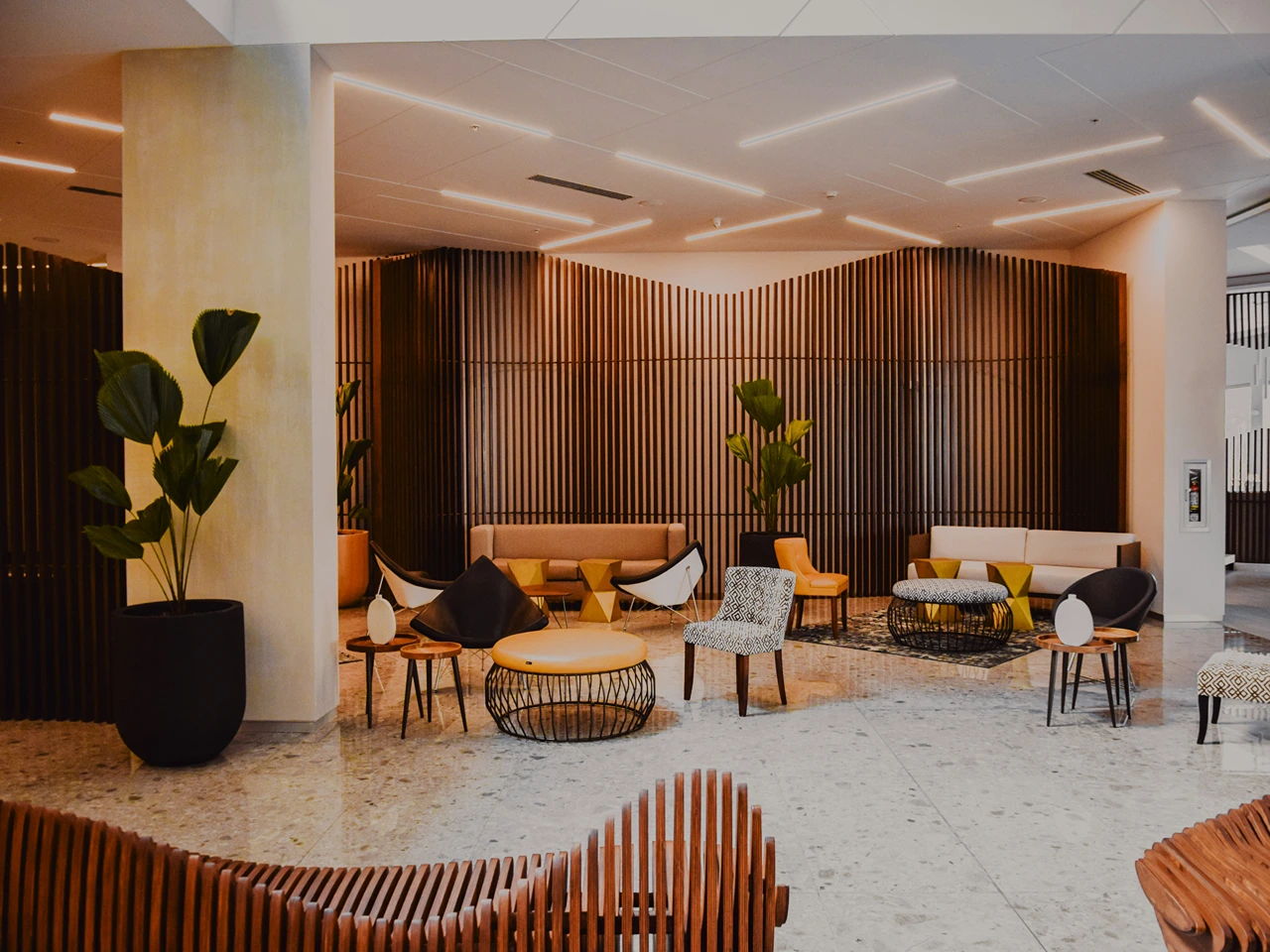
Office interior design should create a sense of calm and professionalism from the moment someone enters. A clear office design layout, comfortable seating, and thoughtful lighting all contribute to this. Spaces that feel open but controlled help clients feel more at ease.
Commercial interior design focuses on creating reception areas that feel welcoming without losing credibility. Materials, lighting, and layout must work together to reflect the firm’s identity. Interior design services often guide these decisions to ensure consistency across the space.
Office furniture design plays a supporting role. Seating must be comfortable for longer waits, and surfaces should feel durable and refined. Canadian office furniture offers strong options that combine performance with a professional appearance.
Studio Forma approaches reception design as a key touchpoint. Their office interior design process ensures that first impressions align with the firm’s values, helping build trust before any conversation begins.
Commercial Interior Design That Supports Focus and Collaboration
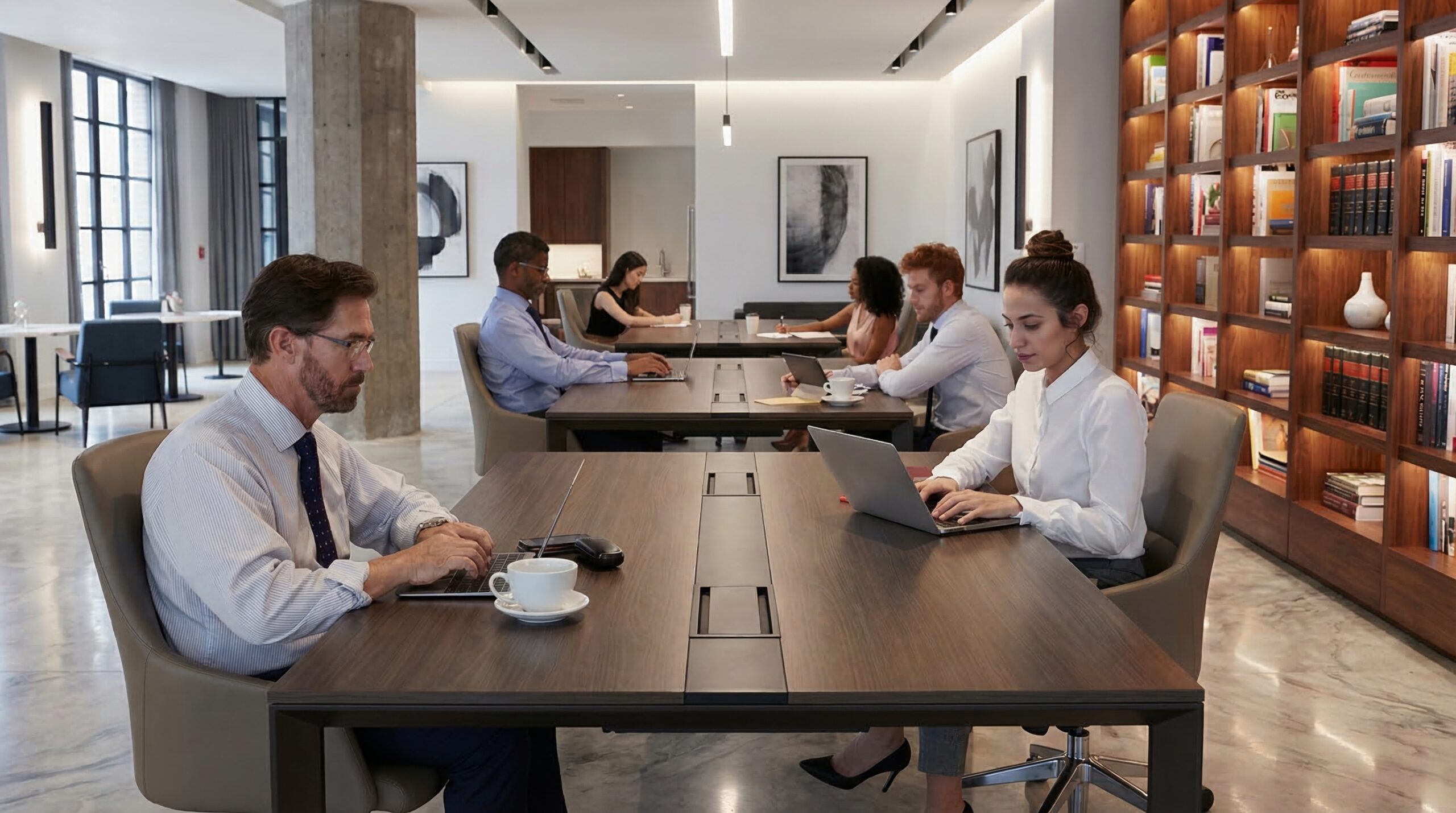
Modern law firms require a balance between private work and team interaction. Too much openness creates noise, while too much separation limits collaboration.
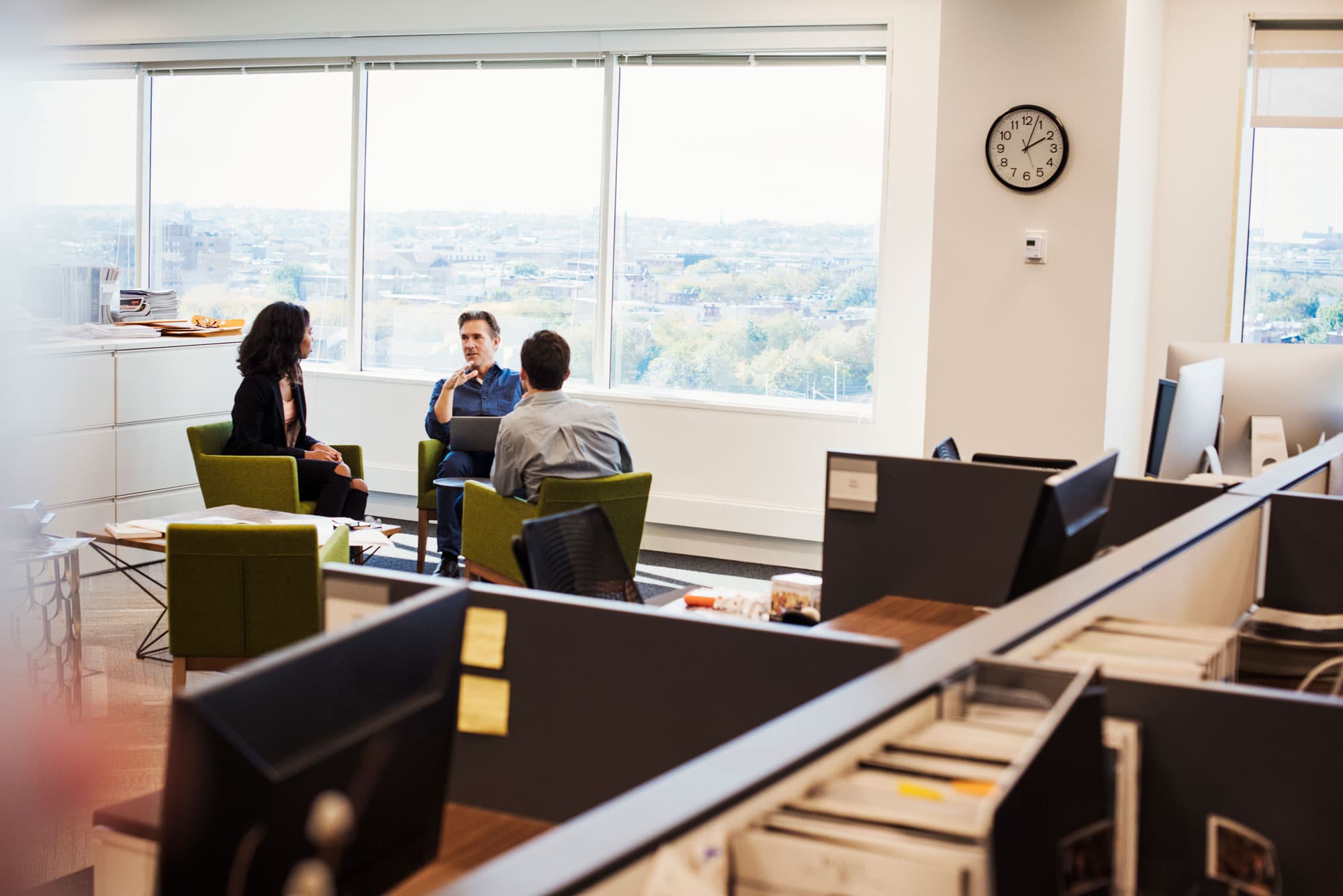
Commercial interior design solves this by creating defined zones within the office design layout. Quiet areas support focused work, while meeting rooms and shared spaces encourage discussion. This balance improves both efficiency and communication.
Interior design services analyze how teams work to determine the right mix of spaces. Not every firm needs the same layout, which is why customization is important.
Office furniture design helps these spaces function effectively. Flexible tables, movable seating, and integrated technology support different types of work throughout the day. Canadian office furniture systems are often designed for adaptability, making them ideal for evolving workplaces.
Studio Forma designs office interior design solutions that respond to real workflows. By aligning space with behaviour, they help firms create environments where teams can perform at a higher level.
Interior Design Services That Enhance Client Meetings
Client meetings are central to legal work. These spaces must support clear communication while maintaining privacy and professionalism.
Interior design services focus on creating meeting rooms that feel both comfortable and secure. The office design layout should allow easy access while maintaining separation from high-traffic areas.
Commercial interior design often incorporates acoustic solutions to reduce noise and protect confidentiality. This is essential in legal environments where sensitive discussions are common .
Office furniture design also plays a key role. Tables should support eye contact and collaboration, while seating must remain comfortable during longer meetings. Canadian office furniture provides durable solutions that maintain a refined appearance over time.
Studio Forma integrates these elements into their corporate interior design approach. Their work ensures that meeting spaces support both client interaction and legal precision.
Office Interior Design That Supports Team Wellbeing
A productive team needs more than desks and meeting rooms. Break areas and shared spaces are essential for maintaining energy and focus throughout the day.
Office interior design should include spaces where staff can step away from work without leaving the office environment. These areas help reduce stress and improve overall satisfaction.
Commercial interior design often incorporates lounge spaces, quiet zones, and informal meeting areas into the office design layout. Interior design services ensure these spaces are placed where they are most effective.
Office furniture design supports comfort and usability in these areas. Seating should encourage relaxation without compromising durability. Canadian office furniture offers solutions that balance comfort with long-term performance.
Studio Forma integrates wellbeing into every project. Their corporate interior design approach ensures that team spaces are not an afterthought but a core part of the overall layout.
Corporate Interior Design That Adapts to Hybrid Work
Hybrid work has changed how law offices operate. Many firms no longer require every employee to be in the office at the same time, which affects how space is used.
Corporate interior design must now support flexibility. The office design layout should allow for shared desks, adaptable meeting spaces, and efficient use of square footage.
Commercial interior design often incorporates modular elements that can be reconfigured as needed. Interior design services help firms plan for this flexibility from the start.
Office furniture design plays a major role here. Adjustable desks, movable partitions, and integrated technology allow spaces to adapt quickly. Canadian office furniture systems are designed to support this level of flexibility.
Studio Forma helps firms plan for both current and future needs. Their office interior design strategies ensure that spaces remain efficient as teams grow and change.
Frequently Asked Questions (FAQ):
Why is office design important for law firms?
Office design influences how clients perceive the firm and how efficiently teams work. A well-planned space supports both trust and productivity.
What should a modern law office include?
Modern offices include a mix of private work areas, collaborative spaces, and well-designed meeting rooms.
How does commercial interior design improve productivity?
It creates layouts that reduce distractions, improve flow, and support different types of work.
Key Takeaways
- Office interior design shapes first impressions and builds client trust
- Commercial interior design balances focused work with collaboration
- Interior design services improve meeting spaces and workflow efficiency
- Office furniture design supports comfort, flexibility, and durability
- Corporate interior design adapts to hybrid work and future growth
- Canadian office furniture provides long-term performance and scalability
A well-designed law office does more than look professional. It supports how teams work, how clients feel, and how the firm grows.
When office interior design aligns with real needs, the space becomes an asset rather than a limitation. Commercial interior design improves both function and perception, while interior design services guide decisions that have lasting impact.
From the office design layout to office furniture design, every element contributes to a better experience. Firms that invest in thoughtful design often see stronger client relationships, improved team performance, and a more adaptable workplace.
Studio Forma works with law firms to create spaces that meet these demands. Their approach combines strategy, design, and execution to deliver offices that perform well today and continue to support growth over time.