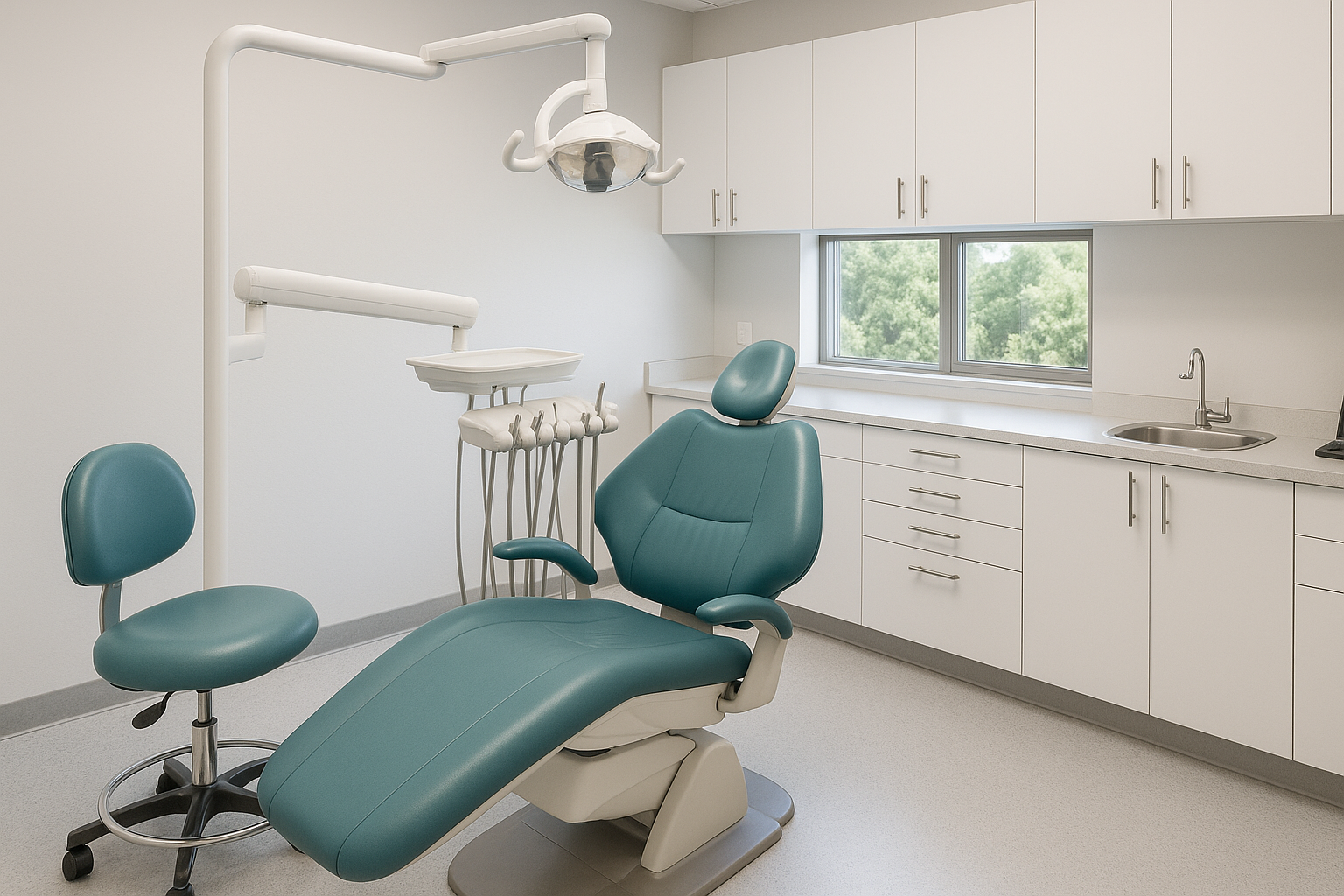
Patients feel it the moment they walk in. A crowded waiting room, unclear flow, or outdated space creates tension before treatment even begins. In dental environments, that tension matters. Longer waiting times reduce patient satisfaction and even affect whether patients follow treatment plans or return. At the same time, well-designed waiting areas can lower stress and improve how patients perceive care.
This is where office interior design plays a critical role. A strong office design layout shapes movement, comfort, and trust from the first step inside. Commercial interior design and interior design services help dental clinics identify when their space is no longer supporting growth. If your clinic feels harder to manage or patients seem less at ease, the signs are already there.
Office Interior Design That Disrupts Flow
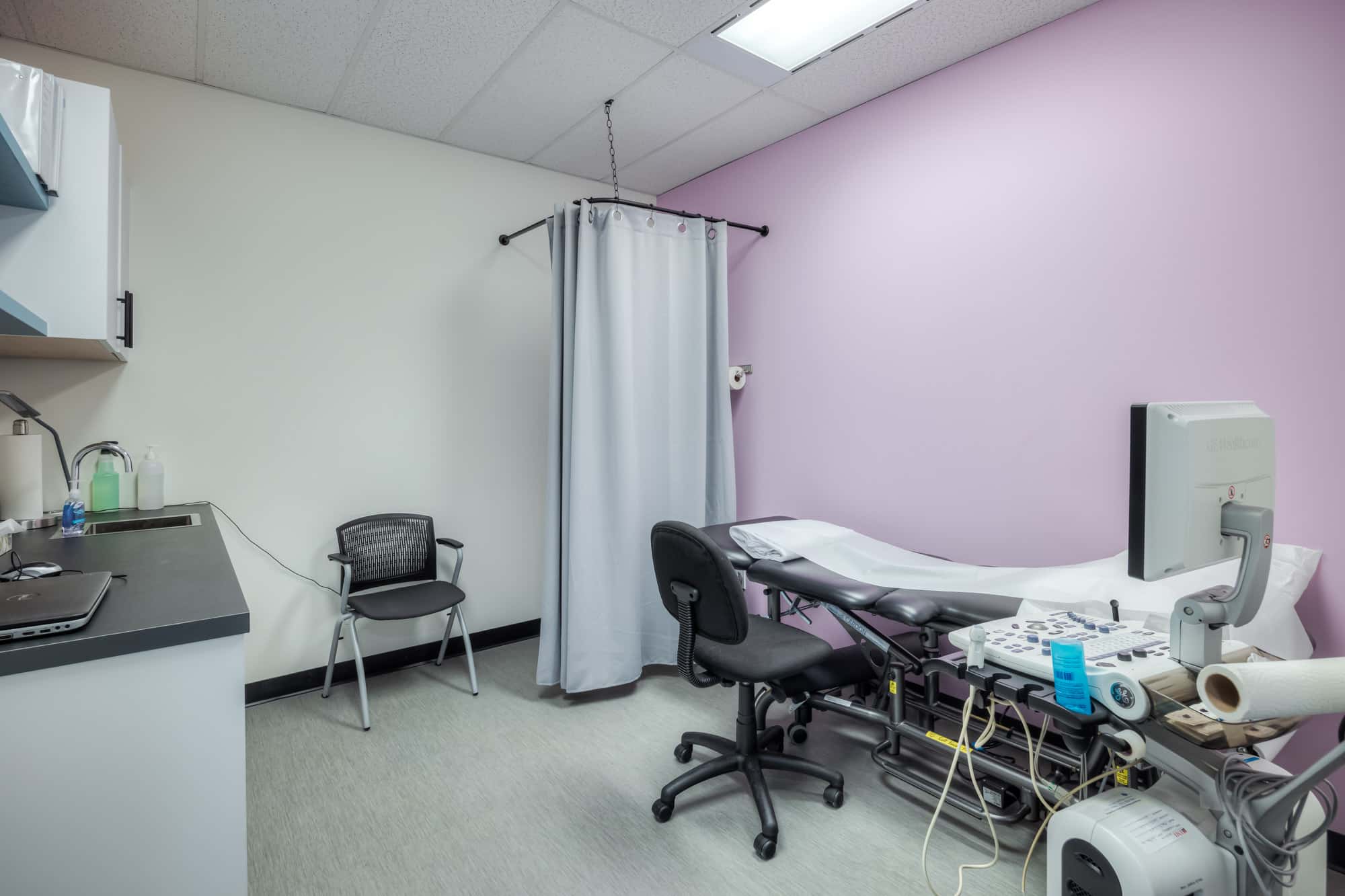
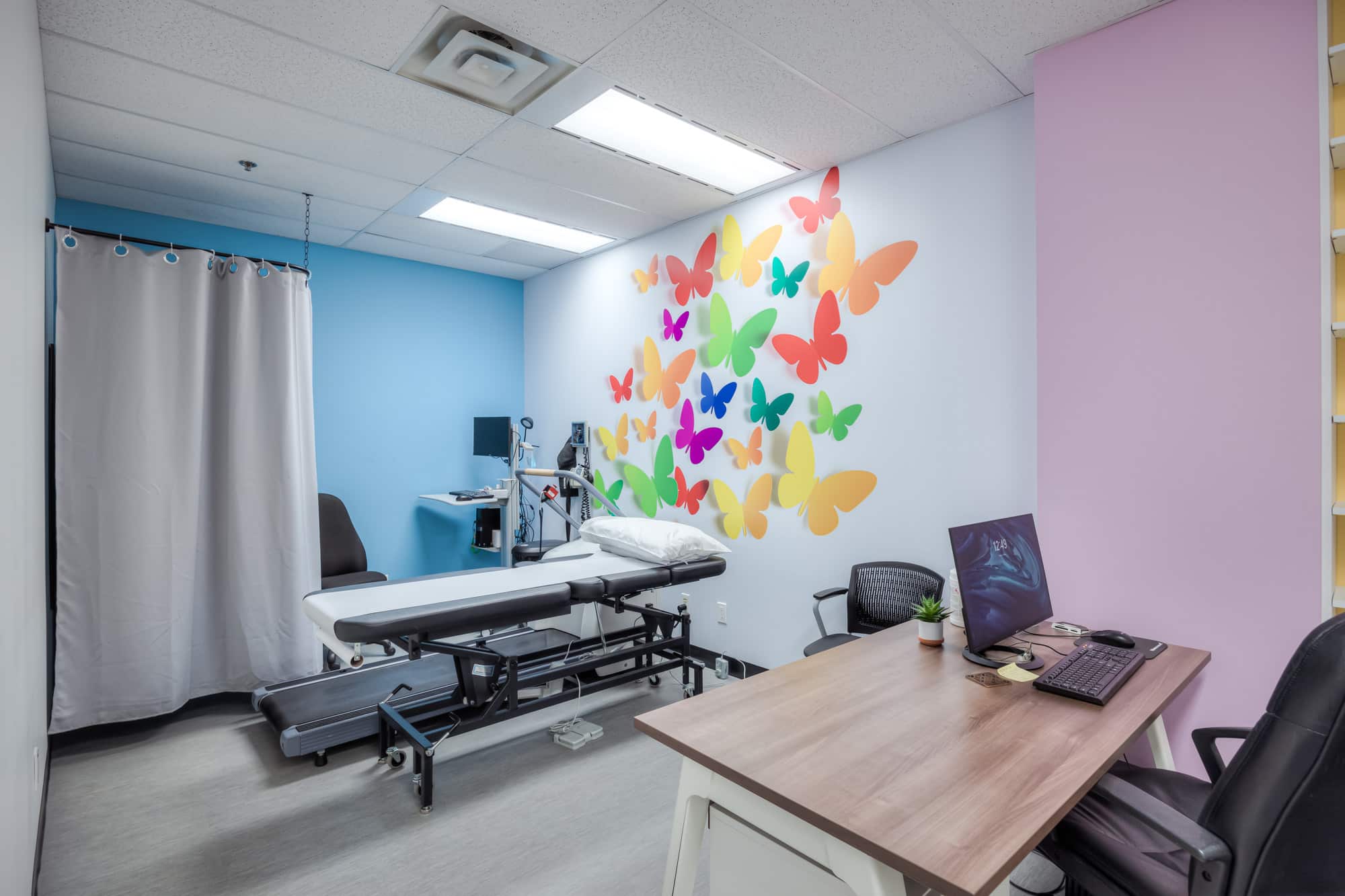
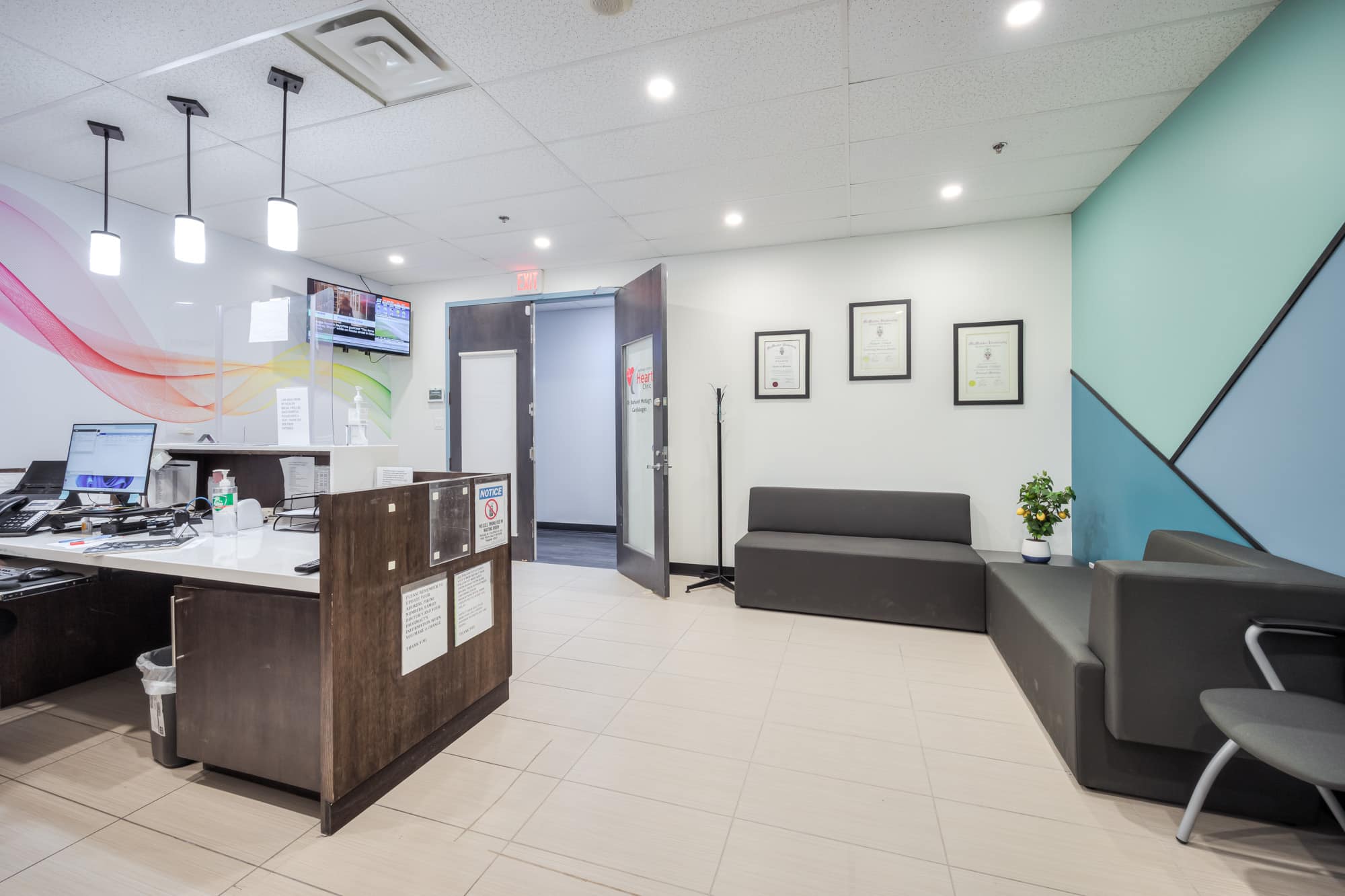
One of the most obvious signs is poor movement through the clinic. Patients hesitate, staff adjust constantly, and simple tasks take longer than they should. This usually points to an office design layout that no longer fits how the clinic operates.
Office interior design should create a clear path from entry to reception to treatment. When that flow breaks down, delays follow. Commercial interior design often reveals that treatment rooms are too tight, doors clash with circulation, or key zones are placed too far apart.
Interior design services focus on fixing these patterns. By studying how people move, they adjust layouts to reduce friction. Office furniture design also plays a role. Large desks or poorly placed storage can block pathways and slow down work.
Canadian office furniture that is properly scaled helps maintain open circulation and supports smoother movement. Studio Forma approaches office interior design by mapping real movement patterns first. When flow improves, wait times drop and the entire clinic feels more controlled.
Commercial Interior Design That Overloads Waiting Rooms
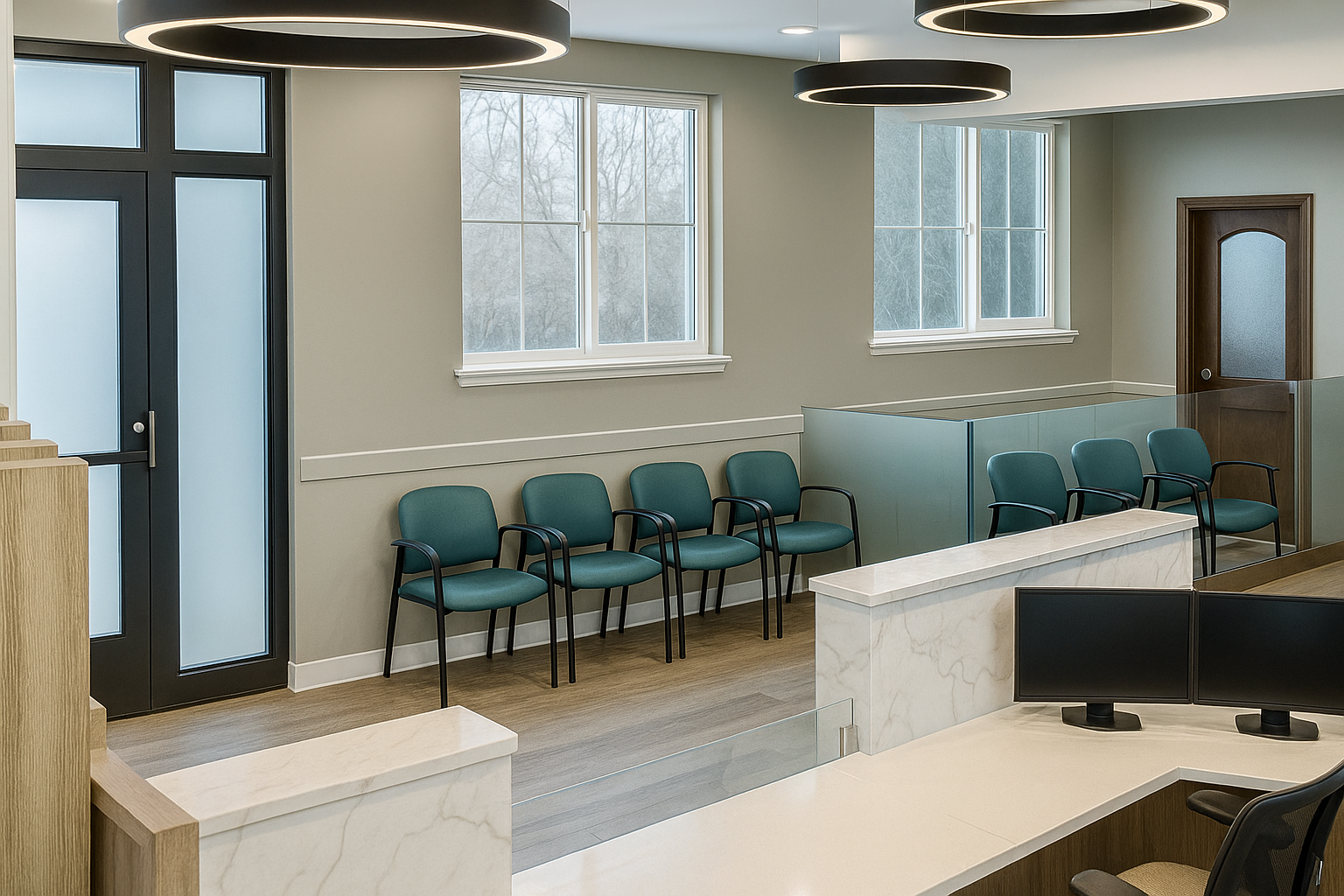
A waiting room that feels crowded or uncomfortable is a strong signal that an upgrade is needed. Patients sitting too close, standing during peak hours, or feeling exposed creates stress before treatment even begins.
Commercial interior design addresses this by improving both layout and capacity. The office design layout should distribute patients evenly instead of pushing them into one area. Interior design services often recommend adjusting reception flow or creating secondary waiting zones to reduce pressure.
Office furniture design directly affects how patients feel in that space. Seating that is too rigid or too tightly arranged increases discomfort. Canadian office furniture offers flexible seating options that improve spacing and comfort while maintaining a professional look.
Corporate interior design ensures the waiting area reflects the quality of care. Studio Forma designs waiting rooms that feel open, calm, and easy to navigate. When patients feel at ease, they are more likely to trust the clinic and return.
Interior Design Services That Expose Inefficiency
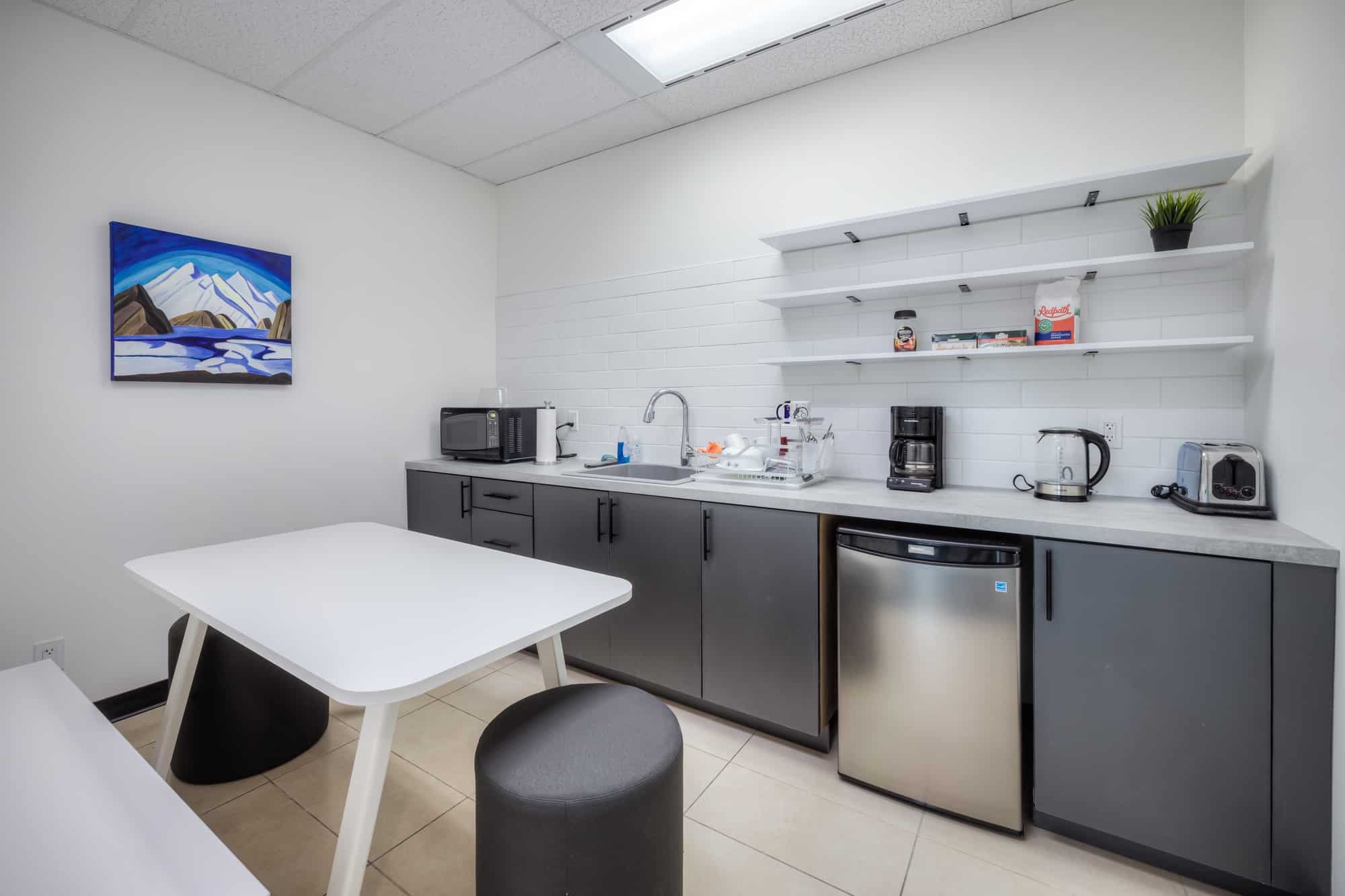
Some of the most important signs are not visible at first. They show up in how the clinic operates. Staff walking long distances for supplies, treatment delays, or repeated interruptions all point to layout inefficiencies.
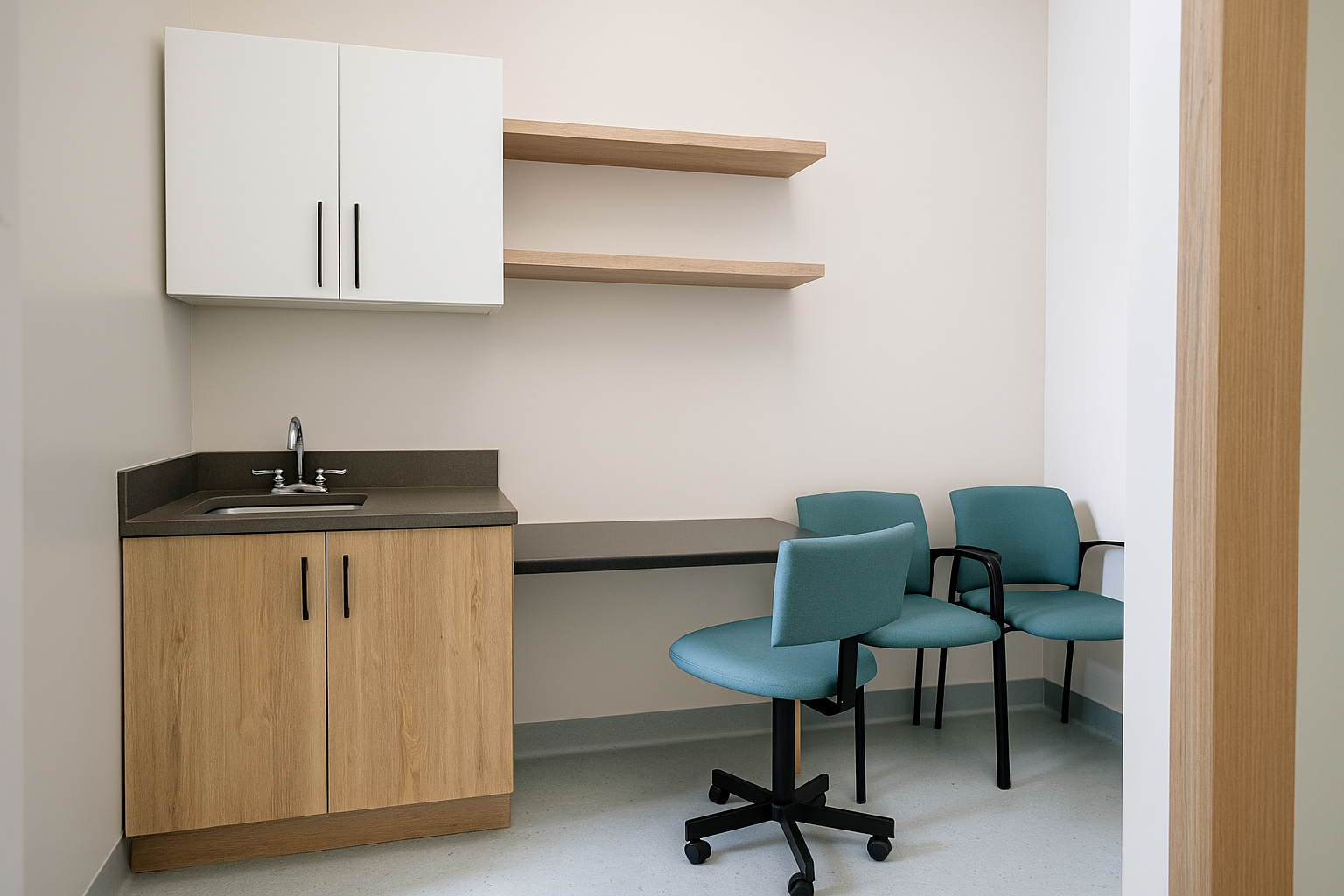
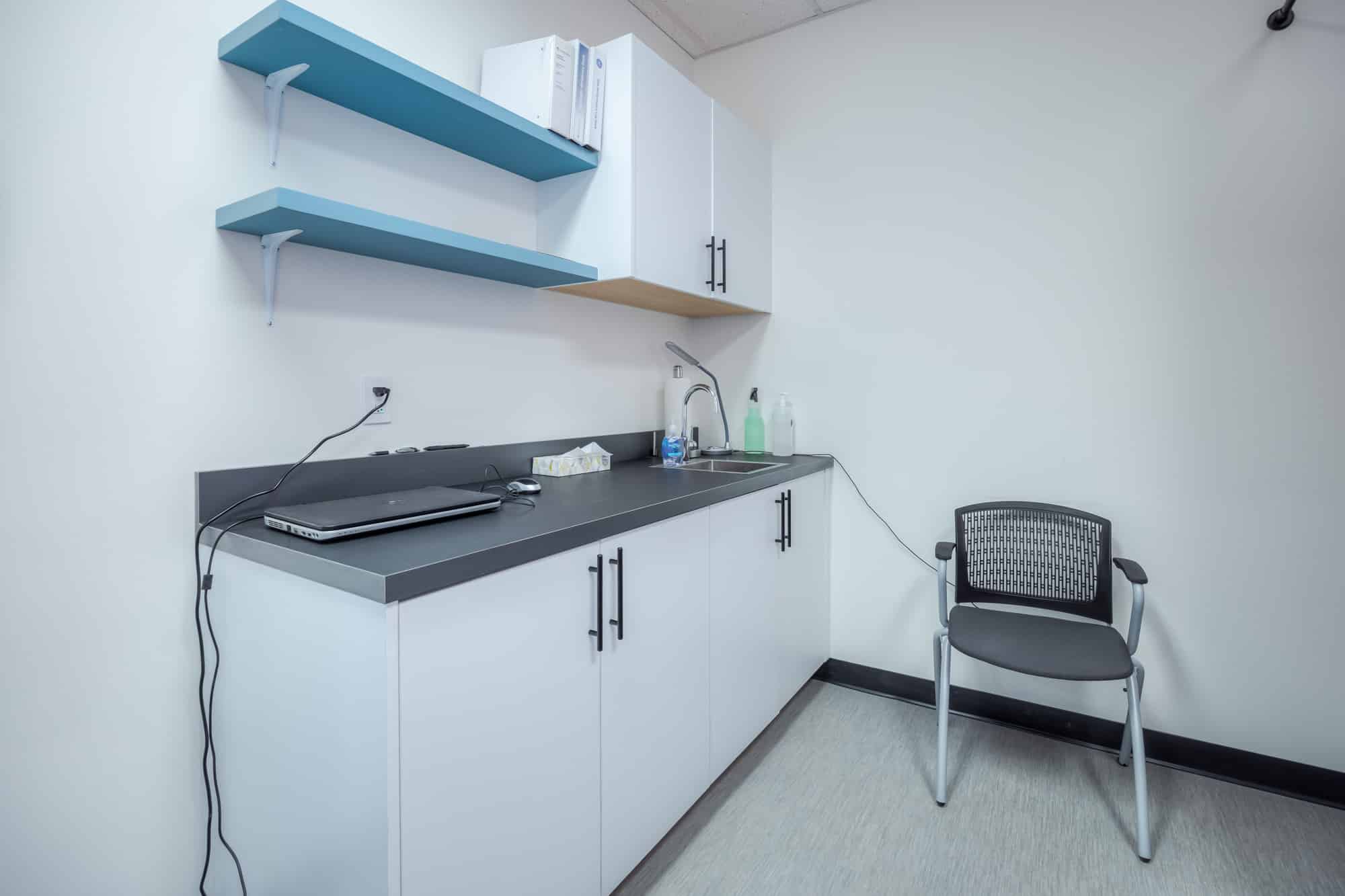
Interior design services analyze these daily patterns. In many clinics, storage is too far from treatment rooms or not placed where it is needed most. This slows procedures and creates unnecessary movement.
A better office design layout brings essential tools closer to where they are used. Commercial interior design also separates clean and used paths, which improves both efficiency and safety.
Office furniture design supports this by providing accessible storage and flexible workstations. Canadian office furniture designed for healthcare environments helps maintain durability and organization.
Studio Forma focuses on how clinics function in real time. Their interior design services identify inefficiencies and correct them through layout improvements. The result is a smoother workflow that benefits both staff and patients.
Office Interior Design That Reduces Comfort
If patients appear tense or restless in the waiting area, the environment is likely part of the problem. Office interior design directly influences how people feel. Lighting, spacing, and materials all contribute to comfort.
Research shows that comfortable waiting areas with positive distractions can reduce stress and improve patient experience. Harsh lighting, clutter, and tight seating have the opposite effect.
Commercial interior design improves comfort by balancing light, space, and layout. The office design layout should allow clear sightlines and enough space between seating. Interior design services often introduce softer materials and better lighting to create a calmer environment.
Office furniture design must support posture and relaxation. Canadian office furniture provides durable seating that remains comfortable over time.
Corporate interior design also builds trust through consistency. Studio Forma creates spaces that feel welcoming while maintaining a professional tone. When patients feel comfortable, they are more open to treatment and communication.
Corporate Interior Design That Feels Outdated
An outdated clinic sends a message, even if the care is excellent. Worn furniture, faded finishes, and inconsistent branding can reduce patient confidence.
Corporate interior design ensures the space reflects modern standards and supports the clinic’s identity. If your office interior design has not been updated in years, it may no longer align with your growth.
Interior design services evaluate materials, lighting, and layout to identify what needs to change. Often, targeted updates to finishes and office furniture design can transform the space without a full rebuild.
Canadian office furniture offers long-lasting solutions that improve both appearance and function. A refreshed office design layout makes the clinic feel current, clean, and intentional.
Studio Forma approaches commercial interior design with a focus on performance and perception. Their work helps clinics modernize in a way that improves both efficiency and patient trust.
Frequently Asked Questions (FAQ):
How do I know if my dental office needs a layout upgrade?
If patients feel confused, staff move inefficiently, or wait times increase, your office design layout may need improvement.
Why is waiting room design important?
The waiting room shapes first impressions and affects patient stress levels before treatment begins.
How do interior design services help dental clinics?
They analyze workflow, layout, and patient experience to create spaces that perform better.
Key Takeaways
- Office interior design should support clear and efficient patient flow
- Commercial interior design must prevent overcrowded waiting areas
- Interior design services identify workflow inefficiencies early
- Office furniture design impacts comfort and usability
- Corporate interior design keeps the clinic aligned with modern standards
- Canadian office furniture provides durable and adaptable solutions
A dental office does not need to feel chaotic to signal a problem. Small issues build over time and begin to affect both patients and staff. Poor flow, crowded waiting areas, and outdated design all reduce how well the clinic performs.
Effective office interior design brings clarity back into the space. Commercial interior design improves layout and function, while interior design services guide decisions based on real use. From the office design layout to office furniture design, every detail shapes how the clinic operates.
Clinics that address these signs early often see better patient satisfaction, smoother workflows, and stronger growth. Studio Forma helps dental practices identify these issues and turn them into opportunities for improvement. If your space no longer supports your team or your patients, it may be time to rethink how it works.