As clinics grow, layout issues often appear before teams realize it. What once worked for a smaller practice can quickly become inefficient, crowded, and difficult to manage.
Poor planning leads to blocked circulation, long wait times, and frustrated staff. These issues directly affect patient experience and clinic performance.
Effective office interior design helps prevent this. A well-planned office design layout supports patient flow, staff efficiency, and future growth.
Interior design services identify these problems early and provide solutions that improve both daily operations and long-term scalability.
Below are the most common layout problems in growing clinics and how commercial interior design addresses them.
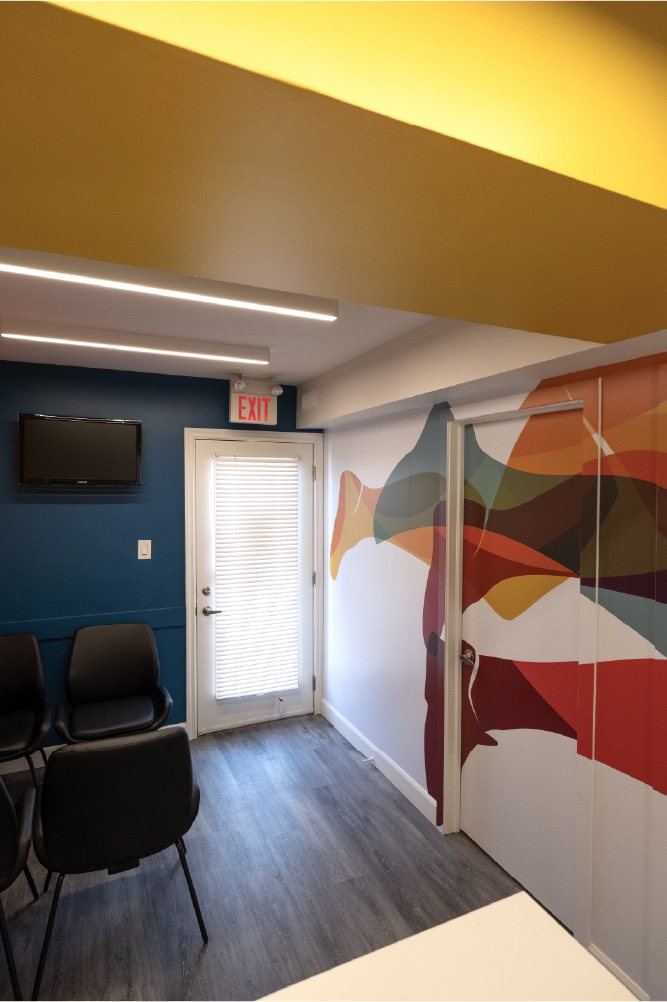
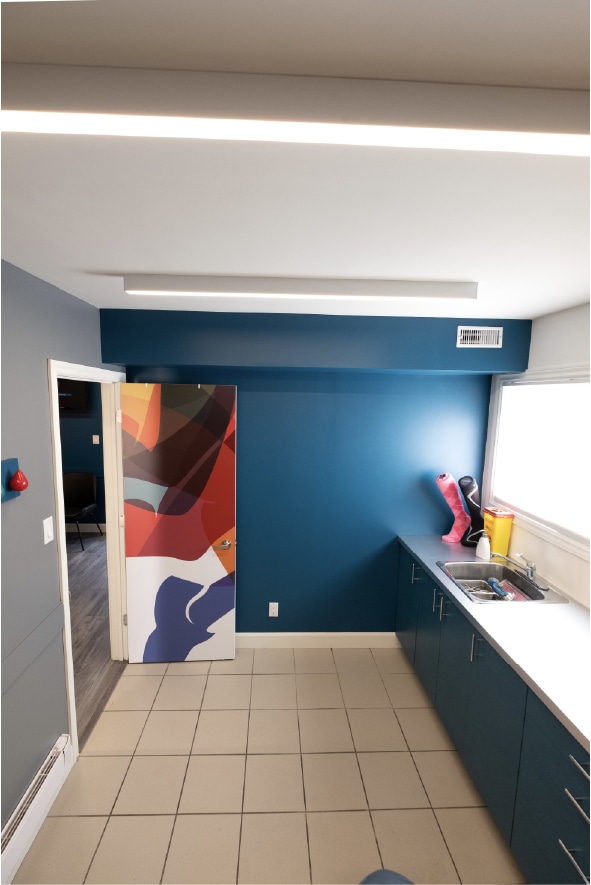
Office Interior Design That Limits Exam Room Efficiency
One of the most common issues is overcrowded exam room clusters.
When rooms are placed too closely together, doors can conflict with circulation paths. This slows down staff movement and creates congestion during peak hours.
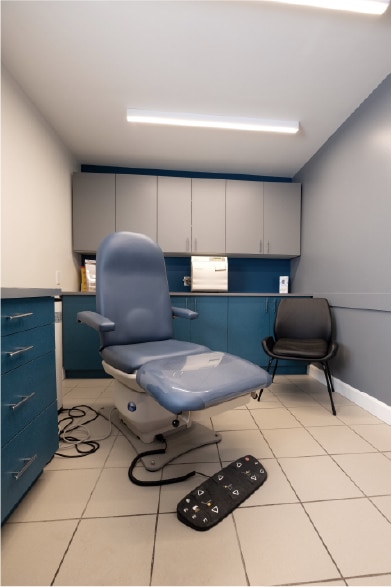
A functional office design layout must allow enough clearance for doors, equipment, and patient movement. Accessibility standards also require adequate turning space for mobility devices.
Interior design services evaluate these clearances early to avoid costly adjustments later.
Office furniture design plays a role as well. Work surfaces, seating, and equipment placement should support workflow rather than block it.
Canadian office furniture solutions designed for healthcare environments help maintain proper spacing while supporting durability.
When exam rooms are planned correctly, staff can move efficiently and patient throughput improves.
Commercial Interior Design That Creates Reception Bottlenecks
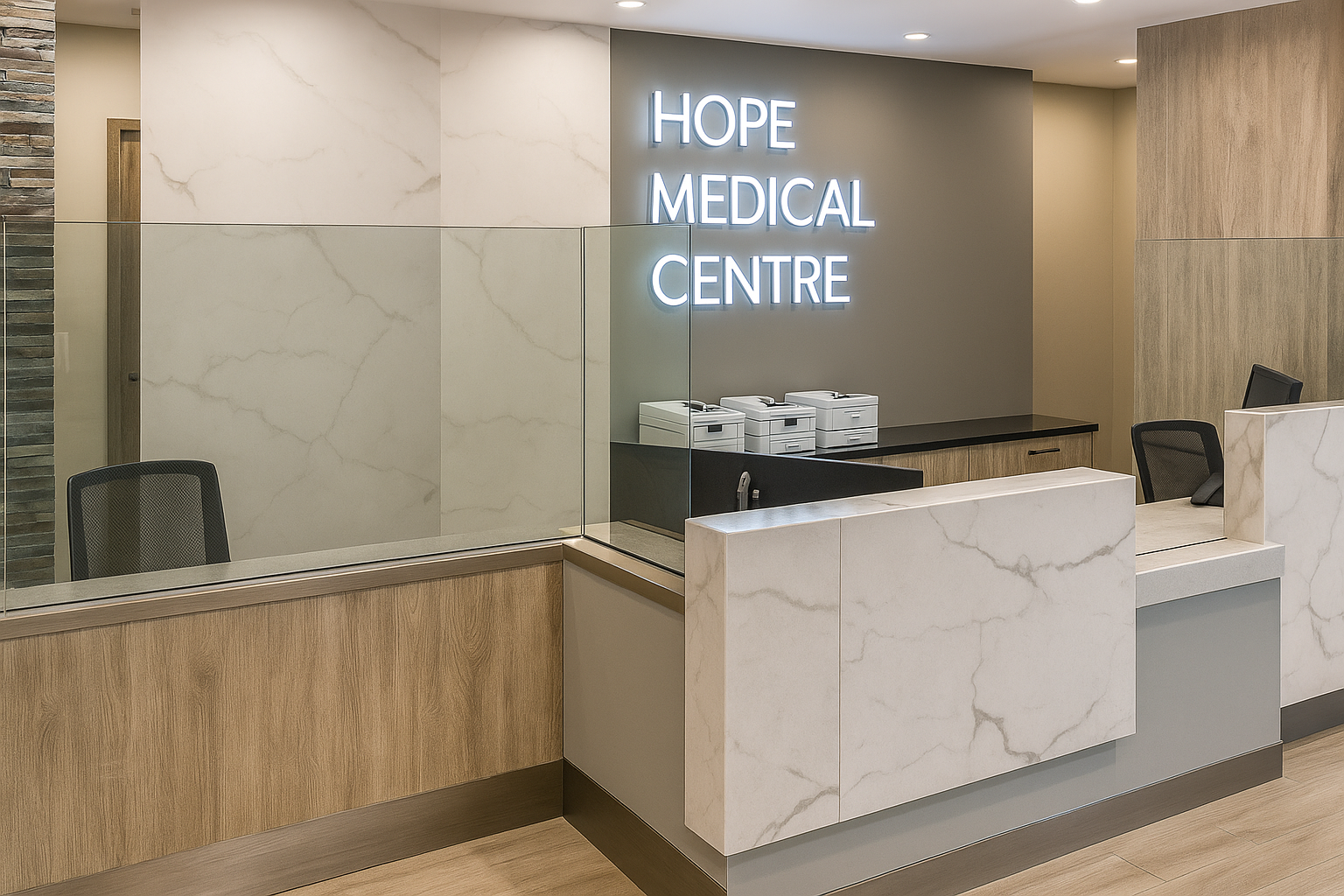
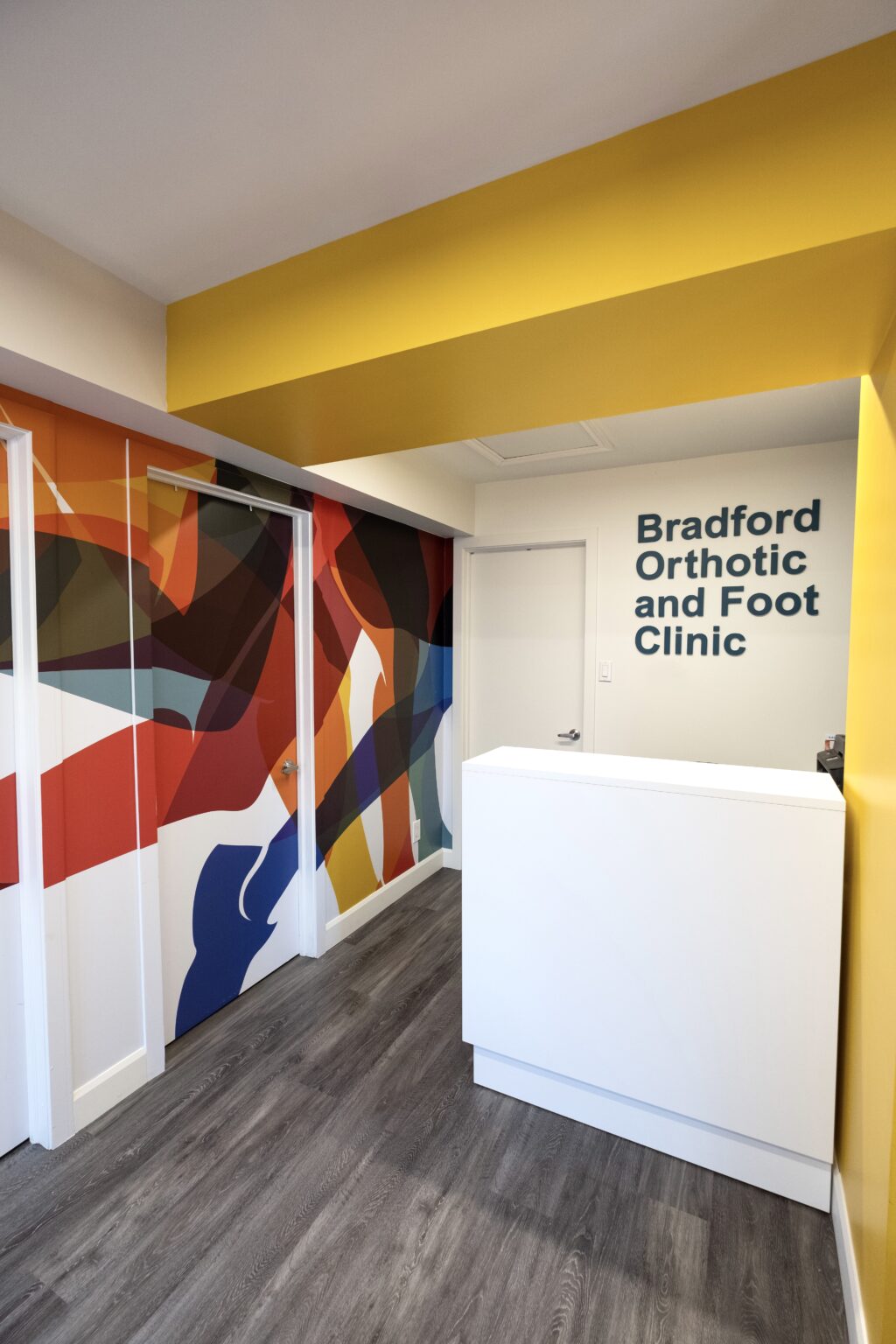
Reception areas often become bottlenecks as patient volume increases.
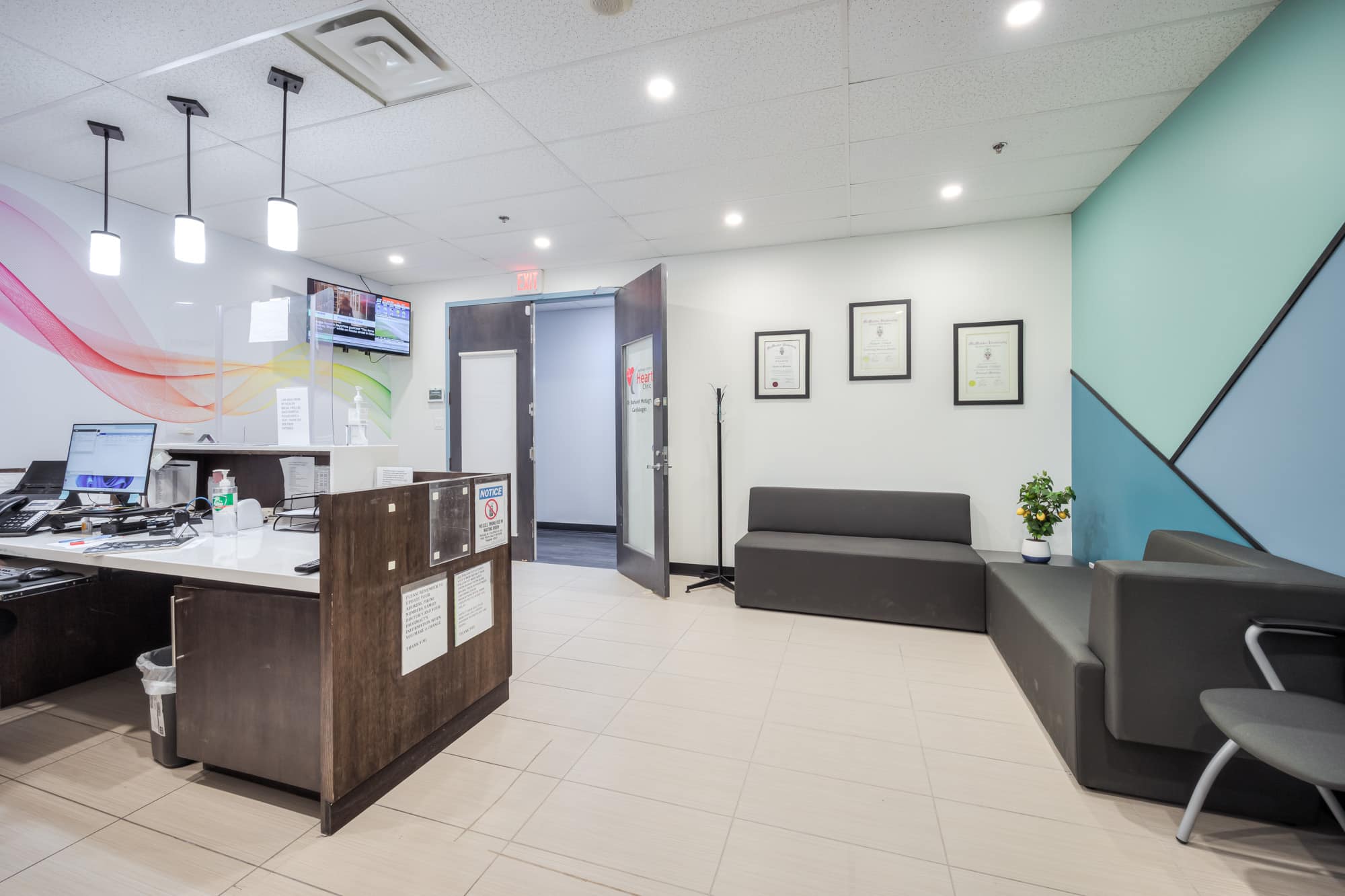
A single check-in point may work for a small clinic, but it quickly becomes inefficient in a growing practice. Long lines, crowded waiting areas, and unclear queues reduce patient satisfaction.
Commercial interior design addresses this by separating functions. Dedicated areas for check-in, check-out, and inquiries improve flow and reduce congestion.
The office design layout should also provide clear sightlines and intuitive movement from reception to waiting and treatment areas.
Interior design services often recommend self check-in options or additional service points to handle peak times.
Office furniture design supports this by organizing workstations, storage, and patient-facing areas.
Canadian office furniture systems help maintain a clean and structured reception environment.
An efficient reception layout reduces wait times and improves the overall patient experience.
Interior Design Services That Reduce Inefficient Supply Movement
Poorly planned storage is a common issue in growing clinics.
When supplies are centralized without considering workflow, staff spend unnecessary time walking back and forth. This reduces efficiency and increases fatigue.
Interior design services address this by placing storage closer to where it is used. Decentralized supply zones reduce travel time and improve access.
The office design layout should separate clean and used materials while maintaining clear circulation paths.
Commercial interior design also ensures storage is properly sized and organized for daily use.
Office furniture design supports this with integrated cabinetry, mobile carts, and durable shelving systems.
Canadian office furniture solutions designed for healthcare settings provide both flexibility and long-term performance.
Reducing unnecessary movement allows staff to focus more on patient care.
Office Interior Design That Overlooks Staff Spaces
As clinics grow, staff areas are often overlooked.
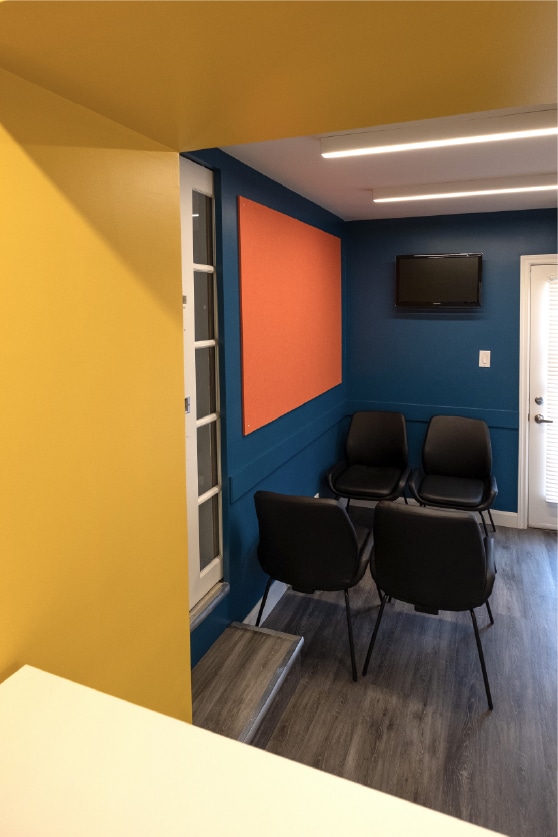
Limited break rooms, lack of quiet spaces, and poor separation from clinical zones can lead to fatigue and reduced productivity.
Office interior design should include dedicated spaces for staff to rest, collaborate, and reset during the day.
Commercial interior design often introduces small meeting rooms or quiet areas for team discussions and administrative work.
Interior design services also consider proximity. Staff areas should be accessible without disrupting patient flow.
Office furniture design contributes through comfortable seating, durable surfaces, and flexible layouts.
Canadian office furniture provides reliable solutions for high-use staff environments.
Supporting staff needs is essential for maintaining performance and reducing burnout.
Corporate Interior Design That Limits Future Growth
A common mistake in clinic planning is designing for current needs only.
Fixed walls, rigid layouts, and non-modular furniture make it difficult to expand as patient volume increases.
Corporate interior design should always consider future growth. Flexible layouts, adaptable partitions, and scalable systems allow clinics to evolve without major renovations.
Interior design services often recommend modular solutions that can be adjusted as needs change.
The office design layout should include space for additional treatment rooms, storage, or staff areas as the clinic grows.
Office furniture design should also support flexibility, allowing for reconfiguration without replacement.
Canadian office furniture systems are well suited for this approach, offering modular components that can adapt over time.
Planning for growth ensures the clinic remains efficient as demand increases.

Frequently Asked Questions (FAQ):
What causes layout problems in growing clinics?
Most issues come from planning for current needs only. As patient volume increases, layouts become inefficient and difficult to manage.
How can commercial interior design improve clinic flow?
It organizes circulation, separates key functions, and reduces congestion in high-traffic areas like reception and treatment zones.
Why is storage planning important in clinics?
Poor storage placement leads to wasted time and inefficient workflows. Proper planning improves access and reduces unnecessary movement.
Key Takeaway
-
Office interior design must allow proper spacing in exam rooms to support workflow and accessibility
-
Commercial interior design should prevent reception bottlenecks with clear and structured layouts
-
Interior design services improve efficiency by placing supplies closer to points of use
-
Office furniture design supports organization, durability, and flexibility
-
Corporate interior design should plan for future growth from the start
-
Canadian office furniture provides scalable solutions for healthcare environments
Layout problems in growing clinics are often preventable.
Effective office interior design focuses on how the space functions, not just how it looks. Commercial interior design ensures that patient flow, staff movement, and storage all work together.
Interior design services bring structure to this process by identifying inefficiencies early and planning for long-term use.
From the office design layout to office furniture design, every decision affects how the clinic operates.
With thoughtful planning and adaptable Canadian office furniture, clinics can avoid common layout issues and create environments that support both patients and staff as they grow.