Moving into a new office feels good. The space is clean, the desks are placed, the meeting rooms are booked and ready. For the first few weeks, the energy of something new carries everyone along.
Then the six-month mark arrives.
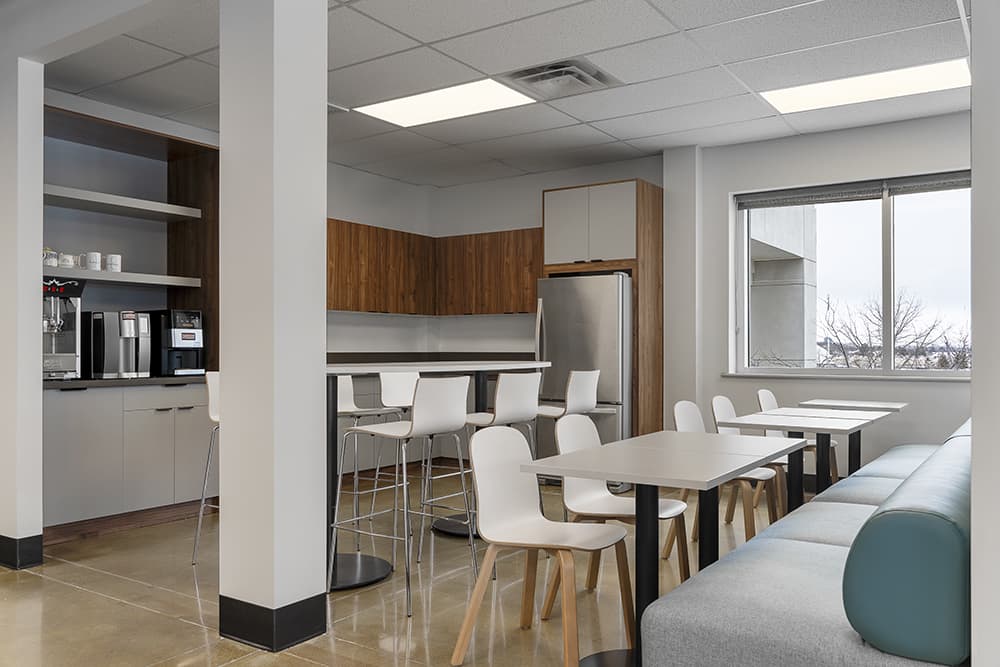
The office layout that seemed right on paper starts showing its limits. The collaboration area nobody actually uses. The meeting room that gets booked for solo focus work because there’s nowhere quiet. The kitchen that became an informal workspace somewhere around month three. The desk cluster that made sense for a team of twelve but now holds nineteen and feels like it.
Six months is long enough to know. It is short enough to fix without rebuilding from the ground up. If your layout is already working against you, now is exactly the right time to look at it clearly and decide what to do.
Why Six Months Is The Diagnostic Window
When a company moves into a new space, there is almost always an adjustment period. Teams figure out how to use rooms, habits form, workarounds develop. Most of that settling happens in the first eight weeks.
After that, patterns become fixed. People stop noticing the friction because it has become normal. The team that migrated to the far corner of the floor to escape the noise from the phone area stopped complaining about it in month two. They just built their day around it.
Six months in, you are past the novelty and past the adjustment. What you are seeing now is the space as it actually functions for your business. If something is not working, it has been not working for a while. The question is whether you are going to act on what the space is telling you.
The Signs Your Layout Has Already Drifted
Meeting rooms are being used for the wrong things.
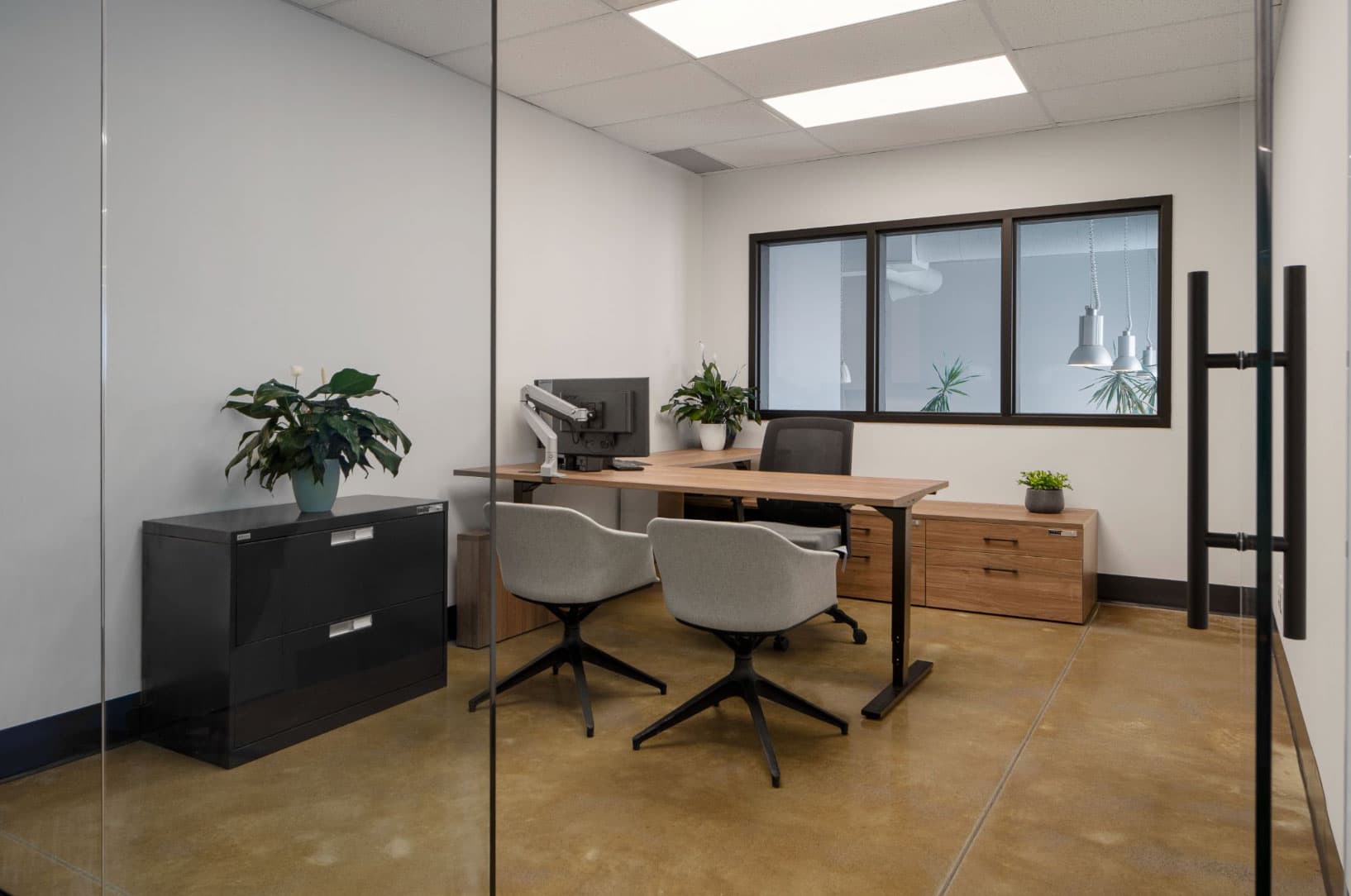
If your meeting rooms are consistently booked by one person for solo focus work, your layout does not have enough quiet space. If they are sitting empty because people have given up trying to book them, your booking system or room ratio is wrong. Either way, the room is not doing what it was designed to do.
This is one of the clearest early signals. Rooms get repurposed when the original layout did not anticipate how the team actually works.
Certain parts of the floor are consistently empty.
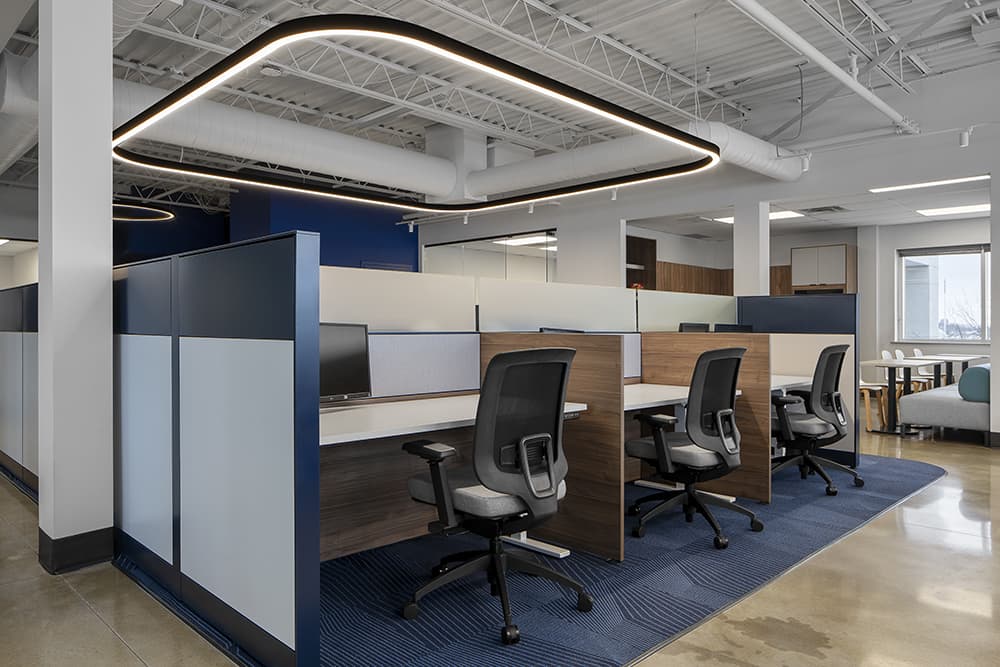
Pay attention to where people gravitate versus where they do not. If a whole section of desks sits unused by choice while another section is crowded and noisy, the layout is not distributing the team effectively. This often happens when a space was planned around an org chart rather than around how work actually flows between people.
Noise is affecting work quality in ways nobody talks about anymore.
Background noise is one of the most damaging and least-discussed productivity problems in open offices. Studies have linked background office noise to productivity drops of up to 66%, with conversations among colleagues the most significant source of distraction. Six months in, if your team has stopped complaining about noise, it does not mean the problem is solved. It means they have stopped expecting it to be.
If you hear people taking calls from stairwells, if you see headphones on for most of the day across most of the team, if your staff are scheduling deep work for early morning or late afternoon to catch quiet windows, the acoustic environment of your layout is costing you output every day.
The collaboration areas do not actually get used for collaboration.
This one is more common than most leaders realise. A layout is designed with a generous collaboration zone, comfortable seating, a whiteboard wall, good lighting. Six months later, it is used for one-on-one conversations and the occasional team lunch. The formal collaboration that was supposed to happen there happens in meeting rooms or not at all.
The reason is almost always proximity and flow. According to Gensler’s 2025 Workplace Survey, time employees spend on solo work has declined, while time spent collaborating in person has increased. But that collaboration only happens naturally when the layout puts the right people near each other and makes moving between work modes easy. If the collaboration zone is tucked in a corner or separated from the teams that need it, it will be underused regardless of how well it is designed.
Your hybrid schedule and your layout are working against each other.
With 64.4% of large companies now operating on hybrid models, the standard full-time setup of dedicated desks and static layouts is no longer the norm. If your layout was designed before your hybrid schedule was confirmed, or if your hybrid schedule has evolved since you moved in, there is a strong chance the two are now misaligned.
The clearest sign of this is peak-day congestion. The days people do come in tend to be concentrated mid-week, creating noise peaks that older layouts were never designed to handle. If Tuesday and Wednesday feel overcrowded while Monday and Friday feel like a ghost town, your layout is calibrated for average occupancy rather than real occupancy patterns. That is a planning problem, not a headcount problem.
Return-to-office compliance is lower than you expected.
If your team is not coming in as often as you hoped, the instinct is often to look at culture, management, or policy. Sometimes the honest answer is simpler: the office does not make the commute worth it.
Comfort has become one of the most powerful trust signals in the workplace. When employees can adjust noise levels, light, temperature, posture, and proximity to others, they feel more confident using the office for the work that matters. If your layout offers none of that, if it is a static grid of desks with one meeting room and a shared kitchen, coming in offers no meaningful advantage over working from home. People will opt out quietly and consistently.
This is not a culture problem. It is a layout problem.
What a Six-Month Layout Review Actually Involves
A layout review at the six-month mark is not a full redesign. In most cases, it is a structured assessment of what is working, what is not, and what adjustments would have the biggest impact.
At Studio Forma, when we conduct these reviews for GTA and Newmarket clients, we look at three things: flow, zones, and signals.
Flow is about how people move through the space across a typical day. Where do they start, where do they go for different kinds of work, where does friction happen? A layout that forces people to cross the whole floor to get from their desk to the only quiet room is a layout that will be consistently underused.
Zones are about whether distinct types of work have distinct environments. Collaboration needs energy, visibility, and easy access. Focused work needs acoustic separation and calm. Client-facing areas need polish and privacy. If these three things are bleeding into each other in your current layout, you are losing performance in all of them.
Signals are what the space is communicating to the people inside it and the visitors who walk through it. A layout that still looks like the one you moved into two years ago, even if the company has changed significantly, signals to your team that the business is not invested in their experience. That signal accumulates quietly over time.
When Adjustments Are Enough, And When They Are Not
Not every six-month issue requires a full layout overhaul. Some of the most effective interventions are straightforward: repositioning team clusters to improve acoustic separation, adding a few acoustic panels to a noisy corridor, converting one underused meeting room into a focus pod zone, adjusting the booking rules so rooms are used for their intended purpose.
These kinds of targeted adjustments can resolve specific friction points without the cost and disruption of a full redesign.
A full rethink becomes necessary when the underlying logic of the layout no longer matches how the business works. If your team has grown by more than 25% since you moved in, if your hybrid model has changed significantly, if you have added a client-facing function that did not exist when the space was designed, or if the way your teams need to collaborate has fundamentally shifted, incremental adjustments will only take you so far.
The six-month mark is the right time to make that call clearly, before another twelve months of workarounds calcify into permanent habit.
Frequently Asked Questions (FAQ):
How do I know if my office layout is not working?
The clearest signs show up in behaviour rather than complaints. If your team is consistently using rooms for purposes they were not designed for, if certain areas of the floor stay empty by choice, if people are wearing headphones most of the day to block out noise, or if meeting rooms are being booked by one person for solo work, the layout is not supporting how your business actually operates. The six-month mark is a useful checkpoint because by then, the novelty of a new space has worn off and genuine patterns have formed.
When should a business consider redesigning its office layout?
There are two common triggers. The first is growth: if your headcount has increased by 20% or more since you last updated the layout, the space is likely calibrated for a version of the company that no longer exists. The second is a shift in how the team works – if your hybrid schedule has evolved, if new roles or departments have been added, or if the way your teams collaborate has changed significantly, a layout designed around older workflows will create friction every day.
Can I fix office layout problems without a full renovation?
In many cases, yes. Repositioning team clusters, adding acoustic panels, converting underused rooms into focus zones, or adjusting meeting room booking rules can resolve specific friction points with relatively low cost and disruption. A full redesign becomes necessary when the underlying structure of the layout no longer fits how the company works.
A Quick Honest Assessment
Walk through your office and answer these questions as plainly as you can.
- Are meeting rooms being used for something other than their intended purpose?
- Are there desks or zones the team avoids by choice?
- Have you stopped expecting certain layout problems to be fixed?
- Is your hybrid schedule creating congestion on some days and empty space on others?
- Are people taking calls or doing deep work from places that were not designed for it?
- Would you describe your layout today as one that was designed for how your team works now, or for how your team worked when you moved in?
If the honest answers point consistently in one direction, the layout is already costing you more than a review would.
Six months is not very long. It is long enough to know whether the space is working, and short enough that a thoughtful adjustment now will pay back dividends for the next two to three years. The companies that wait until the problems become acute are the ones that end up with a much larger and more disruptive intervention down the line.
If your space felt right on day one and feels like a compromise now, it is worth taking an hour to understand why.
Wondering whether your layout needs a tune-up or a full rethink?
We offer a free 30-minute walkthrough consultation for businesses across Newmarket and the GTA. No obligation, just an honest read of what your space is doing well and where it is working against you. Work with us.