
Office renovations are usually judged by what they cost.
That is fair. Budgets matter. Construction costs matter. Furniture, phasing, design fees, permits, procurement, and downtime all need to be taken seriously. No leadership team wants a workplace project that starts with optimism and ends with surprise invoices.
But cost is only half the equation.
The better question is what the renovation gives back.
A well planned office renovation can reduce wasted space, improve team output, support hiring, strengthen client confidence, lower operating friction, and extend the useful life of a lease. A poorly planned one can do the opposite. It can make the office look newer while leaving the same problems underneath.
This is why an office renovation ROI calculator should not only measure dollars spent against square footage improved. That is too thin. The real return comes from how the workplace performs after the renovation. Are teams faster? Are meeting rooms easier to use? Is the office helping retain people? Are clients seeing the business differently? Has the company avoided a costly relocation by making the current space work better.
Those gains are not always dramatic on day one. Sometimes they show up quietly, through fewer interruptions, smoother meetings, better storage, stronger first impressions, and fewer workarounds.
That is still ROI.
The trick is knowing where to look before the office interior design renovation begins.
Start With the Real Cost of Doing Nothing
Before calculating renovation ROI, look at what the current office is already costing the business.
Not just rent.
Look at the daily friction. Meeting rooms that are constantly booked. Employees leaving the office to focus. New hires seated wherever there is space. Storage creeping into work areas. Clients entering a reception area that no longer reflects the level of service the company provides.
These issues carry cost, even if they never appear as a clean line item.
If ten employees lose fifteen minutes a day looking for rooms, adjusting around noise, or moving between poorly placed work areas, that adds up quickly. If managers spend hours each month solving seating issues because the office design layout no longer matches the team structure, that is time pulled away from higher-value work. If a client-facing office feels cramped or outdated, the business may be creating doubt at the exact moment it wants to build trust.
This is where office interior design becomes more than a visual upgrade. It helps identify where the workplace is slowing the business down.
A practical ROI review should begin with this question: what is the office making harder than it needs to be?
The answer usually points to the highest-value renovation opportunities.
The Simple Office Renovation ROI Formula
An office renovation ROI calculator does not need to be complicated to be useful. It simply needs to include the right inputs.
The most basic version looks like this:
ROI Category | What To Measure | Example Gain |
Space efficiency | Unused or poorly used square footage | Less wasted rent or delayed relocation |
Productivity | Time lost to noise, room shortages, or poor workflow | More focused work hours |
Hiring and retention | Employee experience and workplace appeal | Lower turnover pressure |
Client confidence | Reception, meeting rooms, and brand perception | Stronger trust and professionalism |
Operations | Storage, circulation, IT, and furniture performance | Fewer daily workarounds |
Flexibility | Ability to adapt without another renovation | Longer lease usefulness |
A simple formula can help frame the discussion:
Estimated annual gain minus renovation cost, divided by renovation cost, equals renovation ROI.
For example, if a renovation costs $250,000 and the business estimates $90,000 in annual gains through better space use, reduced friction, avoided relocation costs, and improved productivity, the project begins returning value over time. The exact number will vary, but the discipline matters. It forces the team to connect design decisions to business outcomes.
The mistake is pretending ROI only comes from one source.
In real workplaces, return is layered. A better office space planning strategy may reduce wasted square footage. Stronger acoustics may protect focus. Better office furniture design may reduce discomfort and improve how long people can work effectively. A more polished reception area may improve client perception. Each gain may be modest on its own. Together, they can make the renovation worth far more than a surface refresh.
Space Efficiency Is Often the Fastest Win
Many businesses assume they need more space when they actually need a better plan.
A growing office may feel crowded because meeting rooms are the wrong size, storage is poorly placed, or departments are sitting in a layout that no longer reflects how they work. A renovation can sometimes unlock capacity without increasing the footprint.
This is one of the clearest ROI opportunities in commercial interior design.
If a company can improve the office design layout enough to avoid moving for another two or three years, the financial value can be significant. Relocation costs, lease disruption, moving expenses, downtime, and new fit-out costs can often outweigh the cost of reworking an existing space.
The key is not to squeeze more desks into the same area. That usually creates new problems.
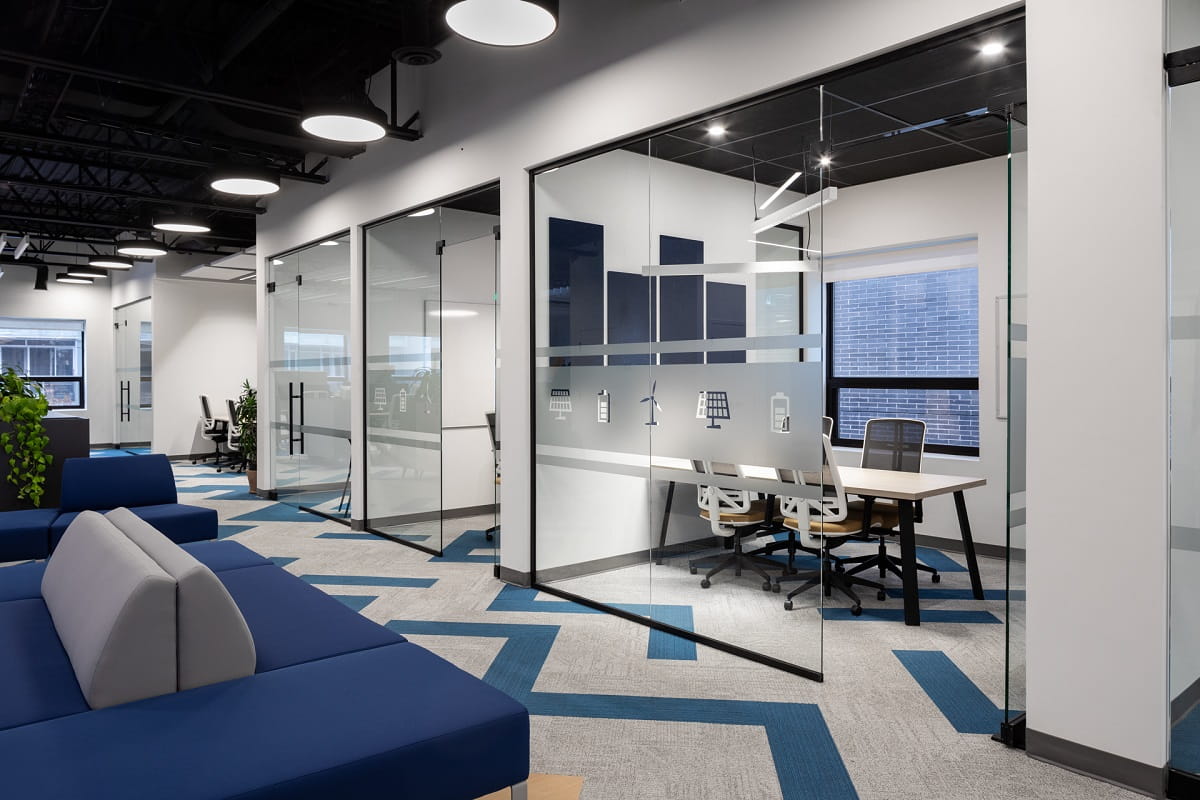
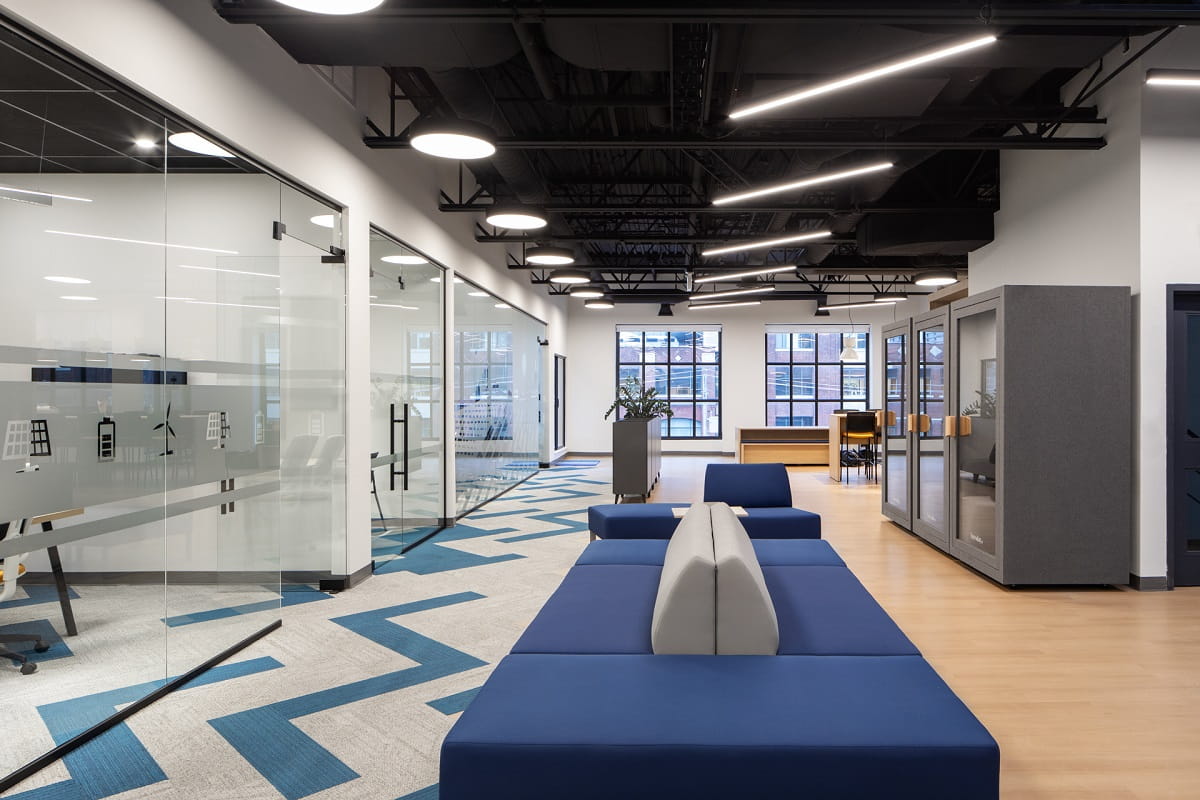
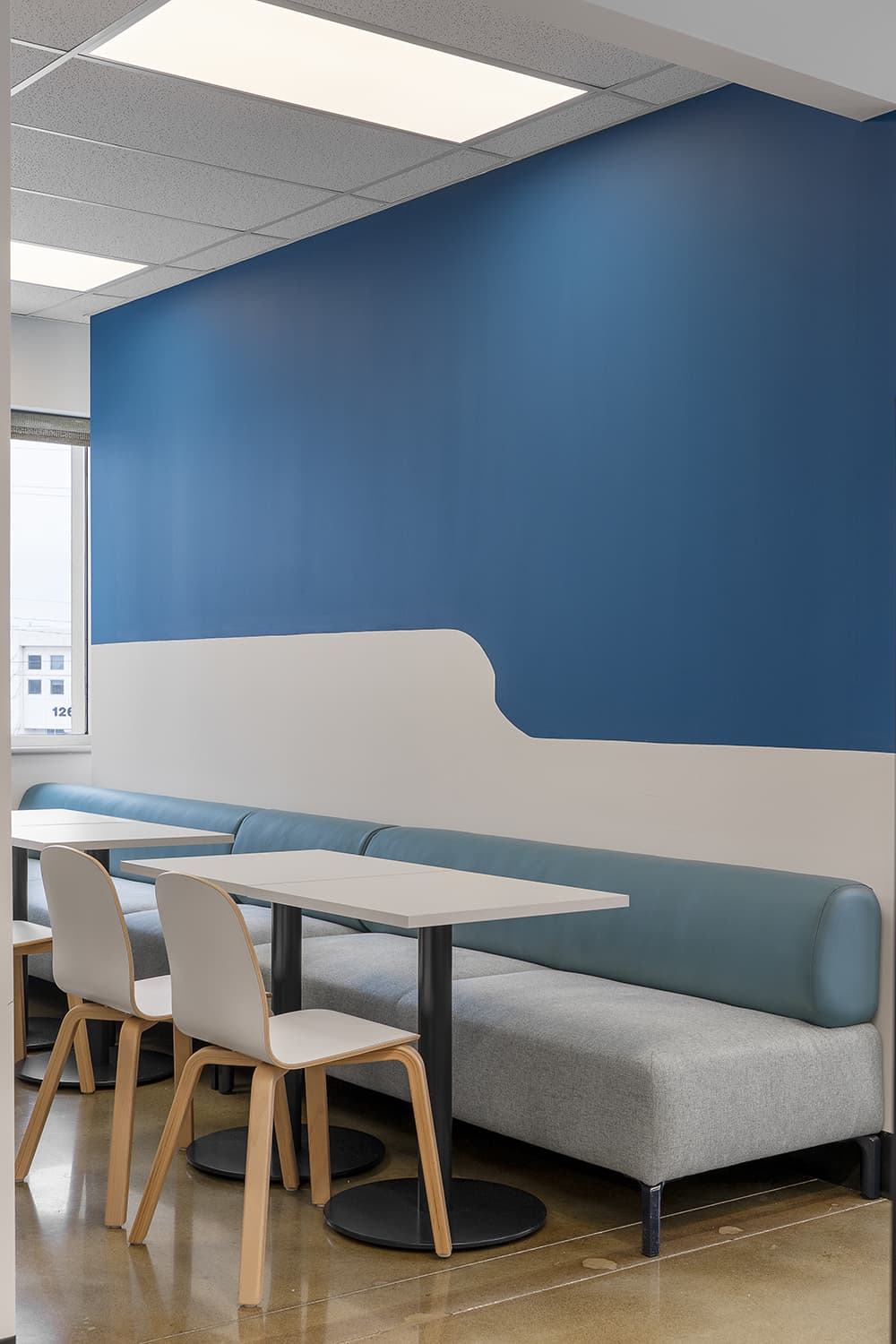
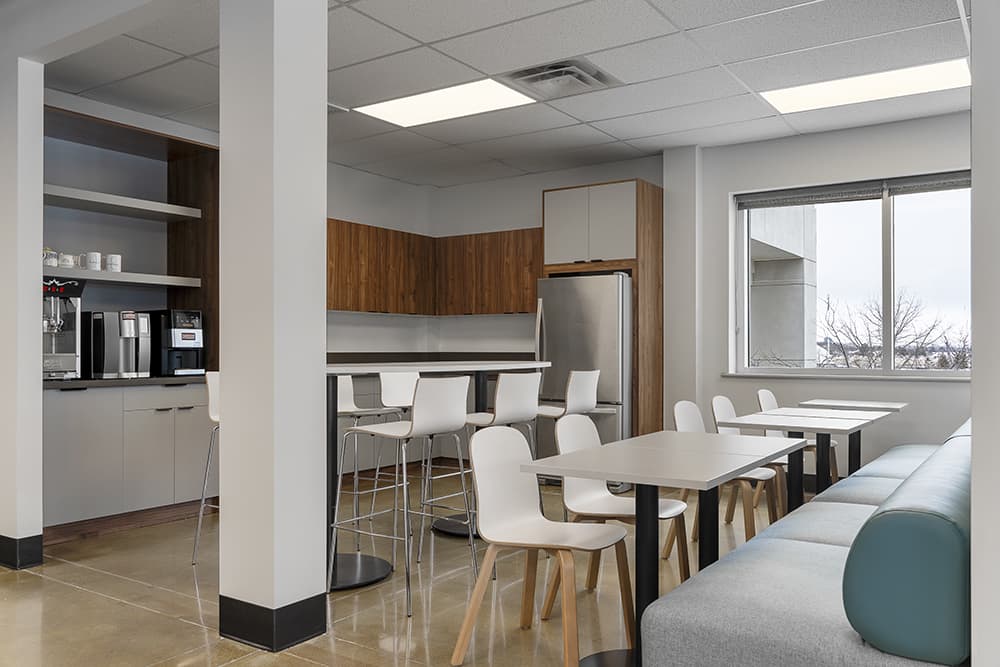
The smarter approach is to review how space is actually being used. Large rooms used by small groups may be divided or repurposed. Underused private offices may become shared focus rooms. Open areas may be zoned more clearly. Storage may be consolidated. Workstations may become more flexible without feeling temporary.
Space efficiency works best when it improves function, not when it simply increases density.
A good renovation should make the office feel easier to use, not more compressed.
Productivity Gains Come From Removing Friction
Productivity is often discussed in broad terms, but office-related productivity loss is usually very specific.
People cannot find a room. A workstation is too noisy. The printer is too far from the team that uses it. Hybrid meetings fail because the room was not designed for video. Employees leave early because the office is uncomfortable. Teams spend too much time adjusting around the environment.
None of this sounds dramatic. That is why it gets ignored.
But repeated friction is expensive.
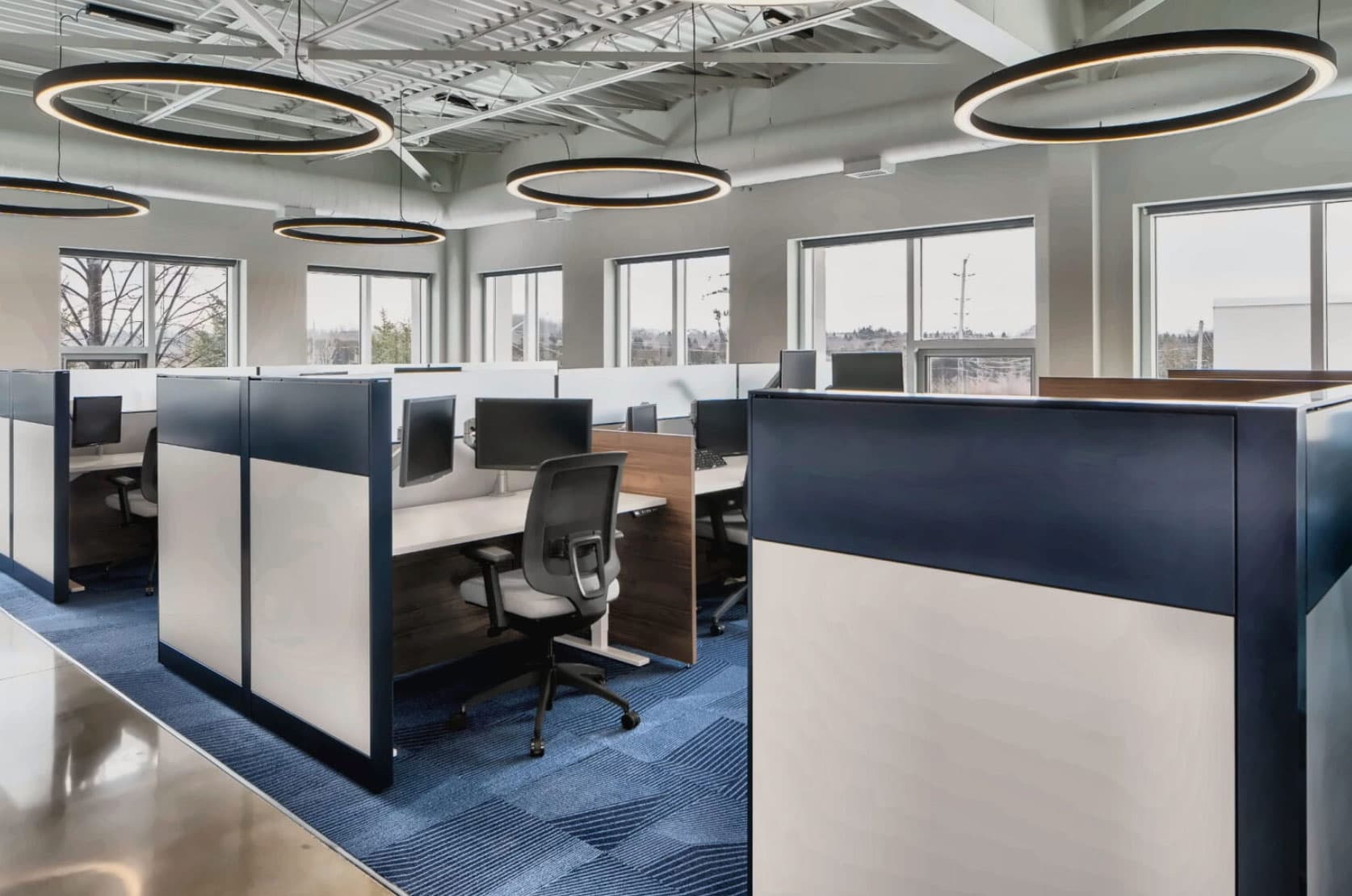
A renovation can improve productivity by reducing the number of small interruptions employees face throughout the day. Better office space planning can place teams closer to the people and tools they use most. Acoustic improvements can make focus work easier. Updated meeting rooms can reduce technology problems. More effective office furniture design can support longer work sessions without discomfort.
The best workplace renovations do not try to make people work harder. They remove the unnecessary effort that the office has been adding to the day.
A useful way to calculate this is to estimate time saved. If a team of 25 people saves even ten minutes per person per day because rooms, tools, storage, and work zones function better, that becomes more than 1,000 hours a year. The financial value depends on salaries and billable time, but the direction is clear.
Small improvements become meaningful when they happen every day.
Client Confidence Has Real Commercial Value
A client-facing office does not need to be luxurious to build trust.
It needs to feel controlled, current, and aligned with the business.
Reception, meeting rooms, materials, lighting, acoustics, and circulation all shape how clients read the company before anyone speaks. If the office feels disorganized, dated, or improvised, the business may be working harder than necessary to prove credibility.
This is especially true for professional services, healthcare, legal, finance, real estate, and consulting environments. Clients may not judge the space consciously, but they notice whether the environment feels prepared.
Corporate interior design can strengthen that impression without turning the office into a showroom.
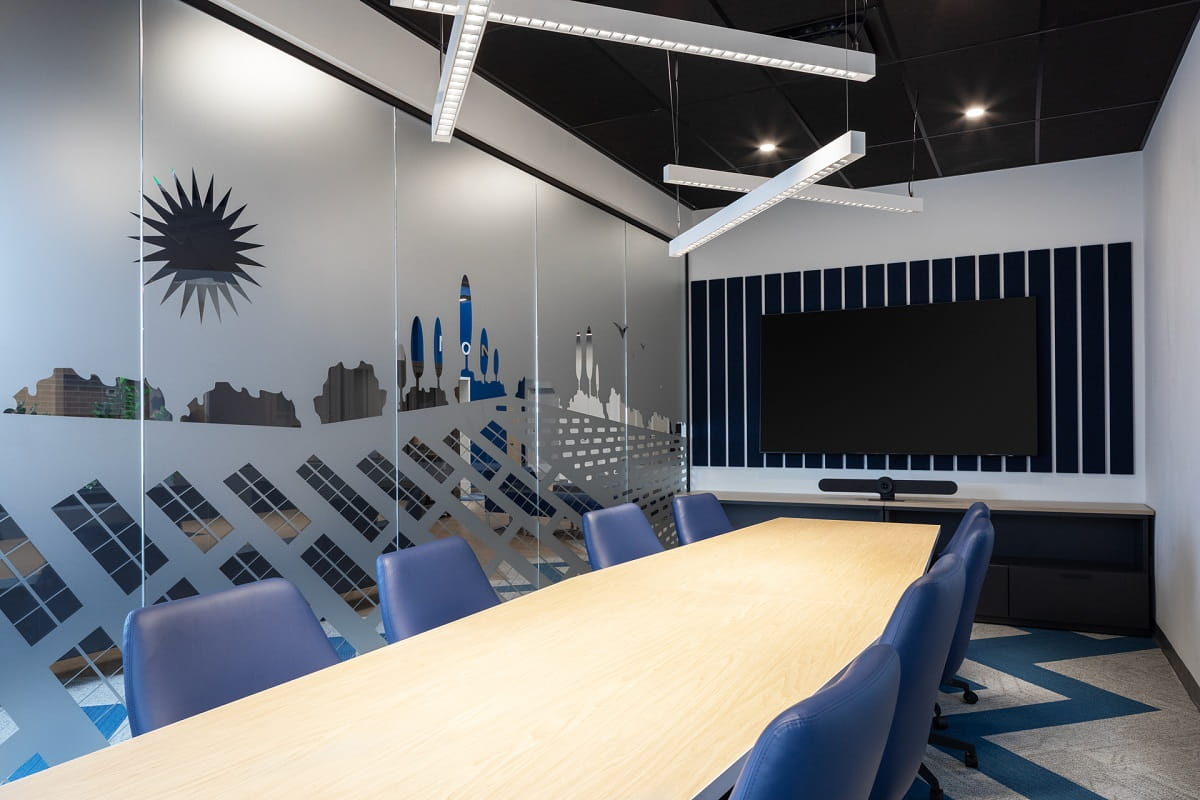
The highest ROI upgrades are often practical. A calmer reception layout. Better privacy in meeting rooms. More durable materials. Improved lighting. Cleaner storage. Technology that works smoothly during presentations. These details support trust because they make the business feel organized.
The value is not only aesthetic. Strong client experience can support conversion, referral confidence, and long-term relationship quality.
An office renovation ROI calculator should include client-facing impact, especially when the workplace is part of the sales or service experience.
Hiring and Retention Should Be Part of the Calculation
People do not stay at a company because of the office alone.
But the office can absolutely influence how they feel about the company.
A workplace that feels crowded, uncomfortable, noisy, or outdated sends a message. It suggests the business has outgrown its systems or stopped investing in the employee experience. That may not be the intended message, but employees often feel it anyway.
Renovation ROI should consider retention risk.
Replacing an employee is expensive. Recruiting takes time. Onboarding takes time. Productivity dips while new hires settle in. If the office contributes to frustration, even quietly, it becomes part of the cost of turnover.
A strong renovation can help by improving comfort, focus, flexibility, and pride in the workplace. Better ergonomic furniture, more varied work settings, good lighting, acoustic planning, and smarter collaboration zones all contribute to a better daily experience.
This does not mean adding trendy perks.
It means giving people a workplace that helps them do good work without constant compromise.
For hiring, the office also matters during interviews. Candidates notice whether the workplace reflects the company’s stage, values, and ambition. A renovated office can help the business feel more credible to the people it wants to attract.
Furniture ROI Is Bigger Than It Looks
Furniture is often viewed as a cost category.
In practice, it can be one of the strongest ROI levers in an office renovation.
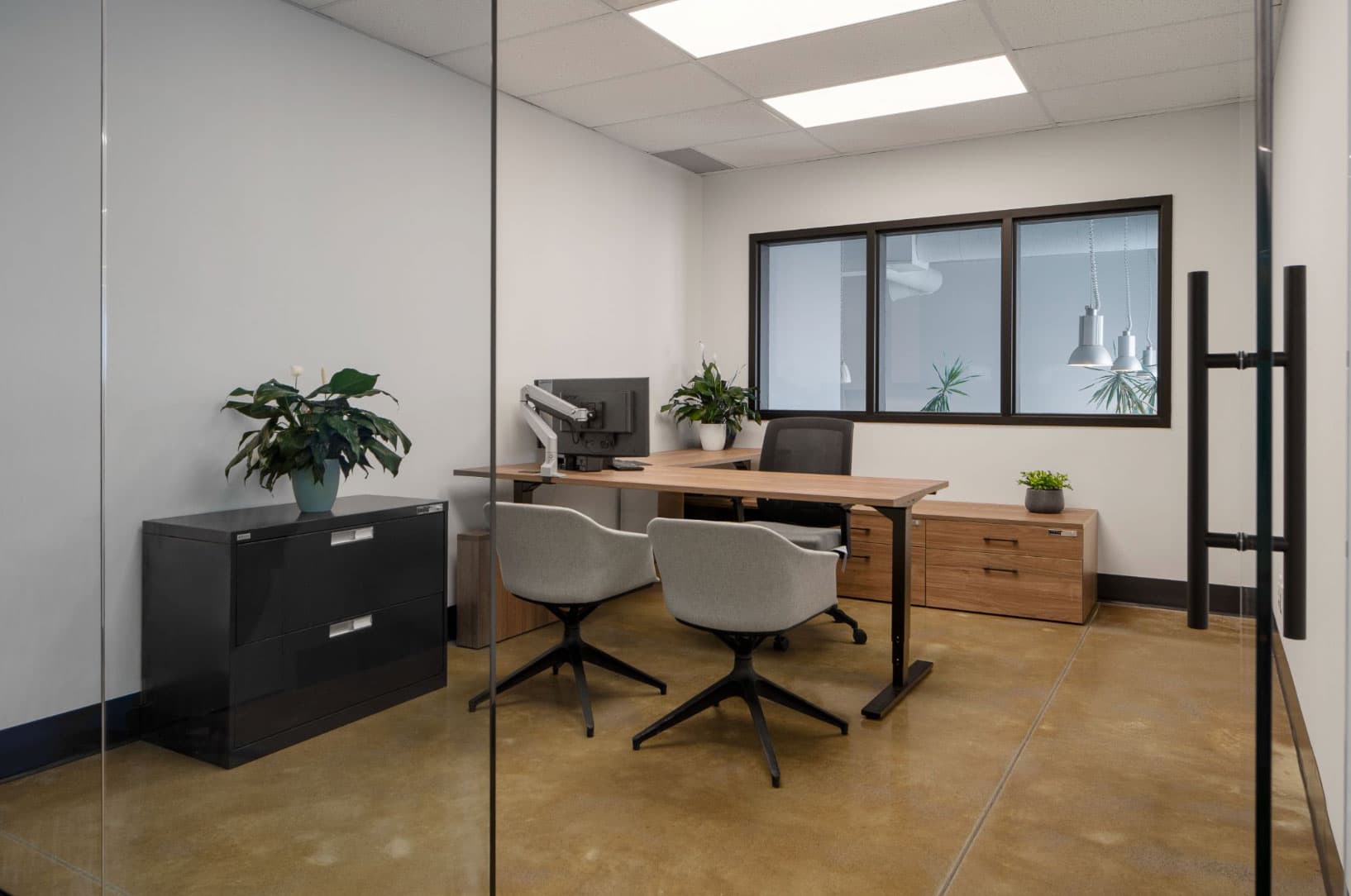
Poor furniture affects posture, storage, acoustics, circulation, room use, and how the office ages. A cheap workstation system may save money at purchase but create discomfort, clutter, and inflexibility later. A boardroom table without proper power integration may lead to visible cables and awkward meeting setups. Reception seating that wears quickly can weaken the first impression within a few years.
Office furniture design should be evaluated by total value, not just unit cost.
The right furniture can extend the life of the office by allowing teams to reconfigure without major construction. Modular workstations can adapt as departments change. Integrated storage can reduce clutter. Ergonomic seating can improve comfort. Flexible meeting furniture can support different types of collaboration.
Canadian office furniture systems can be especially useful for businesses that need durability, flexibility, and long-term support without making the office feel generic.
A useful ROI question is this: will this furniture still support the business three to five years from now?
If the answer is no, the lower upfront cost may not be a saving.
Downtime Avoidance Belongs in the ROI Calculator
Renovation ROI is not only about the finished space.
It is also about how the project affects operations while work is happening.
A renovation that disrupts the business for weeks can lose value quickly, even if the final result is strong. Phasing, swing space, IT coordination, procurement timing, and communication all influence the true cost of the project.
This is where interior design services should connect design intent with implementation strategy.
If employees need to stay operational during renovation, sequencing matters. Noisy work should be scheduled carefully. Temporary work areas should be usable, not improvised. IT systems should be protected and coordinated. Furniture installation should align with construction and occupancy plans.
A project that avoids unnecessary downtime protects revenue, morale, and client experience.
That should count as ROI.
For businesses with active client work, billable teams, or public-facing operations, downtime avoidance can be one of the most important financial gains of the renovation.
What You Will Actually Gain
The best office renovation ROI is rarely one thing.
It is the combined value of a workplace that works better.
You may gain more usable space without expanding. You may reduce daily interruptions. You may improve meeting quality. You may make hiring easier. You may give clients a stronger sense of confidence. You may delay a relocation. You may create an office that can adapt as the company changes.
Some gains are measurable. Others are felt.
Both matter.
The strongest renovation projects begin by defining those gains before design decisions are made. That way, every choice can be tested against the larger goal. Does this layout reduce friction. Does this meeting room support real use. Does this furniture help the team work better. Does this reception area build trust. Does this investment extend the life of the office.
That is what separates a renovation from a refresh.
A refresh makes the office look better.
A renovation with real ROI makes the business work better.
Frequently Asked Questions (FAQ):
How do you calculate office renovation ROI?
Office renovation ROI can be calculated by comparing the cost of the renovation against the financial and operational gains it creates over time. The simplest formula is estimated annual gain minus renovation cost, divided by renovation cost.
The harder part is deciding what counts as gain. A good calculation should include space efficiency, productivity improvements, reduced downtime, avoided relocation costs, better employee retention, and stronger client experience. Not every benefit will be perfectly measurable, but that does not make it irrelevant.
The most useful ROI calculations combine numbers with operational evidence. Meeting room demand, employee complaints, wasted space, client-facing issues, and technology problems all help show where the office is costing the business today.
What office renovation improvements usually give the best ROI?
The highest ROI improvements are usually the ones that solve daily operational friction. Better meeting rooms, improved acoustic planning, smarter storage, ergonomic furniture, clearer circulation, and more efficient office space planning often create strong returns because they affect how people work every day.
Client-facing areas can also offer strong ROI when they influence trust and perception. Reception, boardrooms, consultation rooms, and presentation spaces all shape how clients experience the business.
The best investment depends on what is currently failing. A company with constant meeting room pressure may gain more from rebalancing shared spaces than from upgrading finishes. A client-facing firm may gain more from improving reception and meeting rooms than from adding more desks.
Is renovating cheaper than moving offices?
Renovating can be cheaper than moving, but not always. The right answer depends on whether the current space has enough potential to support the business after improvements are made.
If the office has enough square footage but poor layout, storage, furniture, or meeting room distribution, renovation may be a smarter and less disruptive option. It can extend the life of the lease and avoid the costs of relocation, new fit-out, moving, downtime, and disruption.
Moving may make more sense when the current footprint cannot support growth, accessibility, client experience, or operational needs even after reconfiguration. A workplace audit can help compare both paths more clearly before a decision is made.
Key Takeaways
- Office renovation ROI should measure both cost savings and performance gains
- The real cost of doing nothing often appears through wasted time, poor workflow, client hesitation, and employee frustration
- Space efficiency can delay or reduce the need for relocation
- Productivity gains often come from removing small daily friction points
- Client-facing improvements can strengthen trust, confidence, and perceived professionalism
- Hiring and retention should be included in the ROI calculation
- Office furniture design affects comfort, flexibility, storage, and long-term value
- Downtime avoidance can protect revenue during renovation
- A strong renovation should improve how the business works, not just how the office looks
An office renovation is not automatically a good investment.
It becomes one when the project solves the right problems.
That means looking beyond finishes and asking what the business will actually gain. More usable space. Better workflow. Stronger client trust. Improved employee experience. Less downtime. Greater flexibility. A workplace that can support growth instead of resisting it.
When office interior design, office space planning, commercial interior design, and office furniture design are tied to measurable business outcomes, the renovation becomes easier to justify and harder to dismiss as cosmetic.
If your workplace is starting to create friction, Studio Forma can help assess what is worth changing and where the return is likely to come from. Reach us for a free consultation.