Whether your team is scaling in place, relocating, or planning ahead for future headcount, the goal is to create an office that feels more capable, more organized, and better aligned with where the business is going.
Office Design
Should Support Growth, Not React to It
In many companies, office problems do not appear all at once. They build over time. A few extra desks are added. Meeting rooms are booked constantly. A lounge becomes overflow workspace. A team expands faster than expected and the layout begins to feel uneven.
That pattern is common in growing businesses. The issue is usually not just that the office is too small. It is that the space was never planned to absorb change well.
A stronger office design strategy helps businesses reduce those reactive adjustments. Instead of solving each new problem in isolation, the workplace is planned around how the company is evolving and what it will likely need next.
Common Growth Triggers That Signal It Is Time to Rethink the Office
Team Growth and Headcount Pressure
As teams expand, the office often starts to lose balance. Workstations get added wherever there is room, circulation tightens, and shared spaces begin to disappear. A layout that once worked well can start creating friction very quickly when headcount changes.
Relocation or Office Expansion
A move or expansion creates an opportunity to plan more intentionally. Instead of carrying old workplace problems into a new space, growing companies can use the transition to improve layout, define priorities, and create a better long-term foundation for the business.
More Client Meetings and Visitor Traffic
As a business grows, the office often plays a bigger role in how clients, partners, and candidates experience the company. Reception areas, meeting rooms, and other client-facing spaces may need to feel more polished, more consistent, and more reflective of the business.
Hybrid Reconfiguration
Hybrid work patterns rarely stay fixed. Some teams come in more often than expected, others less. Shared and assigned space needs shift over time. Growing companies often need offices that can support evolving work patterns without requiring constant layout changes.
Space That No Longer Reflects the Business
A company may be growing faster than the office communicates. The environment can start to feel improvised, dated, or too small for the level of work the business is now doing. That affects not only staff experience, but also perception from clients and prospective hires.
Planning for Future Headcount
Some companies are not in crisis yet, but they know more growth is coming. This is often the best time to plan. Thinking ahead makes it easier to create a workplace that can stretch, adapt, or phase over time without repeated disruption.


What Growing Companies Need From Office Design
Flexible Layouts
Growing companies need offices that can handle change without feeling unstable. Flexible layouts allow different zones to stretch, compress, or shift function as the business evolves.
Better Meeting Room Strategy
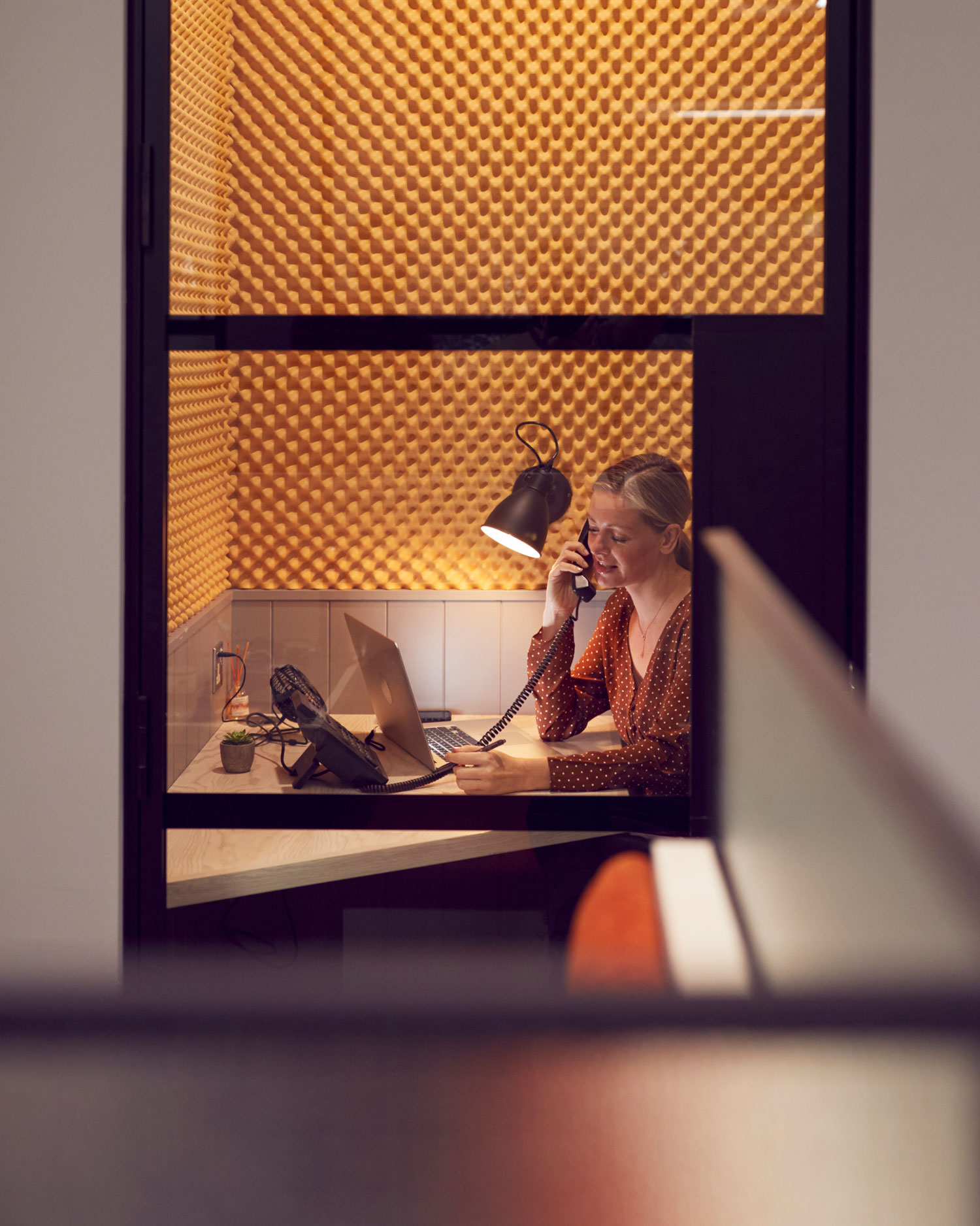
As teams scale, demand for meetings, review sessions, interviews, and collaboration spaces usually grows faster than expected. A stronger meeting-room strategy can help reduce bottlenecks and make the office work better day to day.
Clearer Client-Facing Spaces
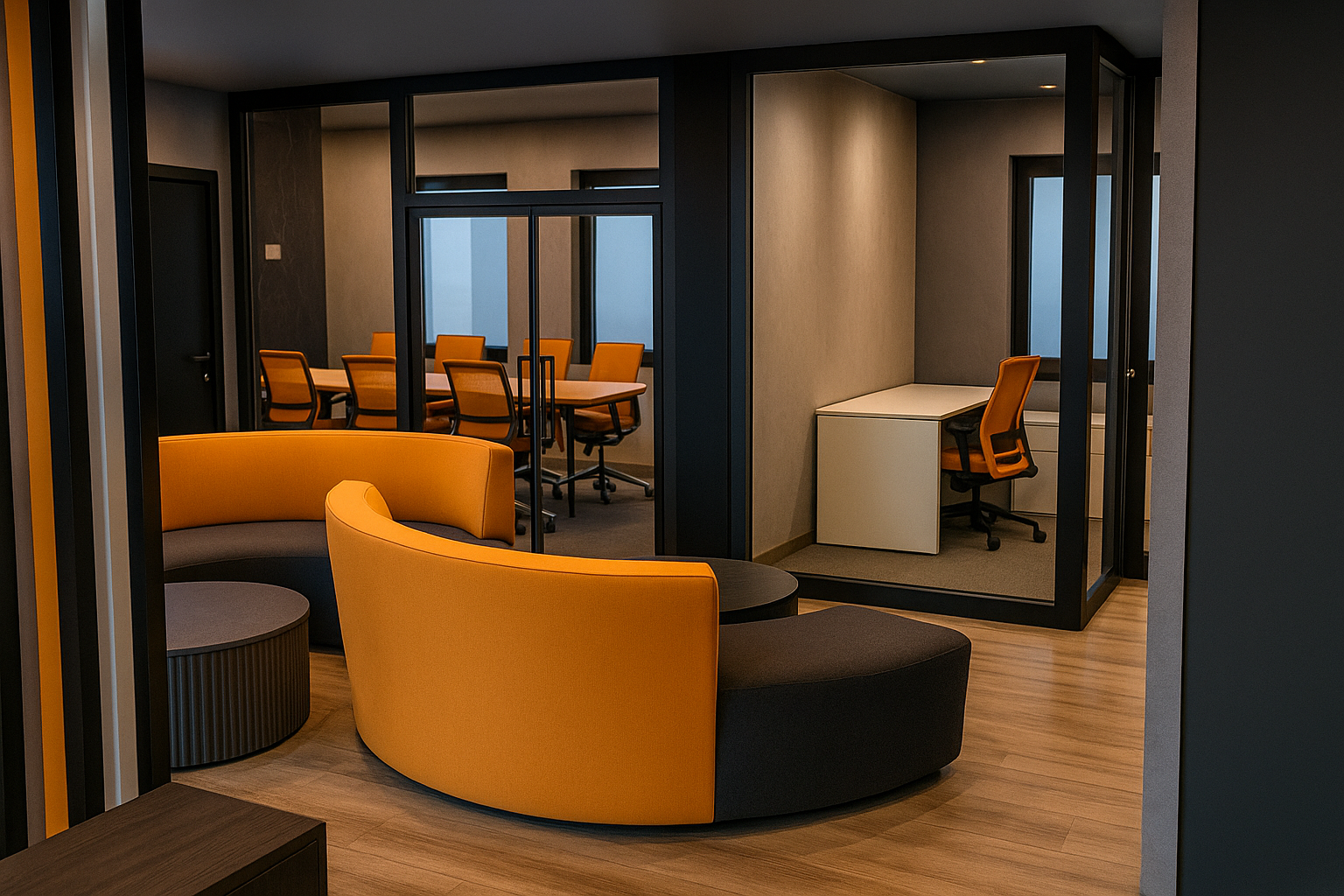
Reception, boardrooms, and meeting spaces often matter more as a company matures. These areas should support a stronger first impression and reflect the professionalism of the business more clearly.
More Adaptable Furniture and Work Zones
Furniture decisions often reveal whether a space was planned for short-term fixes or long-term growth. Modular systems and adaptable work zones can help companies expand or reconfigure without replacing everything each time the office changes.
Room to Phase Change Over Time
Not every business needs to solve everything at once. In many cases, the office should be designed with a phased plan so the highest-priority upgrades happen first and future changes can build on a clear framework.
How Studio Forma Helps Growing Companies Plan Ahead
Studio Forma helps growing companies think beyond the immediate pressure points and create a workplace plan that supports where the business is headed.
That may include reviewing how the current space is functioning, identifying where growth is creating friction, clarifying priorities around layout and experience, and shaping a design direction that supports both present needs and future change.
Our role is not just to make the office look better. It is to help create an environment that feels more stable, more intentional, and better able to support growth without constant reactive fixes.
Who This Page Is For
This page is a strong fit for:
- Founders and owners planning for the next stage of growth
- Executives whose office no longer fits the size or direction of the business
- Companies preparing for relocation or office expansion
- Teams that need more meeting rooms, better flow, or hybrid reconfiguration
- Businesses that want the office to make a stronger impression on clients and candidates
- Organizations that want to plan for future headcount more intentionally

Related Insights for Expanding Workplaces
If you are evaluating how growth is affecting your office, our related insights can help you think through expansion planning, hiring and productivity, and broader workplace strategy.
For a deeper look at how layout pressure builds over time, explore our article on planning for future expansion in office interior design.
You can also learn more about our commercial design services, office interior design services, and recent portfolio work if you are comparing next steps.
Frequently Asked Questions
When should a growing company rethink its office design?
It is usually time to rethink the office when growth starts creating friction. That may show up as overcrowding, overbooked meeting rooms, poor layout flow, hybrid mismatch, or an environment that no longer reflects the business well.
Do we need to move offices if we are growing?
Not always. Some companies can stay in their current space and improve how it is used through reconfiguration, phased upgrades, or better furniture and layout planning. Others may benefit more from relocation or expansion.
Can you help plan for future headcount even if we are not growing yet?
Yes. In many cases, the best time to plan for growth is before the pressure becomes obvious. A workplace that allows for future change is often easier and less disruptive to manage over time.
Can hybrid work be built into a growth-focused office plan?
Yes. Growth-focused workplace planning should account for changing attendance patterns, shared use, meeting demand, and flexibility so the office does not become outdated as work patterns shift.
Can office design help with hiring and client impression?
Yes. The office affects how people experience the business, from current staff to prospective hires to visiting clients. A more organized, professional, and well-planned environment can support both internal function and external perception.
Book a Consultation
If your company is growing and the office is starting to feel stretched, Studio Forma can help you think through what comes next. We work with businesses across Toronto and the GTA to plan workplaces that support growth more intentionally.
Book a consultation to start the conversation.