Most professional services firms don’t notice the workplace becoming a problem right away.
The signs usually appear gradually. Hiring takes longer than expected. Employees start avoiding the office for tasks that require concentration. Meeting rooms are constantly unavailable, while other areas sit underused. Clients walk in, and the environment feels less polished than the quality of work being delivered.
None of these issues come from one dramatic failure. They build quietly over time.
For engineering firms, consulting practices, accounting groups, and other professional services businesses, the office is more than a backdrop. It directly affects workflow, communication, confidentiality, and perception.
That’s why modern office design in this sector is no longer about appearance alone. The strongest workplaces today are built around operational clarity. They support focus when concentration matters, collaboration when teams need to coordinate, and professionalism in every client interaction.
When office interior design aligns with how professional services teams actually work, the office stops feeling like a fixed environment and starts functioning like a business tool.
Office Interior Design Should Improve Workflow, Not Complicate It
Professional services work moves constantly between different modes of thinking.
An engineer may spend part of the day reviewing technical documents independently, then shift into collaborative coordination meetings with consultants or project teams. Legal and accounting environments follow similar patterns. Focused work and active discussion happen side by side.
This is where many workplaces begin to struggle.
The office design layout often separates these functions too rigidly or combines them too loosely. Employees either feel isolated or distracted. Work that requires concentration gets interrupted by movement and conversation. Collaboration becomes inefficient because teams lack the right spaces to gather quickly.
Good office interior design removes these points of friction.
That does not mean creating a fully open office. In many professional services environments, too much openness creates more operational problems than it solves. Instead, commercial interior design should support different types of work simultaneously.
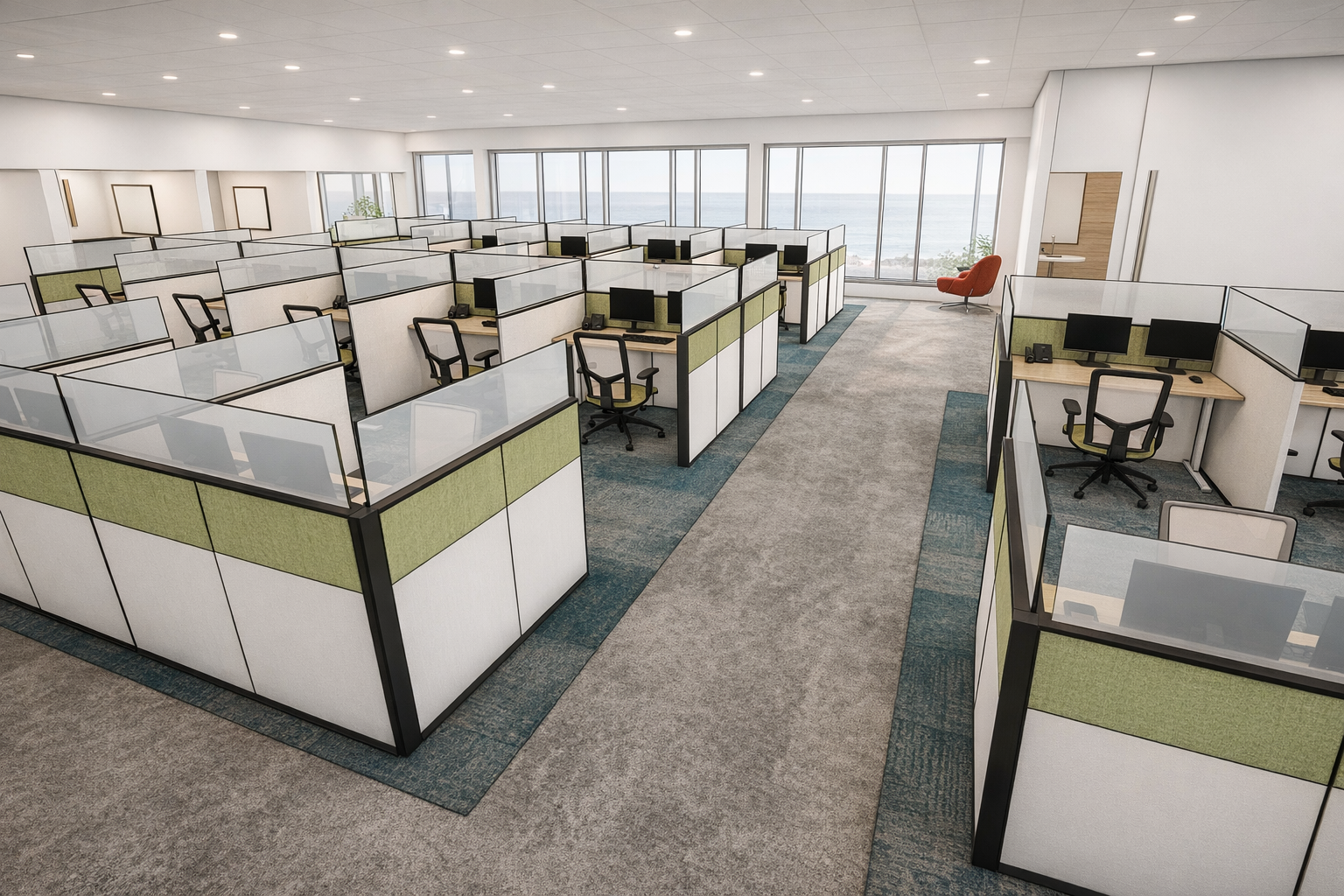
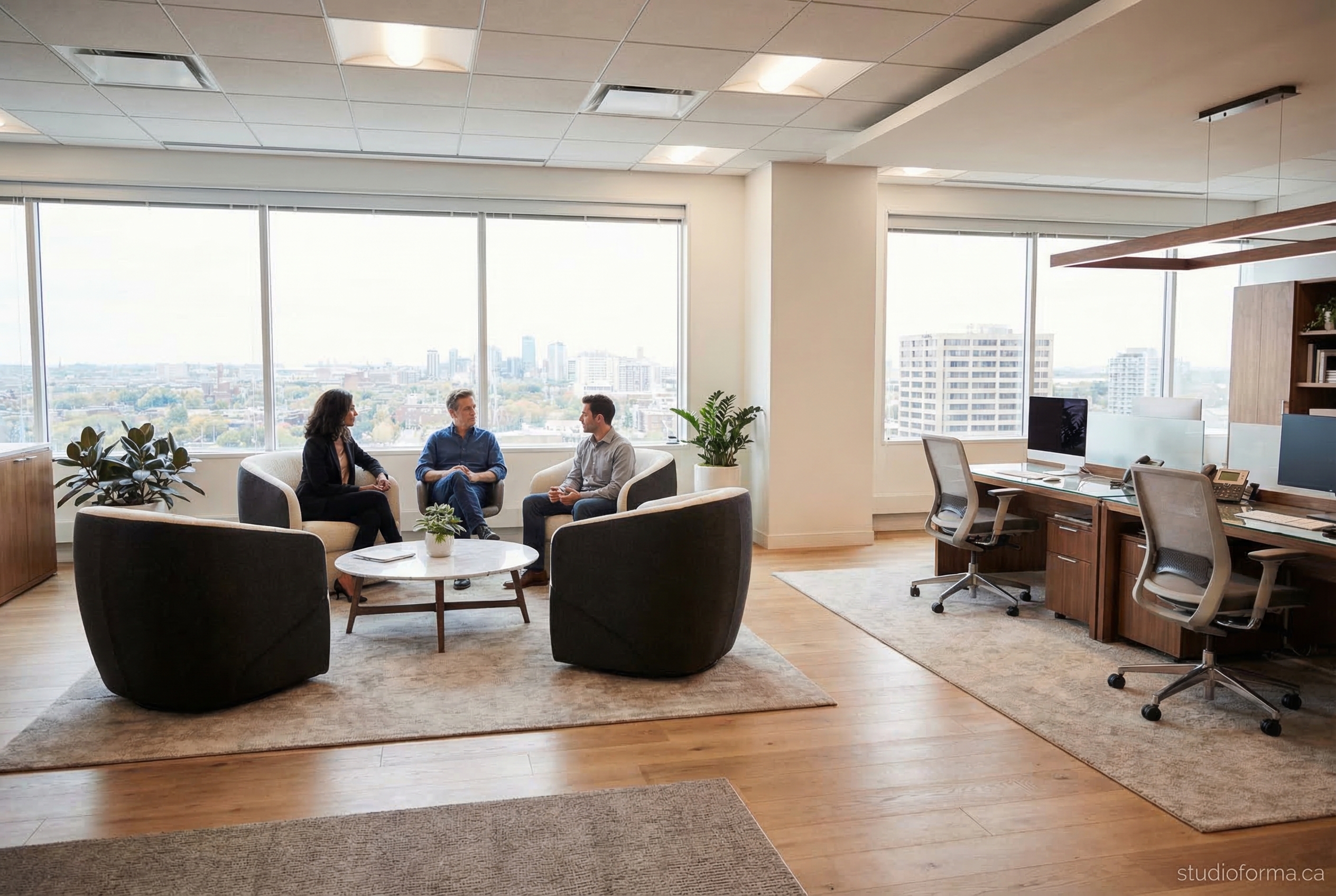
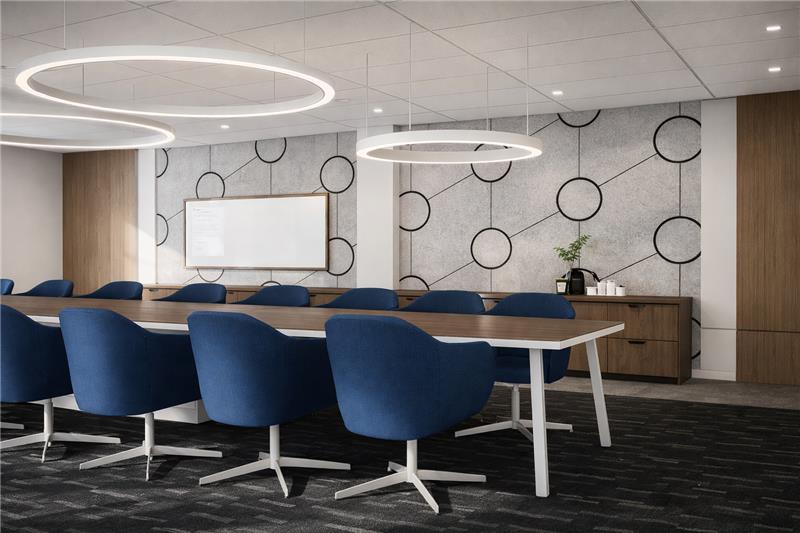
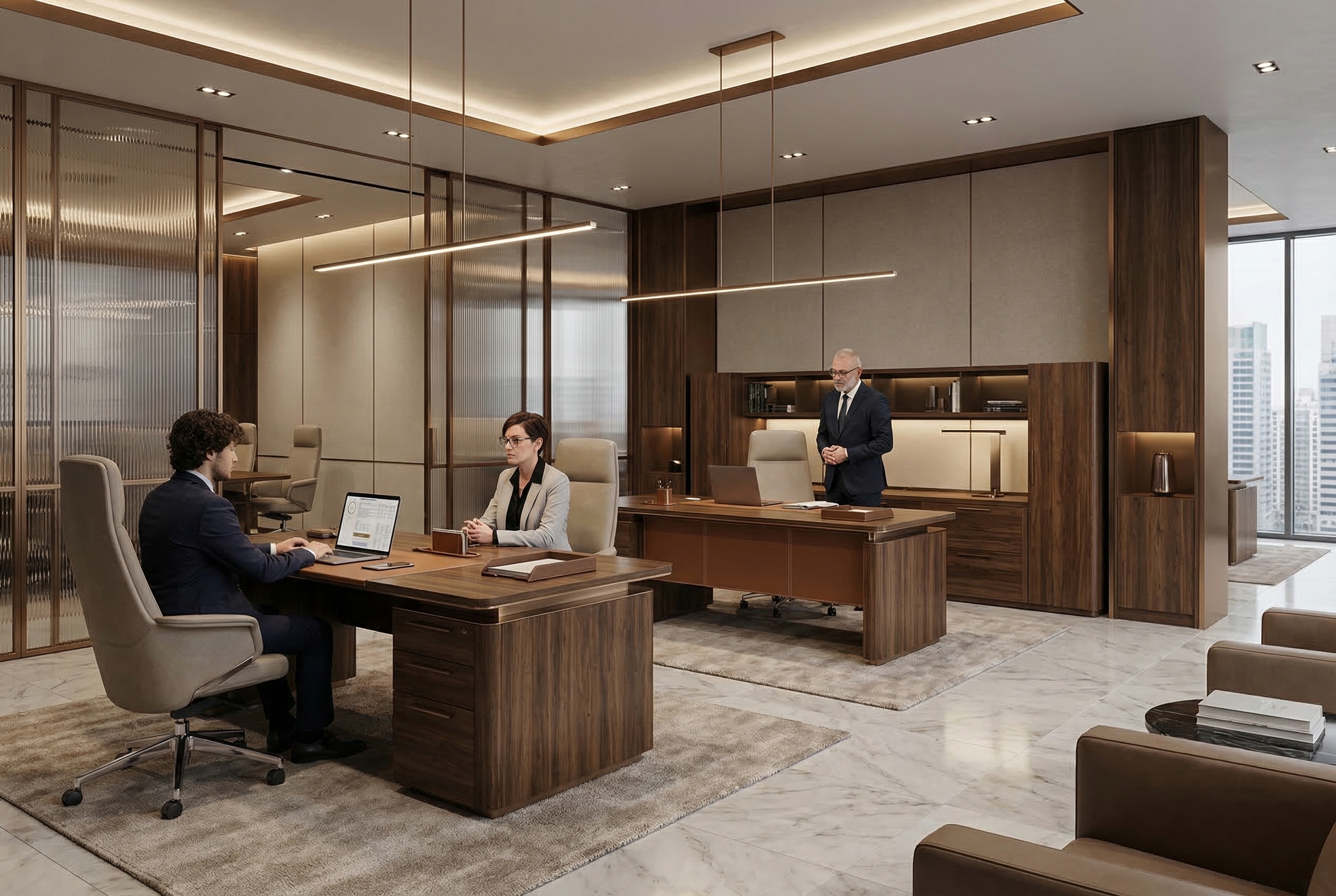
Quiet focus zones, accessible meeting areas, and shared collaboration spaces all need to exist within the same workplace ecosystem. When office space planning supports movement between these functions naturally, workflow improves without employees needing to constantly adapt around the environment.
Commercial Interior Design Shapes Client Trust Before Meetings Begin
Clients notice more than firms realize.
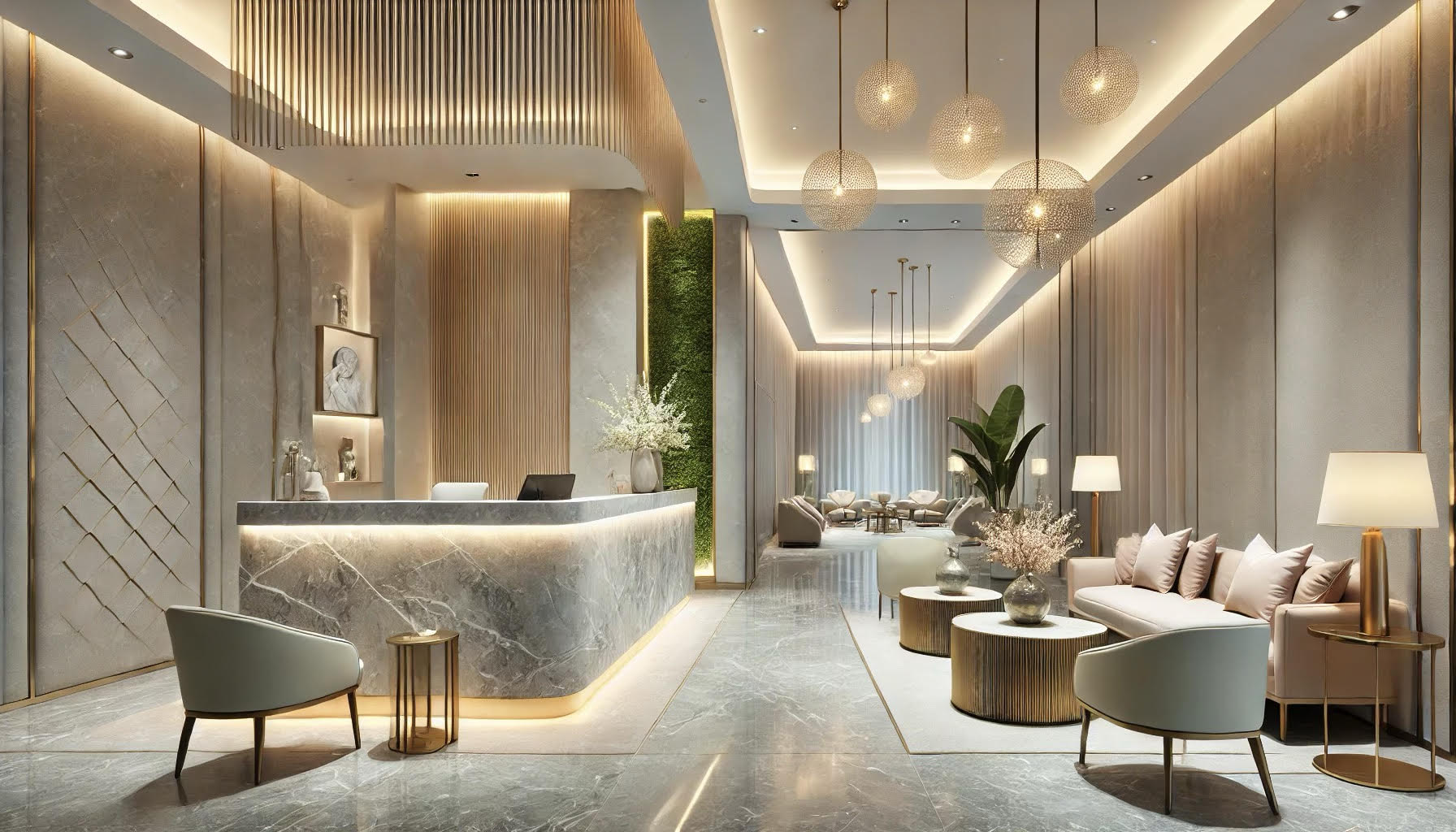
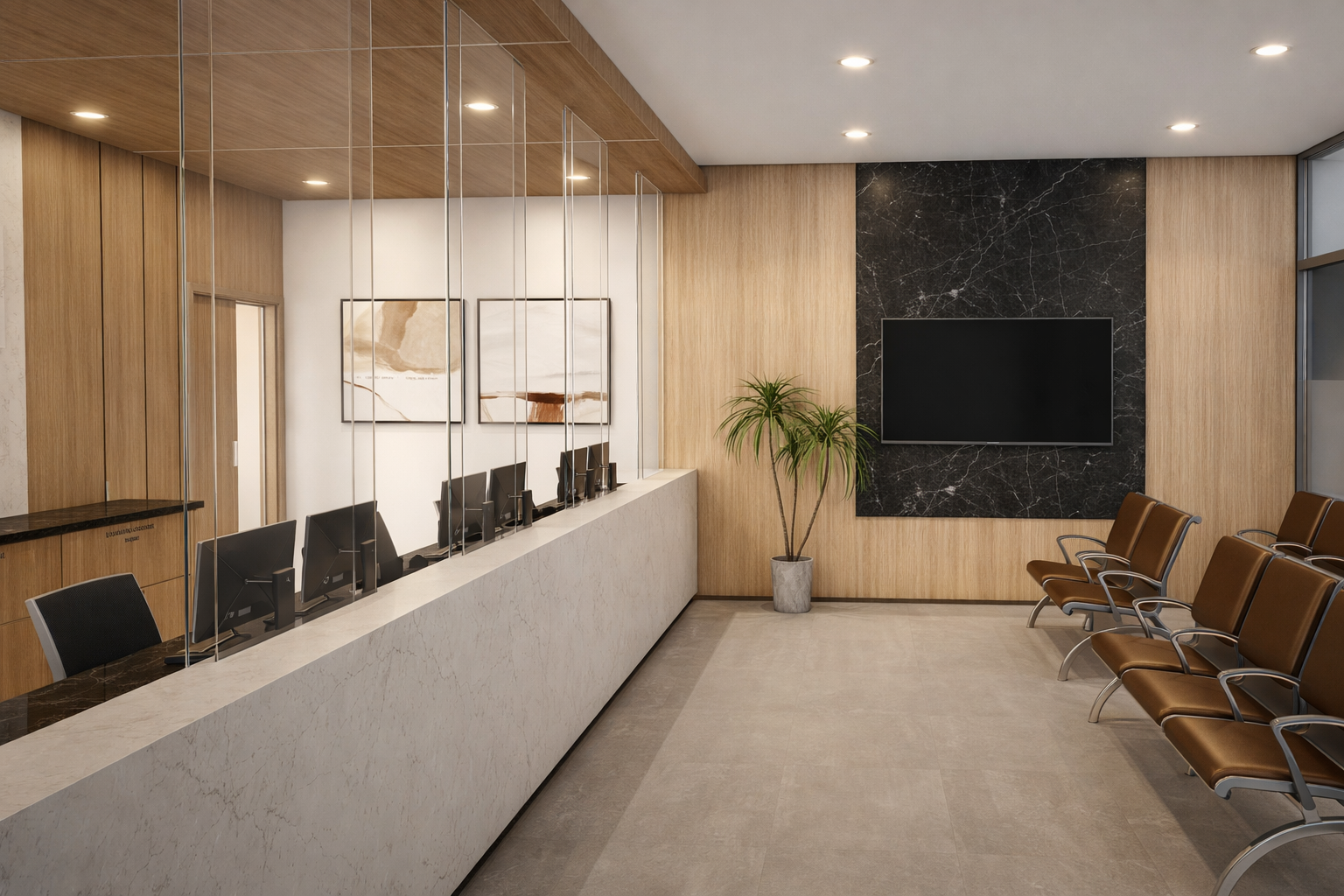
The moment they enter the office, they begin assessing professionalism through the environment around them. They notice whether the reception area feels organized. They notice whether conversations sound private. They notice whether the workplace feels calm, controlled, and intentional.
This is where corporate interior design plays a larger role than aesthetics alone.
Professional services firms depend heavily on trust. Clients need confidence that sensitive projects, financial information, legal discussions, or technical work are being handled carefully. The office should reinforce that confidence immediately.
Reception areas should feel structured without becoming cold. Meeting rooms should support privacy and concentration instead of feeling temporary or improvised. Circulation should guide visitors naturally without exposing operational areas unnecessarily.
Acoustics also matter significantly in engineering and professional services workplaces. Poor sound control weakens privacy and creates distractions that affect both employees and clients.
Commercial interior design that supports client trust usually feels quieter, more resolved, and more deliberate. It creates confidence without relying on overly branded or dramatic design gestures.
Focus Work Still Drives Performance in Professional Services Firms
Despite the shift toward collaborative workplace trends, focused work still drives much of the value created in professional services environments.
Engineers reviewing technical details, consultants preparing reports, accountants analyzing financial data, and legal professionals drafting documentation all rely on sustained concentration.
When the workplace does not support that concentration, employees create workarounds.
Meetings are booked simply to access quieter rooms. Headphones become permanent. Tasks requiring focus get delayed until employees return home or stay late after the office quiets down.
These behaviours are signs that the office is no longer supporting the work effectively.
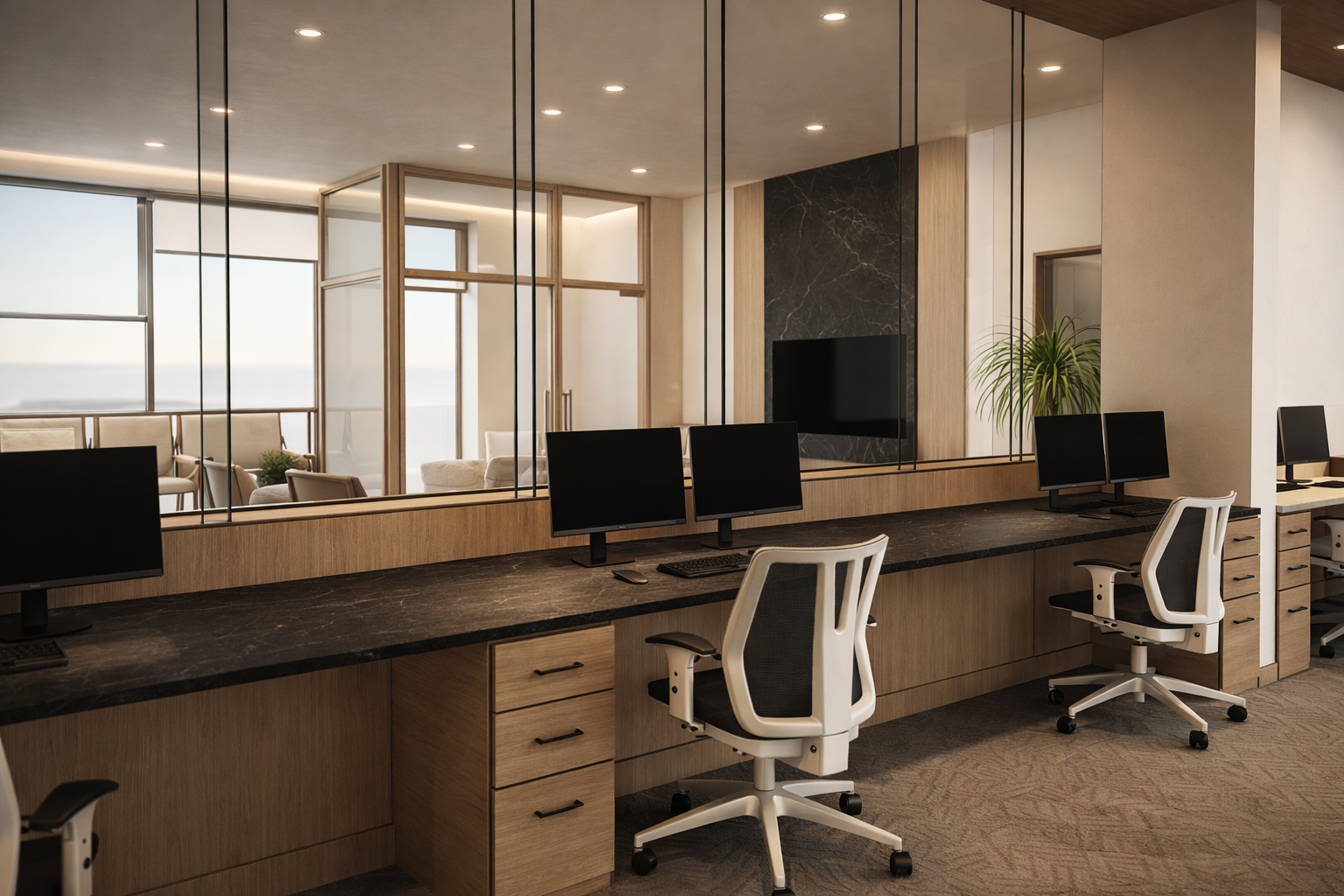
Office space planning should protect focused work instead of treating it as secondary to collaboration. Quiet rooms, acoustically separated areas, and enclosed spaces allow employees to concentrate without needing to leave the office environment entirely.
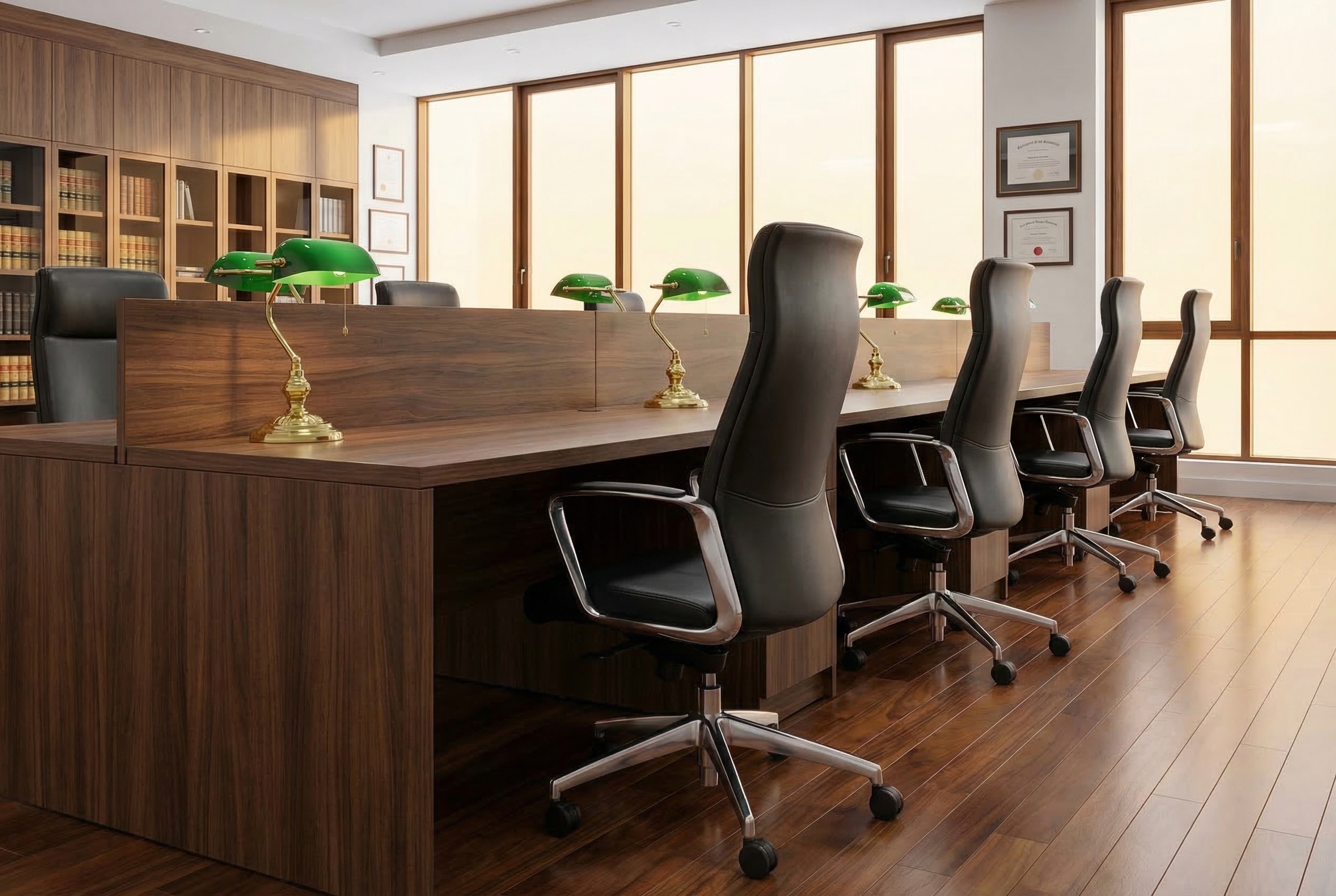
Office furniture design also contributes significantly here. Workstations should support comfort over long periods while maintaining enough flexibility to adapt to changing project teams and workflows. Canadian office furniture systems often perform well in these settings because they prioritize durability and adaptability rather than purely visual trends.
The best professional services offices do not force employees into one mode of work. They allow people to shift naturally between concentration and collaboration depending on what the task requires.
Recruiting and Retention Depend on Daily Workplace Experience
Top talent pays attention to the workplace immediately.
Not because employees expect luxury, but because they want to know whether the environment supports the way they work.
An outdated or poorly functioning office quietly signals that the business may also be resistant to change. Conversely, workplaces that feel thoughtful and well-planned create confidence that the organization invests in both its employees and its operations.
Interior design services that support professional services firms often focus heavily on usability because daily experience shapes retention more than dramatic design features ever will.
Employees notice whether meeting spaces are available when needed. They notice whether focus areas are usable. They notice whether the office design layout supports collaboration naturally or forces teams to work around limitations.
Natural light, acoustic comfort, flexibility, and ergonomic office furniture design all contribute to whether employees feel supported over time.
Recruiting is rarely influenced by one feature. It is influenced by whether the workplace feels aligned with modern expectations and long-term professional growth.
Flexible Office Space Planning Supports Long Term Growth
Professional services firms rarely remain static.
Teams expand, project structures evolve, and hybrid work continues changing how offices are used throughout the week.
Rigid workplaces struggle under these conditions.
Commercial interior design should allow the office to adapt without requiring constant renovation or disruptive reconfiguration. Flexible meeting spaces, modular furniture systems, and scalable office design layout strategies make growth easier to manage operationally.
This becomes especially important in engineering and consulting firms where project teams often fluctuate in size depending on workload and specialization.
Interior design firms Toronto that specialize in workplace strategy often approach flexibility as a long-term operational issue rather than a visual trend. The goal is not to create spaces that simply look adaptable. It is to create workplaces that continue performing effectively as the business changes.
That distinction becomes very noticeable after occupancy.
Most Workplace Problems Start Quietly
The biggest workplace issues in professional services firms are rarely dramatic.
They appear slowly through daily friction.
Employees avoid the office because concentration is easier elsewhere. Teams waste time coordinating around unavailable meeting spaces. Clients sense inconsistency between the quality of service and the environment itself.
These are operational signals, not isolated complaints.
Office interior design becomes valuable when it solves those issues directly instead of simply modernizing appearance. Commercial interior design that supports workflow, focus, trust, and recruiting creates workplaces that feel more effective every day, not just more visually updated.
That is what modern professional services firms actually need from the workplace now.
Frequently Asked Questions (FAQ):
How can a professional office modernize without losing credibility?
The key is to avoid drastic changes that feel disconnected from the firm’s identity. Focus on refining layout, improving lighting, and updating materials in a way that feels consistent. Clients respond well to spaces that feel stable but well maintained.
What is the first step in modernizing an office?
Start with how the space is used. Look at movement, meeting patterns, and daily workflows. Office space planning often reveals where the layout is no longer supporting the team. From there, design decisions become clearer.
Do professional offices need to follow design trends?
Not necessarily. Trends can date quickly. A better approach is to focus on timeless materials and functional improvements. This ensures the space remains relevant over time.
Key Takeaways
- Workflow should drive layout decisions, not aesthetics
- Client trust is influenced by spatial experience, not just service quality
- Focus work remains critical in professional services environments
- Recruiting and retention are shaped by how the office performs daily
- Flexible layouts support growth and reduce future disruption
- Small friction points in design often lead to larger performance issues over time
Modern professional services offices are no longer judged solely by appearance.
They are judged by how effectively they support the people using them every day.
When office interior design, office space planning, commercial interior design, and corporate interior design align with how professional services firms actually operate, the workplace becomes part of the business’s performance rather than a barrier to it.