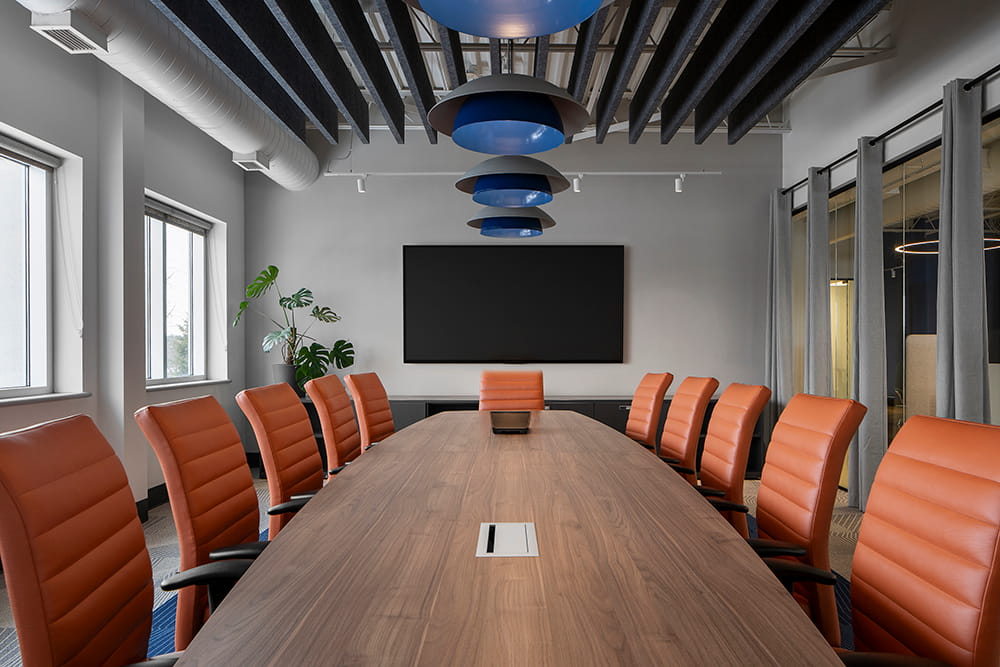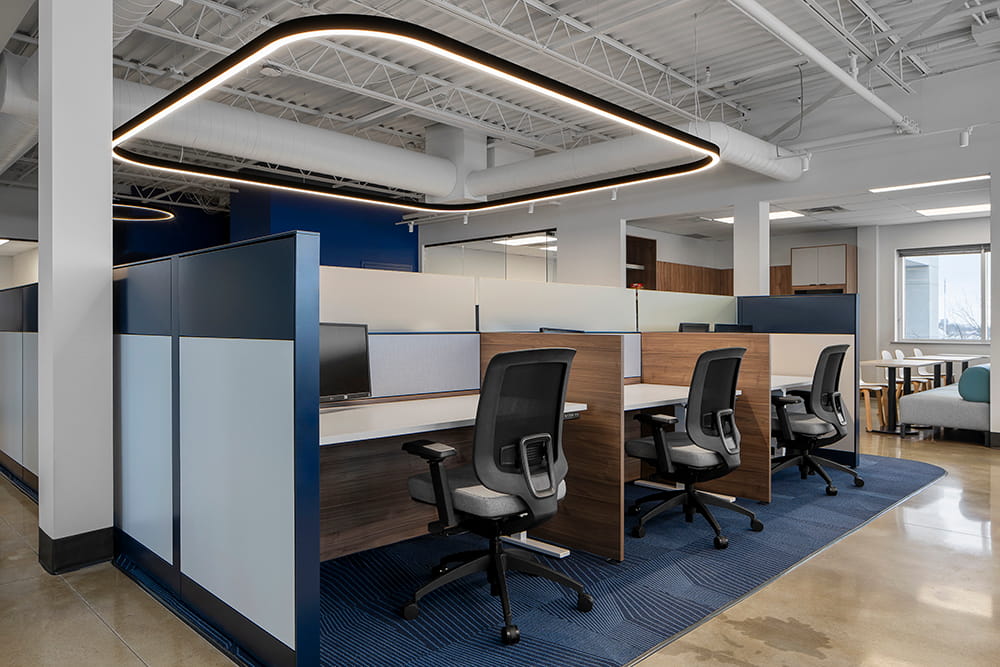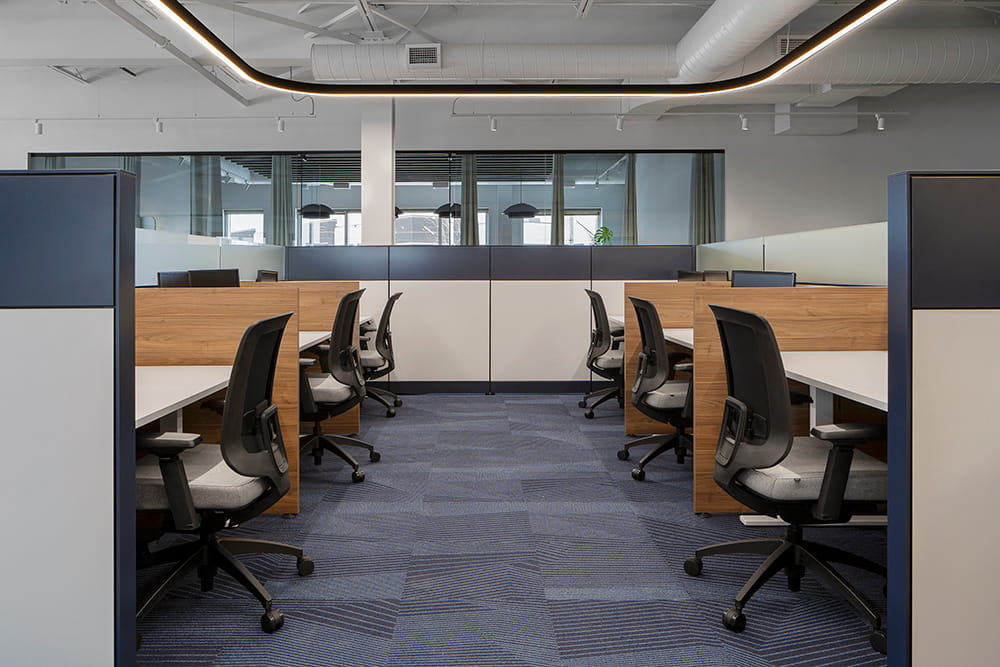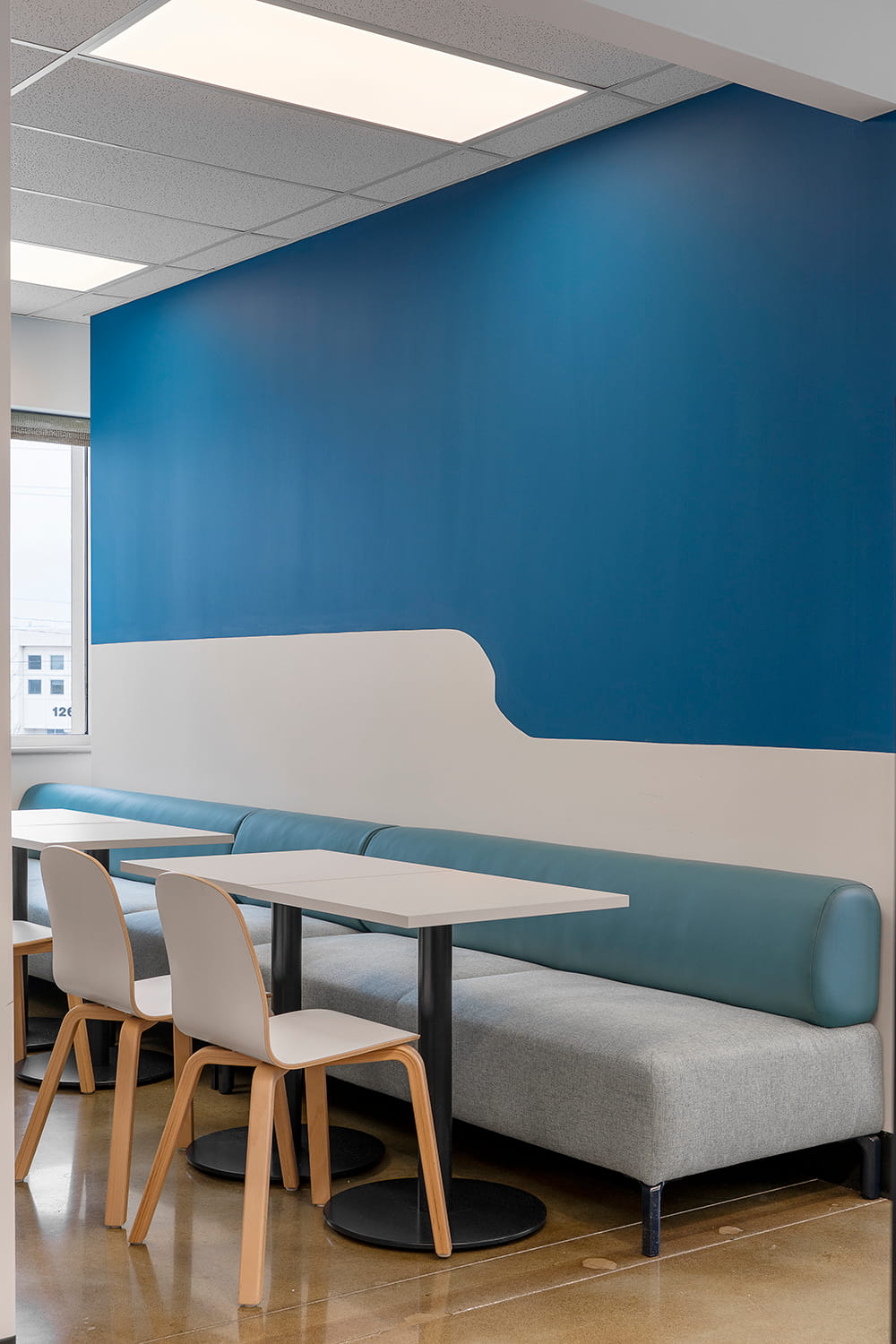
Office relocation is an opportunity to improve how your team works. Too often, it becomes a repeat of old problems in a new space.
Many businesses focus on timelines and logistics but overlook planning. The result is a workspace that looks new but functions poorly. Layout issues, power gaps, and mismatched furniture create delays, added costs, and frustration after move-in.
Effective office interior design starts before the lease is finalized. The goal is to align the office design layout, infrastructure, and furniture with how your team actually operates.
Interior design services help businesses plan ahead, avoid costly mistakes, and ensure the new space performs from day one. Below are the most common relocation mistakes and how to avoid them.
Office Interior Design Without a Proper Space Audit
One of the biggest mistakes is choosing a space without fully understanding how it will be used.
Businesses often estimate headcount instead of analyzing actual occupancy. With hybrid work, this leads to either overcrowded layouts or underused space. Both outcomes increase costs and reduce efficiency.
A proper office design layout should be based on peak usage, not assumptions. Interior design services assess team size, work patterns, and future growth to determine how much space is truly needed.
Mocking up layouts before signing a lease can reveal issues early. Simple tools like scaled floor plans or taped layouts help visualize how desks, meeting rooms, and circulation will function.
Office furniture design should also support flexibility. Modular systems allow businesses to adapt as teams grow or change.
Canadian office furniture solutions are well suited for this approach, offering scalable systems that fit evolving workplaces.
Commercial Interior Design That Overlooks Power and Technology
Technology planning is often left too late.
Many offices move in and then realize there are not enough outlets, poor connectivity, or limited support for hybrid work. This leads to visible cables, temporary fixes, and expensive upgrades.
Commercial interior design integrates power and data into the office design layout from the beginning. Every workstation, meeting room, and shared space should be planned with technology in mind.
Interior design services map out power locations, data needs, and equipment requirements early. This avoids disruption after move-in.
Office furniture design should also support this setup. Integrated cable management and accessible power points help maintain a clean and functional workspace.
Canadian office furniture systems often include built-in solutions that simplify this process.
Planning infrastructure early ensures the office is ready for both current and future demands.
Interior Design Services That Skip Layout Testing
A layout that works on paper does not always work in practice.
Without testing, businesses often discover issues only after furniture is installed. Tight circulation, blocked pathways, and inefficient workflows are common results.
Interior design services help prevent this by testing layouts before final decisions are made. Walking through the space, mapping movement, and reviewing key paths can identify problems early.
The office design layout should support smooth movement between workstations, meeting rooms, and shared areas. Sightlines, accessibility, and clear pathways are essential.
Commercial interior design also ensures compliance with safety and accessibility standards.
Office furniture design should fit comfortably within the layout without creating congestion.
Testing the layout before installation reduces rework and ensures a smoother transition into the new space.
Office Interior Design That Chooses the Wrong Furniture Scale
Furniture decisions can limit how well a space performs.
Choosing furniture that is too large, too rigid, or not adaptable makes it difficult to adjust the layout as needs change. This becomes a major issue in growing teams.
Office interior design should align furniture scale with the overall office design layout. Workstations, meeting tables, and storage should fit the space without restricting movement.
Interior design services often recommend phased furniture planning. This allows businesses to prioritize essential areas first and expand as needed.
Office furniture design should focus on flexibility. Modular and stackable systems allow for easy reconfiguration.
Canadian office furniture solutions are designed to support this approach, offering durability and adaptability over time.
Selecting the right furniture from the start prevents costly replacements and layout constraints later.
Corporate Interior Design That Delays Branding Decisions
Branding is often treated as a finishing touch, but delaying it creates complications.
Painting, graphics, and signage are sometimes installed after furniture, leading to disruptions, rework, and inconsistent results.
Corporate interior design should define brand elements early in the process. Colours, materials, and visual identity should be integrated into the office design layout before installation begins.
Interior design services help coordinate finishes and branding so they align with the space from the start.
Office furniture design can then complement these elements through material and colour selection.
Canadian office furniture manufacturers offer a range of finishes that can match brand requirements while maintaining durability.
Planning branding early ensures the final space feels cohesive and intentional.
Frequently Asked Questions (FAQ):
When should office relocation planning start?
Planning should begin before signing a lease. Layout, infrastructure, and team needs should be clearly defined early.
Why is layout testing important before a move?
It helps identify circulation issues, space constraints, and workflow problems before furniture is installed.
How does commercial interior design support relocation?
It ensures the space is functional, compliant, and aligned with how the team works, including technology integration.
Key Takeaways
- Office interior design should begin with a detailed space audit based on real usage
- Commercial interior design must plan power and technology before move-in
- Interior design services test layouts to prevent post-move issues
- Office furniture design should support flexibility and long-term use
- Corporate interior design should define branding before installation
- Canadian office furniture offers scalable and durable solutions
Office relocation is more than a move. It is a chance to improve how your business operates.
Without proper planning, the same problems follow into the new space. Layout inefficiencies, technology gaps, and poor furniture choices can limit performance from day one.
Effective office interior design ensures that the new environment supports your team immediately and adapts over time. Commercial interior design focuses on function, while interior design services guide the process from planning to execution.
By aligning the office design layout with flexible office furniture design and well-integrated infrastructure, businesses can avoid common relocation mistakes.
With the right approach and well-selected Canadian office furniture, a new office interior design becomes a strong foundation for growth rather than a missed opportunity.