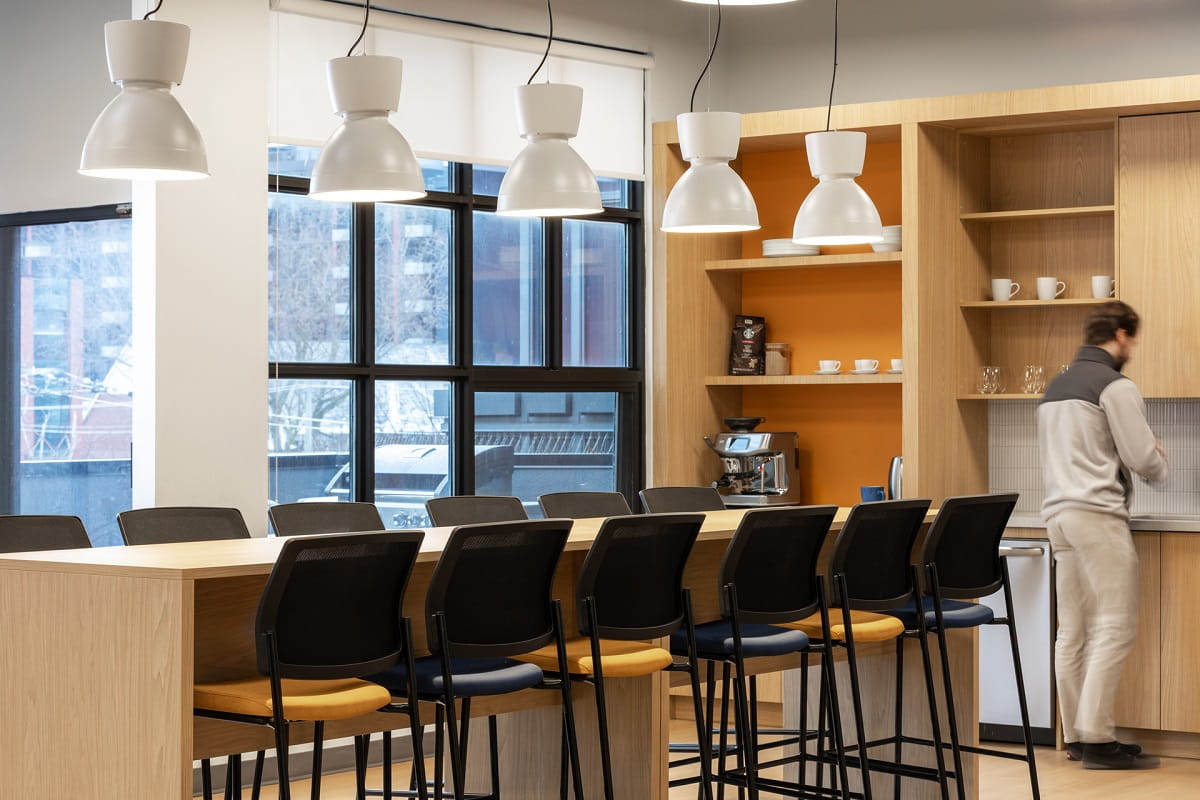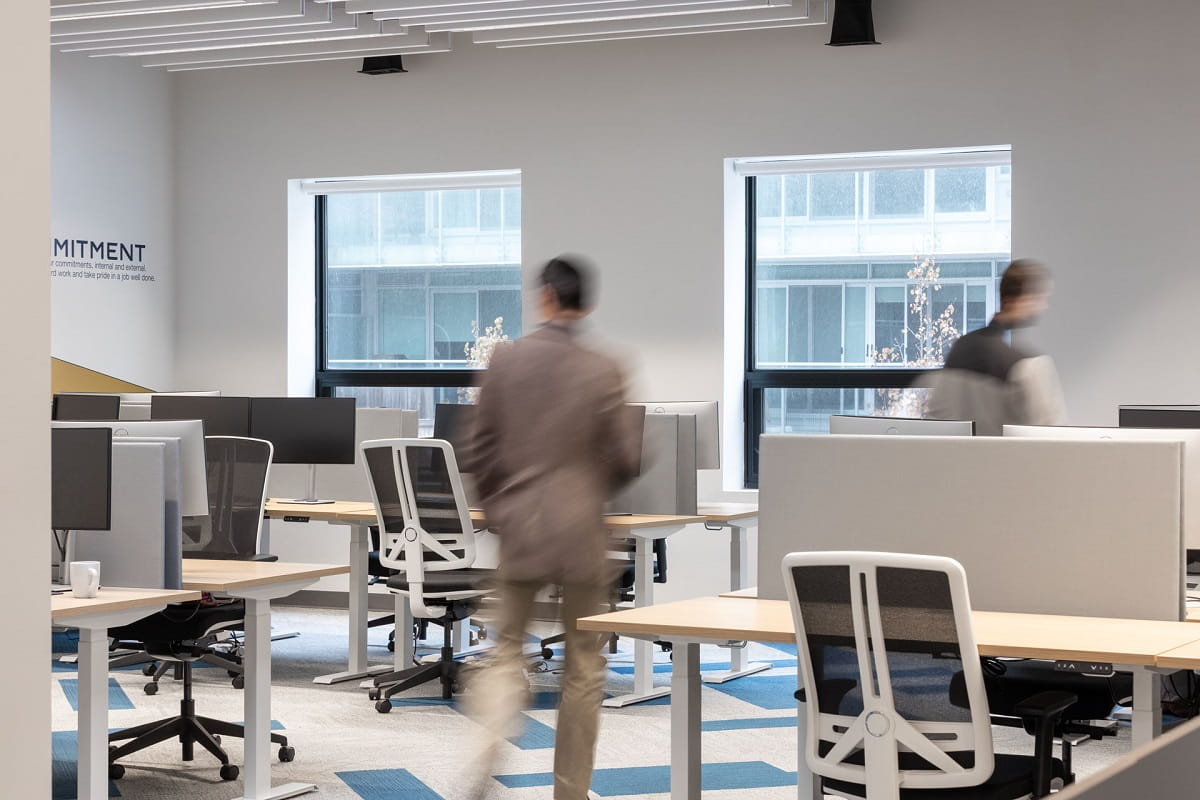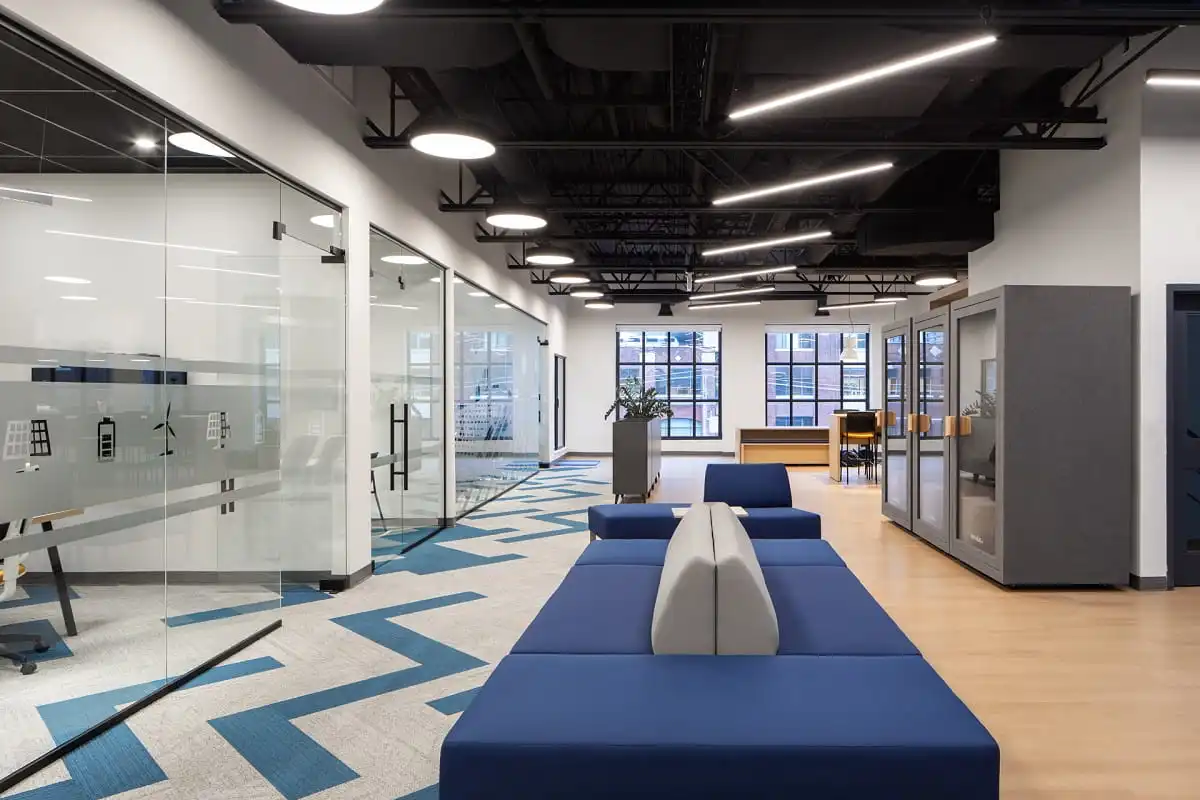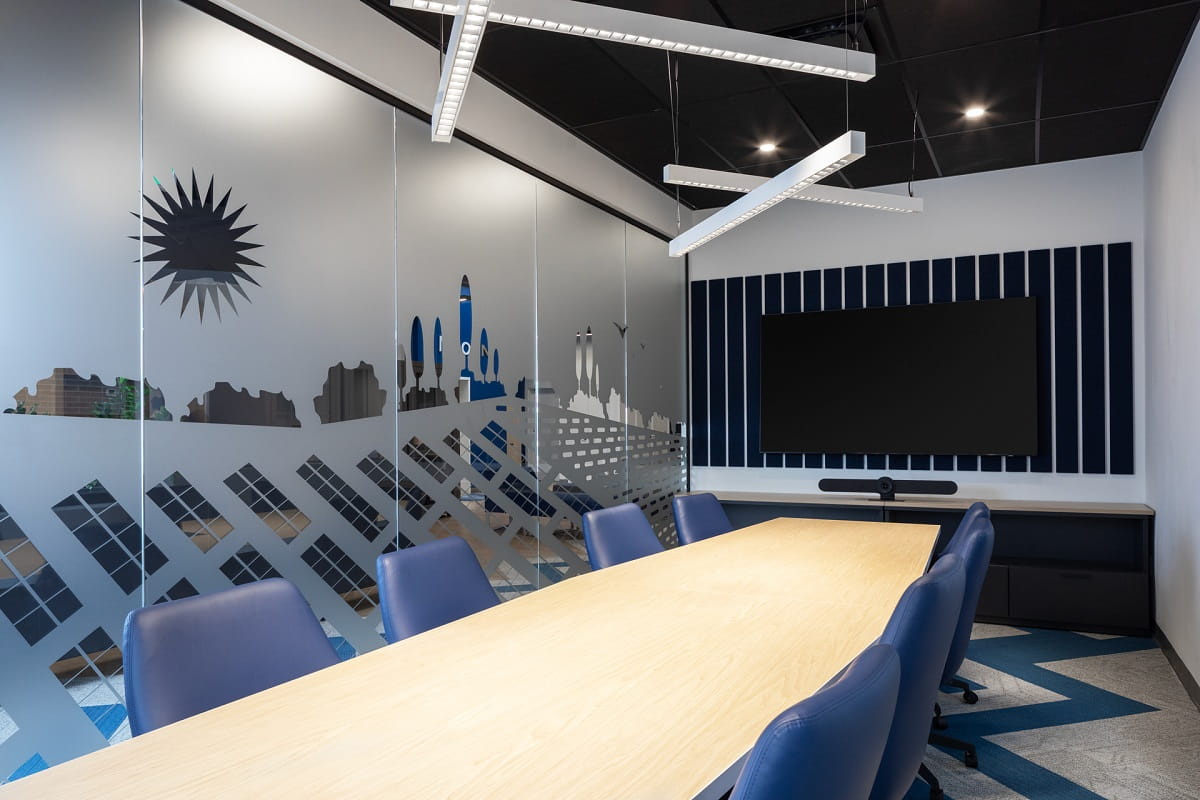
Workspaces tell your story even when no one in the room is speaking. Light, texture, routes, and even the chairs whisper who you are and what you value. Environmental psychology shows that people form a strong impression of a space within seconds, and that this first read shapes trust, focus, and even heart rate. That is why our work as interior designers is never just about choosing pretty things. It is about turning lived stories into clear, honest places.
A century ago, the Bauhaus school opened its doors and shocked Europe by treating buildings, furniture, and graphics as one continuous language. That moment was a turning point for every interior design company that came after. It proved that space could carry an idea with the same force as a poster or a speech. Now research suggests that well planned offices can lift productivity by more than fifteen per cent, and that a strong sense of place improves engagement and retention. So the question becomes simple. How do interior design services, and a serious commercial design company, take a messy client story and translate it into office interior design and commercial interior design that people can actually work in every day.
Office Interior Design as Story Listening
For us, office interior design starts long before we sketch a single wall. The creative work begins when we listen to how people describe their days, their wins, and their pain points. In these early sessions, interior designers sit with leaders and staff and ask about real moments. A rushed client welcome at a cramped reception desk. A project team that always steals the same corner table because the light feels better there.
Good interior design services collect those details and look for patterns. As an interior design company, we turn stories into needs for space, light, and connection. We ask how office interior design can support the way teams meet, focus, and recharge. We look at how morale rises or falls through the week, and how authenticity shows up in small rituals like where people pin their photos or celebrate wins.
At this stage, even a commercial design company stays very human. We still think about circulation counts and future growth, but we hold those beside the softer parts of the story. This gives corporate interior design a strong base. When the plan moves forward, we already know which feelings must show up at the door and which habits must be easier. That is how office interior design begins to act like a script for real culture, not a set of random finishes.
Interior Design Services as Narrative Editors
Once the stories are on the table, interior design services move into an editor role. There are always more wishes than square feet. A careful interior design company will sort the story into core themes. Safety. Focus. Pride. Warm welcome. Then we test how these themes can live in office interior design without clutter.
Here, interior designers build concept boards, light studies, and early office design options. For a client who talks a lot about trust and craft, we might explore warm woods and calm colours. For a team that values bold moves and speed, we might set a frame of strong lines and clear contrasts. A commercial design company then checks these ideas against brand documents and long term plans.
Corporate interior design brings rigour at this point. We map adjacencies and flows. We sketch different office interior design options and review them with the client. The meetings feel less like shopping trips and more like working sessions. That is what separates commercial interior design from casual decor. Interior design services here act as guides who know codes and structure, but still protect the heart of the story.
Commercial Interior Design as Behaviour Lab
When the big ideas feel right, commercial interior design turns them into detailed drawings. This is where a commercial design company really earns trust. We are no longer just talking about mood. We are predicting behaviour. We ask how people will move, where they will pause, and how noise will travel through the plan.
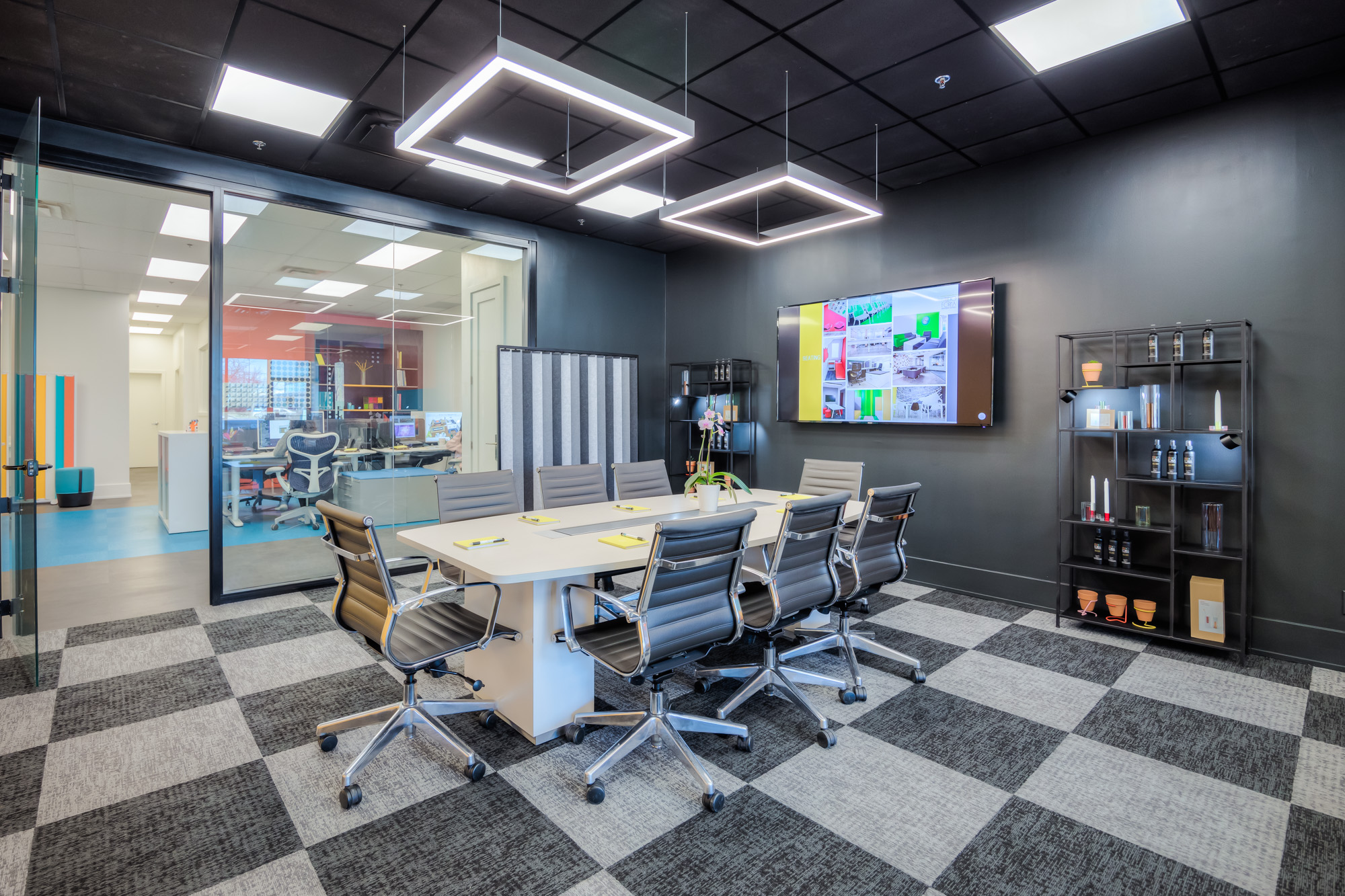
Office interior design in this stage is full of measurements and tests. Interior designers study daylight, reflections, and sight lines. We plan meeting rooms so confidential talks sit away from loud hubs. We place project tables where cross team chance meetings can happen without blocking routes. This is science backed design. Studies on workplace show that these choices can lift collaboration and reduce stress measurably.
A strong interior design company also looks far ahead. Corporate interior design has to support growth, new tools, and new ways of working. So we build in flexible zones where furniture can move, and we think about how new staff will read the story years from now. Interior design services bring every decision back to the same question. Does this wall, this light, this surface help the story feel more honest for everyone who will use it
Corporate Interior Design as Visual Language
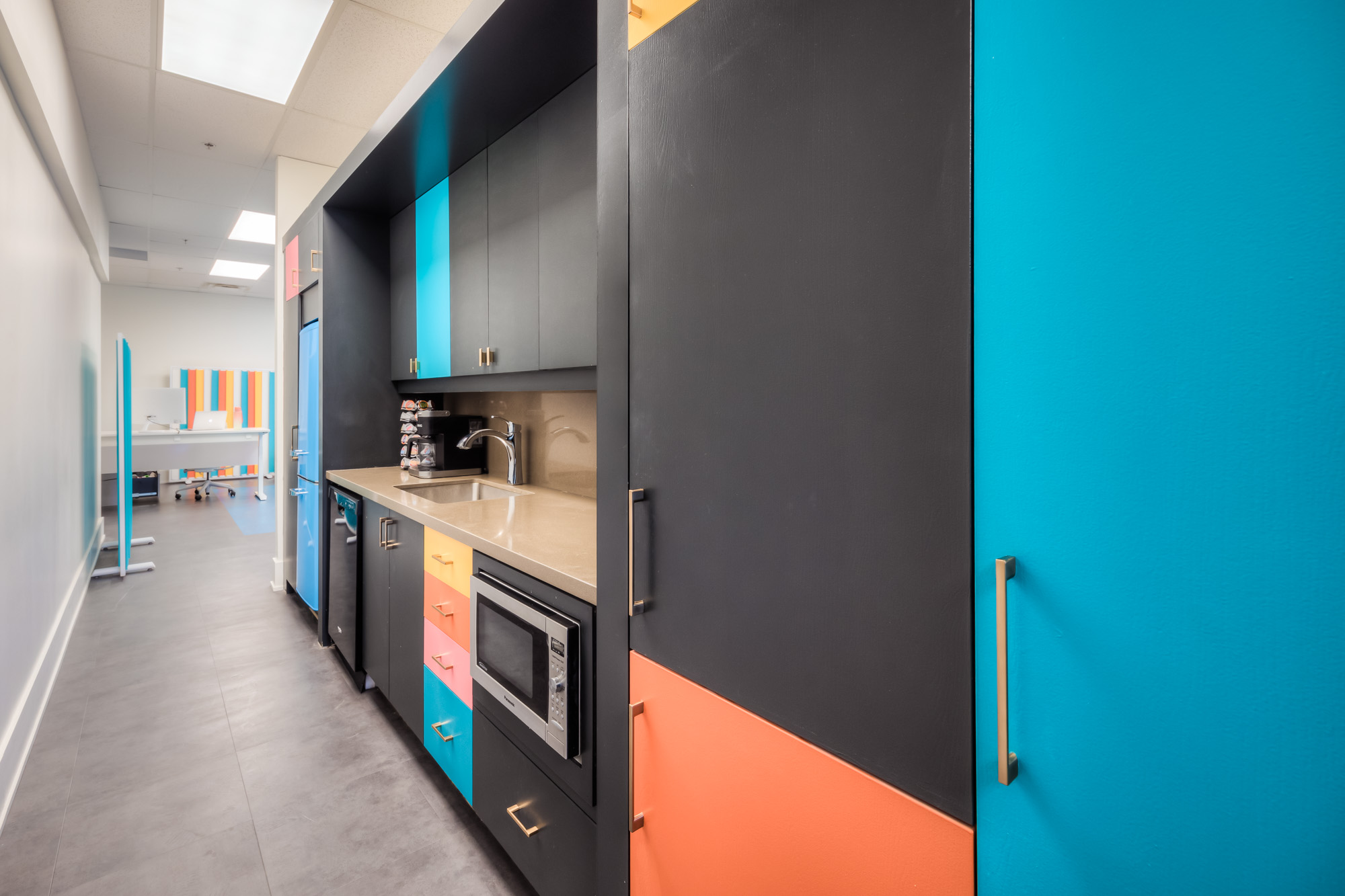
At the next layer, corporate interior design gives the story a visual grammar. Colour, texture, and form become the words. Interior designers choose a few key materials that most strongly match the client voice. Maybe it is a quiet stone that shows stability. Maybe it is a deep colour that carries heritage. Maybe it is a bright accent that signals courage.
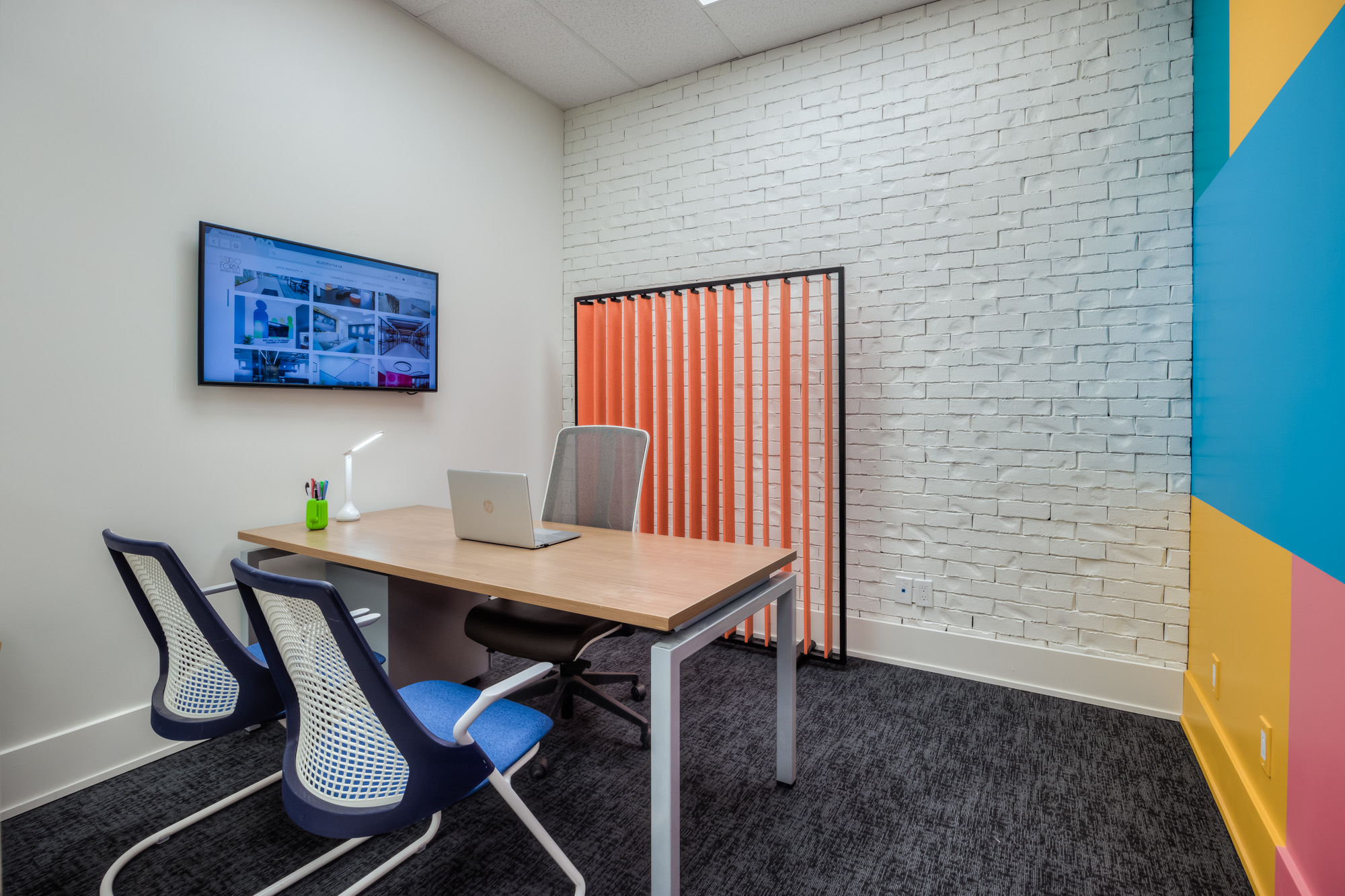
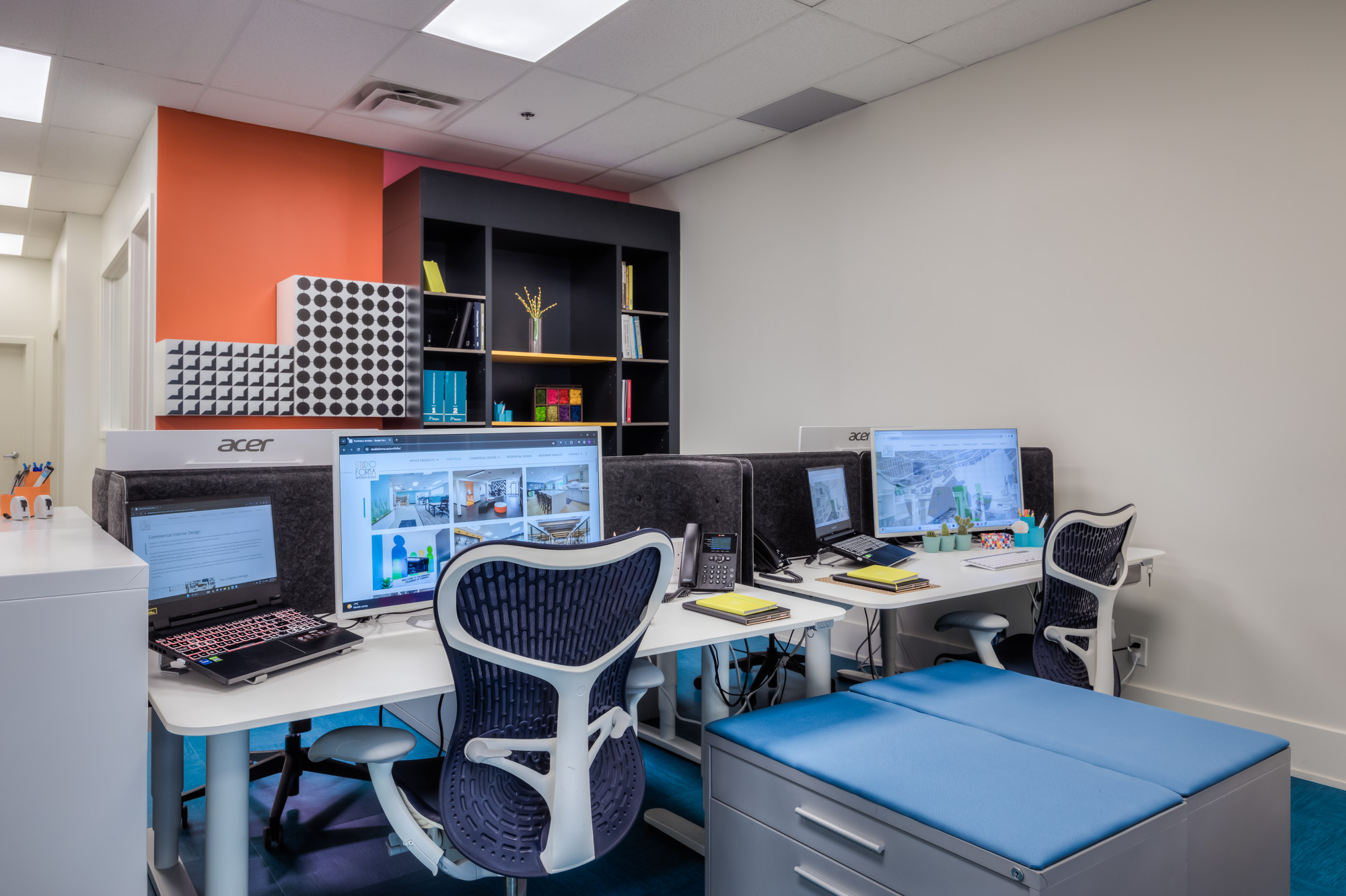
Office interior design then uses these tools in a careful rhythm. Reception might show the story in a bold, clear way. Workstations might offer a softer version so that focus feels calm. Project rooms and lounges can be more playful, while still staying inside the same language. A good interior design company resists the urge to throw in every trend. Instead, we treat commercial interior design like a book. Every chapter looks different, but the tone stays steady.
A seasoned commercial design company also knows where to hold back. Not every wall needs a feature moment. Sometimes the bravest move in corporate interior design is to leave room for people to bring their own objects and memories. This is where authenticity lives. When staff can see themselves in the space, morale follows. Interior design services make sure the base is strong enough that personal layers add richness, not clutter.
Interior Designers and the Commercial Design Company Workflow
Behind all this, there is a very practical engine. Interior design services only feel smooth from the client side because a lot of hidden work keeps them that way. A reliable commercial design company will map the whole path from brief to move in. As an interior design company, we coordinate engineers, landlords, furniture makers, and builders so the story does not get lost in the noise.
Interior designers manage code checks, detail drawings, and product specs while still making space for client review. The process for office interior design in a live workplace can be messy without that support. Our teams phase work, keep noise and dust in mind, and protect staff where we can. Commercial interior design then moves into fit out, where the ideas finally turn into walls, ceilings, and fixtures.
Corporate interior design does not stop at handover. Many interior design services include post occupancy visits and small tune ups. We watch how people actually use the space. We listen again. We adjust a light level or move a table. The story continues. A committed commercial design company knows that the creative process is a loop, not a straight line, and keeps the door open for the next chapter.
Frequently Asked Questions (FAQ):
Why do you start with stories instead of drawings?
Stories reveal how people actually live and work. Interior design services then translate those moments into office interior design moves. A commercial design company uses this base to guide commercial interior design, corporate interior design, and all later choices.
How is this different from a quick decor refresh?
A quick refresh may change colours and chairs. An interior design company looks deeper. Interior designers and a serious commercial design company link office interior design to goals, morale, and brand, using research on light, movement, and focus.
What if our leaders and staff tell different stories?
That gap is useful. Interior design services can map both views and use office interior design to form a bridge. Commercial interior design and corporate interior design can support the needs of staff while still reflecting leadership aims in a clear way.
Key Takeaways
- Client stories are the raw material that interior design services shape into clear, honest spaces
- Office interior design uses layout, light, and flow to carry culture in daily life
- Commercial interior design adds science, codes, and long term strategy to the creative process
- A strong interior design company and commercial design company protect both the story and the schedule
- Corporate interior design and skilled interior designers keep the space aligned with people as they grow
Space as a Living Story
In the end, the most powerful offices feel less like sets and more like living stories. When interior design services take time to listen, test, and refine, the result is office interior design that staff can trust. Visitors feel the message without a single slide. Leaders feel proud to host clients in rooms that match their words.
A good commercial design company and interior design company do more than decorate. They line up commercial interior design, corporate interior design, and daily life so that the space works hard for everyone who enters it. Interior designers then keep an eye on the future, so the story can grow without losing its core. If your workplace feels out of step with who you are now, this may be the right moment to begin your own creative process. A quiet first meeting with a design team can be the spark that turns scattered stories into a clear, generous space.