Open office noise cuts cognitive performance by more than a third on complex tasks. Yet most companies that adopted open floor plans never built quiet zones, wondering why their teams feel stressed and exhausted by mid afternoon. The solution is not returning to cubicles. The solution is creating dedicated quiet spaces within the open environment where employees can focus deeply when they need to. When interior design services plan office interior design with quiet zones included from the start, the entire dynamic changes. Employees gain control over their environment. Productivity improves. Collaboration still happens, but now it is balanced with the focus time that complex work demands.
The challenge is that quiet zones in office design layout are not just about soundproofing. They are about psychology, accessibility, and intention. A small enclosed room that nobody knows about fails as much as no quiet zone at all. A room that is too formal or too far away gets used rarely. Professional interior design services understand these nuances. They design quiet spaces that are discoverable, appealing, and genuinely restorative. They integrate them into commercial interior design so naturally that employees understand them as essential parts of the office, not afterthoughts. To create effective quiet zones in your own office interior design, we need to explore how they work, where they fit in office design layout, and how interior design services make them function without creating dead zones or wasted space.
Protected Focus Rooms in Commercial Interior Design
The most essential quiet zone is a private enclosed room where one to two people can work without interruption. Interior design services call these focus rooms, phone booths, or focus pods depending on size and configuration. In office interior design, these rooms solve an immediate problem. Open offices generate constant interruptions. When employees have nowhere to go, they lose their train of thought dozens of times per day. With a focus room available, they can step away when concentration matters.
Commercial interior design that includes focus rooms typically provides several smaller spaces rather than one large room. A company might have four to six focus pods for every thirty employees. This allows people to find an available space quickly without creating a bottleneck at a single room. Office furniture design in focus rooms is minimal. A simple desk, a chair, a shelf for a laptop, and maybe a monitor. Everything else is removed to prevent distraction. Interior design services specify Canadian office furniture that is functional and neutral, never decorative.
The acoustic treatment is critical. Professional interior design services use sound absorbing panels on walls and ceilings to create genuine silence or near silence. This is dramatically different from the ambient noise of an open office. When an employee enters a focus room, the sound level drops immediately. The brain recognizes the change and shifts into a different cognitive mode. This shift is why focus rooms work. They are not just quiet. They signal permission to concentrate.
Office design layout positions these rooms away from high traffic areas but within easy walking distance from desks. Interior design services avoid placing focus rooms in corners or requiring people to navigate through the entire office to reach them. A quiet zone that takes three minutes to reach rarely gets used. A quiet zone thirty seconds away gets used regularly. Corporate interior design that thinks through access and circulation supports the adoption of these essential spaces.
Semi-Private Acoustic Zones in Office Interior Design
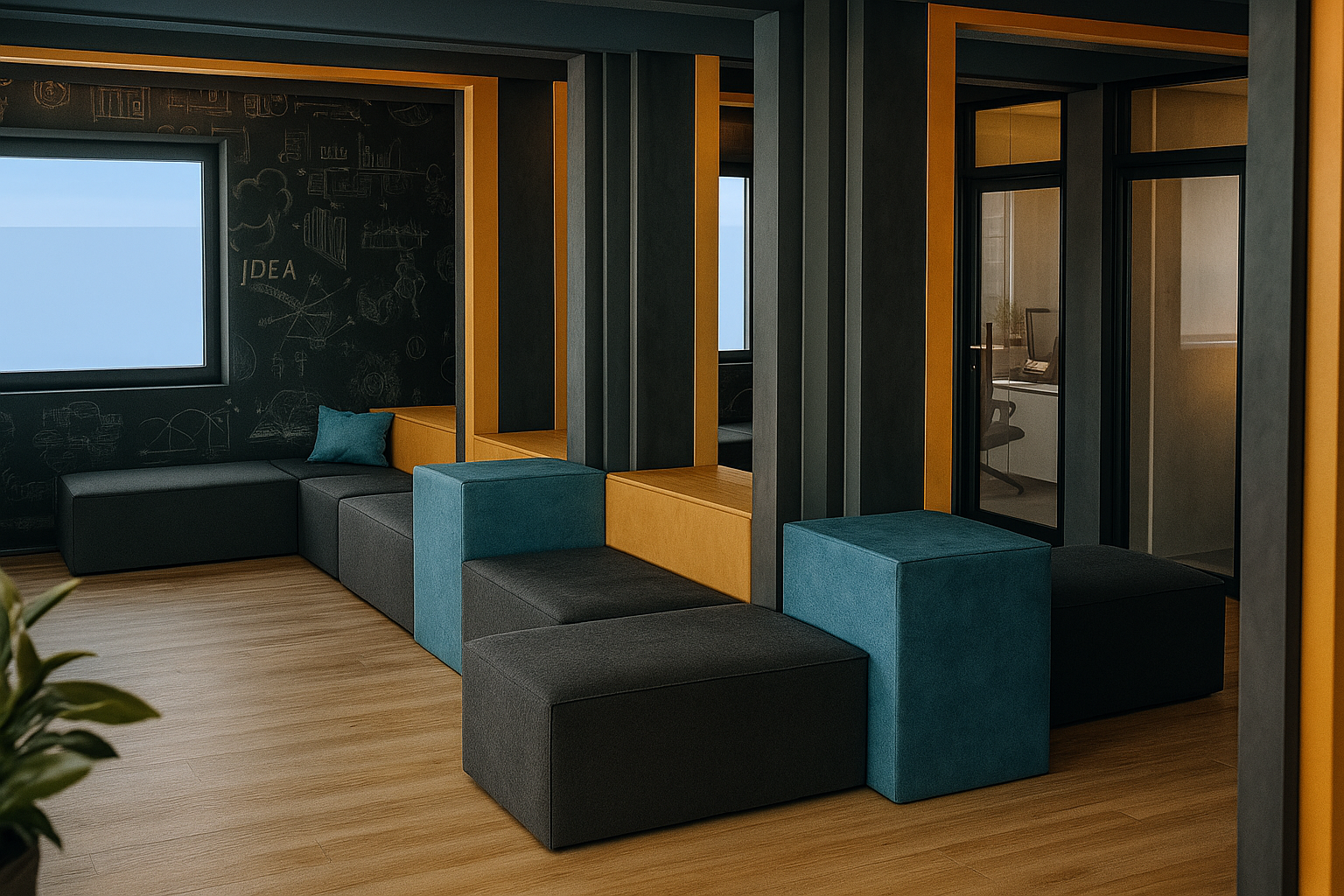
Not every quiet need requires a fully enclosed room. Some employees need to reduce interruptions and distractions without full isolation. Interior design services designs semi-private acoustic zones using partial walls, acoustic panels, and strategic office furniture design to create pockets of relative quiet within the open office.
These zones use Canadian office furniture arranged to define territory and absorb sound. High back sofas with acoustic properties, fabric partitions, and carefully positioned bookshelves create barriers that reduce noise transmission without requiring construction. Commercial interior design that builds these zones thoughtfully makes them feel intentional rather than makeshift. Office furniture design includes consideration for sight lines. A semi-private zone should feel protected without feeling cut off from the wider office.
Office design layout places these acoustic zones between high-noise areas and focus-dependent work. If sales conversations happen in one corner, acoustic zones positioned away from that corner create a buffer. Interior design services think through traffic flow and activity distribution before specifying furniture placement. The result is a commercial interior design where sound naturally attenuates as you move away from collaboration areas.
These semi-private spaces often include a small table or desk, comfortable seating, and good lighting. They work well for focused individual work, phone calls, or small meetings. Professional interior design services ensure these zones feel like a legitimate workspace, not a hiding spot. Corporate interior design that values both collaboration and focus includes these mid-level acoustic solutions.
Phone Booth Solutions in Office Interior Design
Video calls and phone meetings require different conditions than desk work. Background noise creates professional embarrassment. Interruptions during client calls damage credibility. Office interior design without dedicated phone spaces forces employees to take calls in hallways, bathrooms, or empty meeting rooms. This is both unprofessional and inefficient.
Interior design services designs small phone booths as part of office design layout. These are typically enclosed pods sized for one person. They include a small surface for a laptop, a chair, acoustic treatment, and often a small window so the user does not feel claustrophobic. Office furniture design in phone booths is minimal and functional. Everything is chosen to support professional communication, nothing else.
Commercial interior design that includes phone booths often positions several throughout the space so no area feels far from a booth. This distributes usage and ensures availability during peak call times. Interior design services coordinate the spacing and acoustics so booths do not create their own noise problems when multiple calls happen simultaneously.
Phone booths also serve as focus spaces when nobody is using them for calls. This dual function means corporate interior design gets more value from the square footage dedicated to quiet zones. Professional interior design services think through these overlapping uses to maximize efficiency.
Quiet Breakrooms in Commercial Interior Design
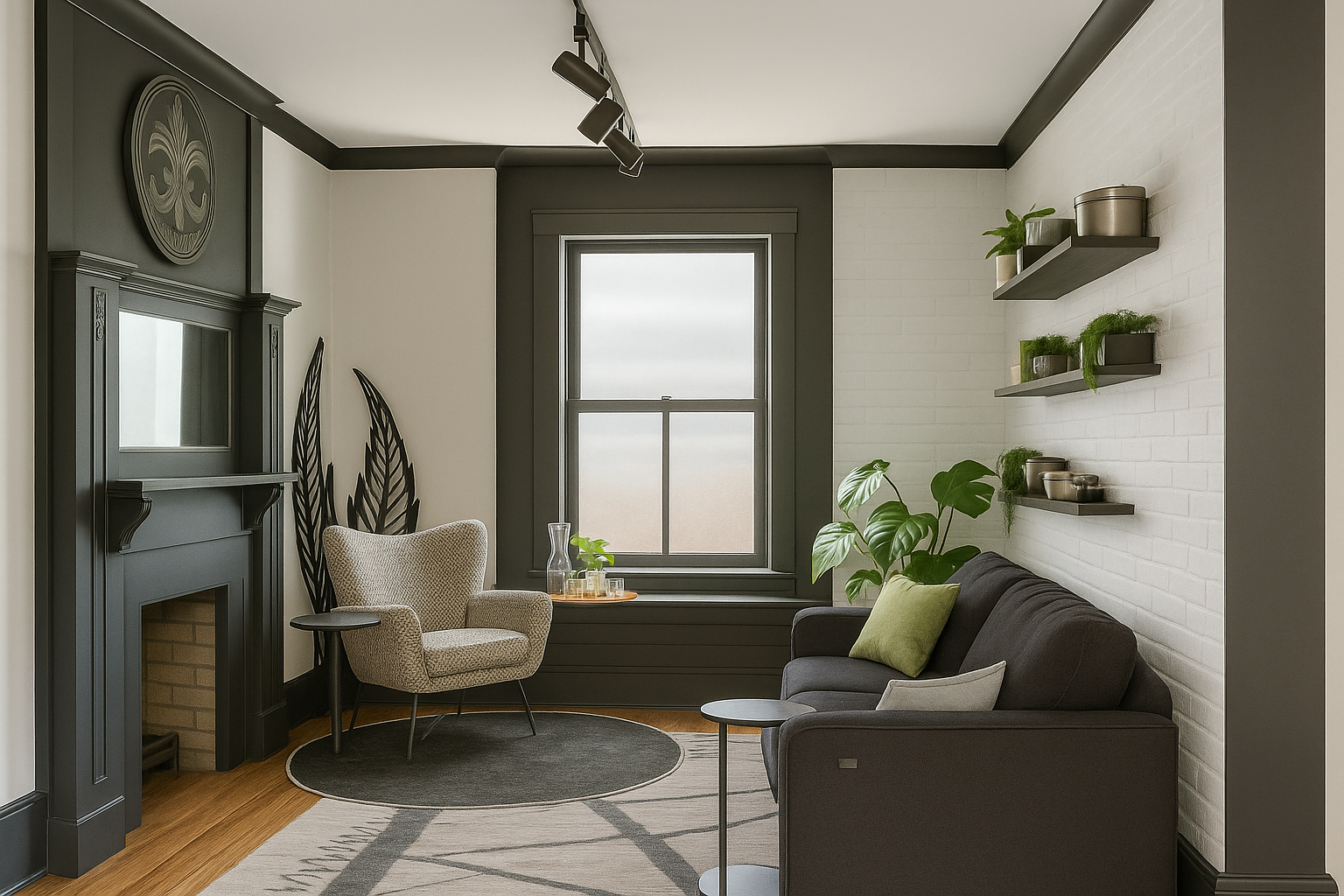
Noisy breakrooms defeat the purpose of any quiet zone strategy. Interior design services design some breakrooms as quiet recovery spaces separate from social breakrooms. The quiet breakroom includes comfortable seating, soft lighting, perhaps a window or view, and minimal visual stimulation. It is a space for genuine recovery, not work.
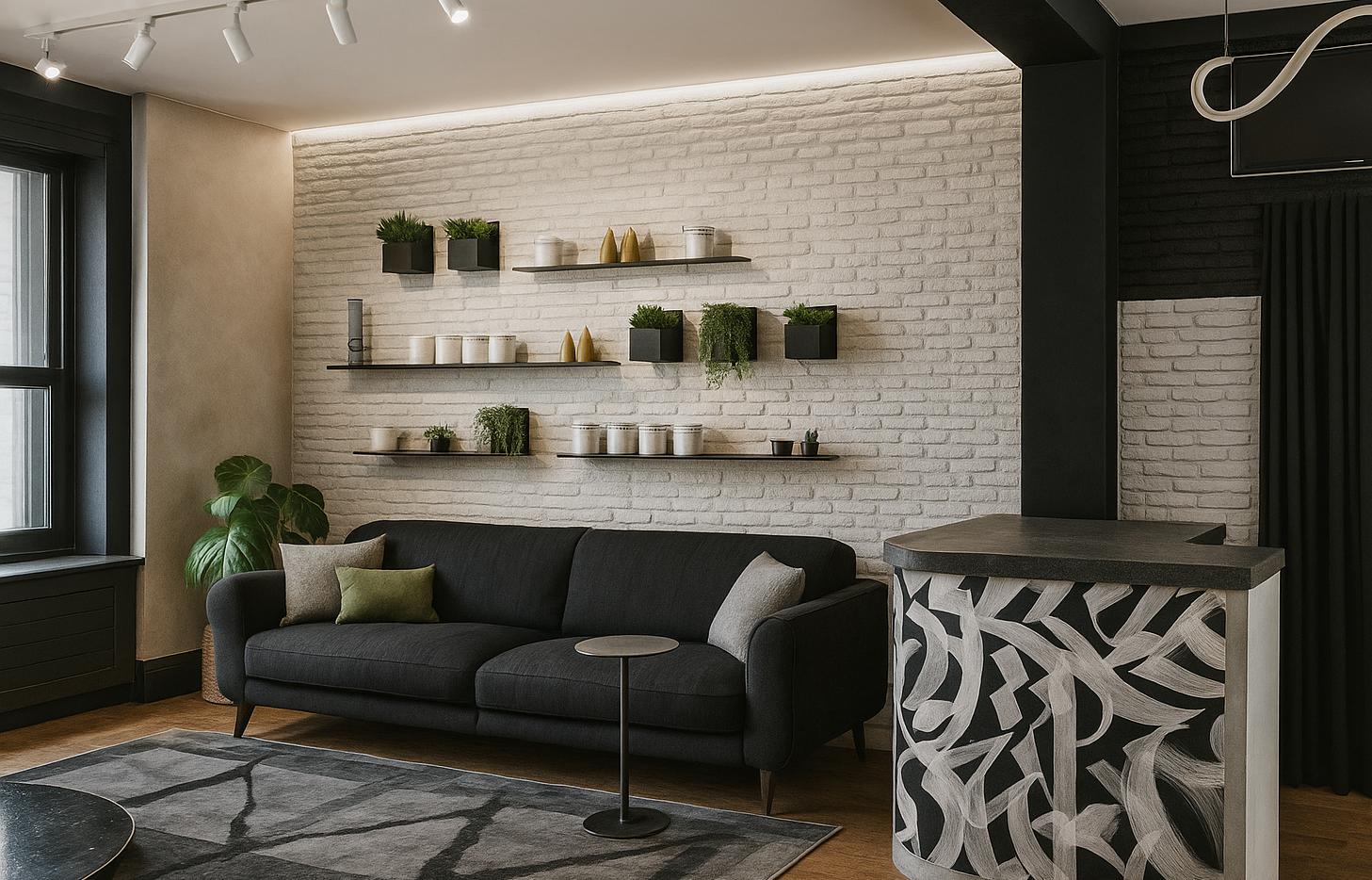
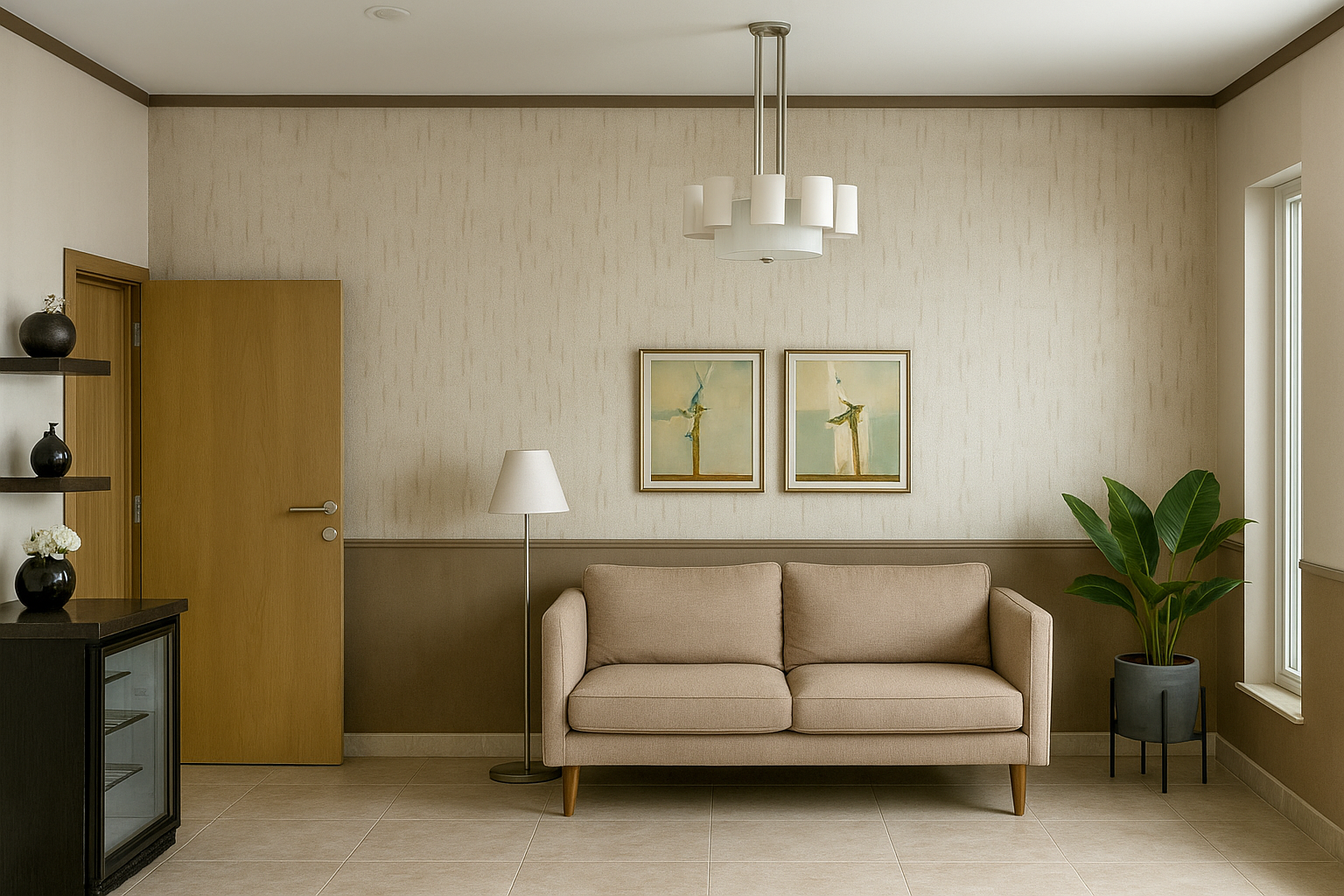
Office furniture design in quiet breakrooms emphasizes comfort and calm. Soft upholstered pieces from Canadian office furniture makers, warm wood tones, and minimal hard edges create a genuinely restorative environment. Office design layout positions the quiet breakroom away from the main social hub so that quiet seekers do not end up in the noisy area by accident.
Commercial interior design that provides this dualism recognises that employees need different types of breaks. Some people need social connection. Others need to recover from sensory overload. Professional interior design services create both environments as legitimate parts of corporate interior design. This prevents the common scenario where quiet people hide at their desks because there is nowhere to actually rest.
These breakrooms often include living plants, art, or a view. Interior design services treat them as genuine refuge spaces, not afterthought storage areas. When quiet breakrooms look and feel intentional, employees use them and return to open areas refreshed.
Sound Masking and Acoustic Strategy in Office Interior Design
Even with enclosed quiet zones, reducing noise in the open office itself matters. Interior design services use a multi-layered acoustic strategy. This includes absorptive surfaces, strategic office furniture design, and sometimes active sound masking systems.
Absorptive materials like acoustic panels, fabric walls, and carpeting reduce reverberation and sound transmission. Commercial interior design specifies these materials strategically to break up hard reflective surfaces. Office design layout that includes plants, artwork, and varied textures naturally improves acoustics compared to bare drywall and tile.
Active sound masking adds ambient background sound like gentle white noise or nature sounds at low volume. This masks sharp office noises and creates a more consistent acoustic environment. Interior design services calibrate sound masking carefully so it is present but not annoying.
Corporate interior design that treats acoustics as a core design requirement rather than an afterthought creates spaces where focus is possible even in the open areas. Professional interior design services know that every layer of acoustic improvement contributes to overall employee satisfaction and performance.
Frequently Asked Questions (FAQ):
How many quiet zones does my office need?
Professional interior design services typically recommend one quiet space for every eight to ten open seating positions. This ensures availability during peak times. Commercial interior design with fewer quiet zones creates bottlenecks and frustration. With too many, you waste square footage that could support collaboration. Interior design services assess your specific work patterns to make the right recommendation.
Can I add quiet zones to an existing open office without reconstruction?
Yes. Interior design services frequently retrofit quiet zones using modular phone booths, high partition walls, and strategic office furniture design. Office design layout can often be adjusted to create semi-private acoustic zones without building walls. Professional commercial interior design can transform an existing space through thoughtful furniture specification and acoustic treatment.
Should quiet zones be reserved only for focused work or can they be used for other activities?
Professional interior design services design quiet zones to support multiple uses. A focus room works for phone calls, concentrated work, or even a short meditation break. Office furniture design and office design layout should remain flexible. Commercial interior design that creates multi-use quiet spaces maximises their value.
Key Takeaways
- Quiet zones are essential in open office interior design, not optional luxuries
- Focus rooms reduce cognitive load and allow employees to concentrate deeply
- Semi-private acoustic zones provide mid-level quiet for those who do not need full enclosure
- Phone booths ensure professional communication and provide secondary focus space
- Quiet breakrooms provide genuine recovery from sensory overstimulation
- Acoustic treatment in surrounding office design layout reduces baseline noise
- Professional interior design services coordinates quiet zones to maximise usage and impact
- Office furniture design that is minimal and neutral supports focus and concentration
- Commercial interior design that balances open collaboration with quiet focus improves performance
- Corporate interior design with thoughtful quiet zones increases employee satisfaction measurably
The Necessity of Quiet
Open office design will never disappear because collaboration matters. But pure open offices without quiet zones create unnecessary suffering. When interior design services design commercial interior design with quiet zones integrated thoughtfully, employees get the best of both worlds. They can collaborate freely when that is what the work requires. They can focus deeply when that is what the work requires. They are not forced to choose between professional isolation and constant distraction.
This balance is what separates office interior design that works from office interior design that burns people out. Professional interior design services understand that the same person might need different environments for different tasks on the same day. They design office design layout to support this flexibility. They create corporate interior design that feels smart and responsive rather than rigid.
If your current open office lacks quiet zones and your team complains about concentration, the problem is clear. Adding quiet spaces will measurably improve satisfaction and performance. Talk with an interior design services professional about how quiet zones could fit into your existing office interior design. Your team will notice the difference immediately.