Culture is often described in abstract terms.
Values, mission statements, internal messaging.
But for employees, culture is experienced in more direct ways. It shows up in how the workday feels, how teams interact, and how easy or difficult it is to do their job well.
The workplace plays a central role in that experience.
Office design is not just a backdrop. It shapes behaviour, reinforces priorities, and signals what the organization actually values in practice.
When the space aligns with how people work and what the company stands for, culture feels consistent. When it doesn’t, employees notice the gap quickly.
Office Interior Design Shapes Daily Behaviour More Than Policy
Most companies invest time defining their culture.
Fewer translate that into how the workplace functions.
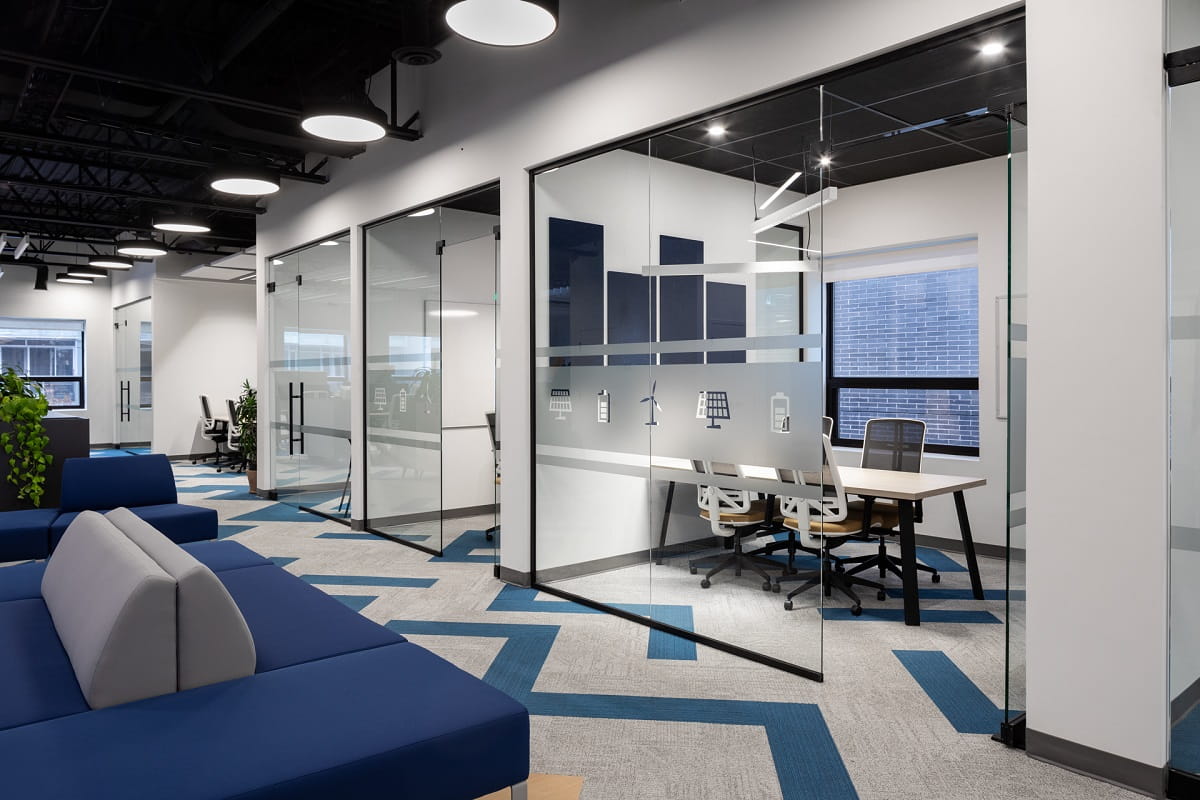
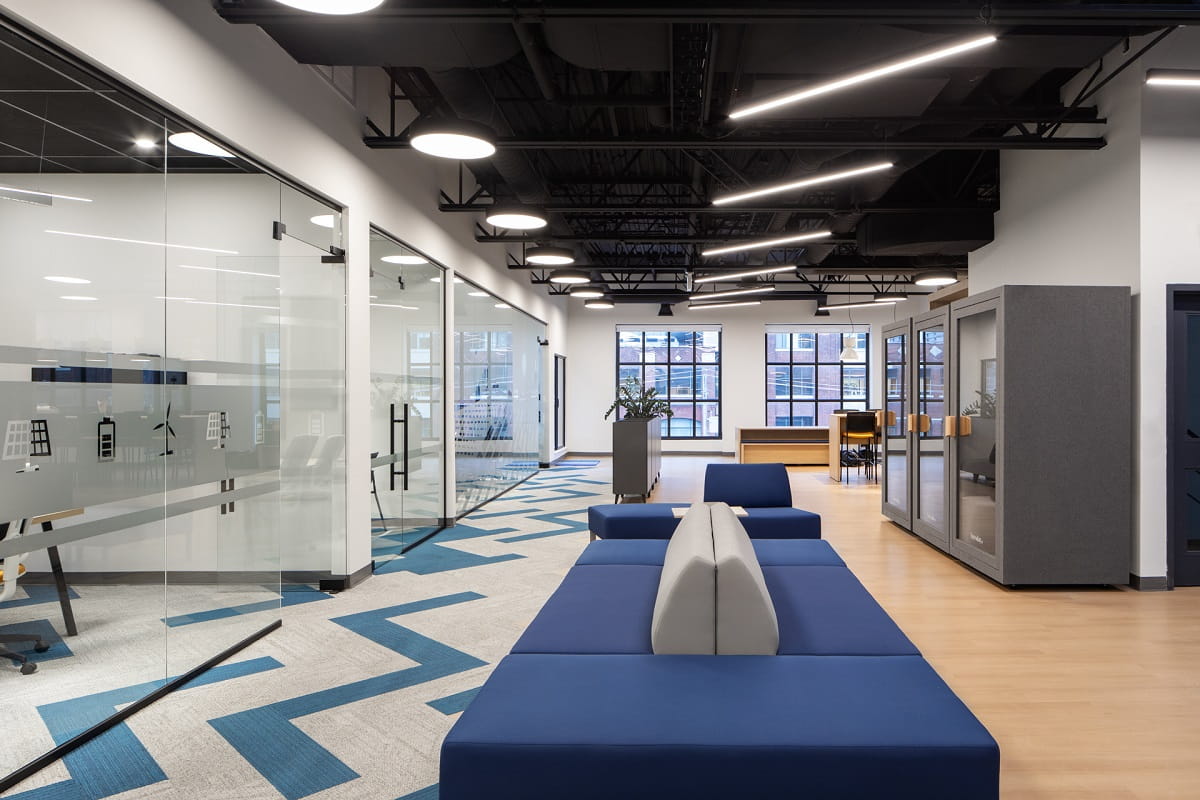
Office interior design has a direct influence on behaviour. Open layouts encourage visibility and interaction. Enclosed spaces support focus and privacy. Shared areas invite collaboration, but only if they are usable and accessible.
If a company promotes teamwork but provides limited space for collaboration, the message becomes inconsistent. If focus is expected but the environment is constantly disruptive, performance is affected.
The space reinforces what is actually possible during the workday.
Commercial Interior Design Should Reflect How Teams Actually Work
There is often a gap between how a company describes its culture and how work actually happens.
Commercial interior design should be grounded in real workflow, not ideal scenarios.
Some teams rely on constant communication. Others require long periods of uninterrupted work. Many operate somewhere in between.
When a single layout is applied across all teams, the result is uneven. Some groups adapt easily, while others struggle to maintain productivity.
A more effective approach is to align space with function. This may include a mix of open areas, quiet zones, and meeting environments that support different types of work.
This balance allows culture to be expressed through how work flows, not just how the office looks.
Office Design Layout Influences How Connected Teams Feel
Connection is often a core part of workplace culture.
But layout determines how easily that connection happens.
An office design layout that separates teams too rigidly can limit interaction. At the same time, a fully open environment may create visibility but reduce meaningful collaboration if noise and distraction become issues.
Connection is not just about proximity. It is about creating spaces where interaction feels natural and productive.
Well-designed circulation paths, shared zones, and accessible meeting spaces all contribute to this.
When layout supports both movement and focus, teams are more likely to engage without friction.
Office Space Planning Affects Employee Experience at Every Level
Employee experience is shaped by how the office functions throughout the day.
Office space planning plays a key role in this.
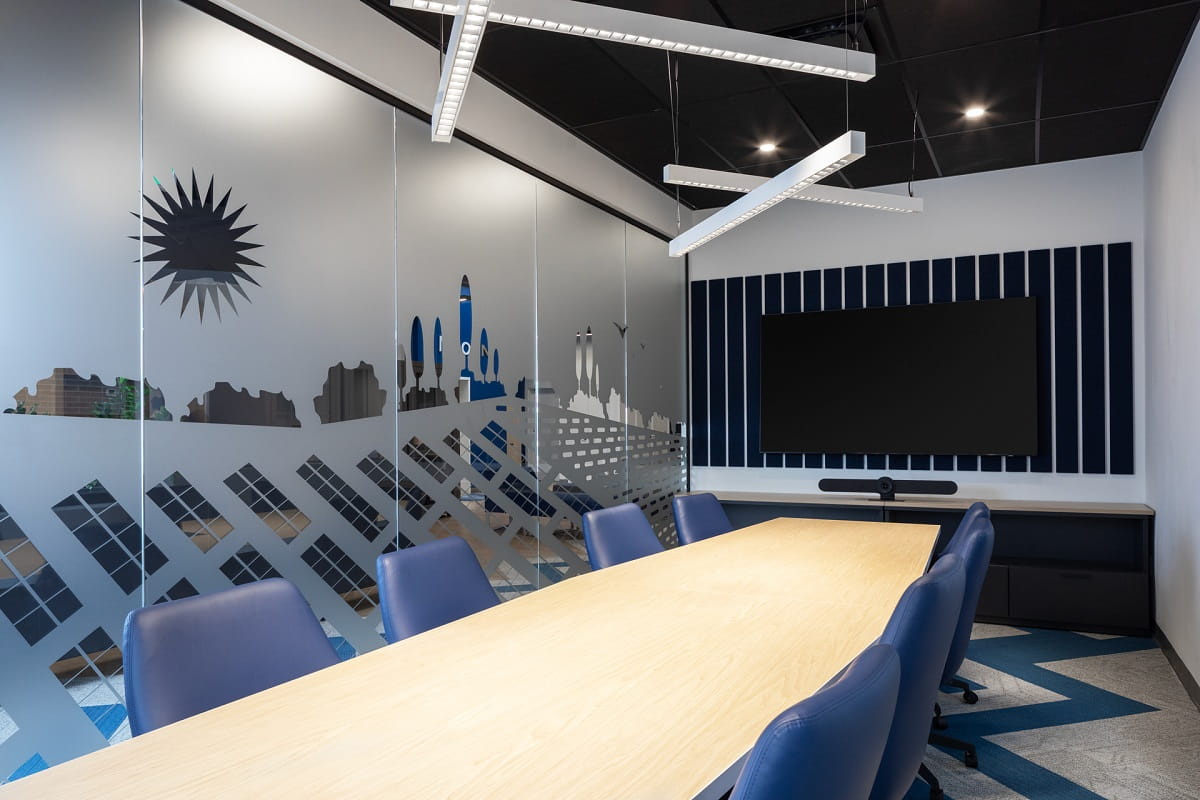
If meeting rooms are difficult to book, collaboration becomes inefficient. If workstations feel crowded, focus is reduced. If quiet areas are unavailable, employees adjust by working around the space rather than within it.
These are not isolated issues. They influence how employees perceive the organization over time.
A well-planned office anticipates these needs. It provides enough variety to support different tasks without forcing constant compromise.
This is where culture becomes tangible.
Office Furniture Design Signals What the Company Prioritizes
Furniture decisions may seem secondary, but they communicate a great deal about workplace priorities.
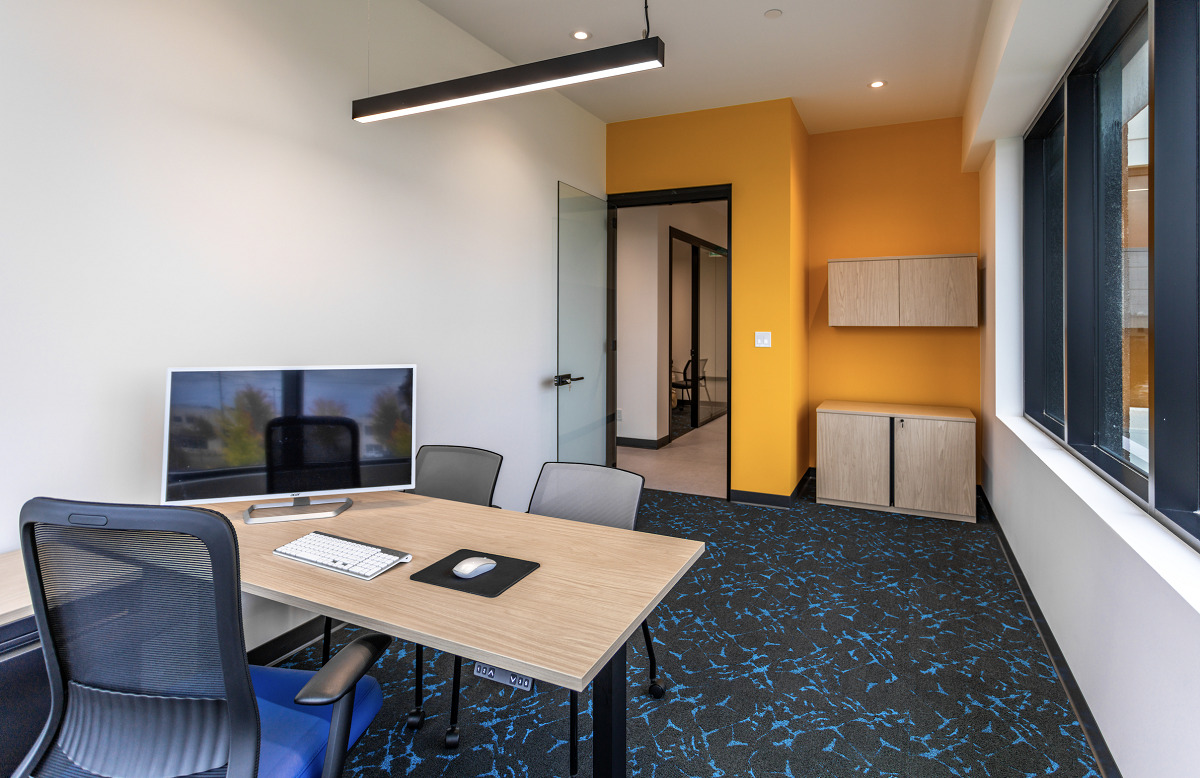
Office furniture design affects comfort, flexibility, and how long employees can work effectively.
Adjustable workstations, ergonomic seating, and adaptable meeting setups signal that employee well-being and performance are taken seriously.
On the other hand, rigid layouts and limited flexibility often lead to discomfort and reduced engagement.
Canadian office furniture systems are often designed with adaptability in mind, allowing teams to adjust their environment as needed.
These details contribute to how employees experience the workplace on a daily basis.
Corporate Interior Design Influences Client and Talent Perception
Culture is not only experienced internally. It is also observed by clients and prospective hires.
Corporate interior design plays a role in shaping that perception.
A well-aligned workplace communicates clarity and confidence. It shows that the organization invests in how it operates and how it presents itself.
Client-facing areas, meeting rooms, and shared spaces all contribute to this impression.
If the environment feels disconnected from the company’s identity, it creates uncertainty. If it feels consistent, it reinforces trust.
This is especially important for growing businesses where both hiring and client relationships are critical.
Interior Design Services Help Translate Culture Into Space
Turning culture into a physical environment requires more than design direction.
Interior design services help bridge the gap between abstract values and practical implementation.
This includes aligning layout with workflow, selecting materials that support durability and comfort, and coordinating details that affect how the space performs.
Interior design firms Toronto often approach this as a process of translation.
What the company values. How teams operate. What the space needs to support.
When these elements are aligned, the result is a workplace that feels consistent without needing to be explained.
Frequently Asked Questions (FAQ):
How does office design influence company culture?
It shapes how employees interact, focus, and collaborate. The environment either supports or limits the behaviours the company is trying to encourage.
Can office design improve employee experience?
Yes. When the space provides the right balance of collaboration, focus, and flexibility, employees are able to work more effectively and comfortably.
What is the biggest mistake in culture-driven office design?
Designing based on appearance rather than function. If the space does not support real workflow, it will not reflect the intended culture.
Key Takeaways
- Workplace culture is experienced through how the office functions, not just how it looks
- Office interior design directly influences daily behaviour and productivity
- Layout should reflect real workflow, not a single design concept applied across all teams
- Employee experience is shaped by access to meeting spaces, focus areas, and shared zones
- Furniture decisions impact comfort, flexibility, and long-term performance
- Client and talent perception are influenced by how consistent the space feels
- Translating culture into design requires alignment between values, workflow, and environment
A strong workplace culture does not rely on messaging alone.
It is reinforced through everyday experience.
When office interior design, commercial interior design, and office space planning are aligned with how people actually work, the workplace becomes a natural extension of the organization’s identity.
That alignment is what makes culture feel real, not just defined.
If your workplace does not fully reflect how your teams work or what your company stands for, it may be time to take a closer look at how the space is performing.