August 17, 2024

Office Interior Design Buchner Manufacturing Kingston

The Advantages of Ergonomic Office Chairs for Modern Workspaces

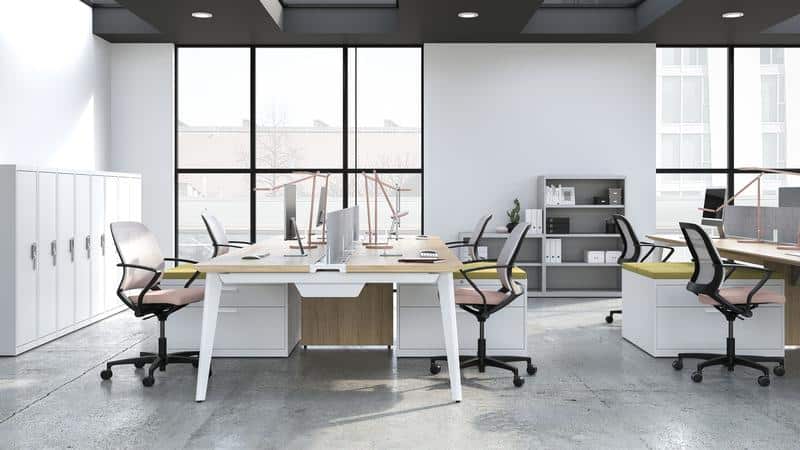
Ergonomic office chairs are essential for promoting health and productivity in the workplace. These chairs are designed to support the natural posture of the body, which can lead to significant improvements in comfort and well-being. Enhanced Comfort Ergonomic office chairs provide superior comfort throughout long working hours. With features such as adjustable seat height, lumbar support, and cushioned seating, ergonomic chairs cater to individual preferences. This comfort is essential for employees who spend considerable time seated. Frequent discomfort can lead to distractions and reduced focus on tasks. By providing a comfortable seating option, organizations can enhance job satisfaction and productivity. Ultimately, comfortable employees contribute positively to the overall work environment. Improved Posture These chairs promote better posture for enhanced spinal health. Ergonomic office chairs are designed to encourage users to sit in a way that maintains the natural curve of the spine. Poor posture can lead to long-term health issues, including back pain and other musculoskeletal disorders. By using an ergonomic chair, employees are less likely to slouch or lean forward, which can significantly reduce strain on their back and neck. Moreover, the design often includes adjustable lumbar support, ensuring that users can maintain proper alignment. Improved posture not only contributes to individual health but also to efficiency in the workplace. Reduced Risk of Injury Ergonomic chairs help minimize the risk of workplace injuries. Regular office chairs may lead to repetitive strain injuries, especially with frequent use. Ergonomic designs, however, offer features that reduce physical stress, such as adjustable armrests and seat depth. These adjustments allow users to find a position that is both comfortable and supportive. Consequently, employees experience fewer complaints related to pain or discomfort. By investing in ergonomic seating, companies can lower healthcare costs associated with workplace injuries and create a safer working environment overall. Increased Productivity Comfortable seating can lead to higher levels of productivity. When employees are comfortable and supported, their focus and efficiency tend to improve. Ergonomic chairs eliminate discomfort that can distract from work tasks. The ability to adjust seating positions allows employees to tailor their workspace according to their needs. This personalization can lead to quicker task completion and higher output levels. Ultimately, the investment in ergonomic office chairs correlates directly with enhanced employee performance and productivity. Long-Term Cost Savings Investing in ergonomic office chairs can lead to significant long-term savings. Although these chairs may have a higher initial purchase price, their benefits can translate to cost savings over time. Reductions in employee absenteeism due to discomfort or injury can save businesses substantial amounts annually. Moreover, happier, healthier employees are less likely to seek employment elsewhere, leading to lower turnover rates. Employee retention reduces hiring and training costs associated with new staff. Therefore, ergonomic chairs represent a wise investment for the future. Better Mental Well-Being Ergonomic chairs contribute to improved mental health in the workplace. Physical discomfort can significantly affect an individuals mood and mental state. By reducing discomfort and promoting better posture, ergonomic chairs help create a more pleasant work atmosphere. Employees who feel good physically are more likely to have a positive outlook on their jobs. This positive perspective can enhance team dynamics and collaboration. In this way, investing in ergonomic seating not only supports physical well-being but also fosters a healthier workplace culture. Customization for Individual Needs Ergonomic chairs offer customization options to suit various body types. Every employee is unique, and ergonomic office chairs can often be tailored to accommodate different physical requirements. Features such as adjustable height, tilt, and armrests allow users to create a personalized seating experience. This level of customization ensures that all employees, regardless of their size or shape, can work comfortably. Furthermore, by acknowledging these individual needs, companies demonstrate a commitment to employee welfare. Customizable ergonomic chairs can lead to increased satisfaction and productivity across diverse workforces. In conclusion, ergonomic office chairs are vital for enhancing comfort, health, and productivity in the workplace. Companies that prioritize ergonomic seating are likely to see benefits that extend both to employees and the organization as a whole.

The Advantages of Ergonomic Office Chairs for Modern Workspaces Read More »
Myostat Motion Control Interior Design Office Design

The Impact of Personalized Workspace Design on Employee Well-Being

Personalized workspace design has emerged as a vital factor in enhancing employee productivity and satisfaction. By tailoring work environments to individual needs, organizations can significantly improve overall workplace morale and effectiveness. Enhanced Productivity Personalized workspaces can lead to increased productivity. When employees feel comfortable and supported in their work environment, they tend to perform better. Personalized elements such as adjustable desks, proper lighting, and preferred colour schemes can minimize distractions and increase focus. Moreover, having control over workspace arrangements empowers employees, allowing them to optimize their immediate surroundings for specific tasks. This tailored approach can lead to more efficient work habits and a stronger output, ultimately benefiting the organization as a whole. Improved Employee Well-Being Customizing workspaces contributes positively to mental and physical health. A personalized workspace can significantly influence an employee’s well-being by reducing stress and promoting comfort. Elements like ergonomic furniture and personal dcor can enhance physical health, while inviting environments can foster a sense of belonging. Such spaces encourage employees to take breaks or engage in relaxation techniques which are crucial for mental health. By prioritizing employee wellness through thoughtful design, organizations can cultivate a more dedicated and resilient workforce. Boosted Creativity and Innovation Personalized spaces stimulate creativity and innovative thinking. Employees often feel more inspired and engaged when they are surrounded by elements that resonate with them personally. Customization options that include unique desk setups, collaborative zones, and creative breakout areas can lead to brainstorming sessions and idea sharing. This flexibility fosters an atmosphere where new concepts can flourish and innovation becomes part of the workplace culture. Tapping into an employees creativity through workspace design can ultimately lead to product enhancements and novel solutions to challenges. Stronger Employee Engagement Personalized work environments lead to higher levels of employee engagement. Engaged employees are more likely to be committed to their work and motivated to contribute to their organization’s success. When individuals can adapt their workspace to suit their preferences, they feel valued and recognized by their employers. This sense of empowerment can foster loyalty and decrease turnover rates. Furthermore, a vibrant and personal work setting encourages collaboration and teamwork, reinforcing a strong sense of community within the workplace. Enhanced Collaboration Opportunities Personalization in workspace design promotes better teamwork and collaboration. Customizing shared spaces to facilitate collaboration can lead to enhanced communication among employees. Designing areas with both private and open space options allows teams to choose how they wish to interact. Personalizable features such as movable furniture and technology integration can streamline group projects and enhance brainstorming sessions. This balance of personalized and collaborative spaces supports a culture of synergetic teamwork, driving collective success and productivity. Increased Job Satisfaction Thoughtfully designed workspaces lead to greater employee job satisfaction. When employees are allowed to shape their environments, they develop a greater affinity for their workplace. Customization options can make employees feel like their needs are understood and prioritized, leading to increased morale. Job satisfaction is closely linked to employees comfort and happiness in their work surroundings, influencing their performance and motivation levels. A satisfied employee is more likely to contribute positively to the workplace, enhancing both individual and collective outcomes. Attraction and Retention of Talent Personalized workspace design can serve as a critical factor in attracting and retaining talent. In todays competitive job market, organizations that offer customizable workspaces may find themselves more appealing to potential employees. A workplace that prioritizes personalization signals a commitment to employee welfare and inclusivity. It not only increases the chances of attracting top talent but also enhances retention rates as employees appreciate their personal input and the consideration of their individual needs. Recognizing and accommodating personal preferences can lead to a more robust employer brand. In summary, personalized workspace design offers numerous benefits that extend from individual employee well-being to enhanced company performance. Organizations that embrace personalization in their office design are likely to witness improvements in productivity, creativity, and employee loyalty, ultimately leading to a more successful workplace.

The Impact of Personalized Workspace Design on Employee Well-Being Read More »

Powell Contracting Office Design Interior Design

Incorporating Sustainable Practices into Office Design

Sustainable office design is crucial for reducing environmental impact while enhancing employee well-being. By integrating sustainable practices into office spaces, organizations can foster productivity and promote ecological responsibility. Utilizing Sustainable Materials Sourcing eco-friendly materials is essential for sustainable office design. Implementing materials that are renewable, recyclable, or made from recycled content can significantly reduce the ecological footprint of an office. Using sustainably sourced wood, low-VOC paints, and recycled metals not only benefits the environment but also enhances indoor air quality. These materials contribute to a healthier working atmosphere, which can lead to higher employee satisfaction. Furthermore, transparent supply chains allow businesses to support ethical practices and local economies. Choosing sustainable materials signals a commitment to corporate social responsibility. Energy Efficiency Incorporating energy-efficient technologies plays a vital role in sustainable office design. Energy-efficient lighting, heating, and cooling systems reduce overall energy consumption and operational costs. Utilizing LED lighting, programmable thermostats, and energy-efficient appliances can dramatically diminish a building’s energy use. Additionally, implementing smart technology to monitor energy consumption promotes conscious usage among employees. This proactive approach not only decreases utility bills but also lessens the carbon footprint of the office. Investments in renewable energy sources, such as solar panels, further enhance sustainability efforts. Water Conservation Implementing water-saving fixtures is critical for sustainable office environments. By installing low-flow faucets, dual-flush toilets, and water-efficient appliances, offices can significantly reduce water waste. Rainwater harvesting systems can also be integrated to collect and reuse water for irrigation. These initiatives not only help conserve a vital resource but also lower water bills for the organization. Educating employees on water conservation practices fosters a culture of sustainability within the workplace. As a result, sustainable water management contributes to an overall reduction in environmental impact. Indoor Air Quality Prioritizing indoor air quality is paramount for employee health and productivity. Using plants for biophilic design improves air quality and creates a more inviting atmosphere. Effective ventilation systems that filter out pollutants and provide fresh air are essential for maintaining a healthy workspace. Choosing non-toxic materials also minimizes harmful chemicals in the workplace, which can lead to respiratory issues and decreased productivity. Regular maintenance of HVAC systems is critical to ensure optimal performance and air quality. A focus on indoor air quality not only boosts employee well-being but also enhances overall workplace satisfaction. Flexible Workspaces Creating flexible workspaces can enhance collaboration while promoting sustainability. Designing spaces that can easily adapt to different needs reduces the need for excessive furniture and renovations. Movable partitions and modular furniture allow for versatile layouts that can accommodate various work styles. Such adaptability encourages collaboration, innovation, and community within the work environment. By minimizing the amount of fixed furniture and promoting shared spaces, offices can lower their consumption footprint. Additionally, this approach optimizes the existing space, leading to more efficient resource use. Natural Lighting Maximizing the use of natural light contributes to energy efficiency and employee wellness. Incorporating large windows, skylights, and open layouts reduces the reliance on artificial lighting. Natural light has been shown to improve mood, boost productivity, and create a more welcoming environment. Design strategies such as positioning workstations near windows can help capitalize on daylight. Furthermore, using light shelves to reflect sunlight deeper into the room enhances illumination while lowering energy costs. Emphasizing natural lighting leads to a healthier workplace while decreasing overall energy consumption. Encouraging Sustainable Commuting Promoting sustainable commuting options can significantly reduce an office’s overall carbon footprint. Encouraging employees to use public transport, carpool, or cycle to work contributes to lower emissions. Providing incentives for sustainable commuting, such as transit passes or bike storage facilities, motivates employees to adopt greener habits. Incorporating electric vehicle charging stations also supports eco-friendly transportation choices. Additionally, offering flexible work hours can alleviate traffic congestion, further reducing emissions. Fostering a culture of sustainable commuting helps create a more environmentally-conscious organization. Incorporating sustainable practices into office design is essential for fostering a responsible and productive workplace. By focusing on materials, energy efficiency, water conservation, indoor air quality, workspace flexibility, natural lighting, and sustainable commuting, businesses can create environments that support both employees and the planet.

Incorporating Sustainable Practices into Office Design Read More »

Greenworks Interior Design Office Design

Enhancing Office Efficiency Through Technology Integration

Technology integration in the workplace offers transformative benefits that enhance office functionality. By leveraging modern tools and systems, organizations can improve collaboration, increase productivity, and streamline operations. Streamlined Communication Effective communication tools foster collaboration among teams. Integration of communication platforms like Slack or Microsoft Teams enhances interaction between employees. These tools allow for real-time messaging, video calls, and file sharing, which can reduce misunderstandings and delays. Furthermore, the ability to create dedicated channels for specific projects or topics promotes focused discussions. This interconnectedness not only aids in swift decision-making but also cultivates a stronger team dynamic. Increased Productivity Automation of routine tasks frees up valuable employee time. By automating repetitive processes through software like project management tools or customer relationship management (CRM) systems, employees can concentrate on more strategic activities. Automation minimizes human error and accelerates task completion, which can lead to higher output levels. Tools that integrate calendars, reminders, and task lists help streamline workflows and keep teams accountable. Ultimately, this fosters a culture of productivity and enhances overall office performance. Data-Driven Decision Making Access to analytics allows for informed business decisions. Integrating data analytics tools enables organizations to gather insights from their operations and market trends. These insights can inform strategic decisions, optimize workflow, and improve customer targeting. Having real-time data at their fingertips allows managers to identify inefficiencies and areas for improvement swiftly. Consequences, businesses can adapt their strategies based on actual performance data rather than assumptions, driving more successful outcomes. Enhanced Security Modern technology solutions provide robust security measures for sensitive data. Utilizing cybersecurity technology, such as encryption and firewalls, protects company data from breaches and cyber threats. Consistent software updates and cloud-based storage options further safeguard information against loss and unauthorized access. Training employees in data protection protocols also reinforces the importance of security within the office environment. By prioritizing security measures, businesses can build trust with clients and stakeholders. Flexible Work Environments Technology facilitates remote work options and flexible schedules. With tools like Zoom and virtual private networks (VPNs), employees can work from anywhere, allowing for increased flexibility. This adaptability leads to greater job satisfaction and can enhance work-life balance. Such arrangements not only attract talent but also assist in retaining skilled employees. Moreover, having a hybrid work model can reduce office space costs while maintaining productivity and engagement. Improved Customer Engagement Integrating customer relationship management tools enhances customer interactions. CRM systems help track customer interactions, preferences, and feedback, enabling personalized engagement. This leads to better customer service and stronger relationships, which are crucial for long-term success. By automating follow-ups and monitoring customer satisfaction, businesses can more effectively respond to client needs. Ultimately, this technological integration helps in building a loyal customer base. Continuous Learning Opportunities Technology provides access to ongoing training and development resources. Online platforms offer employees opportunities for skill enhancement, keeping them updated with industry trends. Learning management systems (LMS) can host various training modules that cater to different learning paces and styles. This not only helps in personal growth but also promotes innovation within the workplace. Encouraging a culture of continuous learning ensures that the organization remains competitive and adaptable. Overall, integrating technology into the workplace significantly enhances office functionality by improving communication, productivity, security, and more. This strategic adoption not only drives efficiency but also prepares organizations for future challenges, making them more resilient and innovative.

Enhancing Office Efficiency Through Technology Integration Read More »

Office acoustics Office Design Interior Design

The Importance of Acoustic Management in Office Spaces

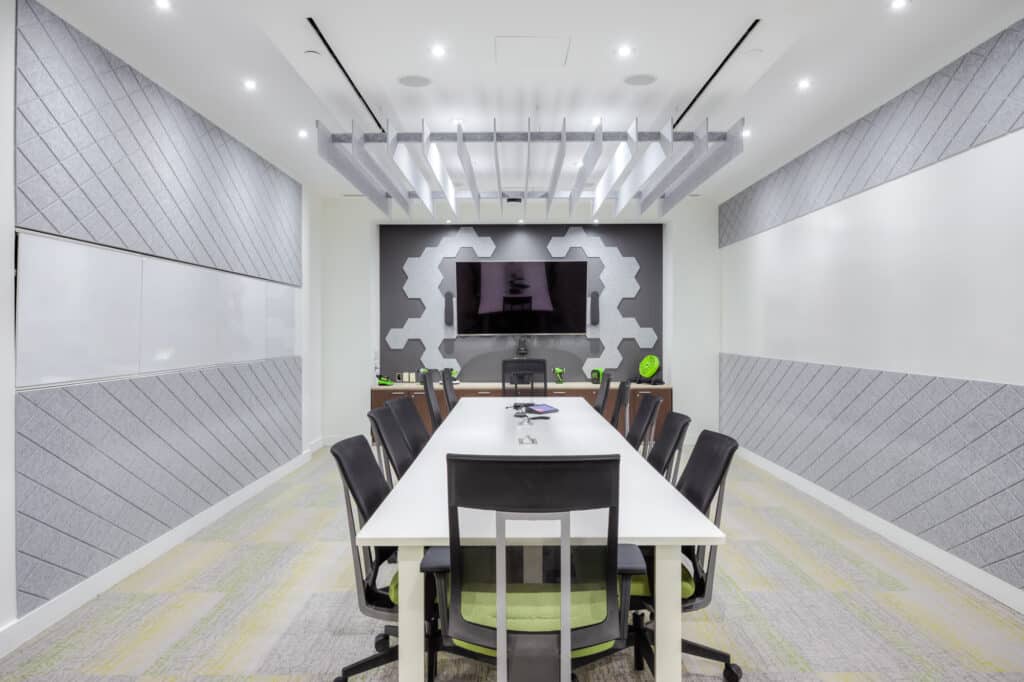
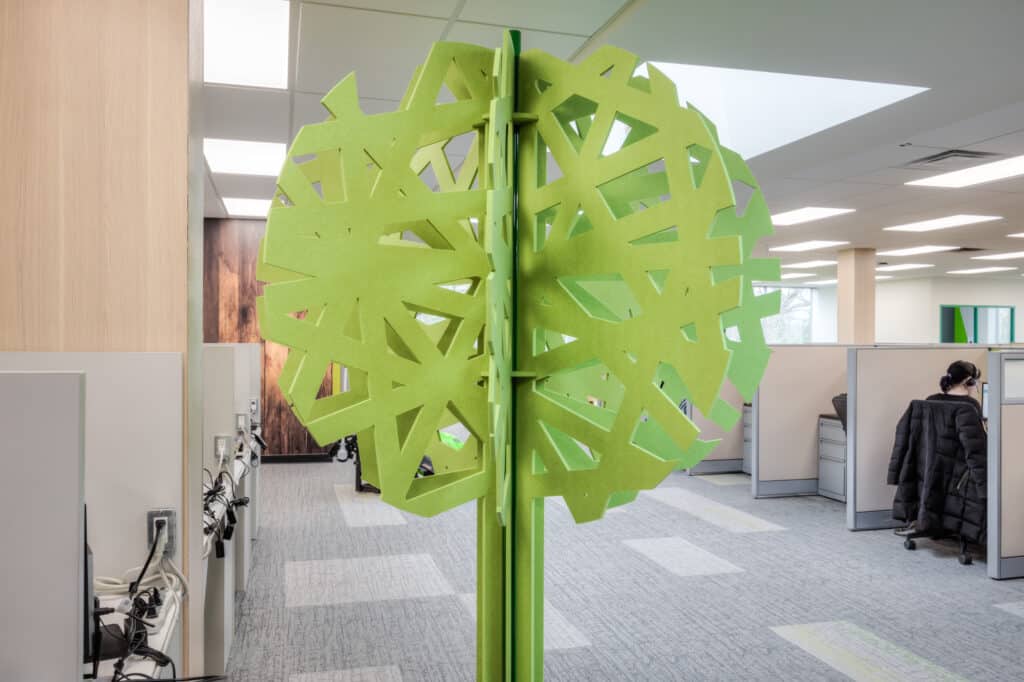
Acoustic management is a crucial aspect of modern office design that significantly impacts employee well-being and productivity. Effective sound control reduces distractions and fosters a more collaborative and focused environment. Enhancing Employee Productivity Minimizing Noise Distractions Boosts Focus. Excessive noise can be a major distraction in open office environments, leading to decreased concentration. By implementing acoustic management strategies such as sound-absorbing materials and strategic layout planning, companies can create quieter spaces. These interventions allow employees to engage more deeply with their tasks, thereby enhancing overall productivity. Research indicates that a focused worker is more efficient and satisfied with their work. Ultimately, an investment in acoustic comfort pays dividends in performance levels across the organization. Promoting Employee Well-Being Reduced Stress Levels Contribute to Improved Health. Excessive noise exposure is associated with increased stress and anxiety levels among employees. Acoustic management helps to mitigate these effects, fostering a more pleasant workplace atmosphere. Lower stress levels not only improve morale but also reduce absenteeism and turnover rates. By prioritizing acoustic comfort, organizations demonstrate their commitment to employee health and wellness. Creating a serene working environment can lead to better job satisfaction and increased loyalty among staff. Encouraging Collaboration Sound Design Influences Communication Quality. Effective acoustic management facilitates clearer communication among team members. In spaces with excessive noise, conversations can become muddled, leading to misunderstandings and frustration. By controlling sound levels, organizations can enhance collaboration and the overall quality of teamwork. Quiet zones and designated collaboration areas, designed with sound in mind, can inspire innovation and creativity. When employees can communicate effectively, team dynamics flourish, positively impacting project outcomes. Attracting Talent A Comfortable Environment is a Key Factor for Job Seekers. In today’s competitive job market, prospective employees often prioritize workplace comfort when choosing an employer. Offices that prioritize acoustic management are perceived as more inviting and conducive to productivity. Employers who invest in creating a sound-friendly environment can differentiate. themselves from competitors. By showcasing a commitment to employee comfort, organizations can attract higher-caliber talent. As a result, a well-designed acoustic space becomes an asset in recruitment efforts. Compliance with Health Regulations Acoustic Standards are Essential for Occupational Health. Many jurisdictions have established regulations regarding workplace noise levels to safeguard employee health. Acoustic management helps organizations comply with these standards, reducing the risk of legal issues. Ensuring sound levels are within acceptable limits contributes to a safer, healthier work environment. This compliance not only protects employees but also enhances the organization’s reputation. By adhering to acoustic regulations, companies demonstrate their commitment to providing a safe workplace. Supporting Mental Health Noise Control Plays a Role in Reducing Mental Fatigue. Office noise has been linked to increased mental fatigue, which can impair cognitive function. Acoustic management strategies, such as sound isolation and absorption, help to minimize auditory distractions and protect mental health. By creating quieter workspaces, organizations can prevent burnout and promote overall well-being. Support for mental health through thoughtful acoustic design demonstrates a forward-thinking approach to employee care. Ultimately, maintaining mental clarity fosters a more engaged and inspired workforce. Enhancing Overall Workplace Aesthetics Thoughtful Acoustic Design Improves Office Aesthetics. Incorporating acoustic solutions can enhance the visual appeal of office spaces. Designers can use aesthetically pleasing materials that also serve sound-dampening purposes, creating a harmonious environment. This integration of function and design not only improves sound control but also leaves a positive impression on visitors and clients. An aesthetically pleasing and acoustically comfortable space reinforces the brand image and enhances the overall workplace culture. A well-designed space communicates professionalism and attention to detail. Acoustic management is essential for creating a productive, collaborative, and healthy work environment. By prioritizing sound control, organizations can boost employee satisfaction, enhance productivity, and foster a culture of well-being.

The Importance of Acoustic Management in Office Spaces Read More »

Office Design and Interior Design

Office Design as a Reflection of Company Culture

The design of an office space holds immense significance in embodying a company’s culture. By thoughtfully integrating elements such as layout, decor, and functionality, organizations can create environments that align with their values and principles. The Impact of Layout on Interaction An open-concept layout fosters collaboration and communication. In many modern workplaces, open-concept designs encourage employees to interact more freely. This arrangement can promote a sense of teamwork and transparency, which are crucial for a collaborative company culture. By eliminating physical barriers, such as cubicles and closed offices, employees are more likely to engage in spontaneous conversations. Moreover, shared spaces like lounges or communal kitchens can further strengthen relationships among coworkers. Ultimately, the flow of the office space can significantly influence how employees work together. Incorporating Brand Identity Office design can visually represent a company’s brand and identity. Every company has a unique brand identity that can be expressed through its office design. This can include the use of specific colours, logos, and designs that reflect the brand’s values and mission. For example, a tech company might opt for a sleek, modern aesthetic to showcase its innovative spirit, while a non-profit may choose warm colours and inclusive artwork to reflect its community-driven approach. By weaving brand elements into the office environment, companies reinforce their identity and create a space that resonates with employees and clients alike. Creating Spaces for Innovation Designing dedicated areas for brainstorming encourages creative thinking. Spaces specifically designed for brainstorming and innovation can enhance a culture of creativity within an organization. These areas, equipped with whiteboards, comfortable seating, and inspiring decor, invite employees to share ideas freely. By prioritizing such environments, companies signal that they value creativity and innovation, making it clear that employees are encouraged to think outside the box. Additionally, these spaces can help break the monotony of traditional work environments, leading to higher levels of engagement and contribution from staff. Flexibility and Adaptability A flexible office design can accommodate diverse working styles. Recognizing that employees have varying preferences for how they work is crucial in modern office design. A flexible workspace, which offers options like quiet areas, collaborative zones, and hot-desking, caters to these diverse styles. This adaptability demonstrates that the company values its employees individual needs and promotes a culture of trust and autonomy. Furthermore, allowing employees to choose their work environments fosters comfort and productivity, ultimately enhancing job satisfaction. Wellness and Sustainability Incorporating wellness features in office design shows a commitment to employee health. More organizations are recognizing the importance of health and well-being in workplace design. Incorporating elements like natural light, plants, and ergonomic furniture can profoundly impact employee morale and productivity. Additionally, sustainable design practices, such as recycling stations or energy-efficient appliances, reflect the companys commitment to social responsibility. By prioritizing wellness and sustainability, organizations promote a culture that values both employee well-being and environmental stewardship. Cultural Symbols in Design Integrating cultural symbols can enhance inclusivity and representation. Incorporating artworks, photographs, and symbols that reflect the diverse backgrounds of employees fosters a sense of belonging. This inclusive approach in office design highlights the organization’s commitment to diversity and inclusion. By showcasing various cultures and stories through design elements, companies can create an environment where all employees feel valued and represented. This reflects a strong organizational culture that embraces and celebrates diversity. Technology Integration Smart technology in the office can align with a forward-thinking culture. Integrating advanced technology within the workplace reflects a companys commitment to innovation and efficiency. Smart technology can streamline operations, enhance communication, and facilitate remote work. By investing in these technologies, companies create an environment that not only supports modern work practices but also attracts top talent who are eager to work in tech-savvy settings. This alignment with technological advancements underscores a culture that prioritizes growth and adaptation. In summary, office design plays a pivotal role in reflecting and shaping company culture. By thoughtfully considering elements such as layout, brand identity, and employee well-being, organizations can create spaces that embody their values and enhance overall employee satisfaction.

Office Design as a Reflection of Company Culture Read More »

Kott Lumber Construction Interior Design, Office Design

The Advantages of Ergonomic Office Furniture

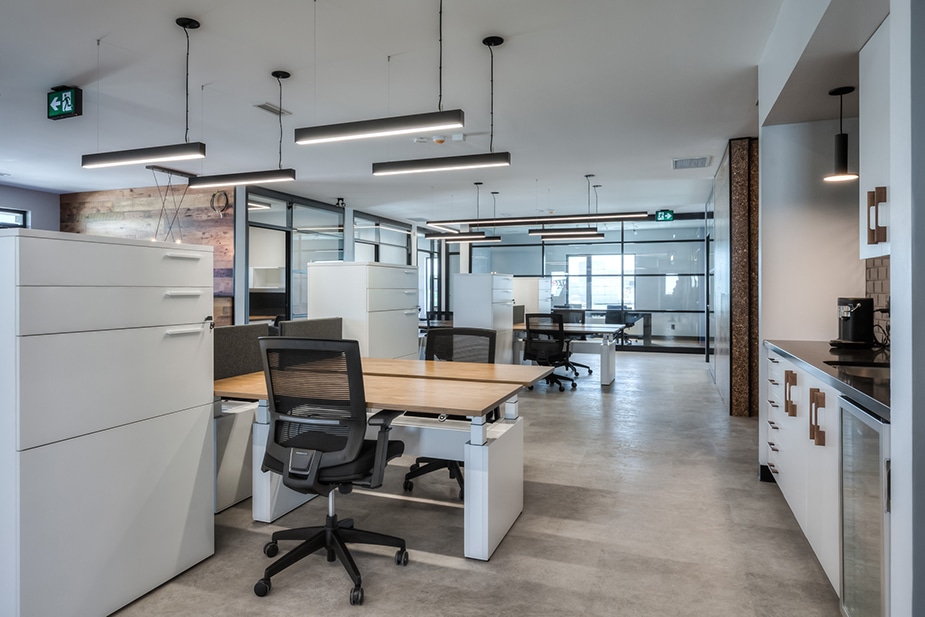
Ergonomic office furniture is designed to provide maximum comfort and efficiency in the workplace. This article explores the numerous benefits that come with investing in ergonomic solutions. Improved Posture Ergonomic furniture supports better body alignment. One of the primary benefits of ergonomic office furniture is its ability to promote improved posture. When seated in well-designed chairs and using appropriately sized desks, employees are less likely to slouch or adopt unhealthy positions. This alignment reduces the strain on the spine and helps maintain the natural curve of the back. Over time, improved posture can lead to fewer discomforts and musculoskeletal issues. Therefore, organizations that prioritize ergonomic furniture may see a decrease in employee discomfort levels. Increased Productivity Comfortable work environments lead to higher efficiency. By providing ergonomic furniture, companies can create a workspace that enhances comfort and reduces fatigue. Employees who experience less physical strain are likely to concentrate better and work more efficiently. Studies indicate that ergonomically optimized workspaces can boost employee productivity by minimizing distractions caused by discomfort. Moreover, when employees feel comfortable, they are more inclined to stay engaged with their tasks, leading to greater overall output. Reduced Risk of Injury Ergonomic designs help prevent workplace injuries. Investing in ergonomic office furniture significantly reduces the risk of work-related injuries. This includes repetitive strain injuries, back pain, and joint issues that often arise from poor seating and workstation arrangements. Ergonomic chairs paired with standing desks and adjustable equipment can help mitigate these risks. By fostering a safer work environment, organizations save on potential healthcare costs and lost productivity due to injuries. Fewer injuries also contribute to a harmonious workplace atmosphere. Enhanced Employee Satisfaction Ergonomics contribute to a happier workforce. The implementation of ergonomic office furniture can lead to greater employee satisfaction. Workers who are comfortable and feel cared for by their employers are likely to have a more positive attitude towards their jobs. Ergonomic solutions reflect an organizations commitment to employee welfare. This can result not only in improved morale but also lower turnover rates, as employees are more likely to stay with a company that prioritizes their health and comfort. Long-term Health Benefits Investing in ergonomics promotes long-lasting health. One of the most significant advantages of ergonomic furniture is its contribution to long-term health outcomes. By preventing chronic conditions associated with poor ergonomics, such as carpal tunnel syndrome and chronic back pain, employees can maintain their health over extended periods. This proactive approach to health can lead to fewer sick days and lower healthcare costs for employers. In the long run, ergonomic furniture not only influences physical well-being but also fosters a culture of health awareness within the workplace. Flexibility and Customization Ergonomic furniture often offers adjustable features. Many ergonomic office products include features that allow customization to suit individual needs. Adjustable chairs, desks, and monitor stands can accommodate the diverse body types and preferences of employees. Such flexibility means that every worker can create their ideal workstation, promoting more effective work habits. The ability to adapt furniture settings also encourages movement throughout the day, which is beneficial for overall health and productivity. Positive Impact on Company Image A commitment to ergonomics enhances employer branding. Organizations that invest in ergonomic office furniture often elevate their brand image. A workplace that visibly prioritizes employee comfort and health can attract top talent, showcasing a commitment to employee well-being. This positive perception can also resonate with clients and partners, portraying the organization as progressive and attentive to modern workplace standards. Ultimately, a strong reputation for workplace wellness can differentiate a company in competitive industries. In conclusion, the benefits of ergonomic office furniture extend beyond comfort, impacting productivity, health, and employee satisfaction. By creating a supportive workplace environment, organizations can enhance overall performance and foster a healthier, more fulfilling workplace.

The Advantages of Ergonomic Office Furniture Read More »

Storage and office Design interior design

The Impact of Office Layout on Team Collaboration

Office layout plays a pivotal role in fostering or hindering team collaboration. A well-designed workspace can enhance communication, creativity, and productivity within teams, ultimately influencing overall business success. Open vs. Closed Office Spaces Open office layouts often facilitate spontaneous communication. An open office design encourages employees to interact more freely, which can lead to innovative ideas and solutions. However, this layout can also result in distractions and noise, potentially diminishing focus. Balancing collaboration with personal space is crucial. Organizations must understand their team dynamics to determine if an open layout suits their needs. Studio Forma Interior Design emphasizes the importance of striking this balance to maximize collaboration. Zoning for Collaboration Creating distinct zones helps cater to various collaborative needs. By implementing dedicated areas for brainstorming, social interaction, and focused work, companies can significantly enhance teamwork. These zones should reflect the types of collaboration required for different projects. Such zoning allows team members to choose spaces that suit their current tasks, fostering a more productive environment. Studio Forma Interior Design advocates for thoughtfully planned zones, ensuring that team collaboration flows seamlessly. Flexibility in Office Design Flexible workspaces can adapt to meet changing team dynamics. A flexible office layout allows teams to reconfigure their workspaces based on project needs or team sizes. This adaptability can lead to increased employee satisfaction and creativity, as teams feel empowered to organize their environment. Incorporating movable furniture and reconfigurable spaces can support a culture of innovation. Studio Forma Interior Design recommends integrating flexibility as a core principle in office design to encourage continuous collaboration. The Role of Technology Technology integration within office layouts enhances collaboration. Incorporating technology into office spaces, such as interactive screens and collaborative software, facilitates easier communication and resource sharing among team members. These tools are essential for remote teams and can bridge the gap between in-office and virtual collaboration. An effective technological setup allows employees to maximize their potential, regardless of their physical location. Studio Forma Interior Design underscores the necessity of planting technology at the heart of modern workspace design. Personal Spaces and Team Collaboration Incorporating personal spaces acknowledges individual work needs. While collaboration is crucial, having personal workspaces is equally important for concentration and productivity. Employees benefit from having areas where they can retreat to focus on tasks without interruption. Integrating workstations that offer privacy within collaborative spaces can strike the right balance. Studio Forma Interior Design recognizes that respecting individual workflows fosters a more harmonious overall team environment. Environmental Factors in Office Layout Natural elements in office design can significantly impact team collaboration. Incorporating natural light, greenery, and outdoor views can enhance employee mood and productivity. A well-thought-out environment can lead to increased creativity and reduced stress levels among team members. Studies have shown that biophilic design elements contribute to better collaboration by creating a more inviting atmosphere. Studio Forma Interior Design highlights the importance of considering environmental factors in creating spaces that promote social interactions. Cultural Influences on Office Layout Understanding team culture is vital in shaping office design. Different organizations have varying cultural dynamics that can influence the effectiveness of an office layout. A design that resonates with the team’s values and work style can enhance collaboration and engagement. It’s essential for managers to consider their team’s cultural identity ahead of planning. Studio Forma Interior Design emphasizes the importance of creating a workspace that aligns with and supports the organization’s ethos. In conclusion, the office layout is a critical factor in shaping team collaboration. By focusing on flexibility, zoning, technology integration, and understanding the cultural dynamics of a team, organizations can create an environment that promotes effective collaboration and drives success.

The Impact of Office Layout on Team Collaboration Read More »

The Crucial Role of Lighting in Office Environments

Lighting is a vital component of office design that significantly influences employee productivity and well-being. Studio Forma Interior Design Inc. recognizes the importance of effective lighting solutions to create optimal workspaces. Enhancing Productivity through Natural Light Natural light increases employee productivity and focus. Exposure to natural light has been shown to improve mood and energy levels, leading to enhanced productivity among employees. Studio Forma Interior Design Inc. emphasizes the integration of large windows and open spaces in office layouts to maximize daylight exposure. This design choice not only brightens the work environment but also reduces the reliance on artificial lighting. Incorporating natural light can help regulate circadian rhythms, which is essential for maintaining overall health. The strategic placement of workstations near windows fosters a connection with the outdoors, promoting a sense of well-being. Creating a Comfortable Work Environment Proper lighting contributes to employee comfort. Inadequate or harsh lighting can lead to discomfort and strain, impacting employee morale. Studio Forma Interior Design Inc. aims to create balanced lighting solutions that combine ambient, task, and accent lighting. By ensuring a well-lit workspace, the design minimizes glare and shadows, which can cause eye fatigue. Comfortable lighting enhances not only aesthetic appeal but also usability, enabling employees to perform their tasks without physical discomfort. The right lighting creates an inviting atmosphere that can improve overall job satisfaction. Supporting Collaboration and Communication Lighting plays a key role in fostering collaboration. Effective lighting design can significantly enhance collaborative efforts within a workplace. Studio Forma Interior Design Inc. focuses on creating well-lit communal areas that encourage teamwork and interaction. By utilizing adjustable lighting options, different activities can be supported, from brainstorming sessions in group spaces to casual conversations in lounge areas. Diverse lighting allows teams to adapt the environment to suit their needs, promoting more effective communication. A cohesive lighting plan can strengthen the workplace culture by facilitating better collaboration. Boosting Creativity and Innovation Innovative lighting solutions can stimulate creativity. Lighting can influence the creative process by setting the right mood and atmosphere. Studio Forma Interior Design Inc. explores the use of dynamic lighting options, such as colour changing LED lights, to enhance creativity in the workplace. By creating zones with varying light intensity and tones, employees are encouraged to engage in different types of thinking and problem-solving. This thoughtful approach to lighting design can inspire fresh ideas and innovative solutions. The integration of creative lighting features transforms traditional spaces into vibrant environments that stimulate imagination. Fostering Health and Wellness Lighting impacts employee health and wellness. The health implications of lighting in the office cannot be overstated. Studio Forma Interior Design Inc. prioritizes the use of circadian-friendly lighting solutions that mimic natural daylight patterns. By encouraging proper exposure to light throughout the day, the design promotes healthy sleep patterns and reduces issues such as Seasonal Affective Disorder (SAD). Furthermore, well-designed lighting can contribute to reduced stress and improved mental health. A focus on wellness through lighting solutions not only benefits individual employees but also enhances the entire organizations productivity. Energy Efficiency and Sustainability Sustainable lighting practices reduce energy consumption. Incorporating energy-efficient lighting solutions is a responsible choice for modern offices. Studio Forma Interior Design Inc. advocates for the use of LED lighting and smart controls to minimize energy waste. By implementing energy-efficient options, offices can significantly cut costs and reduce their carbon footprint. Sustainable lighting systems provide both immediate and long-term benefits, making them an environmentally friendly choice. In addition, the focus on sustainability aligns with many organizations corporate social responsibility initiatives, showcasing their commitment to environmental stewardship. Customized Solutions for Unique Office Spaces Tailored lighting designs address specific office needs. Every office has unique requirements that demand customized lighting solutions. Studio Forma Interior Design Inc. works closely with clients to understand their specific needs and challenges. This collaborative approach ensures that lighting designs align with the functional and aesthetic aspects of each space. Customization allows for enhanced flexibility and adaptability in meeting diverse working styles and tasks. The result is a harmonious environment that enhances productivity and workplace satisfaction through tailored lighting strategies. In conclusion, lighting is an essential aspect of office design that significantly impacts productivity, comfort, and employee well-being. Studio Forma Interior Design Inc. continues to prioritize innovative and sustainable lighting solutions that foster positive work environments.

The Crucial Role of Lighting in Office Environments Read More »

Greenworks Interior Design Office Design

Enhancing Employee Productivity Through Thoughtful Office Design

Effective office design plays a crucial role in enhancing employee productivity by fostering a conducive work environment. Incorporating elements such as space optimization, natural light, and ergonomic furniture can significantly influence employee engagement and efficiency. Effective Use of Space Optimizing workspace layout can lead to increased collaboration among employees. An open floor plan can stimulate communication and teamwork, while designated quiet areas support focused work. By balancing collaborative spaces with private zones, companies can cater to varied work styles. Additionally, flexible furniture arrangements allow for quick adaptations based on team needs, promoting a dynamic work environment. Ergonomically designed spaces further support employee comfort, which can lead to enhanced productivity. Incorporating Natural Light Access to natural light increases employee mood and productivity. Natural light has been shown to enhance cognitive function and overall well-being. Incorporating large windows or skylights can help minimize eye strain and boost energy levels. Furthermore, exposure to daylight regulates circadian rhythms and enhances focus, encouraging a productive work pace. Placement of workstations near windows provides employees with both visual appeal and health benefits. Therefore, integrating natural light in office design is a simple yet effective way to enhance productivity. Ergonomics in Office Furniture Investing in ergonomic furniture reduces discomfort and improves efficiency. Ergonomic chairs and desks are designed to support the natural posture of the human body, reducing the risk of musculoskeletal disorders. This investment not only preserves employee health but also leads to fewer sick days and decreases in turnover. Employees who work in comfortable settings report higher job satisfaction, which correlates directly with productivity levels. Additionally, providing adjustable furniture allows employees to personalize their workspaces in a way that suits their individual needs. As a result, this attentiveness to ergonomics can foster a more engaged workforce. Inspiring Break Areas Break areas should be creatively designed to rejuvenate employees. Incorporating relaxation zones with comfortable seating, recreational games, or even art can significantly improve employee morale. These spaces encourage staff to take necessary breaks, reducing burnout and increasing overall productivity. Furthermore, a well-thought-out break area can stimulate informal brainstorming sessions, leading to innovative ideas and solutions. By providing an inviting atmosphere for relaxation and socialization, organizations benefit from improved employee relationships and teamwork. Acoustic Considerations Managing noise levels is crucial for maintaining focus in the workplace. Sound-absorbing materials, such as carpets and acoustic panels, can help reduce distractions in shared spaces. Incorporating designated quiet zones allows employees to find refuge from loud environments when needed. Furthermore, an understanding of noise dynamics can guide layout choices that minimize disruptions during collaborative tasks. By addressing acoustic challenges thoughtfully, companies can ensure a balance between collaboration and concentration. Color Psychology in Design The colors in an office can profoundly impact employee productivity and mood. Research suggests that colors such as blue and green promote calmness and focus, while brighter hues like yellow can stimulate creativity. By integrating color wisely throughout an office, organizations can create an atmosphere that aligns with desired employee output. Additionally, the infusion of plant life and organic colors can enhance the feeling of well-being and reduce stress levels among staff. Consequently, understanding color psychology is a vital component of effective office design. Technology Integration Seamless technology integration can streamline tasks and enhance collaboration. Incorporating the latest technology in office design facilitates smoother communication and project management. Smart conference rooms equipped with video conferencing tools foster collaboration regardless of location. Wireless devices and efficient charging stations can eliminate clutter and enhance workflow. Additionally, providing user-friendly collaborative tools can empower teams to brainstorm and execute ideas more efficiently. Overall, thoughtful technology integration contributes directly to maximizing employee productivity. By considering elements such as workspace layout, natural light, ergonomics, and technology, organizations can create a favorable environment that boosts employee productivity. A well-designed office not only enhances comfort and collaboration but also fosters a positive workplace culture, driving overall business success.

Enhancing Employee Productivity Through Thoughtful Office Design Read More »