August 17, 2024

The Benefits of Professional Interior Design Services

Investing in professional interior design services can significantly enhance both the aesthetic and functional aspects of your living space. These experts bring a wealth of experience and creativity, transforming ideas into reality. Expertise in Design Principles Professional designers possess in-depth knowledge of design principles. This expertise allows them to create well-balanced spaces that embrace aesthetics and functionality. They understand aspects like colour theory, spatial arrangement, and lighting, which are crucial for achieving harmony in any room. Their training helps them to make informed decisions that go beyond mere trends. With a professional, you receive a tailored solution that reflects your style while ensuring optimal space utilization. This strategic approach leads to spaces that not only look great but also enhance your lifestyle. Access to Resources Interior designers have access to exclusive resources and materials. They can source high-quality furnishings, textiles, and finishes that may not be readily available to the general public. This access allows for more unique and personalized designs that stand out. Moreover, they often have established relationships with reliable suppliers, which can facilitate smoother transactions and better pricing. By collaborating with designers, clients can tap into these valuable networks, leading to cost-effective solutions without compromising on quality. This advantage further enhances the overall outcome of your design project. Time Savings Hiring a designer can save significant time throughout the design process. Interior design projects can be time-consuming, involving extensive planning and decision-making. A professional designer streamlines this process, managing logistics, timelines, and procurement seamlessly. They take on the burden of coordinating various aspects, allowing clients to focus on their day-to-day activities. With their skills, projects are often completed more efficiently and with less hassle. This time-saving factor is particularly appealing for those with busy schedules who still wish to achieve their desired living environment. Budget Management Professional designers help in establishing and maintaining a budget. They assist homeowners in determining a realistic budget based on their vision and needs. By providing a transparent breakdown of costs, designers help clients make informed choices that align with their financial parameters. Furthermore, designers can suggest alternatives that ensure quality without overspending. Their experience also aids in avoiding costly mistakes, ultimately leading to a well-executed project within budgetary constraints. This financial guidance instills confidence in clients and helps prevent unforeseen expenses. Creative Problem Solving Interior designers are adept at solving complex design challenges. They can tackle issues such as awkward layouts, poor lighting, and insufficient storage creatively. Through innovative thinking and practical solutions, they maximize the potential of every space. Their ability to envision possibilities can transform even the most challenging environments into functional and beautiful areas. This problem-solving capacity is invaluable for clients facing limitations within their homes or offices. With their insights, designers can often turn obstacles into opportunities. Personalized Designs Every project led by a designer is uniquely tailored to the clients preferences. Professional interior designers conduct thorough consultations to understand individual tastes and requirements. This personalised approach ensures that the final design reflects the clients lifestyle and personality. Designers skilfully integrate personal elements, creating spaces that feel both comfortable and unique. The result is a harmonious environment that resonates with the inhabitants, making it more enjoyable and functional. This level of customization is often hard to achieve without professional guidance. Project Coordination A professional designer coordinates all aspects of the project effectively. From the initial concept to the final installation, designers manage every detail. They liaise with contractors, suppliers, and stakeholders to ensure everything runs smoothly. This coordination minimizes delays and miscommunication, leading to a seamless execution of the design vision. Clients benefit from a single point of contact, simplifying the process and providing peace of mind. Ultimately, their organizational skills contribute to a stress-free renovation or design experience. Choosing professional interior design services elevates the quality of any interior project, ensuring exceptional results that harmonize style and functionality. By leveraging their expertise, resources, and creativity, homeowners can enjoy beautifully designed spaces tailored to their needs.

The Benefits of Professional Interior Design Services Read More »

Creating a Productive Meeting Room: Essential Strategies

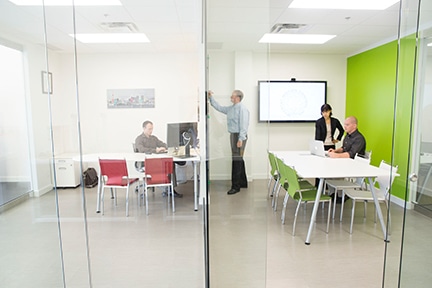
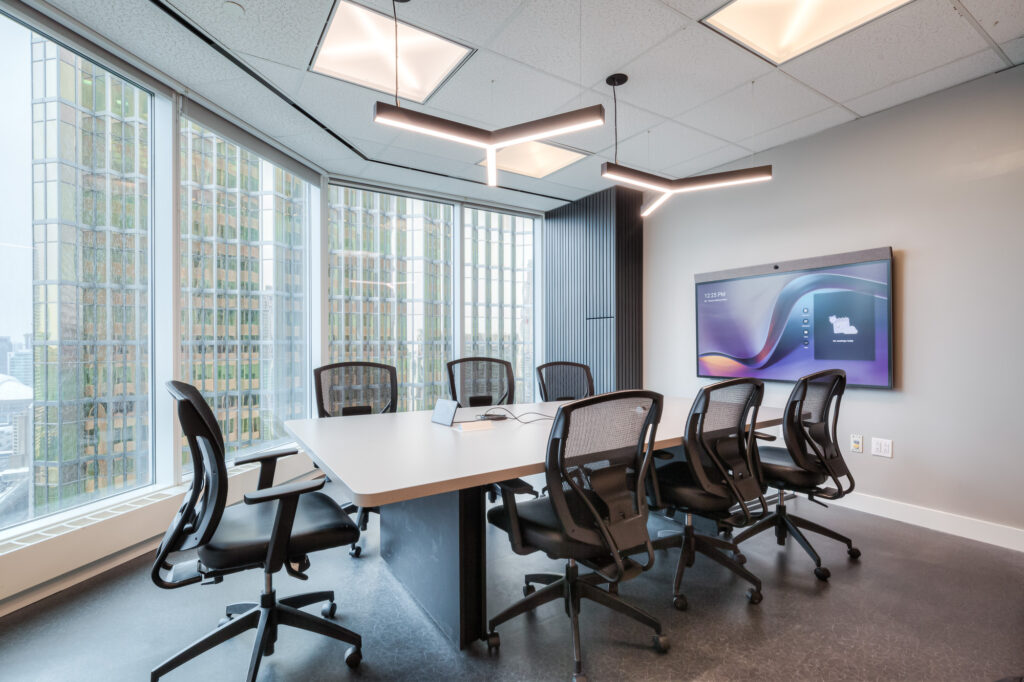
A well-designed meeting room can significantly enhance productivity and collaboration among team members. By considering factors such as layout, technology, and atmosphere, organizations can create an environment that fosters creativity and effective communication. Optimizing the Layout The physical arrangement of furniture can influence interaction. An effective meeting room layout encourages participation and engagement from all attendees. Consider using a circular or U-shaped arrangement to promote discussion and eye contact. Ensure that chairs are comfortable and conducive to long meetings. Additionally, allowing for flexibility in the seating arrangement can foster creativity. Remember that visibility and accessibility are key components to successful collaboration. Incorporating Technology State-of-the-art technology is essential for modern meetings. Incorporating tools such as video conferencing equipment, projectors, and reliable Wi-Fi can greatly enhance the meeting experience. Ensure that all technology is user-friendly and that staff are trained on how to use it efficiently. This reduces downtime and frustration during meetings. Additionally, consider integrating smart boards and collaboration software to support interactive discussions. Keeping technology updated and functional serves to create a seamless meeting environment. Controlling the Environment The ambient environment can affect focus and engagement. Lighting, temperature, and noise levels are crucial factors in maintaining a productive atmosphere. Natural light is ideal, but adjustable artificial lighting should also be available to suit different preferences. Rooms should be adequately ventilated and maintained at a comfortable temperature. Furthermore, consider soundproofing to minimize distractions from outside noise. A well-managed environment sets the stage for higher levels of concentration and productivity. Fostering a Collaborative Culture Encouraging teamwork starts with the meeting space. Meeting rooms should embody a culture of collaboration and inclusivity. This can be achieved by setting ground rules for discussions and ensuring everyone has a voice. Displaying team achievements and values on the walls can inspire a sense of belonging. Regularly seeking feedback on the meeting process also empowers participants to contribute to continuous improvement. Cultivating a collaborative environment can dramatically enhance team dynamics. Designing for Comfort Comfortable settings promote longer, more productive meetings. Invest in ergonomic furniture to ensure that attendees can maintain focus throughout lengthy discussions. Including elements such as cushions and adjustable desks can cater to different preferences. Breakout areas with soft seating can provide spaces for small group discussions, fostering creativity. Additionally, offering refreshments can keep energy levels high and encourage participation. A focus on comfort ultimately translates to a more effective meeting experience. Utilizing Visual Aids Visual tools enhance understanding and retention of information. Incorporating charts, graphs, and visual presentations can significantly aid in conveying complex ideas. Whiteboards and flip charts can provide interactive elements that engage attendees in real-time. Visual aids not only simplify communication but also help maintain attention. Consider displaying agendas or schedules prominently in the room to keep everyone on track. The use of visual tools can enhance learning and cooperation during meetings. Evaluating Meeting Effectiveness Regular feedback is crucial for continuous improvement. After each meeting, seek input from participants regarding the room setup, technology usage, and overall effectiveness. This can be accomplished through surveys or casual discussions. Identifying strengths and weaknesses in the meeting process ensures that improvements can be continually made. Regular evaluation helps create a responsive environment that adapts to the needs of the team. A commitment to ongoing assessment can elevate the quality of future meetings. Creating a productive meeting room involves a strategic approach to layout, technology, comfort, and culture. By implementing these key elements, organizations can foster an environment that not only enhances productivity but also builds stronger team dynamics.

Creating a Productive Meeting Room: Essential Strategies Read More »

The Transformative Benefits of Smart Office Technology

Enhanced Productivity Smart office tools significantly boost workplace productivity. With the implementation of smart technologies, employees can streamline their tasks and reduce time spent on repetitive activities. Automated systems and intelligent scheduling tools allow individuals to focus on higher-level functions that require critical thinking. Additionally, access to real-time data enables quicker decision-making and improves overall workflow efficiency. This shift not only leads to faster project completion but also promotes a culture of innovation within the organization. Furthermore, the use of collaborative platforms facilitates effective teamwork, ensuring that team members can communicate seamlessly and share resources when needed. Cost Savings Investing in smart office technology can lead to substantial cost reductions. By automating routine processes and optimizing resource use, organizations can lower operational costs significantly. Smart technologies help monitor energy consumption, allowing businesses to identify areas for savings and implement energy-efficient solutions. Furthermore, these technologies can reduce the need for physical office space through remote work capabilities, which can decrease overhead expenses such as rent and utilities. Utilizing cloud services also minimizes the need for expensive IT infrastructure, as maintenance and updates are handled by service providers. Ultimately, the initial investment in smart technology pays off through long-term financial benefits and increased profitability. Improved Employee Well-being Smart offices contribute to a healthier and more satisfying work environment. The incorporation of smart technologies helps create a workplace that caters to employees’ needs, directly impacting their well-being. For example, smart lighting systems can adjust based on individual preferences and natural light availability, enhancing comfort and reducing eye strain. Additionally, wellness applications can promote healthier lifestyles by reminding employees to take breaks and encouraging physical activity. A more comfortable and health-conscious workspace leads to increased job satisfaction and morale, resulting in lower employee turnover. Consequently, businesses benefit from retaining experienced staff and creating a more positive workplace culture. Increased Flexibility Smart office technology enables greater workplace flexibility. As remote work becomes more prevalent, smart office solutions facilitate seamless transitions between in-office and remote settings. Technologies such as virtual conferencing systems and collaboration tools allow teams to connect effortlessly regardless of their physical location. This flexibility not only accommodates a diverse workforce but also empowers employees to work in environments where they feel most productive. Furthermore, adaptable office spaces underpinned by smart technology can be reconfigured easily to suit various team sizes and project needs. By fostering a flexible workplace, organizations can attract diverse talent and adapt more readily to changing business demands. Enhanced Data Security Smart office technology provides improved data security measures. Modern smart office systems incorporate advanced security features that protect sensitive information from unauthorized access. Multi-factor authentication, encryption, and real-time monitoring ensure that data breaches are minimized, and organizations can confidently manage their information assets. Moreover, centralized control systems allow for greater oversight and management of access rights, ensuring only authorized personnel can access specific information. As cyber threats continue to evolve, the robust security protocols implemented through smart technologies help safeguard business operations and maintain client trust. Investing in these solutions is not only prudent but essential in todays digital landscape. Sustainability and Environmental Impact Adopting smart office technology contributes to sustainability efforts. Smart technology plays a critical role in promoting environmentally friendly practices within the workplace. Energy-efficient systems and smart sensors optimize energy use, leading to reduced carbon footprints and lower resource consumption. Furthermore, technology that supports remote work can decrease the need for commuting, further benefiting the environment. Organizations can also leverage data analytics to identify waste and improve recycling efforts. By prioritizing sustainability, businesses can enhance their corporate responsibility profile and appeal to eco-conscious consumers while potentially reaping financial incentives offered for green initiatives. Better Resource Management Smart office technology fosters more effective resource management. These advanced systems provide insights into resource usage, enabling organizations to allocate assets more efficiently. Inventory management tools, for instance, help track supplies in real-time, ensuring that departments do not over-order or run out of essential materials. Furthermore, effective space utilization can be achieved through smart analytics, allowing businesses to optimize floor space and reduce unnecessary expenses. By closely monitoring and managing resources, companies can enhance their operational efficiency and significantly reduce waste. This leads to more informed decision-making regarding future investments in resources and technology. In summary, the implementation of smart office technology offers a multitude of benefits that drive productivity, reduce costs, and promote employee well-being. As organizations increasingly embrace these innovations, the result is not only a more efficient workplace but also a positive impact on sustainability efforts and business resilience.

The Transformative Benefits of Smart Office Technology Read More »

The Economic and Health Benefits of Investing in Air Quality Improvements

Investing in air quality improvements is essential for enhancing public health and driving economic growth. Cleaner air leads to reduced healthcare costs and increased productivity, making it a vital consideration for policymakers and businesses alike. Health Benefits of Improved Air Quality Improved air quality significantly reduces health risks. Air pollution is directly linked to a variety of health issues, including respiratory diseases, cardiovascular problems, and premature death. By investing in air quality improvements, communities can lower the incidence of these health problems, resulting in a healthier population. This, in turn, reduces the burden on healthcare systems and enhances the overall quality of life for residents. Moreover, protecting vulnerable groups such as children and the elderly is crucial, as they are particularly susceptible to the effects of poor air quality. Economic Advantages of Cleaner Air Investing in air quality can lead to significant economic gains. Clean air contributes to greater workforce productivity by reducing the number of sick days taken by employees. This directly affects a business’s bottom line and boosts the local economy. Additionally, improvements in air quality can enhance property values, making communities more attractive to new residents and businesses. When air pollution is minimized, cities can also save on healthcare and environmental remediation costs, further contributing to their economic stability. Regulatory Compliance and Innovation Air quality investments help ensure compliance with regulations. Many jurisdictions have strict air quality standards that must be met. By proactively investing in air quality improvements, businesses and governments can avoid hefty fines and sanctions due to non-compliance. Furthermore, these investments often drive innovation as organizations seek new technologies and practices that enhance air quality. This not only mitigates risks associated with regulations but also positions them as leaders in sustainability and environmental stewardship. Ecosystem Benefits Clean air contributes to healthier ecosystems. Investing in air quality improvements has profound implications not only for human health but also for the environment. Air pollution negatively impacts wildlife and natural habitats, leading to biodiversity loss and ecosystem degradation. By enhancing air quality, we protect these vital ecosystems, ensuring a balanced environment where flora and fauna can thrive. This relationship underscores the interconnectedness of air quality, health, and ecological integrity. Social Equity and Community Well-Being Air quality improvements promote social equity. Communities with poor air quality often face disproportionate health impacts, particularly among low-income populations. Investing in air quality enhancements can thus be a tool for promoting social equity, providing all residents with the right to clean air. By tackling this inequity, we can improve overall community well-being and foster environments where everyone has the opportunity to flourish. This commitment to equity can also build trust between communities and public institutions. Public Perception and Community Engagement Investments in air quality can bolster public perception. When communities prioritize air quality improvements, it signals a commitment to health and sustainability. This can enhance public perception of both local governments and businesses, fostering greater community engagement and support. Additionally, involving community members in air quality initiatives can create a shared sense of responsibility and ownership over environmental health. This collective effort amplifies the impact of such investments, ensuring lasting change. Long-Term Sustainability Investing in air quality is crucial for sustainable development. Air quality improvements are essential for supporting long-term sustainable development goals. Cleaner air helps combat climate change by reducing greenhouse gas emissions associated with various pollutants. This aligns with global efforts to create a more sustainable future while safeguarding health and ecosystems. Moreover, integrating air quality considerations into planning and development can enhance resilience against environmental challenges, further solidifying the importance of these investments. In summary, investing in air quality improvements yields significant health, economic, and environmental benefits. It is a critical step towards creating healthier communities, fostering economic growth, and ensuring a sustainable future for all.

The Economic and Health Benefits of Investing in Air Quality Improvements Read More »

The Crucial Role of Workplace Accessibility in Modern Organizations

Workplace accessibility is an essential aspect of creating inclusive environments that support diverse employee needs. Ensuring accessibility not only complies with legal requirements but also fosters a culture of respect and productivity. Legal Obligations for Accessibility Employers are mandated by laws to ensure accessible workplaces. In Canada, various laws such as the Accessibility for Ontarians with Disabilities Act (AODA) require organizations to take proactive steps towards accessibility. This includes ensuring that physical spaces, communications, and technology are accessible to all employees. By adhering to these laws, employers not only avoid potential legal repercussions but also demonstrate a commitment to inclusivity. Failure to comply can result in fines and damage to an organizations reputation. Thus, ensuring compliance with accessibility laws is both a legal and ethical obligation. Promoting Diversity and Inclusion Workplace accessibility enhances diversity within organizations. Accessible workplaces allow individuals with disabilities to contribute meaningfully to the workforce, thereby enriching the diversity of perspectives and experiences. When employees feel valued and included, it fosters a sense of belonging and can lead to higher employee morale and retention rates. Furthermore, diverse teams are often more innovative and effective at problem-solving due to their varied viewpoints. Therefore, investing in accessibility initiatives is crucial for cultivating an inclusive company culture. Improving Employee Productivity Accessibility directly impacts employee productivity. When workplaces are designed to be accessible, employees are better equipped to perform their tasks without unnecessary barriers. For example, implementing ergonomic workstations and appropriate technologies allows all employees, regardless of their physical abilities, to work efficiently. This not only maximizes individual productivity but also enhances overall team performance. Organizations that prioritize accessibility often witness improved job satisfaction, which translates into higher productivity and reduced absenteeism. Enhancing Company Reputation Accessibility initiatives can significantly improve a company’s public image. Demonstrating a commitment to accessibility aligns with corporate social responsibility and can attract customers who value inclusivity. Companies recognized for their accessibility efforts often enjoy enhanced brand loyalty and positive media coverage. Moreover, being seen as an inclusive employer can draw in top talent from a broader pool of candidates. Ultimately, a good reputation for accessibility can translate into increased market share and business opportunities. Financial Benefits of Accessibility Investing in accessibility can yield significant financial returns. While some may view accessibility improvements as a cost, they often lead to savings in turnover, absenteeism, and healthcare costs. By reducing barriers, organizations can also enhance customer satisfaction and expand their customer base to include individuals with disabilities. Additionally, grants and funding opportunities are often available to assist organizations in implementing these accessibility initiatives, further offsetting initial expenditures. Overall, the financial argument for accessibility is a compelling one. Technology and Innovation Accessible technologies foster innovation in the workplace. The pursuit of workplace accessibility often leads to the implementation of new technologies that can benefit all employees. For instance, adopting assistive technologies can streamline workflows and enhance communication among teams. Moreover, innovations driven by accessibility may lead to new product developments and services tailored to different customer needs. Companies that embrace accessibility as part of their technological strategy can maintain a competitive edge in a fast-evolving marketplace. Employee Engagement and Satisfaction Accessibility initiatives boost overall employee engagement. When employees see that their employer prioritizes accessibility, they are more likely to feel valued and engaged in their work. This heightened sense of engagement translates into improved collaboration, creativity, and commitment to the organization. Additionally, inclusive practices foster better team dynamics and open communication channels. Engaged employees are also more inclined to advocate for their workplace, which can positively influence the organizations culture and performance. In conclusion, workplace accessibility is not merely a legal obligation; it is a fundamental component of a modern, thriving organization. By embracing accessibility, employers can pave the way for diversity, innovation, and productivity, ultimately benefiting the entire organization.

The Crucial Role of Workplace Accessibility in Modern Organizations Read More »

Georgian College Partnership Interior Design

Designing an Inclusive Workplace: Key Strategies for Success

Creating an inclusive workplace is essential for fostering innovation and collaboration. It involves implementing practices that respect and acknowledge diverse backgrounds and perspectives. Understanding Diversity and Inclusion Recognizing the importance of diverse perspectives is crucial. Diversity in the workplace encompasses various dimensions, including race, gender, age, sexual orientation, and ability. An inclusive workplace ensures that all voices are heard and valued, which can lead to better problem-solving and creativity. By embracing diversity, organizations can tap into a broader range of ideas and experiences. Furthermore, acknowledging the unique contributions of each employee fosters a sense of belonging, which can enhance job satisfaction and retention. It is essential for companies to move beyond tokenism and strive for authentic inclusion. Creating Accessible Environments Accessibility is a fundamental aspect of an inclusive workplace. Workplaces should be physically accessible to all employees, including those with disabilities. This can involve ensuring that facilities are wheelchair-friendly, offering assistive technologies, and creating flexible work environments. In addition to physical accessibility, organizations must consider digital accessibility in their communications and tools. This means using inclusive language, providing captions for videos, and ensuring that websites are usable for people with various abilities. By prioritizing accessibility, companies not only comply with legal standards but also affirm their commitment to inclusivity. Implementing Inclusive Policies Policies should reflect a commitment to equity and inclusion. Organizations need to develop and implement policies that promote diversity and inclusion at all levels. This includes anti-discrimination policies, flexible working arrangements, and targeted recruitment efforts aimed at underrepresented groups. The involvement of employees in policy development is also critical to ensure that diverse perspectives shape the organization’s practices. Additionally, regularly reviewing these policies can help assess their effectiveness and make necessary changes. Inclusive policies not only protect employees but also contribute to a positive organizational culture. Training and Education Ongoing training is essential for fostering an inclusive mindset. Providing diversity and inclusion training helps employees understand their biases and promotes awareness of different cultures and perspectives. Training sessions should be interactive and involve real-life scenarios to facilitate understanding and empathy. Organizations must also emphasize the importance of continuous learning, as social norms and issues related to diversity are ever-evolving. Regular workshops and educational resources can empower employees to contribute positively to the workplace culture, ensuring that everyone feels respected and valued. Encouraging Employee Resource Groups Support for Employee Resource Groups (ERGs) fosters community and engagement. ERGs provide a platform for employees with common interests or identities to come together and support each other. These groups can highlight specific issues faced by particular communities, providing valuable insights for the organization. Management should actively encourage the formation of these groups and provide them with resources to flourish. ERGs can enhance employee engagement and retention by creating a sense of belonging, and they can also serve as a feedback mechanism for improving workplace policies. By valuing these groups, companies demonstrate their commitment to supporting diversity. Measuring Inclusion Efforts Regular assessment of inclusion initiatives is necessary for accountability. Organizations must establish metrics to evaluate the effectiveness of their diversity and inclusion efforts. This can involve conducting employee surveys, tracking recruitment and retention statistics, and reviewing participation in training programs. By analysing this data, companies can identify areas for improvement and celebrate successes. Creating transparency around these efforts can also build trust among employees, as they feel valued and involved in the process. An ongoing commitment to measurement underscores the organizations dedication to continuous improvement in inclusivity. Leadership Commitment Leadership must champion diversity and inclusion initiatives. Leadership plays a pivotal role in shaping the culture of an organization. Leaders must actively advocate for inclusive practices and lead by example. This includes participating in training, engaging with diverse teams, and being visibly supportive of ERGs. Leadership commitment can drive a cultural shift, encouraging everyone in the organization to prioritize inclusivity. Furthermore, accountability measures for leaders can ensure that diversity goals are met. When leaders invest time and effort into fostering an inclusive workplace, it sends a powerful message throughout the organization. Designing an inclusive workplace is an ongoing journey that requires commitment, adaptability, and care. By implementing targeted strategies and measuring their impact, organizations can cultivate an environment where all employees thrive.

Designing an Inclusive Workplace: Key Strategies for Success Read More »

Greenworks Interior Design Office Design

The Essential Benefits of Acoustic Panels for Your Office

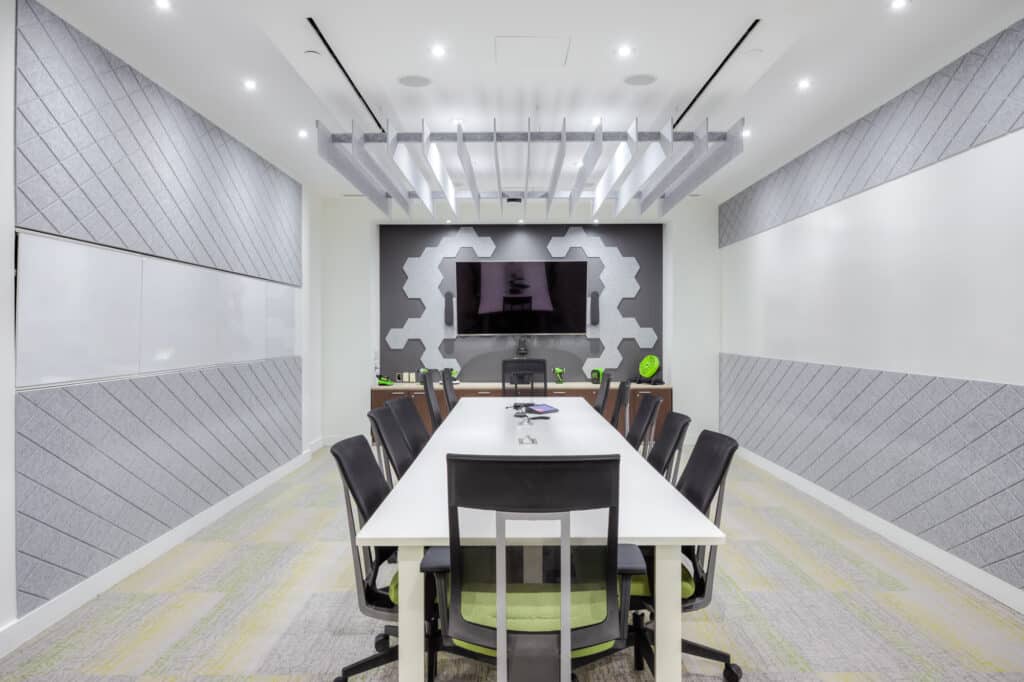
Acoustic panels are an increasingly popular solution for enhancing office environments. They improve sound quality, reduce noise distractions, and create a more productive workspace. Noise Reduction and Sound Absorption Acoustic panels significantly reduce ambient noise levels in the office. By absorbing sound waves, acoustic panels minimize the reverberation that can occur in open office spaces. This is particularly important in environments where multiple conversations happen simultaneously. A reduction in noise can lead to fewer distractions and interruptions, allowing employees to focus better on their tasks. The panels can be strategically placed to target specific noise sources, thereby creating a more conducive work atmosphere. Enhanced Privacy Acoustic panels offer increased sound privacy in shared workspaces. In open-plan offices, conversations can often be overheard, which may make employees uncomfortable discussing confidential matters. Acoustic panels can effectively mitigate this issue by absorbing sound and preventing conversations from leaking into neighbouring work areas. This added layer of privacy can enhance trust and security among employees, ultimately fostering better collaboration and communication when needed. Improved Employee Well-being Reducing noise pollution positively impacts employee mental health. Excessive noise levels can lead to increased stress and anxiety, negatively affecting overall job satisfaction. By implementing acoustic panels, businesses can create a calmer and more serene environment for their employees. Studies have shown that quieter workplaces contribute to improved mood and mental clarity. As a result, enhanced employee well-being translates to better productivity and engagement. Aesthetic Appeal Acoustic panels come in various designs that enhance office aesthetics. Not only are acoustic panels functional, but they also offer a multitude of design options to complement any office interior. From vibrant colours to custom artwork, these panels can serve as an attractive feature in the workspace. This dual functionality helps to create an inviting atmosphere, making the office a more pleasant place for both employees and clients. Cost-Effectiveness Investing in acoustic panels can lead to long-term cost savings. While the initial cost of purchasing and installing acoustic panels may seem significant, the long-term savings in reduced employee turnover and improved productivity can offset this expense. A quieter office can lead to decreased stress levels, resulting in lower healthcare costs and fewer sick days. Additionally, a well-designed sound environment can enhance collaboration, maximizing the efficiency of workspace utilization. Compliance with Regulatory Standards Acoustic treatment helps meet workplace regulations for noise control. Many industries have regulations that mandate specific noise levels to ensure safety and comfort within work environments. Acoustic panels can help organizations comply with these regulations, avoiding potential fines and enhancing their reputation. By demonstrating a commitment to employee comfort and safety, businesses can position themselves as responsible employers who prioritize the well-being of their staff. Versatility of Use Acoustic panels can be utilized in various office spaces. From conference rooms to break areas, acoustic panels can be designed and installed for a wide range of applications. They can be easily mounted on walls or ceilings, making them suitable for both new constructions and renovations. This versatility allows companies to address unique acoustical challenges specific to each space, ensuring an overall improvement in sound quality throughout the entire office. Incorporating acoustic panels in your office is a strategic decision that yields numerous benefits, from noise reduction to enhanced aesthetics. As workplaces continue to evolve, prioritizing sound management will be crucial for fostering a productive and enjoyable working environment.

The Essential Benefits of Acoustic Panels for Your Office Read More »

Let's continue the exploration by delving into the impact of connection and community on innovation and problem-solving within the workforce, and how CEO's can further encourage these vital aspects. ## Connection, Community, and Innovation: Unleashing Creativity in the Workforce In the modern business landscape, innovation and problem-solving are key drivers of success. CEO's recognize that fostering a sense of connection and community within their organizations not only enhances employee satisfaction but also unleashes the creative potential required for breakthrough ideas and solutions. Here's how these vital aspects are intertwined and how CEO's can further encourage a culture of innovation: ### The Power of Connection and Community in Innovation When employees feel connected and part of a community, they are more inclined to share ideas, challenge assumptions, and build on each other's thoughts. This collaborative environment stimulates creativity and fosters a collective intelligence that can lead to innovative breakthroughs. A strong sense of community also encourages risk-taking and the exploration of new ideas, as individuals feel supported and valued, even if their suggestions don't always lead to success. CEO's who understand this connection actively work to break down silos and encourage cross-functional collaboration. They recognize that diverse perspectives are crucial to innovation and that a community-oriented culture can provide a platform for diverse thoughts and experiences to come together. ### Encouraging Innovation through Connection and Community Here are some ways in which CEO's can further encourage innovation within their organizations, building on the foundation of connection and community: - **Foster a Culture of Psychological Safety:** Create an environment where employees feel safe to speak up, ask questions, and share ideas without fear of rejection or ridicule. This can be achieved through inclusive leadership, where diverse thoughts are welcomed, and through team-building activities that emphasize the value of each individual's contribution. - **Embrace Diversity and Inclusion:** Seek out and promote diverse talent, ensuring that your workforce represents a variety of backgrounds, experiences, and perspectives. Diversity fuels innovation, and by creating an inclusive community, CEO's can harness the power of these diverse viewpoints to drive creative solutions. - **Encourage Cross-Functional Collaboration:** Break down departmental barriers and encourage employees from different teams to collaborate. This can be facilitated through mixed-team projects, social events, or even shared physical spaces that bring people together. Such interactions spark new connections and can lead to innovative insights. - **Provide Creative Spaces:** In addition to the physical design elements mentioned earlier, consider incorporating dedicated creative spaces within the office. These might include maker spaces, innovation labs, or simply areas with whiteboards and creative supplies, encouraging employees to brainstorm and experiment. - **Celebrate Failure:** Reframe failure as a learning opportunity and a stepping stone to success. CEO's can lead by example here, sharing their own stories of failure and the lessons learned. This shifts the organizational mindset from one of risk-aversion to one of experimentation and growth. ### Leading with Vision and Inspiration CEO's set the tone and provide the vision that inspires employees to embrace innovation. Here's how they can further encourage a culture of creativity: - **Share the Vision:** Clearly articulate the organization's vision and how innovation plays a role in achieving it. Help employees understand how their contributions, no matter how small, fit into the bigger picture. This provides a sense of purpose and motivates employees to bring their creative best. - **Lead by Example:** CEO's should embody an innovative mindset, embracing new ideas and technologies. They should be willing to experiment, learn, and adapt, signaling to employees that innovation is a continuous journey. Leading by example inspires employees to follow suit. - **Recognize and Reward:** Implement recognition programs that celebrate innovative achievements, no matter how small. Recognizing and rewarding employees who take calculated risks, challenge the status quo, or develop creative solutions encourages others to do the same. ### Final Thoughts By fostering connection and community within the workforce, CEO's create an environment ripe for innovation and creative problem-solving. This, coupled with a thoughtful approach to office design and a culture of psychological safety, empowers employees to bring their full creative selves to the table. How else can I assist you in exploring this fascinating topic? I can provide additional insights, practical steps, or real-world examples of how CEO's are fostering innovation through connection and community.

The Advantages of Modular Office Furniture for Modern Workspaces

Modular office furniture offers a versatile solution that can adapt to the changing needs of todays workplaces. With its ability to enhance productivity, improve collaboration, and optimize space, it has become increasingly popular among businesses. Flexibility in Design Modular office furniture allows for easy reconfiguration. This adaptability means that spaces can be transformed quickly to suit various activities or team sizes. As business needs evolve, offices can be redesigned without major renovations. The ability to move and combine different pieces enables companies to create dynamic environments that reflect their culture. Furthermore, this flexibility fosters creativity, as teams can experiment with layouts that best suit their projects. Cost-Effectiveness Investing in modular furniture proves to be cost-effective over time. While the initial expenditure may seem significant, the longevity and reusability of modular furniture can lead to savings. Companies can adjust their furniture rather than purchase new items, reducing waste and capital expenses. Additionally, businesses save on installation costs since modular pieces are designed for straightforward assembly. This efficiency translates into a more budget-friendly approach to office design. Space Optimization Modular office furniture maximizes the use of available space. With customizable pieces, businesses can make the most of both small and large areas. It allows for the creation of multi-functional spaces that can accommodate different working styles, such as collaborative and individual tasks. Effective space utilization can lead to a better flow in the office, ultimately improving employees productivity. Furthermore, modular designs promote organized environments that minimize clutter, enhancing overall aesthetics. Enhancing Collaboration Modular furniture encourages teamwork through open configurations. By creating open spaces, modular office furniture facilitates communication and collaboration among team members. These arrangements can foster a sense of community and help break down barriers between departments. Teams can easily gather and brainstorm in a flexible environment that adjusts to their needs. Additionally, the presence of collaborative areas leads to spontaneous interactions, boosting creativity and innovation. Employee Well-being Ergonomic options in modular furniture contribute to employee health. Many modular furniture pieces prioritize ergonomic design, which can reduce the risk of workplace injuries. Providing adjustable desks and comfortable seating options enhances overall employee satisfaction and well-being. A focus on ergonomics can lead to decreased absenteeism and increased productivity levels. Moreover, a comfortable work environment promotes a positive mindset, encouraging employees to perform at their best. Aesthetic Appeal Modular furniture comes in a range of styles and finishes. This variety allows companies to choose options that align with their brand identity and work culture. A well-designed workspace can attract clients and support a positive image. Moreover, the aesthetics can influence employee morale, making them feel more engaged in their workspace. Attractive office environments also contribute to a sense of professionalism and success, which is critical in competitive industries. Sustainability Modular office furniture is often designed with sustainability in mind. Many manufacturers utilize eco-friendly materials and processes, which aligns with the growing emphasis on corporate social responsibility. By choosing sustainable furniture, businesses can reduce their environmental footprint. Additionally, modular components can often be reused or recycled, further enhancing their eco-friendly appeal. This commitment to sustainability can enhance a company’s reputation and attract environmentally-conscious clients and employees. In conclusion, the benefits of modular office furniture are manifold, making it an ideal choice for modern workplaces. Its adaptability, cost-effectiveness, space optimization, and focus on employee well-being contribute significantly to enhancing office dynamics. By investing in modular pieces, businesses can create functional and appealing environments that meet the diverse needs of their teams.

The Advantages of Modular Office Furniture for Modern Workspaces Read More »

Creating a Flexible Work Environment: Strategies for Success

A flexible work environment is essential for enhancing employee satisfaction and productivity. Implementing effective strategies can lead to a harmonious balance between work and personal life. Understanding Flexibility in the Workplace Flexibility can take many forms beyond remote work. It encompasses various aspects such as adjusted hours, the possibility of part-time arrangements, and customizable workspaces. By recognizing that employees have diverse needs, organizations can tailor flexibility options to suit individual preferences. This can lead to increased morale and retention rates. Additionally, understanding that flexibility is not just about where employees work, but also when they work is vital. Therefore, a multifaceted approach to flexibility often yields the best results. Establishing Clear Communication Clear communication is critical to managing a flexible work environment. It ensures that all employees are aware of expectations and responsibilities regardless of their work setting. Regular check-ins and updates can help foster a sense of belonging and accountability. Implementing tools like project management software enhances transparency in workflows. Encouraging team members to voice their challenges promotes an open culture. Ultimately, effective communication creates an atmosphere where flexibility thrives. Leveraging Technology Technology plays a pivotal role in facilitating flexible work arrangements. With the right tools, teams can collaborate seamlessly from different locations. Applications for video conferencing, instant messaging, and cloud storage allow for real-time communication and access to essential documents. Investing in up-to-date technology contributes to higher productivity and job satisfaction. Furthermore, training employees on these tools is essential for maximizing their effectiveness. Thus, equipping teams with the appropriate technological resources is fundamental. Creating a Supportive Culture A supportive workplace culture encourages flexibility. When leaders model flexible behaviour, it sets a precedent for teams to follow. Encouraging employees to prioritize their well-being fosters resilience and enhances performance. Celebrating flexibility initiatives, such as wellness days or remote work success stories, reinforces a positive environment. Providing resources like counselling or stress management workshops can further support employees. Ultimately, culture plays a significant role in the success of flexibility initiatives. Setting Boundaries Establishing boundaries around work hours is essential. Employees should feel empowered to disconnect after hours to maintain a healthy work-life balance. Companies can implement policies that encourage this practice, such as restricted email access outside of working hours. Educating staff on the importance of setting personal boundaries can enhance mental health and productivity. Additionally, leaders should respect these boundaries to foster trust. Therefore, delineating work and personal time is crucial for a flexible environment. Offering Professional Development Investing in employee development complements flexibility. Offering programs that enhance skills and career growth demonstrates organizational commitment. This can include online courses, mentorship programs, or workshops tailored to various roles. Providing such resources not only motivates employees but also helps them adapt to changing work environments. Recognizing and supporting personal goals can lead to greater job satisfaction. As a result, professional development becomes a vital component of a flexible work culture. Measuring Success Regular evaluation of flexibility initiatives is necessary. Gathering feedback through surveys and performance metrics helps determine effectiveness. This allows organizations to make data-driven adjustments to their strategies. Monitoring employee engagement and productivity levels provides insight into the overall impact of flexibility. Celebrating successes and identifying areas for improvement can motivate continuous enhancement of the work environment. Thus, measuring success is key to sustaining a flexible work culture. Creating a flexible work environment requires a strategic blend of communication, technology, and supportive culture. By implementing these practices, organizations will not only enhance employee satisfaction and productivity but also foster a more adaptable and resilient workforce.

Creating a Flexible Work Environment: Strategies for Success Read More »

The Significance of Breakout Spaces in Contemporary Workplaces

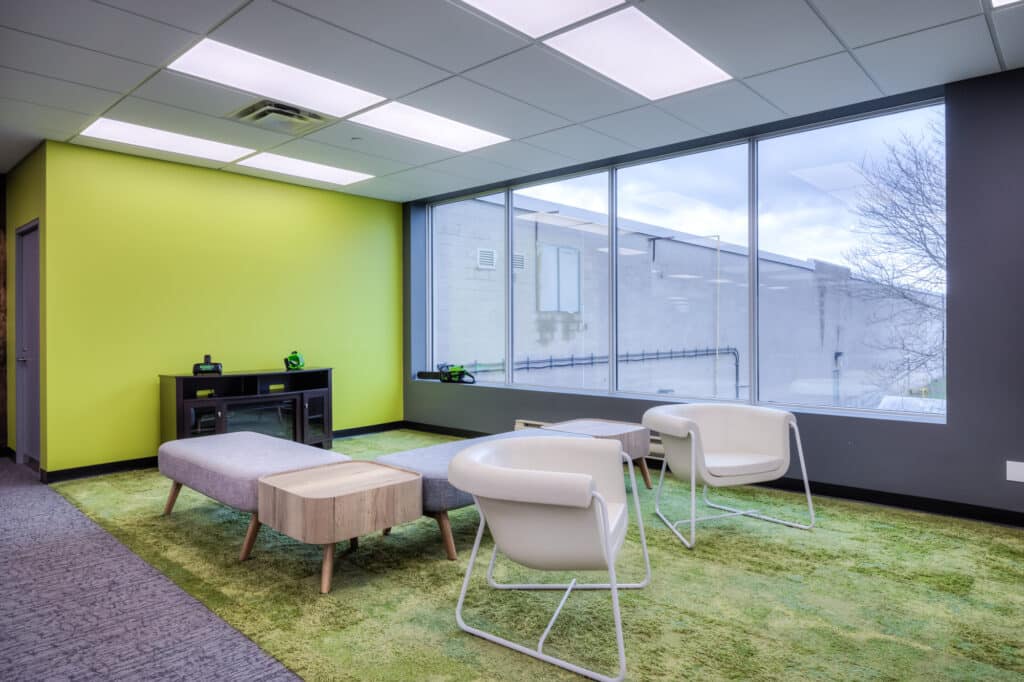
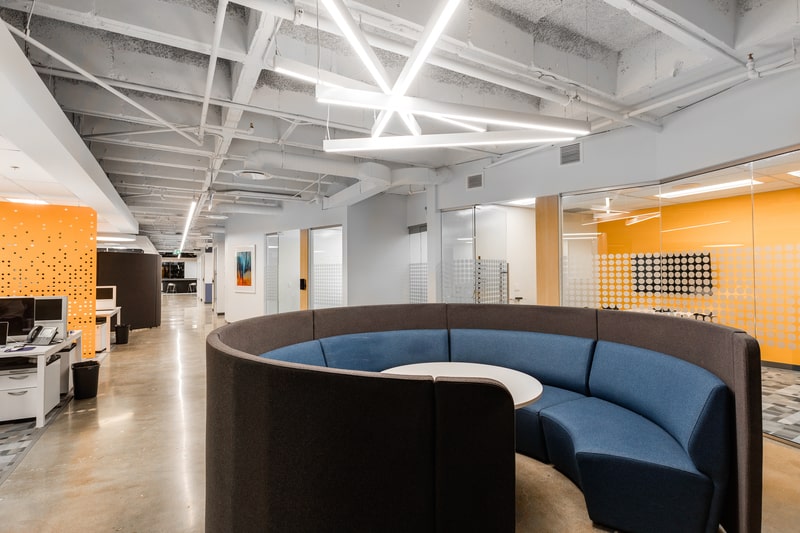
In today’s fast-paced work environment, breakout spaces have emerged as essential components of modern office design. These areas promote collaboration, creativity, and employee well-being by providing flexible environments that cater to diverse work styles. Enhancing Collaboration Breakout spaces foster teamwork and enhance collaboration. These communal areas are designed to break the barriers of traditional office layouts, encouraging employees to interact freely. By offering a relaxed atmosphere, breakout spaces facilitate spontaneous discussions, idea generation, and brainstorming sessions. This increased interaction often leads to innovative solutions and a stronger team dynamic. Furthermore, having a designated area for collaboration can help alleviate noise and distractions present in open-plan offices. Overall, breakout spaces play a vital role in reshaping workplace dynamics. Boosting Creativity Creative environments stimulate innovative thinking. Breakout spaces often feature vibrant designs and adaptable furnishings that inspire creativity among employees. By stepping away from their desks, individuals can experience a change of scenery that helps refresh their minds. Studies have shown that a change in environment can lead to enhanced problem-solving capabilities and novel ideas. These spaces often incorporate elements such as whiteboards, couches, and natural light, all of which contribute to a motivating atmosphere. Ultimately, these creative environments encourage out-of-the-box thinking that traditional office settings may hinder. Supporting Employee Well-Being Breakout spaces contribute to a healthier work-life balance. By providing areas for relaxation and informal gatherings, breakout spaces promote mental well-being and reduce stress. Employees have the opportunity to take breaks, recharge, and socialise, which can prevent burnout. Additionally, having designated areas to unwind can lead to increased job satisfaction and overall morale. Companies prioritising employee well-being through well-designed breakout spaces often see reduced absenteeism and improved productivity. In essence, these spaces are integral to nurturing a compassionate workplace culture. Encouraging Flexibility Flexibility in workspaces accommodates diverse preferences. Adaptable breakout spaces allow employees to choose how and where they work best throughout the day. This flexibility caters to various work styles, whether individuals prefer quiet contemplation or collaborative engagement. Such options empower employees to manage their routines, leading to increased ownership of their tasks and responsibilities. Furthermore, fostering a culture that values flexibility can attract top talent looking for modern workplace practices. Ultimately, adaptable spaces are key to addressing the evolving needs of today’s workforce. Facilitating Remote and Hybrid Work Breakout spaces support remote and hybrid work models. As remote and hybrid work becomes increasingly common, breakout spaces provide essential facilities for employees who return to the office part-time. These areas can serve as hubs for team engagement, where in-office workdays become opportunities for collaboration and connection. Additionally, breakout spaces equipped with technology facilitate virtual meetings, bridging the gap between remote and on-site workers. This inclusivity fosters a sense of belonging in a team, no matter the physical location. Therefore, designing adaptable breakout spaces is crucial for modern organisations’ success. Strengthening Company Culture Breakout spaces reinforce an organisation’s culture. These informal environments help foster a sense of community and belonging among employees. By creating opportunities for casual gatherings and social interactions, organisations contribute to a vibrant company culture. The design and utilisation of breakout spaces can reflect core company values such as innovation, collaboration, and inclusivity. When employees feel connected to their workplace culture, they are more likely to remain engaged and committed to their organisation. This cultural reinforcement is essential for maintaining high levels of employee retention and morale. Promoting Well-Rounded Workspaces Diverse work environments cater to various tasks. Breakout spaces complement traditional working areas by providing alternatives for different business activities. Employees benefit from having designated areas tailored for focused work, collaboration, or social interaction. This segmentation allows individuals to select a suitable environment based on their immediate needs, thereby increasing efficiency. Moreover, the presence of multiple workspace types fosters a dynamic atmosphere that evolves with the changing demands of projects. Consequently, a well-rounded office design that includes breakout spaces ensures a comprehensive approach to work. In conclusion, breakout spaces are integral to modern office design, enriching collaboration, creativity, and employee well-being. By offering versatile environments that cater to diverse work styles, organisations can enhance productivity and strengthen their workplace culture.

The Significance of Breakout Spaces in Contemporary Workplaces Read More »