
August 17, 2024

The Importance of Investing in Proper Office Ventilation

Proper office ventilation is crucial for maintaining a healthy and productive work environment. Investing in effective ventilation systems can lead to enhanced employee well-being and improved overall performance. Health Benefits of Ventilation Good ventilation reduces the risk of airborne diseases. A well-ventilated office space can significantly decrease the concentration of indoor pollutants and pathogens. This is particularly important in enclosed environments where employees spend prolonged periods. Improved air circulation helps in reducing the transmission of illnesses, such as colds and flu, ultimately leading to fewer sick days and a healthier workforce. Moreover, better air quality contributes to a more comfortable working atmosphere, which can enhance overall employee morale. Enhanced Productivity Proper ventilation is linked to increased worker productivity. Studies have shown that adequate ventilation can boost cognitive function and focus among employees. When air quality is compromised, it can lead to discomfort, fatigue, and decreased motivation. By ensuring a consistent flow of fresh air, employees are more likely to stay alert and engaged. As a result, organizations can experience higher levels of productivity and efficiency in their operations. Reduction of Absenteeism Investing in ventilation can lower absenteeism rates. Healthier office environments directly correlate with decreased absenteeism. Employees are less likely to take time off work when they are not exposed to harmful indoor air quality. Proper ventilation systems that filter out dust, allergens, and volatile organic compounds create a healthier space for staff. This, in turn, supports retention and minimizes the costs associated with hiring and training new employees. Regulatory Compliance Attaining proper ventilation helps comply with health regulations. Many jurisdictions have specific regulations regarding indoor air quality in workplaces. Organizations that prioritize proper ventilation are more likely to meet these legal requirements, thus avoiding potential fines or sanctions. Compliance not only reflects ethical responsibility but also enhances the companys reputation as a safe and healthy place to work. Staying ahead of regulatory changes can also help businesses adapt more seamlessly. Energy Efficiency Modern ventilation systems can improve energy efficiency. Investing in energy-efficient ventilation solutions helps reduce utility costs while ensuring a comfortable workplace. Innovative HVAC systems can minimize energy consumption through smart controls and sustainable design. These systems promote proper air exchange without excessive energy use, often providing better long-term financial returns. Additionally, a commitment to energy efficiency can enhance a company’s environmental image. Employee Satisfaction Quality ventilation contributes to higher employee satisfaction. Employees are more likely to feel valued when their health and comfort are prioritized. A well-ventilated office can lead to enhanced job satisfaction, improving workplace culture. With fresh air and comfortable temperatures, staff members report better moods and overall happier experiences at work. This results in a more cohesive team dynamic and lower turnover rates. Long-term Asset Value Proper ventilation investments can increase property value. Commercial properties with effective ventilation systems often have higher market appeal and value. Potential buyers and tenants are actively seeking environments that ensure health and comfort. Investing in quality ventilation can contribute to a building’s overall efficiency and sustainability profile, making it a more desirable asset in a competitive market. This commitment to quality can yield significant returns in the long run. Investing in proper office ventilation is not merely a compliance measure; it is a strategic decision that fosters employee health, productivity, and satisfaction. Organizations that prioritize a well-ventilated working environment can expect higher retention rates, lower absenteeism, and enhanced overall performance.

The Importance of Investing in Proper Office Ventilation Read More »
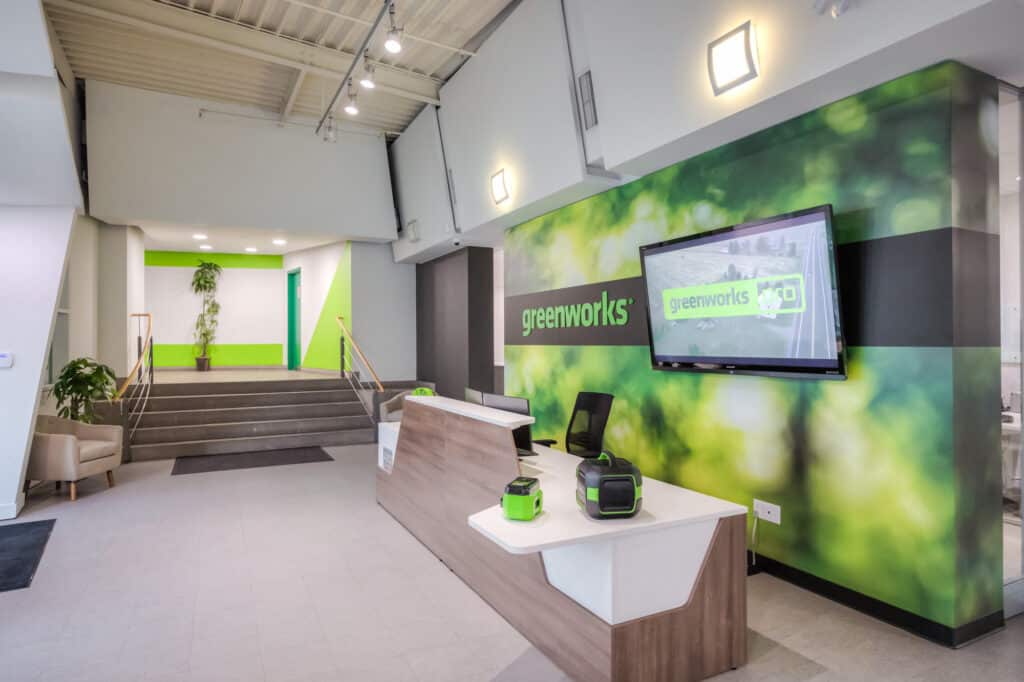
Greenworks Interior Design Office Design

Creating an Inviting Reception Area for Your Business

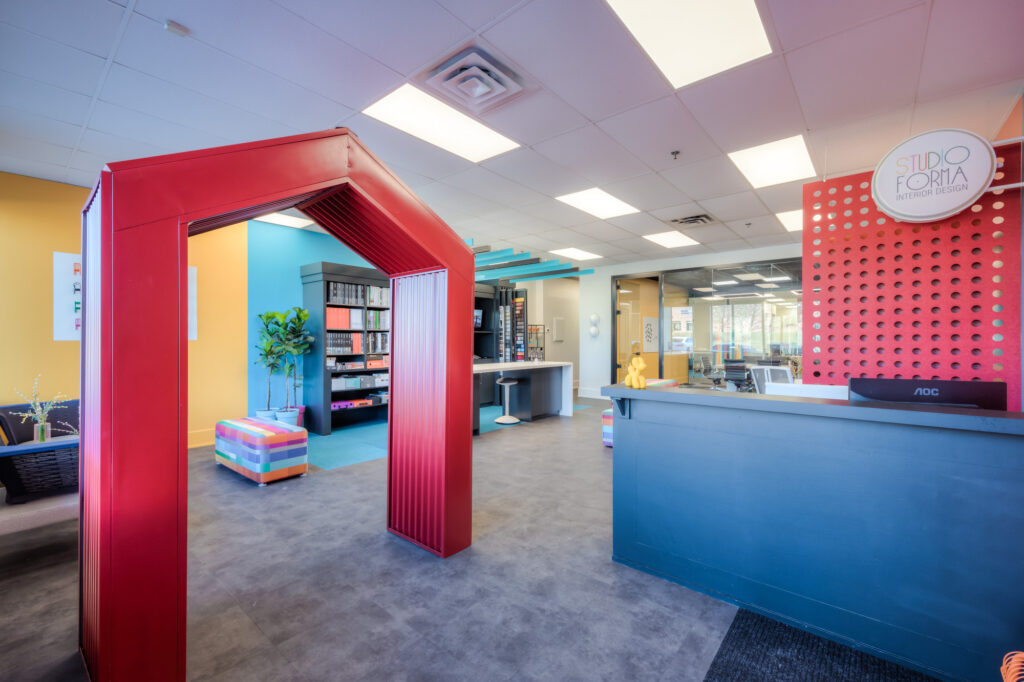
A welcoming reception area sets the tone for your business and leaves a lasting impression on clients and visitors. This article will outline key strategies to design a reception space that is both inviting and functional. Designing an Inviting Layout The layout should encourage an open and inviting atmosphere. A well-thought-out layout promotes interaction and comfort. By arranging seating in a circular or semi-circular fashion rather than rows, you create a more engaging environment. Ensure that the reception desk is easily visible and accessible, allowing staff to greet visitors promptly. Consider the flow of movement within the space to minimize congestion during peak times. An inviting layout not only makes guests feel at ease but also enhances efficiency in service delivery. Choosing the Right Furniture Selecting comfortable and aesthetically pleasing furniture is crucial. Furniture choices directly impact the overall perception of your reception area. Opt for seating that is both stylish and comfortable, as this encourages visitors to relax while waiting. Incorporate a variety of seating options, such as chairs, sofas, and benches, to accommodate different preferences. Additionally, ensure that furniture materials are durable and easy to maintain, providing long-term usability. An inviting environment contributes to a positive experience for clients and reinforces your brand image. Incorporating Warm Lighting Lighting plays a significant role in creating an inviting space. Warm, ambient lighting can transform a cold, sterile reception area into a welcoming environment. Utilize a combination of natural light and lamps that emit a soft glow to enhance the overall atmosphere. Avoid harsh fluorescent lights which can create discomfort. Consider dimmable options to adjust the lighting throughout the day based on activity levels. Effective lighting design not only elevates the visual appeal but also influences the mood of those entering your space. Enhancing with Decor Decor elements can personalize the reception area. Incorporating art, plants, and decorative items can greatly enhance the ambience of your reception area. Choose art pieces that reflect your brands identity and values to create a cohesive feel. Adding live plants not only improves air quality but also adds a touch of nature that fosters a calm atmosphere. Ensure that decor is well-maintained and does not clutter the space. Thoughtful decor choices contribute to a professional yet friendly setting. Utilizing Technology Incorporating technology can streamline the reception experience. Modern technology can improve efficiency and enhance guest experience in reception areas. Implementing visitor management systems can help track guests and ensure a smooth check-in process. Digital signage can provide information and direct visitors to their destinations. Additionally, offering free Wi-Fi and charging stations shows that you value your guests’ comfort and needs. Technology, when used wisely, can make your reception more welcoming and user-friendly. Creating a Refreshing Environment A fresh and clean space is essential for a welcoming reception. Maintaining cleanliness is paramount for making a positive first impression on visitors. Regularly clean and disinfect surfaces, and ensure that the space is clutter-free. Consider using pleasant scents or air purifiers to create a refreshing atmosphere. Seasonal updates, like changing flowers or decor, can keep the space feeling fresh and inviting. A well-maintained environment reflects professionalism and attention to detail. Training Reception Staff Well-trained staff are key to a welcoming atmosphere. The reception staff serve as the first point of contact and play a critical role in shaping visitors’ perceptions. Invest in training that emphasizes excellent customer service, communication skills, and a friendly demeanor. Encourage staff to engage with visitors proactively, offering assistance and information readily. Staff who are approachable and knowledgeable contribute significantly to creating a positive and inviting reception experience. In conclusion, creating a welcoming reception area requires thoughtful consideration of layout, furniture, lighting, decor, technology, cleanliness, and staff training. By implementing these strategies, businesses can ensure that their reception areas leave a lasting positive impression on all who enter.

Creating an Inviting Reception Area for Your Business Read More »

The Essential Benefits of Adjustable Monitor Arms

Adjustable monitor arms have become a staple in modern workspaces, offering significant advantages for user comfort and productivity. This article explores the multifaceted benefits of utilizing these versatile tools, which can enhance ergonomics and workspace organization. Improved Ergonomics Adjustable monitor arms promote better posture and reduce strain. By allowing users to position their monitors at eye level, adjustable monitor arms help to maintain a neutral spine position. This adjustment reduces the risk of developing musculoskeletal disorders caused by prolonged poor posture. Furthermore, the ability to tilt and swivel the monitor aids in minimizing glare from overhead lighting. As a result, users experience less eye strain and discomfort. Overall, ergonomic benefits translate to improved focus and effectiveness in tasks performed throughout the day. Increased Desk Space They free up valuable desk real estate. Using monitor arms elevates screens above the desk surface, thereby clearing space for other essential items. This setup makes it easier to organize paperwork, personal items, and tools needed for daily tasks. Completed surfaces contribute to a tidier work environment, fostering a more organized workplace. If you rely on multiple monitors, adjustable arms can help conserve space and reduce clutter. Ultimately, an uncluttered desk aids concentration and productivity. Enhanced Viewing Angles Flexible positioning enables optimal viewing angles. Adjustable monitor arms allow users to find their ideal viewing position, which can be adjusted throughout the day. This flexibility is particularly important in shared workspace environments, where multiple users may need to adjust monitor settings frequently. Users can pivot, tilt, and swivel their monitors to suit specific tasks, whether for graphic design work or standard office applications. Ultimately, improved visibility leads to more comfortable viewing experiences and efficient workflows. Facilitated Collaboration Monitor arms support better collaboration among team members. In environments where teamwork is crucial, adjustable monitor arms can enhance the sharing of information. The ability to reposition monitors makes it easy for multiple users to view the screen simultaneously. This advantage is particularly beneficial during meetings and brainstorming sessions. Additionally, adjustable arms can be used to optimize the viewing experience for presentations. Consequently, collaboration becomes more seamless and effective. Aesthetic Appeal They contribute to a sleek and modern workspace. Adjustable monitor arms present a contemporary look that enhances any office decor. By minimizing the clutter of cables and bulky stands, these arms create a streamlined appearance. This aesthetic improvement can have a positive impact on the overall mood and productivity of individuals working in the space. Furthermore, various designs and finishes allow for personalization that matches any corporate identity or individual preference. As an added bonus, a well-organized workspace can boost morale and foster creativity among employees. Long-term Durability High-quality monitor arms are built to last. Investing in adjustable monitor arms often equates to long-term savings, as they tend to be more durable than traditional stands. Quality materials ensure that these products withstand daily use without loss of functionality. Their robust design implies that they can support various screen sizes and weights. As a result, there is less need for frequent replacements, contributing to waste reduction and sustainability. Users can thus enjoy the benefits of their adjustable monitor arms for many years. Health Benefits They can lead to significant health improvements over time. Prolonged periods of sitting and improper monitor placement can lead to health issues, including back pain, neck tension, and fatigue. By utilizing adjustable monitor arms, individuals are empowered to maintain healthier postures and take regular breaks to reposition their screens. In turn, this can promote physical well-being and lower healthcare costs associated with workplace injuries. Ultimately, investing in monitor arms can lead to a healthier workforce that is more engaged and productive. In conclusion, adjustable monitor arms provide a multitude of benefits, ranging from enhanced ergonomics to improved aesthetics. Their adaptability is key to promoting user comfort, productivity, and collaboration in today’s dynamic work environments.

The Essential Benefits of Adjustable Monitor Arms Read More »

Furnish your interior design

The Benefits of Hot Desking in Modern Offices

Hot desking is a flexible workspace strategy that can enhance collaboration and efficiency within an office environment. By allowing employees to choose their workspace, organizations can adapt to their evolving needs and foster a more dynamic workplace culture. Enhanced Collaboration Hot desking encourages increased interaction among team members. In a traditional office setup, employees often remain isolated in their own cubicles, limiting spontaneous conversations and collaboration. Hot desking breaks down these barriers by creating a more open workspace that invites individuals from different teams to engage with one another. This interaction can lead to innovative ideas and collaborative projects, as employees share insights and expertise in an informal setting. Furthermore, the dynamic nature of hot desking can foster a sense of community and teamwork, essential for a productive work environment. Cost Efficiency Implementing hot desking can lead to significant cost savings. With the reduction of assigned desks, businesses can optimize their office space and reduce overhead costs associated with maintaining a larger facility. Fewer dedicated workspaces mean that organizations can invest in a smaller office, leading to lower rent and utility expenses. Additionally, the efficiency of resource usage can translate into lower operational costs. Companies can also reduce expenditures on furniture and equipment, as shared resources mean less investment in individual setups. Increased Flexibility Hot desking offers employees greater flexibility in their work arrangements. This approach allows team members to select workspaces that best suit their daily requirements, whether they need a quiet area for focus or a lively space for collaboration. Employees can choose where to work based on the nature of their tasks, enhancing both productivity and comfort. This flexibility can also boost employee morale, as workers feel empowered to create an environment conducive to their performance. Furthermore, it accommodates various work styles and preferences, providing a more personalized work experience. Space Optimisation Hot desking allows for more efficient use of office space. By eliminating assigned seating, organizations can maximize the utilization of available space. This means that offices can be designed to include diverse work areas ranging from quiet zones for focused tasks to communal areas that foster collaboration. Such optimization not only creates an engaging workplace but also accommodates the fluctuating numbers of employees present at any given time. It enables better management of office layout and design, catering to the evolving needs of teams and projects. Adaptation to Remote Work Trends Hot desking reflects the shift toward more flexible work arrangements. As remote work becomes increasingly popular, hot desking offers a solution for companies looking to adapt to this trend without sacrificing in-office collaboration. This setup allows businesses to remain agile, accommodating employees who may split their time between remote and in-office work. Providing a flexible workspace can enhance employee satisfaction while maintaining a cohesive company culture. As organizations embrace hybrid models, hot desking serves as an ideal strategy to meet both operational needs and employee expectations. Boosting Employee Engagement Hot desking can enhance employee engagement through varied work environments. The ever-changing workspace can stimulate creativity and enthusiasm among employees, preventing the monotony that can arise in a static office. When employees have the freedom to choose their workspace, they may feel more invested in their daily tasks and interactions. This level of engagement can lead to higher job satisfaction and retention rates, as employees appreciate the autonomy to shape their work experience. Creating an environment that values adaptability can contribute to a motivated workforce. Promoting a Healthy Work-Life Balance Hot desking supports a healthier work-life balance. By encouraging employees to choose their workspaces based on personal preference and task requirements, hot desking facilitates a more balanced approach to work. For example, employees can select quieter spaces when they need concentration or communal areas when they seek collaboration. This autonomy can reduce stress and promote a healthier work environment overall. Additionally, offering flexible work arrangements aligns with the modern workforce’s desire for work-life integration, enhancing overall job satisfaction. Embracing a hot desking strategy can transform a workplace into a more collaborative, cost-effective, and employee-focused environment. Organizations that implement this flexible approach can expect to see increased creativity, satisfaction, and productivity from their teams.

The Benefits of Hot Desking in Modern Offices Read More »

The Essential Role of Office Storage Solutions in Enhancing Workplace Efficiency

Effective office storage solutions are crucial for maintaining organization and improving productivity in the workplace. By implementing the right storage strategies, businesses can create a streamlined and efficient working environment that fosters creativity and focus. Organizational Benefits Efficient storage solutions help maintain a clutter-free workspace. A well-organized office space not only improves aesthetics but also enhances functionality. Employees can locate necessary documents and materials quickly, reducing time spent searching for items. This streamlined approach minimizes distractions, allowing team members to concentrate on their tasks. With less clutter, it becomes easier to prioritize work and manage deadlines effectively. Overall, an organized workspace promotes a positive work atmosphere and boosts morale. Space Optimization Office storage solutions maximize the use of available space. In many office environments, space can be limited, making effective utilization crucial. By using vertical storage units and modular furniture, businesses can free up floor space for collaborative areas or additional workstations. Smart storage solutions can adapt to the changing needs of a workplace, offering flexibility as teams grow or shrink. Furthermore, decluttering by using appropriate storage contributes to a safer work environment, reducing hazards associated with overcrowded spaces. Enhanced Productivity Proper storage directly contributes to employee productivity. When employees can access the tools and information they need quickly, their productivity increases significantly. A logical filing system and accessible storage solutions reduce the time wasted on finding essential documents, allowing workers to focus on their core responsibilities. Moreover, a tidy workspace fosters a sense of professionalism and encourages a disciplined work ethic. By prioritizing efficient storage, companies can cultivate an atmosphere conducive to high performance. Cost Efficiency Investing in storage solutions can lead to long-term cost savings. Though there may be an initial expense associated with setting up effective office storage, the benefits often outweigh these costs. By reducing the likelihood of lost or misplaced items, organizations can save on the costs related to reordering supplies or duplicate efforts. Additionally, a well-organized office can decrease the demand for larger workspace, potentially lowering rent or real estate expenses. In the long run, efficient storage solutions can provide significant financial returns. Employee Satisfaction Organized workspaces contribute to greater employee satisfaction. Employees who work in tidy and ordered environments generally report higher levels of job satisfaction. An organized office not only enhances professionalism but also allows employees to take pride in their workspace. When employees feel comfortable and supported in their environment, they are more likely to remain engaged and motivated. A commitment to creating efficient storage solutions shows a companys dedication to its workforce and their well-being. Sustainability Sustainable storage solutions can contribute to a greener office. By opting for eco-friendly storage solutions, companies can minimize their environmental footprint. Utilizing materials that are recyclable or sourced sustainably promotes corporate responsibility and attracts environmentally conscious clients. Moreover, efficient organization can reduce resource waste, including paper and electronic materials. By incorporating sustainability into storage solutions, businesses can align their operations with modern values and practices aimed at protecting the planet. Future-Proofing Investing in adaptable storage solutions prepares offices for future changes. As businesses evolve and adapt to new technologies, so too must their storage needs. Flexible storage solutions can accommodate changes in office layout, including shifts toward remote work or hybrid models. Choosing modular storage systems allows companies to reconfigure spaces as needed without significant overhead. Future-proofing storage not only addresses immediate organizational needs but also prepares businesses for sustainable growth. In summary, effective office storage solutions are essential for fostering organization, enhancing productivity, and contributing to employee satisfaction while maximizing space and minimizing costs. Investing in adaptable, sustainable, and well-planned storage strategies is a critical step that any business can take to create a more efficient and enjoyable workplace.

The Essential Role of Office Storage Solutions in Enhancing Workplace Efficiency Read More »

Greenworks Interior Design Office Design

Designing Workspaces for Diverse Work Styles

Understanding and accommodating different work styles is essential for creating effective workspaces. By recognizing the varying preferences of employees, organizations can enhance productivity and job satisfaction. Identifying Work Styles Recognizing individual work preferences is crucial. Employees often exhibit distinct work styles, ranging from collaborative to independent. Acknowledging these differences allows employers to create environments that cater to specific needs. For instance, some individuals thrive in open, social spaces, while others prefer quiet, secluded areas. Conducting surveys to understand team dynamics can be beneficial in this regard. This awareness can also help reduce conflicts and increase overall morale within the workplace. Creating Flexible Workspaces Flexibility in design promotes productivity. A successful workspace should offer a variety of settings to accommodate different tasks and preferences. This may include private offices, collaborative zones, and informal meeting areas. Flexibility enables employees to choose environments that align with their current tasks, which can lead to enhanced focus and creativity. Additionally, incorporating adjustable furniture allows individuals to customize their space for comfort and efficiency. The ideal workspace is one that can adapt to the changing needs of its users. Incorporating Technology Technology plays a key role in modern work environments. Integrating advanced technology into workspaces can significantly enhance communication and collaboration. Tools such as video conferencing systems, collaboration software, and shared digital platforms facilitate seamless interactions among team members. Providing adequate tech support helps to ensure that employees can utilize these resources effectively. Furthermore, technology can assist in tracking productivity and optimizing workflows. As digital tools continue to evolve, workplaces must keep pace to remain effective and relevant. Designing for Collaboration Collaboration spaces foster teamwork. Creating dedicated areas for teamwork encourages collaboration and innovation. These spaces should be designed to promote interaction and idea sharing among employees. Features such as whiteboards, comfortable seating, and casual meeting rooms can stimulate creativity. Additionally, strategically placing these collaboration zones close to frequently used resources or departments ensures that employees can easily access them. Its important to balance collaborative areas with quiet zones to support various work styles effectively. Encouraging Personalization Personalized spaces boost employee satisfaction. Allowing employees some degree of personalization in their workspaces can enhance their sense of ownership and comfort. This can be achieved by permitting employees to decorate their desks or choose their workspace layout. Personalization may also extend to the use of lighting or colour schemes that align with individual preferences. Research has shown that when employees feel a connection to their workspace, their overall satisfaction and productivity increase. Moreover, this approach fosters a sense of belonging within the organization. Ensuring Ergonomics Ergonomic designs are essential for health and efficiency. An ergonomic workspace is vital for the well-being of employees and can prevent health issues. This includes utilizing adjustable chairs, desks, and screen placements that promote good posture. Companies should also provide resources or training on ergonomics to educate employees about maintaining their health while working. Investing in ergonomic solutions can lead to fewer sick days and enhanced productivity. Prioritizing employee wellness through thoughtful design demonstrates a commitment to their health. Fostering a Positive Workplace Culture A strong culture enhances employee engagement. The physical workspace can significantly impact workplace culture and employee engagement. Designing spaces that encourage interaction and inclusivity can cultivate a sense of community. Incorporating areas for relaxation, socialization, and even wellness can contribute to a positive atmosphere. Organizing regular team-building activities within these shared spaces can further enhance rapport among employees. Ultimately, a supportive workplace culture promotes retention and attracts top talent. Designing workspaces that cater to various work styles is essential for fostering productivity and employee satisfaction. By understanding the needs of employees and creating adaptable, ergonomic, and engaging environments, organizations can pave the way for success in today’s diverse workforce.

Designing Workspaces for Diverse Work Styles Read More »

The Importance of Effective Cable Management: An Investment Worth Making

Proper cable management is essential for both residential and commercial spaces, significantly improving safety, organization, and efficiency. Investing in systematic approaches to manage cables can lead to long-term benefits in operational effectiveness and aesthetics. Enhancing Safety in the Workplace Proper cable management reduces hazards. Loose or tangled cables can be a significant tripping hazard in any environment. By implementing effective cable management practices, the risk of accidents is minimized, promoting a safer workplace. This not only protects employees but also reduces potential liability for employers. Furthermore, organized cables are less likely to be damaged, which can prevent electrical fires or equipment failures. Overall, ensuring cables are neatly organized enhances the overall safety of a space. Improving Aesthetics and Professionalism Well-managed cables contribute to a professional look. A tidy, organized space creates a more appealing and professional environment. Clients and visitors are likely to form better impressions when they see a well-maintained area with cables neatly managed. This aesthetic consistency reflects positively on the professionalism of the business. Additionally, effective cable management can complement the design of an office or home, integrating technology seamlessly into the overall decor. A visually appealing environment can also boost morale among employees, leading to increased productivity. Enhancing Efficiency and Accessibility Organized cables improve access to equipment. Efficient cable management ensures that users can easily identify and access necessary cables or devices. This accessibility saves time and reduces frustration when troubleshooting or making changes to the setup. Improved organization allows for more efficient workspace usage, as employees can easily navigate through their environment without the clutter of tangled wires. Additionally, a clear system for managing cables means quick adjustments can be made without significant disruption. Overall, efficiency in accessing technology contributes to smoother operations. Lengthening the Lifespan of Equipment Proper cable management can extend the life of electronic devices. When cables are improperly managed, they are more prone to wear and damage, potentially compromising the functioning of electronic devices. By keeping cables organized and secured, the physical stress on the cables is reduced, leading to fewer issues and prolonging their lifespan. This care not only protects the investment in the cables themselves but also safeguards the devices they connect. Ultimately, investing in organized cable management is a proactive step towards minimizing repair and replacement costs over time. Facilitating Future Upgrades and Changes Neatly managed cables simplify modifications and upgrades. As technology evolves, businesses and homes often require upgrades or alterations to their setups. Proper cable management allows for easier modifications, including adding new devices or changing layouts. With a clear organization system, it becomes easier to assess existing infrastructure and determine what needs adjustment. This flexibility not only saves time during upgrades but also minimizes disruption. In an age where adaptability is key, organized cables ensure you can swiftly keep pace with technological advancements. Supporting Compliance with Regulations Effective cable management can assist in meeting compliance standards. Many industries are subject to strict regulatory requirements regarding safety and equipment management. By implementing proper cable management, organizations can better align with these regulations, reducing the risk of penalties or compliance issues. Additionally, a structured system for cables can aid in maintaining organized records and audits. This proactive approach not only demonstrates responsibility but also fosters a stronger reputation in the industry. Staying compliant with necessary standards is crucial for long-term operational success. Cost-Effectiveness Over Time Investing in proper cable management can lead to significant savings. While the initial setup of a cable management system may require an upfront investment, the long-term savings are substantial. By preventing damage to cables and equipment, reducing clutter, and enhancing efficiency, organizations may see lower expenses related to repairs and replacements. Additionally, improved safety can yield a direct decrease in insurance premiums by mitigating risk. Thus, investing in proper cable management is a financially sound decision that pays off over time. In conclusion, proper cable management is an important investment for safety, efficiency, and aesthetics. By recognizing the benefits and implementing systematic approaches, both businesses and individuals can create a more organized, professional, and functional space.

The Importance of Effective Cable Management: An Investment Worth Making Read More »

OFFICE INTERIOR DESIGN

The Essential Benefits of Ergonomic Keyboards and Mice

Ergonomic keyboards and mice are designed to provide comfort and support during prolonged computer use. These tools help reduce the risk of repetitive strain injuries and enhance overall productivity. Reduced Risk of Injury Ergonomic designs lower the chance of developing musculoskeletal disorders. By promoting a natural wrist and hand position, ergonomic keyboards and mice can significantly decrease the likelihood of injuries such as carpal tunnel syndrome and tendonitis. The thoughtful design of these products encourages a more relaxed grip and minimizes awkward angles that can lead to strain over time. Consequently, users experience less discomfort during long work sessions. This proactive approach to workstation design ultimately fosters a healthier work environment. Enhanced Comfort and Productivity Users often report increased comfort leading to better focus and productivity. Ergonomic keyboards and mice are crafted to align with the natural movements of the body, reducing fatigue and discomfort. When users feel comfortable, they are more likely to maintain focus on their tasks, enhancing their workflow and productivity levels. By minimizing strain, these devices allow for longer periods of effective work without the need for frequent breaks. Thus, implementing ergonomic solutions cultivates a more efficient working atmosphere. Customizable Options Many ergonomic peripherals offer adjustable features for personalized comfort. Modern ergonomic keyboards and mice often come with various customizable features, such as adjustable height, angle, and key sensitivity. This level of personalization ensures that users can tailor their setup to their specific needs, accommodating for unique body types and preferences. Such adaptability enhances the overall ergonomic experience, allowing individuals to work in a manner that feels most natural to them. Ultimately, this customization not only boosts comfort but also improves user satisfaction. Improved Posture Correcting posture can lead to long-term health benefits. Ergonomic keyboards and mice encourage users to adopt better posture while working, which is crucial in combating the adverse effects of prolonged sitting. With proper alignment of wrists and hands, users are less likely to hunch over their devices, which can lead to chronic pain and discomfort. Over time, adopting these products promotes awareness of posture and encourages healthier habits. Consequently, this focus on posture can lead to lasting improvements in overall health and well-being. Increased Collaboration Ergonomic settings can enhance teamwork and collaboration. In workplaces where collaborative efforts are essential, ergonomic keyboards and mice facilitate better interaction among team members. Reducing discomfort allows individuals to engage more fully in group tasks without the distraction of pain or discomfort. Moreover, having ergonomically designed equipment can create a more inviting workspace, encouraging cooperation and teamwork. This environment positively impacts overall morale and productivity within the office. Greater Accessibility Ergonomic devices are designed to accommodate a wide range of users. One of the key advantages of ergonomic keyboards and mice is their accessibility features, which cater to a diverse population. Individuals with disabilities, as well as those with varying hand sizes and shapes, can benefit significantly from these customizable devices. Accessible designs promote inclusivity in the workplace, ensuring that everyone, regardless of their physical capabilities, has the opportunity to work comfortably. This commitment to accessibility not only enhances individual performance but also enriches the collective productivity of the team. Cost-Effectiveness in the Long Run Investing in ergonomic tools can save on health-related costs over time. While the initial investment in ergonomic keyboards and mice may be higher than traditional options, the long-term savings on healthcare costs can be substantial. Reducing the incidence of work-related injuries and associated medical expenses translates to fewer sick days and increased employee retention. Additionally, healthier employees tend to be more productive, which further justifies the investment in quality ergonomic equipment. Thus, prioritizing ergonomics can be seen as a financially sound decision for both individuals and organizations. In summary, ergonomic keyboards and mice play a pivotal role in promoting comfort, health, and productivity in the workplace. By investing in these specialized tools, users can significantly reduce the risk of injury, enhance their working experience, and foster a more efficient and collaborative environment.

The Essential Benefits of Ergonomic Keyboards and Mice Read More »

Incorporating Company Culture into Office Design

Creating an office environment that reflects a company’s culture is essential for fostering employee engagement and satisfaction. By strategically designing workspaces, companies can reinforce their core values and enhance collaboration. Understanding Company Values Clearly define and integrate core company values into the design. Before designing the office, it’s crucial to have a clear understanding of the company’s core values. These values should guide every aspect of the design, from layout to furnishing choices. For instance, if innovation is a key value, the space should include adaptable areas that encourage creativity and brainstorming. Visual cues like wall art showcasing milestones or key achievements can also reinforce these values. This alignment ensures that employees feel a strong connection to the culture as soon as they step into the office. Creating Collaborative Spaces Design spaces that promote teamwork and collaboration. Incorporating collaborative spaces is vital for a culture that values teamwork. Open areas with modular furniture can encourage spontaneous meetings and discussions. Additionally, providing various types of workspacessuch as quiet zones and dynamic hubscaters to different working styles. Technology can further enhance these spaces, allowing for seamless communication and connection among team members. Thus, designing with collaboration in mind can lead to stronger relationships and improved productivity. Incorporating Flexibility Ensure the office design is adaptable to evolving needs. Flexibility in design is essential for companies that prioritize agility and innovation. Furniture that can be easily rearranged or systems that allow for temporary configurations can accommodate various team sizes and project requirements. This adaptability not only maximizes functionality but also demonstrates a commitment to supporting employees work styles. Additionally, multifunctional spaces that can be transformed for different uses maintain a vibrant atmosphere that fosters creativity and engagement. Reflecting Diversity and Inclusion Design spaces that celebrate and reflect diversity. A culture of diversity and inclusion should be physically represented in the office design. Incorporating elements that celebrate different culturessuch as artwork, colours, and materialscreates an inclusive environment. Spaces for quiet reflection or private conversations encourage all employees to feel valued and respected. Additionally, ergonomic designs that meet the varying needs of employees with different backgrounds can enhance comfort and engagement. This thoughtful approach fosters a sense of belonging, reinforcing the companys commitment to diversity. Enhancing Well-Being Prioritizing employee wellness through thoughtful design. A culture that values employee well-being should be reflected in the office design through features that promote mental and physical health. Incorporating natural light, plants, and open spaces can greatly improve employee mood and productivity. Designating areas for relaxation, as well as encouraging movement through the use of stairs instead of elevators, reinforces a healthy lifestyle. Providing access to wellness resources, such as fitness areas or meditation rooms, further demonstrates the companys commitment to its employees health. Utilizing Technology Leverage technology to support an innovative culture. Incorporating advanced technology into office design can reflect a culture grounded in innovation and efficiency. Smart systems that control lighting, temperature, and sound can enhance the work environment. Meeting rooms equipped with the latest conferencing tools ensure seamless communication with remote teams. Integrating digital displays that showcase company achievements or key information fosters a sense of transparency. By prioritizing technological integration, the design aligns with a forward-thinking culture. Celebrating Company Achievements Create spaces that honour the companys accomplishments. Designing areas that celebrate the companys achievements can significantly boost morale and align employees with the corporate mission. Wall murals, plaques, or interactive displays showcasing milestones can inspire pride in the workplace. Additionally, having a dedicated area for team recognitions or awards can motivate employees to strive for excellence. This integration of achievements into the design helps to reinforce a culture centered on success and appreciation. Incorporating company culture into office design requires a thoughtful approach that aligns the physical space with the values and objectives of the organization. By creating a workplace that promotes collaboration, diversity, well-being, and innovation, companies can enhance employee satisfaction and productivity.

Incorporating Company Culture into Office Design Read More »

OFFICE INTERIOR DESIGN

The Impact of Office Layout on Employee Productivity

An effective office layout is crucial for boosting employee productivity and fostering a positive work environment. By strategically designing workspaces, businesses can enhance collaboration, creativity, and overall job satisfaction. Enhancing Collaboration An open office layout promotes teamwork and communication. In open office spaces, employees have greater opportunities for spontaneous interactions, which can lead to improved collaboration. This design encourages dialogue and the free exchange of ideas, breaking down silos between departments. When employees can easily share thoughts and feedback, it fosters a sense of community and belonging. Moreover, collaborative layouts can enhance problem-solving as team members can gather quickly to brainstorm solutions. Overall, an open environment can directly contribute to higher levels of engagement and innovation. Increasing Flexibility Flexible workspaces cater to diverse work styles. A well-designed office layout accommodates various work preferences, allowing employees to choose spaces that suit their tasks. Whether its quiet zones for focused work or collaborative areas for group projects, flexibility can lead to enhanced productivity. Employees feel empowered to select environments that maximize their efficiency. This adaptability can also help in managing different workloads and deadlines more effectively. Thus, incorporating flexibility into office design can significantly improve output and morale. Boosting Employee Well-Being An optimal layout can significantly impact mental health. Workspaces that prioritize natural light, greenery, and ergonomic furniture contribute positively to employee well-being. Research indicates that environments rich in natural elements can reduce stress and improve concentration. Creating areas for relaxation and informal gatherings can also enhance job satisfaction. When the office layout supports physical comfort, employees can focus better and experience fewer health issues. As a result, investing in well-being through office design translates directly to improved productivity. Encouraging Creativity Creative spaces inspire innovation and idea generation. Incorporating unique design elements, such as breakout rooms and vibrant colours, can stimulate creative thinking. Areas specifically designed for brainstorming or ideation can encourage employees to think outside the box. This aesthetic can change the way teams approach problem-solving and project development. Additionally, incorporating art and inspiring visuals can further enhance the creative atmosphere. Thus, a conducive layout for creativity can lead to innovative solutions and unique products. Facilitating Technology Integration A thoughtful layout can accommodate technological advancements. As technology continues to evolve, an office layout must adapt to integrate new tools and equipment seamlessly. Spaces equipped with the necessary infrastructure for technology can enhance efficiency, such as easily accessible charging stations and collaborative tech tools. Furthermore, a layout that promotes the use of technology can streamline processes and improve communication, especially in hybrid work environments. Ultimately, this can lead to a more productive workforce that leverages technology effectively. Creating Brand Identity Office layout can reflect a company’s culture and values. The physical workspace serves as a representation of a brands identity and mission. A thoughtfully designed office can communicate core values, making a strong impression on both employees and visitors. Elements such as colour schemes, furniture styles, and communal spaces can create a cohesive brand image. This connection between environment and identity can boost employee pride in their workplace. As a result, tailored office layouts can reinforce company culture and enhance employee engagement. Improving Employee Retention A well-designed office layout can enhance job satisfaction and retention. When employees feel comfortable and valued within their workspace, they are more likely to remain with the company long-term. A layout that prioritizes employee needs be it through collaborative spaces or quiet nooks demonstrates an investment in their well-being. High levels of job satisfaction correlate with reduced turnover rates and fosters loyalty among employees. Moreover, a positive workplace environment will attract new talent, further contributing to a stable, productive workforce. In conclusion, the layout of an office plays a vital role in influencing employee productivity, morale, and overall workplace satisfaction. Companies that carefully consider their office design can reap significant benefits, including enhanced collaboration, creativity, and retention, thereby positioning themselves for long-term success.

The Impact of Office Layout on Employee Productivity Read More »