August 17, 2024

Kott Lumber Construction Interior Design, Office Design

The Importance of Ergonomic Office Accessories for a Healthier Workspace

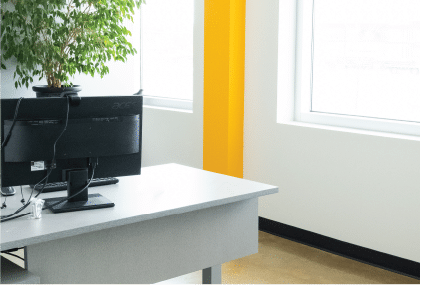
Choosing ergonomic office accessories is vital for enhancing workplace comfort and productivity. These tools are designed to support the bodys natural posture, reducing the risk of injuries and strain. Improved Posture Ergonomic accessories promote better spinal alignment. By using products such as adjustable chairs and keyboard trays, employees can maintain a neutral posture throughout their workday. This alignment minimizes the risk of developing musculoskeletal disorders that often arise from prolonged poor posture. Improved posture leads to less strain on the neck and back, creating a more comfortable working experience. Moreover, with less discomfort, employees are likely to experience fewer distractions and higher focus levels. Implementing ergonomic design fosters a healthier workplace culture. Increased Productivity Comfortable work environments boost focus and efficiency. When employees are physically comfortable, they can concentrate better on their tasks. Ergonomic office accessories are crafted to reduce discomfort and fatigue, thereby enhancing overall productivity. This increased efficiency can translate to higher quality work and faster project completion. As a result, employees may also experience greater job satisfaction. Ultimately, investing in ergonomics supports both the well-being of staff and the goals of the organization. Reduced Risk of Injury Ergonomic tools decrease the chances of work-related injuries. By addressing the specific needs of users, ergonomic accessories help to prevent repetitive strain injuries and chronic pain. Items such as mouse pads with wrist support and document holders help reduce strain while performing tasks. Prevention of injury not only saves costs associated with healthcare and worker compensation but also helps maintain a productive workforce. Companies that prioritize ergonomics demonstrate commitment to their employees’ health. This proactive approach fosters a supportive work environment. Adaptability to Various Body Types Ergonomic accessories cater to diverse physical characteristics. Every employee has unique body dimensions, and ergonomic products can be adjusted to fit those needs. This versatility ensures that all users can work comfortably, regardless of their height or body type. Customizable features, such as height-adjustable desks, can accommodate a range of preferences. An inclusive workspace can improve team morale and collaboration. When employees feel acknowledged and supported in their individual needs, overall workplace harmony is enhanced. Enhancement of Mental Well-being Comfortable workstations contribute to lower stress levels. A well-designed ergonomic workspace can significantly impact mental health by providing a stress-free environment. Employees who experience physical discomfort tend to be more irritable and less engaged. By reducing physical strains, ergonomic accessories can promote a calmer and more focused mindset. Positive mental well-being translates to better interactions among team members. This collaborative spirit can foster creativity and innovation within the workplace. Long-term Cost Savings Investing in ergonomics is economically beneficial. Corporate investment in ergonomic office accessories can yield significant savings over time. Reducing the incidence of workplace injuries lowers healthcare costs and compensation claims. Companies may also see decreased absenteeism related to discomfort or injury. Furthermore, a healthy workforce often translates to higher productivity rates. In the long run, the financial benefits of maintaining an ergonomic environment far outweigh the initial expenditures. Sustainability and Social Responsibility Emphasizing ergonomics reflects corporate social responsibility. By choosing ergonomic products, companies demonstrate a commitment to employee health and well-being. This consideration contributes positively to their social responsibility agenda. Sustainable ergonomic solutions often use environmentally friendly materials, aligning business practices with contemporary values about health and the environment. Such commitments can enhance a company’s reputation among consumers and potential employees alike. As businesses strive to attract top talent, a focus on ergonomics can set them apart in a competitive market. Investing in ergonomic office accessories is essential for creating a healthy, productive workplace. By enhancing comfort, reducing injury risks, and fostering employee well-being, organizations set the stage for a thriving work environment.

The Importance of Ergonomic Office Accessories for a Healthier Workspace Read More »
Myostat Motion Control Interior Design Office Design

Incorporating Brand Values into Office Design: A Strategic Approach

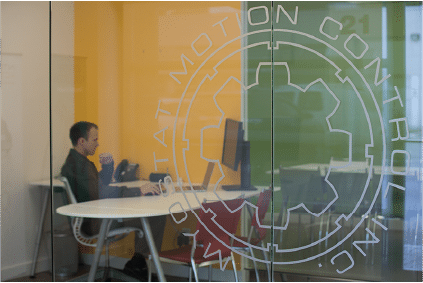
Integrating brand values into office design is essential for fostering a cohesive corporate identity. This article outlines key strategies to synchronize your workspace with your company’s core values. Understanding Brand Values Clarity of brand values is crucial for effective office design. Identifying and articulating the brand values of a company is the first step towards creating an office environment that reflects these principles. It is important for businesses to not only define their values clearly but also ensure that these values are communicated effectively to employees and clients. This clarity serves as a foundation for design choices, from the layout to the choice of furniture and decorative elements. By maintaining a consistent narrative around brand values, companies can create a space that truly embodies their ethos and mission. Creating a Reflective Design Language The design language should visually represent brand values. A well-crafted design language reflects the essence of brand values and influences how employees and visitors perceive the organization. This may involve using specific colours, materials, and textures that align with the brand’s personality. For example, a tech company may lean towards sleek, modern finishes, whereas an eco-conscious business might utilize natural materials and sustainable practices. Every design element should reinforce the message and culture that the brand aims to project, thereby enhancing overall coherence and aesthetic appeal. Prioritizing Employee Experience Employee experience should be a priority in office design. An effective office design prioritizes the well-being and productivity of employees, reflecting the brands commitment to its workforce. This can be achieved by incorporating flexible workspaces, relaxation areas, and collaborative zones that foster teamwork and innovation. By considering how employees interact with their environment, brands can create spaces that not only increase job satisfaction but also promote a culture of inclusivity and support. This alignment between employee experience and brand values strengthens loyalty and engagement within the workforce. Utilizing Space Effectively Space utilization must align with operational goals and brand identity. Effective space utilization ensures that the office layout reflects not only the brand values but also the operational requirements of the organization. This involves thoughtful planning of spaces for collaboration, focus work, and social interaction. Companies should consider how their office layout can facilitate workflows, encourage collaboration among teams, and resonate with the brand identity they wish to project. A strategically designed workspace can significantly enhance efficiency while embodying the core values of the brand. Incorporating Technology Technology integration is essential for modern office environments. In todays digital landscape, incorporating technology into office design enhances the experience for both employees and clients. Smart office solutions, such as automation systems and collaborative technologies, can represent a forward-thinking brand identity. These technological enhancements should facilitate smoother communication, increase productivity, and elevate the overall user experience. By staying at the forefront of technological advancements, brands can demonstrate their commitment to innovation and excellence. Showcasing Brand Story Office design should narrate the brand’s story visually. Using design elements to tell the brand’s story creates a narrative that engages employees and visitors alike. This can include displays of company milestones, employee achievements, and visual artworks that reflect the brand ethos. By creating a storytelling environment, brands can make a lasting impression and foster a sense of belonging and pride among employees. Such storytelling through office design not only reinforces brand values but also cultivates a shared narrative within the workplace. Engagement of Stakeholders Engaging stakeholders in the design process is vital. Involving employees and other stakeholders in the design process ensures that the office space aligns with the actual needs and aspirations of those who utilize it. Gathering input through surveys, workshops, or brainstorming sessions can yield valuable insights into how to best embody brand values in the workspace. This collaborative approach not only enhances satisfaction but also fosters a collective ownership of the space, which in turn deepens commitment to the brand’s mission and goals. Incorporating brand values into office design is a strategic endeavour that requires intentional planning and collaboration. By aligning design choices with brand ethos, companies can create environments that not only enhance productivity and employee satisfaction but also reflect their core values effectively.

Incorporating Brand Values into Office Design: A Strategic Approach Read More »

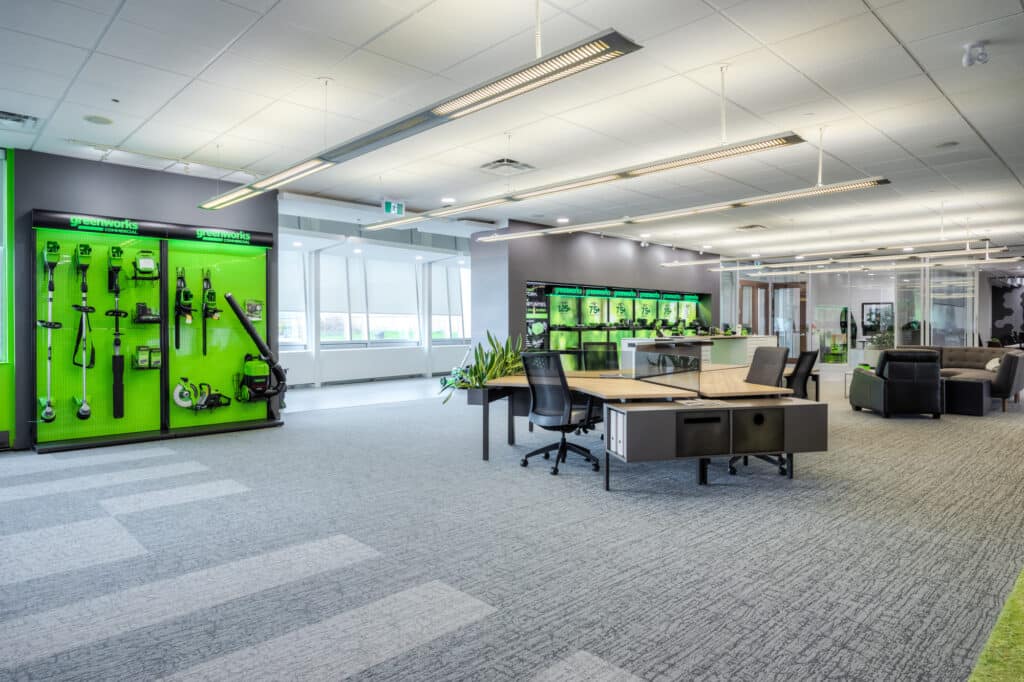
Greenworks Interior Design Office Design

The Essential Advantages of Noise-Cancelling Headphones in Open Office Environments

In today’s fast-paced work environment, open offices have become increasingly common, often leading to distractions and decreased productivity. Noise-cancelling headphones offer significant benefits that can enhance focus and improve overall work satisfaction. Enhanced Focus and Concentration Noise-cancelling headphones help employees concentrate in a noisy environment. With the constant chatter and sound fluctuations that are characteristic of open offices, employees can find it challenging to maintain focus on their tasks. Noise-cancelling headphones effectively filter out background noise, allowing individuals to immerse themselves in their work. As a result, employees can experience heightened concentration levels, leading to improved efficiency and performance. This capability is particularly beneficial for tasks that require deep cognitive engagement or creative thinking. Reduction of Stress Levels Wearing noise-cancelling headphones can significantly reduce stress caused by environmental noise. The stress of constant interruptions and loud conversations can take a toll on employees’ mental health. Noise-cancelling headphones create a personal sound oasis, minimizing disturbances from the surrounding environment. This reduction in noise translates into lower stress levels and can lead to a more serene workplace atmosphere. As employees feel more at ease, their ability to perform effectively and contribute positively to team dynamics is enhanced. Improved Communication and Collaboration Using noise-cancelling headphones in an open office can enhance communication. While it may seem counterintuitive, employing noise-cancelling headphones can facilitate better communication among colleagues. By reducing background noise, employees can more easily hear and engage in conversations when they do occur. This can lead to a more collaborative environment, where team members feel comfortable sharing ideas and providing feedback without shouting over distractions. It establishes a culture of respect for each other’s workspaces and enhances overall teamwork. Increased Productivity Noise-cancelling headphones can lead to overall productivity gains. When employees can focus without the disruption of ambient noise, their productivity naturally increases. Studies have shown that the ability to maintain concentration on tasks leads to faster completion times and higher quality outputs. Furthermore, the mental break from constant noise can recharge employees, allowing them to tackle challenges with renewed energy. Ultimately, businesses benefit from higher productivity levels, which can significantly impact overall performance metrics. Versatility for Different Tasks Noise-cancelling headphones are versatile and can be used for various tasks. Whether it’s attending virtual meetings, reading, or listening to music, noise-cancelling headphones adapt to various work scenarios. Employees can switch between tasks without needing to modify their environment, making their workflow more seamless. Additionally, many models come with ambient sound modes, which allow users to remain aware of their surroundings when necessary. This flexibility is essential in dynamic office environments, fostering continuous engagement with work and colleagues. Long-Term Health Benefits Using noise-cancelling headphones contributes to long-term auditory health. Repeated exposure to high levels of noise can lead to various health issues, including hearing loss and increased anxiety. By wearing noise-cancelling headphones, employees have the option to lower their volume levels when listening to audio, minimizing potential damage to their hearing. This proactive approach not only protects employees’ auditory health but also enhances their overall well-being and job satisfaction in the long run. Easier Transition to Remote Work Noise-cancelling headphones ease the transition between office and remote work. As organizations increasingly adopt flexible work arrangements, having quality noise-cancelling headphones is invaluable. They provide employees with the necessary tools to maintain focus regardless of their environment, whether working from home or a caf. This ability to adapt swiftly to different work settings ensures consistency in productivity and performance, making it easier for employees to succeed in various situations. Overall, the integration of noise-cancelling headphones in open office spaces can significantly enhance employee focus, reduce stress, and improve productivity, while also supporting better communication and long-term health. By investing in this technology, organizations can foster a more harmonious and efficient working environment.

The Essential Advantages of Noise-Cancelling Headphones in Open Office Environments Read More »

Greenworks Interior Design Office Design

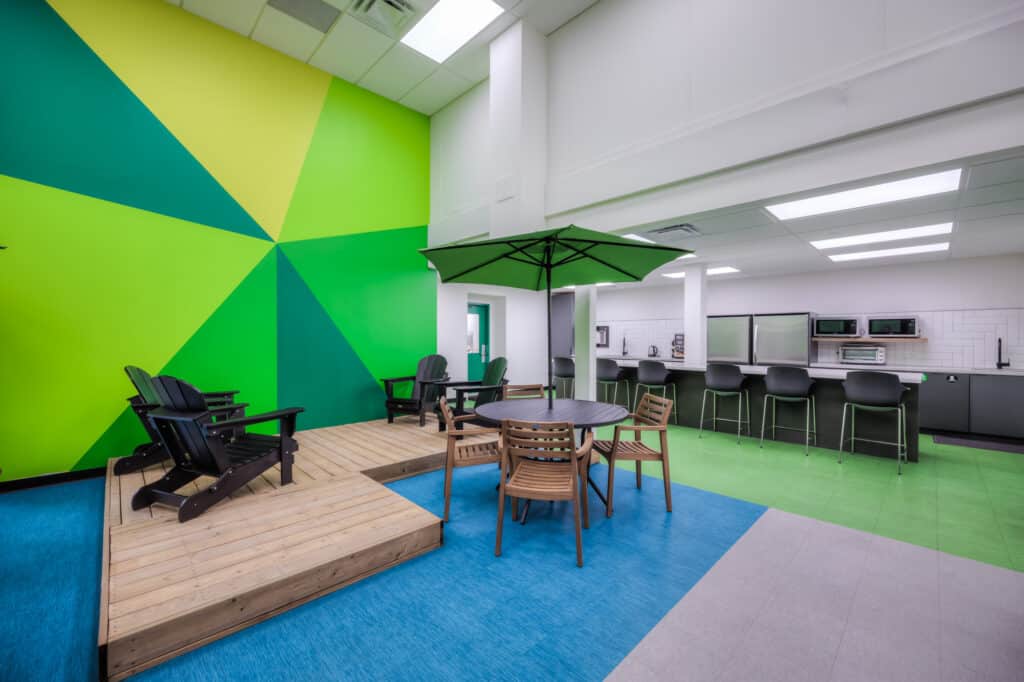
The Strategic Advantage of Investing in Employee Lounge Areas

Creating employee lounge areas is a valuable investment for organizations looking to boost productivity and employee satisfaction. These spaces foster a positive work environment, leading to enhanced collaboration and improved mental well-being. Enhancing Employee Engagement Employee lounges serve as a catalyst for engagement. When employees have access to comfortable and inviting lounge areas, they are more likely to spend time interacting with colleagues. This engagement fosters a sense of community and belonging within the workplace. As employees connect and collaborate in these spaces, they share ideas and insights that can lead to innovative solutions. Additionally, a relaxed environment encourages open communication, breaking down hierarchical barriers and promoting teamwork. Ultimately, this leads to a more motivated and engaged workforce. Boosting Employee Morale A well-designed lounge space can significantly elevate morale. Employee morale is crucial for maintaining high levels of productivity and job satisfaction. Lounge areas provide a respite from the often stressful office environment, allowing employees to recharge and unwind. Comfortable seating, recreational activities, and amenities such as coffee stations can transform the workplace atmosphere. When employees feel cared for and valued, their morale improves, resulting in increased loyalty to the organization. Recognizing the importance of these spaces can lead to a more positive workplace culture. Promoting Work-Life Balance Employee lounges contribute to a healthier work-life balance. In todays fast-paced work environment, maintaining a work-life balance can be challenging. Providing dedicated lounge areas allows employees to take necessary breaks and decompress during the workday. By encouraging short breaks, organizations signal the importance of mental health and well-being. These spaces can also facilitate flexible work arrangements, enabling employees to work in a more relaxed setting, even during busy periods. A better work-life balance not only benefits employees but also enhances overall organizational efficiency. Facilitating Collaboration and Creativity Lounge areas encourage spontaneous collaboration. A thoughtfully designed lounge can serve as an incubator for creative ideas. Such spaces allow employees to connect informally, fostering relationships that can lead to innovative projects and collaborations. This informal interaction sparks creativity and can result in new perspectives on problem-solving. By eliminating traditional office barriers, organizations can create a culture of innovation where ideas flow freely. Ultimately, fostering a creative environment contributes to organizational growth and success. Supporting Employee Wellness Investing in lounge areas promotes overall employee wellness. Physical and mental wellness are integral to employee performance. Providing lounge areas equipped with relaxation zones can greatly impact employee stress levels. Incorporating elements such as plants, natural light, and calming decor can enhance the atmosphere and promote well-being. Regular breaks in a soothing environment can alleviate workplace tension and help employees return to their tasks refreshed. By supporting wellness initiatives through lounge spaces, organizations can reduce burnout and enhance productivity. Attracting and Retaining Talent Lounge areas are an attractive feature for potential recruits. In a competitive job market, showcasing a vibrant workplace can be a significant differentiator. Employee lounge areas reflect an organization’s commitment to employee happiness and well-being, making it a more appealing workplace for potential hires. Candidates often consider company culture and amenities when making career decisions. By investing in these spaces, organizations can attract top talent who value work environments that prioritize comfort and collaboration. Furthermore, a positive workplace experience contributes to higher retention rates. Enhancing Organizational Image A modernized workplace positively impacts organizational reputation. The appearance and functionality of a workplace can significantly influence public perception. Organizations that prioritize employee well-being through lounge spaces signal to clients and stakeholders that they value their workforce. This increased focus on employee satisfaction can lead to a better overall brand image. Additionally, businesses known for excellent workplace environments often enjoy increased customer loyalty and engagement. A strong reputation as an employer can open doors to partnerships and opportunities for growth. Investing in employee lounge areas presents numerous benefits, from enhanced morale to improved employee retention. By cultivating a supportive and collaborative atmosphere, organizations can create a thriving workplace that contributes to overall success.

The Strategic Advantage of Investing in Employee Lounge Areas Read More »

The Critical Role of Proper Task Lighting in Enhancing Productivity

Proper task lighting is essential for creating an effective and comfortable workspace. It not only influences productivity but also affects health and well-being. Enhancing Focus and Concentration Proper task lighting significantly boosts focus and concentration. When an area is well-lit, particularly for activities requiring precision such as reading, writing, or crafting, individuals can maintain their attention longer. Adequate brightness reduces eye strain and fatigue, allowing tasks to be completed efficiently. Task lighting helps in clearly defining the workspace, promoting a sense of organization. Adjusting the light levels according to specific tasks can substantially enhance cognitive function. Consequently, achieving a balance in light intensity helps sustain motivation and engagement throughout the day. Reducing Eyestrain and Discomfort Inadequate lighting can lead to significant eyestrain and discomfort. Overexposure to harsh lighting or insufficient light can cause headaches, fatigue, and long-term vision issues. Task lights, such as adjustable desk lamps, provide targeted illumination, minimizing glare on screens and surfaces. This controlled lighting environment is crucial for those spending extended hours on detailed work. Furthermore, incorporating features like dimmable and color temperature-adjustable lights can further accommodate individual comfort levels. Investing in proper task lighting therefore serves as a proactive approach to maintaining eye health. Improving Mood and Motivation Adequate lighting can significantly enhance mood and motivation. Well-lit spaces are generally more inviting and can increase feelings of positivity and energy. Task lighting that mimics natural sunlight can boost morale and decrease the likelihood of seasonal affective disorder. By creating a warm and pleasant environment, individuals are more likely to feel inspired to tackle their tasks. In contrast, dimly lit or overly bright environments can lead to feelings of laziness and gloom. Thus, task lighting is a key element in fostering a motivating atmosphere. Encouraging Ergonomic Practices Proper task lighting encourages ergonomic work practices. A well-lit environment allows workers to maintain optimal posture while performing tasks. When lighting is positioned correctly, it reduces the need for awkward body positions to see better. This is especially important for computer work where glare can lead to straining the neck and eyes. Additionally, it fosters the use of ergonomic furniture as individuals can assess their arrangements without the hindrance of poor lighting. Emphasizing proper task lighting supports health-focused work habits. Facilitating Better Collaboration Task lighting plays a vital role in facilitating collaboration. In shared workspaces, appropriate lighting helps create a conducive environment for teamwork. Good lighting aids in clearly viewing presentations and materials, ensuring that all participants can engage effectively. Flexible task lighting options allow individuals to adjust their surroundings as discussions evolve. Moreover, it can define personal spaces within communal areas, promoting both privacy and collaboration simultaneously. Therefore, proper task lighting enhances group dynamics. Supporting Creativity and Innovation Adequate lighting can bolster creativity and innovative thinking. Creative tasks often require different lighting conditions to stimulate different types of ideas. Soft, warm lighting may create a relaxed atmosphere conducive to brainstorming, while bright, focused lighting may enhance detailed work. The ability to adjust lighting can affect inspiration levels, encouraging a flow of creativity. Consequently, effective task lighting can stimulate creative processes and facilitate innovative outcomes. In essence, lighting becomes a tool for enhancing artistic expression. Long-term Investment in Health and Productivity Investing in proper task lighting is a long-term strategy for health and productivity. While the initial expense may seem significant, the benefits of task lighting far outweigh costs in the long run. Improved productivity leads to better job performance and satisfaction, and reduced health issues result in fewer sick days and lower healthcare expenses. High-quality lighting can last for years, providing a consistent workspace benefit. Furthermore, attention to lighting can create a positive employer brand, attracting top talent. Investing in this aspect of the work environment is crucial for sustained success. In conclusion, adequate task lighting is vital for enhancing focus, reducing discomfort, and promoting well-being. It contributes significantly to productivity and creativity while supporting overall health. Therefore, prioritizing proper task lighting is essential in both workplace and home environments.

The Critical Role of Proper Task Lighting in Enhancing Productivity Read More »

Vendor partnerships and Interior Design

Creating a Productive Home Office: Essential Tips for Success

A productive home office is crucial for maintaining focus and achieving professional goals. By implementing strategic design, organization, and ergonomics, you can create an environment that fosters productivity and minimizes distractions. Choosing the Right Location Select a Dedicated Space for Work (1 Sentence) Creating a productive home office begins with choosing the right location. Ideally, this space should be separate from personal areas to help establish clear boundaries. A quiet room or a corner in your home can serve as an excellent workspace. Ensure there is good natural light, as it can enhance your mood and reduce eye strain. Additionally, limit distractions by placing this area away from high-traffic zones. A dedicated space helps signal to your brain that it’s time to work. Investing in Ergonomic Furniture Prioritize Comfort with Ergonomic Choices (1 Sentence) Ergonomic furniture is essential for maintaining comfort during long work hours. Invest in a well-designed office chair that provides proper support for your back and promotes good posture. A height-adjustable desk can be beneficial, allowing you to switch between sitting and standing. By ensuring that your workstation aligns with ergonomic principles, you can reduce the risk of discomfort and fatigue. Comfort is crucial for sustained focus and productivity. The right furniture can significantly influence your overall well-being and work performance. Optimizing Lighting Utilize Adequate Lighting for Better Focus (1 Sentence) Lighting plays a pivotal role in your home office environment. A well-lit space can enhance concentration and reduce eye strain, leading to increased productivity. Consider a combination of natural light and task lighting to create an inviting atmosphere. Use blinds or curtains to control glare from windows while allowing ample daylight. Additionally, incorporate adjustable desk lamps to illuminate your immediate work area. The right lighting can create a positive and stimulating work environment. Minimizing Distractions Create a Distraction-Free Environment (1 Sentence) To maintain productivity, it’s vital to minimize distractions within your home office. Set boundaries with family members or roommates to communicate your work schedule. Use noise-cancelling headphones or soft background music to mask unwanted sounds. Organize your workspace to eliminate clutter that may divert your focus. Consider using apps or tools that block distracting websites during work hours. By actively minimizing distractions, you can significantly enhance your ability to concentrate on tasks. Organizing Your Workspace Implement Effective Organizational Strategies (1 Sentence) An organized workspace is essential for maintaining focus and efficiency. Utilize storage solutions like filing cabinets, shelves, and desk organizers to keep essential items within reach yet out of sight. Regularly decluttering your desk will help maintain an orderly environment that promotes productivity. Employ digital tools to manage tasks and schedules, ensuring that your physical workspace complements your digital organization. A neat and organized work area can boost motivation and streamline your workflow. Incorporating Technology Leverage Technology to Enhance Efficiency (1 Sentence) Incorporating the right technology can significantly improve productivity in a home office. Invest in reliable hardware such as laptops, monitors, and printers that meet your work requirements. Utilize productivity software to manage your tasks, calendars, and communications effectively. Furthermore, consider using collaboration tools for seamless communication with team members. Keeping your technology up to date helps streamline operations and reduce frustrations due to technical difficulties. Establishing a Routine Develop a Consistent Work Routine (1 Sentence) Establishing a clear work routine is important in promoting productivity. Set specific working hours to help structure your day and signify when its time to focus. Include regular breaks to recharge and prevent burnout, integrating short walks or stretching exercises. Maintaining consistency in your schedule can help form productive habits, making it easier to achieve your goals. By treating your home office like a traditional workplace, you can enhance your discipline and focus. In conclusion, creating a productive home office involves careful consideration of location, furniture, lighting, and routines. By investing time and resources into establishing a conducive working environment, you can significantly enhance your productivity and overall job satisfaction.

Creating a Productive Home Office: Essential Tips for Success Read More »

The Benefits of Choosing Commercial-Grade Flooring

Commercial-grade flooring is a crucial investment for any business looking to maintain a professional and durable space. Understanding its advantages can guide property owners in making informed choices that enhance both aesthetics and functionality. Durability and Longevity Commercial-grade flooring is designed to withstand heavy foot traffic effectively. This flooring type features robust materials that can endure the impacts of daily use, making it ideal for high-traffic areas. With a longer lifespan compared to residential options, commercial-grade flooring reduces the frequency of replacements and repairs. This durability is particularly important in settings such as retail spaces, offices, and healthcare environments, where wear and tear can accumulate quickly. As a result, businesses can save significant costs in the long run. Choosing durable flooring promotes a consistent quality of service and maintains a professional appearance. Cost-Effectiveness Investing in commercial-grade flooring is often more economical over time. While the initial investment may seem higher than that of residential-grade materials, the longevity and reduced maintenance required make it cost-effective. Businesses will find that fewer replacements translates to a lower total cost of ownership. Additionally, many commercial-grade options come with warranties that further protect against wear and damage. This financial efficiency is essential for tight budgets and can free up resources for other business needs. In essence, a well-chosen flooring solution contributes to better overall financial health. Versatile Aesthetic Options Commercial-grade flooring offers a wide range of styles and finishes to suit any business. From sleek vinyl to elegant tiles, commercial-grade materials are available in various designs that can enhance a businesss aesthetic appeal. This versatility allows companies to create an inviting atmosphere tailored to their brand identity. Whether its a warm, welcoming look for a retail store or a professional, polished appearance for an office, the right flooring can complement any design vision. Furthermore, advanced manufacturing techniques ensure that these materials not only look great but also mimic the appearance of natural products. This combination of beauty and functionality can significantly influence customer perceptions. Safety Features Many commercial-grade flooring options incorporate safety features that protect users. Slip resistance, for example, is an essential characteristic of commercial flooring that helps prevent workplace accidents. These safety features are particularly important in environments such as restaurants or hospitals, where spills and hazards are common. Additionally, some materials are designed to be more resilient to impacts, reducing the chances of injuries in busy settings. By prioritizing safety in flooring choices, business owners demonstrate a commitment to the well-being of their employees and customers alike. Ultimately, investing in safe flooring is a proactive step towards risk management. Sustainability Options Commercial-grade flooring can also support sustainable business practices. With increasing awareness around environmental impacts, many manufacturers now offer eco-friendly flooring options. These materials are often made from recycled content or sourced from sustainable forests, aligning with green business initiatives. Choosing sustainable flooring can help businesses meet their sustainability goals and appeal to environmentally conscious consumers. Moreover, such materials often feature long lifespans, which further reduces waste. Investing in sustainable options not only benefits the planet but can also enhance a companys reputation and brand loyalty. Ease of Maintenance Commercial-grade flooring typically requires less maintenance than residential options. This characteristic is crucial for busy commercial environments where downtime should be minimized. Many commercial floorings are designed for easy cleaning and can often withstand harsh cleaning products without damage. The reduced need for maintenance not only saves time but also lowers labor costs associated with upkeep. In settings where hygiene is critical, such as hospitals and food service establishments, this easy maintenance helps maintain high cleanliness standards. As a result, business operations can continue smoothly while maintaining a clean and presentable environment. Installation Expertise Commercial-grade flooring installations often require professional expertise for optimal results. Proper installation is key to maximizing the benefits of commercial flooring, including ensuring durability and longevity. Professional installers bring the technical skills needed to handle complex layouts and materials, which can be challenging for DIY projects. Their experience reduces the risk of errors that could lead to costly repairs down the line. Moreover, many flooring manufacturers require installations by certified professionals to maintain warranties. This added level of assurance provides peace of mind to business owners, knowing their investment is protected. Choosing commercial-grade flooring is an essential decision that influences a business’s operational efficiency, safety, and aesthetics. By prioritizing durability, cost-effectiveness, design versatility, safety, sustainability, ease of maintenance, and professional installation, businesses can create a functional environment that supports their goals.

The Benefits of Choosing Commercial-Grade Flooring Read More »

Solutions 360 Office Interior Design

The Transformative Benefits of Sit-Stand Desks

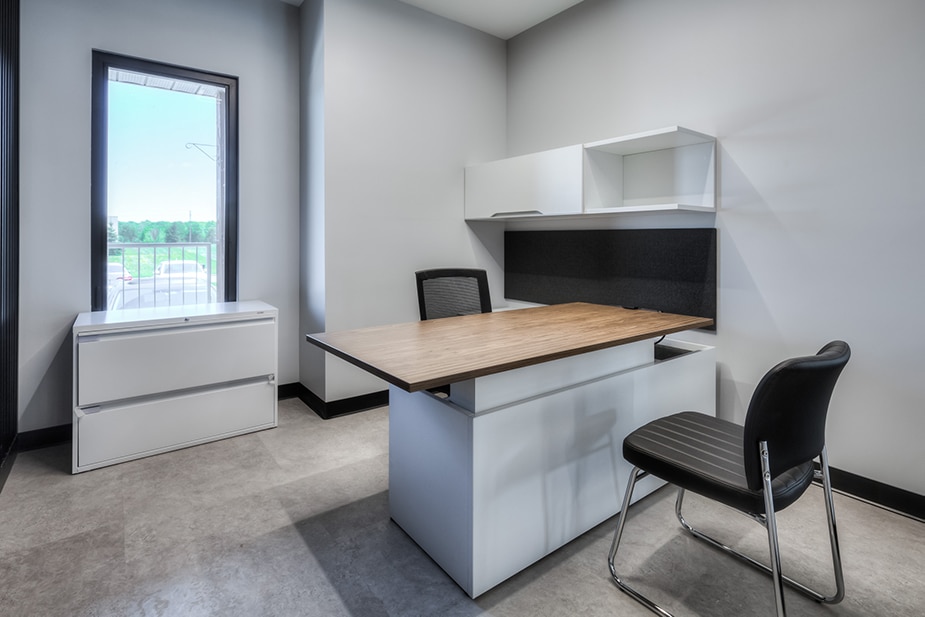
Sit-stand desks have become increasingly popular in modern workplaces, promoting a healthier work environment. These innovative desks allow users to alternate between sitting and standing, significantly enhancing productivity and overall well-being. Improved Posture and Reduction of Back Pain Sit-stand desks promote better posture and reduce the likelihood of back pain. By allowing individuals to adjust their working height, sit-stand desks encourage natural spinal alignment. This flexibility can decrease the strain associated with prolonged sitting, subsequently reducing chronic discomfort in the lower back. Studies have indicated that employees using these desks experience fewer musculoskeletal issues. Better posture not only mitigates pain but also enhances focus and efficiency. Therefore, investing in sit-stand desks can lead to substantial health dividends. Increased Energy and Productivity Switching between sitting and standing boosts energy levels and productivity. Many users of sit-stand desks report higher energy levels throughout their workday. The act of standing increases blood flow and circulation, which can lead to improved alertness and cognitive function. As a result, employees are more motivated and engaged with their tasks. This increase in stamina not only helps in completing daily workloads but also encourages creativity and collaboration among team members. Overall, this dynamic helps contribute to a more vibrant workplace atmosphere. Enhanced Mood and Reduced Fatigue Sit-stand desks can significantly enhance mood and lower fatigue. Surveys have shown that individuals who utilize sit-stand desks report feeling happier and less fatigued. By promoting physical movement, these desks can help ward off feelings of lethargy that often accompany long periods of sitting. Regularly changing positions can stimulate the release of endorphins, leading to a more positive outlook on work tasks. Consequently, a better mood translates to improved interactions with colleagues and enhances a team-oriented atmosphere. Lower Risk of Serious Health Issues Sit-stand desks help lower the risk of serious health complications. Extended periods of sedentary behaviour have been linked to various health concerns, including heart disease, obesity, and diabetes. By incorporating sit-stand desks into daily routines, workers can mitigate these risks through increased physical activity. Alternating positions encourages more movement, which helps manage weight and potentially lowers blood sugar levels. Therefore, these desks act as a preventative measure for long-term health issues. Customization for Individual Needs Sit-stand desks allow for greater customization to fit individual needs. One of the most appealing aspects of sit-stand desks is their adjustability to suit anyone’s specific requirements. Users can easily set the height of their desk to accommodate their body size and preferred posture. This customization not only improves comfort but also fosters a more efficient work experience, as individuals can optimize their setups based on their tasks. Such versatility is increasingly recognised as crucial for supporting diverse workplaces. Support for Remote and Hybrid Work Sit-stand desks are ideal for supporting remote and hybrid work environments. As remote and hybrid work models become more prevalent, having ergonomic furniture like sit-stand desks is more important than ever. These desks can easily fit into home offices, providing the flexibility needed for changing work styles. Employees working from home often lack ergonomic support, which can lead to discomfort. A sit-stand desk can help bridge that gap, ensuring individuals remain productive and healthy in non-traditional workspaces. Potential Long-Term Financial Benefits Investing in sit-stand desks can yield long-term financial benefits for employers. While the initial cost of sit-stand desks may be higher, the long-term savings associated with improved employee health and productivity can offset this expenditure. Healthier employees typically result in lower healthcare costs, reduced absenteeism, and increased job satisfaction. Consequently, businesses can experience better retention rates and a high-performing workforce. Over time, these factors contribute to overall company profitability and a more positive work culture. The adoption of sit-stand desks offers numerous benefits that extend beyond mere comfort. By promoting better posture, enhancing mood, and reducing health risks, these desks present a comprehensive solution for modern work environments, leading to happier, healthier, and more productive employees.

The Transformative Benefits of Sit-Stand Desks Read More »

Designing Effective Environments for Remote Collaboration

In an increasingly digital world, remote collaboration has become essential for productivity and innovation. Designing effective strategies and tools for this collaboration can significantly enhance team dynamics and project outcomes. Understanding Team Needs Identifying specific team requirements is crucial. Each team has unique dynamics and varying levels of technical expertise. Conducting an assessment to understand these needs can help tailor collaboration tools and practices accordingly. Surveys or interviews can be beneficial in gathering this data. Additionally, recognizing preferred communication styles facilitates smoother interactions. This groundwork sets the foundation for effective collaboration. Choosing the Right Tools Selecting appropriate collaboration tools enhances productivity. The variety of tools available for remote collaboration can be overwhelming. It’s important to choose those that best fit the team’s workflow and objectives. Features such as video conferencing, project management, and real-time document editing should be evaluated. Integration capabilities with other systems can also be a deciding factor. Ensuring the tools are user-friendly will promote greater adoption among team members. Establishing Clear Communication Guidelines Clear communication protocols are essential for remote teams. Without visual cues and physical presence, miscommunication can easily occur. Setting guidelines for communication frequency, channels, and response times is necessary. Regular check-ins can provide a structured format for updates and discussions. Encouraging a culture of transparency helps team members feel connected and informed. All members should be made aware of these guidelines to ensure consistency. Fostering Team Engagement Engagement strategies keep team morale high. Remote collaboration can sometimes lead to feelings of isolation. Implementing regular team-building activities fosters camaraderie, even in virtual settings. Activities can range from virtual coffee breaks to collaborative games. Recognizing individual contributions can also boost motivation and engagement. Creating an inclusive environment encourages participation and connection among team members. Implementing Flexible Work Practices Flexibility accommodates diverse working styles. Remote work allows individuals to work in environments where they are most productive. Offering flexible work hours can cater to different personal circumstances and time zones. This approach can lead to improved work-life balance and increased job satisfaction. Establishing core hours for collaboration while allowing flexibility in the rest encourages team cohesion. All members should feel comfortable discussing their needs openly. Encouraging Continuous Feedback Regular feedback processes enhance collaboration. Feedback is vital for growth and improvement in team dynamics. Establishing continuous feedback loops can help identify issues and areas for enhancement. Regular evaluations can be undertaken to adjust workflows and tools as needed. Open forums for sharing constructive feedback promote a culture of learning. Actively seeking input empowers team members and reinforces their value. Evaluating Collaboration Effectiveness Assessing collaboration outcomes ensures alignment with goals. Regular evaluation of collaboration effectiveness helps in understanding what works and what needs improvement. Metrics such as project completion rates and team satisfaction surveys can provide insights. Facilitating discussions around successes and challenges can foster a culture of continuous improvement. Adjustments should be made based on these evaluations to refine practices. This commitment to assessment will ultimately drive better results. In summary, designing for remote collaboration involves careful consideration of tools, communication strategies, and team engagement practices. By prioritizing the unique needs of the team and fostering a culture of continuous improvement, organizations can create a supportive and productive remote working environment.

Designing Effective Environments for Remote Collaboration Read More »

The Essential Role of Workplace Wellness Programs

Workplace wellness programs are critical for fostering a healthy work environment and enhancing employee satisfaction. These initiatives have far-reaching effects, improving not only individual well-being but also organisational productivity. Enhancing Employee Health Workplace wellness programs significantly improve physical health among employees. By providing access to fitness resources, health screenings, and nutritional guidance, these programs encourage employees to adopt healthier lifestyles. Regular participation in wellness initiatives can lead to a reduction in obesity rates, chronic diseases, and overall healthcare costs. Moreover, employees who engage in physical activity are often more energetic and focused, contributing to a more vibrant workplace. This proactive approach to health management can reduce absenteeism and increase overall workforce productivity. Ultimately, healthier employees translate to a healthier bottom line for organisations. Boosting Mental Health Workplace wellness programs play a crucial role in supporting mental health. These programs often include stress management workshops, access to counselling services, and mindfulness training. Such resources empower employees to manage stress effectively, leading to improved emotional well-being. Furthermore, by normalising conversations around mental health, organisations can create a supportive culture where employees feel safe discussing their challenges. This approach can significantly reduce instances of workplace burnout and improve overall job satisfaction. Consequently, a mentally healthy workforce is imperative for sustaining high levels of engagement and productivity. Increasing Employee Engagement Wellness programs foster greater employee engagement and morale. When employees feel that their organisation cares for their well-being, they are more likely to engage fully in their work. Initiatives that involve team-based wellness challenges or social activities can enhance camaraderie among staff members. As employees participate together in wellness activities, they build stronger relationships, leading to a more cohesive and collaborative workplace. High engagement levels are associated with lower turnover rates, as employees feel valued and acknowledged. Thus, investing in employee wellness significantly contributes to a positive organisational culture. Reducing Healthcare Costs Workplace wellness programs can lead to significant reductions in healthcare costs. Employers who invest in wellness initiatives often see a drop in insurance premiums and healthcare expenditures. By promoting a healthier workforce, companies can lower the incidence of chronic diseases, resulting in fewer claims and lower medical costs. Additionally, healthier employees generally require less noticeable time off for medical issues, further alleviating financial burdens on the company’s health insurance system. These cost savings can be reinvested into the organisation, facilitating further improvements and innovations. Hence, the financial viability of wellness programs is clear. Attracting Top Talent Wellness programs serve as a magnet for attracting top talent. In an increasingly competitive job market, companies that offer comprehensive wellness benefits stand out to prospective employees. Job seekers often look for organisations that prioritise employee health and well-being as a sign of a progressive and considerate workplace. A robust wellness program can be a deciding factor for candidates when choosing between job offers. Moreover, established wellness initiatives enhance the employer’s brand reputation, making it easier to attract and retain skilled workers. The link between wellness programs and talent acquisition cannot be overlooked. Fostering a Positive Workplace Culture Workplace wellness programs cultivate a positive organisational culture. A commitment to employee health demonstrates an organisation’s values and priorities, nurturing an environment where employees feel respected and valued. This focus on wellness can inspire employees to adopt a more positive perspective towards their roles and responsibilities. Additionally, when employees see their organisation investing in holistic wellness, it builds mutual loyalty and trust. A thriving workplace culture that promotes health can create a sense of belonging among employees, further driving commitment and productivity. Cultural alignment with well-being initiatives is essential for long-term success. Improving Work-Life Balance Wellness programs help employees achieve a better work-life balance. These initiatives often incorporate flexible working hours, mental health days, and support for family care, helping employees manage their personal and professional lives more effectively. A sound balance contributes to reduced stress and burnout, allowing employees to operate at optimal performance levels. Furthermore, when organisations show flexibility and understanding, it fosters loyalty and enhances job satisfaction. The focus on work-life balance encourages productivity while also valuing employees’ personal lives and commitments. This holistic approach is vital for sustainable workforce engagement. In summary, workplace wellness programs are fundamental to enhancing employee health, engagement, and overall satisfaction. By investing in such initiatives, organisations not only cultivate a thriving workplace culture but also secure their long-term success through improved productivity and reduced costs.

The Essential Role of Workplace Wellness Programs Read More »