August 17, 2024

King Cole Ducks Retail and Office Design

Enhancing Employee Satisfaction

Employee feedback directly influences job satisfaction levels. When employees feel their voices are heard regarding office design, they are more likely to be satisfied with their work environment. This satisfaction plays a critical role in retaining talent and reducing turnover rates. Moreover, spaces that reflect employee preferences can foster a sense of belonging and ownership. Companies that actively seek out employee input often witness higher morale and motivation. Ultimately, when employees are happy, productivity and creativity tend to flourish. Boosting Collaboration Thoughtfully designed spaces can enhance collaboration among employees. By gathering feedback on how teams interact, organizations can design office layouts that facilitate better communication and teamwork. Collaborative spaces equipped with the right amenities encourage spontaneous discussions and idea-sharing. When employees feel comfortable in their environment, they are more likely to engage with their colleagues. Such interactions can lead to innovative solutions and strengthened relationships. Investing in collaborative spaces ultimately cultivates a culture of cooperation within the workplace. Improving Productivity Optimal office design is closely tied to increased employee productivity. Studies show that environments tailored to employee input can significantly enhance focus and efficiency. Quiet zones, ergonomic furniture, and adequate lighting are just a few design elements that can minimize distractions. When employees are comfortable, they are better able to concentrate on their tasks. Additionally, flexible workspaces allow individuals to choose environments that suit their working style. This personalized approach can lead to marked improvements in performance and output. Fostering Health and Well-being Office design impacts the overall health and well-being of employees. Gathering feedback on wellness preferences helps organizations create healthier work environments. Incorporating elements like natural lighting, greenery, and ergonomic workstations can reduce stress and fatigue. A design that prioritizes well-being can lead to lower absenteeism and healthcare costs. Moreover, spaces encouraging physical activitysuch as standing desks or walking pathscan promote a more active lifestyle. Prioritizing health not only benefits employees but also enhances the company’s productivity and reputation. Adapting to Changing Needs Employee needs evolve, and so should office designs. Regularly soliciting feedback ensures that workplaces remain relevant to shifting employee preferences. Adaptability in office design is crucial in accommodating various working styles, especially with the rise of hybrid work models. Employers who invest in flexible spaces can better respond to changing business demands and employee requirements. This proactive approach allows organizations to stay ahead of trends and maintain employee satisfaction. Ultimately, a willingness to adjust and evolve can greatly enhance workplace dynamics. Encouraging Innovation A thoughtful design can stimulate innovation and creativity. Employee feedback can unveil ideas for creating spaces that inspire creativity and out-of-the-box thinking. Design elements such as open areas, creative zones, and art displays can nurture a culture of innovation. When employees are surrounded by stimulating and visually appealing environments, they are more likely to think creatively. Additionally, spaces for brainstorming and collaboration can encourage teams to push boundaries. Investing in innovative office design sends a clear message that the organization values creativity and fresh ideas. Building a Stronger Company Culture Inclusive office design promotes a strong company culture. When companies actively involve employees in the design process, it fosters a culture of trust and openness. This inclusion helps to build a sense of community and shared purpose. Spaces that reflect company values and employee input can strengthen employee engagement and loyalty. A well-designed environment can also showcase the organization’s commitment to its workforce. Ultimately, a strong company culture contributes to increased motivation and long-term success. Investing in employee feedback for office design not only enhances the work environment but also drives overall business success. By prioritizing employee insights, companies can create spaces that foster satisfaction, productivity, and innovation, proving that such investments yield substantial returns.

Enhancing Employee Satisfaction Read More »

Designing for Workplace Diversity and Inclusion: Essential Strategies

Creating a diverse and inclusive workplace is vital for fostering innovation and improving employee satisfaction. Effective design principles can help organizations build environments where everyone feels valued and included. Understanding Diversity and Inclusion Diversity encompasses various dimensions beyond race and gender. It includes age, ethnicity, disability, sexual orientation, and socio-economic status, among other factors. Recognizing this wide array of identities is crucial for creating effective diversity strategies. Organizations must acknowledge the unique perspectives that each individual brings to the table. This understanding fosters a culture of respect and empathy, which is foundational for an inclusive workplace. Ultimately, a comprehensive view of diversity aids in targeting the specific needs of different groups. Creating Inclusive Policies Policies should reflect a commitment to diversity and inclusion. Organizations must ensure that their policies not only comply with legal standards but actively promote an inclusive environment. This includes flexible work arrangements, anti-discrimination policies, and equal opportunity hiring practices. It is essential for companies to involve diverse groups in policy formulation to better understand their needs. Regular training sessions on these policies can also help in fostering awareness among employees. Creating a culture where all voices are heard leads to more robust support of diversity initiatives. Designing Inclusive Workspaces Physical workspace design significantly impacts inclusivity. Workspaces should be designed to accommodate various needs, from accessible entrances to quiet areas for focused work. Providing flexible seating arrangements can also cater to different working styles and preferences. Moreover, the use of colour and aesthetics should promote a sense of belonging among diverse employees. Collaborative spaces should encourage interaction without forcing it, allowing for organic relationship building. Ultimately, an inclusive space considers the diverse functionalities required by all employees. Promoting Open Communication Open communication channels are key to fostering an inclusive culture. Facilitating dialogue allows employees to express their ideas, concerns, and experiences without fear of reprisal. Organizations should implement regular feedback mechanisms to gauge employee sentiments regarding diversity and inclusion. Regular town hall meetings and surveys can serve as platforms for open discussions. It’s essential for leadership to visibly participate in these conversations, showing that they value employee input. By normalizing candid discussions about inclusivity, organizations can better understand and address the unique challenges faced by their workforce. Training and Development Opportunities Investing in training for diversity and inclusion is crucial. Comprehensive training programmes should be established to raise awareness about unconscious biases and the importance of diversity. These trainings should be ongoing rather than a one-time occurrence to ensure sustained progress. Leadership should also participate to demonstrate commitment, as employee buy-in is influenced by witnessing management’s dedication to the cause. Additionally, mentorship programmes that connect diverse employees with leaders can help cultivate an inclusive workplace culture. Such initiatives not only encourage professional growth but also increase representation in leadership roles. Celebrating Cultural Events Recognizing and celebrating various cultural events fosters inclusion. By acknowledging and celebrating cultural holidays and events, organizations can enhance the sense of belonging among employees. Such celebrations provide opportunities for employees to share their backgrounds and traditions, encouraging mutual respect and understanding. This could be through themed events, potlucks, or workshops, allowing staff to engage with each other in a social context. Promoting awareness of cultural differences enriches the workplace experience and highlights the value of diversity. Celebrating these occasions sends a clear message that all cultures are valued. Continuous measurement is vital for improving diversity initiatives. Organizations should regularly assess the effectiveness of their diversity and inclusion strategies through data collection and analysis. Metrics could include employee demographics, retention rates, and employee satisfaction scores. Feedback from employees can provide insights into areas needing improvement and highlight successes. It is important to be transparent about these metrics and share them with all stakeholders to ensure accountability. This data-driven approach facilitates informed decisions and allows the organization to adjust strategies as necessary for greater impact.Designing for Workplace Diversity and Inclusion: Essential Strategies Designing for workplace diversity and inclusion requires a multifaceted approach that integrates policies, physical design, and employee engagement. When organizations commit to these principles, they create an environment where all individuals feel valued and included, ultimately leading to greater innovation and success.

Designing for Workplace Diversity and Inclusion: Essential Strategies Read More »

Solutions 360 Office Interior Design

The Importance of Office Temperature Control for Employee Well-being and Productivity

Maintaining a proper office temperature is essential for creating a conducive work environment. This article explores the benefits of effective temperature control in the workplace and its impact on employee satisfaction and productivity. Enhancing Employee Comfort A comfortable working temperature significantly boosts employee morale. When the office temperature is optimized, employees feel physically comfortable, which directly translates to higher job satisfaction. A comfortable 20-22C (68-72F) is often recommended for most indoor workspaces. Temperatures that are too hot or too cold can lead to distractions and discomfort, impacting workers’ ability to focus. By ensuring a stable temperature, businesses can foster a more pleasant working environment and encourage a positive mindset among their staff. This comfort contributes to better overall performance and reduces the likelihood of burnout. Boosting Productivity Levels An adequately controlled office temperature can lead to enhanced productivity. Research has shown that employees productivity can decrease significantly when they are exposed to uncomfortable temperatures. If it’s too warm, employees may become lethargic; if it’s too cool, they may struggle to concentrate. Studies indicate that maintaining an optimal thermal environment can lead to a notable increase in output, with workers more willing to collaborate and engage in their tasks. Employers should continually monitor office temperatures, especially during seasonal changes, to maintain high productivity levels throughout the year. Reducing Absenteeism Proper temperature control can lead to decreased rates of absenteeism. Extreme temperatures can contribute to various health issues, leading to increased absenteeism. For example, excessive cold can result in ailments such as colds and flu, while excessively warm environments can lead to heat-related illnesses. By ensuring that the office temperature remains within a comfortable range, employers can help minimize stress on employees’ bodies and improve their overall health. A healthier workforce is less likely to take days off, directly benefiting the company’s productivity and performance. Increasing Employee Engagement Comfortable temperatures can boost employee engagement levels. Employees are more likely to engage and contribute positively when they feel comfortable in their working environment. An adequately maintained temperature helps eliminate discomfort-related distractions, enabling employees to focus entirely on their tasks. Engaged employees tend to demonstrate higher levels of motivation and creativity, leading to innovative solutions and improved collaboration. Organizations should consider employee feedback regarding temperature preferences to enhance engagement further. Enhancing Cognitive Function Temperature regulation is linked to improved cognitive performance. Research indicates that extreme temperature variations can adversely affect cognitive function, such as decision-making and problem-solving abilities. Maintaining an ideal temperature helps ensure that employees can think clearly and respond efficiently to challenges. This impact on cognitive performance can lead to better organisational outcomes, as workers are more competent in their tasks and capable of contributing to strategic planning and execution. Thus, temperature control is a crucial factor in fostering a brain-friendly working environment. Creating a Positive Company Image Proper temperature control reflects a company’s commitment to employee well-being. When a business actively manages office temperatures, it demonstrates its investment in the health and comfort of its employees. This attention to employee needs not only enhances workplace dynamics but also improves the companys reputation as an employer of choice. Prospective employees are likely to be attracted to organizations that prioritize comfort and productivity. Additionally, a positive workplace environment can enhance overall employee retention, as satisfied employees are less likely to leave. Facilitating Equipment Efficiency Temperature control can help safeguard office equipment and technology. Office equipment and technology are sensitive to temperature extremes and may malfunction if not kept within proper ranges. A stable office temperature protects both hardware and software investments by prolonging their lifespan and ensuring peak performance. Overheating can lead to system crashes or damage, resulting in costly repairs or replacements. By maintaining an ideal temperature and humidity level, businesses can not only protect their physical assets but also maximize technological efficiency. In conclusion, proper office temperature control is vital for enhancing employee comfort, productivity, and engagement, while also reducing absenteeism and maintaining technological efficiency. Companies that prioritize a well-regulated work environment will benefit from a more dedicated workforce and a healthier, more productive business overall.

The Importance of Office Temperature Control for Employee Well-being and Productivity Read More »

Kott Lumber Construction Interior Design, Office Design

The Importance of Antimicrobial Surfaces in High-Touch Areas

In today’s health-conscious environment, the use of antimicrobial surfaces in high-touch areas is becoming increasingly vital. These surfaces can significantly reduce the spread of harmful pathogens and contribute to overall public health. Enhanced Infection Control Antimicrobial surfaces actively combat microbial growth. These surfaces contain agents that inhibit the reproduction of bacteria, viruses, and fungi. By reducing the microbial load in high-touch areas, such as doorknobs, handrails, and light switches, these materials help decrease the risk of infections. This is particularly important in settings like hospitals, schools, and public transport where the frequency of contact is high. Implementing these surfaces can lead to lower infection rates, resulting in better health outcomes and reduced healthcare costs. Therefore, antimicrobial surfaces serve as a proactive measure in infection control strategies. Durability and Longevity Antimicrobial surfaces are designed for durability. Unlike traditional materials, which may wear down or lose effectiveness over time, antimicrobial surfaces are engineered to withstand heavy use without compromising their protective qualities. This resilience means they require less frequent replacement and maintenance, providing a cost-effective solution in high-traffic areas. Their long-lasting nature ensures continuous protection against microbial growth, making them an ideal choice for various environments. Facilities can benefit from lower operational costs while maintaining high health standards. Thus, durability adds significant value to the adoption of antimicrobial technologies. Reduction of Cross-Contamination These surfaces minimize the risk of cross-contamination. High-touch areas are notorious for being hotbeds of germ transfer. By using antimicrobial materials, facilities can significantly reduce the chances of transferring pathogens from one individual to another. This is crucial in places like hospitals, where vulnerable patients are at greater risk. Studies have shown that surfaces treated with antimicrobial agents have fewer pathogens present compared to untreated surfaces. Consequently, this not only protects individuals but also contributes to community health initiatives and reduces the burden on healthcare systems. Improved Public Perception The presence of antimicrobial surfaces can enhance public confidence. In an era where cleanliness and hygiene are paramount, visible sanitary measures can improve public perception of facilities. Antimicrobial surfaces signal to visitors and staff that health and safety are priorities, which is particularly important for businesses in the service industry. This positive impression can influence customer choices, boosting loyalty and patronage. Moreover, facilities that invest in advanced hygiene solutions are often viewed as leaders in health standards, giving them a competitive edge in their respective sectors. Therefore, the psychological benefits of using antimicrobial surfaces should not be underestimated. Compliance with Health Regulations Antimicrobial surfaces can assist in meeting health regulations. Many industries are subject to strict health and safety guidelines that require the implementation of measures to reduce microbial risks. By investing in antimicrobial surfaces, organizations can more easily comply with these regulations, thus avoiding potential fines and penalties. This proactive approach showcases a commitment to safety and health, fostering a culture of responsibility within the facility. Additionally, these surfaces create an environment where regulatory inspections can be conducted more smooThe Importance of Antimicrobial Surfaces in High-Touch Areasthly. Staying ahead of compliance issues also enhances the overall reputation of a facility. Cost-Effectiveness Over Time Investing in antimicrobial surfaces leads to long-term savings. Although the initial cost of antimicrobial surfaces may be higher than traditional materials, the long-term financial benefits outweigh these expenses. Reduced sick leave and healthcare costs, along with minimal replacements and maintenance, contribute to overall savings. Facilities that prioritize health often experience fewer disruptions from illness, resulting in increased productivity and operational efficiency. These long-term savings can be pivotal for businesses, as maintaining a healthy workforce is essential for sustained success. Hence, a strategic investment in antimicrobial surfaces proves economically advantageous. Sustainability Considerations Many antimicrobial surfaces are designed with sustainability in mind. With an increasing focus on environmental responsibility, manufacturers are developing antimicrobial materials that are eco-friendly and sustainable. These innovations often incorporate recycling initiatives and minimize harmful chemical use, aligning with global sustainability goals. Moreover, by prolonging the lifespan of surfaces and reducing waste from frequent replacements, facilities can lower their environmental footprint. Thus, adopting antimicrobial technologies not only enhances health safety but also supports broader environmental objectives. Sustainability further enhances the appeal of antimicrobial surfaces in modern facility management. Choosing antimicrobial surfaces for high-touch areas is a strategic decision that offers numerous health, economic, and environmental benefits. By investing in these innovative materials, organizations can enhance infection control, improve public perception, and ultimately contribute to a healthier society.

The Importance of Antimicrobial Surfaces in High-Touch Areas Read More »

Fenn and Fenn Insurance Interior Design

Maximizing Efficiency: The Critical Role of Office Space Utilization Analysis

Office space utilization analysis is essential for organizations seeking to enhance productivity and reduce costs. By systematically assessing how office space is used, businesses can make informed decisions that lead to improved operational efficiency. Understanding Space Utilization Metrics Accurate data is key to understanding office space usage. Metrics such as occupancy rates, density, and space allocation are crucial for deciphering how well an office operates. Collecting data on these metrics allows organizations to identify underutilized areas and understand employee patterns. This assessment enables businesses to make targeted improvements, which can lead to significant cost savings. Furthermore, understanding these metrics fosters better space planning and resource allocation. Ultimately, accurate data drives informed decision-making at all levels of management. Enhancing Employee Productivity Effective space utilization directly impacts employee performance. A well-designed workspace that meets employee needs can enhance productivity and job satisfaction. By analyzing space utilization, organizations uncover opportunities to create collaborative areas, quiet zones, and amenities that support diverse work styles. Such adjustments can significantly affect employees’ ability to focus and collaborate effectively. Additionally, optimizing office layouts encourages a positive workplace culture, which is vital for retaining talent. Increased productivity not only benefits employees but also contributes to the overall success of the organization. Cost Reduction Opportunities Space utilization analysis can uncover significant cost savings. Underused areas represent wasted resources, leading to excessive rental costs and maintenance expenses. By recognizing these inefficiencies, organizations can make strategic decisions about downsizing or redesigning their spaces. This process could involve repurposing areas or consolidating operations, which brings notable financial benefits. Executives can redirect these savings toward other essential business initiatives, enhancing overall competitiveness. Addressing space utilization proactively is thus a key strategy for financial health. Supporting Health and Well-being An effective office layout contributes to employee health. Utilization analysis can identify areas where ergonomic improvements and well-being features can be integrated. By providing adequate space for movement and relaxation, businesses promote a healthier work environment. This not only reduces the risk of work-related injuries but also helps minimize stress levels and boosts morale. Furthermore, a focus on health-oriented office design can enhance overall employee satisfaction and retention. Ultimately, investing in well-being leads to a more engaged and loyal workforce. Facilitating Change Management Responsive office utilization plays a key role in change management. In times of organizational change, understanding existing space utilization enables smoother transitions. Whether moving to new locations or adopting hybrid working models, companies that analyze their office environments can better prepare for required adaptations. Data-driven insights help identify necessary resources and create strategic plans. This foresight allows organizations to navigate change effectively and minimize disruptions. Ultimately, flexibility in office space is vital for organizations to remain agile in a dynamic business landscape. Enabling Sustainable Practices Space utilization analysis supports sustainability efforts. Modern businesses are increasingly prioritizing sustainability, and optimized space use plays a critical role in achieving this goal. By maximizing existing resources, organizations can reduce their carbon footprint and minimize wastage. Analyzing space helps identify energy inefficiencies and areas where eco-friendly practices can be implemented. Furthermore, organizations demonstrate social responsibility by creating efficient and sustainable work environments. This commitment not only benefits the planet but also enhances brand reputation. Driving Innovation and Collaboration Well-utilized spaces foster creativity and teamwork. Analyzing office space allows organizations to design collaborative spaces that encourage creativity and innovation. By creating environments with flexible meeting areas and spontaneous collaboration zones, businesses can stimulate teamwork and idea generation. Such environments are attractive to younger professionals who value collaboration and dynamic workspaces. Ultimately, fostering innovation through effective space design creates a culture of continuous improvement and forward-thinking. This is essential for maintaining a competitive edge in todays market. In conclusion, office space utilization analysis is a critical element in optimizing organizational performance, enhancing employee well-being, and driving cost-effective operations. By understanding how space is used, businesses can make informed, strategic decisions that not only improve productivity but also contribute to a sustainable and innovative work environment.

Maximizing Efficiency: The Critical Role of Office Space Utilization Analysis Read More »

Myostat Motion Control Interior Design Office Design

Creating an Efficient Multi-Functional Conference Room

A multi-functional conference room serves as the core of collaborative efforts within an organization. By incorporating versatile design elements and technology, you can enhance productivity and foster innovation. Flexible Furniture Arrangement Utilize movable furniture to accommodate various layouts. Incorporating movable tables and chairs allows for quick adjustments to the space, catering to different meeting types such as lectures, workshops, or team brainstorms. Consider lightweight options that can be easily reconfigured, promoting greater adaptability. Additionally, having modular furniture that can be combined or separated enhances the rooms functionality. This flexibility not only maximizes the space but also encourages diverse interactions among participants. Therefore, planning your furniture selection with versatility in mind is crucial for a multi-functional conference room. Integrated Technology Solutions Incorporate state-of-the-art audio-visual equipment. High-quality presentation tools, video conferencing systems, and sound systems are necessary for effective communication in a multi-functional conference room. Equipment such as 4K projectors and smart boards can elevate presentations and facilitate interactive discussions. Ensure that all technology is easily accessible and user-friendly to minimize delays during meetings. Wireless capabilities and remote access features also enhance collaboration both in-person and online. Investing in these technological advancements ensures your conference room meets modern demands. Acoustic Optimization Implement sound-absorbing materials to improve acoustics. Proper acoustics are essential in fostering clear communication and reducing distractions. Adding sound-absorbing panels, carpets, and acoustic screens can significantly enhance the room’s sound quality. Additionally, consider the placement of furniture to further mitigate noise levels. By focusing on acoustics, you can create an environment that promotes concentration and effective dialogue during discussions. This is especially important in settings where multiple meetings may occur simultaneously. Optimal Lighting Design a lighting plan that accommodates various activities. A well-lit conference room enhances mood and productivity. Use a combination of natural light, task lighting, and ambient fixtures to create a versatile atmosphere. Dimmable LED lights can help adjust the ambiance for presentations or brainstorming sessions. It is equally important to eliminate glare on screens and to ensure adequate lighting for note-taking and discussions. Thoughtful lighting solutions enhance engagement and keep participants focused throughout their meeting. Organizational Tools Incorporate storage solutions for necessary materials. Effective organization within a multi-functional conference room promotes efficiency. Implement built-in storage areas for supplies such as whiteboards, flip charts, and office equipment. Clear labeling and easy access to organizational tools minimize disruptions during meetings. Additionally, consider using digital tools for document sharing and collaboration, which can further streamline processes. A tidy, organized environment significantly enhances productivity and fosters a professional atmosphere. Climate Control Ensure an optimal climate with adjustable temperature controls. Maintaining a comfortable temperature is crucial for long meetings and boosts participant engagement. Implementing a reliable HVAC system allows for specific climate adjustments according to group size and preferences. Consider additional features such as ceiling fans or portable heaters for added flexibility. Proper climate control can prevent discomfort, leading to a more productive session. Thus, ensuring your conference room’s temperature is adequately managed is essential. Personalization Options Allow for personalization of the space to suit team needs. Making a space feel personalized can greatly enhance comfort and productivity. Including customizable elements such as movable whiteboards or art can promote creativity during meetings. Additionally, encouraging teams to decorate or rearrange certain aspects of the room can foster ownership and pride in the space. Providing options for personalisation ensures that the conference room is not merely a blank slate but an environment that inspires innovative thoughts and interactions. In conclusion, creating a multi-functional conference room involves careful planning of space, technology, acoustics, lighting, organization, climate control, and personalization. By incorporating these elements, you can foster an environment that enhances collaboration and boosts productivity.

Creating an Efficient Multi-Functional Conference Room Read More »

Greenworks Interior Design Office Design

The Importance of Investing in Proper Office Sanitation

Investing in proper office sanitation is crucial for maintaining a healthy working environment. A clean workplace not only enhances employee well-being but also boosts productivity and promotes a positive company image. Health Benefits of Office Sanitation A clean office reduces the spread of illnesses. Regular sanitization helps to minimize the transmission of viruses and bacteria, which can lead to decreased absenteeism among employees. When offices prioritize cleanliness, fewer employees fall ill, resulting in higher overall productivity. Healthier workplaces contribute to employee morale and satisfaction. Furthermore, maintaining a sanitized environment can lead to fewer healthcare costs for both employers and employees. This creates a win-win situation for everyone involved. Enhanced Employee Productivity A clean and organized space fosters better focus. When employees work in a tidy environment, they are less likely to be distracted by clutter or uncleanliness. An organized workspace allows for easier access to materials and tools, thus improving efficiency. Moreover, studies have shown that a clean office can enhance cognitive function, enabling employees to think more clearly and solve problems more effectively. This leads to better output and contributes positively to the companys bottom line. Ultimately, investing in cleanliness is an investment in productivity. Positive Company Image Sanitation reflects a company’s professionalism. A well-maintained office space projects a positive image to clients, partners, and potential hires. It indicates that a company values its employees and customers, which can enhance reputation and trust. First impressions are often formed based on cleanliness; therefore, an immaculate environment can significantly influence business relationships. Furthermore, showcasing a commitment to health and safety can differentiate a business from its competitors. This attention to detail can be an important factor in attracting new talent and retaining existing employees. Cost Savings in the Long Run Proper sanitation practices can lead to financial savings. While it might seem like an expense, investing in proper sanitation can actually reduce costs associated with employee illness and turnover. Healthy employees are less likely to require medical leave, which translates to savings for the organization. Additionally, regular cleaning and maintenance can extend the lifespan of office equipment and furniture, reducing the need for premature replacement. By maintaining a clean work environment, businesses can also benefit from improved air quality, which decreases the risk of respiratory issues among employees, further cutting down healthcare-related costs. Compliance with Health Regulations Regular sanitation ensures compliance with health laws. Many workplace environments are subject to health regulations that require a certain level of cleanliness. By adhering to these standards, companies can avoid penalties and legal issues. Regular sanitation practices not only help in compliance but also foster a culture of safety and responsibility. Furthermore, staying compliant with health regulations boosts employee confidence in the workplace. This can lead to higher retention rates, as employees feel secure in their health and safety while working. Attracting and Retaining Talent Sanitation practices are a key factor in employee satisfaction. Studies indicate that job seekers often prioritize workplace cleanliness when considering employment opportunities. A clean and well-maintained office can be a significant draw for potential employees. Additionally, current employees are more likely to stay with a company that values their comfort and health. Offering an appealing work environment strongly influences retention rates, as employees are less likely to look for opportunities elsewhere. A commitment to cleanliness not only attracts talent but also keeps them engaged and satisfied. Sustainability and Environmental Responsibility Sanitation practices contribute to a cleaner planet. By investing in proper office sanitation, businesses can also emphasize sustainability in their operations. Many modern sanitization products are eco-friendly, reducing the environmental impact of cleaning processes. This not only aligns with the values of environmentally-conscious consumers and employees but also fulfills corporate social responsibilities. Promoting an eco-friendly image can enhance brand loyalty and attract clients who prioritize sustainability. Therefore, a focus on sanitation can harmonize business practices with broader environmental goals. Investing in proper office sanitation goes beyond just cleanliness; it safeguards employee health, boosts productivity, enhances company image, and leads to long-term financial savings. By prioritizing an effective sanitation strategy, businesses create a thriving work environment conducive to success.

The Importance of Investing in Proper Office Sanitation Read More »

Interior Design Office Design and Office Renovation

The Positive Impact of Office Plants on Air Quality and Employee Well-being

Incorporating office plants into workspaces offers numerous benefits, particularly in terms of air quality and mood enhancement. This article explores the significant advantages of having greenery in the office environment. Improved Air Quality Plants actively purify the air by absorbing toxins. The presence of plants in an office setting can significantly improve indoor air quality. Many common indoor plants, such as the snake plant and peace lily, are known for their ability to filter harmful chemicals like formaldehyde, benzene, and trichloroethylene from the air. This natural purification process can lead to a fresher and healthier work environment. Consequently, employees may experience fewer respiratory issues and allergies. Improved air quality can also reduce sick leave and enhance overall productivity in the workplace. Enhanced Mood and Well-being Office plants can positively affect employee mood and reduce stress. Research indicates that plants can lower stress levels and enhance mood among employees. The presence of greenery not only creates a calming effect but also helps to reduce anxiety levels. Studies show that employees who work in environments with plants report feeling more relaxed and satisfied with their jobs. This uplift in mood can lead to higher engagement levels and lower employee turnover. A positive work atmosphere fosters creativity and collaboration among team members. Increased Productivity Greenery can lead to a noticeable increase in workplace productivity. Several studies have demonstrated that the presence of plants in the office leads to increased productivity and focus. Employees working in plant-rich environments often achieve better performance and accuracy in tasks. The introduction of plants can also reduce fatigue and increase concentration by providing a refreshing change to the monotonous office decor. When employees feel more comfortable and energized, their efficiency in completing tasks improves significantly. Noise Reduction Plants can help dampen sound and improve acoustics in the office. Incorporating plants into office design can serve as a natural sound barrier. The leaves and stems of plants absorb sound waves, thereby reducing background noise. This is particularly beneficial in open-plan offices, where noise can be a significant distraction. Quiet environments contribute to greater employee satisfaction and enable better focus on work tasks. As a result, a quieter workspace fosters a more conducive environment for collaboration and communication. Aesthetic Appeal Plants enhance the visual aesthetics of the office space. Office plants contribute significantly to the aesthetic value of a workspace. They bring a touch of nature indoors, which can create a more inviting and pleasant atmosphere. A well-decorated office with greenery can leave a positive impression on clients and visitors. Additionally, a visually appealing environment can make employees feel more comfortable and enthused about their workspace. The improved aesthetics can promote a sense of pride and ownership among the staff. Encouragement of Healthier Lifestyle Plants can encourage employees to adopt healthier lifestyle habits. Introducing plants in the workplace can inspire employees to prioritize their health and well-being. The presence of greenery serves as a reminder to take breaks and step away from screens. Additionally, a healthier environment may encourage employees to hydrate more and even engage in activities like walking around the office. Such lifestyle changes can reduce workplace fatigue and contribute to long-term health benefits for employees. Sustainability and Eco-friendliness Office plants can promote an environmentally friendly workplace culture. Having plants in the office not only improves air quality but also demonstrates a commitment to sustainability. They signify an organization’s dedication to reducing its carbon footprint and promoting eco-friendly practices. This not only enhances the company’s image but can also attract environmentally conscious clients and employees. Moreover, a sustainable workplace fosters a culture of responsibility and encourages employees to participate in greener initiatives. Incorporating plants into office environments can lead to numerous benefits, enhancing air quality and improving employee mood. The aesthetic, psychological, and health advantages of office plants make them a worthwhile investment for any workplace seeking to create a more productive and enjoyable atmosphere.

The Positive Impact of Office Plants on Air Quality and Employee Well-being Read More »

Designing Solutions for Diverse Departmental Needs

In today’s multifaceted organizational landscape, understanding the unique requirements of different departments is vital for effective design. By tailoring solutions to each department’s specific needs, organizations can enhance productivity, collaboration, and overall efficiency. Understanding Departmental Functions Identifying core functions is essential for effective design. Each department within an organization has distinct functions and objectives that inform their design needs. For instance, the marketing department may require tools for campaign analytics, whereas the finance department may prioritize budget tracking systems. Therefore, a comprehensive understanding of these core functions allows designers to create solutions that are not only relevant but also enhance the workflow specific to each department. Engaging with department heads to discuss their objectives can provide valuable insights that guide the design process. Incorporating User Feedback Gathering feedback from departmental users ensures designs meet practical needs. User feedback is a critical aspect of designing effective tools and processes. Engaging department members in surveys, focus groups, or interviews can yield insightful perspectives on what features are most useful or necessary. This collaborative approach not only leads to more user-friendly designs but also fosters a sense of ownership and acceptance among employees. Implementing feedback loops where users can continually share their experiences post-implementation can further optimize and enhance designs over time. Flexibility in Design Design flexibility allows for adaptation to evolving departmental needs. As organizations grow and change, so do the needs of their departments. Designing systems that can be easily adapted helps meet these shifting requirements without necessitating a complete redesign. For example, modular software applications that allow departments to customize features cater to their specific tasks while remaining scalable. This flexibility not only saves time and resources in the long run but also ensures that the design continues to align with the department’s objectives as they evolve. Collaboration Between Departments Cross-departmental collaboration can lead to more holistic design solutions. Encouraging collaboration across departments during the design process can promote more cohesive solutions that benefit multiple stakeholders. For instance, sales and customer service teams might work together on a unified customer relationship management (CRM) system that addresses both sales tracking and support needs. By fostering a collaborative environment, organizations can uncover synergies and create integrated solutions that enhance communication and efficiency across departments. Utilizing Technology Leveraging technology can streamline processes and support unique departmental needs. Incorporating relevant technological tools into the design process is crucial for meeting departmental needs. Automation software, project management tools, and data analytics platforms can empower departments to function more effectively. For instance, using data visualization tools can help marketing teams derive insights from complex datasets, while finance departments might benefit from advanced budgeting software. Selecting the right technology based on departmental functions can greatly improve operational efficiency and output. Ensuring Training and Support Adequate training and support are necessary for successful implementation. Even the best-designed solutions can fail without the proper training and support for users. It is essential to provide comprehensive training sessions tailored to each department’s needs, ensuring that employees are confident in using new tools and processes. Additionally, establishing a support systemsuch as help desks or resource centrescan assist users in overcoming challenges they may encounter. By prioritizing training and support, organizations can maximize the effectiveness of their designs. Evaluating Design Effectiveness Regular evaluations are key to assessing the effectiveness of design solutions. To ensure that designs continue to meet departmental needs, ongoing evaluations and assessments should be conducted. Metrics such as user satisfaction, task completion rates, and overall productivity can provide insights into how well the designs are functioning. Collecting this data on a regular basis allows organizations to identify areas for improvement and make necessary adjustments proactively. This iterative evaluation process is essential for maintaining relevance and enhancing user experience over time. By understanding and addressing the unique needs of diverse departments, organizations can create tailored design solutions that lead to improved efficiency and satisfaction. Ongoing communication, feedback, and evaluation are essential components of this process, ensuring that designs remain aligned with departmental objectives.

Designing Solutions for Diverse Departmental Needs Read More »

Buchner Manufacturing Retail Design and Office Design

The Critical Importance of Proper Office Chair Adjustment

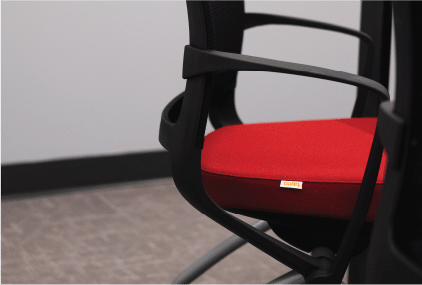
Proper office chair adjustment is essential for creating a comfortable and productive workspace. Adjusting your chair correctly can significantly reduce discomfort and prevent long-term health issues. The Role of Ergonomics in the Workplace Ergonomics is the foundation of chair adjustment for worker comfort and efficiency. Understanding ergonomics helps office workers identify how to position their chairs to foster better posture and reduce strain. A properly adjusted chair supports the natural curve of the spine, promoting lumbar support. This can alleviate discomfort associated with prolonged sitting and can lead to greater productivity levels. Ergonomics also considers the user’s unique body shape and size, making it crucial to customise chair settings. By investing time in proper adjustments, employees can create a healthier work environment for themselves. Adjusting Chair Height Chair height adjustment is vital for foot placement and knee angle. An appropriate chair height ensures that your feet rest flat on the floor while your knees are at a 90-degree angle. This position helps to avoid pressure on the back of the thighs, which can inhibit blood circulation. When seated correctly, your thighs should be parallel to the floor, and your hips should be slightly higher than your knees. If your chair is too high or too low, it can lead to discomfort and distractions during work hours. Proper height adjustment contributes to a stable posture, reducing the risk of back pain. Back Support and Lumbar Adjustments Lumbar support is essential for maintaining spinal health. A chair with good lumbar support can help maintain the natural curve of the spine, which is crucial for long-term health. Adjusting the lumbar support to fit the curve of your lower back can alleviate strain and reduce the likelihood of developing chronic pain. Many ergonomic chairs allow for lumbar support height adjustments, which should be tailored to each individual’s needs. With proper support, users are less likely to slouch or lean, minimising discomfort and potential injuries. Ensuring that the backrest supports the entire back is also important for overall spinal alignment. Armrest Customization Armrests should be adjusted to relieve shoulder strain. Properly adjusted armrests support the arms, which reduces shoulder tension and fatigue. If armrests are too high or too low, they can force the shoulders into an unnatural position, leading to discomfort. Additionally, armrests that are too wide can limit movement and strain the shoulders. When adjusted properly, armrests should allow for a relaxed shoulder position while keeping elbows close to the body. Effective use of armrests contributes to an overall ergonomic setup that enhances comfort during work. Seat Depth Adjustment Seat depth affects circulation and comfort during long sitting periods. Adjusting seat depth occurs primarily to ensure adequate support for the thighs without hindering circulation. An ideal seat should allow a few inches of space between the back of the knees and the edge of the seat. This allows for proper blood flow while also ensuring that the backrest provides sufficient support to the lower back. If the seat depth is too short, users may not experience sufficient support. Conversely, a seat that’s too deep may cause the user to slide forward, resulting in discomfort over time. Tilt and Recline Features Adjusting tilt and recline can prevent stiffness during prolonged sitting. Tilt and recline features allow users to shift their weight, promoting better circulation and reducing the risk of fatigue. These adjustments facilitate subtle movement, encouraging micro-breaks that are important for long-term health. It is beneficial to engage the tilt feature periodically, enabling the user to stretch their muscles without leaving the chair. Proper usage of these features can enhance productivity and reduce discomfort associated with the static nature of sitting. Finding the right angle of recline based on personal preference can also lead to increased comfort during work hours. Promoting Regular Breaks and Movement Even with proper adjustments, regular movement is essential for health. Adjustments to an office chair are crucial, but they do not eliminate the need for regular breaks from sitting. Incorporating scheduled movement periods encourages better circulation and muscle relaxation, which is vital for long-term well-being. Standing up, stretching, or taking brief walks can counteract the effects of prolonged sitting. Employers should encourage movement within the workplace to foster a culture of health. Ultimately, a combination of proper chair adjustments and regular activity will contribute to an overall healthier office environment. Proper office chair adjustment plays a significant role in ensuring comfort and preventing musculoskeletal issues. By understanding the key elements of chair adjustment, individuals can enhance their work experience while promoting healthier habits within the workplace.

The Critical Importance of Proper Office Chair Adjustment Read More »