August 17, 2024

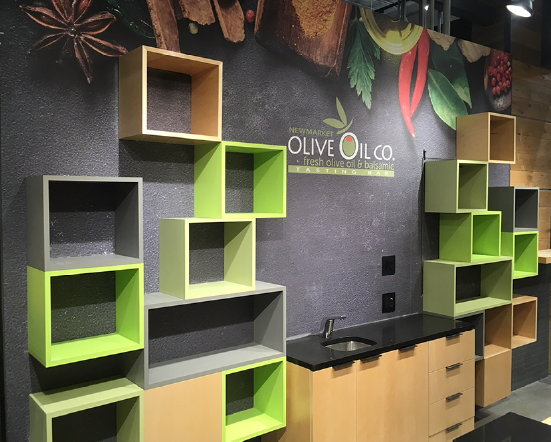
Newmarket Olive Oil Interior Design

The Strategic Importance of Office Wayfinding Investment

Investing in proper office wayfinding is essential for improving efficiency and enhancing the user experience in any workspace. Clear navigation aids in reducing stress and contributes to a more productive environment. Enhanced Productivity Effective wayfinding directly boosts employee productivity. When employees can navigate the office efficiently, they spend less time searching for meeting rooms, departments, or amenities. This streamlined movement allows for a greater focus on tasks and responsibilities. A well-designed wayfinding system eliminates distractions and interruptions that can arise from confusion. Furthermore, a smoother flow of people enhances collaboration opportunities, ultimately contributing to the overall success of projects and initiatives. Improved Visitor Experience Proper wayfinding significantly enhances the experience for visitors and clients. Visitors often find themselves overwhelmed in unfamiliar environments. An intuitive wayfinding system ensures that they can easily locate offices, conference rooms, and essential facilities without frustration. This positive first impression fosters a sense of professionalism and consideration, reflecting well on the organization. Moreover, a satisfying visitor experience encourages repeat business and builds strong relationships, which are crucial for success. Safety and Compliance Effective wayfinding systems play a vital role in safety and emergency preparedness. In the event of an emergency, clear signage and navigation are crucial for ensuring that individuals can evacuate quickly and safely. Proper wayfinding can help direct employees and visitors to exits or safe areas without panic. Furthermore, compliance with safety regulations often requires visible and understandable signage. Investing in wayfinding creates a safer environment, reducing liability and enhancing peace of mind for both employers and employees. Brand Identity and Aesthetics Wayfinding can reinforce brand identity through design and messaging. A well-designed wayfinding system integrates with the overall aesthetics of the office, reflecting the companys culture and values. Custom signage can communicate brand messaging and contribute to a cohesive environment. This attention to detail enhances both employee pride and visitor perceptions. An aesthetically pleasing wayfinding system not only serves a functional purpose but also elevates the workplace ambiance. Cost Efficiency Investing in wayfinding is a long-term cost-saving measure. Although the initial investment in wayfinding solutions may seem significant, it can lead to substantial savings over time. By reducing the time employees spend navigating offices and minimizing confusion, companies can boost productivity and reduce operational costs. Additionally, enhancing visitor satisfaction can lead to higher retention rates, ultimately supporting revenue growth. Therefore, the upfront costs can be justified through the subsequent benefits and savings. Technology Integration Modern wayfinding solutions can incorporate technology for enhanced functionality. Digital wayfinding technologies, such as interactive maps and mobile applications, provide real-time navigation support. These innovative solutions adapt to changes within the workplace and can guide users efficiently. Integrating technology also appeals to tech-savvy employees and clients, demonstrating a commitment to innovation. By leveraging such tools, organizations can provide superior orientation experiences that are not only functional but also engaging. Employee Satisfaction and Retention Investing in wayfinding contributes to higher employee satisfaction and retention. A workspace that is easy to navigate promotes a sense of comfort and belonging among employees. When individuals can find their way without hassle, it reduces frustration and creates a more pleasant working environment. Happy employees are more likely to stay with the company, lowering turnover rates. Investing in proper wayfinding can thus be seen not only as an operational necessity but also as a crucial component in fostering a positive workplace culture. Overall, investing in proper office wayfinding is a strategic decision that yields numerous benefits, including enhanced productivity, improved visitor experience, and stronger brand identity. The long-term rewards far outweigh the initial costs, making it a wise choice for any organization.

The Strategic Importance of Office Wayfinding Investment Read More »
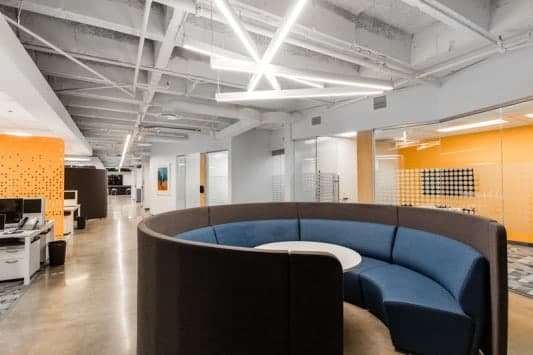
Lighting Interior Design by Studio Forma

Designing for Workplace Safety: Best Practices and Considerations

Creating a safe work environment is crucial for productivity and employee well-being. This article outlines effective design strategies to enhance workplace safety and mitigate risks. Understanding Safety Regulations Familiarize yourself with local safety codes and regulations. Before designing a workspace, its essential to understand the relevant safety regulations and codes that apply to your location. These regulations are often set by government bodies and outline mandatory safety standards to ensure employee protection. Compliance with these rules helps to avoid legal issues, fines, and potential harm to employees. Furthermore, staying updated on any changes in regulations is vital, as these can influence design decisions. Engaging with local safety experts may also provide additional insights into best practices specific to your industry. Incorporating Ergonomics Design workplaces to reduce physical strain on employees. Ergonomics plays a critical role in workplace safety by aiming to design tasks, workspaces, and tools to fit the employee’s needs. Implementing ergonomic principles reduces the risk of musculoskeletal disorders, which are common in many work environments. This can include adjustable workstations, appropriate seating, and tools designed for ease of use. Training employees on proper posture and how to use ergonomic equipment can further enhance safety. Ultimately, a well-designed ergonomic workplace contributes to greater employee satisfaction and productivity. Utilizing Safe Materials Select non-toxic, durable, and safe mateDesigning for Workplace Safety: Best Practices and Considerationsrials for the workplace. The choice of materials in workplace design significantly impacts safety and health. Non-toxic materials help reduce the risks associated with harmful chemicals and enhance indoor air quality. Additionally, using durable materials reduces the likelihood of wear and tear, which could lead to hazardous situations. For instance, flooring should be slip-resistant to prevent accidents, and partitions should not obstruct emergency exits. By prioritizing safe materials, employers can create a healthier and more secure work environment. Implementing Effective Lighting Ensure adequate and appropriate lighting throughout the workplace. Proper lighting is essential for workplace safety as it affects visibility and allows employees to perform tasks safely. Inadequate lighting can lead to accidents, while overly bright lights can cause glare, affecting concentration. Incorporating adjustable lighting options enables employees to customize their workspace according to their preferences. Moreover, strategic placement of lights in high-use areas can minimize the risk of hazards. Therefore, investing in quality lighting systems should be a fundamental consideration in workplace safety design. Creating Clear Pathways Design spaces with clear and unobstructed pathways. Clear pathways are vital in preventing accidents and ensuring efficient movement throughout the workplace. Cluttered walkways can lead to trips and falls, which are among the most common workplace injuries. Design should facilitate easy navigation and clearly indicate emergency exits and routes. Implementing signage that directs employees and visitors can further enhance workplace safety. Regularly maintaining these pathways by ensuring they are free of obstacles is also crucial in promoting a secure environment. Incorporating Safety Features Integrate safety features into the design of the workspace. Incorporating safety features like emergency alarms, fire extinguishers, and first-aid kits into the workplace design is essential for preparedness in emergencies. Design should include easily accessible safety equipment and clearly marked emergency exits. Regular safety drills can familiarize employees with these features, thereby enhancing their effectiveness in real emergencies. Additionally, investing in technology for monitoring safety conditions can be beneficial. By integrating these elements into the design from the outset, organizations can ensure a culture of safety. Engaging Employees in Safety Design Involve employees in the safety design process. Engaging employees in the design of safety features fosters a sense of ownership and responsibility for workplace safety. Employees can provide valuable insights based on their experiences and suggest improvements that may enhance safety. Surveys, focus groups, or safety committees can be effective in gathering this feedback. Furthermore, involving employees in safety training and discussions builds a culture of safety consciousness. Ultimately, collaboration on safety design contributes to a more proactive approach to workplace safety. Designing for workplace safety requires careful consideration of various factors, including regulations, ergonomics, materials, lighting, pathways, safety features, and employee involvement. By prioritizing these elements, organizations can create a safer, more productive work environment for everyone.

Designing for Workplace Safety: Best Practices and Considerations Read More »

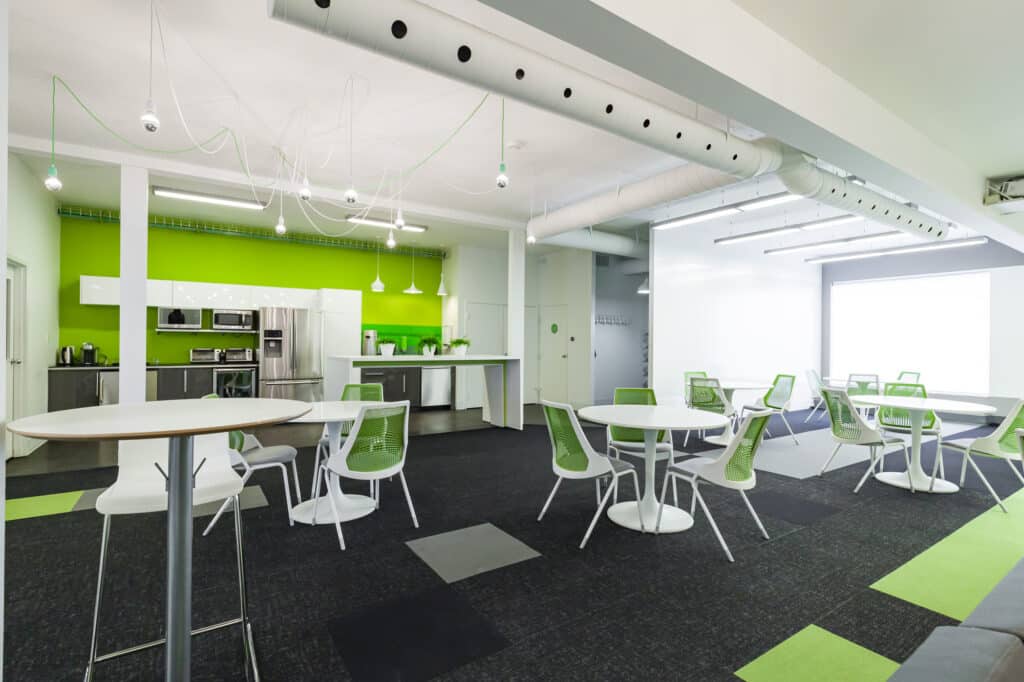
Open and Flexible Lunch and Training Room

The Transformative Benefits of Office Greenery and Plants

Incorporating greenery into office spaces can significantly enhance employee wellbeing and productivity. This article explores the multifaceted advantages of introducing plants into the workplace. Improved Air Quality Plants act as natural air purifiers. By absorbing carbon dioxide and releasing oxygen, indoor plants help to improve the overall air quality in office environments. Certain plants can also filter out common toxins found in the air, such as formaldehyde and benzene. This purification process can contribute to a healthier workspace, potentially reducing the incidence of workplace illnesses. Improved air quality leads to fewer sick days and higher employee satisfaction. Overall, healthier air promotes better cognitive function and enhances productivity. Enhanced Aesthetic Appeal Greenery brings vibrancy and life to otherwise sterile office environments. Adding plants to an office space can dramatically improve its aesthetic appeal, making it more inviting and pleasant. The presence of greenery can create a more relaxed atmosphere, which can have a positive influence on employee morale. A visually appealing workspace can inspire creativity and innovation. Interestingly, studies have shown that employees are more likely to report high job satisfaction in workplaces that incorporate elements of nature. Thus, a well-decorated environment can positively influence both employees and clients. Stress Reduction Plants can significantly reduce stress levels among employees. Research indicates that exposure to nature, even in the form of indoor plants, can lead to reduced stress and anxiety. The presence of greenery creates a calming environment, which can help employees feel more relaxed and focused. A less stressful workplace can improve overall job performance and decrease burnout. Furthermore, employees working in plant-rich environments often report lower levels of fatigue and improved concentration. This ultimately fosters a healthier workplace culture where employees feel valued and supported. Boosted Productivity Greenery has been linked to increased productivity levels. Studies have shown that employees who work in environments with plants tend to be more productive compared to those in sterile workspaces. The comforting presence of nature boosts creativity and encourages engagement in tasks. Furthermore, well-placed plants can help reduce noise levels, creating a more conducive work environment. Enhanced focus leads to improved work quality, which is beneficial for both employees and employers. Overall, the productivity increase can be a significant return on investment for businesses integrating greenery. Improved Employee Wellbeing Plants contribute to the emotional health of employees. Beyond physical health, the presence of greenery in the office can also enhance emotional wellbeing. Employees often feel a sense of peace and happiness when surrounded by nature. This emotional uplift can lead to increased collaboration and communication among team members. Additionally, plants can serve as a focal point for informal interactions, promoting a sense of community within the workplace. Such positive work environments can decrease employee turnover, leading to better retention rates. Creative Inspiration Plants can stimulate creativity and innovative thinking. The incorporation of plants can foster a more creative atmosphere, inspiring employees to think outside the box. Nature has a way of rejuvenating the mind, allowing for clearer thoughts and enhanced problem-solving abilities. A diverse environment with various plant species can spark curiosity and promote exploration in ideas and concepts. This can lead to more innovative solutions and projects, ultimately benefiting the company. As creativity flourishes, companies can remain competitive in their respective industries. Sustainability Practices Incorporating plants into the office supports sustainable practices. Embracing greenery reflects a companys commitment to sustainability and environmental responsibility. It demonstrates an understanding of the importance of a healthy planet and can enhance the companys image in the eyes of employees and clients alike. Sustainable practices can attract top talent, as more employees seek to work with organizations that prioritize environmental concerns. Furthermore, integrating plants can inspire a culture of eco-friendliness within the office, promoting further sustainability initiatives. Such actions not only benefit the environment but also positively impact corporate ethics. In summary, the benefits of incorporating greenery into office environments are vast and impactful. From enhancing air quality and reducing stress to promoting creativity and sustainability, plants are invaluable assets. Businesses that invest in office greenery stand to gain increased productivity, improved employee wellbeing, and a positive workplace culture.

The Transformative Benefits of Office Greenery and Plants Read More »

The Benefits of Choosing Commercial-Grade Office Furniture

Investing in commercial-grade office furniture can significantly enhance workplace productivity, comfort, and durability. This article explores the various advantages that come with selecting furniture designed for professional environments. Durability and Longevity Commercial-grade furniture is built to last. Unlike residential furniture, commercial-grade pieces are constructed using higher quality materials that withstand heavy use. This durability ensures that the furniture can endure the rigours of a busy office environment without showing signs of wear and tear. Additionally, many commercial-grade items come with warranties that attest to their robust construction. As a result, businesses can benefit from long-lasting investments that do not require frequent replacements. Overall, this durability correlates with lower long-term costs for businesses. Enhanced Comfort Comfort is critical for productivity in the workplace. Commercial-grade office furniture is designed with ergonomics in mind, promoting better posture and reducing fatigue. This focus on comfort can lead to a more productive workforce, as employees experience fewer distractions due to discomfort. The right office chairs, desks, and workstations are often adjustable, allowing customization for individual needs. Investing in comfortable furniture can also help reduce absenteeism, as employees are less likely to suffer from work-related injuries. Overall, a comfortable workspace contributes significantly to employee satisfaction and efficiency. Professional Aesthetics Commercial-grade furniture enhances the professional image of a business. The right furniture can create an inviting and professional atmosphere that impresses clients and visitors. High-quality finishes and sleek designs convey a sense of reliability and trustworthiness. This is crucial for businesses looking to establish a strong brand presence. A well-furnished office also fosters a positive working environment, boosting morale among employees. Ultimately, investing in aesthetically pleasing furniture reflects the companys commitment to professionalism and quality. Sustainability Many commercial-grade office furnitureThe Benefits of Choosing Commercial-Grade Office Furniture options are environmentally friendly. Sustainable furniture choices help reduce overall environmental impact, aligning corporate practices with eco-conscious values. Manufacturers of commercial-grade items often utilize responsibly sourced materials and sustainable production processes. By opting for such furniture, businesses can contribute to sustainability efforts while also attracting a customer base that prioritizes eco-friendliness. Furthermore, sustainable furniture often boasts durability, enhancing the value of the investment. This reflects both environmental responsibility and long-term economic sensibility. Customization Options Commercial-grade furniture can be tailored to suit specific business needs. Many suppliers provide a range of styles, colours, and configurations, allowing businesses to create a cohesive design that matches their brand identity. Customization can also address individual preferences in workflow and spatial needs, making the office layout more efficient. Whether it’s modular seating arrangements or specialized desk setups, tailored furniture solutions can optimize workspace functionality. This adaptability ultimately delivers a more personalized and effective work environment for teams. Health Benefits Healthier work environments can be achieved with the right office furniture. Commercial-grade office furniture often includes features designed to promote employee health, such as standing desks and adjustable chairs. These options facilitate movement and reduce the risk of sedentary-related health issues, such as obesity and cardiovascular disease. Providing employees with healthy options demonstrates a company’s commitment to their wellbeing, contributing to improved morale and productivity. In the long run, healthier employees are often more engaged and efficient, benefitting the organization as a whole. Cost-Effectiveness Investing in commercial-grade furniture can be more economical over time. Although the initial cost may be higher compared to residential furniture, the long-term savings from durability and reduced replacement frequency often outweigh the upfront expenses. Additionally, many businesses find that the productivity gains from having better quality furniture can significantly enhance profitability. By investing in commercial-grade options, organizations position themselves for long-term success, ensuring that they receive excellent value for their investment. Ultimately, this cost-effectiveness positions a business to allocate resources more efficiently. Selecting commercial-grade office furniture is a strategic decision that can yield substantial benefits in durability, comfort, and aesthetics, while promoting a healthy, productive work environment. By making this investment, businesses not only support employee well-being but also enhance their professional image and operational efficiency.

The Benefits of Choosing Commercial-Grade Office Furniture Read More »

Solutions 360 Office Interior Design

The Critical Importance of Effective Office Lighting Control

Proper office lighting control is essential for enhancing productivity and employee well-being. Balanced illumination can significantly impact workplace dynamics and overall job satisfaction. Enhancing Productivity Proper lighting can significantly increase employee productivity. Research indicates that well-lit environments boost focus and reduce fatigue. When employees are provided with optimal lighting conditions, they can perform tasks more efficiently. Insufficient lighting can lead to eye strain and decreased concentration, negatively affecting work output. Moreover, adjustable lighting options allow employees to tailor their environments to suit specific tasks, further enhancing productivity. In essence, investing in effective lighting solutions is tantamount to investing in workforce efficiency. Improving Employee Well-Being Good lighting promotes better mental health among employees. An adequately lit workspace can improve mood and lower stress levels. Studies suggest that exposure to natural light can counteract feelings of anxiety and depression, fostering a more positive work atmosphere. By providing dynamic lighting options, such as adjustable brightness and colour temperatures, employers can create an environment that accommodates individual preferences. This not only supports mental health but also encourages collaborative work and creativity. A focus on lighting control reflects a commitment to employee welfare. Enhancing Visual Comfort Effective lighting control reduces visual discomfort. Properly designed lighting prevents glare and harsh shadows that can cause visual fatigue. A well-lit office minimizes the risks associated with eye strain, which is often exacerbated in environments with poor lighting. The use of adjustable fixtures allows employees to modify lighting according to their needs, ensuring visual comfort. Furthermore, thoughtful colour choices in lighting can enhance the aesthetic appeal of the workspace while promoting a cohesive design. Ultimately, visual comfort is integral to maintaining a productive working environment. Energy Efficiency and Sustainability Smart lighting solutions contribute to energy conservation. Implementing lighting control systems can lead to substantial energy savings. By utilizing sensors and timers, businesses can reduce unnecessary energy consumption when spaces are unoccupied. Energy-efficient lighting options, such as LED fixtures, also play a critical role in minimizing environmental impacts. Moreover, companies that emphasize sustainability often see improved public perception and employee satisfaction. In today’s world, energy-efficient solutions are not just beneficial; they are essential for responsible business practices. Safety and Security Adequate lighting plays a crucial role in ensuring workplace safety. Inadequate lighting can lead to accidents and injuries within the workplace. Properly lit areas enhance visibility in critical zones such as stairwells and entrances, reducing the risk of falls and security issues. Furthermore, an intelligent lighting control system can automatically adjust lighting levels based on time of day or occupancy, thereby improving safety protocols. A clear commitment to safety through effective lighting reflects a proactive workplace culture, ultimately fostering trust among employees. The Role of Daylight Integration Integrating natural light into office design is beneficial. Access to natural light has been linked to various health benefits, including improved mood and cognitive function. Strategic placement of windows and skylights can enhance daylight penetration, reducing reliance on artificial lighting. This natural integration not only lowers energy costs but also creates a more appealing workspace. Employees exposed to natural light are likely to report higher job satisfaction and overall well-being. Thus, integrating daylight effectively can significantly impact both employee morale and productivity. Adaptive Lighting Technologies Modern adaptive lighting technologies offer unprecedented flexibility. These technologies enable unique lighting adjustments based on individual preferences and tasks. Systems that utilize app-controlled lights allow employees to customize their work environments to suit specific needs, promoting comfort and efficiency. Furthermore, adaptive lighting can adjust automatically throughout the day to mimic natural changes in sunlight, providing circadian rhythm support. By embracing these advancements, companies can create a tailored lighting experience that enhances workplace dynamics. In conclusion, effective office lighting control is not merely an aesthetic consideration; it is crucial for productivity, employee well-being, visual comfort, energy efficiency, safety, and adaptability. Investing in advanced lighting solutions significantly benefits both employees and businesses, promoting a healthier and more efficient workplace.

The Critical Importance of Effective Office Lighting Control Read More »

Creating a Productive Individual Workspace: Key Strategies for Success

An effective workspace is crucial for maintaining productivity and focus. By optimizing your environment, you can enhance your work experience and efficiency. Organize Your Space Thoughtfully A clutter-free workspace promotes better concentration. Eliminating unnecessary items from your desk can significantly reduce distractions. Organizing essential tools and documents in a way that makes them easily accessible helps in maintaining a flow during work tasks. Utilize drawer organizers or file systems to keep everything in its place. Consider placing only the most critical items on your desk to minimize chaos. This intentional clutter reduction can lead to clearer thinking and improved task management. Choose the Right Ergonomics Proper ergonomics prevent discomfort and promote productivity. Investing in an ergonomic chair and desk can make a world of difference in your workspace comfort. Adjust the height of your chair and desk to ensure your feet are flat on the ground and your wrists are straight while typing. Position your monitor at eye level to avoid straining your neck. Taking these precautions not only enhances comfort but also promotes better posture, which can lead to increased focus and fewer work-related ailments. Incorporate Natural Light Natural light boosts mood and energy levels. Positioning your workspace near a window can improve your overall work experience significantly. Exposure to natural light has been shown to enhance mood, reduce stress, and increase alertness. If natural light is limited, consider using full-spectrum light bulbs that mimic daylight. Allowing in light also helps in maintaining a more balanced circadian rhythm, which can positively impact your overall well-being during work hours. Personalize Your Environment A personalized workspace fosters a sense of belonging. Incorporating personal items, such as photos, artwork, or plants, can create a welcoming atmosphere. Personalization not only makes the workspace feel more comfortable but also inspires creativity. Adding elements that resonate with your personality can boost your engagement and emotional connection to your work. Ensure that your decor doesnt become a distraction, but instead acts as a subtle reminder of your goals and values. Limit Distractions Identifying and mitigating distractions is essential for focus. Assess your workspace for potential distractions, such as noise, movement, or digital interruptions. Consider using noise-cancelling headphones or creating sound barriers if noise is an issue. Additionally, silencing notifications on your devices can help maintain your focus. Setting boundaries with colleagues or housemates can also prevent disruptions during your work hours. By creating a focused environment, you can better concentrate on your tasks and enhance productivity. Establish Clear Boundaries Defining work hours helps to create a balanced lifestyle. Establishing a schedule for your work hours helps delineate your professional and personal time. Communicating this schedule to others can minimize interruptions and enhance your productivity. Designate a specific workspace if possible, which reinforces the notion of ‘work mode.’ When you step away from this space after hours, its a cue for your brain to relax and transition to personal time, helping to prevent burnout. Utilize Technology Wisely Technology can streamline tasks and enhance efficiency. Choosing the right tools and applications is vital for maximizing productivity. Project management software can help you keep track of tasks and deadlines, while time management apps can assist in maintaining focus. Learn shortcuts for frequently used programs to save time. However, be cautious about becoming overwhelmed with too many tools, as this can lead to distractions rather than efficiencies. Balance is key in leveraging technology for a productive workspace. By implementing these strategies, you can create a workspace that enhances productivity and well-being. A well-organized and personalized environment not only improves focus but also fosters creativity and motivation.

Creating a Productive Individual Workspace: Key Strategies for Success Read More »

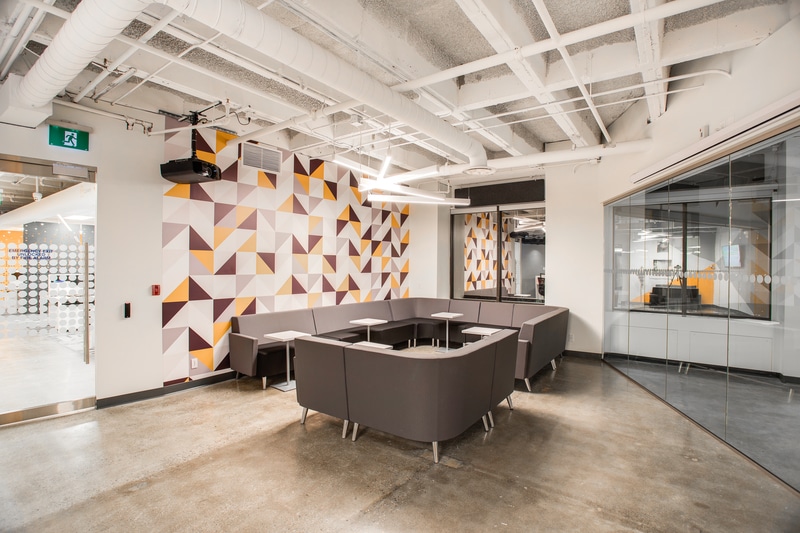
Community in your office space

The Importance of Investing in Office Air Purification Systems

In today’s work environment, the quality of indoor air is crucial for employee health and productivity. Investing in office air purification systems is not just a trend; it’s a necessary step for creating a safe and conducive workplace. Health Benefits of Clean Air Improved respiratory health is a significant advantage of air purification. Quality air purification systems help remove pollutants and allergens from the air, leading to fewer respiratory issues among employees. Studies have shown that workplaces with effective air filtration significantly reduce instances of asthma and other chronic conditions. Cleaner air contributes to overall well-being, enhancing the quality of life for employees. Furthermore, reducing airborne contaminants can lead to fewer sick days, which directly benefits workplace productivity. By investing in air purification, companies not only care for their employees health but also demonstrate their commitment to a safer work environment. Enhanced Productivity Cleaner air can lead to improved cognitive function and productivity. Research indicates a direct link between indoor air quality and cognitive performance. Employees exposed to clean, purified air report higher levels of concentration, decision-making abilities, and overall productivity. In contrast, poor air quality can lead to fatigue and decreased motivation. Implementing an office air purification system helps create an environment where employees can thrive and perform at their best. Businesses that prioritize such initiatives often see a return on investment through enhanced performance and creativity among their teams. Mitigating Sick Building Syndrome Air purification systems can significantly reduce symptoms associated with Sick Building Syndrome. Sick Building Syndrome (SBS) refers to a situation where occupants experience health issues that seem linked to time spent in a particular building, often due to poor air quality. Investing in air purification can help alleviate these symptoms by removing harmful substances from the workplace. This can result in a more comfortable work environment, which not only boosts morale but also reduces the likelihood of employee turnover. Addressing SBS through air quality measures demonstrates an employer’s responsibility toward employee health. Ultimately, combating these issues enhances the organization’s reputation as a desirable workplace. The Importance of Investing in Office Air Purification SystemsCompliance with Health Standards Air purification systems can help ensure compliance with health regulations. Various guidelines and standards exist regarding indoor air quality, especially in commercial spaces. By investing in air purification systems, businesses can not only align with these regulations but also exceed them. Compliance not only prevents potential fines but also promotes a culture of health and safety within the organization. Furthermore, demonstrating adherence to health regulations enhances corporate credibility and can attract clients who value safety. As the focus on workplace health continues to grow, being proactive in air quality management is a strategic move. Environmental Sustainability Investing in air purification contributes to a companys sustainability goals. Many modern air purification systems are designed to be energy-efficient, reducing overall energy consumption. By choosing environmentally friendly options, businesses not only improve indoor air quality but also lessen their carbon footprint. This action aligns with the growing corporate responsibility trend toward sustainability and environmental conservation. Companies that adopt such measures can often enhance their brand image and appeal to environmentally conscious consumers and employees alike. Moreover, a reputation for sustainability can be a significant competitive advantage in today’s market. Cost-Effectiveness in the Long Run Investing in air purification can save costs over time. Though the initial investment in air purification systems may seem daunting, the long-term cost savings are considerable. By reducing employee illness and absenteeism, businesses can lower healthcare costs and maintain productivity levels. Additionally, effective air purification extends the lifespan of HVAC systems by reducing dust and other particulates, decreasing maintenance expenses. The financial benefits, therefore, can outweigh the costs significantly, making it a prudent investment for any office environment. Ultimately, companies that prioritize air quality enhance their financial performance as well. Customer and Client Perception Clean air can influence customer perception positively. First impressions matter, and the air quality in an office can play a crucial role in shaping how clients perceive a company. An environment with clean air reflects professionalism and a commitment to wellness, which can enhance customer trust. This is particularly vital for businesses that frequently host client meetings or interviews. Additionally, showcasing a dedication to employee health can resonate with clients who prioritize corporate social responsibility. By investing in air purification, businesses can strengthen their brand image and build lasting relationships with clients. In conclusion, investing in office air purification systems is a strategic decision that yields numerous benefits, from enhancing employee health and productivity to positively influencing client perceptions. As the importance of indoor air quality continues to grow, businesses that prioritize such initiatives will not only comply with health regulations but also position themselves as leaders in promoting a safe and sustainable work environment.

The Importance of Investing in Office Air Purification Systems Read More »

The Essential Role of Lumbar Support in Office Chairs

Proper lumbar support in office chairs is crucial for maintaining spinal health and overall comfort during prolonged sitting. It helps prevent back pain and promotes better posture, which is essential in today’s work environment. Understanding Lumbar Support Lumbar support is designed to maintain the natural curve of the spine. It provides targeted pressure relief to the lower back, where stress tends to accumulate during extended periods of sitting. This feature helps to fill the gap between the seat and the lower back, encouraging a more neutral spinal position. By supporting the lumbar region, individuals can avoid slumping or leaning forward, which can lead to discomfort. Proper lumbar support can also make long working hours more manageable by reducing fatigue. In summary, effective lumbar support is integral to office chair design, influencing overall ergonomics. Reducing Back Pain Proper lumbar support significantly reduces the likelihood of developing chronic back pain. Many office workers complain of lower back discomfort due to prolonged sitting. An ergonomically designed chair with sufficient lumbar support helps distribute body weight evenly, decreasing strain on the lumbar spine. This proactive measure can prevent the onset of conditions such as herniated discs or sciatica, which are often exacerbated by poor sitting posture. Additionally, reducing pain leads to increased productivity because employees are less likely to be distracted by discomfort. Ultimately, investing in lumbar support is a long-term solution for a prevalent workplace issue. Promoting Better Posture Good lumbar support encourages better posture while sitting. When lumbar support is correctly positioned, it helps keep the spine’s natural alignment, thereby promoting an upright posture. This position minimizes stress on the muscles and ligaments, allowing for better blood circulation and oxygen flow. Good posture not only reduces fatigue but also enhances focus and productivity levels. Furthermore, it can prevent the development of musculoskeletal disorders that arise from poor sitting habits. Ultimately, investing in an office chair with proper lumbar support fosters a healthier work environment. Enhancing Comfort Levels Lumbar support enhances overall comfort during long working hours. A comfortable workspace is essential for maintaining concentration and productivity. A chair with adequate lumbar support shapes to the users body, reducing pressure points and allowing for a more relaxed sitting experience. Enhanced comfort translates into less shifting and fidgeting, which can disrupt workflow. Employees are more likely to stay focused and efficient when they are not preoccupied with discomfort. Thus, lumbar support plays a pivotal role in creating a conducive work atmosphere. Increasing Productivity Proper lumbar support is linked to increased workplace productivity. When employees experience less discomfort and back pain, they can concentrate better on their tasks. This focus translates to higher efficiency and quality of work. Furthermore, a comfortable workspace reduces the need for frequent breaks to stand or stretch, allowing for consistent workflow. Organizations that prioritize lumbar support in their office furniture see tangible benefits in their employees’ performance. In this way, investing in ergonomic seating becomes not just a health choice but a smart business decision. Long-term Health Benefits Proper lumbar support contributes to long-term spinal health. Ergonomically designed chairs with effective lumbar support promote proper spinal alignment, which can prevent the deterioration of spinal structures over time. Investing in lumbar support is essential for maintaining the integrity of the spine as one ages. Furthermore, a proactive approach to spinal health can decrease future medical expenses related to back problems. In essence, reducing the risk of chronic issues enhances both individual wellness and workplace morale. Thus, the long-term health advantages of lumbar support cannot be overstated. Choosing the Right Office Chair Selecting an office chair with adjustable lumbar support is essential. A chair that offers customizable lumbar features can be tailored to fit each user’s specific needs. This adjustability allows individuals to find the optimal level of support for their unique spine curvature. Additionally, a chair with height, depth, and angle adjustments helps ensure a comprehensive ergonomic setup. When selecting an office chair, it is wise to prioritize those with good lumbar support options. Doing so paves the way for a healthier workspace and enhances the overall work experience. In conclusion, proper office chair lumbar support is vital for enhancing comfort, preventing back pain, and promoting long-term health. By prioritizing lumbar support, individuals and organizations can create a more productive and sustainable work environment.

The Essential Role of Lumbar Support in Office Chairs Read More »

Incorporating Brand Colors in Office Design for Maximum Impact

Integrating brand colors into office design not only enhances the aesthetic appeal but also strengthens brand identity. This article explores essential strategies for effectively incorporating these colors into your work environment. The Importance of Brand Colors Brand colors convey your company’s identity and values. Choosing the right colors for your workplace is crucial as they evoke emotions and perceptions associated with your brand. When employees and clients enter your office, the colors should resonate with the brand ethos. A well-thought-out color scheme can foster a sense of belonging among employees and create a welcoming atmosphere for clients. Understanding the psychological impact of color can guide your decisions in creating an immersive brand experience that enhances productivity and engagement. Creating a Cohesive Color Palette A cohesive color palette is necessary for visual harmony. To achieve a balanced office design, it’s essential to utilize a cohesive color palette that reflects your brand’s primary and secondary colors. Consider the architectural features and natural light of the space when selecting these colors, as they can significantly impact how the hues appear. Using various shades and tints of the brand colors can also provide depth without overwhelming the environment. This attention to detail ensures that the office not only looks attractive but also remains functional and comfortable for daily operations. Incorporating Colors Strategically Strategic placement of colors can influence mood and productivity. Integrating brand colors involves more than just painting the walls; it’s about strategic placement throughout the office. For instance, using brighter colors in collaboration areas can stimulate creativity and teamwork, while softer hues in break rooms can promote relaxation. Consider different surfaces such as furniture, accent walls, and decor items to showcase your brand colors in a way that feels natural. This strategy not only reinforces brand recognition but also aligns the workspace with the desired emotional tone for specific areas. Assessing Employee Response Employee feedback is crucial for effective implementation. Before making significant changes, seek input from employees regarding their comfort and preferences related to color. Conduct surveys or discussions to gauge their reactions to proposed designs featuring brand colors. Employees who feel valued in the design process are more likely to embrace the changes and enjoy their work environment. Additionally, this input can guide you in making adjustments tailored to the collective taste of your workforce, thereby promoting a sense of ownership and engagement. Utilizing Color Psychology Color psychology helps shape the workplace atmosphere. Understanding the psychological impact of colors can enhance the overall workplace experience. For example, blue tones can induce feelings of calm and focus, making them suitable for areas where concentration is key. Conversely, warmer colours like yellow can stimulate energy and alertness, ideal for dynamic environments. By deliberately selecting colors based on their psychological effects, businesses can create an office space that not only reflects their brand but also supports employee well-being and productivity. Showcasing Brand Identity Visual elements should reinforce brand identity. Incorporate visual elements such as artwork, signage, and textiles that incorporate your brand colors to create an immersive environment. These elements should echo the ethos of your brand while enhancing the overall decor. For instance, wall art can illustrate your company’s mission using relevant shades from your palette, serving as a constant reminder of shared goals. By embedding your colors in various aspects of the workplace, you reinforce brand identity and create a unified atmosphere. Adapt and Evolve Be open to evolving color usage based on feedback and trends. As brand perceptions can shift over time, it’s essential to remain adaptable with your office design. Solicit feedback periodically to understand whether the color choices still resonate with employees and clients. Additionally, keep an eye on design trends that might offer fresh insights into effectively using brand colors in the workspace. Evolving the color scheme, while maintaining brand integrity, can enhance the overall work environment and demonstrate a commitment to a contemporary, responsive company culture. Incorporating brand colors into office design is a multifaceted approach that fosters a strong identity, enhances aesthetics, and supports employee well-being. By thoughtfully selecting and implementing these colors throughout your workspace, you can create an environment that embodies your brand and motivates your team.

Incorporating Brand Colors in Office Design for Maximum Impact Read More »

The Significance of Thoughtful Office Kitchen Design

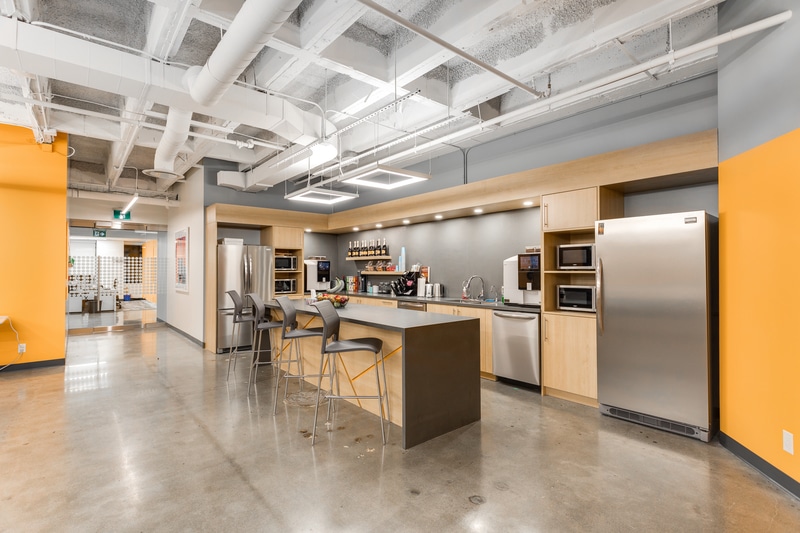
A well-designed office kitchen is more than just a place for employees to grab snacks; it plays a crucial role in promoting productivity and workplace satisfaction. This article explores the various aspects of kitchen design and its impact on employee well-being and team dynamics. Enhancing Employee Collaboration A well-configured kitchen fosters interaction among employees. When the kitchen is designed as a communal space, it encourages employees to engage with one another during breaks. This interaction can lead to improved relationships and collaboration, as employees from different departments can share ideas and insights. An inviting layout, complete with comfortable seating and open areas, can significantly promote a sense of community. Furthermore, informal discussions that occur in the kitchen space can often lead to innovative solutions and teamwork. Ultimately, collaboration in shared spaces enhances organizational culture. Promoting Employee Health Proper kitchen design directly influences employee health and wellness. An effectively designed office kitchen can facilitate healthier eating habits by providing access to nutritious food options and encouraging meal preparation. By incorporating appliances such as microwaves, toasters, and refrigerators, employees have the opportunity to bring and prepare healthy meals. This accessibility can reduce the reliance on takeout and fast food options, promoting better overall health. A space that emphasizes cleanliness and proper storage can also encourage hygienic practices and reduce illness in the workplace. Ultimately, a focus on health can lead to lower absenteeism and higher productivity. Increasing Workplace Productivity An efficient kitchen layout contributes to a more productive work environment. Office kitchens designed with productivity in mind can significantly reduce downtime during breaks. Streamlining the kitchen experience, such as having easy access to coffee and snacks, allows employees to recharge quickly and return to work revitalized. Furthermore, a well-organized kitchen can help minimize clutter and confusion, allowing for smoother operations. Incorporating user-friendly designs can enhance workflow, making it easier for employees to prepare refreshments without unnecessary delays. Ultimately, the design of the kitchen space contributes to a more efficient use of time. Encouraging Creativity A thoughtfully designed office kitchen can be a catalyst for creativity. When employees feel relaxed and comfortable in a kitchen space, they are more likely to engage in creative thinking. The kitchen can serve as a casual environment for brainstorming and collaboration, where ideas flow more freely. Providing amenities like whiteboards or brainstorming corners in the kitchen can further enhance creative discussions. Additionally, offering a variety of seating options can accommodate different work styles, helping foster an atmosphere conducive to innovation. Thus, a well-considered kitchen design impacts both individual and team creativity. Fostering Employee Engagement A vibrant kitchen space can boost employee morale and engagement. Creating an inviting and aesthetically pleasing kitchen environment can significantly enhance employee satisfaction. Elements such as bright colours, modern appliances, and comfortable furniture contribute to a positive atmosphere. This can translate into improved employee engagement, as individuals feel valued and appreciated in a welcoming space. Regular team activities or health initiatives held in the kitchen can also promote a sense of belonging and community. Engaged employees are more likely to contribute positively to the organization’s overall success. Facilitating Sustainability Sustainable kitchen designs promote environmental responsibility. Incorporating eco-friendly practices into office kitchen design can foster a culture of sustainability within the workplace. This includes using energy-efficient appliances, implementing recycling stations, and encouraging the use of reusable dishware. Educating employees about sustainable practices helps raise awareness and promotes responsible consumption. By prioritizing sustainability, the workplace not only reduces its environmental footprint but also attracts employees who value corporate responsibility. An emphasis on sustainability can enhance company reputation and employee pride. Saving Costs in the Long Run Investing in quality kitchen design can lead to significant cost savings. Although the initial investment in a well-designed office kitchen may seem high, the long-term financial benefits can be substantial. By minimizing waste through efficient storage solutions and encouraging healthier eating habits, companies can reduce healthcare costs associated with employee illness. Additionally, improved morale and productivity can lead to lower turnover rates, saving on recruitment and training expenses. An office kitchen that meets employee needs reduces the likelihood of out-of-office lunches, saving both time and money. Ultimately, a strategic investment in kitchen design pays off. In summary, a thoughtfully designed office kitchen is a vital investment for any organization aiming to enhance employee satisfaction, health, and productivity. By fostering collaboration, promoting wellness, and encouraging creativity, a proper kitchen design positively influences the workplace environment and overall business success.

The Significance of Thoughtful Office Kitchen Design Read More »