August 17, 2024

Fenn and Fenn Insurance Interior Design

The Benefits of Choosing Modular Office Partitions

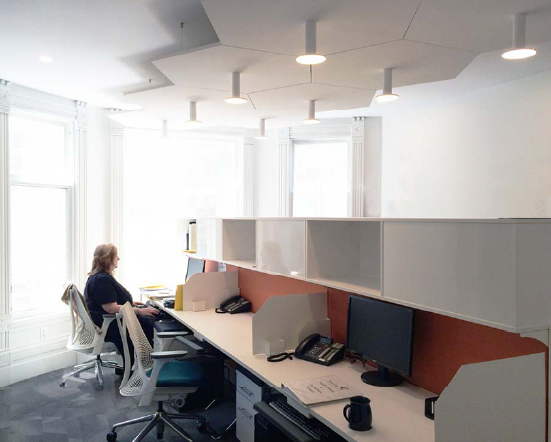
Modular office partitions are becoming increasingly popular among businesses seeking to optimize their workspace. With their versatility and cost-effectiveness, these solutions cater to a variety of office needs, promoting both functionality and aesthetic appeal. Flexibility and Adaptability Modular office partitions provide immense flexibility in layout design. These partitions can be easily rearranged to accommodate changing office needs or team structures. As businesses grow or shift focus, modular systems allow for quick reconfiguration without significant downtime or renovation costs. This adaptability makes them ideal for dynamic work environments where collaboration and project needs vary frequently. Moreover, they help create a customized working atmosphere that aligns with the companys evolving objectives. Cost-Effectiveness Choosing modular office partitions can significantly reduce overhead costs. Unlike traditional construction, the installation of modular partitions often requires less time and fewer resources. This translates into savings on labour costs and material expenses. Moreover, the ability to reuse and relocate these partitions eliminates the need for continual renovation, saving on future expenses. Businesses can invest in quality materials that not only enhance the look of the office but also have a longer lifespan, thereby providing better value over time. Enhanced Privacy and Acoustics Modular partitions offer improved sound insulation and privacy. In open office layouts, noise can be a significant distraction. Modular office partitions help mitigate this issue by creating separate spaces that can reduce sound transmission. Many partitions come with enhanced acoustic properties, which are essential for environments where confidentiality or concentration is key. This is particularly beneficial for industries like finance or legal services, where privacy is paramount. By improving acoustic comfort, firms can boost employee productivity and overall job satisfaction. Quick Installation and Setup The installation process for modular office partitions is rapid and efficient. Traditional construction methods can be time-consuming and disruptive, often leading to extended downtimes. In contrast, modular partitions allow for an almost immediate setup, with many systems designed for simple assembly. This allows businesses to transition into their new workspace swiftly, reducing the time spent on logistical challenges. Such efficiency proves invaluable for businesses needing to maintain operations without interruption during renovations or expansions. Sustainability and Eco-Friendliness Modular office partitions are often more environmentally friendly than traditional construction. As companies become increasingly mindful of their environmental footprint, modular solutions present a sustainable option. Many manufacturers utilize recycled materials in their products, contributing to less waste in landfills. Furthermore, the ability to repurpose and relocate partitions reduces the need for new manufacturing, aligning with eco-friendly practices. Businesses can thus showcase their commitment to sustainability, enhancing their brand image among eco-conscious consumers and employees. Aesthetic Appeal Modular office partitions come in a variety of designs and finishes. This variety ensures that businesses can select options that reflect their brand and culture. From modern glass panels to aesthetically pleasing fabric-covered partitions, these solutions can enhance the visual identity of an office space. Moreover, the ability to customise colours, finishes, and styles allows businesses to create a unique environment that fosters creativity and employee engagement. An attractive workspace not only motivates staff but also leaves a positive impression on clients and visitors. Future Expansion Modular office partitions facilitate future expansion of workspaces. As companies evolve, the need for additional office space may arise unexpectedly. Modular partitions can be easily extended or adjusted to create new areas without the need for extensive construction. This scalability is particularly beneficial for startups and rapidly growing businesses that require an agile office setup. By opting for modular solutions, businesses can future-proof their work environments and stay adaptable to market demands. In conclusion, modular office partitions offer a versatile, cost-effective, and aesthetically pleasing solution for modern workspaces. Their adaptability, ease of installation, and potential for improved privacy and sustainability make them an ideal choice for businesses looking to enhance their operational efficiency and workplace environment.

The Benefits of Choosing Modular Office Partitions Read More »
Creating an Effective Video Conferencing Setup for Maximum Productivity

Video conferencing has become an essential tool for communication in both professional and personal settings. A well-organized setup can significantly enhance the quality of virtual meetings and ensure productivity. Choosing the Right Space Select a Quiet and Private Location. The importance of choosing a quiet space cannot be overstated; background noise can be highly distracting. Opt for a room where interruptions are minimal, enabling focused discussions. Ensure that the location you choose is well-lit and visually appealing. A clean and organized environment contributes positively to the overall impression during video calls. Additionally, consider the layout of the space to avoid any potential distractions that might arise from your surroundings. Investing in Quality Equipment Utilize High-Quality Audio and Visual Gear. Investing in good microphones and cameras significantly impacts the clarity of communication during video conferences. Poor audio quality can lead to misunderstandings and frustration. A high-definition camera can enhance your professionalism and engagement in meetings. Additionally, consider using noise-cancelling headphones to improve audio clarity for yourself. Investing in equipment tailored to your specific needs can elevate the overall experience of your virtual interactions. Ensuring Strong Internet Connectivity Prioritize a Stable and Fast Internet Connection. A robust internet connection is crucial for uninterrupted video conferencing. Wi-Fi fluctuations can lead to lags, dropped calls, and frustration among participants. Consider a wired connection if possible, as it generally provides more stability than Wi-Fi. Regularly check your internet speed to ensure it meets the requirements for video conferencing. This proactive approach helps maintain a smooth and efficient communication flow, allowing everyone to focus on the agenda without technical interruptions. Setting Up Your Technology Organize Your Technology for Efficiency. Having your devices well arranged and easily accessible can streamline the conferencing experience. Ensure that your computer, webcam, and any additional devices are within reach and properly set up before the meeting starts. Familiarize yourself with the video conferencing platform you will be using and ensure all necessary software is updated to the latest version. Test equipment ahead of time to troubleshoot any issues that might arise, allowing you to join the meeting with confidence. Practising Good Etiquette Maintain Professional Conduct During Meetings. Establishing and maintaining proper etiquette in virtual meetings is vital for a productive environment. Always be punctual; joining a few minutes early allows technical issues to be addressed beforehand. Mute your microphone when not speaking to minimize background distractions. Additionally, be attentive and avoid multitasking, which can detract from your engagement during discussions. This professional approach enhances collaboration and respect among team members. Engaging with Participants Encourage Active Participation from All Attendees. Fostering an inclusive atmosphere in video conferences promotes productivity and collaboration. Encourage all participants to contribute to discussions by asking open-ended questions and assigning roles when necessary. Utilize features like breakout rooms for smaller group discussions to ensure that everyone has a voice. Being intentional about engagement keeps the conversation flowing and helps participants feel valued. This not only enhances the quality of meetings but also strengthens team cohesion. Post-Meeting Follow-Up Conduct a Follow-Up After Meetings. Following up after video conferences solidifies understanding and action items that were discussed. Send out notes summarizing key points, decisions made, and responsibilities assigned. This prevents miscommunication and ensures everyone is aligned moving forward. Encourage feedback on the meeting’s effectiveness to identify areas of improvement for future sessions. A thoughtful follow-up reinforces the importance of collaborative work and enhances the overall productivity of your team. Creating a productive video conferencing setup involves careful consideration of space, technology, and etiquette. By implementing these strategies, you can enhance the quality and effectiveness of your virtual meetings, allowing for seamless communication and collaboration.

Creating an Effective Video Conferencing Setup for Maximum Productivity Read More »

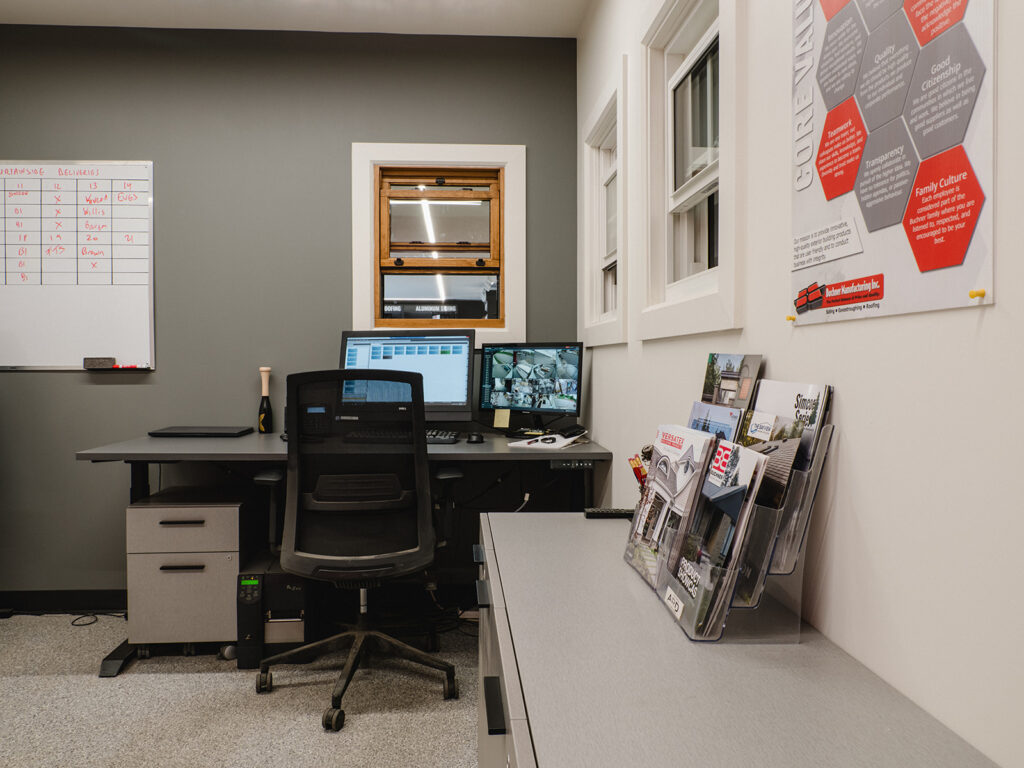
Office Interior Design Buchner Manufacturing Kingston

The Essential Advantages of Proper Office Chair Armrests

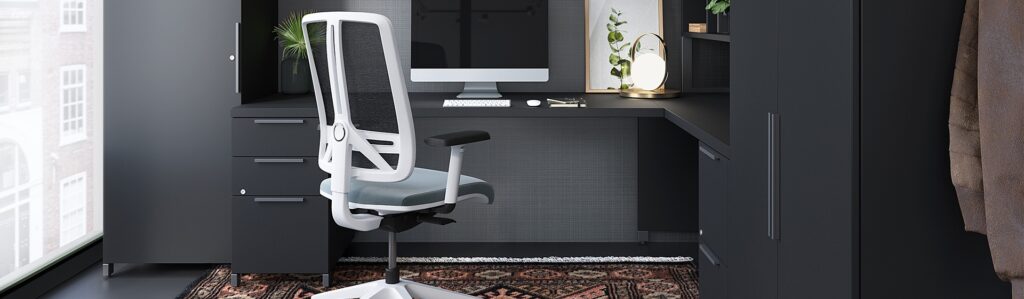
Proper office chair armrests play a critical role in enhancing workplace ergonomics and reducing discomfort. Their design and functionality significantly contribute to a healthier and more productive working environment. Improved Posture Armrests help maintain optimal posture while seated. By providing support for the arms, office chair armrests encourage users to sit up straight, reducing the tendency to slouch. Good posture is essential for preventing strain on the spine and neck, which can lead to chronic pain. When the arms are well-supported, the shoulder muscles relax, decreasing tension in that area. This alignment fosters an overall better sitting position, which can be sustained throughout the workday. Therefore, investing in a chair with proper armrests promotes long-term health benefits for employees. Reduced Fatigue Proper armrests can significantly reduce fatigue during long hours of work. When the arms are supported, the muscles do not have to work as hard to maintain position, contributing to less overall fatigue. This is particularly beneficial during extended periods of typing or using a mouse, where repetitive motions can strain the upper body. Employees are more likely to remain focused and productive when they do not feel discomfort. Hence, incorporating adjustable armrests can allow users to tailor their seating experience for optimal comfort, thereby increasing productivity throughout the day. Enhanced Workspace Flexibility Armrests that adjust provide users with flexibility for various tasks. Having adjustable armrests allows users to customize their chair to better suit their individual height and desk setup. This adaptability means employees can easily transition between different tasks, such as writing or typing, without experiencing discomfort. For instance, lowering the armrests may be ideal for tasks requiring closer proximity to the desk. This versatile feature accommodates a wide range of body types and working styles, ultimately contributing to an inclusive workspace that meets diverse needs. Decreased Risk of Injuries Armrests can help mitigate the risk of repetitive strain injuries. By providing support and promoting better ergonomics, armrests decrease the likelihood of developing conditions such as carpal tunnel syndrome or shoulder impingement. These injuries often result from improper alignment and prolonged strain on muscles and tendons. Armrests encourage users to maintain a more neutral wrist position, which is crucial for preventing repetitive strain. This preventive measure not only protects employees’ well-being but can also reduce costs associated with workplace injuries. Improved Blood Circulation Well-designed armrests promote better blood flow in the upper body. When arms hang freely without support, circulation can be impeded, leading to discomfort and numbness. Supported arms help maintain blood circulation, which is vital for sustaining energy levels and cognitive function. This support minimizes the risk of developing conditions associated with poor circulation, including varicose veins. By enhancing circulation in the upper body, employees can experience fewer symptoms of soreness and enhance their overall work performance. Increased Comfort Comfortable armrests contribute to an overall pleasurable work environment. A critical component of an effective office chair, comfortable armrests enhance the overall experience of being seated for long periods. When employees feel comfortable, they are less distracted by discomfort, leading to better focus on tasks. Furthermore, a pleasant work environment can improve employee morale and motivation. Armrests that are padded and ergonomically designed encourage users to remain seated longer, fostering a more engaged workforce that values comfort. Enhanced Aesthetic Appeal Stylish armrests contribute positively to the office’s aesthetics. An office environment that combines functionality with style can significantly improve employee satisfaction. Armrests come in various designs and materials to match different office styles, contributing to a cohesive and professional look. Aesthetically pleasing furniture can create an inviting atmosphere that encourages productivity. Moreover, the appearance of quality office furniture can also impress clients and visitors, showcasing the company’s commitment to a well-designed workplace. In conclusion, proper office chair armrests provide numerous benefits ranging from improved posture to increased comfort. By addressing various ergonomic needs, they contribute to a healthier workspace, reduce the risk of injuries, and enhance overall productivity.

The Essential Advantages of Proper Office Chair Armrests Read More »

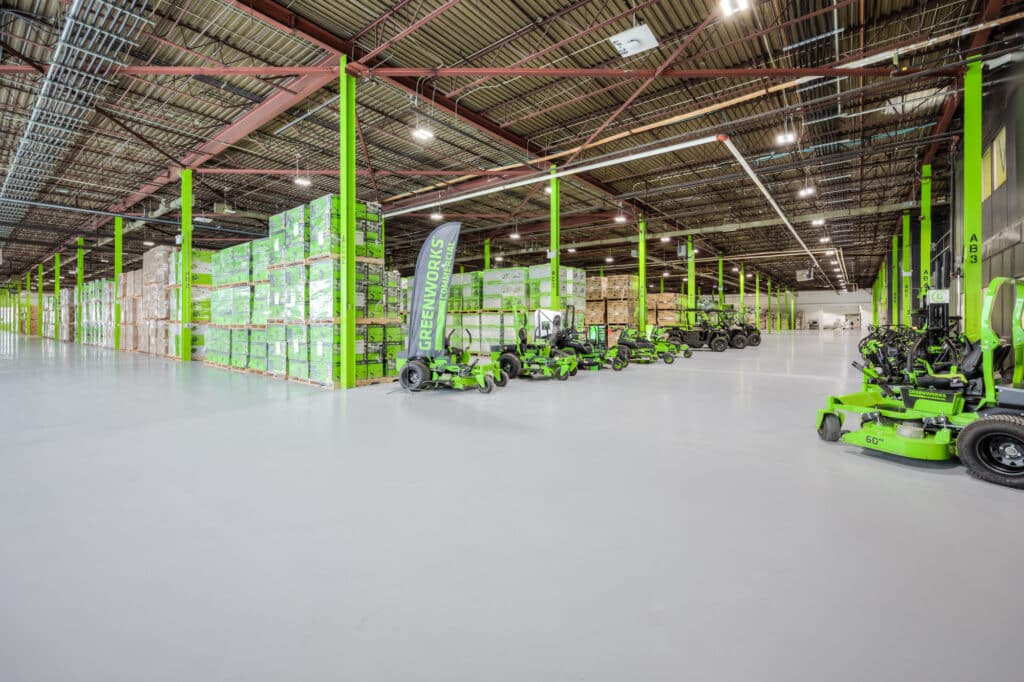
Greenworks Interior Design Office Design

Investing in Office Fitness Equipment: A Smart Move for Employers

Corporate wellness is becoming increasingly vital in the modern workplace. Investing in office fitness equipment is not just a trend; it’s a strategic decision that can enhance employee productivity and well-being. Enhancing Employee Productivity Regular physical activity boosts productivity and focus. When employees have access to fitness equipment, they are more likely to incorporate physical activity into their daily routines. This increase in physical movement can lead to heightened energy levels, sharper focus, and improved overall work performance. Studies have shown that regular exercise can enhance cognitive function, enabling employees to tackle tasks more efficiently. As a result, businesses can experience a noticeable improvement in outcomes and a reduction in errors. Additionally, fostering an active work environment can promote teamwork and collaboration among colleagues. Reducing Health-Related Costs Investing in fitness equipment can lower healthcare expenses. By encouraging physical activity, companies can significantly reduce the incidence of chronic illnesses among their workforce. Preventative health measures such as fitness programs can minimize absenteeism and healthcare claims related to preventable conditions like obesity, diabetes, and heart disease. Employers can save money on insurance premiums and sick leave costs when employees maintain healthier lifestyles. Furthermore, healthier workers tend to have fewer healthcare visits, contributing to a more energetic and effective workforce. Boosting Employee Morale Fitness equipment can enhance job satisfaction and morale. When employees feel that their employer values their health and wellness, it fosters a sense of appreciation and belonging. Office fitness equipment serves as a tangible expression of this value, leading to higher morale and job satisfaction. Employees who engage in regular fitness activities are more likely to experience reduced stress, which can translate into a more positive workplace atmosphere. Additionally, workplaces that prioritize health and wellness are viewed more favourably, making it easier to attract and retain top talent. Encouraging a Healthier Work-life Balance Access to fitness options promotes a better work-life balance. Nowadays, employees increasingly seek positions that support their personal health and well-being. By providing fitness equipment within the workplace, employers can assist in creating a healthy equilibrium between work responsibilities and personal wellness. This access allows employees to incorporate exercise into their day without requiring time outside of the workplace. As a result, employees are less likely to experience burnout and are more inclined to maintain their engagement over the long term. Improving Recruitment Prospects Companies with wellness initiatives can attract top talent. In a competitive job market, having fitness equipment as part of the workplace can give organizations a significant edge. An employer that prioritizes wellness showcases its commitment to employee health, making it a more attractive option for potential hires. Many job seekers actively look for roles that offer flexibility and wellness programs. By incorporating fitness opportunities, companies position themselves as progressive and employee-centric, enhancing their appeal during the recruitment process. Encouraging Team Building Fitness activities can foster team cohesion. Office fitness equipment can encourage employees to engage in group activities, promoting teamwork and camaraderie. Organizing fitness challenges or classes can create opportunities for collaboration outside of traditional work tasks. These shared experiences contribute to stronger interpersonal relationships among employees, fostering a more cooperative work environment. Such collective experiences can also enhance communication, breakdown silos, and lead to innovative problem-solving. Adapting to Remote Work Trends Fitness equipment can be essential in a hybrid work model. As remote work becomes more common, investing in fitness equipment can support employees who may not have access to fitness facilities at home. Organizations can offer fitness solutions that cater to both in-office and remote staff, demonstrating flexibility and understanding of modern work dynamics. This adaptability ensures that all employees have the opportunity to prioritize their health, irrespective of their work location. Additionally, incorporating virtual fitness challenges can maintain engagement among teams, regardless of their physical presence. Investing in office fitness equipment is a multi-faceted strategy that benefits both employers and employees. This investment not only promotes a healthier workforce but also enhances productivity, morale, and team cohesion, all while potentially lowering healthcare costs.

Investing in Office Fitness Equipment: A Smart Move for Employers Read More »

OFFICE INTERIOR DESIGN

The Essential Guide to Office Desk Organization

The Essential Guide to Office Desk Organization Proper office desk organization is crucial for enhancing productivity and maintaining a professional environment. A well-organized desk can lead to improved focus, reduced stress, and greater efficiency in task completion. Boosting Productivity Through Clutter Reduction A tidy desk can significantly enhance productivity. When a workspace is cluttered with unnecessary items, it distracts from tasks at hand. By reducing clutter, employees can better concentrate on their work, leading to higher quality output. An organized desk minimizes time spent searching for items, which can often lead to frustration and inefficiency. Additionally, a neat workspace fosters a clearer mindset, allowing for more effective brainstorming and problem-solving. In essence, maintaining a clean desk directly correlates with improved productivity levels. Creating a Professional Atmosphere An organized desk reflects professionalism and attention to detail. A tidy workspace signals to clients and colleagues that an individual takes their role seriously and values their work. It also instills confidence in clients who may choose to visit the office, enhancing their perception of the organization. Furthermore, an organized desk creates a pleasant working environment that encourages collaboration and communication among team members. Such an atmosphere fosters respect and professionalism within the workplace, leading to improved relationships and productivity across teams. Enhancing Time Management Skills Proper desk organization aids in better time management. When everything has its place, it becomes easier to allocate time to specific tasks without unnecessary interruptions. An organized workspace allows for quick access to essential materials, reducing wasted time. This efficiency enables employees to prioritize tasks more effectively, leading to better adherence to deadlines. Consequently, employees can manage their work schedules with greater adeptness, fostering success in achieving both short- and long-term goals. Promoting Mental Well-Being A clutter-free desk contributes to reduced stress levels. The physical environment directly affects an individuals mental state. A disorganized desk can create a sense of chaos, leading to feelings of being overwhelmed. In contrast, an organized desk promotes feelings of control and tranquillity, which can significantly enhance an employee’s overall well-being. This reduction in stress can also lower absenteeism and improve job satisfaction, creating a more positive workplace culture. Therefore, emphasizing desk organization can have lasting benefits on worker morale. Encouraging Better Habits Desk organization fosters the development of strong work habits. A well-maintained workspace encourages individuals to cultivate discipline in their professional routines. When an employee keeps their desk organized, it sets a precedence for other aspects of their work. This commitment to cleanliness can translate into better task management and improved organizational skills. As employees develop these habits, they often see a positive shift in their overall work ethic. Consequently, such habits greatly benefit both individual performance and teamwork. Facilitating Creativity and Innovation An orderly desk can spur creativity and innovative thinking. A clean and organized workspace promotes creative thought by providing an environment where ideas can flow freely. Clutter can restrict one’s ability to think outside the box, as it creates distractions. Conversely, an organized desk allows for better organization of ideas and projects, making it easier for individuals to brainstorm and develop new concepts. Ultimately, a well-maintained workspace not only supports creativity but can also lead to groundbreaking innovations within the organization. Improving Physical Health Desk organization can lead to better ergonomic practices. An organized desk often includes an ergonomic arrangement of tools and technology, which directly affects physical health. Proper desk organization promotes the positioning of computer monitors, keyboards, and other items in a way that reduces strain on the body. This can lead to fewer cases of repetitive strain injuries and other work-related ailments. By fostering awareness around ergonomics through organization, companies can support their employees physical well-being, ultimately enhancing overall workplace productivity. In conclusion, proper office desk organization is not merely about aesthetics; it plays a critical role in enhancing productivity, professionalism, and overall employee well-being. By encouraging good organizational practices, workplaces can create environments conducive to success and innovation.

The Essential Guide to Office Desk Organization Read More »

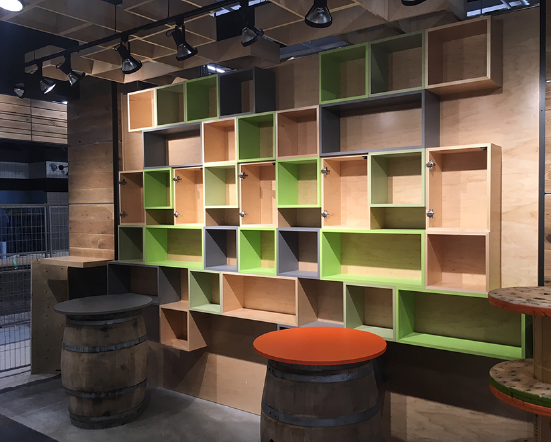
Newmarket Olive Oil Interior Design

Optimizing Workplace Design Through Analytics

Incorporating workplace analytics into design processes allows organizations to create environments that enhance productivity and employee satisfaction. By harnessing data-driven insights, businesses can make informed decisions that lead to effective workplace layouts and strategies. Understanding Workplace Analytics Workplace analytics helps identify patterns in employee behaviour. By analysing data related to how employees interact with their workspace, organizations can uncover insights into their behaviours and preferences. This may include understanding which areas are most frequented, what times employees are most active, and how collaborative spaces are utilized. Such analytical insights promote a more informed approach to design, ensuring that environments are tailored to meet the actual needs of employees rather than assumptions. Furthermore, these insights can help forecast future trends, leading to proactive modifications in workplace design. Collecting Relevant Data Data collection is essential for effective workplace analytics. Organizations must determine what type of data will be most useful in informing their design decisions. This can include quantitative data, such as traffic patterns, as well as qualitative data, such as employee feedback on workspace comfort. Various methods can be employed for data collection, including surveys, observational studies, and digital tracking tools. The goal is to gather comprehensive data sets that provide a well-rounded understanding of employee dynamics within the workspace. By prioritizing relevant data collection, design teams can focus their efforts on areas that will yield the highest impact. Analyzing Collected Data Effective analysis turns raw data into actionable insights. Once data is collected, the next step is analyzing it to uncover trends and insights that can inform design strategies. Utilizing data analytics tools allows organizations to visualize patterns and correlations that may not be immediately obvious. This could reveal, for instance, that certain layout configurations enhance collaboration. Understanding these trends provides a foundation upon which design decisions can be built. It is also crucial to continually re-evaluate this analysis as new data emerges, ensuring alignment with evolving employee needs. Implementing Changes Based on Insights Insights gained should lead to tangible changes in workplace design. Once the data has been analyzed, organizations should be prepared to implement specific changes that align with the insights gained. This may involve redesigning office layouts, increasing the number of collaborative spaces, or investing in technology that facilitates better communication among teams. It’s important to approach implementation thoughtfully, considering how changes will affect employee workflows and overall morale. Proactive communication about these changes can help employees adjust and appreciate the rationale behind the redesigns. Monitoring Impact of Design Changes Ongoing monitoring is crucial to assess the effectiveness of new designs. After implementing design changes, it’s essential to monitor their impact on employee productivity and satisfaction closely. Continuous feedback mechanisms, such as employee surveys and performance metrics, should be established to assess how well the changes resonate with the workforce. This feedback loop will help organizations identify further improvements and adjustments that may be necessary. Monitoring should be viewed as an ongoing process rather than a one-time event to ensure a responsive approaOptimizing Workplace Design Through Analyticsch to workplace design. Creating a Culture of Data-Driven Design Encouraging a data-driven mindset among teams can enhance design results. Organizations should foster a culture that values data-driven decision-making across all levels. By training employees, especially those in design and management positions, to appreciate the significance of workplace analytics, a more collaborative environment can be created. This approach not only improves the design process but also encourages employees to share their insights on workspace effectiveness. Building this culture requires commitment and transparency, enabling teams to feel empowered to advocate for their needs based on data-backed evidence. Leveraging Technology in Workplace Analytics Technology plays a pivotal role in supporting workplace analytics. Utilizing advanced technologies such as AI and machine learning can greatly enhance workplace analytics capabilities. These technologies can process vast amounts of data quickly and efficiently, providing organizations with real-time insights that were previously unattainable. Moreover, integrating smart technology into the workplace, such as IoT devices, can further enrich the data collected. This enables more precise analysis and the ability to adapt workspace conditions based on immediate feedback from users. Incorporating workplace analytics in design is not merely a trend but a pivotal strategy for fostering productive and employee-centered work environments. By following a structured approach to data collection, analysis, implementation, and monitoring, organizations can achieve designs that are not only functional but also enhance overall employee satisfaction.

Optimizing Workplace Design Through Analytics Read More »

Studio Forma Interior Design Office Design and Office Furniture

The Benefits of Professional Office Move Management

Navigating an office move can be a daunting task for any organization. Professional office move management offers expertise and resources that streamline the process, reduce downtime, and ensure a smooth transition. Expertise in Planning Professional move managers bring valuable experience to the planning process. Their familiarity with logistics allows for comprehensive planning that considers every detail, from timelines to resource allocation. They can anticipate potential challenges and devise solutions ahead of time. This level of foresight not only mitigates risks but also saves time and reduces stress for everyone involved. When move professionals handle the planning, businesses can focus more on their operations rather than the intricacies of the move. Cost Efficiency Utilizing professional move management can lead to significant cost savings. By employing experienced movers, organizations can avoid the common pitfalls that result in unexpected expenses. These professionals optimize the use of resources and provide estimates that reflect the true costs involved. Furthermore, move managers often have established relationships with vendors, leading to better pricing on materials and services. Ultimately, a well-managed move can prevent financial strain and enhance budget allocation. Minimized Downtime A structured move plan ensures minimal disruption to business operations. Professional move managers develop timelines and schedules designed to maintain productivity throughout the process. By strategically coordinating the move during off-peak hours or during planned downtime, the impact on daily operations is significantly reduced. This consideration is crucial, as lost productivity can translate into lost revenue. A focus on minimizing downtime demonstrates a commitment to maintaining seamless service for clients and stakeholders. Seamless Coordination Professional move managers excel in coordinating various moving elements. They handle logistics such as communication with different departments, vendors, and service providers. This coordination eliminates confusion and ensures that everyone is on the same page regarding the moving process. Move managers oversee the entire operation, ensuring that tasks are completed in the correct order and on time. With their expertise, businesses can trust that all components of the move are aligned and functioning smoothly. Employee Support Professional move management includes support for employees during the transition. Understanding the emotional impact of moving, professional move managers often provide resources to assist employees with the transition. They may organize informational sessions, provide packing services, or offer relocation assistance. By addressing employee concerns and needs, businesses can foster a positive morale and encourage a smoother transition. Engaged employees are more likely to adapt quickly to their new environment, which enhances overall productivity. Risk Management Professional move management mitigates risks throughout the moving process. Experienced move managers are skilled at identifying potential hazards and logistical challenges that could arise. They develop contingency plans to address any unforeseen issues effectively. This proactive approach ensures that problems are managed efficiently, reducing the likelihood of delays or complications during the move. By focusing on risk management, businesses can navigate the complexities of relocation with greater confidence. Post-Move Evaluation Effective move management includes a thorough post-move evaluation. After the move, professional managers analyze the process to identify successes and areas for improvement. This feedback is essential for refining future moving strategies. By evaluating the project, businesses can ensure that any challenges encountered do not recur in the future. This continuous improvement mindset supports ongoing growth and development in an organizations relocation efforts. Choosing professional office move management is an investment in efficiency, cost savings, and employee satisfaction. By leveraging expert resources, businesses can navigate the complexities of relocation with greater ease, ultimately leading to a successful transition.

The Benefits of Professional Office Move Management Read More »

My Roti My Dosa Interior Design Franchise Consistency

The Importance of Ergonomic Office Lighting for Workplace Well-Being

Optimizing office lighting is crucial for enhancing employee productivity and health. Ergonomic lighting choices can significantly impact comfort, reduce fatigue, and promote overall well-being in the workplace. Enhancing Productivity Proper lighting can boost overall workplace productivity. When employees are provided with adequate lighting that reduces glare and shadows, their focus and efficiency improve. Studies have shown that well-lit environments can increase attention span and task performance. This translates into fewer mistakes and a higher quality of work. Furthermore, ergonomic lighting can help mitigate the effects of eye strain, allowing workers to maintain their productivity for longer periods. In industries that require precision and detail, such as design and engineering, the importance of effective lighting cannot be overstated. Reducing Health Issues Ergonomic lighting helps lower the risk of health problems. Inadequate lighting can lead to various health complaints, including headaches and eye discomfort. By ensuring proper illumination levels, workplaces can minimize these issues, creating a more comfortable environment. Additionally, well-designed lighting can help regulate circadian rhythms, improving sleep quality and reducing fatigue. Healthier employees are more engaged and less likely to take sick days. Thus, investing in ergonomic lighting can contribute to overall workplace health and satisfaction. Creating a Positive Work Environment Good lighting can enhance the overall office atmosphere. Bright, evenly distributed light creates an inviting and warm environment, which can significantly uplift employee morale. A positive ambiance encourages collaboration and teamwork, leading to better communication among staff. Moreover, personalizing light settings according to preferences can promote individual comfort, making employees feel valued. In turn, this nurturing environment can foster creativity and innovation within the workforce. The link between lighting and mood should not be overlooked in the quest for a productive workplace. Facilitating Better Concentration Ergonomic lighting contributes to improved concentration. Task-oriented lighting that focuses on specific areas can help employees concentrate on their work. By directing light where its needed most, distractions are minimized, allowing for an immersive work experience. Specific tasks, such as reading or using computers, often require different lighting setups to optimize focus. This considerations can ensure that employees remain engaged without the mental fatigue caused by poor lighting conditions. Consequently, employees can achieve a higher level of output and creativity. Supporting Remote Work Adjustable lighting is essential for remote work environments. As remote work becomes more common, the need for versatile lighting solutions increases. Employees working from home need to replicate the ergonomic advantages they experienced in the office. Adjustable task lighting allows them to create an ideal workspace that suits their specific needs and preferences. Additionally, using various light temperatures can help improve alertness and comfort, aligning with different tasks throughout the day. By supporting workers in remote settings, companies can maintain productivity and morale. Incorporating Natural Light Natural light is a critical component of ergonomic office design. Studies show that exposure to natural light boosts mood, energy levels, and overall productivity. Incorporating windows and skylights into office design allows employees to benefit from sunlight. Furthermore, natural light can help regulate circadian rhythms, improving focus and energy levels throughout the day. Workspaces that maximize natural light often report lower rates of absenteeism and higher employee satisfaction. Therefore, understanding the importance of daylight in office environments is paramount for comprehensive ergonomic solutions. Cost-Effectiveness of Ergonomic Lighting Investing in ergonomic lighting can lead to long-term cost savings. While the initial investment in high-quality ergonomic lighting may seem significant, the long-term savings can be substantial. Reduced health issues mean fewer healthcare costs and lower absenteeism rates. Enhanced productivity directly translates into improved profits. Additionally, advancements in lighting technology, such as LED options, offer energy efficiency, further cutting utility costs. Thus, companies that prioritize ergonomic lighting not only demonstrate a commitment to employee well-being but also smart financial planning. Overall, ergonomic office lighting is essential for fostering a productive, healthy, and enjoyable work environment. Companies that understand and implement these principles position themselves as leaders in employee well-being and performance.

The Importance of Ergonomic Office Lighting for Workplace Well-Being Read More »

Creating an Effective Collaborative Brainstorming Area

A collaborative brainstorming area fosters innovation and creativity by providing a space where team members can freely share ideas. By implementing the right strategies, organizations can enhance teamwork and problem-solving capabilities. Designing a Comfortable Space Creating a welcoming environment is critical. The physical layout of the brainstorming area should encourage open communication and make participants feel relaxed. Comfortable seating arrangements, appropriate lighting, and accessibility to necessary resources play a vital role in setting the tone. Consider using round tables to promote face-to-face interaction, as this layout can foster inclusivity. Incorporating plants and artwork can also stimulate creativity and productivity. Finally, ensure that the space is well-ventilated and equipped with essential technology to facilitate brainstorming. Utilizing Collaborative Tools Incorporating technology enhances the brainstorming experience. Modern collaborative tools such as digital whiteboards, project management software, and virtual meeting platforms can significantly improve the brainstorming process. These technologies allow for real-time collaboration, where team members can contribute ideas regardless of their physical location. Visual aids like mind maps or flowcharts can be created collaboratively, making it easier to organize and refine ideas. Additionally, tools that enable voting or ranking ideas can help prioritize options. Adopting these tools can streamline communication and ensure everyone’s contributions are valued. Establishing Ground Rules Setting clear guidelines is essential for productive sessions. Before beginning the brainstorming session, it’s crucial to establish a set of ground rules that everyone agrees upon. These rules should encourage respect, open-mindedness, and active participation. For instance, no idea should be deemed too far-fetched, and all members should remain respectful of different viewpoints. Moreover, defining the time limits for each phase of brainstorming can maintain focus and pace. A clear framework will prevent misunderstandings and ensure that the session remains constructive. Encouraging Diverse Perspectives Diversity in brainstorming leads to betteCreating an Effective Collaborative Brainstorming Arear ideas. Encouraging participation from individuals with varied backgrounds and expertise can enrich the brainstorming process. Diverse perspectives often lead to innovative solutions that individuals from similar backgrounds might overlook. Creating teams with a mix of skills, experiences, and cultural backgrounds fosters a more dynamic discussion. Additionally, actively seeking input from quieter team members ensures that all voices are heard, enhancing the overall quality of ideas generated. Embracing diversity not only contributes to a more robust ideation but also builds a culture of inclusion. Incorporating Breaks and Refreshments Regular breaks can improve focus and creativity. Offering breaks during brainstorming sessions is vital to maintain high energy levels and concentration. Breaks allow participants to step back, recharge, and process information. Providing refreshments can also create a more relaxed atmosphere and keep energy levels up. Consider incorporating brief exercise or stretching sessions during longer brainstorming meetings. These small pauses can reinvigorate participants and can lead to a resurgence of creativity and new ideas. A well-timed break can often trigger insights that may not surface during ongoing discussions. Documenting Ideas Recording ideas immediately is crucial for progression. To ensure that no valuable ideas are lost, it is essential to document contributions as they arise. Designate a person to take notes or use collaborative tools that allow all participants to add ideas digitally. This record serves as a memory aid and can be revisited during later phases of the project. Organizing ideas into categories or themes can also facilitate better understanding and prioritization. Furthermore, sharing the documented ideas post-session encourages ongoing collaboration and provides a reference point for future discussions. Reviewing and Refining Ideas Follow-up sessions are necessary for improvement. After the brainstorming session, it is crucial to review and refine the generated ideas. Holding follow-up meetings allows participants to assess which ideas are most viable and deserving of further consideration. This process should involve evaluating the feasibility, impact, and resources required for implementation. Engaging the team in this review solidifies their investment in the project and maximizes the effectiveness of the brainstorming process. Moreover, refining ideas collectively can introduce new insights and enhancements, leading to optimal solutions. Creating a collaborative brainstorming area involves thoughtful design, the integration of technology, and an inclusive approach to idea generation. By following the outlined strategies, organizations can cultivate an environment that promotes creativity, engagement, and effective problem-solving.

Creating an Effective Collaborative Brainstorming Area Read More »

Fenn and Fenn Insurance Interior Design

The Critical Importance of Office Space Flexibility in Today’s Work Environment

As the workplace continues to evolve, the need for flexible office spaces has become paramount. This flexibility not only enhances employee satisfaction but also drives productivity and adaptability in an ever-changing business landscape. Enhanced Employee Productivity Flexible office spaces can significantly boost employee productivity. When employees have the option to choose their workspace, whether it’s a quiet area for focused work or a collaborative space for team projects, they can perform at their best. Flexibility allows individuals to tailor their environment to their personal work style and preferences. This has been shown to reduce stress and increase job satisfaction, ultimately leading to higher levels of engagement and output. By providing various types of workspaces, companies can cater to diverse work habits and enhance overall efficiency. Attracting and Retaining Talent Office space flexibility is a key factor in attracting and retaining top talent. In today’s competitive job market, prospective employees are increasingly looking for companies that offer flexible working conditions. Flexible office environments signal to candidates that the organization values work-life balance and employee well-being. As a result, businesses with adaptable office spaces are better positioned to attract a diverse pool of talent. Additionally, offering flexibility helps in retaining employees, reducing turnover rates and the associated costs of hiring and training new staff. Cost-Efficiency and Resource Optimization Flexible office spaces contribute to cost savings for businesses. By utilizing shared spaces and hot-desking models, companies can reduce their real estate costs significantly. This optimization of space enables businesses to operate more efficiently, particularly in times of economic uncertainty. Moreover, flexible arrangements allow organizations to adapt to fluctuations in workforce size without the burden of long-term lease commitments. Investing in versatile office designs can lead to substantial savings while maintaining a professional work environment. Fostering Innovation and Collaboration Flexible office environments promote innovation through collaboration. By offering spaces that encourage teamwork, such as brainstorming areas and open lounges, companies can stimulate creative thinking and innovation. When employees can easily interact with colleagues from different departments, it fosters a culture of collaboration that is essential for generating new ideas and solutions. This interconnectedness can lead to breakthroughs that benefit the organization as a whole, positioning it as a leader in its industry. Adapting to Changing Needs Office space flexibility enables organizations to adapt swiftly to changing business needs. The modern business landscape is characterized by rapid changes, whether due to market trends, technological advancements, or external economic factors. Flexible office designs allow companies to quickly reorganize their spaces to meet these evolving demands. This adaptability is crucial for businesses aiming to maintain a competitive edge, as it empowers them to pivot and implement new strategies without the delays associated with rigid office setups. Support for Remote and Hybrid Work Models Flexible office spaces are essential for supporting remote and hybrid work models. With the rise of remote work, organizations must create environments that accommodate both in-person and virtual employees. Flexible office designs facilitate a seamless transition between remote and on-site work, ensuring that all employees remain engaged and connected. This approach not only supports employee choice but also maintains a strong company culture across diverse working arrangements. As hybrid models become the norm, having adaptable office spaces will be key to sustaining operational effectiveness. Promoting Health and Well-being Flexible office spaces can enhance employee health and well-being. A flexible office environment allows employees to select workspaces that best suit their physical and mental health needs. This can include options for standing desks, quiet rooms for breaks, or collaborative zones to foster social connections. By prioritizing well-being through design, companies can reduce workplace stress and the risk of burnout. Healthy employees contribute to a more positive workplace culture, leading to increased morale and job satisfaction. Ultimately, the importance of office space flexibility cannot be overstated. As businesses continue to navigate a complex and changing landscape, adopting flexible office environments will be crucial for enhancing productivity, attracting talent, and supporting employee well-being.

The Critical Importance of Office Space Flexibility in Today’s Work Environment Read More »