September 26, 2023

Commercial Interior Design

Flexibility in your office furniture, and why you need it.

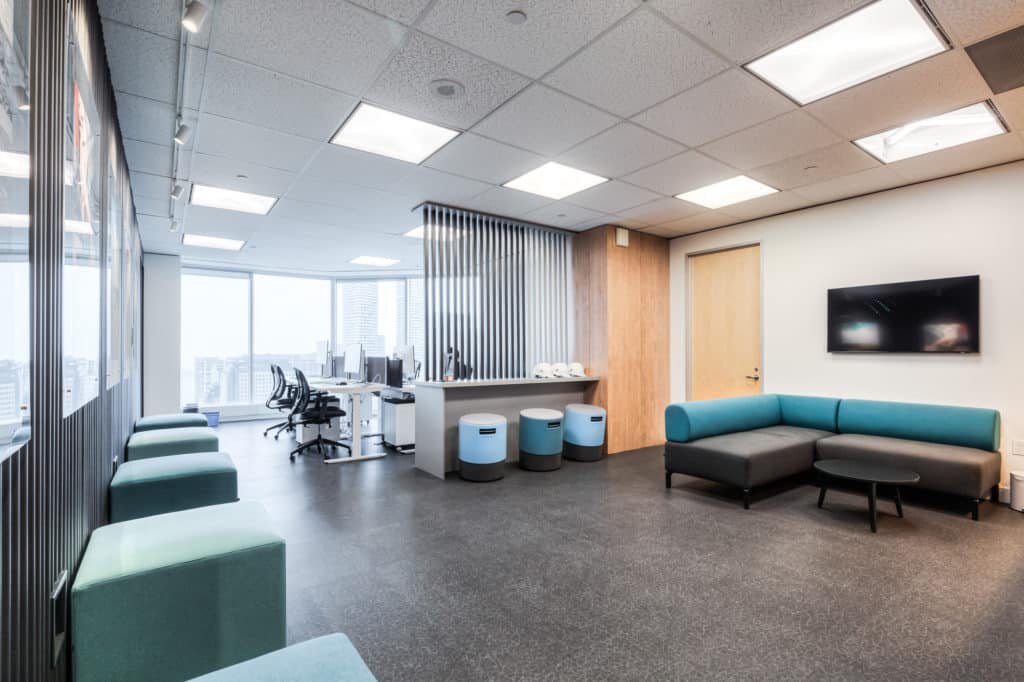
Flexibility in office furniture refers to the adaptability and versatility of furniture pieces and layouts within an office space. It’s important because it allows the workspace to be easily reconfigured to meet the changing needs of the organization and its employees. Here’s why flexibility in office furniture is crucial: Adapts to Evolving Workstyles: The way we work is constantly changing. With the rise of remote work, hybrid work models, and shifting team dynamics, offices need to be adaptable to accommodate various workstyles. Flexible furniture can be rearranged to suit individual work, collaboration, and team-based activities. Efficient Space Utilization: Flexible furniture can help maximize the efficient use of office space. Furniture that can be easily reconfigured allows for denser seating arrangements when needed or open, collaborative spaces when required. This flexibility can help organizations make the most of their real estate investments. Employee Productivity: Providing employees with furniture that suits their specific tasks and preferences can enhance productivity. For instance, adjustable-height desks and ergonomic chairs allow employees to customize their workstations for comfort, reducing discomfort and distractions. Supports Collaboration: Collaboration is a key aspect of many modern workplaces. Flexible furniture that can be easily moved and arranged enables teams to come together for meetings, brainstorming sessions, and group projects. Modular seating, mobile whiteboards, and flexible meeting tables facilitate collaboration. Promotes Wellness: Ergonomically designed and adjustable furniture promotes employee well-being. Employees can change their seating or desk positions throughout the day, reducing the risks of repetitive strain injuries and promoting better posture. Cost-Efficiency: While flexible office furniture may require an initial investment, it can lead to long-term cost savings. Instead of constantly purchasing new furniture to accommodate changing needs, organizations can adapt their existing furniture to new purposes. Sustainability: Reconfigurable and modular furniture can be more sustainable. It reduces the need to discard and replace furniture when office layouts change, contributing to a more environmentally friendly workplace. Attracts Talent: A flexible and adaptable office environment is appealing to many employees. Organizations that invest in adaptable office spaces are often seen as forward-thinking and employee-centric, which can help attract and retain top talent. Future-Proofing: The business landscape is unpredictable, and organizations need to be prepared for change. Flexible furniture allows companies to quickly respond to shifts in their industry, team size, or business strategy without major office overhauls. Customization: Flexibility in furniture design often includes options for customization. This allows organizations to choose furniture that aligns with their brand and corporate culture, creating a unique and tailored workspace. Health and Safety: In the context of health and safety, especially during a pandemic or in situations where physical distancing is necessary, flexible furniture allows for the easy rearrangement of workspaces to maintain safe distances between employees. In conclusion, flexibility in office furniture is essential for creating a dynamic and adaptable workspace that can evolve with the changing needs of the organization and its employees. It promotes efficiency, collaboration, employee well-being, cost savings, and sustainability while helping attract and retain talent in a competitive job market.

Flexibility in your office furniture, and why you need it. Read More »
Commercial Interior Design

Design to your Brand, not a Trend

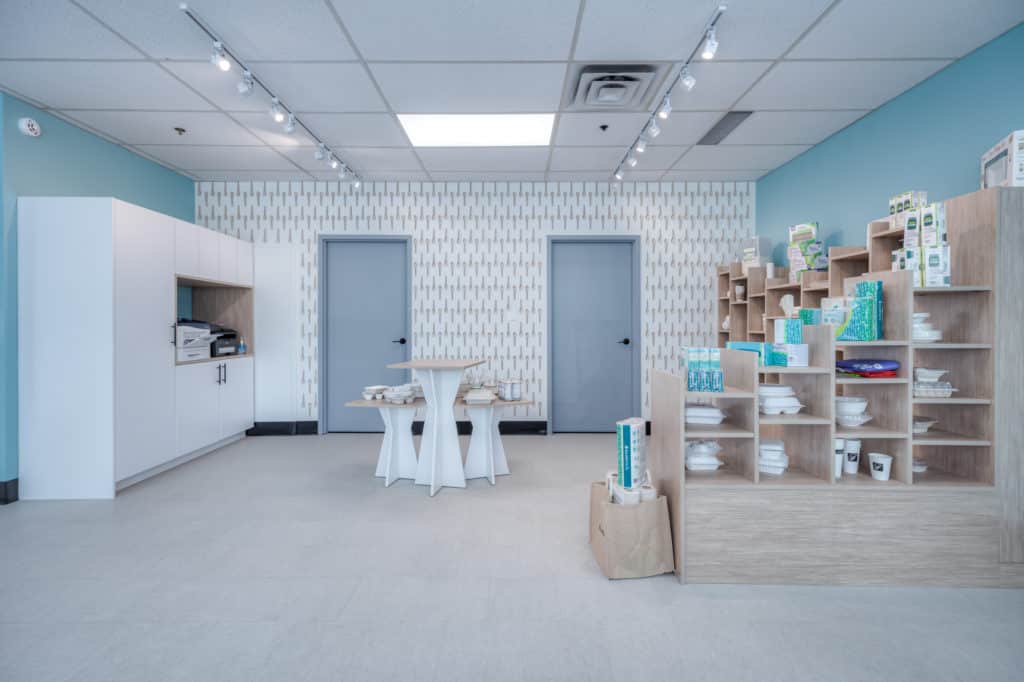
Designing your office space to reflect your brand rather than following trends is a strategic decision that can help create a unique and authentic work environment. Here are steps to design your office to align with your brand identity: Define Your Brand Identity:Before you start designing, ensure you have a clear understanding of your brand’s values, mission, and personality. What does your brand represent, and what message do you want to convey through your office space? Design with Brand Colors:Use your brand’s colour palette as a primary guide for selecting paint, furniture, and decor. Consistently applying your brand colours in the office reinforces brand recognition. Incorporate Brand Elements:If you have a logo or other visual brand elements, find creative ways to incorporate them into your office design. This could include custom wall art, branded signage, or even subtle details in furniture or fixtures. Furniture and Layout:Choose office furniture and layout that align with your brand’s identity. For example, if your brand is known for its modern and innovative approach, opt for sleek, contemporary furniture designs. If it’s more traditional and conservative, choose classic pieces. Texture and Materials:The textures and materials you use in your office design should resonate with your brand’s image. For instance, a tech startup might use industrial materials like metal and glass, while a wellness centre may opt for natural and organic materials. Lighting Design:Consider the lighting design carefully. Lighting can significantly impact the mood of your workspace. If your brand is all about creativity and vibrancy, you might incorporate colourful or dynamic lighting solutions. A more professional or minimalist brand may opt for clean, even lighting. Branded Art and Decor:Incorporate artwork, decor, or installations that reflect your brand’s ethos. This could include custom artwork or murals that convey your brand story or values. Employee Involvement:Involve your employees in the design process to ensure that the office environment aligns with their needs and preferences while staying true to the brand identity. A workspace that caters to employee comfort and productivity can reinforce the brand’s commitment to its people. Functional Spaces:While emphasizing your brand identity is important, ensure that the office space remains functional. Consider the practical needs of your employees, including workstations, meeting rooms, break areas, and collaboration spaces. Flexibility for Growth:Design your office space with scalability in mind. Your brand may evolve, and your office should be adaptable to accommodate future changes and growth. Consistency Across Locations:If you have multiple office locations, maintain a consistent brand identity throughout all spaces, even if they have different designs. Regular Evaluation:Periodically review your office design to ensure it still aligns with your evolving brand identity. Make adjustments as needed to maintain consistency. Sustainability and Values:Consider incorporating sustainable and eco-friendly design elements if they align with your brand’s values and messaging. Designing your office space to reflect your brand identity creates a cohesive and authentic environment that not only serves your employees but also reinforces your brand’s image and values. It can help foster a stronger connection between your team and your brand, as well as make a lasting impression on clients and visitors.

Design to your Brand, not a Trend Read More »

CCA Commercial Interior Design

Colour temperature, what is it and why should we care?

Colour temperature in lighting refers to the warmth or coolness of the light emitted by a light source, typically measured in Kelvin (K). Understanding Colour temperature is important when selecting lighting for various spaces and purposes, as it can greatly influence the mood and appearance of a room. Here’s what you need to know about colour temperature in lighting: Warm vs. Cool Light:Warm light has lower colour temperatures, typically ranging from 2,700K to 3,000K. It has a yellow or orange tint and is often described as cozy or inviting.Cool light has higher colour temperatures, usually between 4,000K and 6,500K. It has a bluish-white appearance and is often associated with a more energetic or clinical feel. Common Colour Temperatures:2,700K to 3,000K: Often used for residential lighting, creating a warm and comfortable atmosphere suitable for bedrooms, living rooms, and dining areas.3,500K to 4,100K: Considered neutral white light and is suitable for general use in kitchens, bathrooms, and workspaces.5,000K and above: Tends to be cooler and is used in spaces where task lighting and high visibility are important, such as offices, hospitals, and retail environments. Application and Mood:The choice of colour temperature can significantly impact the mood and functionality of a space. Warm light is often preferred for relaxing and intimate settings, while cool light is favoured for tasks that require focus and concentration. Consider the Setting:When selecting lighting for a particular room or setting, consider its purpose. For example, warm lighting is ideal for creating a cozy ambiance in a living room, while cool lighting might be better suited for a well-lit kitchen or home office. Layered Lighting:Many interior designers recommend using a combination of lighting sources with different colour temperatures to create depth and flexibility. For instance, you can use warm ambient lighting with cooler task lighting for a balanced and adaptable environment. Natural Light:The colour temperature of natural daylight varies throughout the day. Morning and evening sunlight tends to be warmer (lower Kelvin temperatures), while midday sunlight is cooler (higher Kelvin temperatures). When designing lighting for a space, consider how it interacts with natural light to achieve the desired effect. LED Lighting:LED (Light Emitting Diode) bulbs are available in a wide range of Colour temperatures. They are energy-efficient and offer flexibility in choosing the right colour temperature for your needs. Dimming Options:Dimmer switches are a great way to adjust the colour temperature of your lighting to suit different activities and moods. Some LED bulbs are compatible with dimmer switches, but it’s essential to check the product specifications before purchasing. In summary, colour temperature in lighting is a crucial factor in interior design, affecting the atmosphere, functionality, and aesthetics of a space. Understanding the concept and considering the specific needs of each room or area will help you make informed decisions when choosing lighting for your home or workspace.

Colour temperature, what is it and why should we care? Read More »

Residential Interior Design

How to use colours in your home. Don’t be afraid!

Using colour effectively in your home can transform its atmosphere, create visual interest, and reflect your personal style. Here are some tips on how to use colour in your home: Start with a Color Palette Choose a primary colour palette that sets the tone for your home. Consider your favourite colours and the mood you want to create in each room. You can use tools like colour swatches, Pinterest, or interior design magazines for inspiration. Consider Room Function:Think about the purpose of each room when selecting colours. For example, calming and muted colours work well in bedrooms, while vibrant colours may be more suitable for a playroom or dining area. Create Contrast:Use contrasting colours to make certain elements stand out. For instance, a colourful accent wall can add drama to a room, or you can choose bold-coloured furniture against a neutral backdrop. Consider Lighting:Natural and artificial lighting can affect how colours appear. Test paint samples and fabrics in the actual lighting conditions of your home to ensure they look as expected. Balance Warm and Cool Colours:Warm colours (reds, oranges, yellows) can make a room feel cozier, while cool colours (blues, greens, purples) can create a calming atmosphere. Balance warm and cool tones for visual harmony. Create Flow:Use a consistent colour scheme or complementary colours throughout your home to create a sense of continuity from room to room. This doesn’t mean every room should be the same, but there should be a unifying theme. Accent with Accessories:If you’re hesitant to commit to bold colours on walls or large furniture pieces, incorporate colour through accessories like throw pillows, rugs, curtains, and artwork. These can be easily changed when you want a new look. Experiment with Textures:Textured surfaces in complementary or contrasting colours can add depth and interest to a room. Consider textured wallpapers, textured fabrics, or textured furniture. Consider the Psychology of Colour:Different colours can evoke specific emotions and moods. For example, blue is often associated with calmness, while red can be energizing. Keep this in mind when choosing colours for specific rooms or areas. Personalize Your Space:Your home should reflect your personality and style. Don’t be afraid to incorporate your favourite colours even if they don’t follow traditional design rules. Your space should make you feel comfortable and happy. Stay Consistent with Your Theme:If you have a specific theme or style in mind for your home, make sure your colour choices align with that theme. For example, a coastal theme might incorporate soft blues and sandy neutrals. Test Before Committing:Before painting an entire room or making major colour changes, try out samples in small sections to see how they look in your specific space. Paint swatches on the walls or use peel-and-stick decals to visualize the colours. Remember that using colour in your home is a personal and creative process. Don’t be afraid to experiment and make adjustments until you achieve the desired look and feel that suits your lifestyle and preferences.u

How to use colours in your home. Don’t be afraid! Read More »

How to use colour effectively in your office space.

Using color effectively in your office space can have a significant impact on the atmosphere, productivity, and overall mood of the workplace. Here are some tips on how to use colour in your office space: Consider the Purpose: Before choosing colors, think about the purpose of your office space. Different colors can evoke different emotions and have varying effects on productivity. For example, blues and greens can promote calm and focus, while reds and oranges can energize and stimulate creativity. Choose a Color Scheme: Select a color scheme that aligns with your brand or the atmosphere you want to create. Some common office colour schemes include:Monochromatic: Different shades of a single colour, creating a harmonious and calming effect.Analogous: Colors that are adjacent to each other on the colour wheel, creating a cohesive and subtle look.Complementary: Colors that are opposite each other on the colour wheel, providing contrast and visual interest. Incorporate Brand Colors: If your office represents a brand, use the company’s branding colours strategically to reinforce the brand identity throughout the space.Balance Bright and Subdued Colors: Balance bright or intense colors with more subdued or neutral tones to avoid overwhelming the space. For example, if you have vibrant red furniture, pair it with gray or white walls. Consider Lighting: The type and colour of lighting can affect how colors appear in your office. Ensure that the lighting complements the chosen colour scheme and enhances the overall ambiance. Use Color Psychology: Consider the psychological effects of colors. For example:• Blue: Calming and promotes concentration.• Green: Associated with nature and can create a sense of balance.• Yellow: Energizing and cheerful.• Red: Stimulating and can increase alertness.• Purple: Often associated with creativity and luxury. Personalization: Allow employees to personalize their workspaces with small splashes of color through desk accessories, artwork, or plants. This can create a more welcoming and comfortable environment. Test Before Committing: Before painting entire walls or investing in large furniture pieces, test out colour samples in the actual office space to see how they look under different lighting conditions. Flexibility: Keep in mind that office colour schemes can evolve over time. Don’t be afraid to make adjustments based on feedback or changing needs. Maintenance: Consider ease of maintenance when choosing colors, especially for high-traffic areas. Lighter colours may show less wear and tear. Consult with a Designer: If you’re unsure about colour choices or how to implement them effectively, consider consulting with a professional interior designer or color expert. Remember that the key to successful color use in your office space is to create an environment that aligns with your goals, supports productivity, and enhances the overall well-being of employees.

How to use colour effectively in your office space. Read More »