March 28, 2023

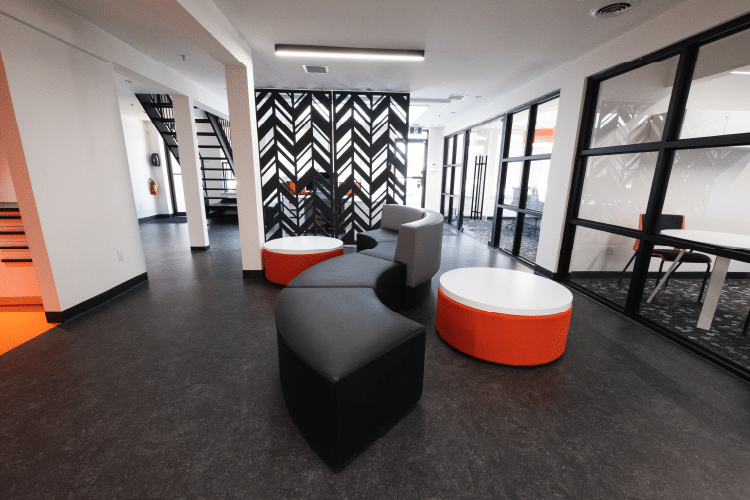
Advantages of LVT - Mannington

What are the Advantages of LVT?

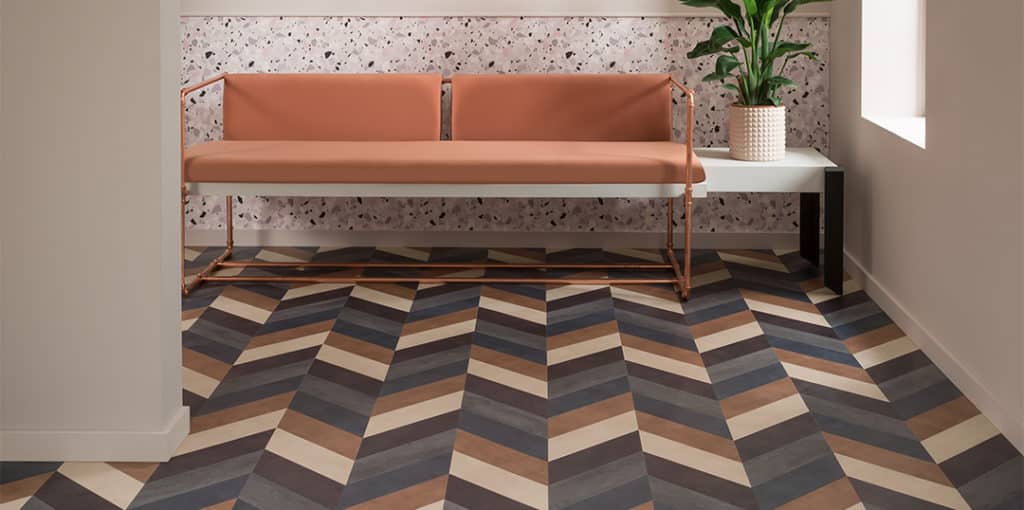
Luxury Vinyl Tile (LVT) is a popular flooring option for both commercial and residential spaces. Here are some advantages of using LVT: Durability: LVT is highly durable and can withstand high foot traffic, making it suitable for high-use areas like hallways, entrances, and kitchens. Water resistance: LVT is highly water-resistant, making it suitable for moisture-prone areas like bathrooms, laundry rooms, and kitchens. It can also be installed in basements and other below-grade areas. Easy maintenance: LVT is easy to clean and maintain, requiring only regular sweeping, mopping, or vacuuming. It’s resistant to stains, scratches, and scuffs, making it a low-maintenance flooring option. Versatility: LVT is available in a wide range of styles, colors, and textures, making it a versatile option that can be customized to suit any design aesthetic. It can mimic the look of natural materials like wood, stone, and tile, while also being available in abstract patterns and bold colors. Comfort: LVT is comfortable to walk on and is warmer underfoot than natural stone or ceramic tile. It also absorbs sound, making it a good option for open-plan spaces or rooms above other living spaces. Cost-effective: LVT is generally more affordable than natural materials like hardwood or stone, making it a cost-effective flooring option that can still provide a high-end look and feel. Luxury Vinyl Tile is a durable, water-resistant, low-maintenance, versatile, comfortable, and cost-effective flooring option that can provide a high-end look and feel. When considering LVT, it’s important to choose a reputable manufacturer and ensure that the flooring is installed correctly to maximize its benefits.

What are the Advantages of LVT? Read More »
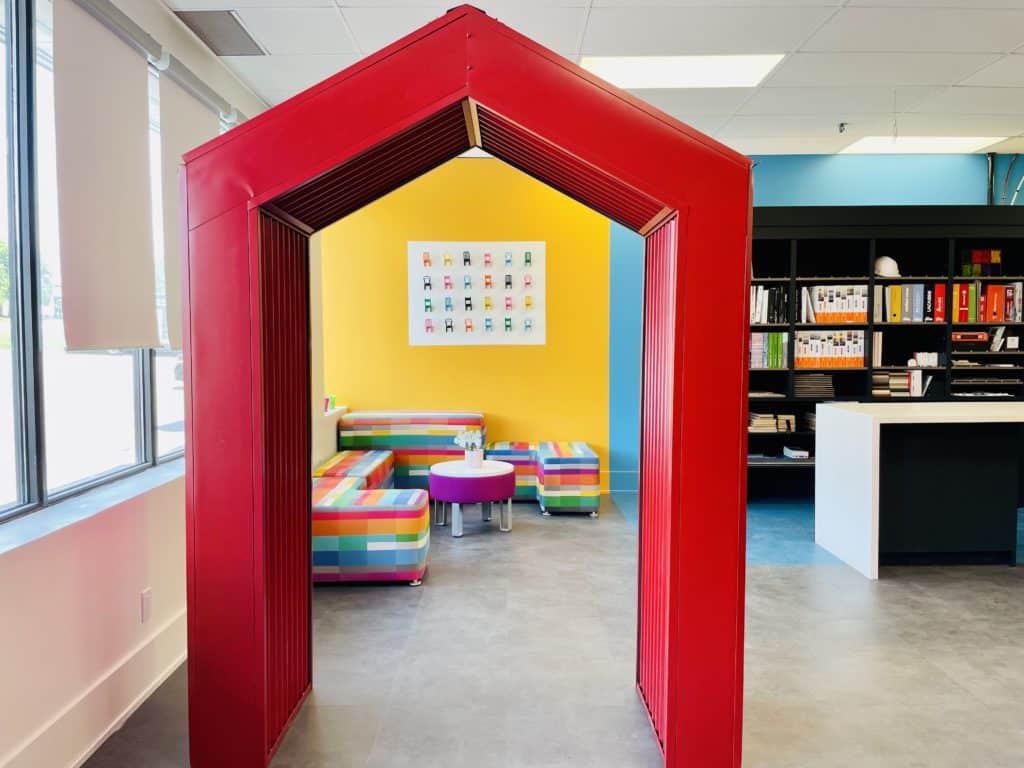
CCA Commercial Interior Design

What is the Difference between Designing and Decorating?

Designing an office and decorating an office are two different things. Here are the main differences: Designing an office: Focuses on the overall layout and functionality of the space to ensure it meets the needs of the business and employees. Considers factors like workflow, communication, storage, and ergonomic needs to create a productive and efficient workspace. Involves space planning, selecting materials, specifying finishes, and coordinating construction or renovation. Typically involves a professional interior designer or architect who can ensure that the space meets building codes and regulations and that the design is functional, aesthetically pleasing, and meets the client’s needs and budget. Aims to improve productivity, collaboration, and employee satisfaction by creating a space that supports the business’s goals and culture. Decorating an office: Focuses on adding decorative elements to the space to enhance its aesthetics and make it more visually appealing. Involves selecting furniture, accessories, artwork, and lighting to create a cohesive design scheme that reflects the business’s brand and style. May involve adding color, pattern, or texture to the walls, adding plants, or creating a focal point in the space. Can be done by an interior decorator or a design-savvy office manager or business owner. Aims to create an attractive and comfortable space that reflects the business’s style and brand and makes a positive impression on clients and visitors. Designing an office and decorating an office serve different purposes. Designing an office focuses on creating a functional and efficient workspace that meets the business’s needs, while decorating an office focuses on enhancing the aesthetics and creating a visually appealing space that reflects the business’s brand and style. Both are important and can have a significant impact on employee productivity, satisfaction, and client perception.

What is the Difference between Designing and Decorating? Read More »

Is rendering a good idea?

Pros and Cons of rendering your design concept

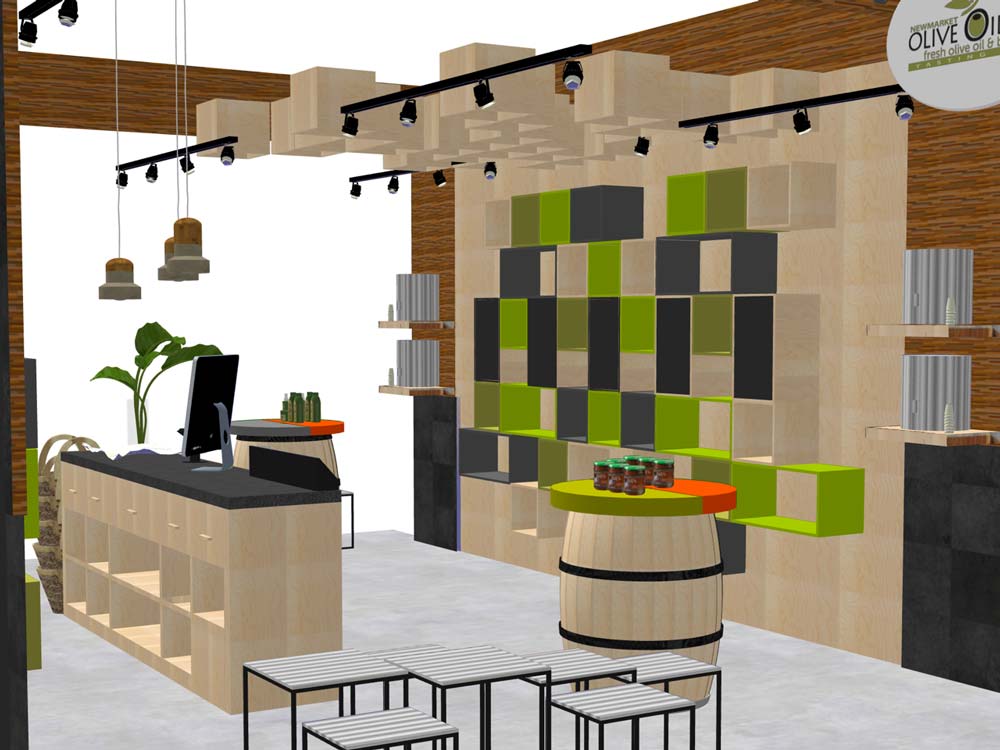
Rendering out an interior design concept involves creating a digital or hand-drawn representation of the design to help visualize the space before it is built or implemented. Here are some pros and cons of rendering out an interior design concept: Pros: Visualization: Rendering out an interior design concept can help visualize the space in 3D or 2D, making it easier to understand the design elements and see how they work together. Communication: A rendered design can help communicate the design intent and details to clients, contractors, and other stakeholders involved in the project. It can help ensure that everyone is on the same page and reduce misunderstandings. Modification: A rendered design can be easily modified and adjusted to meet the client’s preferences or changes in the design concept without the need for costly physical changes. Marketing: Rendered designs can be used for marketing purposes, such as creating a portfolio or showcasing the design on social media or other platforms. Cons: Time-consuming: Creating a rendered design can be time-consuming and requires technical skills and software. It can be a significant investment for small design firms or designers. Costly: Hiring a rendering specialist or investing in software and hardware can be costly, and the cost may be passed on to the client. Unrealistic: Rendered designs may not always accurately represent the actual space, especially when it comes to lighting, materials, and textures. It’s important to manage client expectations and ensure that the rendered design is not misleading. Limitations: There may be limitations to what can be represented in a rendered design, such as the use of virtual reality to experience the space, which may limit the visualization of the space. Rendering out an interior design concept can have many benefits, including visualization, communication, modification, and marketing. However, it also has some drawbacks, such as being time-consuming, costly, potentially unrealistic, and limiting. It’s essential to consider the project’s scope, budget, and goals when deciding whether to render out an interior design concept.

Pros and Cons of rendering your design concept Read More »

Commercial Interior Design

Why add different textures within your office space?

Using multiple textures in the workplace is a great way to add visual interest, depth, and dimension to a space. It can help create a unique and memorable environment that reflects the brand identity and culture of the organization. Here are some benefits of using multiple textures in the workplace: Visual interest: Incorporating different textures in the workplace can add visual interest and help break up monotony. It can create a dynamic environment that captures people’s attention and makes them feel more engaged with the space. Variety: Using multiple textures can provide a variety of sensory experiences that appeal to different people’s preferences. Some people may enjoy the smoothness of glass, while others prefer the warmth of wood or the softness of fabrics. Depth and dimension: Layering textures can help create depth and dimension in a space, making it feel more dynamic and three-dimensional. It can help highlight different features and create a sense of hierarchy and organization. Brand identity: Using textures that reflect the brand identity and culture of the organization can help create a cohesive and unified environment. It can reinforce the brand message and create a strong visual identity. Acoustic performance: Textures can also affect the acoustic performance of a space. Using materials that absorb or diffuse sound can help reduce noise levels and create a more comfortable and productive work environment. In conclusion, using multiple textures in the workplace can have many benefits, including visual interest, variety, depth and dimension, brand identity, and acoustic performance. It can help create a unique and engaging environment that reflects the culture and values of the organization. When incorporating different textures, it’s essential to consider the functional and aesthetic aspects of each material to ensure that they complement each other and contribute to the overall design concept.

Why add different textures within your office space? Read More »

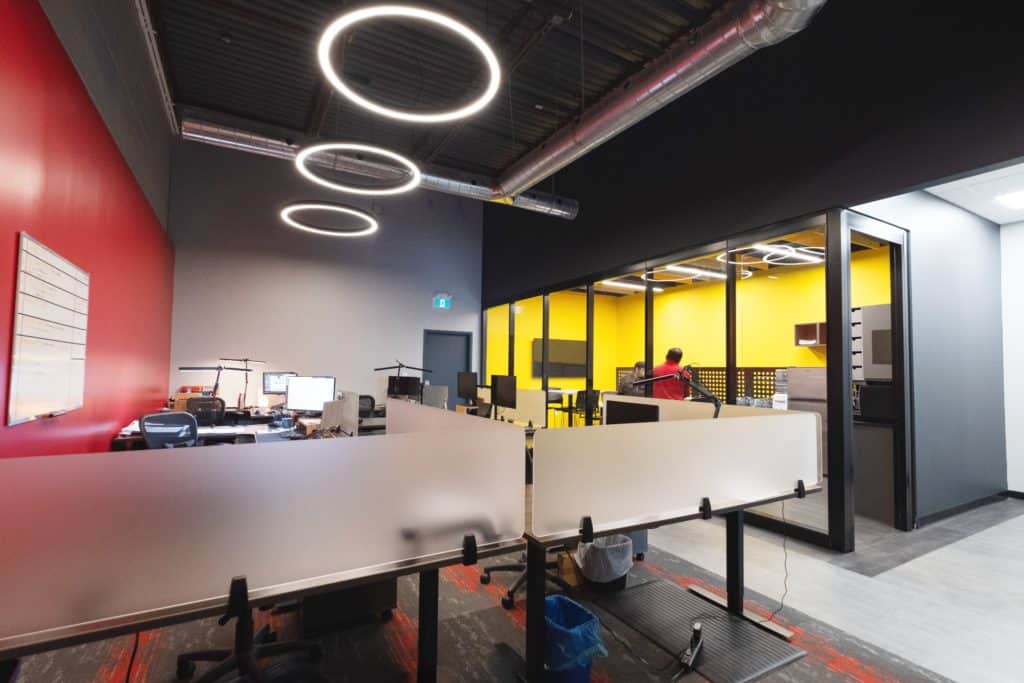
Lighting in the workplace

Lighting in the Workplace

Lighting in the workplace plays a crucial role in the overall atmosphere, productivity, and wellbeing of employees. Proper lighting can enhance the visual appeal of the space, improve mood, increase alertness, and reduce eye strain and headaches. Here are some important considerations when it comes to lighting in the workplace: Natural light: Natural light is the best form of lighting as it helps regulate the body’s circadian rhythms, improves mood, and reduces energy consumption. Employers should try to incorporate as much natural light as possible into the workspace by using large windows, skylights, and light wells. Artificial lighting: In addition to natural light, artificial lighting can be used to supplement the lighting needs in the workplace. Employers should use energy-efficient LED lights that mimic natural light as closely as possible. Properly installed task lighting can help employees work more efficiently and reduce eye strain. Lighting levels: Lighting levels should be appropriate for the task at hand. A brightly lit space can promote alertness and productivity, while dim lighting can create a relaxing atmosphere that is conducive to creative thinking. Light color temperature: The color temperature of the light can have a significant impact on the mood and productivity of employees. Cool white light (5000K-6500K) can help promote alertness and focus, while warm white light (2700K-3500K) can create a relaxing atmosphere. Lighting control: Employers can use lighting control systems to adjust the lighting levels and color temperature based on the time of day and the needs of the employees. This can help create a more comfortable and productive work environment. In conclusion, lighting in the workplace plays a vital role in creating a productive, healthy, and comfortable work environment. Employers should aim to incorporate as much natural light as possible, use energy-efficient LED lights, adjust lighting levels based on the task at hand, and use lighting control systems to create a more comfortable and productive work environment. By considering these factors, employers can create a workspace that is conducive to creativity, productivity, and wellbeing.

Lighting in the Workplace Read More »

Glass Wall

Are Glass Walls And Doors A Good Idea In An Office space?

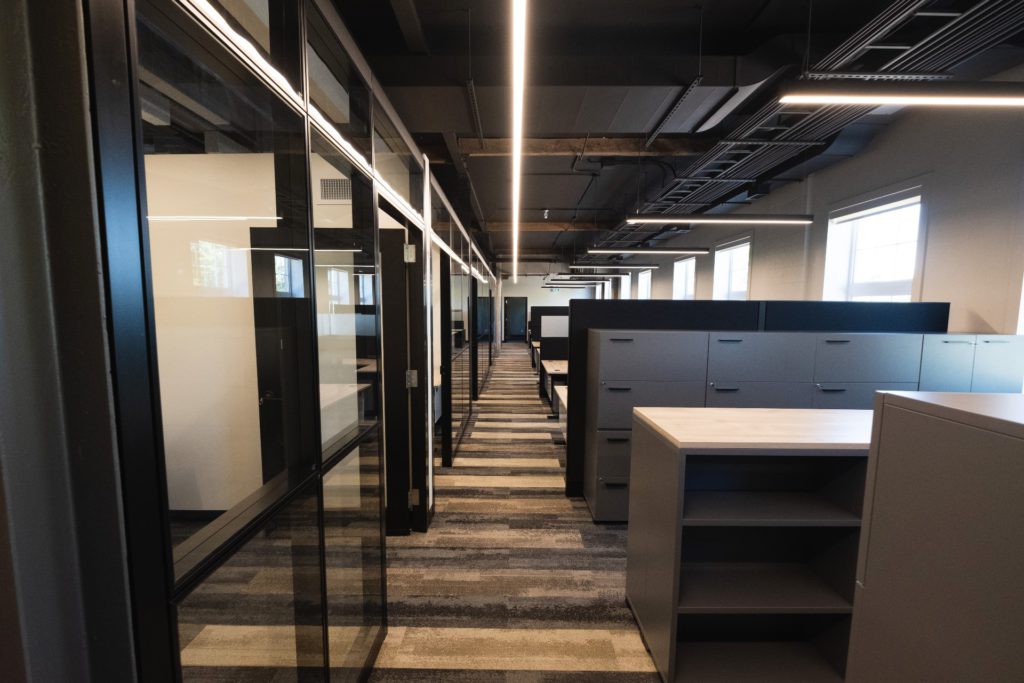
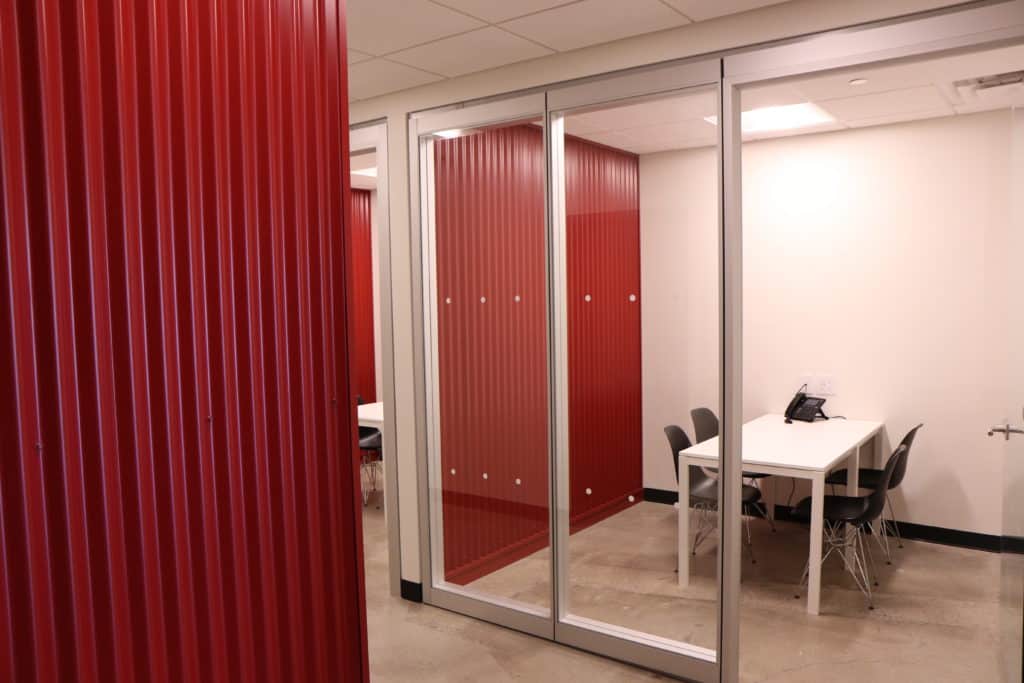
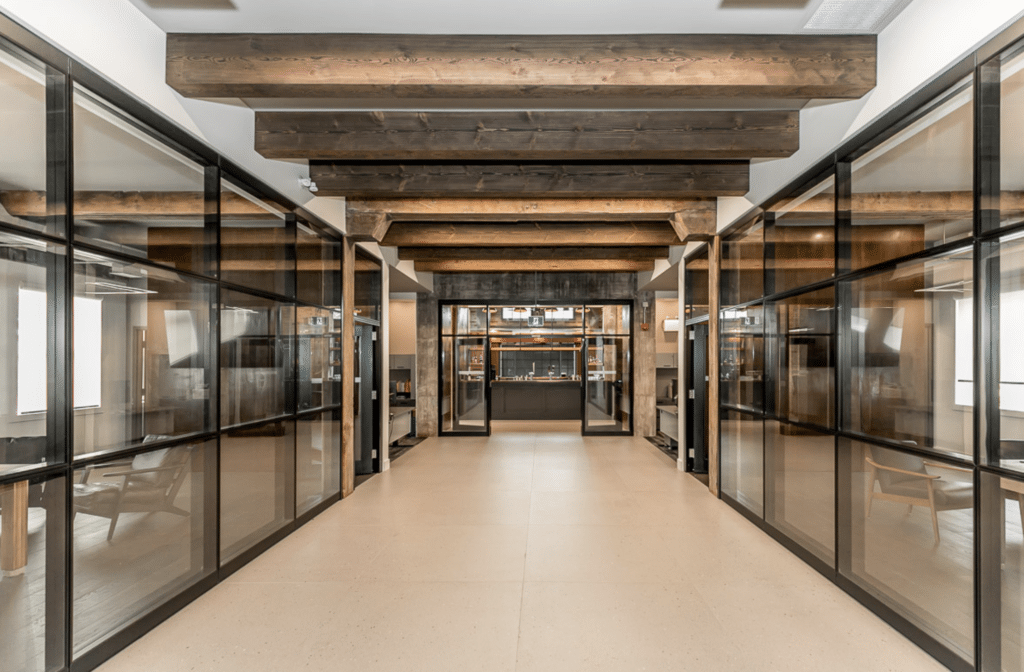
Glass walls and doors in the workplace have become increasingly popular over the years, as they offer several advantages. However, there are also some disadvantages that should be considered. Here are some pros and cons of glass walls and doors in the workplace: Pros: Natural light: One of the most significant benefits of glass walls and doors is that they allow natural light to flow into the workspace. This can reduce the need for artificial lighting, making the workplace more energy-efficient. Transparency: Glass walls and doors provide transparency, allowing employees to see what’s going on in other parts of the workplace. This can help create a sense of openness and promote collaboration. Aesthetics: Glass walls and doors can create a sleek and modern look, adding to the overall aesthetic of the workspace. This can create a positive impression on clients and visitors. Flexibility: Glass walls and doors can be used to create flexible workspaces that can be easily reconfigured as needed. This can be particularly useful in open-plan offices where employees may need to move around and collaborate with different teams. Cons: Privacy: One of the most significant drawbacks of glass walls and doors is the lack of privacy they offer. Employees may feel uncomfortable knowing that others can see what they’re doing, which can affect their productivity. Noise: Glass walls and doors don’t provide much sound insulation, which can lead to noise pollution in the workplace. This can be particularly problematic in open-plan offices where noise levels can become distracting. Glare: Glass walls and doors can reflect sunlight and cause glare, which can be uncomfortable for employees and affect their ability to work. Cost: Glass walls and doors can be expensive to install and maintain, especially if they need to be custom-made or if there are structural requirements that need to be met. In conclusion, glass walls and doors in the workplace can offer several advantages, such as natural light, transparency, aesthetics, and flexibility. However, they also have some disadvantages, including privacy issues, noise pollution, glare, and cost. Before deciding to install glass walls and doors in the workplace, businesses should carefully consider the potential benefits and drawbacks and assess whether they are a good fit for their specific needs and requirements.

Are Glass Walls And Doors A Good Idea In An Office space? Read More »

Interior Design King ON

Interior Design and the OBC

Why choose an Interior Designer to help with your renovation? Knowledge of the Ontario Building Codes for one. Ontario Building Codes (OBC) are a set of regulations and standards that outline the minimum requirements for the construction, renovation, and maintenance of buildings in Ontario, Canada. Adhering to OBC is essential to ensure that buildings are safe, accessible, and energy-efficient. Working with an interior designer can also have several advantages when it comes to designing and renovating buildings. Here are some of the benefits of working with an interior designer who is familiar with OBC: Knowledge of OBC: An interior designer who is familiar with OBC can ensure that your building design complies with all relevant regulations and standards, reducing the risk of costly mistakes or legal issues down the line. Experience and expertise: Interior designers have experience and expertise in designing spaces that are functional, aesthetically pleasing, and efficient. They can help you make the most of your space while ensuring that it meets OBC requirements. Access to resources: Interior designers have access to a wide range of resources, including materials, suppliers, and contractors. They can help you find the best products and services for your project, while staying within your budget. Creative solutions: Interior designers can come up with creative solutions to design challenges, such as maximizing natural light or creating an open-plan workspace. They can help you achieve your vision while still adhering to OBC requirements. Improved functionality: An interior designer can help you design a space that is tailored to your specific needs, whether that’s an office, retail space, or residential building. They can help you improve the functionality of your space, making it more efficient and user-friendly. In conclusion, working with an interior designer who is familiar with OBC can have several advantages, including knowledge of OBC, experience and expertise, access to resources, creative solutions, and improved functionality. An interior designer can help you create a space that meets all relevant regulations and standards while still reflecting your unique vision and style. www.studioforma.ca | design@studioforma.ca

Interior Design and the OBC Read More »